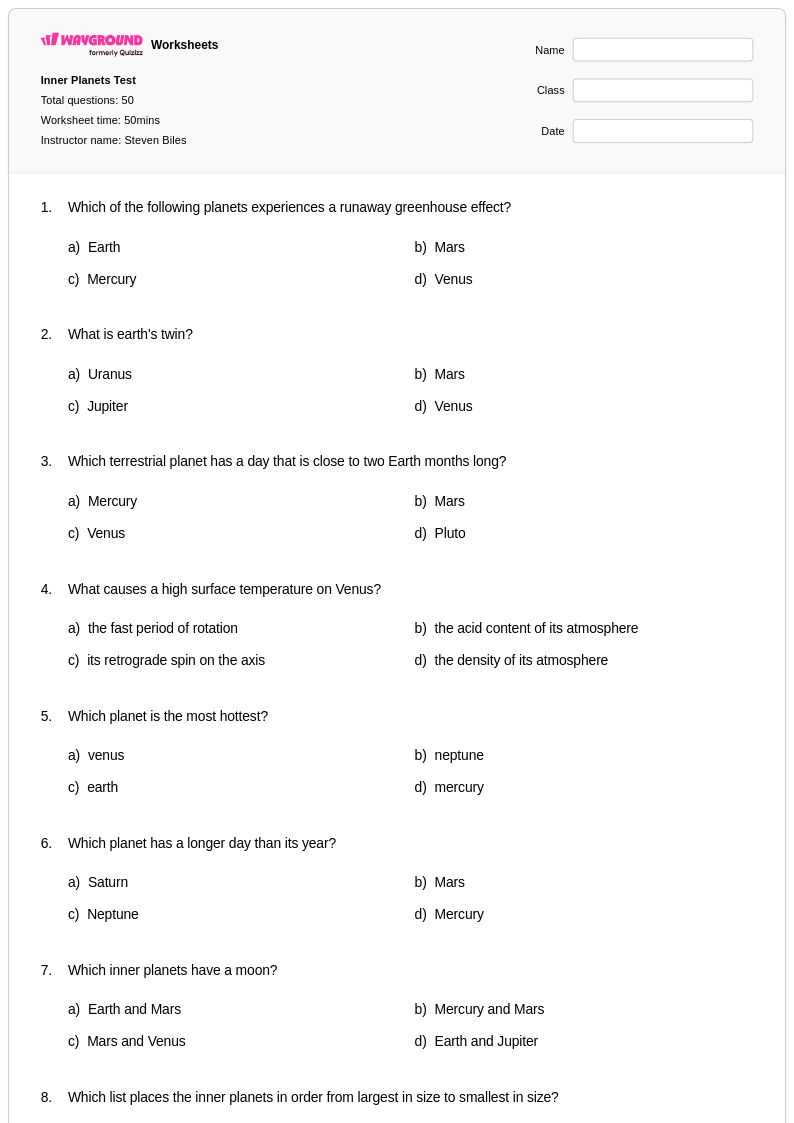
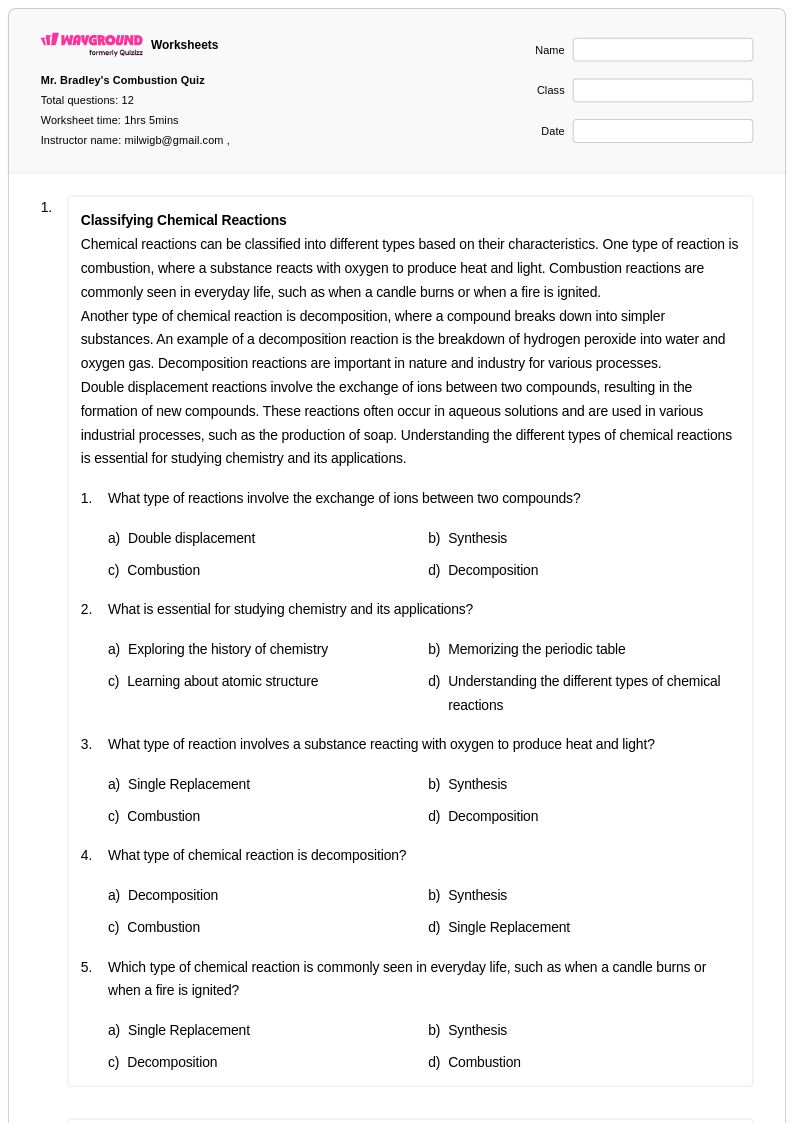
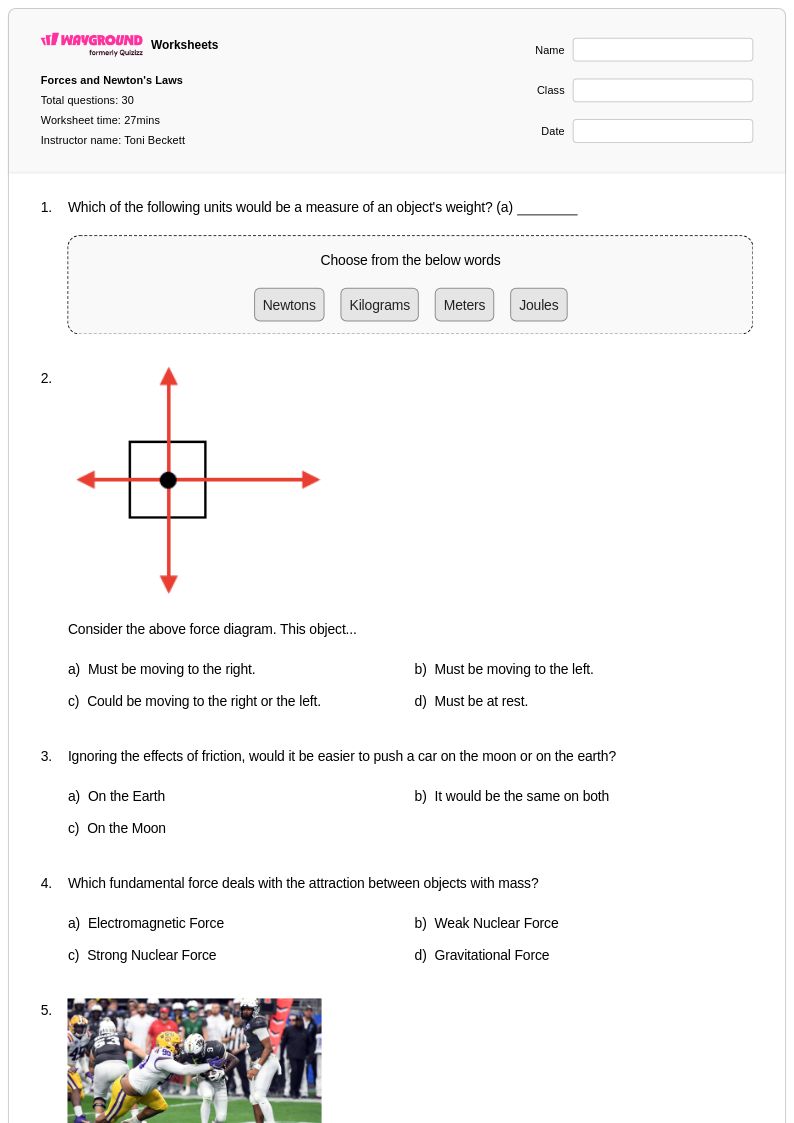
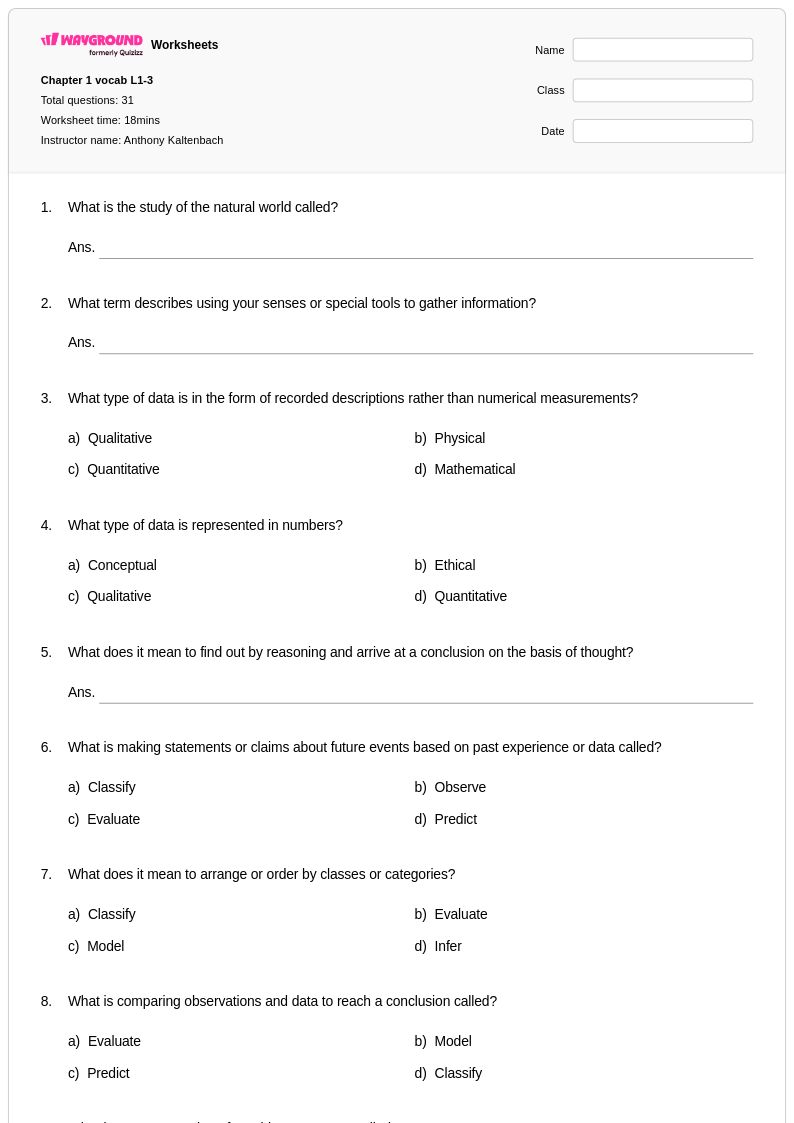
Enhance Grade 12 students' scientific curiosity with Wayground's comprehensive collection of free worksheets, printables, and practice problems that develop critical thinking skills through engaging PDF resources complete with answer keys.
Explore printable Curiosity worksheets for Grade 12
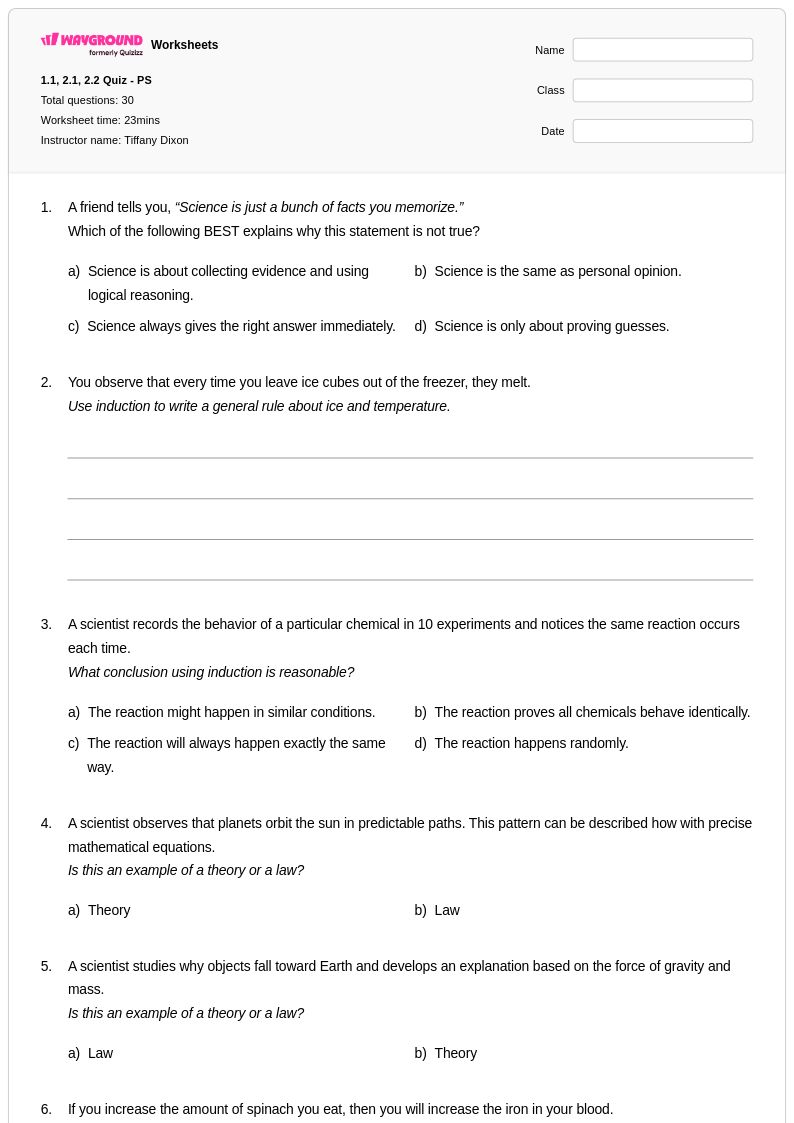
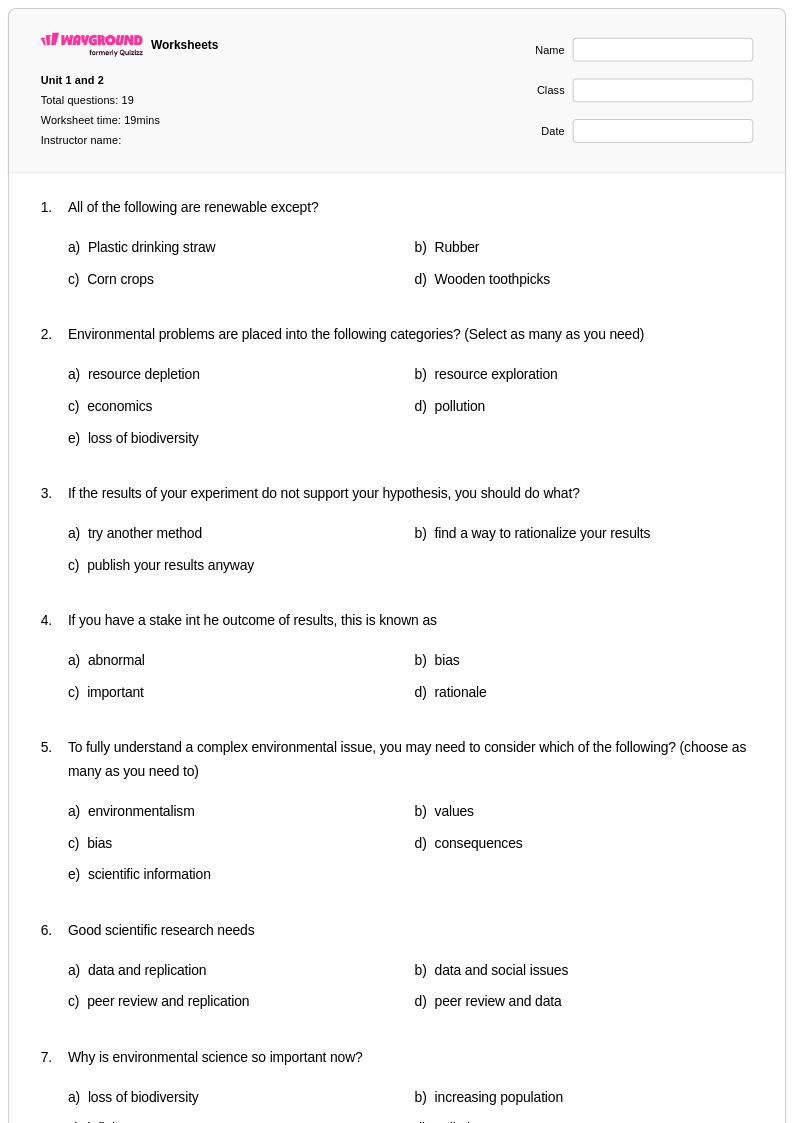
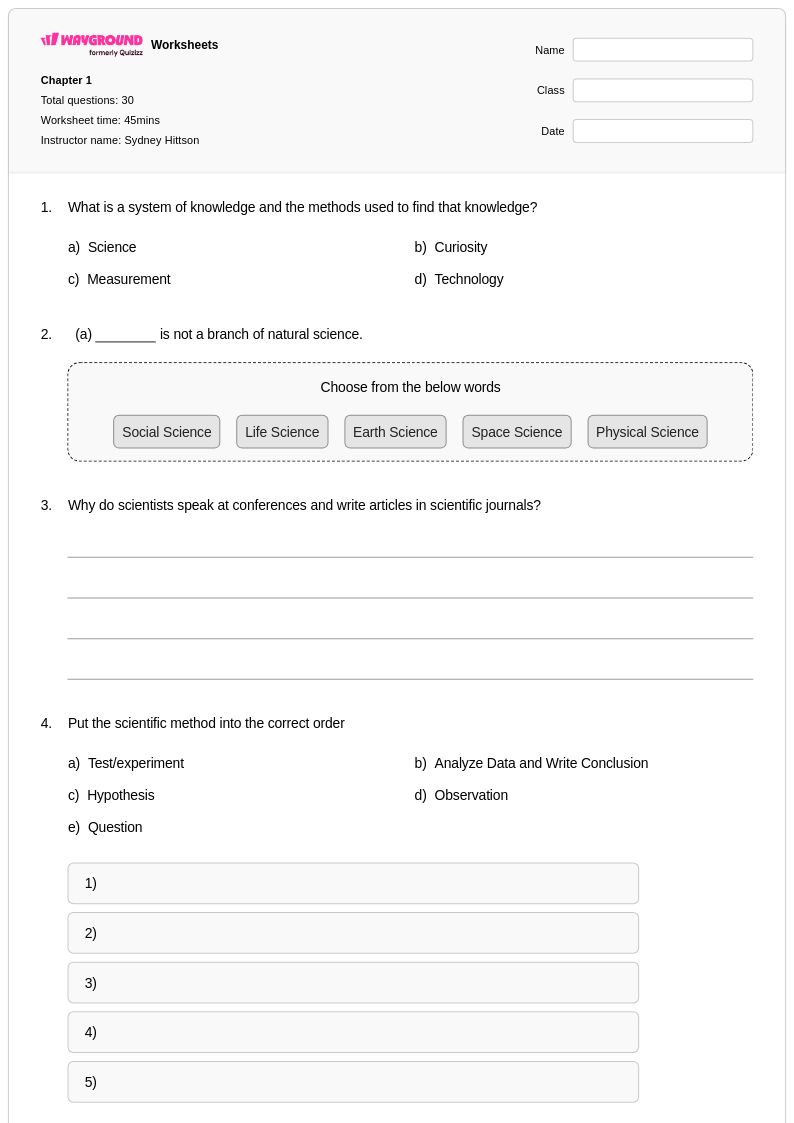
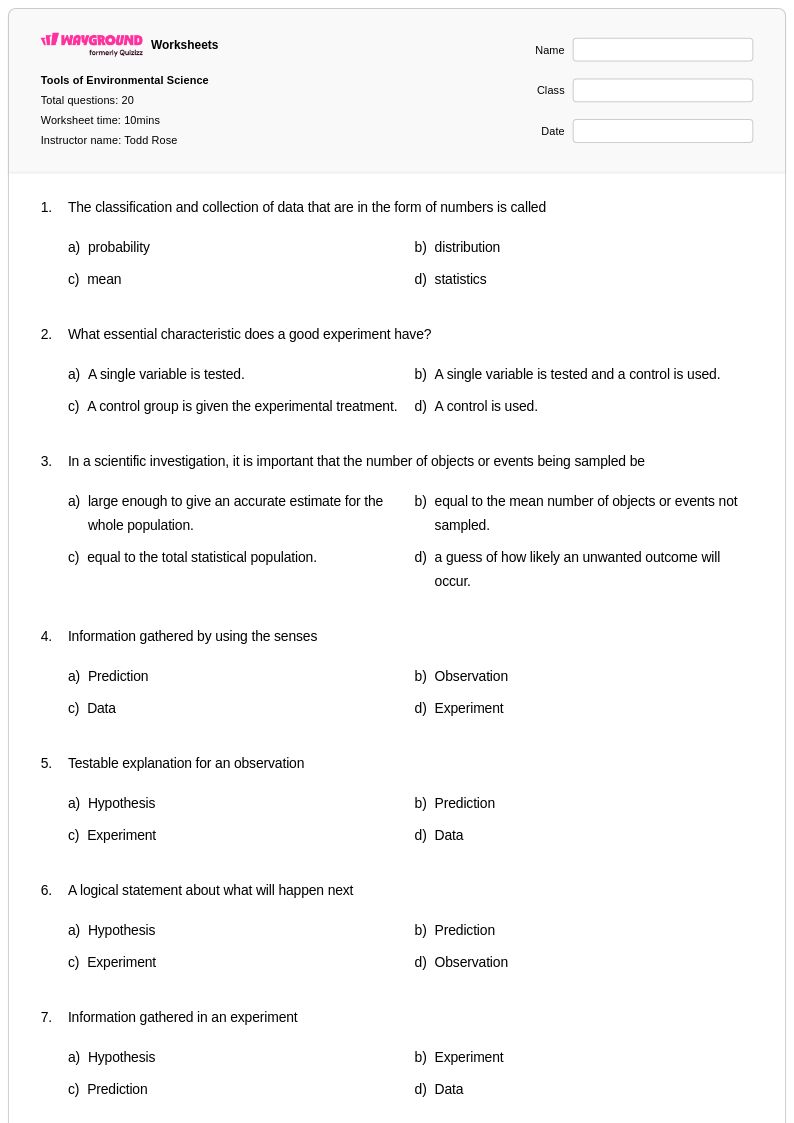
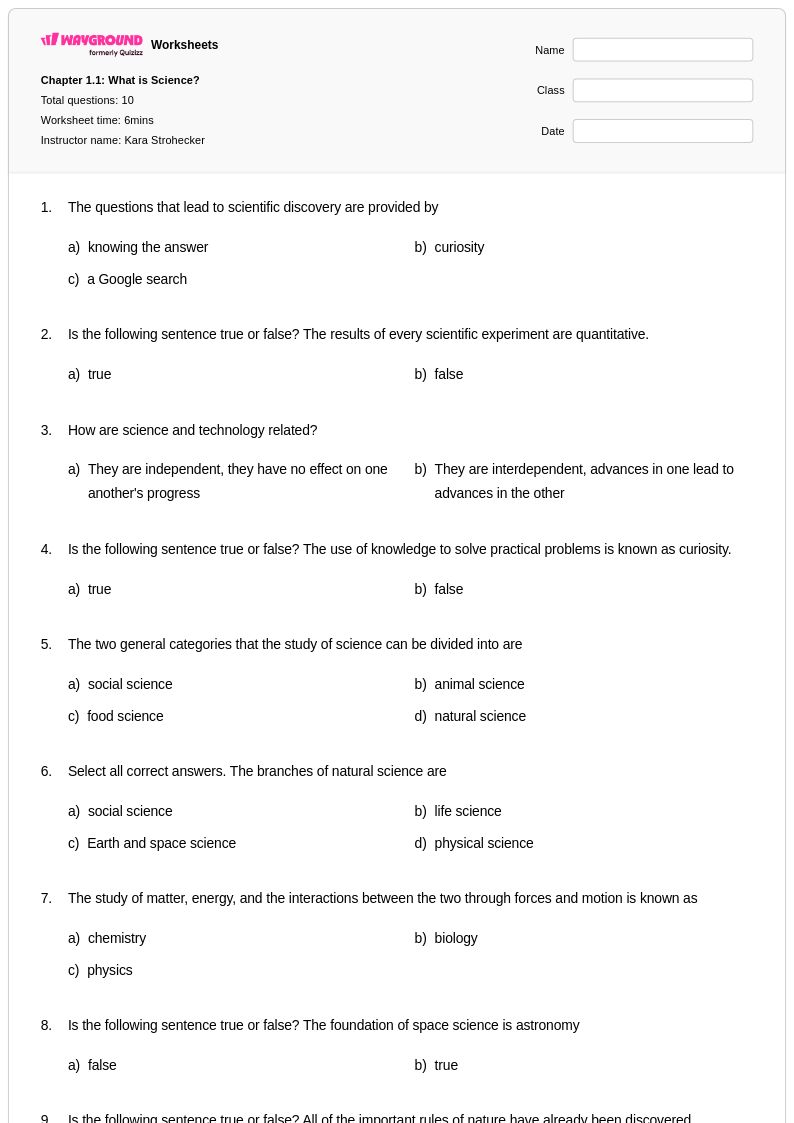
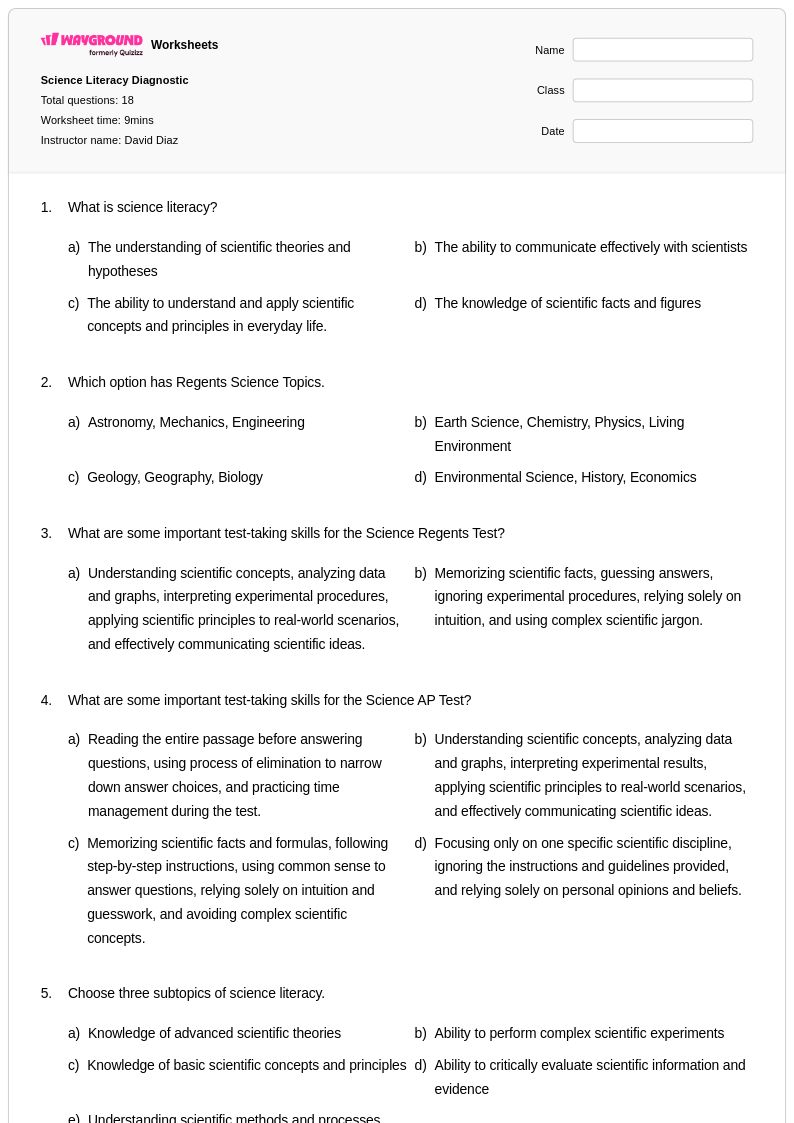
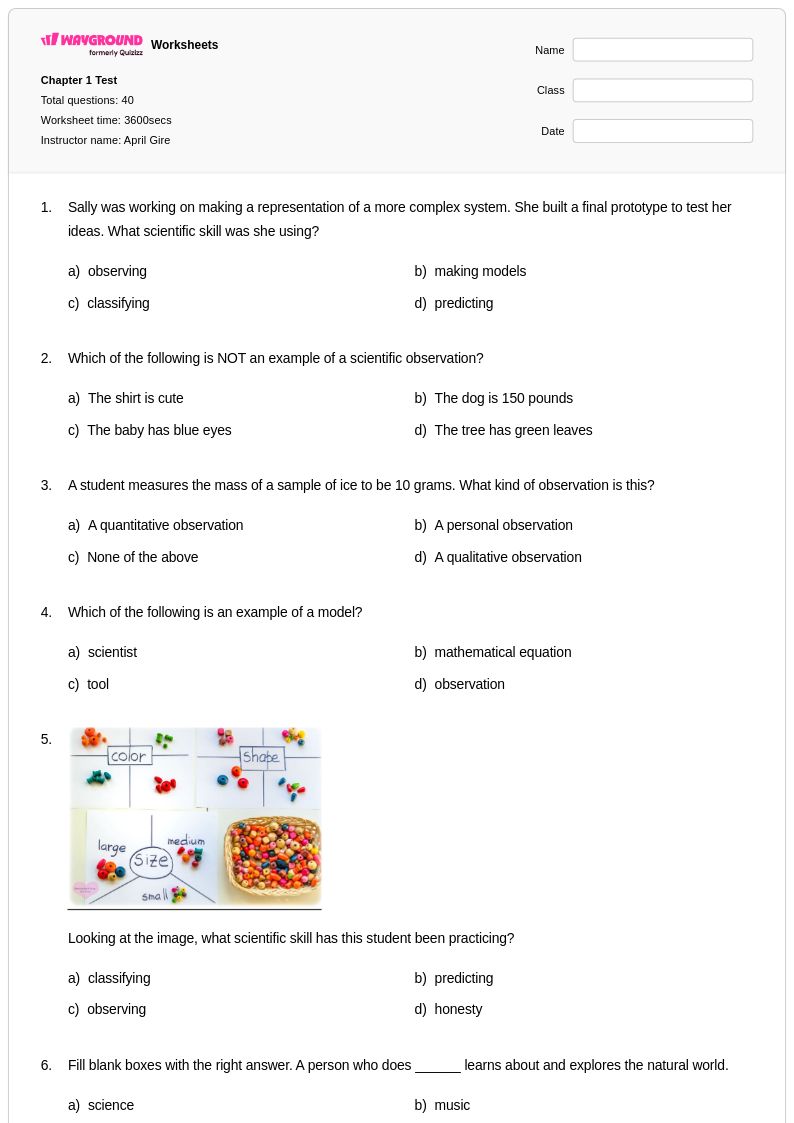
Curiosity worksheets for Grade 12 students available through Wayground (formerly Quizizz) provide essential practice for developing scientific inquiry and critical thinking skills that define advanced engineering and science practices. These comprehensive resources challenge students to explore the fundamental role of curiosity in driving scientific discovery, formulating research questions, and designing innovative solutions to complex problems. The worksheets strengthen students' ability to identify knowledge gaps, generate testable hypotheses, and maintain intellectual engagement throughout extended research processes. Each printable resource includes detailed answer keys and practice problems that guide students through real-world scenarios where curiosity leads to breakthrough discoveries, making these free materials invaluable for reinforcing the connection between wonder, investigation, and scientific advancement at the Grade 12 level.
Wayground (formerly Quizizz) empowers educators with access to millions of teacher-created curiosity worksheets specifically designed for Grade 12 engineering and science practices instruction. The platform's robust search and filtering capabilities enable teachers to quickly locate materials aligned with curriculum standards while supporting diverse learning needs through built-in differentiation tools. These worksheet collections are available in both printable pdf formats and interactive digital versions, allowing for flexible customization based on classroom requirements and individual student goals. Teachers can seamlessly integrate these resources into lesson planning, targeted remediation sessions, and enrichment activities, ensuring that students develop the sustained curiosity and questioning mindset essential for success in advanced scientific fields and engineering disciplines.
FAQs
How do I teach curiosity as a skill in the science classroom?
Teaching curiosity as a skill means creating structured opportunities for students to ask questions, make observations, and investigate phenomena before being given answers. Start by modeling inquiry behavior yourself: wonder aloud, pause before explaining, and reward questions as much as correct answers. Structured routines like "Notice and Wonder" or open-ended observation prompts help students build the habit of approaching problems with an investigative mindset rather than waiting to be told what to think.
What kinds of exercises help students develop scientific curiosity?
Exercises that develop scientific curiosity ask students to generate questions from observations rather than answer pre-set questions. Effective formats include open-ended observation logs, "What do you wonder?" response prompts, hypothesis generation activities, and inquiry planning tasks where students decide what to investigate and why. These exercises shift the cognitive work toward student-driven exploration, which reinforces the investigative habits at the core of scientific thinking.
What mistakes do students commonly make when practicing inquiry-based thinking?
The most common mistake is confusing curiosity with guessing — students often jump to conclusions without grounding their questions in observation first. Another frequent error is asking closed questions ("Is it alive?") rather than open investigative ones ("What conditions affect how it grows?"). Students also struggle to distinguish between a testable question and a topic they find interesting, which is a critical distinction for moving from wonder to scientific inquiry.
How can I use curiosity worksheets to support different learners in my class?
Curiosity worksheets on Wayground are available in both printable PDF and digital formats, making them adaptable for in-class, hybrid, and at-home use. When hosting worksheets digitally on Wayground, teachers can apply student-level accommodations including Read Aloud for students who need audio support, reduced answer choices to lower cognitive load, and extended time settings for students who need more processing time. These accommodations can be assigned to individual students without notifying the rest of the class, so differentiation stays seamless.
How do curiosity worksheets connect to engineering and science practices standards?
Curiosity worksheets that focus on asking questions, making observations, and planning investigations map directly onto the science and engineering practices outlined in frameworks like the Next Generation Science Standards (NGSS). These practices treat inquiry as a procedural skill, not just a disposition, which means structured worksheet exercises that walk students through the stages of questioning and exploration have direct standards alignment. Using these worksheets in sequence can help students internalize inquiry as a repeatable process rather than a one-off activity.
How do I assess whether students are developing genuine curiosity rather than just completing tasks?
Assessment of curiosity-driven thinking should focus on the quality of student questions and observations, not just task completion. Look for whether students are generating novel questions independently, refining their questions based on evidence, and connecting new observations to prior knowledge. Answer keys in structured curiosity worksheets can help you benchmark whether students are progressing from surface-level responses toward deeper investigative thinking over time.