
10 Q
3rd - 5th
10 Q
KG - 10th
24 Q
3rd

40 Q
3rd - 12th
10 Q
3rd
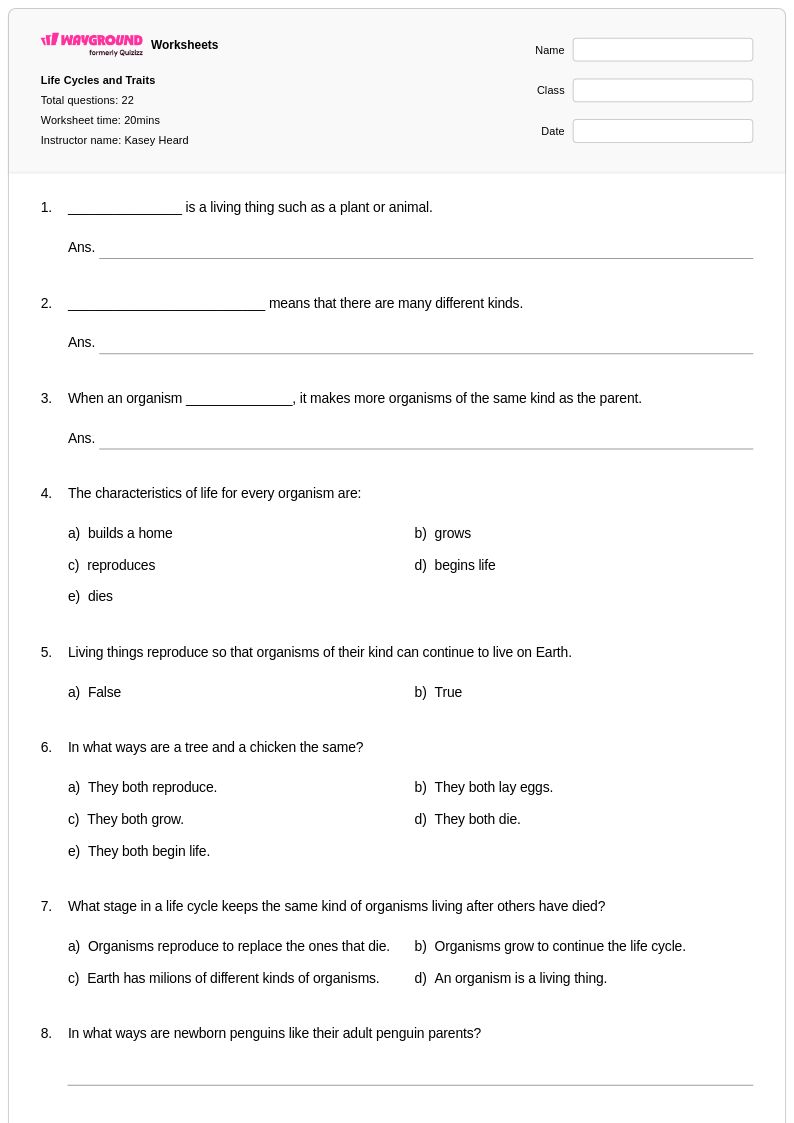
22 Q
3rd
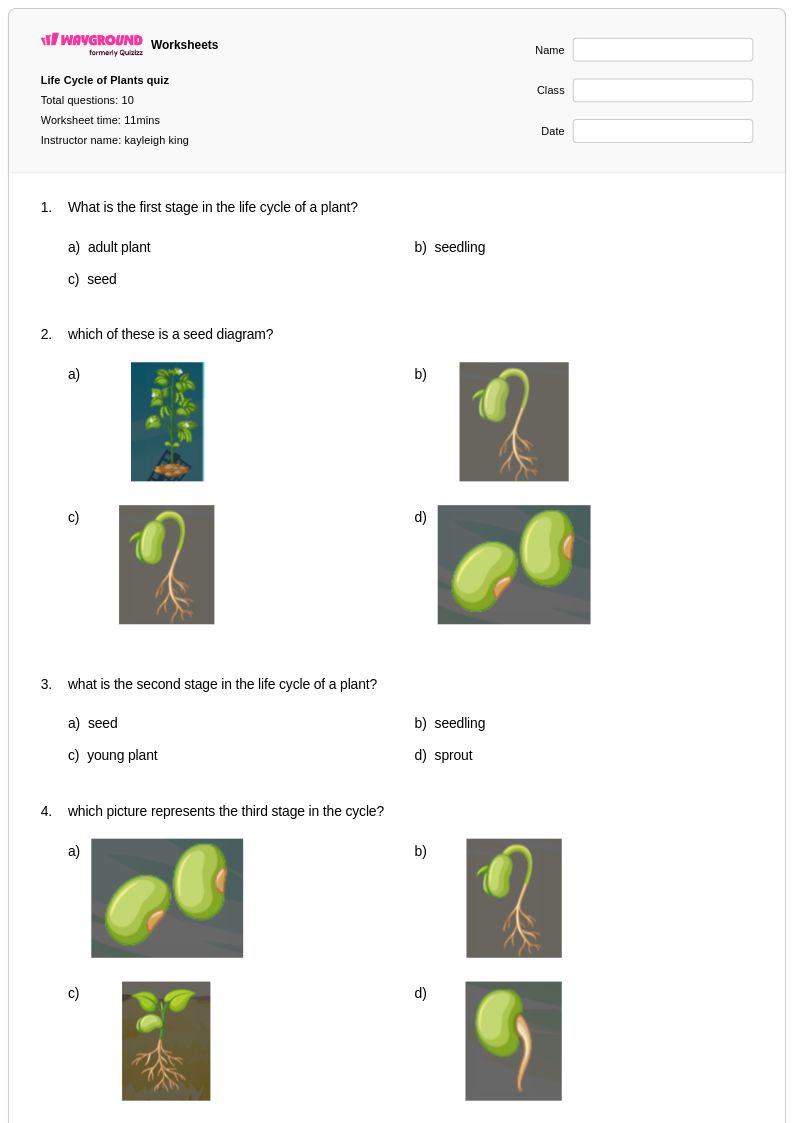
10 Q
3rd
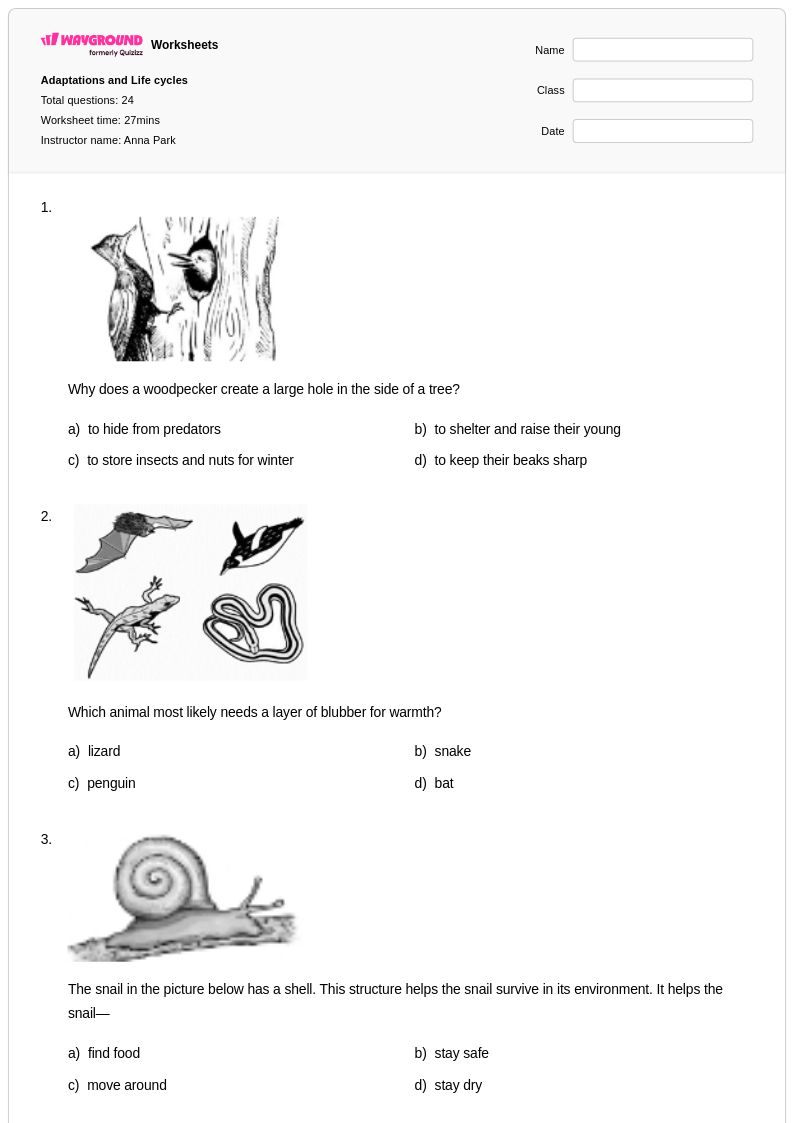
24 Q
3rd
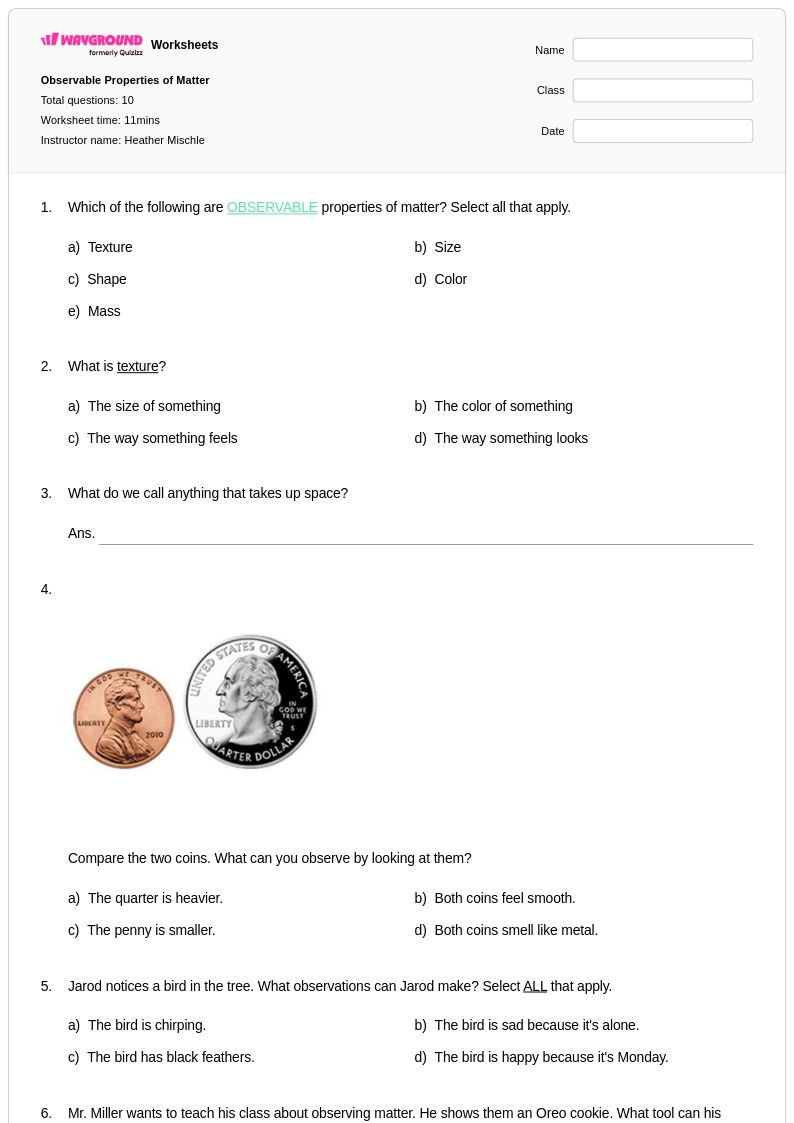
10 Q
2nd - 3rd
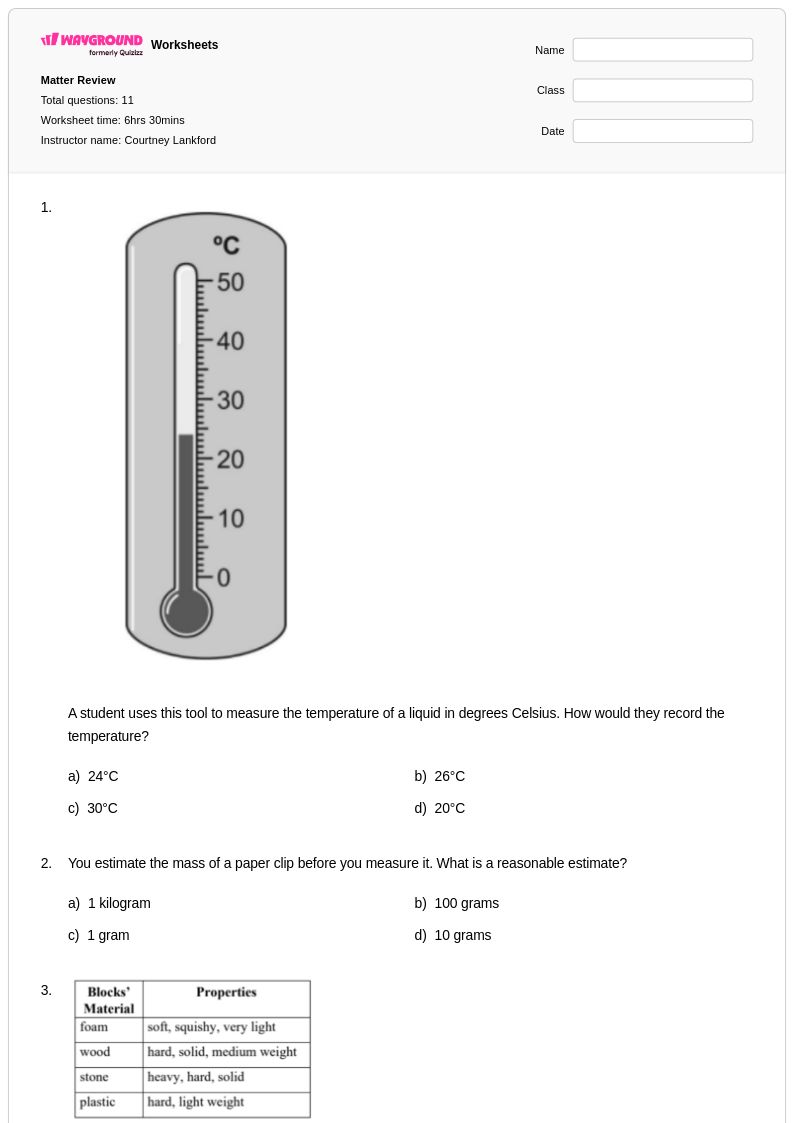
11 Q
3rd
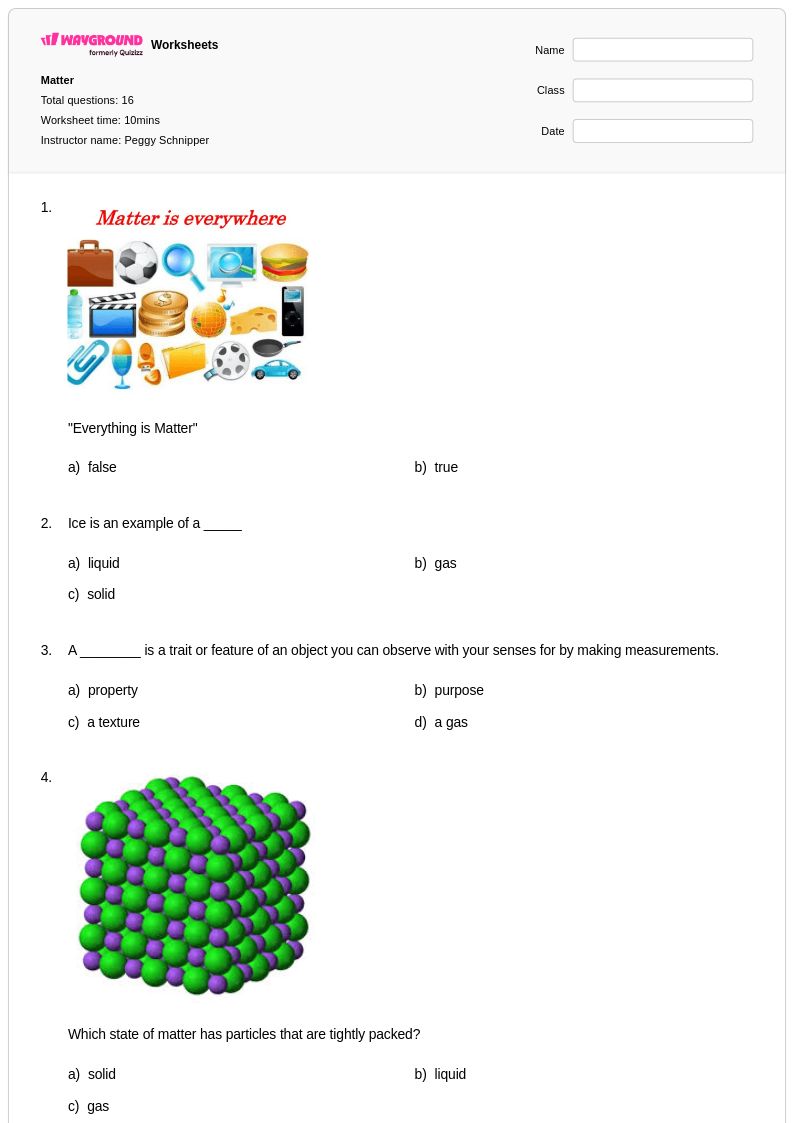
16 Q
3rd
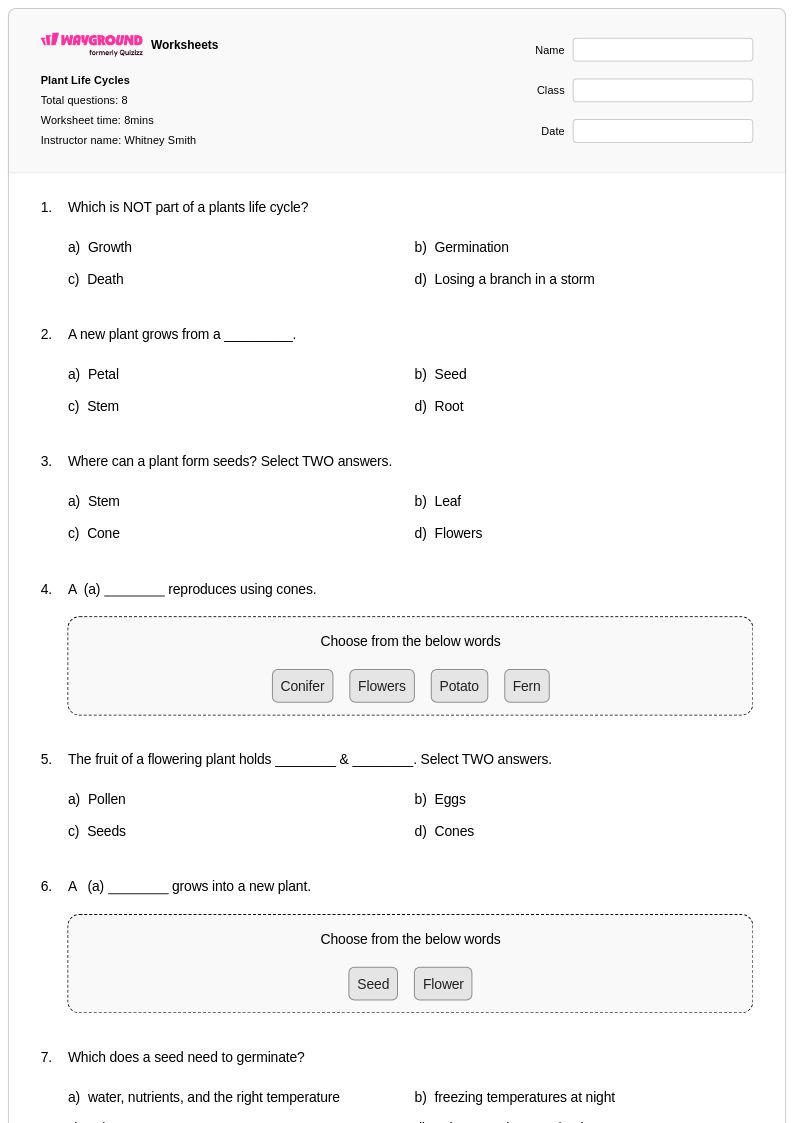
8 Q
3rd
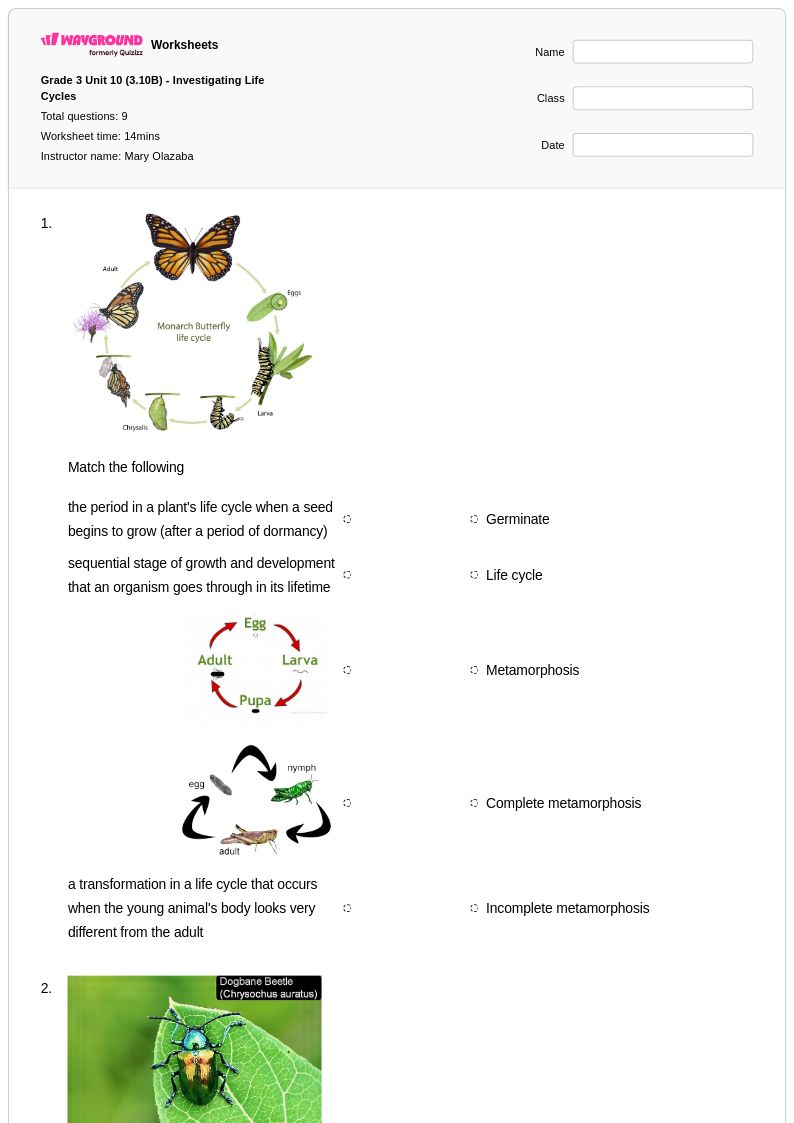
9 Q
3rd
13 Q
2nd - 5th
10 Q
3rd
14 Q
3rd - 5th
10 Q
3rd
13 Q
2nd - 5th
10 Q
3rd
13 Q
3rd
10 Q
1st - 5th
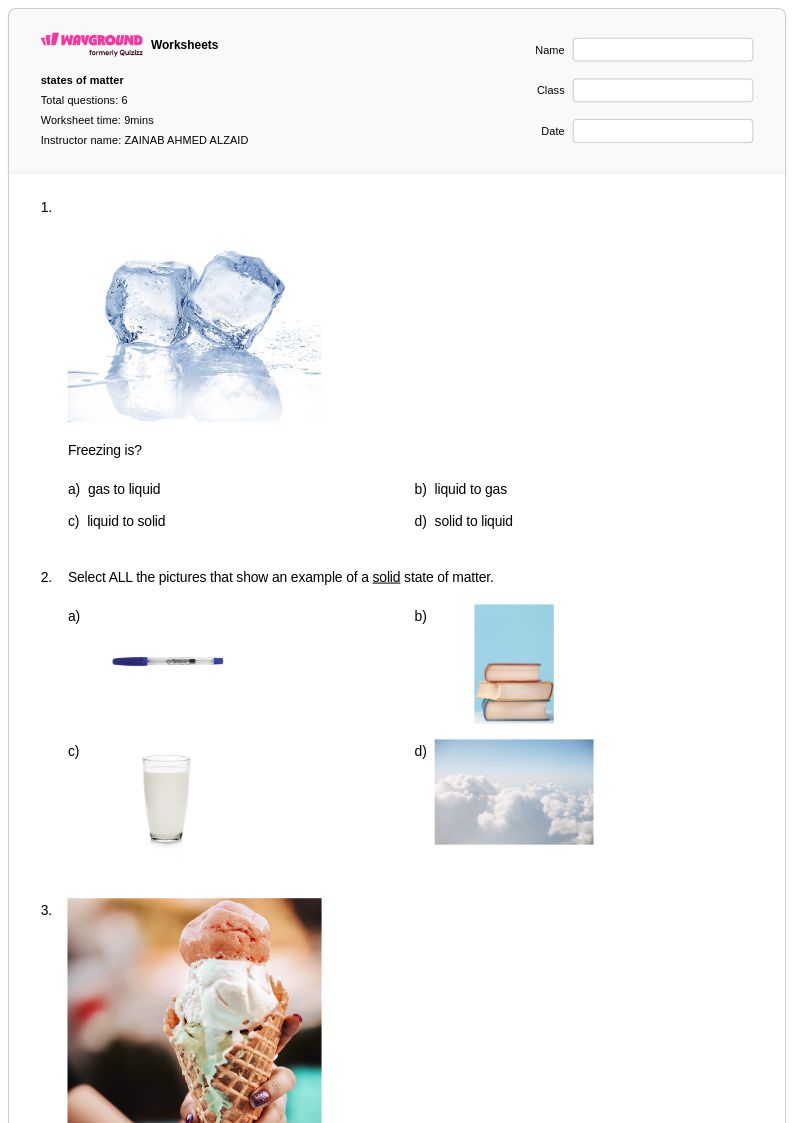
6 Q
3rd
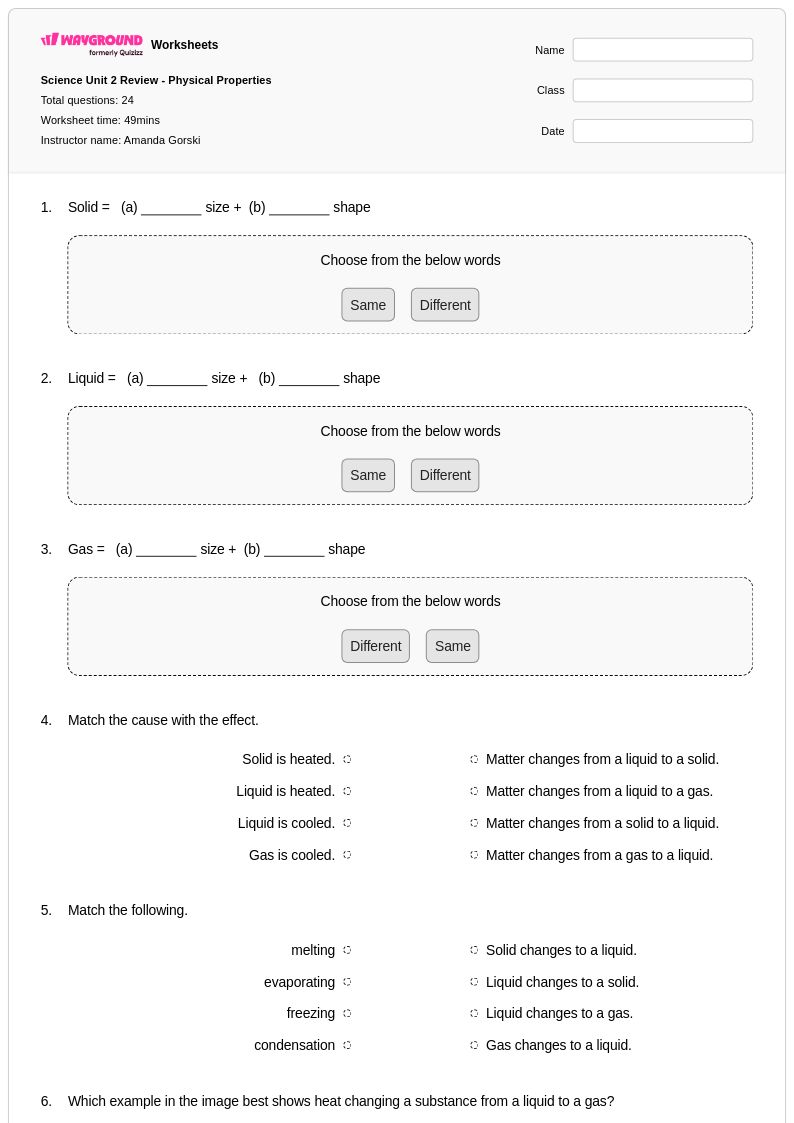
24 Q
3rd
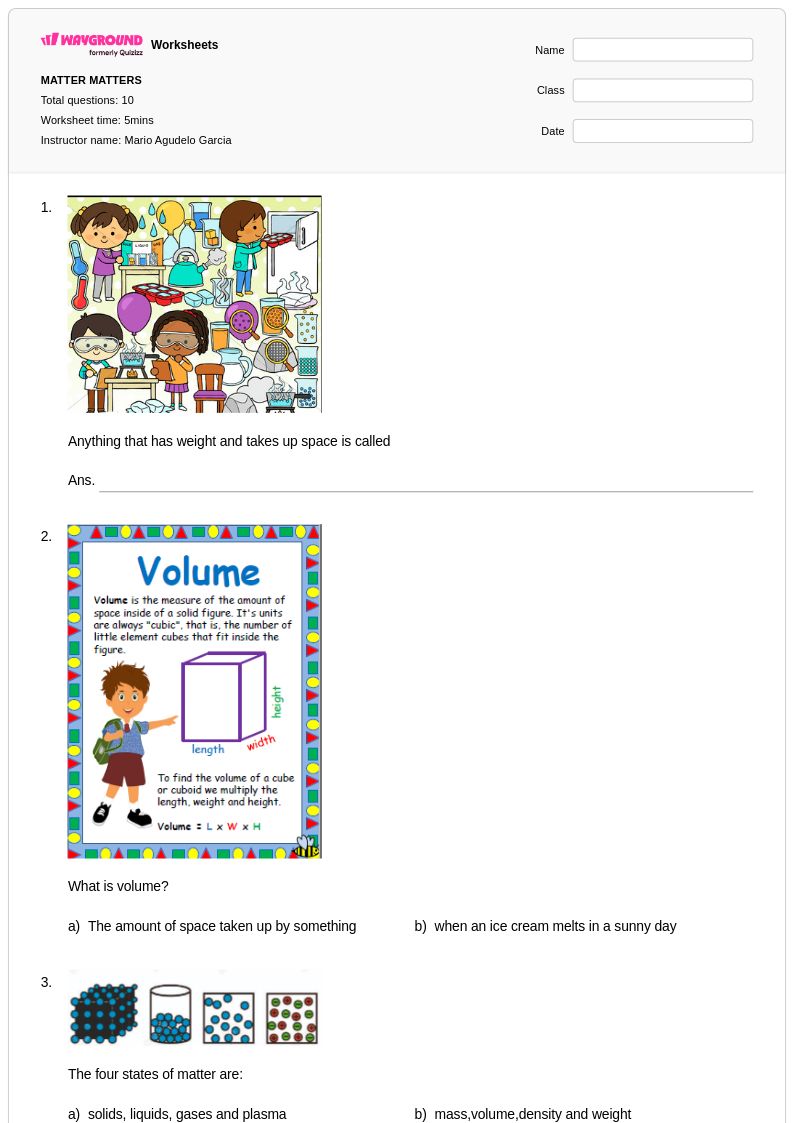
10 Q
3rd
Explore Cycles of Matter Worksheets by Grades
Explore Other Subject Worksheets for grade 3
Explore printable Cycles of Matter worksheets for Grade 3
Cycles of Matter worksheets for Grade 3 students available through Wayground (formerly Quizizz) provide comprehensive practice opportunities that help young learners understand how materials move through natural systems in our world. These carefully crafted resources strengthen essential scientific thinking skills by guiding students through the fundamental processes of water cycles, rock cycles, and the movement of nutrients through ecosystems using age-appropriate language and engaging visual elements. Each worksheet collection includes detailed answer keys that support both independent learning and teacher-guided instruction, while the free printable format ensures accessibility for diverse classroom environments. The practice problems are specifically designed to build conceptual understanding of how matter transforms and moves through different states and systems, helping third-grade students develop foundational knowledge in earth and space science through hands-on activities and thoughtful questioning.
Wayground (formerly Quizizz) empowers educators with an extensive library of millions of teacher-created Cycles of Matter resources that can be easily searched, filtered, and customized to meet specific classroom needs and learning objectives. The platform's robust differentiation tools allow teachers to modify worksheets for various skill levels within their Grade 3 classrooms, ensuring that both struggling learners and advanced students receive appropriate challenges in understanding matter cycles. Standards alignment features help educators select materials that directly support curriculum requirements, while the availability of both printable pdf formats and digital versions provides flexibility for different teaching environments and student preferences. These comprehensive worksheet collections serve multiple instructional purposes, from initial concept introduction and guided practice to targeted remediation and enrichment activities, giving teachers the resources they need to help students master the complex but fascinating ways that matter moves and changes throughout Earth's interconnected systems.
FAQs
How do I teach the cycles of matter in a way that students actually understand?
What's the best way to help students practice tracing matter through biogeochemical cycles?
What misconceptions do students commonly have about the cycles of matter?
How can I use cycles of matter worksheets to assess student understanding?
How do I use Wayground's Cycles of Matter worksheets in my classroom?
How can I differentiate cycles of matter instruction for students who are struggling?