Free Printable Drama Triangle Worksheets for Grade 12
Grade 12 Drama Triangle worksheets from Wayground help students understand dysfunctional relationship dynamics through engaging printables, practice problems, and comprehensive answer keys for effective social skills development.
Explore printable Drama Triangle worksheets for Grade 12
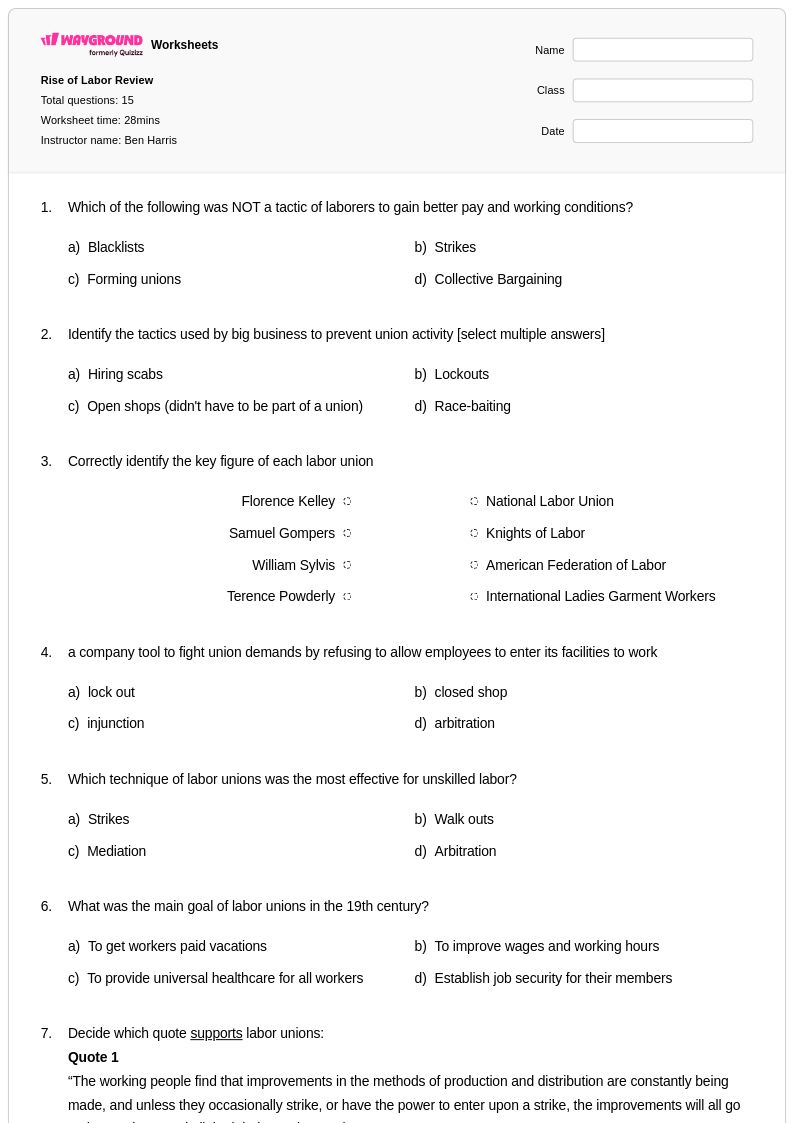
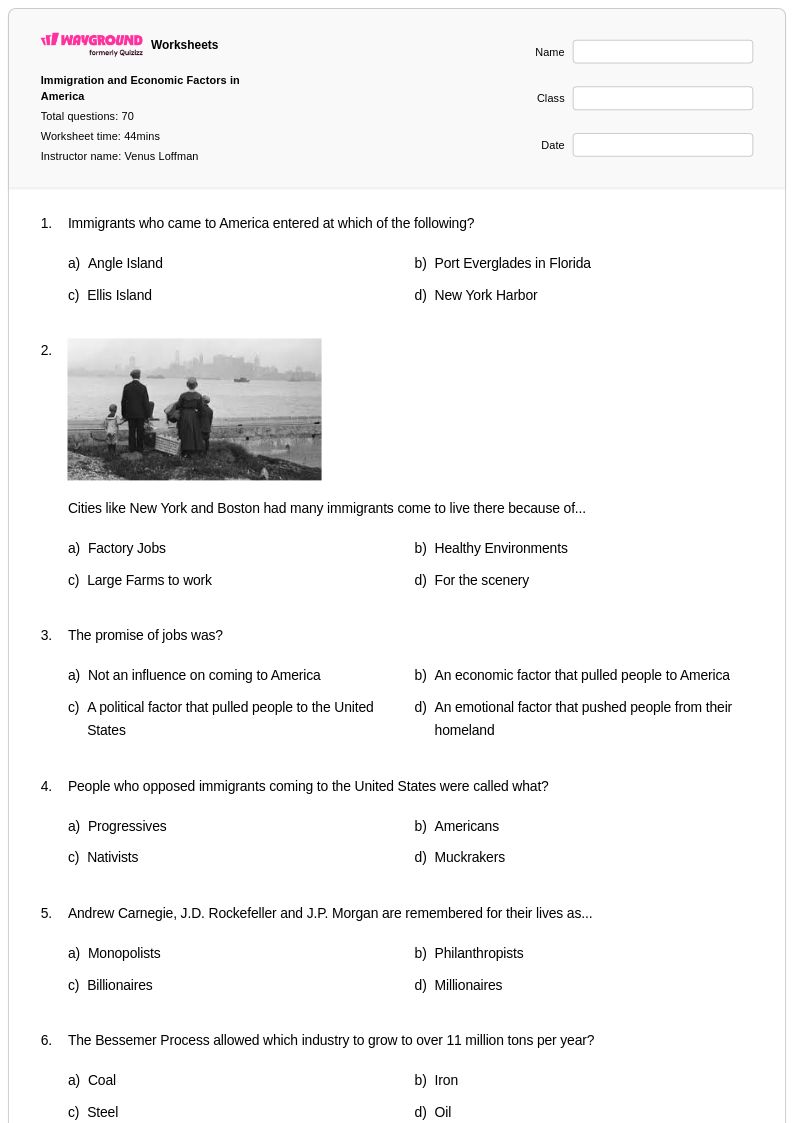
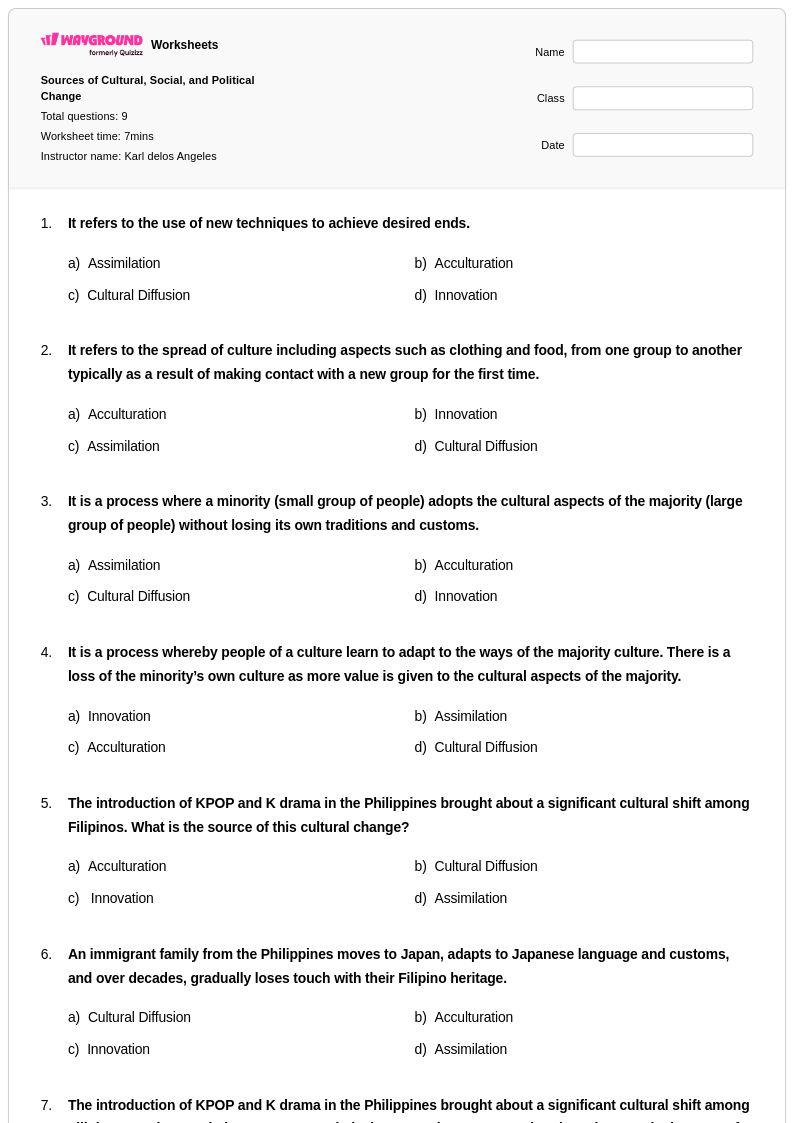
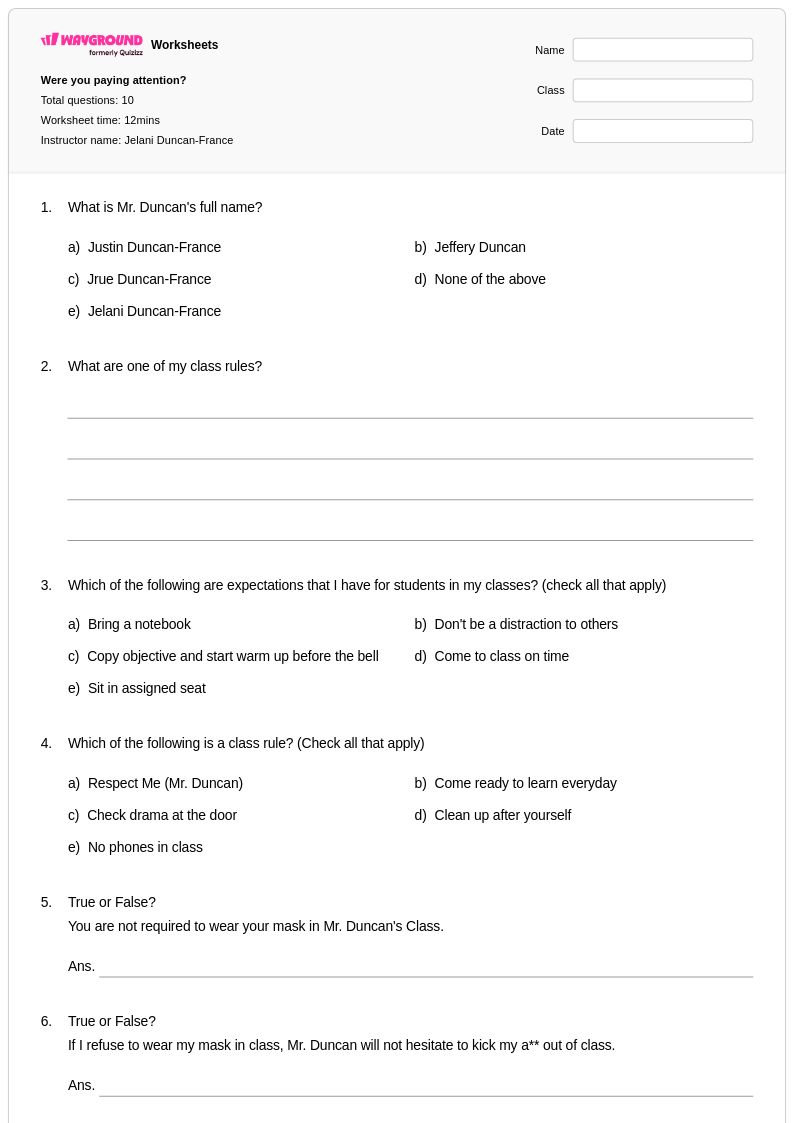
Drama Triangle worksheets available through Wayground (formerly Quizizz) provide Grade 12 students with comprehensive resources to understand this fundamental concept in social psychology and interpersonal dynamics. These expertly designed materials focus on helping students analyze the three key roles within dysfunctional relationship patterns: the Persecutor, Rescuer, and Victim positions that individuals cycle through during conflict situations. The worksheets strengthen critical thinking skills by requiring students to identify these roles in real-world scenarios, literature, and case studies, while also developing their ability to recognize healthy communication alternatives. Each resource includes detailed answer keys and practice problems that guide students through complex social situations, with free printables available in convenient pdf format for both classroom and independent study use.
Wayground (formerly Quizizz) supports educators teaching Drama Triangle concepts through an extensive collection of millions of teacher-created resources that can be easily searched and filtered by specific learning objectives and skill levels. The platform's robust differentiation tools allow teachers to customize worksheets for diverse learning needs within Grade 12 Social Studies curricula, ensuring that both struggling students and advanced learners can engage meaningfully with interpersonal relationship concepts. These resources are available in both printable and digital formats, including downloadable pdf versions that facilitate flexible lesson planning and seamless integration into existing social skills instruction. Teachers can leverage these materials for targeted remediation when students struggle with relationship dynamics, enrichment activities for deeper psychological understanding, and regular skill practice that builds emotional intelligence and conflict resolution capabilities essential for post-secondary success.
FAQs
How do I teach the Drama Triangle to students?
Introduce the Drama Triangle by explaining the three roles: Victim, Persecutor, and Rescuer, and how each role sustains conflict rather than resolving it. Use real-world scenarios or brief case studies so students can observe how individuals cycle through these positions within a single interaction. Grounding the concept in recognizable social situations helps students move from abstract understanding to genuine self-awareness.
What exercises help students practice identifying Drama Triangle roles?
Scenario analysis exercises are among the most effective tools for practicing Drama Triangle concepts, asking students to read a described conflict and label each participant's role at different points in the interaction. Role identification activities and pattern recognition tasks build fluency by requiring students to track role shifts across a narrative, which deepens their understanding of how dynamic and fluid these positions can be. Repeated practice with varied scenarios helps students apply the framework independently rather than only in guided settings.
What common mistakes do students make when learning the Drama Triangle?
The most frequent misconception is treating the three roles as fixed personality types rather than fluid positions that anyone can occupy depending on context. Students often misidentify the Rescuer as a purely positive role, not recognizing that enabling behavior can perpetuate conflict just as readily as persecution does. Reinforcing that all three roles function interdependently, and that exiting the triangle requires intentional behavioral change, corrects this flattened understanding.
How does the Drama Triangle connect to social-emotional learning (SEL) goals?
The Drama Triangle maps directly onto core SEL competencies including self-awareness, responsible decision-making, and relationship skills, because it asks students to examine their own behavioral patterns during conflict. Understanding how the Victim, Persecutor, and Rescuer roles emerge gives students concrete language for identifying unhealthy dynamics and choosing more constructive responses. This makes it a practical, transferable framework rather than an abstract psychological theory.
How can I use Drama Triangle worksheets in my classroom?
Drama Triangle worksheets on Wayground are available as printable PDFs for traditional classroom use and in digital formats for technology-integrated environments, including the option to host them as an interactive quiz on Wayground. Each worksheet includes a comprehensive answer key, so teachers can use them for guided instruction, independent practice, or formative assessment without additional preparation. The range of activity types, including scenario analysis and role identification exercises, makes them flexible enough for whole-class instruction or small-group SEL sessions.
How do I differentiate Drama Triangle instruction for students with varying social awareness levels?
For students who struggle with abstract social concepts, start with highly structured scenarios that make role identification straightforward before progressing to ambiguous situations that require deeper analysis. On Wayground, teachers can apply accommodations such as Read Aloud for students who benefit from audio support, reduced answer choices to lower cognitive load, and extended time settings that are saved and reusable across future sessions. These adjustments allow all students to engage meaningfully with the material while the rest of the class works with default settings.