Free Printable Factor Label Method Worksheets for Grade 6
Wayground's Grade 6 Factor Label Method worksheets provide free printables and practice problems with answer keys to help students master dimensional analysis and unit conversion techniques in science.
Explore printable Factor Label Method worksheets for Grade 6
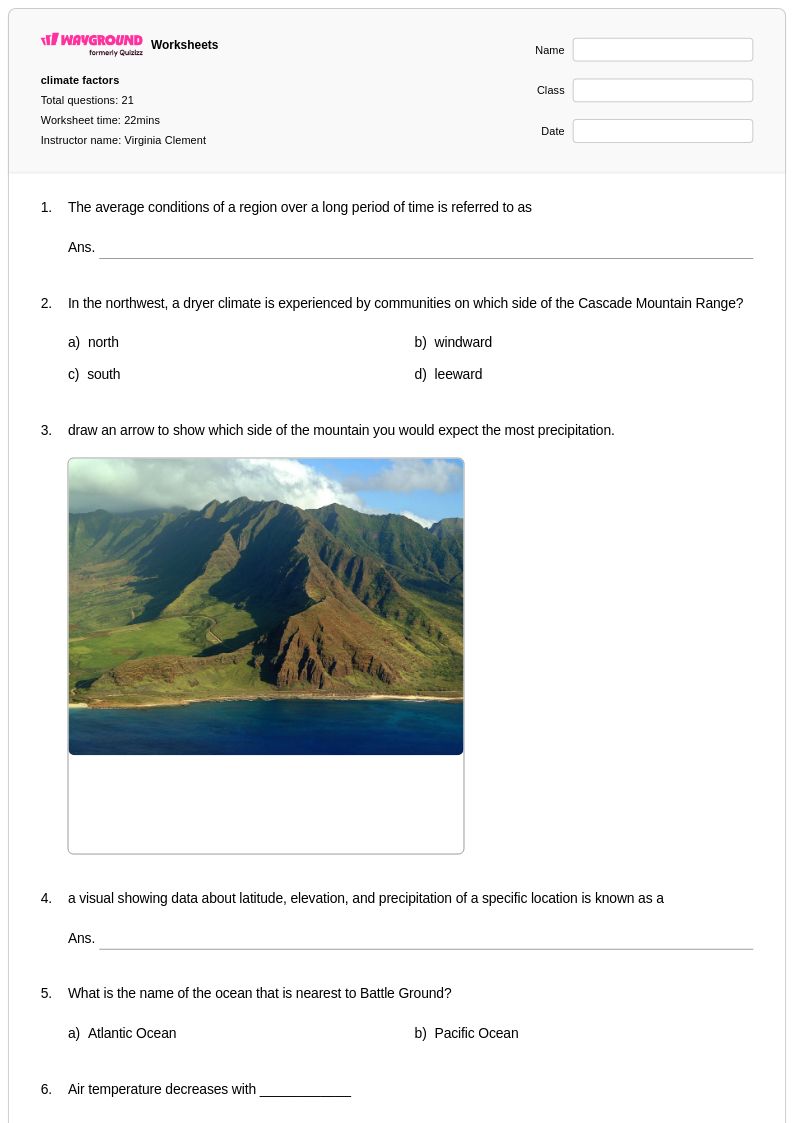
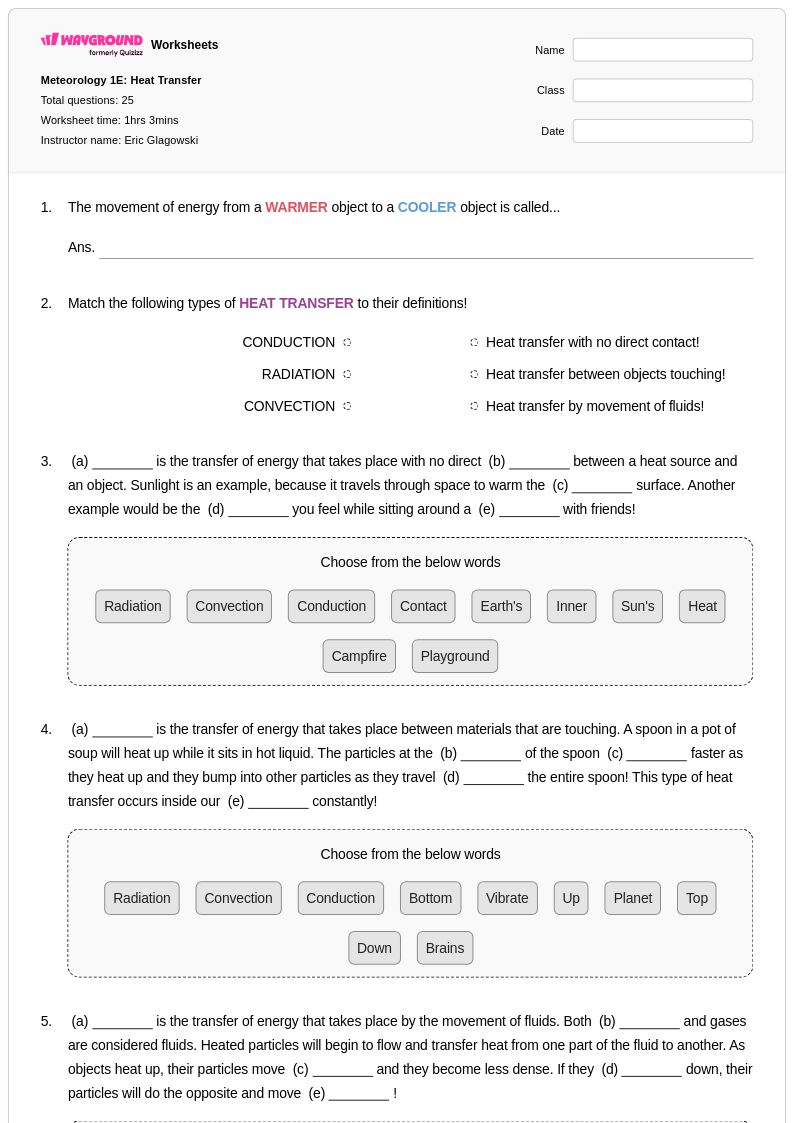
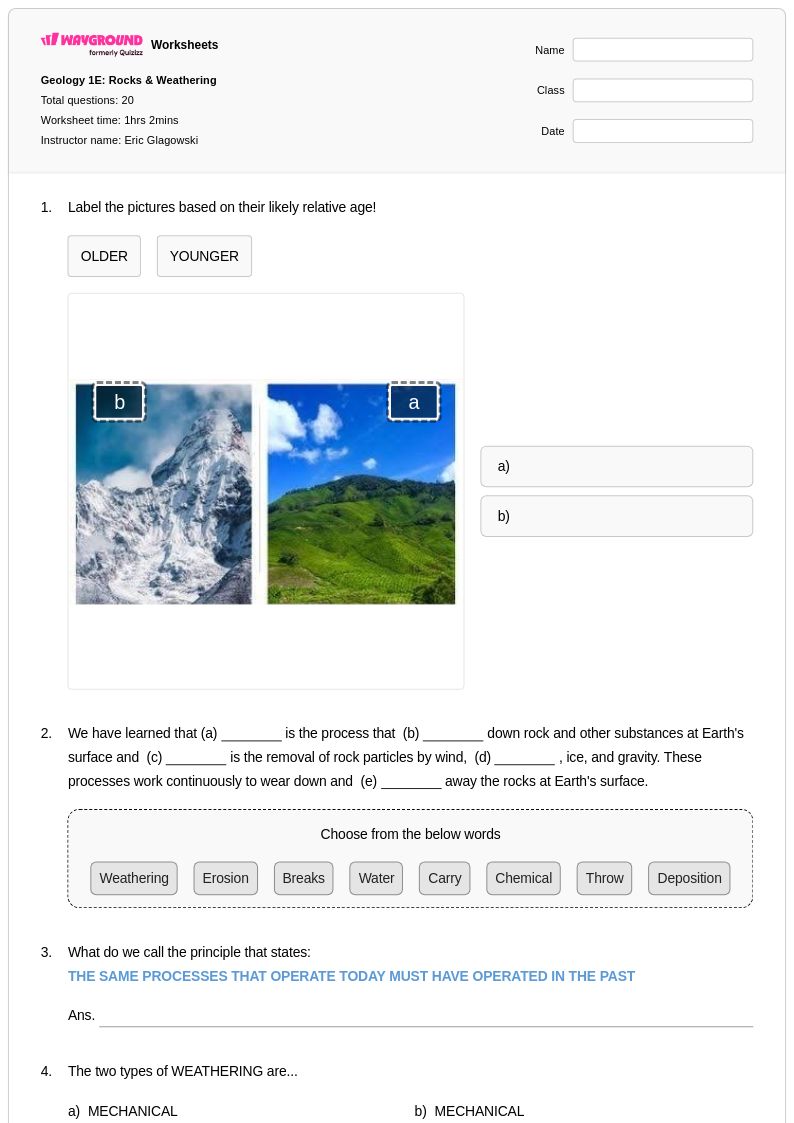
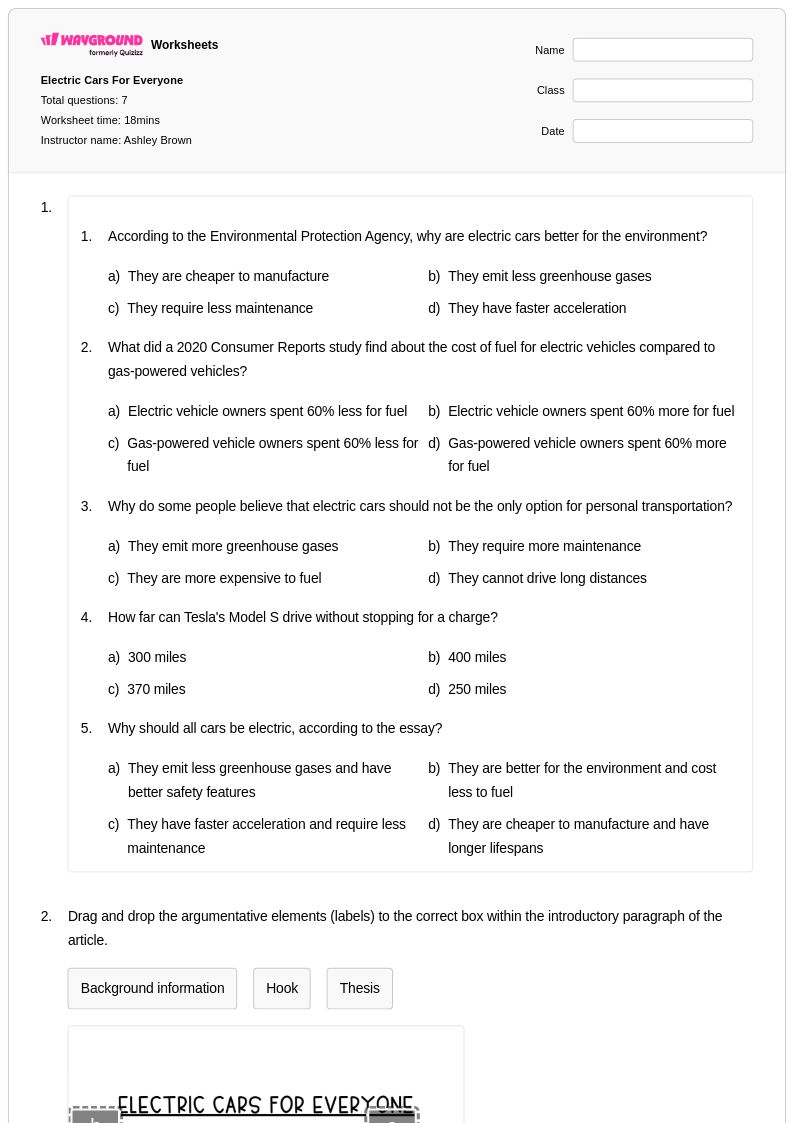
Factor Label Method worksheets for Grade 6 provide students with systematic practice in dimensional analysis, a fundamental skill for converting between different units of measurement in science and mathematics. These comprehensive resources help sixth-grade students master the step-by-step process of using conversion factors to solve complex unit conversion problems, from simple metric conversions to multi-step calculations involving different measurement systems. The worksheets feature structured practice problems that guide students through setting up conversion ratios, canceling units, and performing accurate calculations, with complete answer keys provided for immediate feedback. Available as free printables and downloadable pdf resources, these materials strengthen students' problem-solving abilities and build confidence in handling real-world measurement scenarios.
Wayground, formerly Quizizz, supports educators with an extensive collection of Factor Label Method worksheets created by millions of teachers who understand the specific challenges Grade 6 students face when learning dimensional analysis. The platform's robust search and filtering capabilities allow teachers to quickly locate resources aligned with state and national science standards, while differentiation tools enable customization for various learning levels within the classroom. These professionally designed materials are available in both printable pdf format and interactive digital versions, making them ideal for traditional classroom instruction, homework assignments, remediation sessions, and enrichment activities. Teachers can seamlessly integrate these resources into their lesson planning to provide targeted skill practice, assess student understanding, and support diverse learning needs through flexible, standards-based content.
FAQs
How do I teach the factor label method to students?
Start by teaching students to identify the given quantity and the desired unit, then build the habit of writing units explicitly in every step. Introduce conversion factors as fractions equal to one, and show how multiplying by them cancels unwanted units while preserving value. Use simple single-step conversions first, such as inches to centimeters, before progressing to multi-step chains. Consistent emphasis on unit cancellation as a visual check helps students self-monitor before they even check their numerical answer.
What exercises help students practice dimensional analysis and unit conversion?
The most effective practice exercises require students to set up conversion factor chains from scratch rather than filling in pre-structured templates, because constructing the ratios themselves reinforces the logic of unit cancellation. Multi-step conversions across metric and imperial systems, speed and density problems, and chemistry mole-to-gram problems all build fluency. Factor label method worksheets that include step-by-step answer keys are especially useful because students can trace exactly where their setup went wrong when they make errors.
What mistakes do students commonly make with the factor label method?
The most common error is inverting the conversion factor, placing the wrong unit in the numerator instead of the denominator, which means units do not cancel and the answer is off by the square of the conversion ratio. Students also frequently perform the arithmetic correctly but skip writing units entirely, making it impossible to verify whether the conversion was set up properly. A third common mistake is stopping after one conversion step when the problem requires chaining multiple factors. Training students to check that all intermediate units have cancelled before calculating the final answer catches most of these errors.
How can I use factor label method worksheets in my classroom?
Factor label method worksheets on Wayground are available as printable PDFs for traditional classroom use and in digital formats for technology-integrated environments, making them adaptable to in-person, hybrid, or remote instruction. Teachers can also host them as a quiz directly on Wayground, enabling automatic grading and instant performance feedback. The included answer keys support both independent student practice and teacher-led review sessions, and the digital format allows individual accommodations such as extended time or read-aloud support to be assigned to specific students without disrupting the rest of the class.
How do I differentiate factor label method instruction for struggling learners?
For struggling learners, begin with single-step metric conversions where the conversion factor is straightforward, and use a consistent visual scaffold such as a T-chart or fraction bar template so students focus on unit placement rather than formatting decisions. On Wayground, teachers can assign individual accommodations including extended time per question, reduced answer choices to lower cognitive load, and read-aloud support for students with reading difficulties. These settings apply only to designated students and can be saved for reuse across future practice sessions.
At what grade level is the factor label method typically taught?
The factor label method is most commonly introduced in middle school physical science or pre-algebra courses, typically around grades 7 and 8, and is reinforced throughout high school chemistry, physics, and biology. Students are generally expected to apply dimensional analysis independently by the time they reach chemistry in grades 10 or 11. However, foundational unit conversion concepts that build toward the factor label method are often introduced as early as grades 5 and 6 when students begin working with metric measurement.