Free Printable Feelings Identification Worksheets for Grade 4
Grade 4 feelings identification worksheets help students develop essential social skills through engaging printables that teach emotion recognition, featuring free PDF practice problems and comprehensive answer keys for effective learning.
Explore printable Feelings Identification worksheets for Grade 4
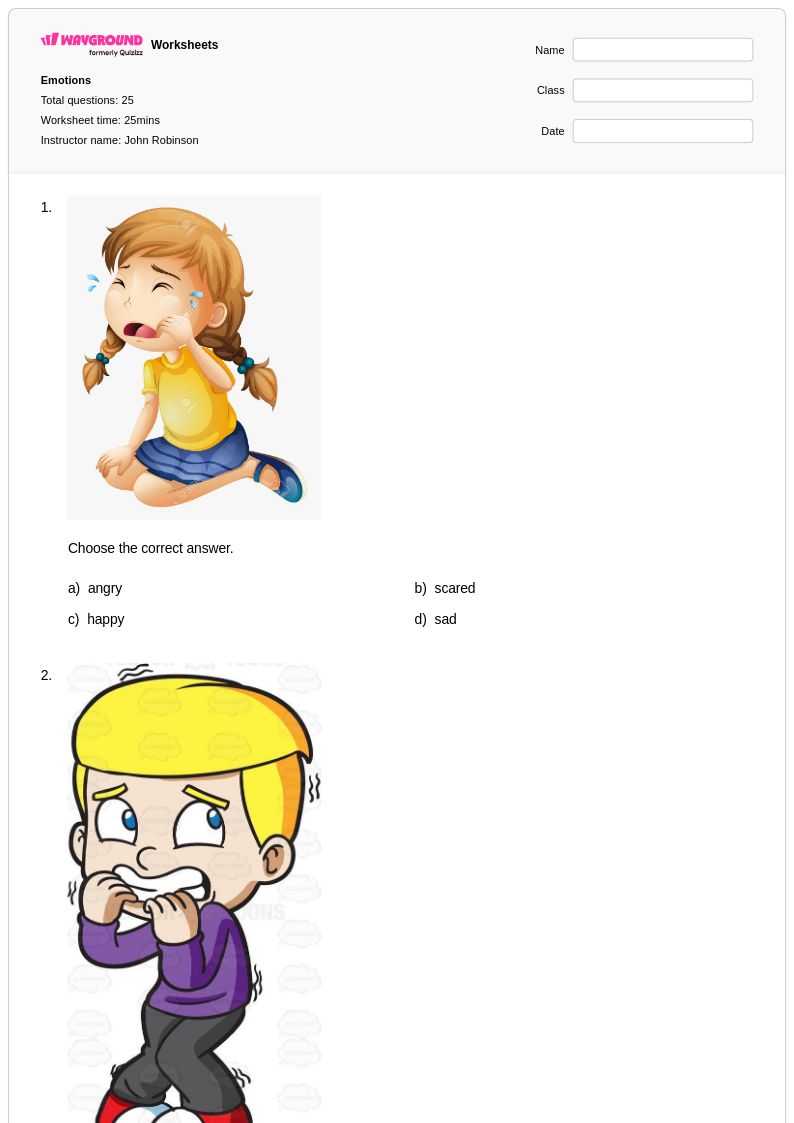
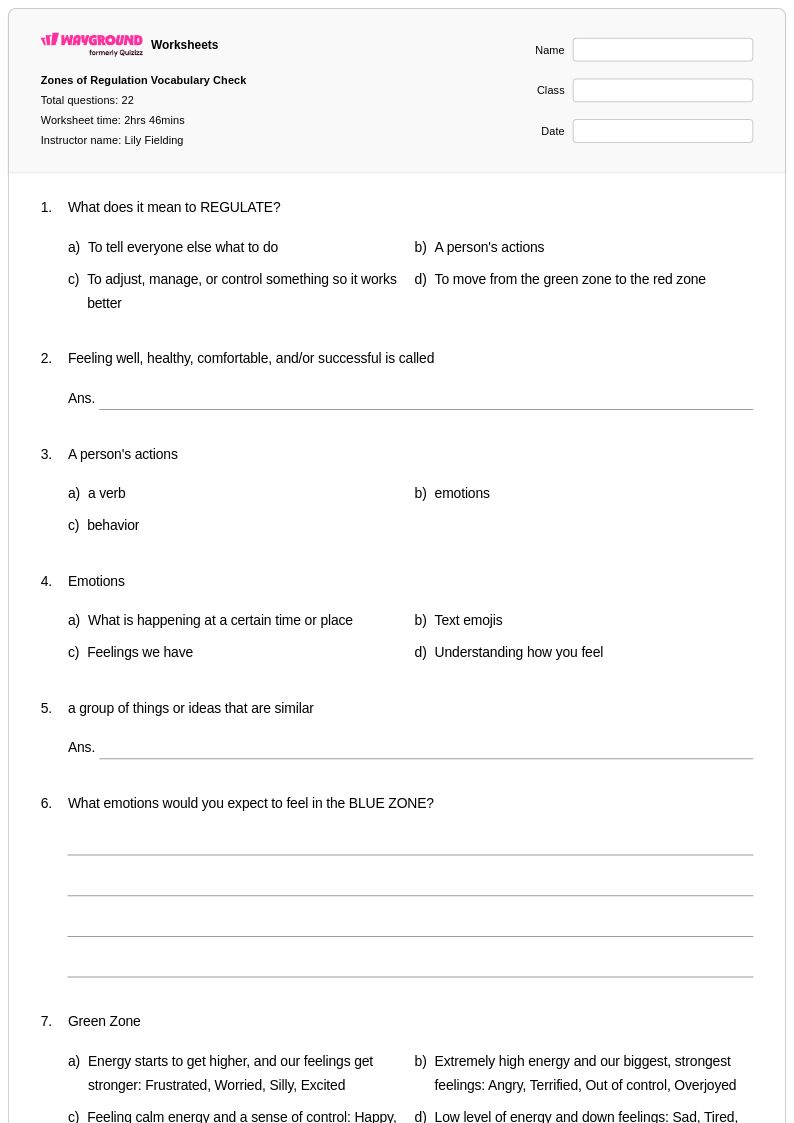
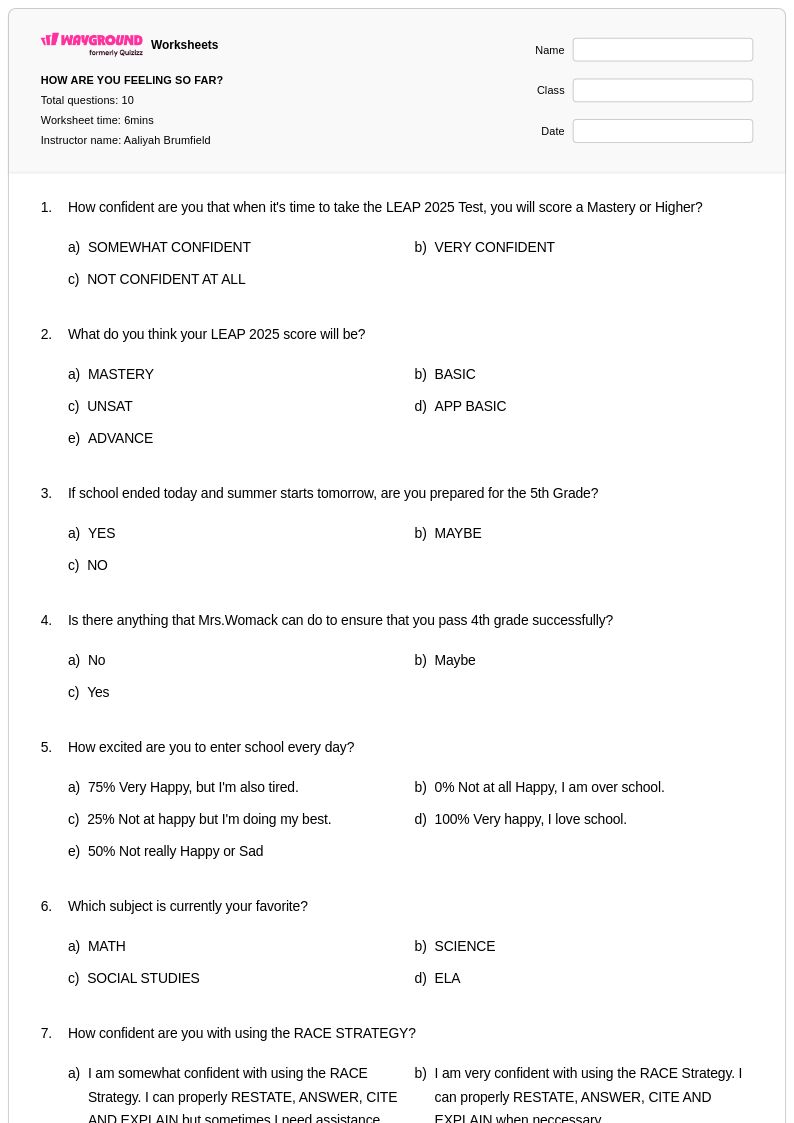
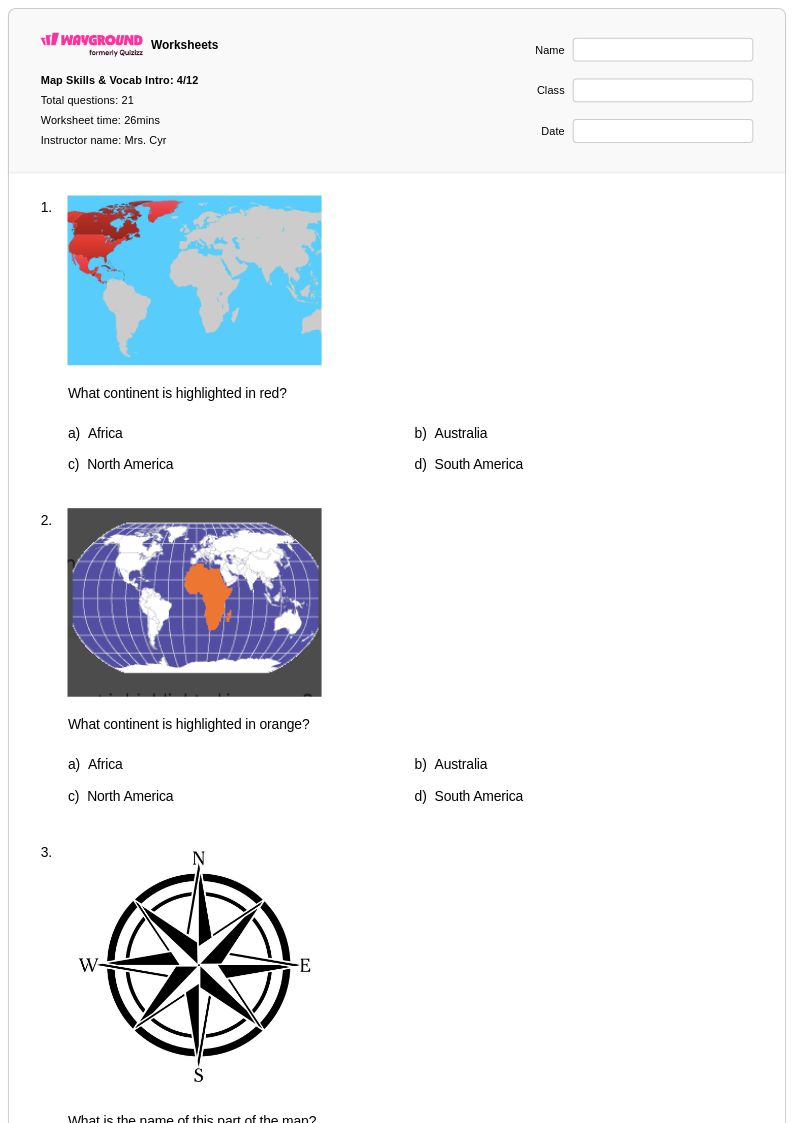
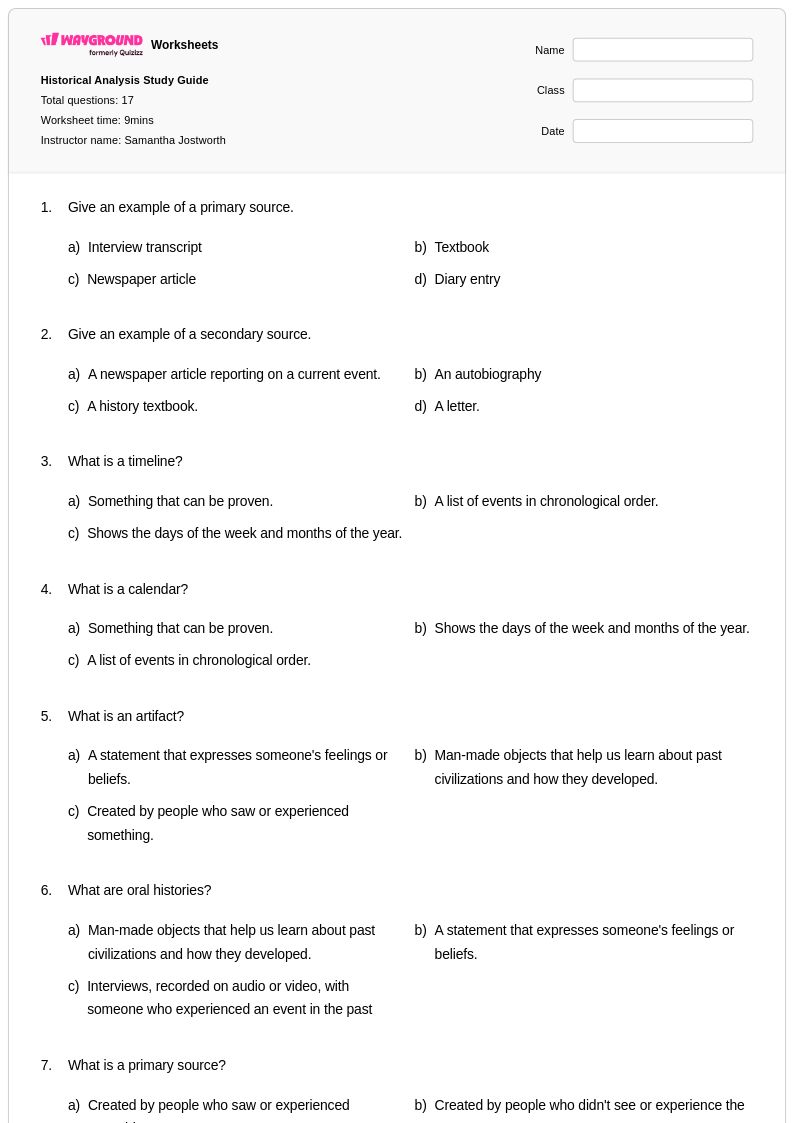
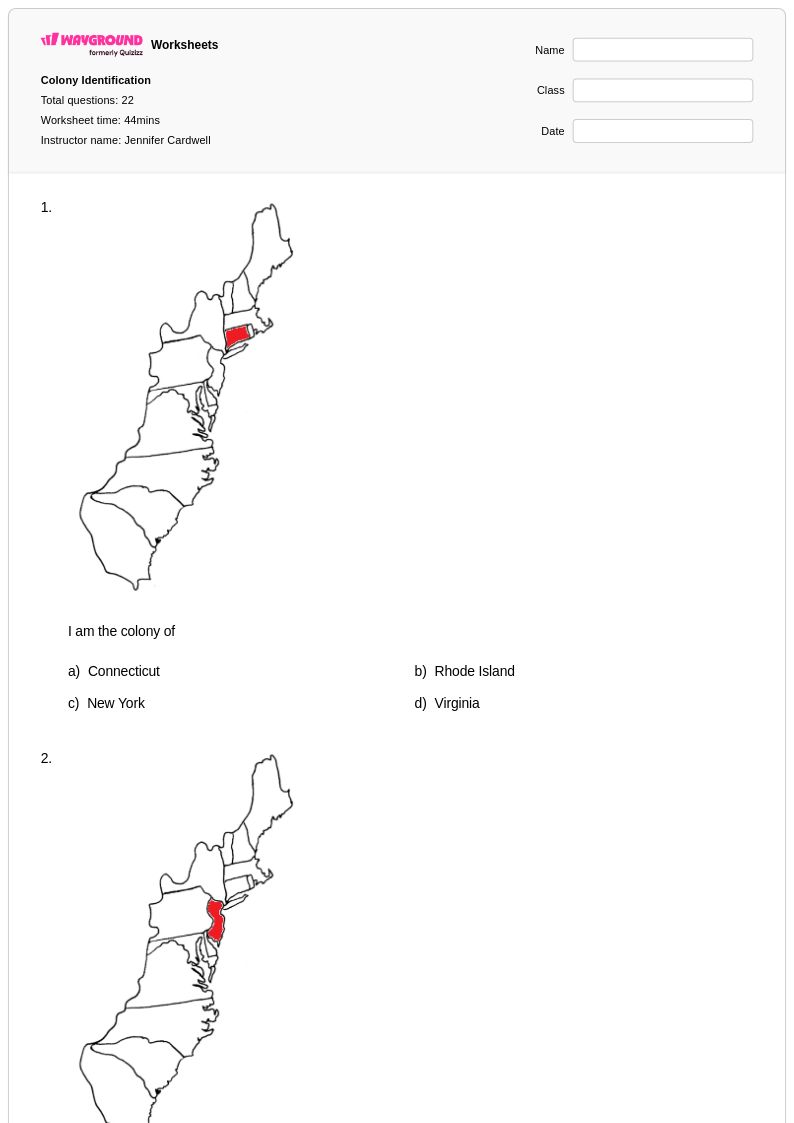
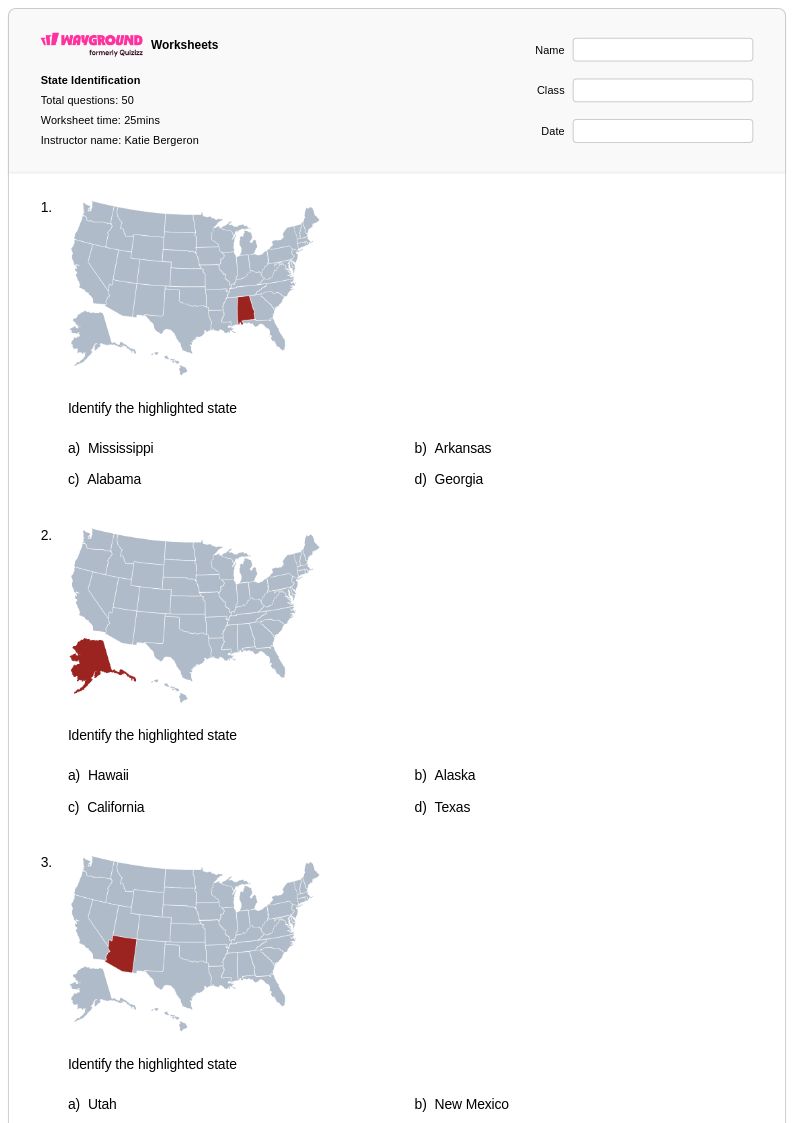
Feelings identification worksheets for Grade 4 students provide essential practice in recognizing, understanding, and expressing emotions appropriately within social contexts. These comprehensive printables help fourth graders develop crucial emotional literacy skills by learning to identify facial expressions, body language cues, and situational contexts that indicate different feelings in themselves and others. Students work through carefully designed practice problems that strengthen their ability to differentiate between complex emotions like frustration versus anger, or excitement versus anxiety. Each worksheet comes with detailed answer keys that enable teachers to assess student understanding while providing immediate feedback, and the free pdf format ensures easy classroom distribution and homework assignments that support consistent skill development.
Wayground, formerly Quizizz, empowers educators with millions of teacher-created feelings identification resources specifically designed for Grade 4 social studies curricula. The platform's advanced search and filtering capabilities allow teachers to quickly locate worksheets aligned with specific social-emotional learning standards, while differentiation tools enable customization for diverse learning needs and abilities. Teachers can seamlessly switch between printable pdf versions for traditional classroom use and digital formats for interactive learning experiences, making lesson planning more efficient and responsive to different teaching environments. These flexible resources support targeted remediation for students struggling with emotional recognition, enrichment activities for advanced learners, and consistent skill practice that builds foundational social competencies essential for healthy peer relationships and classroom dynamics.
FAQs
How do I teach feelings identification to young students?
Start by introducing a core set of basic emotions — happy, sad, angry, scared, surprised, and disgusted — using visual aids like emotion charts or face cards. Pair each emotion with real-life scenarios students can relate to, such as feeling excited before a birthday or nervous before a test. Gradually expand the emotional vocabulary as students demonstrate recognition of foundational feelings. Connecting emotions to physical sensations (e.g., 'your heart beats fast when you're scared') helps students internalize the concepts more concretely.
What activities help students practice identifying feelings?
Effective practice activities include matching facial expression images to emotion labels, reading short scenarios and identifying the character's likely feelings, and sorting emotions into categories like pleasant or unpleasant. Worksheets that ask students to draw or describe a time they felt a specific emotion reinforce both recognition and personal connection. These structured exercises build emotional vocabulary progressively, moving from simple identification to understanding why a character might feel a certain way.
What mistakes do students commonly make when identifying feelings?
A frequent error is conflating emotions with behaviors — for example, saying a character 'is hitting' rather than identifying the underlying feeling as anger or frustration. Students also tend to overgeneralize, labeling nearly every negative emotion as 'sad' or 'mad' before they develop a fuller emotional vocabulary. Another common misconception is assuming facial expressions are universal across all situations and cultures, which can lead to misreads in context-dependent scenarios. Worksheets that provide scenarios alongside images help students practice using context as a clue.
How do I use feelings identification worksheets in my classroom?
Feelings identification worksheets on Wayground are available as printable PDFs for traditional classroom use and in digital formats for tech-integrated or remote settings, and can also be hosted as a quiz directly on Wayground. Printable versions work well as morning meeting warm-ups, independent practice, or take-home activities, while digital formats allow for immediate feedback during whole-class or small-group instruction. Teachers can assign specific worksheets based on student readiness, making them useful for both initial instruction and targeted reinforcement.
How can I differentiate feelings identification instruction for students with different needs?
For students who need additional support, reduce the number of emotion choices presented at one time to lower cognitive load and focus practice on the most essential vocabulary. Visual supports — such as labeled emotion faces alongside written descriptions — help students who struggle with text-only prompts. On Wayground, teachers can apply individual accommodations such as Read Aloud (so questions are read to students), reduced answer choices, and extended time, all configurable per student without alerting the rest of the class.
At what age or grade level should students start learning to identify feelings?
Feelings identification instruction is most commonly introduced in preschool and kindergarten, where the focus is on recognizing basic emotions in facial expressions and simple scenarios. By first and second grade, students are typically ready to expand their emotional vocabulary and begin understanding causes and consequences of feelings. Social-emotional learning standards in most states address emotional awareness across all elementary grade levels, and many middle school curricula revisit the topic in the context of empathy, perspective-taking, and conflict resolution.