Free Printable Finding Average Worksheets for Grade 3
Grade 3 students can master finding average with our free printable mathematics worksheets featuring engaging practice problems, step-by-step examples, and comprehensive answer keys to build essential statistical reasoning skills.
Explore printable Finding Average worksheets for Grade 3
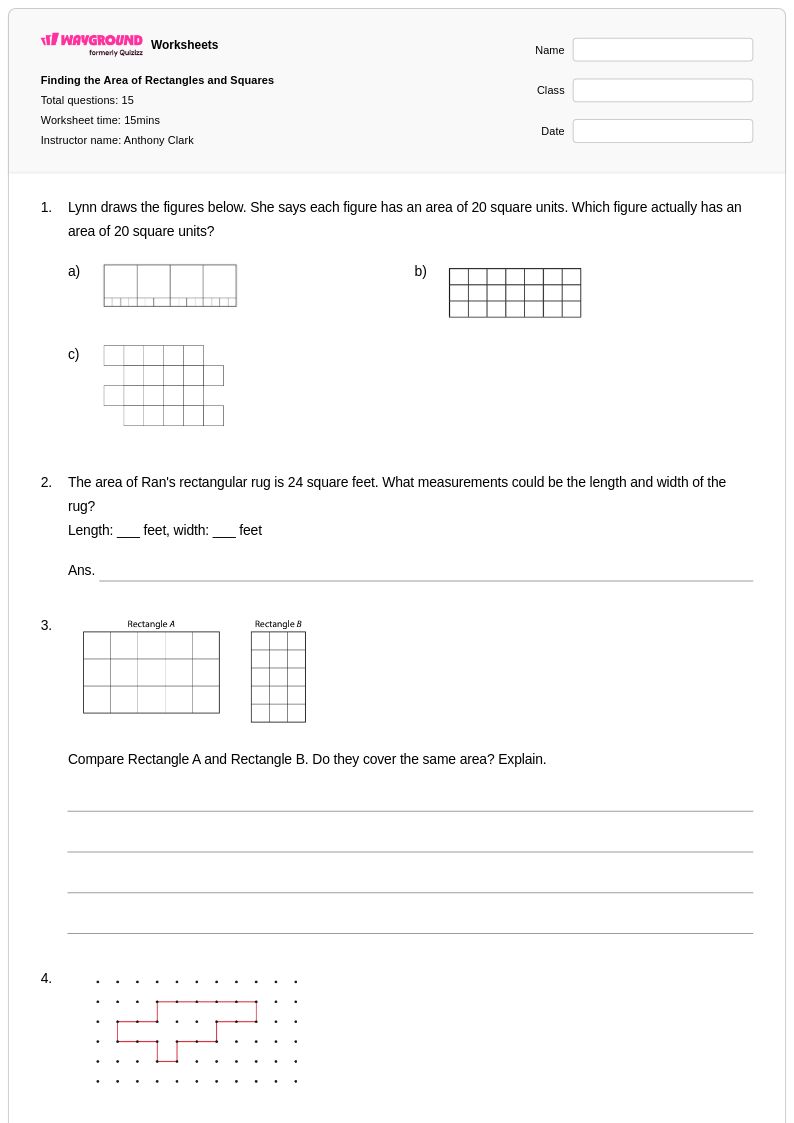
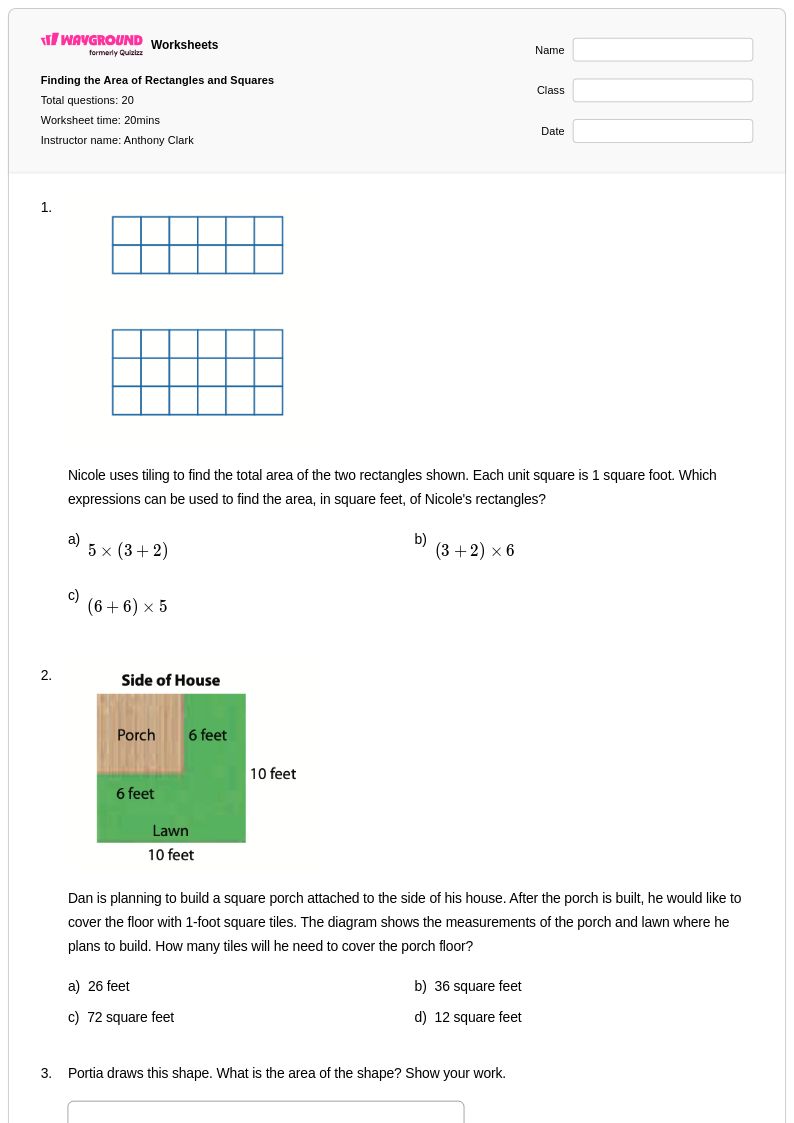
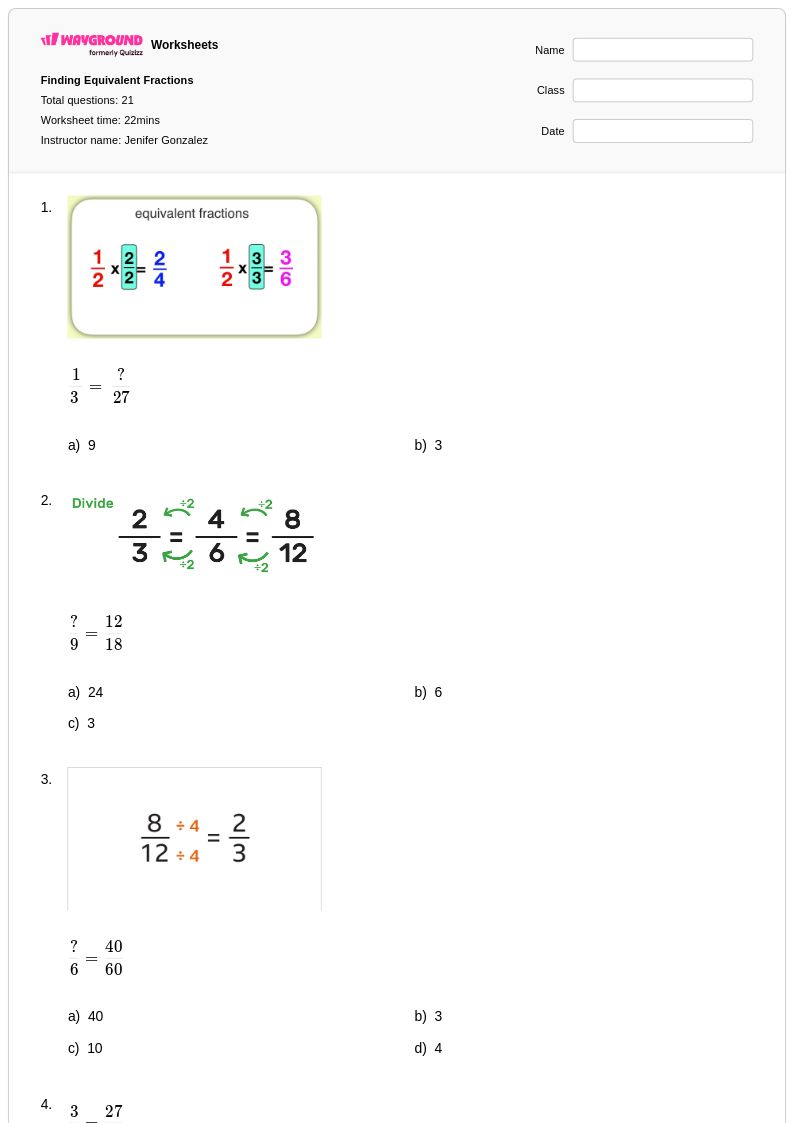
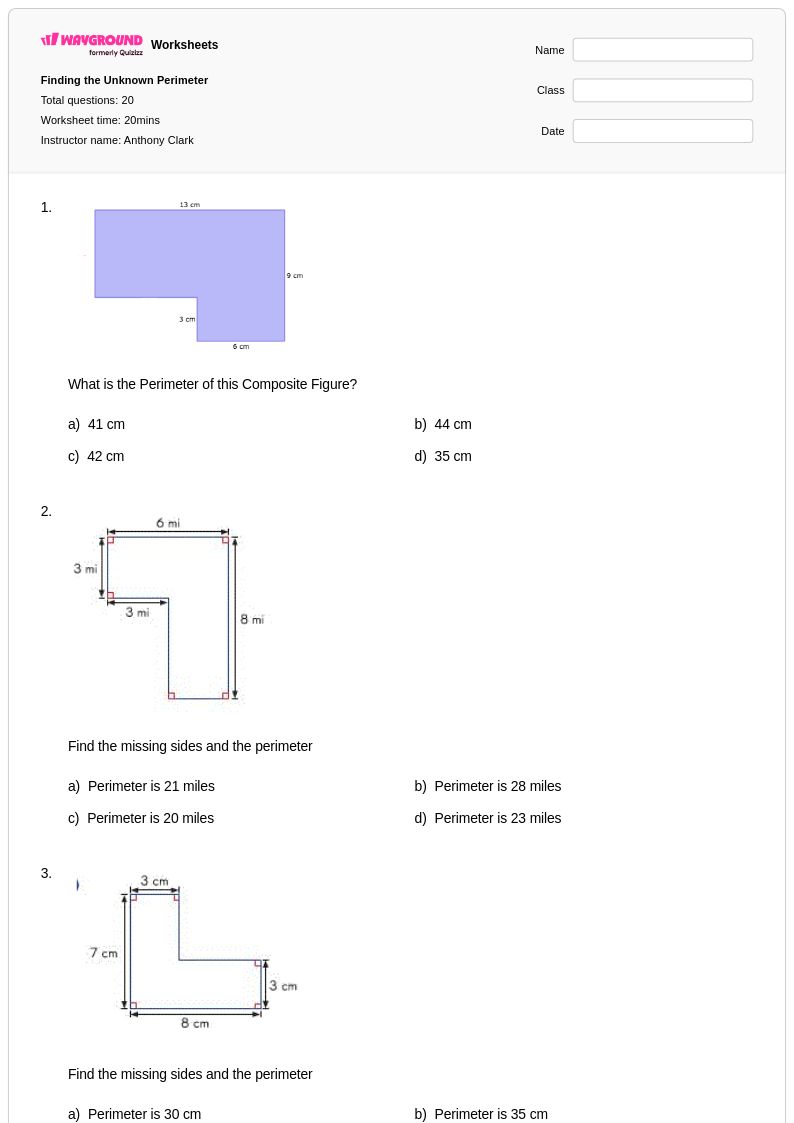
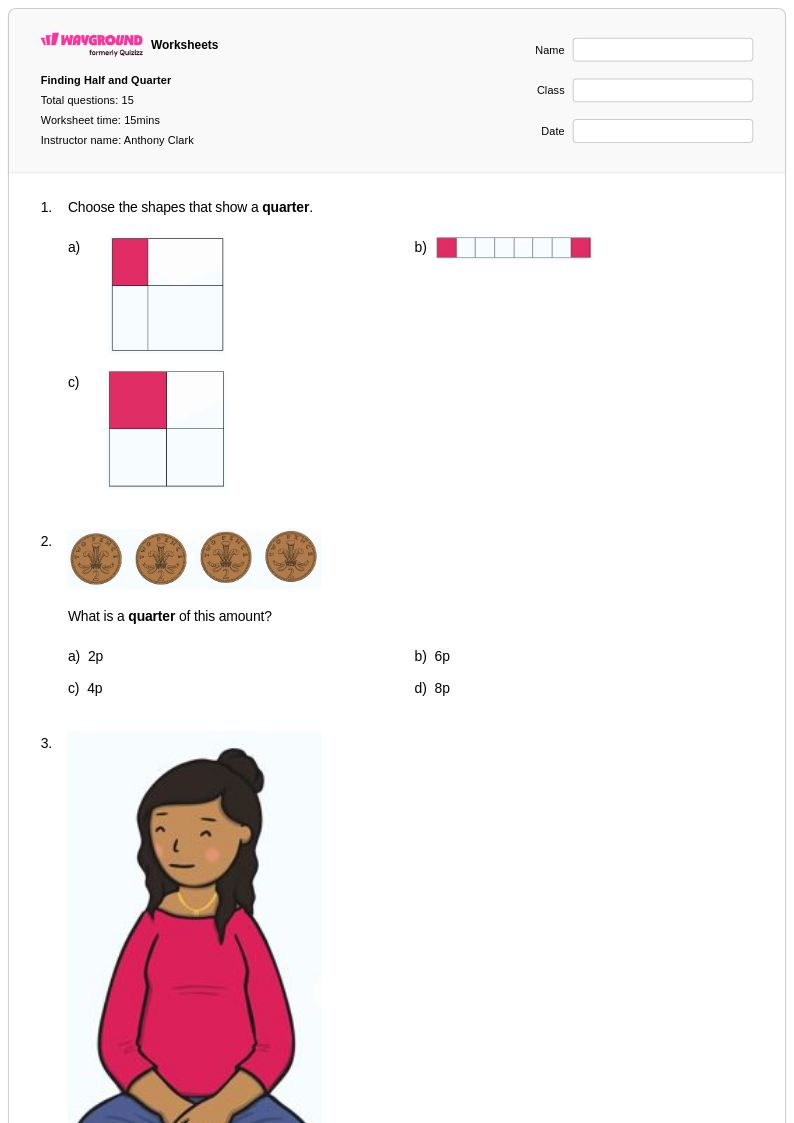
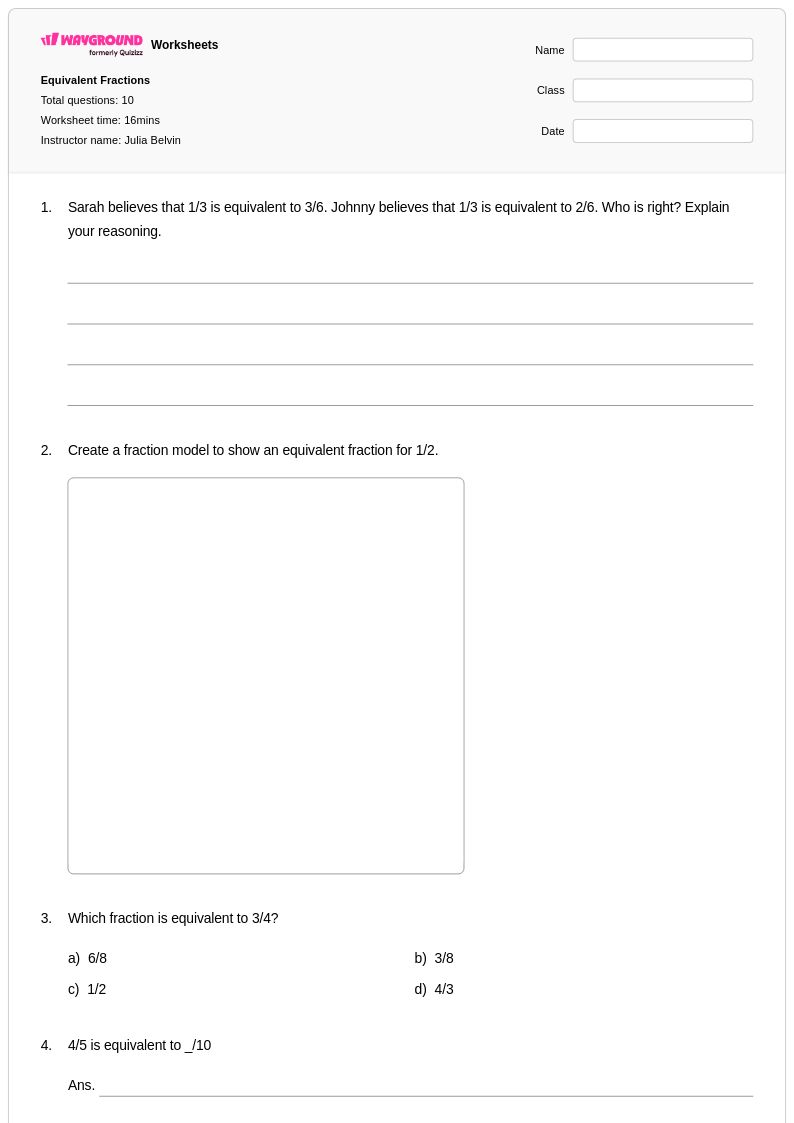
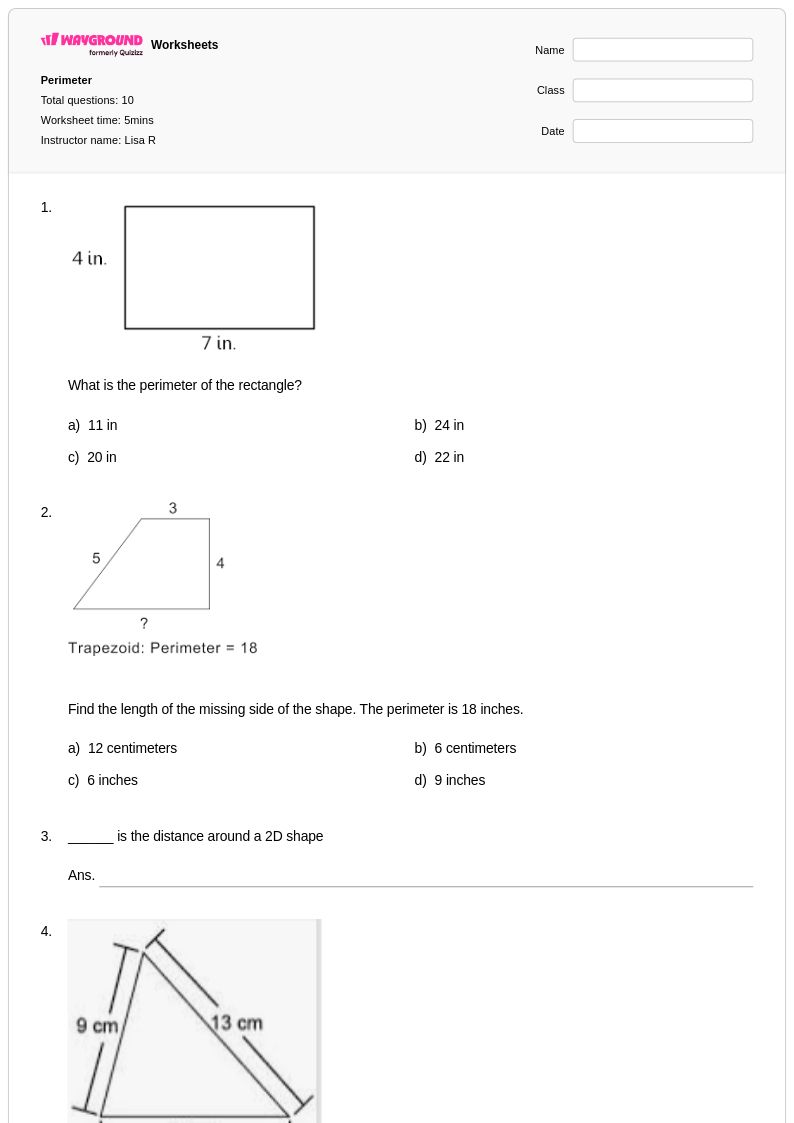
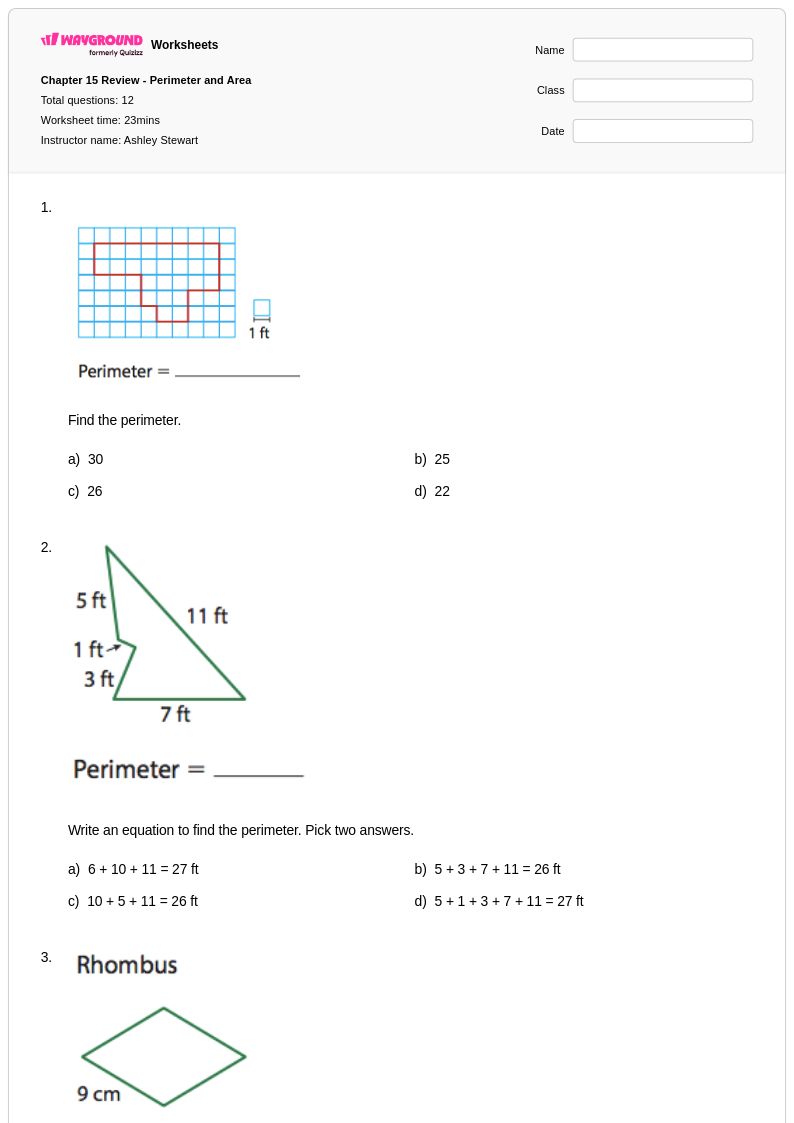
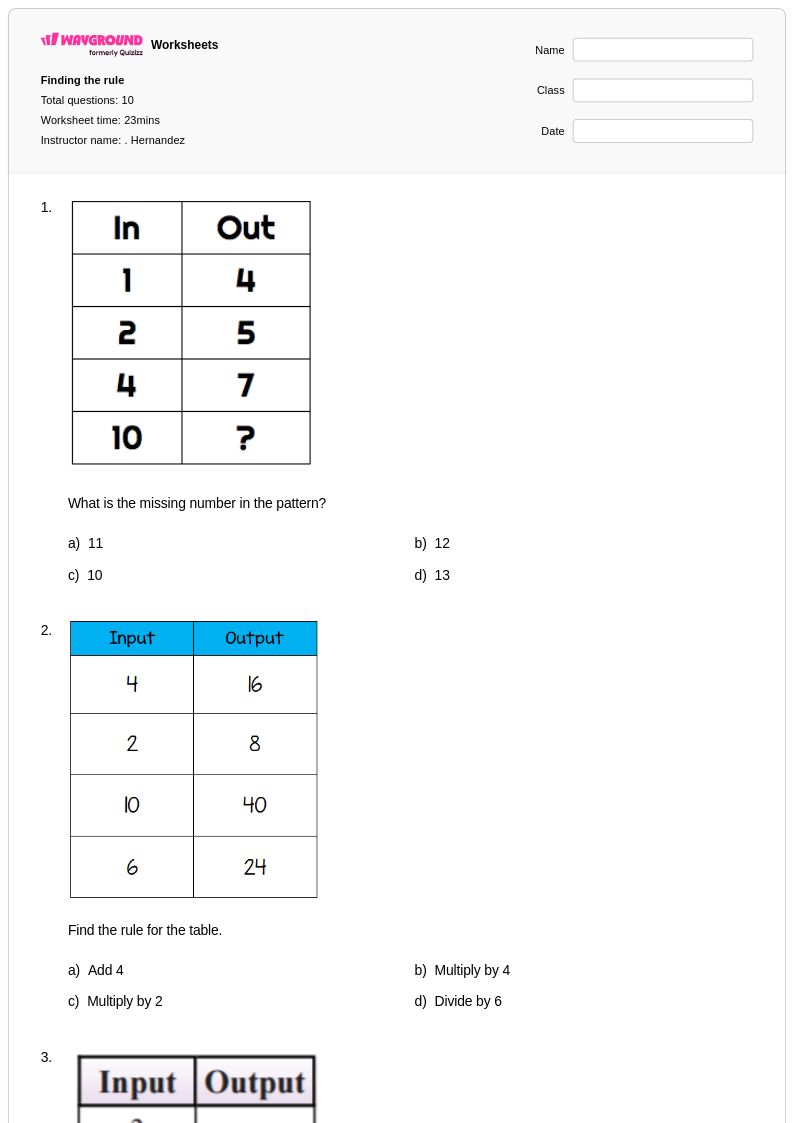
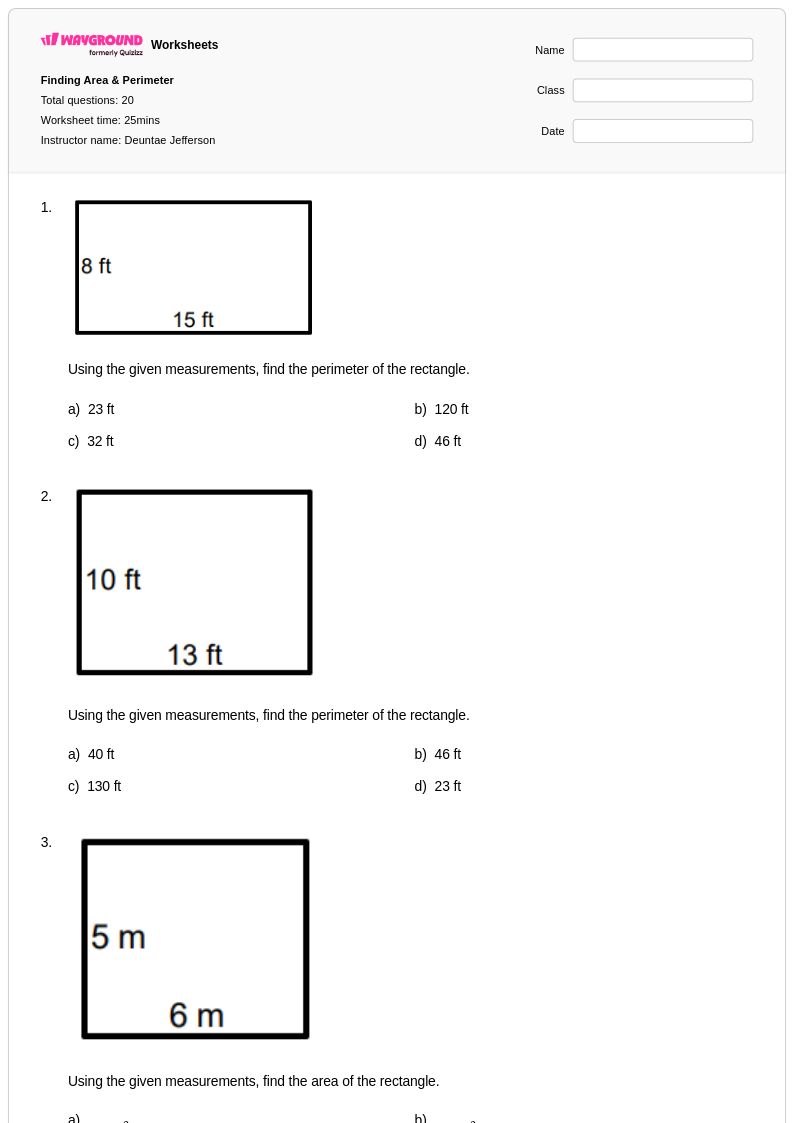
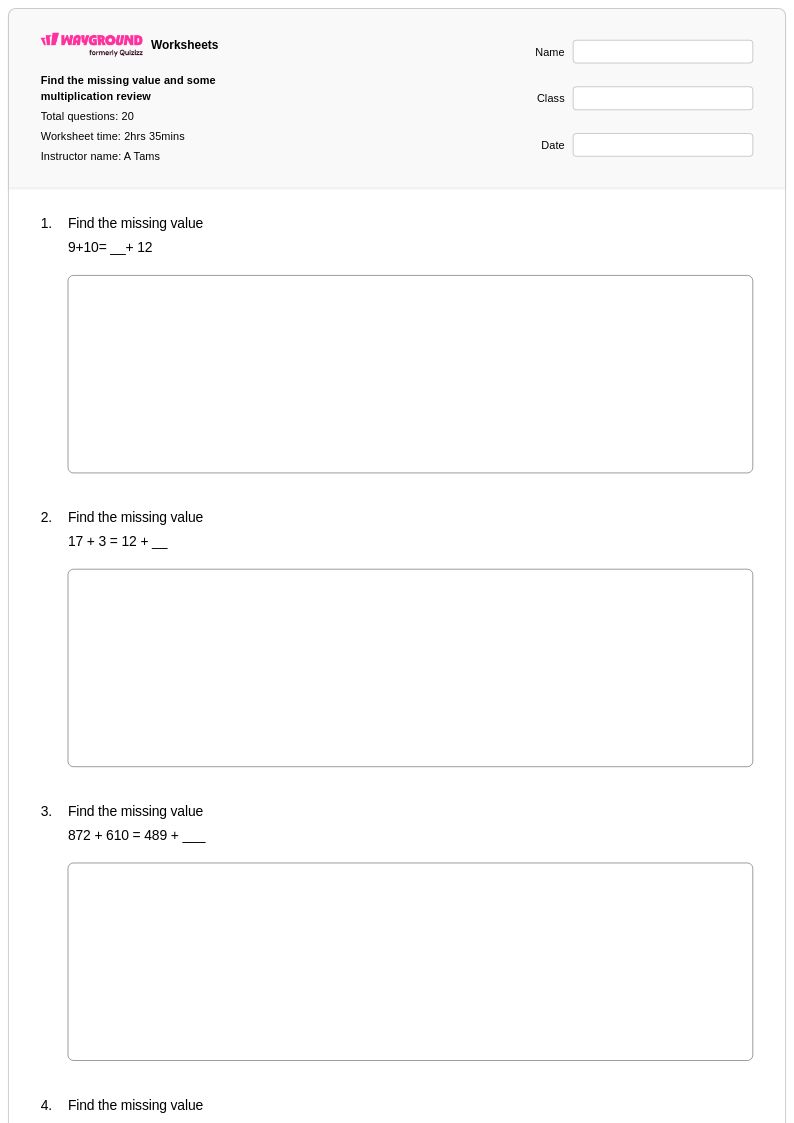
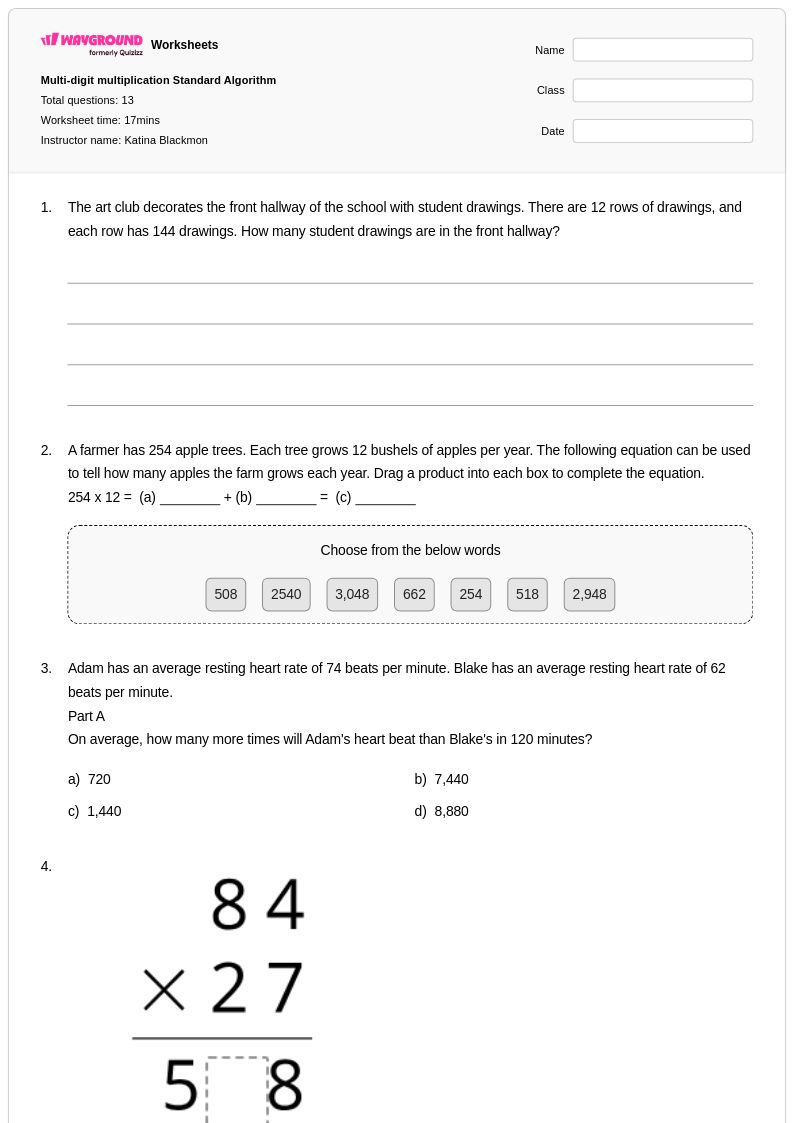
Grade 3 finding average worksheets available through Wayground (formerly Quizizz) introduce young mathematicians to this fundamental statistical concept through age-appropriate activities and visual representations. These carefully designed practice problems help students develop essential skills in data analysis by working with simple sets of numbers, often using manipulatives, pictures, and real-world scenarios that third graders can easily understand. The worksheets strengthen computational fluency as students learn to add numbers together and divide by the total count, building foundational knowledge that connects arithmetic operations to statistical reasoning. Each printable resource includes comprehensive answer keys and step-by-step solutions, allowing students to check their work and understand the logical progression from data collection to average calculation. These free educational materials provide structured practice that helps students recognize patterns in data and develop number sense through hands-on exploration of mean values.
Wayground (formerly Quizizz) empowers educators with an extensive collection of teacher-created finding average worksheets specifically aligned to Grade 3 mathematical standards and developmental needs. The platform's millions of educational resources feature robust search and filtering capabilities that enable teachers to quickly locate materials matching their specific curriculum requirements, student ability levels, and instructional goals. Advanced differentiation tools allow educators to customize worksheets for diverse learning needs, providing scaffolded support for struggling students while offering enrichment opportunities for advanced learners. These versatile resources are available in both printable PDF formats for traditional classroom use and digital formats for technology-integrated instruction, supporting flexible lesson planning and seamless transitions between in-person and remote learning environments. Teachers can efficiently utilize these materials for initial skill introduction, targeted remediation, homework assignments, and ongoing assessment of student progress in statistical reasoning and computational accuracy.
FAQs
How do I introduce finding averages to Grade 3 students?
Third graders grasp the concept fastest through the idea of fair sharing. Give groups of students unequal numbers of counters and ask them to redistribute so everyone has the same amount — that equal share is the average. Once they've done it physically, connect the action to the arithmetic: add all the counters, then divide by the number of people. Keep data sets to 3–5 small numbers at first so the addition doesn't overshadow the concept.
Is finding averages a Grade 3 math standard?
Formally, mean as a statistical measure is introduced in Grade 6 under Common Core. What Grade 3 students are building, though, is the arithmetic foundation it depends on: multi-digit addition and an early understanding of equal groups and division. Introducing averages informally at this level — through fair-sharing problems and simple data sets — gives students a meaningful context to apply those operations before the concept is assessed in upper elementary and middle school.
What practice problems work best for third graders learning averages?
Stick to data sets of 3–5 numbers with small whole-number values so students can focus on the concept rather than the arithmetic. Good problem types include: finding the average number of items in a few groups (e.g., how many stickers each friend has), reading a simple picture graph and averaging the values shown, and completing a table where one average is given and students find a missing value. Visual supports — bar models, dot plots — help students see what the average represents before they rely purely on the algorithm.
What errors do Grade 3 students typically make with averages?
At this level, the most common issue isn't conceptual — it's arithmetic. Students add the values incorrectly, especially when regrouping is involved, and then the division step compounds the error. A second pattern: students divide by the largest number in the set rather than by the count of values. Having them circle how many numbers are in the set before they divide is a simple fix that catches this consistently.
How do I use these Grade 3 average worksheets in my classroom?
Print the PDF for pencil-and-paper practice — useful for keeping younger students off screens — or assign it as a digital quiz on Wayground for instant feedback. Every worksheet includes a complete answer key, so it works equally well for guided practice, a math center, or take-home review. If you go the paper route, the Wayground for Teachers app lets you scan and grade student submissions without re-entering answers by hand.
How can I support diverse learners with these worksheets?
For students still developing reading fluency, the Read Aloud accommodation ensures the math problem — not the reading level — is what's being assessed. Wayground also lets you generate an alternate version of the worksheet with larger font or a dyslexia-friendly font, which matters at Grade 3 where decoding and math are both in active development. For students who need more scaffolding on the procedure, pairing the worksheet with a visual anchor chart showing the add-then-divide steps keeps them moving without requiring constant teacher support.