
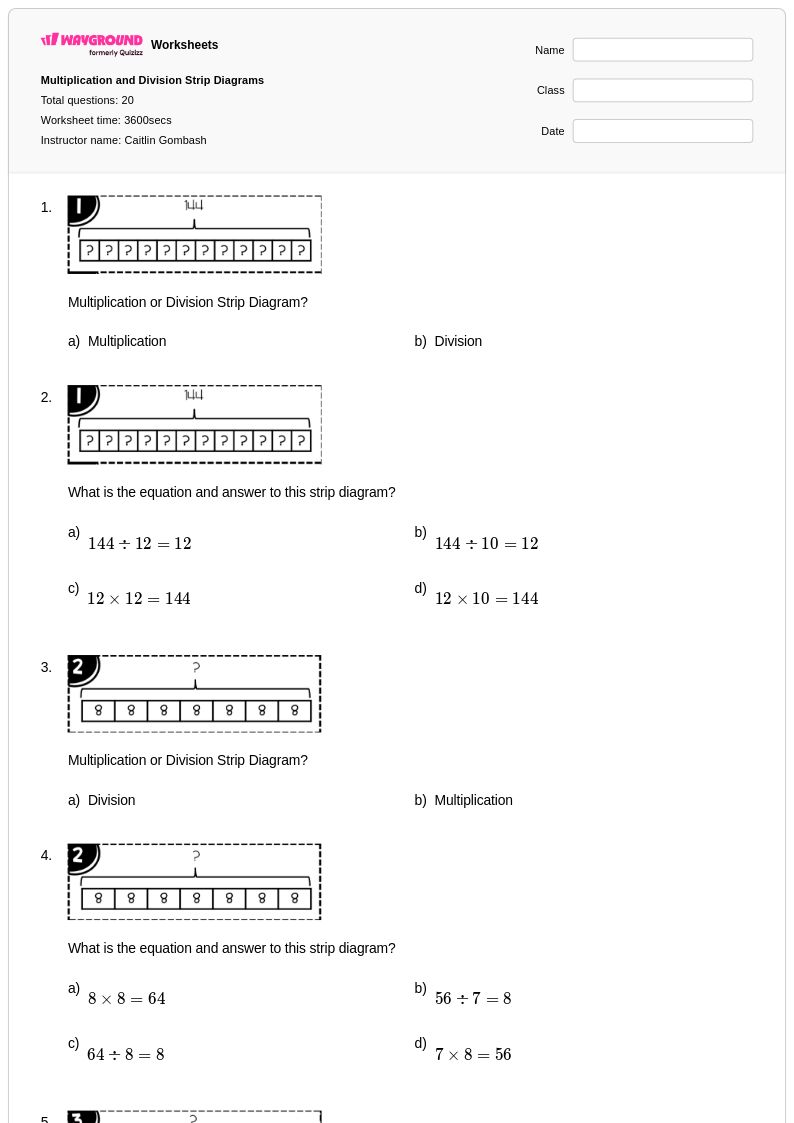
20 Q
3rd
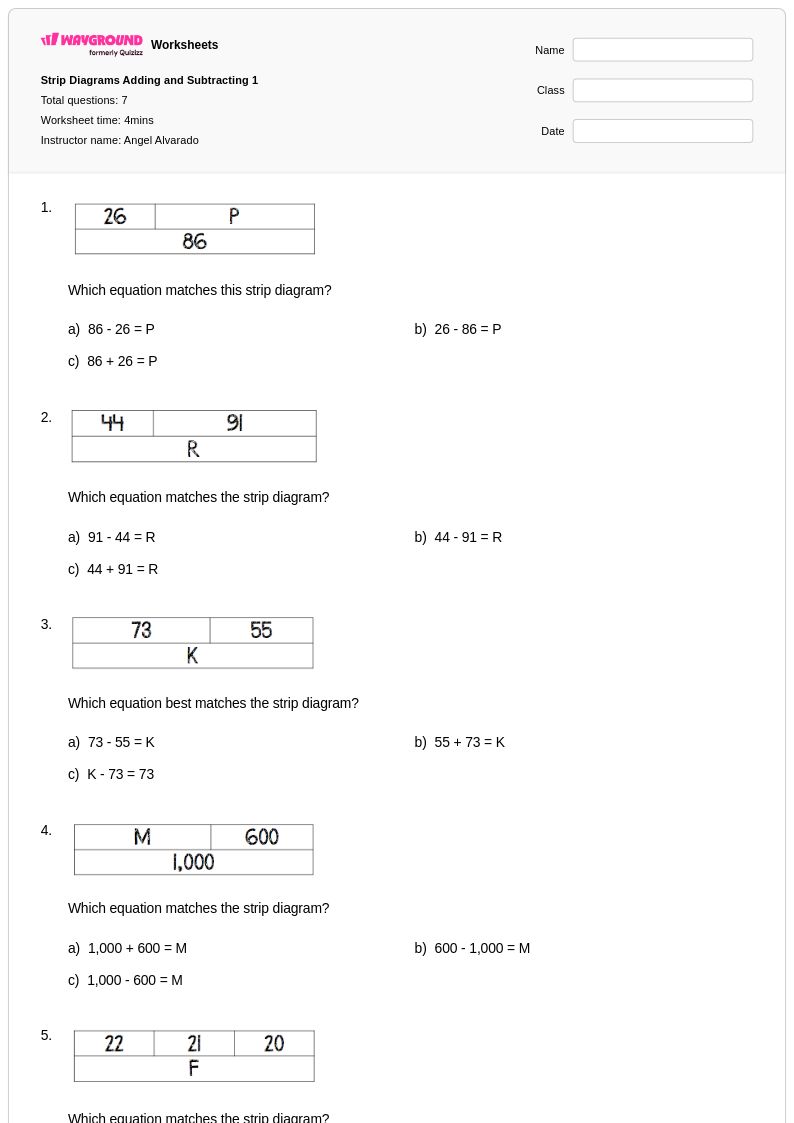
7 Q
3rd - 4th
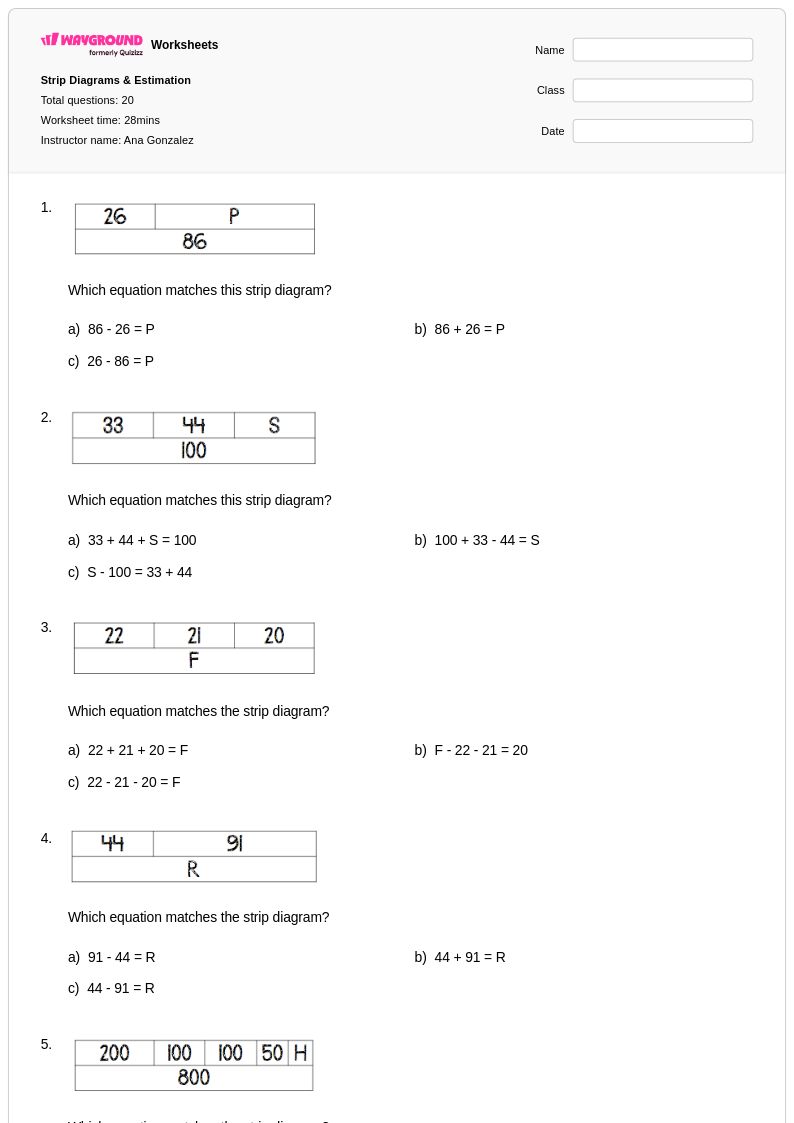
20 Q
3rd - 5th
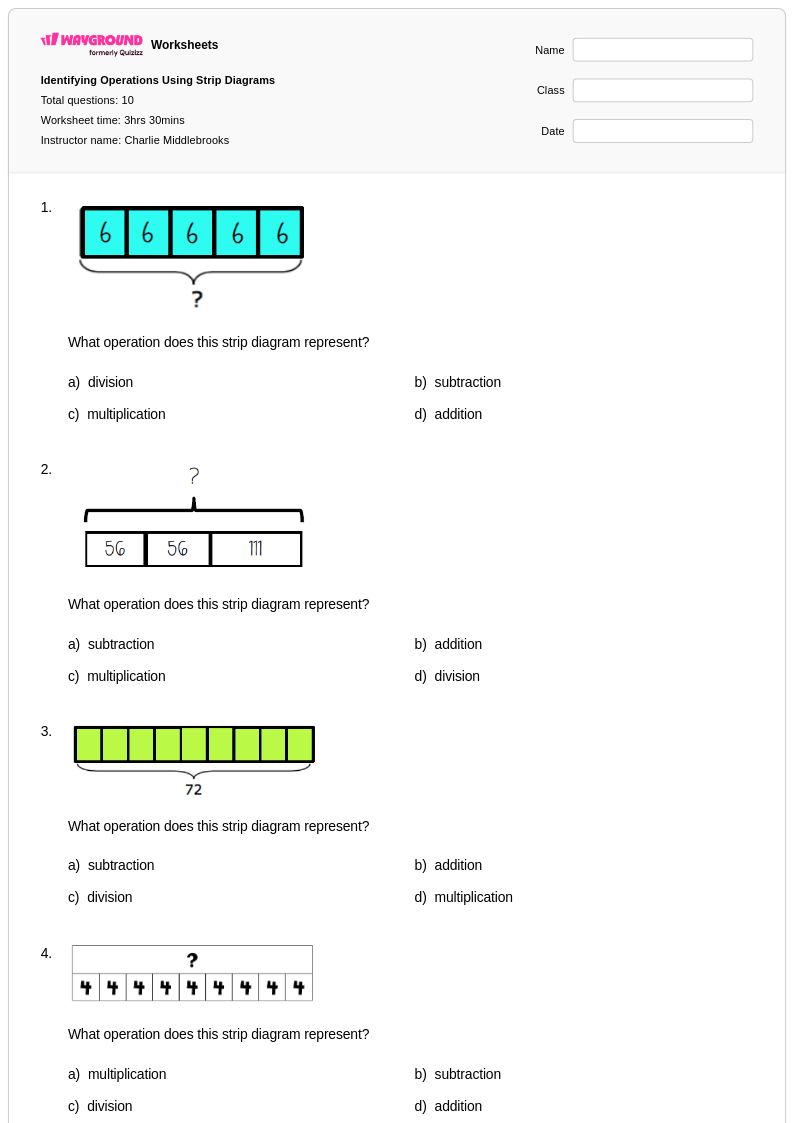
10 Q
3rd - 4th
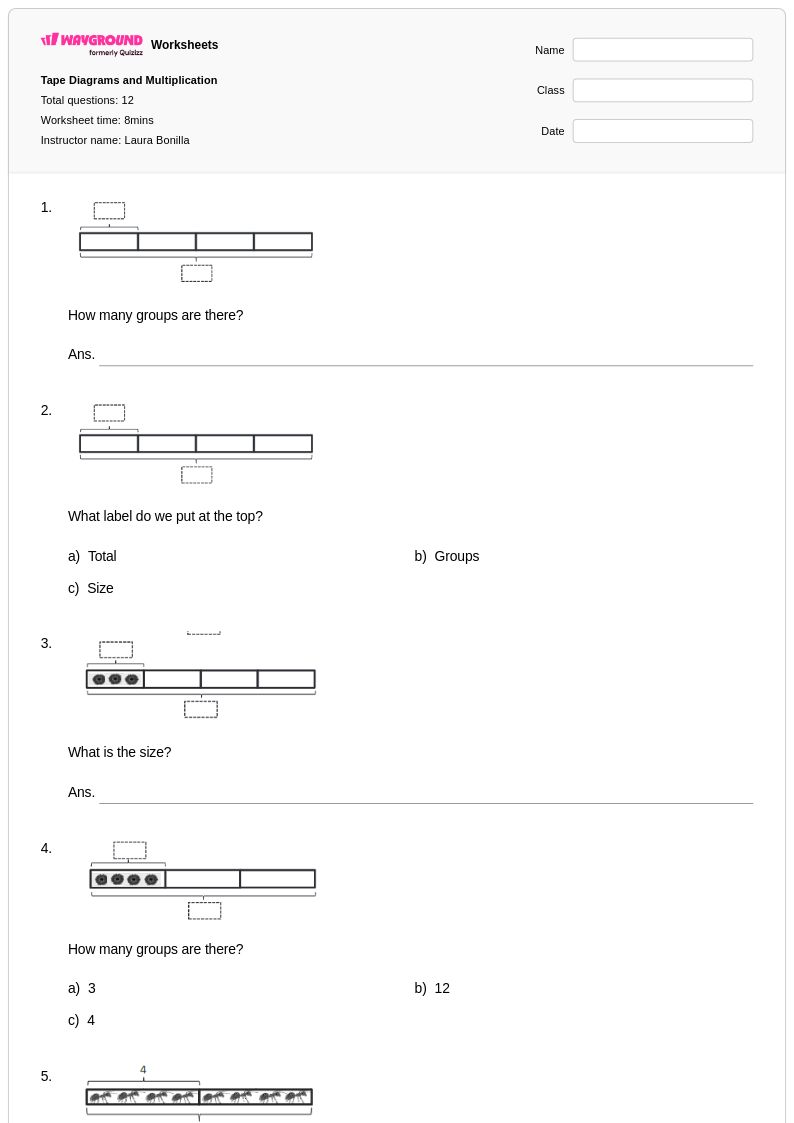
12 Q
3rd
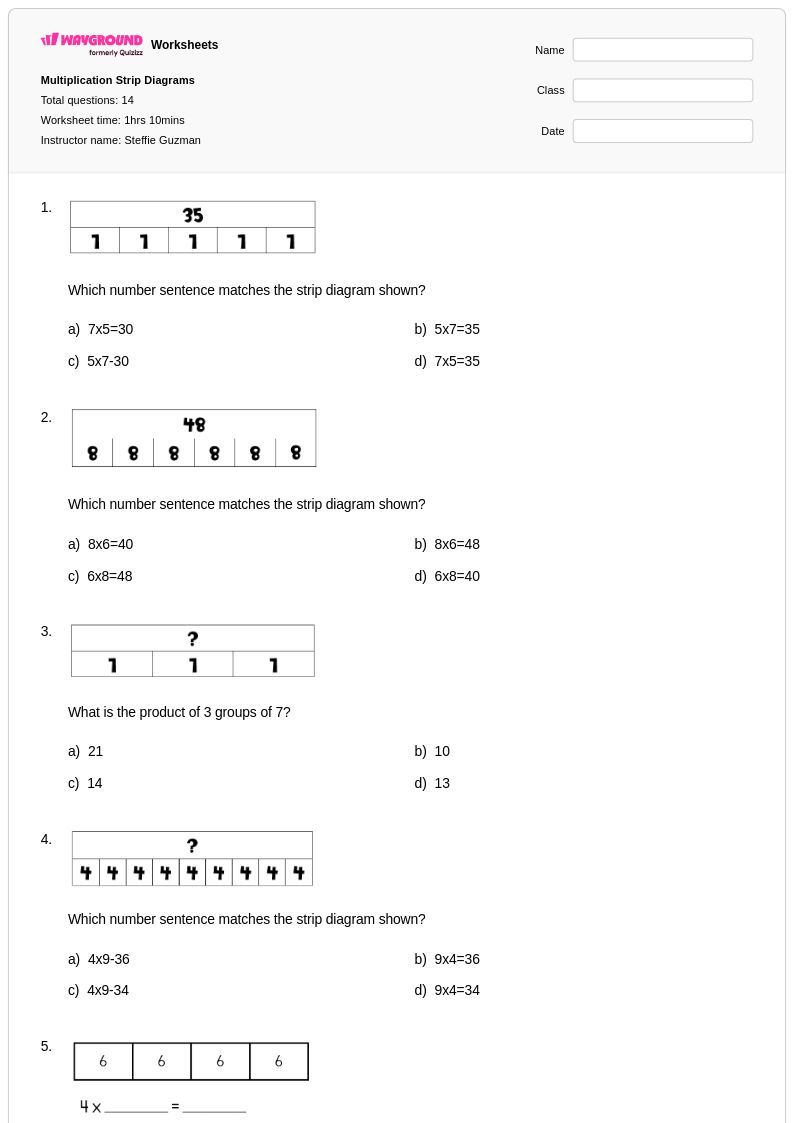
14 Q
3rd
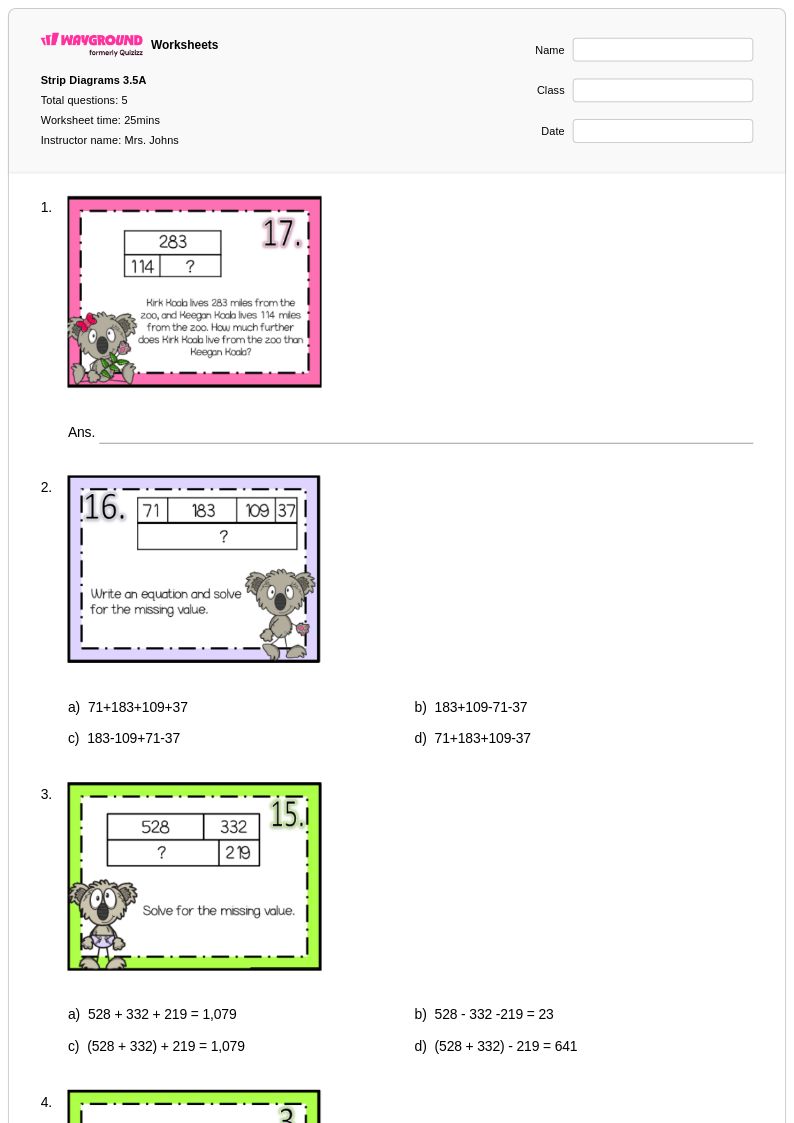
5 Q
3rd - 5th
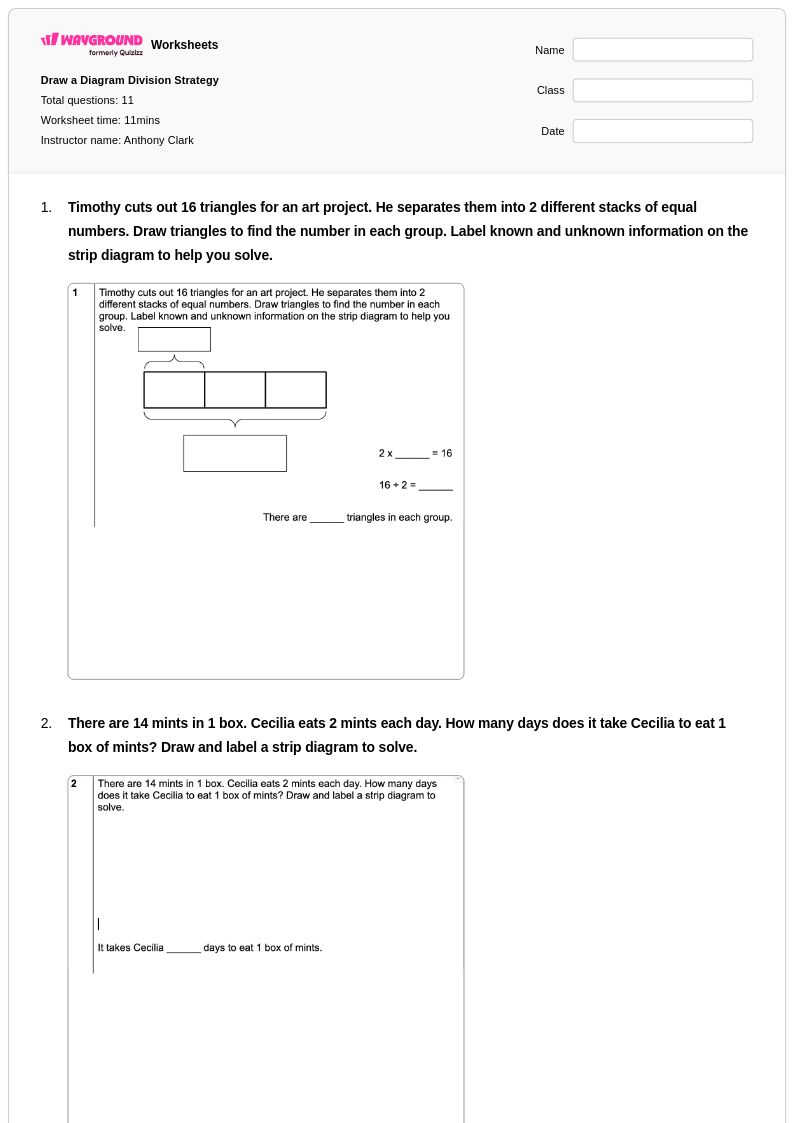
11 Q
3rd - Uni
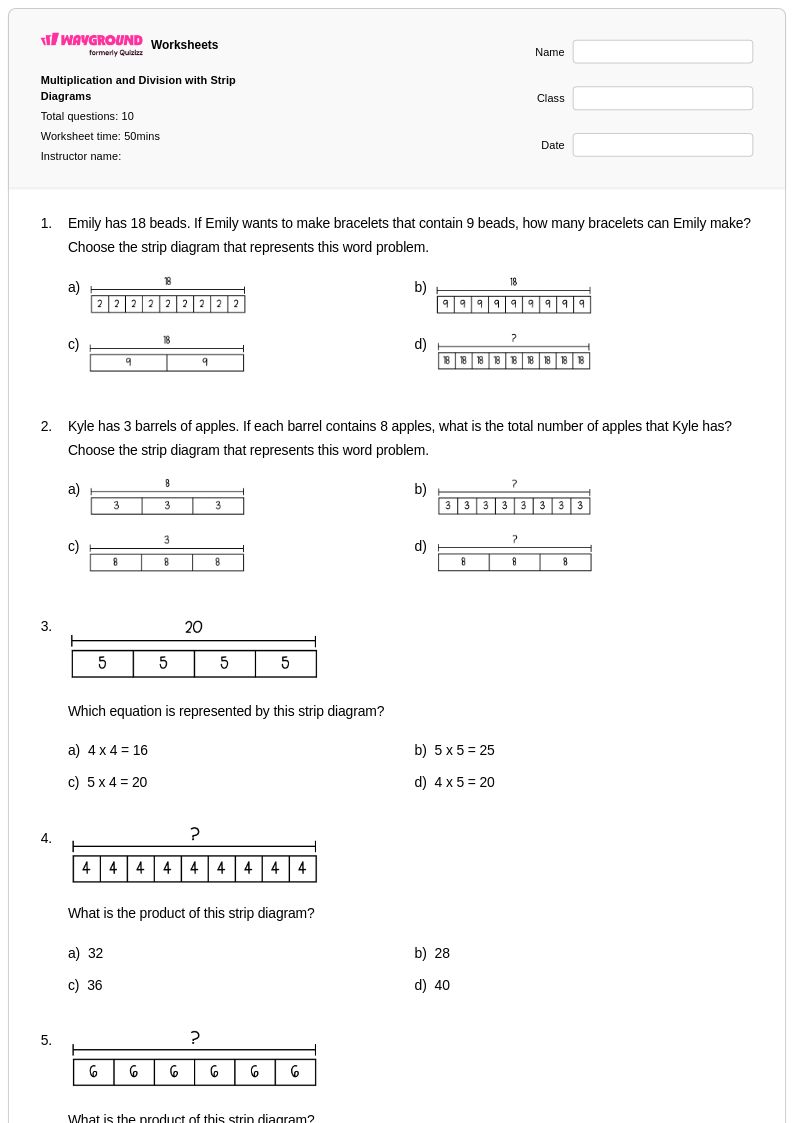
10 Q
3rd
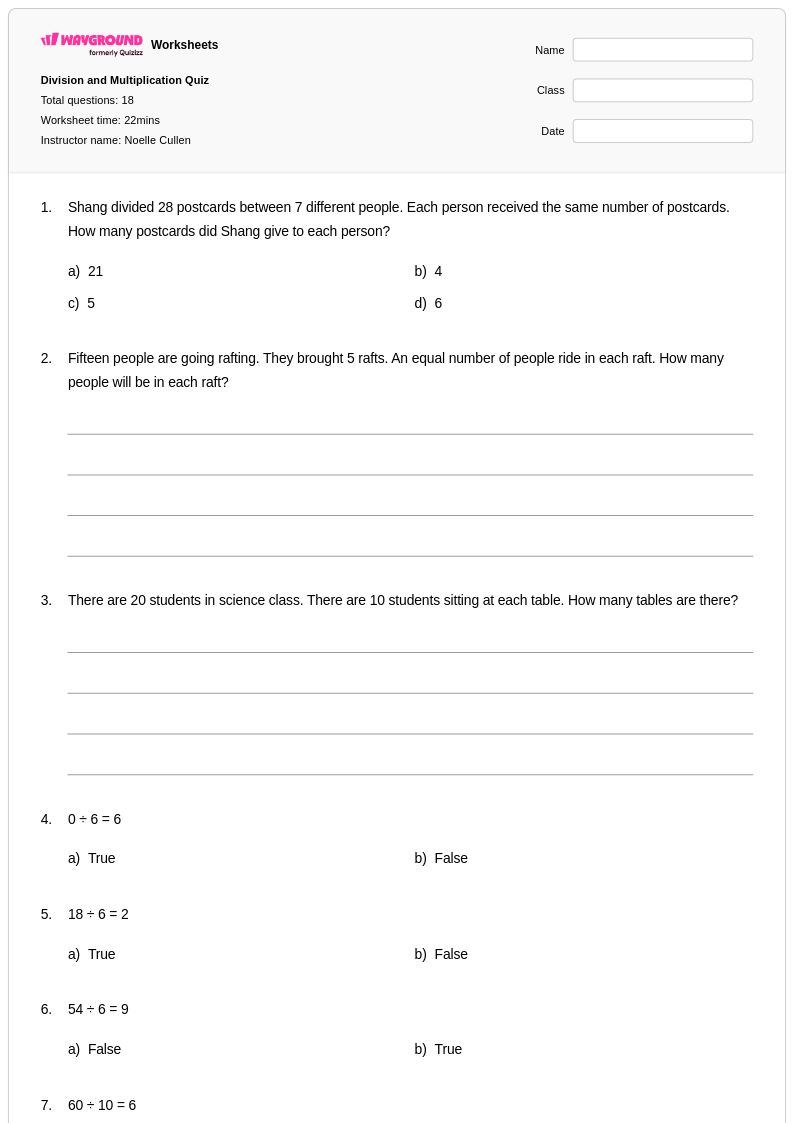
18 Q
3rd
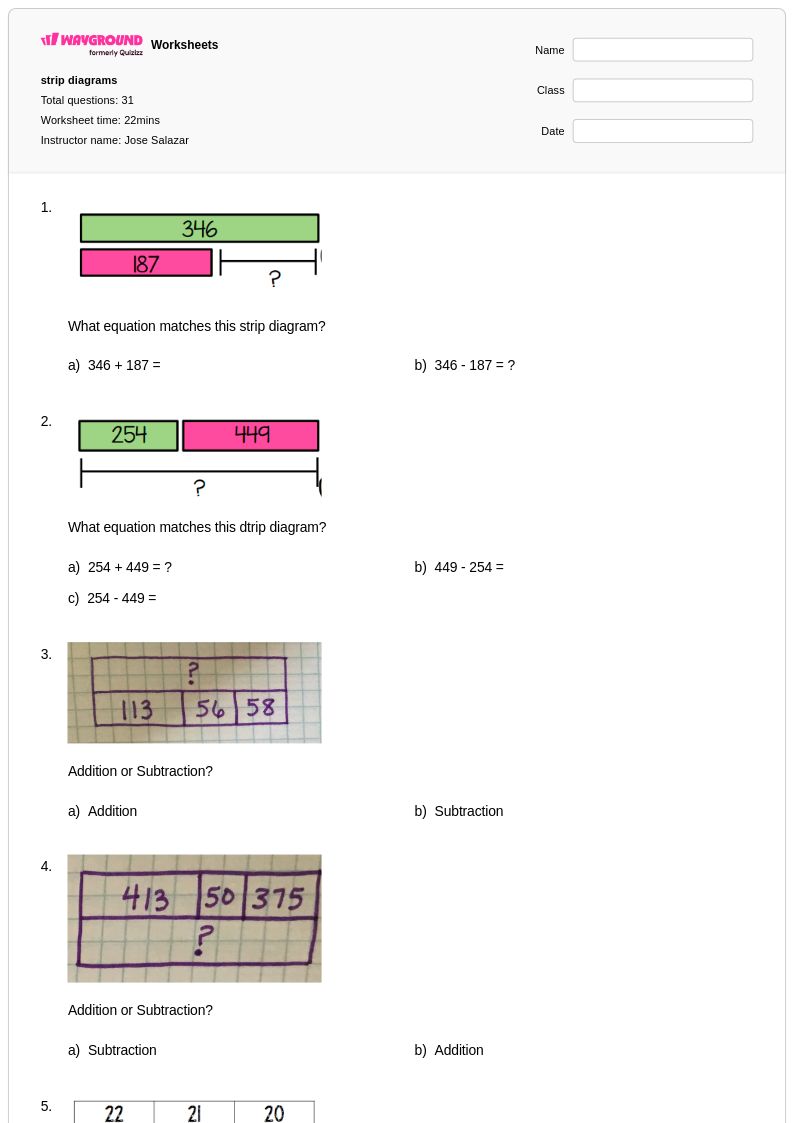
31 Q
2nd - 3rd
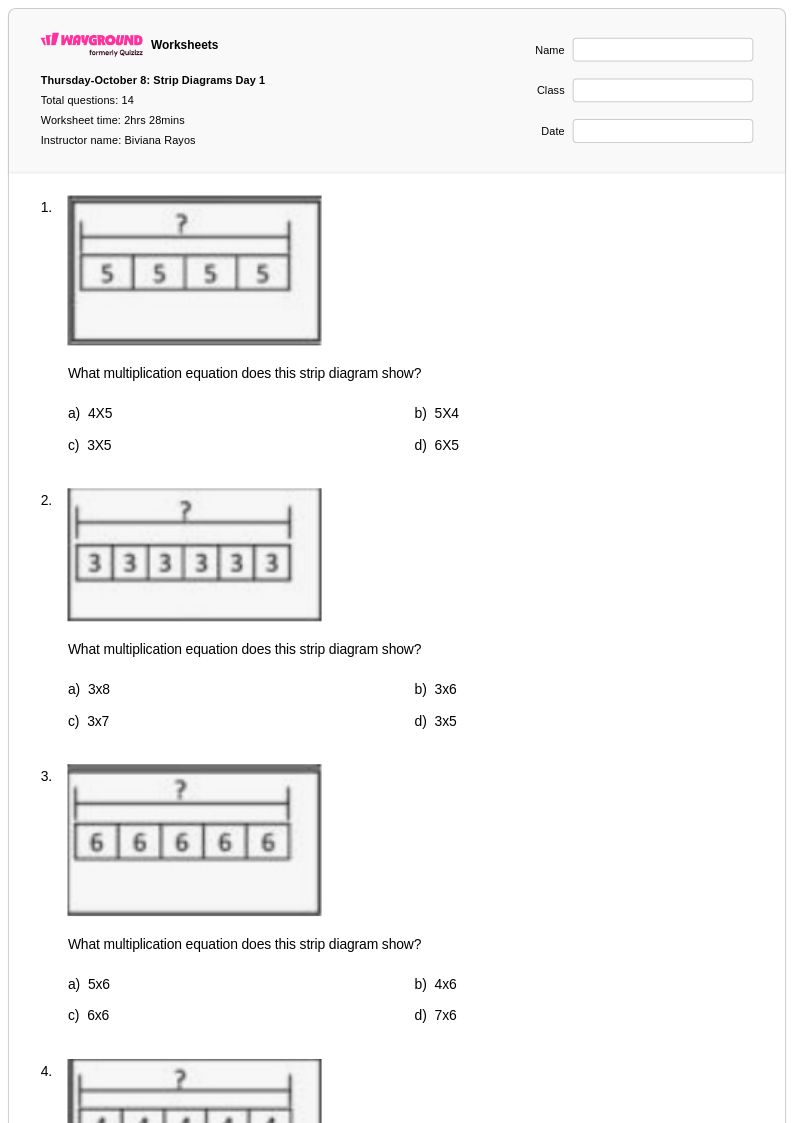
14 Q
3rd
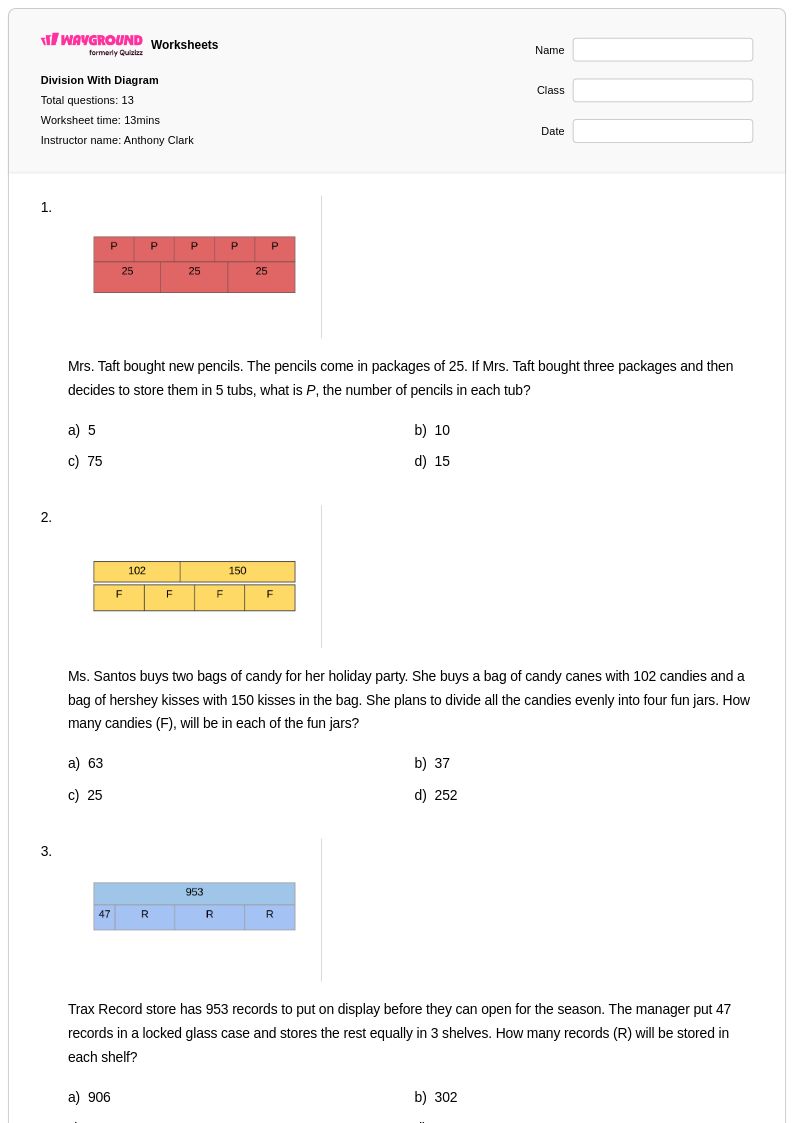
13 Q
3rd - Uni
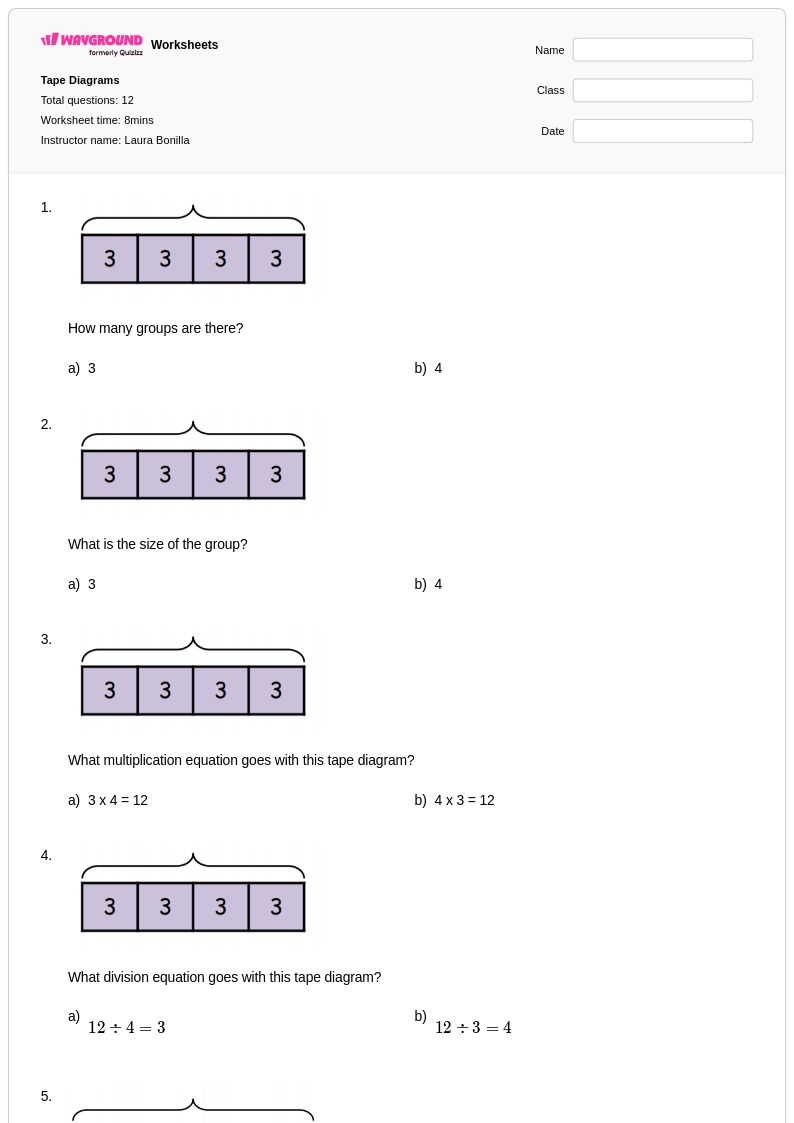
12 Q
3rd
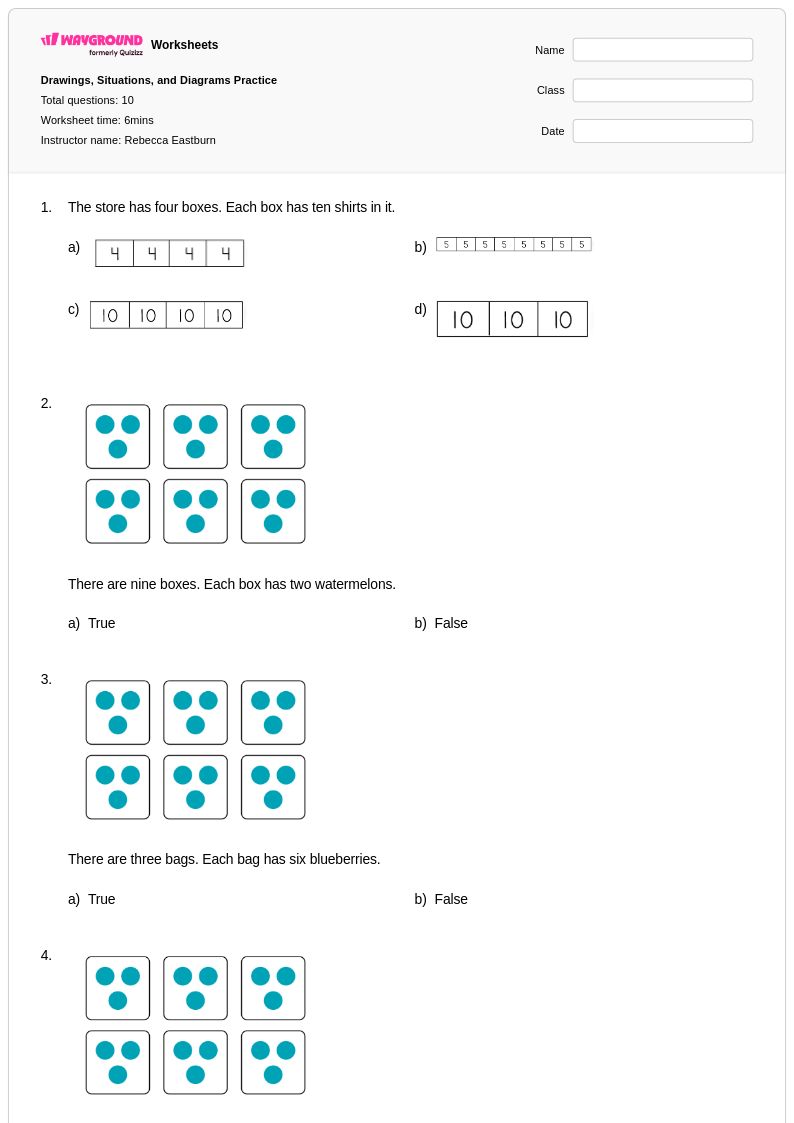
10 Q
3rd
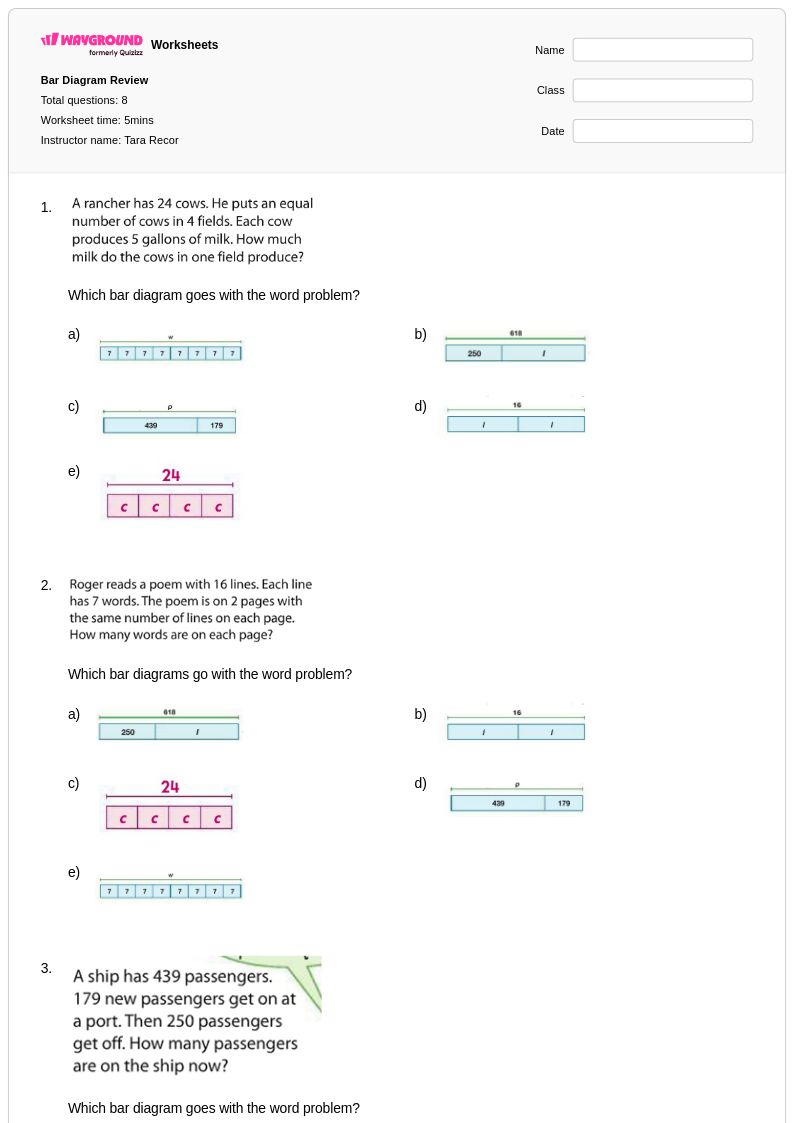
8 Q
3rd - 5th
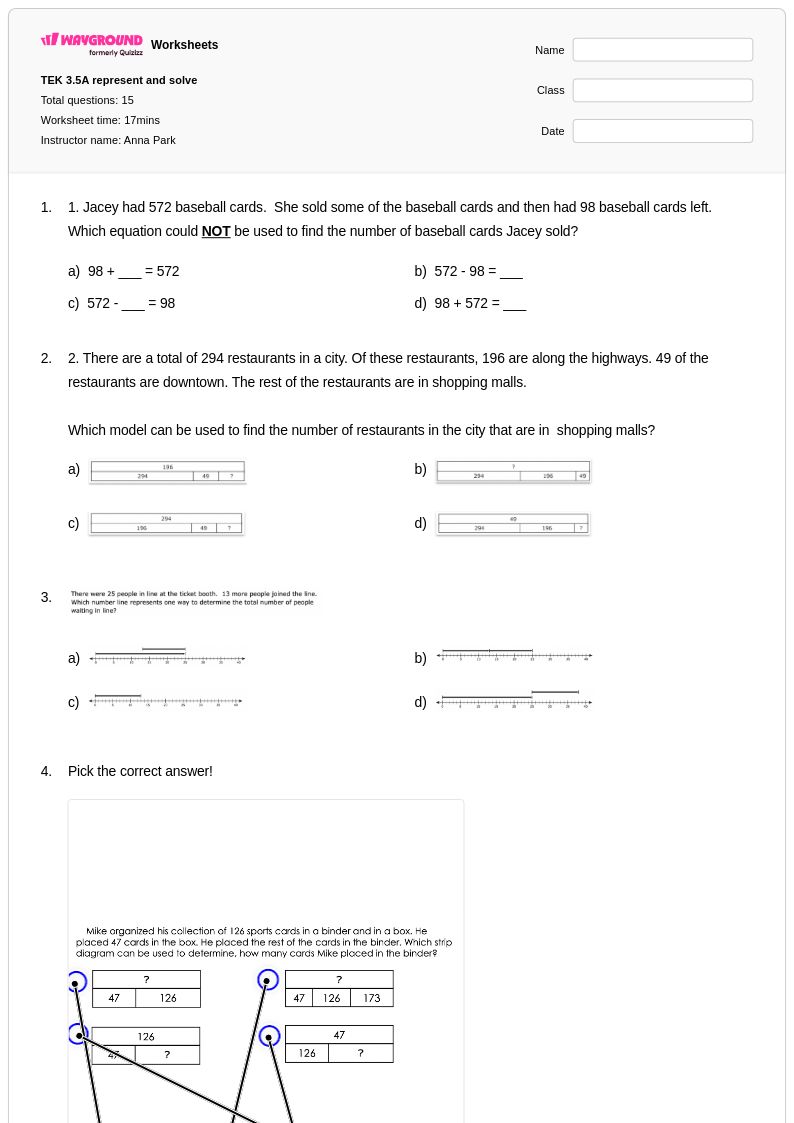
15 Q
3rd
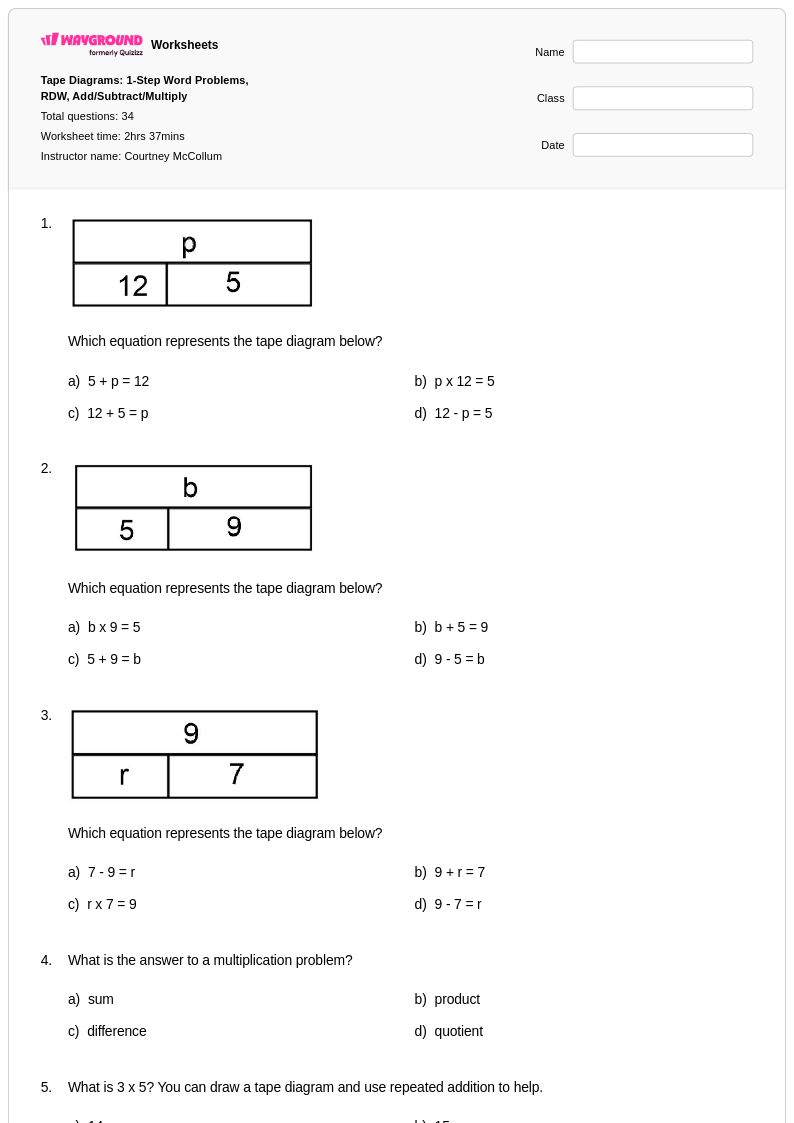
34 Q
3rd
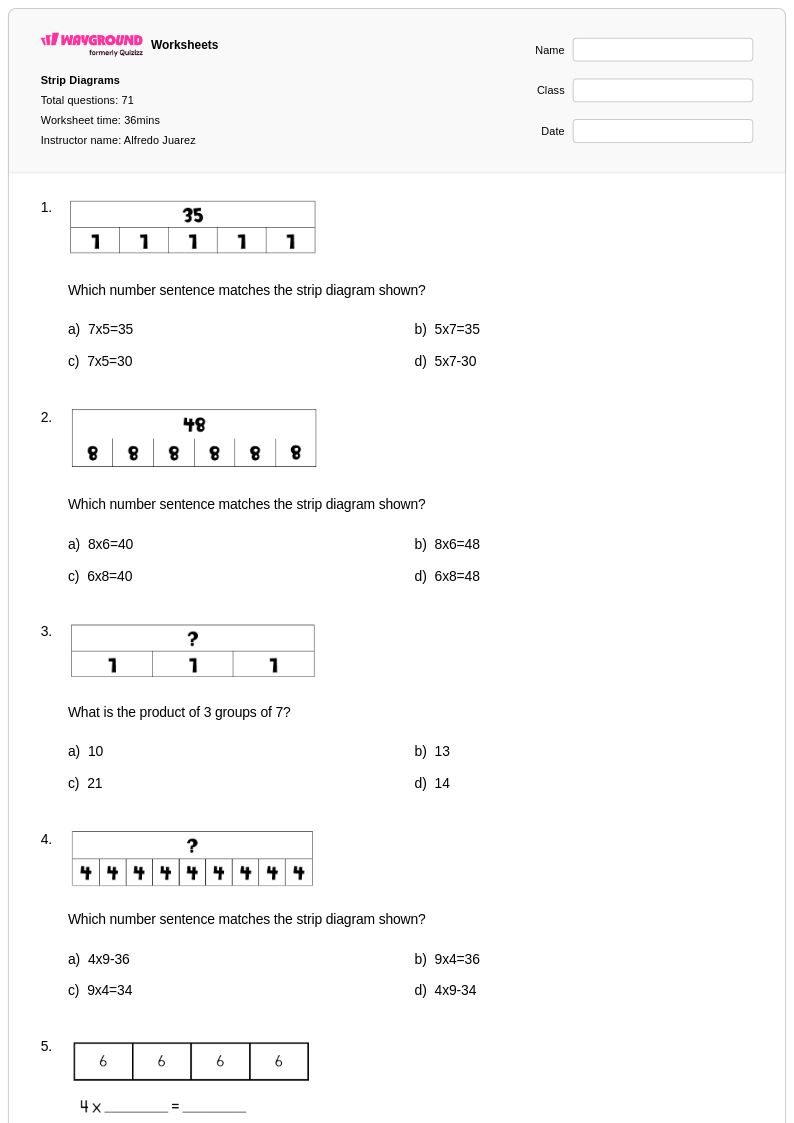
71 Q
3rd - 4th
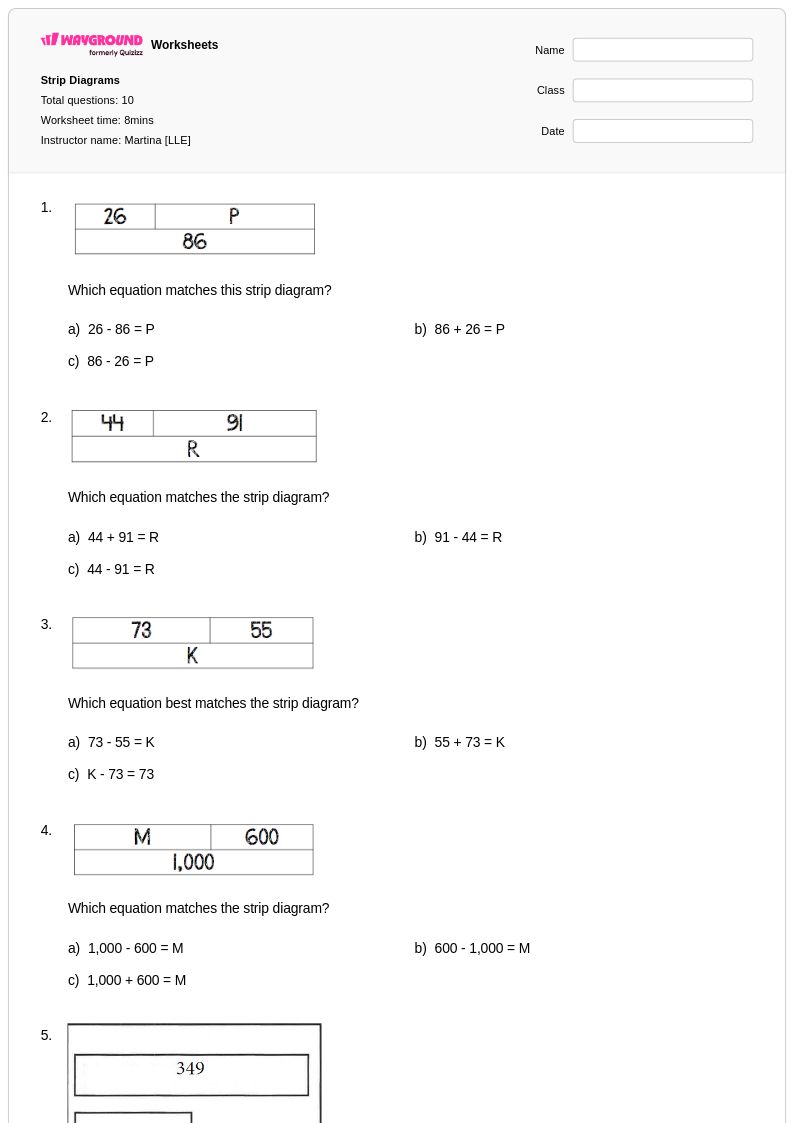
10 Q
2nd - 4th
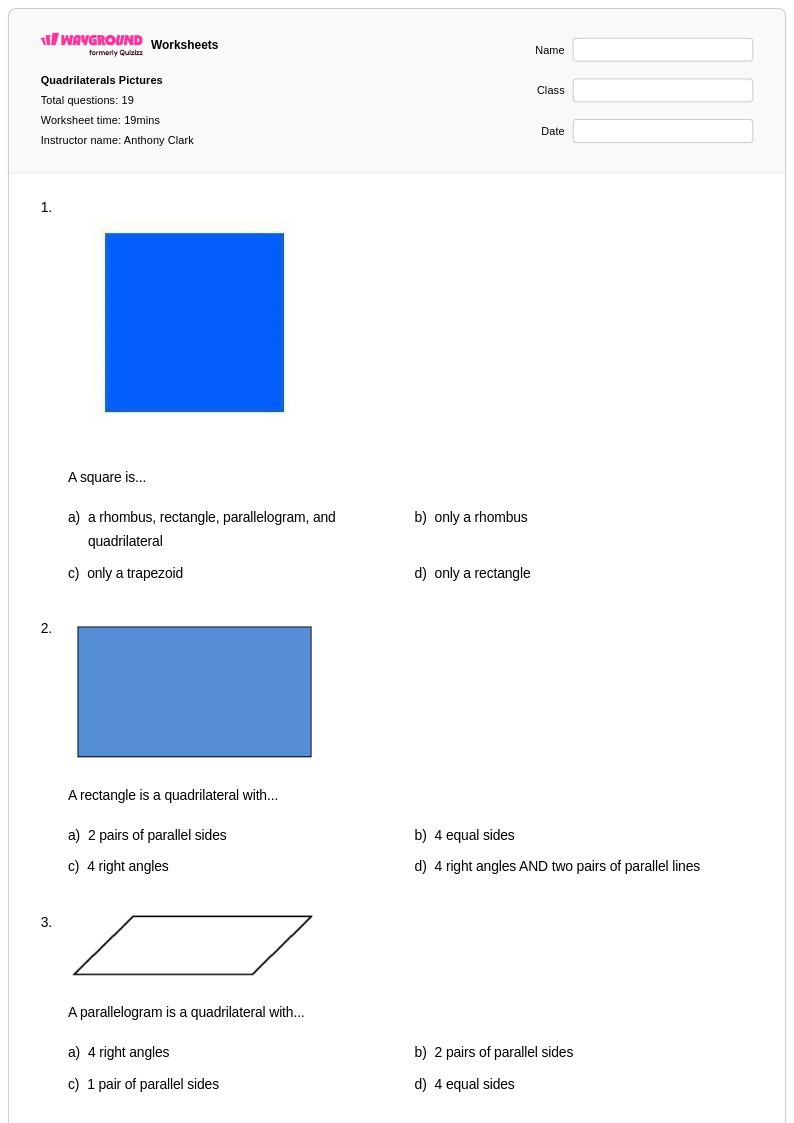
19 Q
3rd - Uni
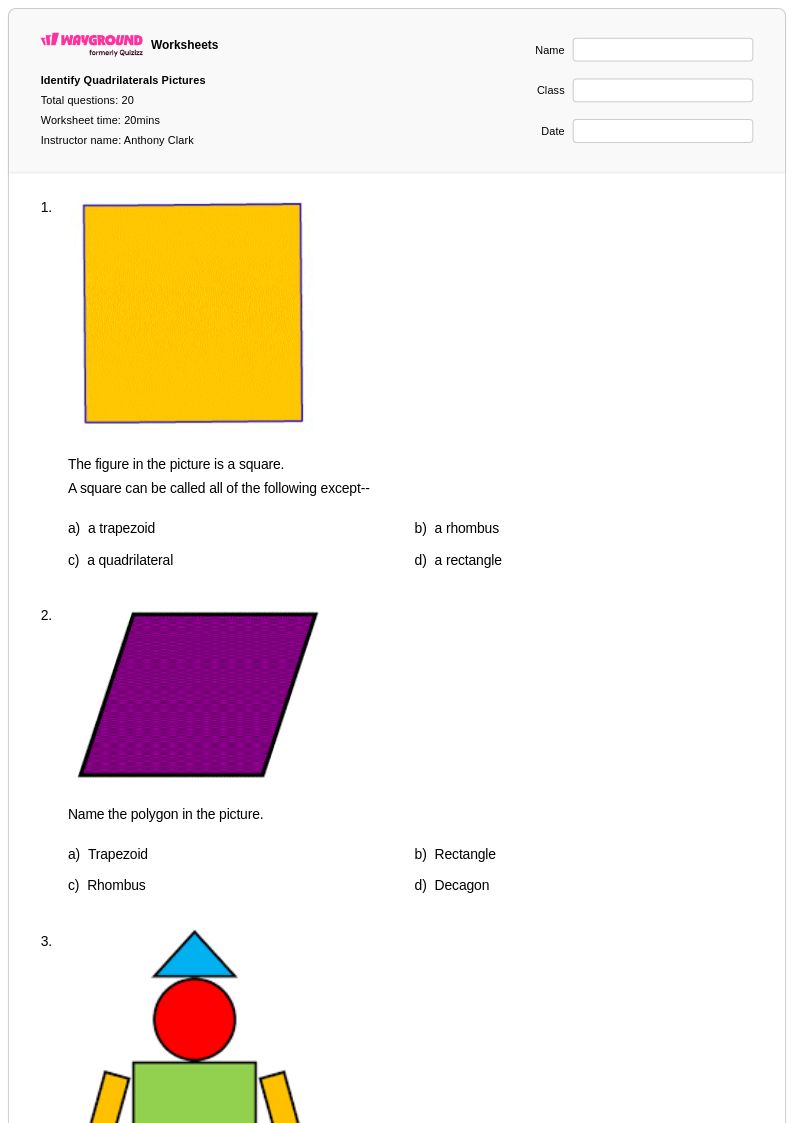
20 Q
3rd - Uni
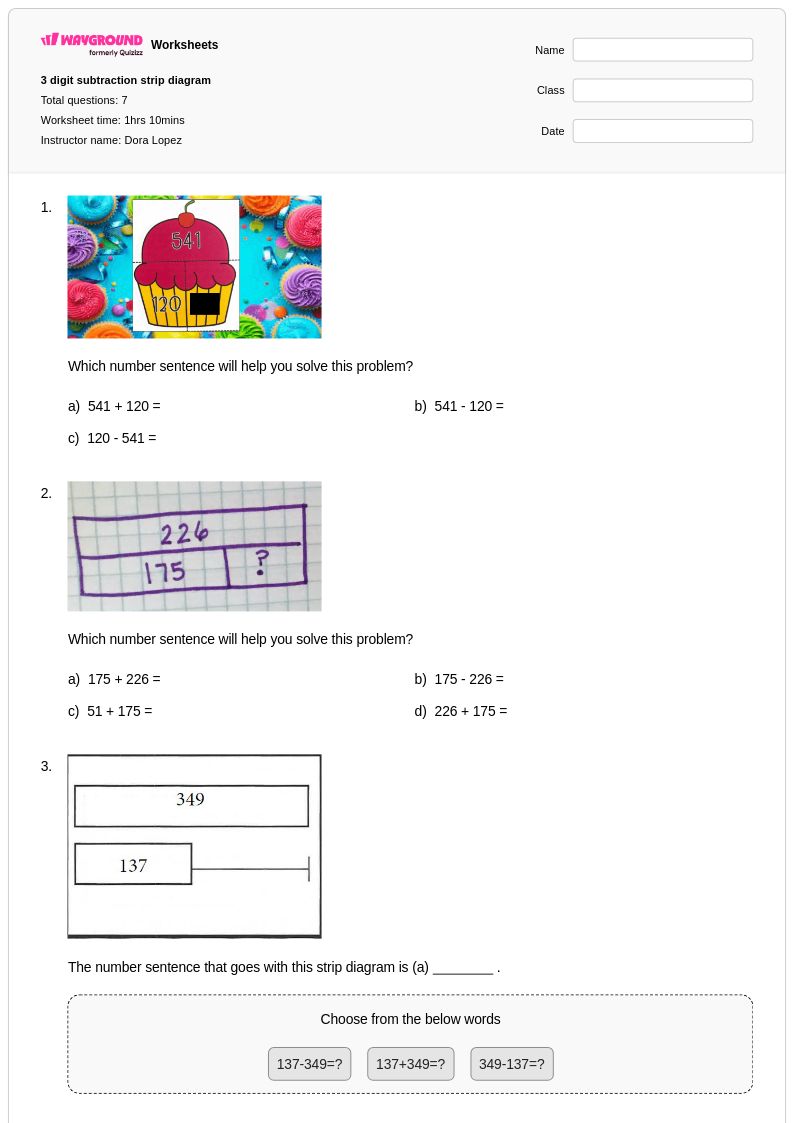
7 Q
3rd
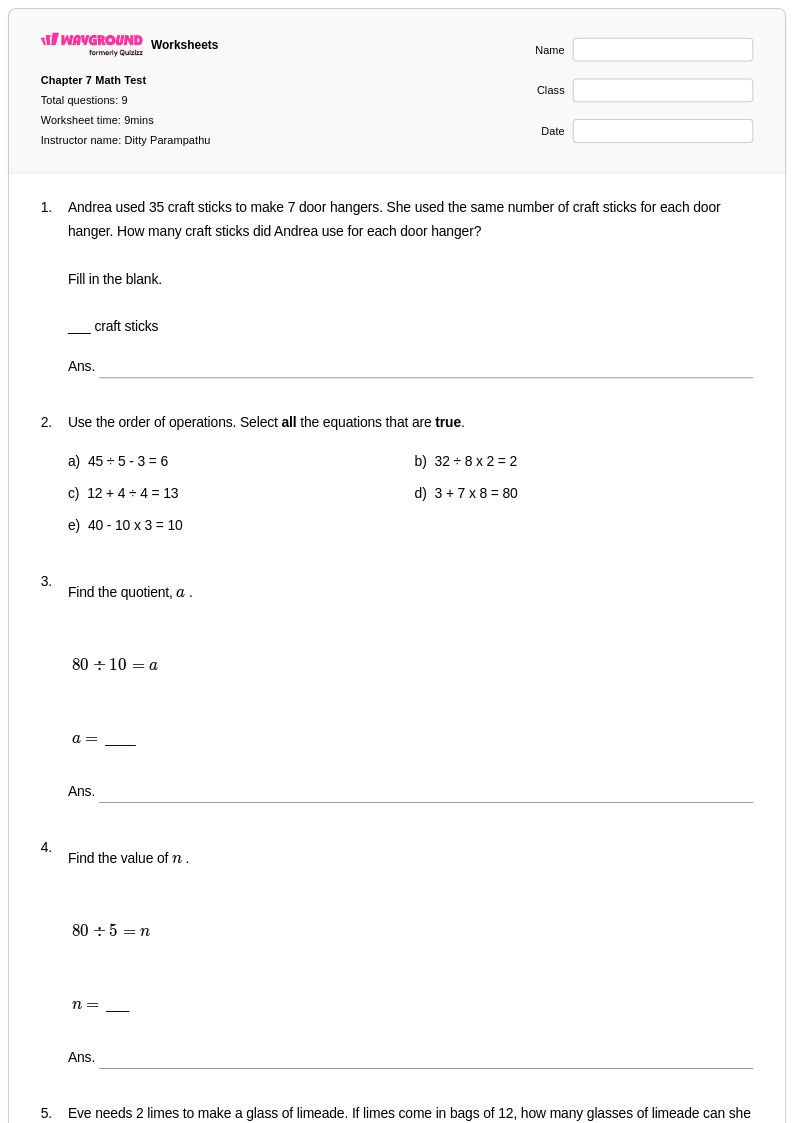
9 Q
3rd
Explore Other Subject Worksheets for grade 3
Explore printable Hanger Diagrams worksheets for Grade 3
Hanger diagrams for Grade 3 represent a foundational approach to introducing algebraic thinking through visual balance concepts that help young learners understand mathematical equality. These specialized worksheets available through Wayground (formerly Quizizz) provide students with engaging practice problems that use the familiar concept of balance scales to demonstrate how equations work, allowing third graders to develop critical reasoning skills about mathematical relationships. Each worksheet features carefully designed hanger diagram scenarios where students must determine missing values by applying their understanding that both sides of an equation must remain equal, creating an intuitive bridge between concrete mathematical thinking and abstract algebraic concepts. Teachers can access comprehensive collections of these printables complete with detailed answer keys, ensuring that students receive immediate feedback on their problem-solving approaches while building confidence in mathematical reasoning through free, structured practice opportunities available in convenient PDF format.
Wayground (formerly Quizizz) empowers educators with millions of teacher-created hanger diagram resources specifically designed to support Grade 3 algebraic thinking development through robust search and filtering capabilities that align with curriculum standards. The platform's differentiation tools allow teachers to customize worksheet difficulty levels and problem types, ensuring that each student receives appropriate challenge levels whether for remediation of foundational balance concepts or enrichment of advanced equality reasoning skills. These comprehensive collections are available in both printable and digital PDF formats, providing flexibility for various classroom environments and learning preferences while supporting systematic skill practice through carefully sequenced problem sets. Teachers benefit from streamlined lesson planning capabilities that integrate seamlessly with existing mathematics curricula, enabling targeted instruction that builds students' algebraic reasoning foundations through consistent practice with visual balance representations that make abstract mathematical concepts accessible and engaging.
FAQs
What grade do students learn about hanger diagrams?
How can I introduce the concept of equality to 3rd graders using these worksheets?
What kind of practice is best for Grade 3 students with this topic?
What common misconceptions do 3rd graders have about equality?
How do these worksheets fit into the 3rd grade math curriculum?
How can I use this specific Grade 3 worksheet?