
Explore worksheets by Science topics
- Agriculture
- Biology
- Chemistry
- Computer Science
- Earth & Space Science
- Engineering & Science Practices
- Forensic Science
- Life Science
- Physical Science
- Physics
- Psychology
- Units and Measurement
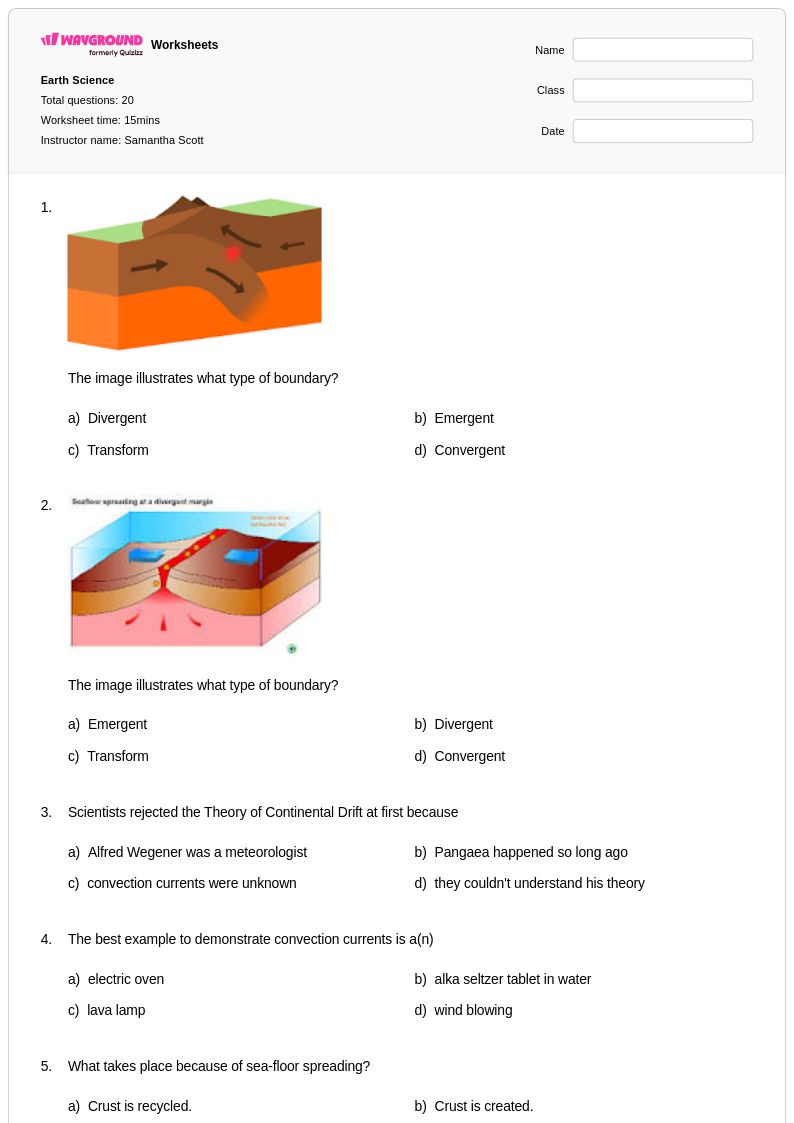
20 Q
9th
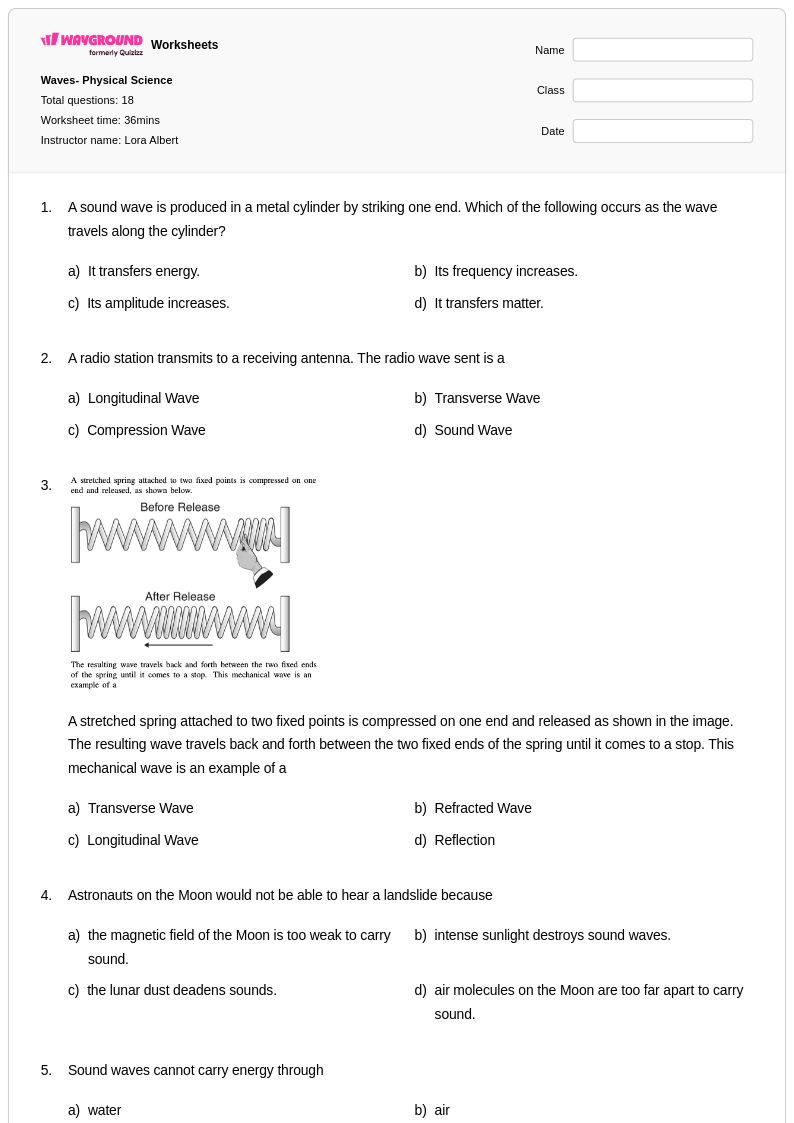
18 Q
9th - 12th
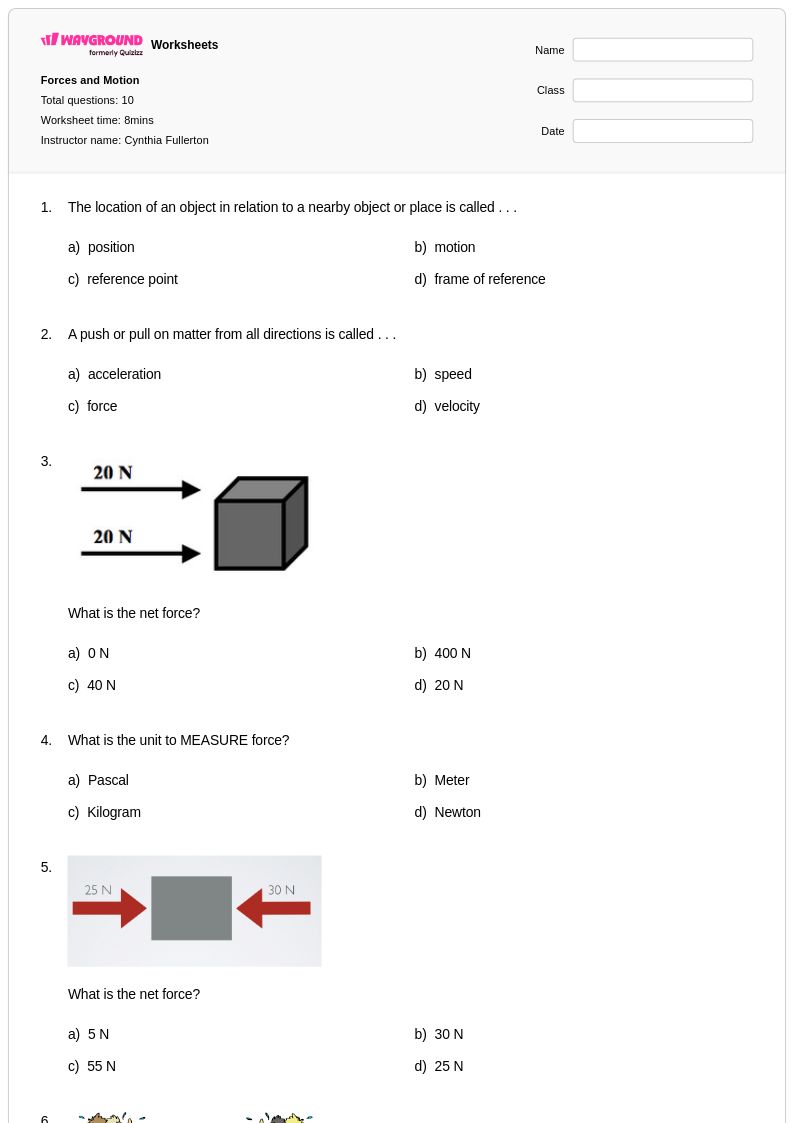
10 Q
9th - 12th
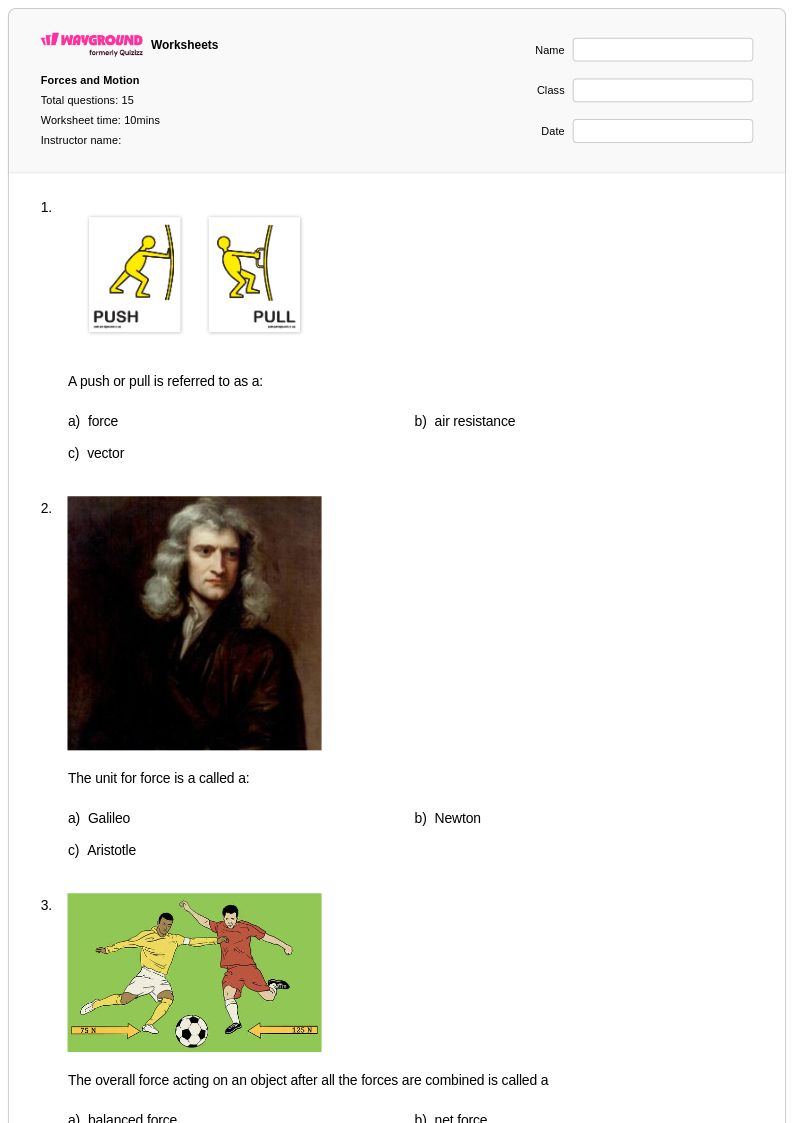
15 Q
9th - 10th
20 Q
9th
21 Q
9th - 12th
20 Q
8th - 9th
14 Q
9th
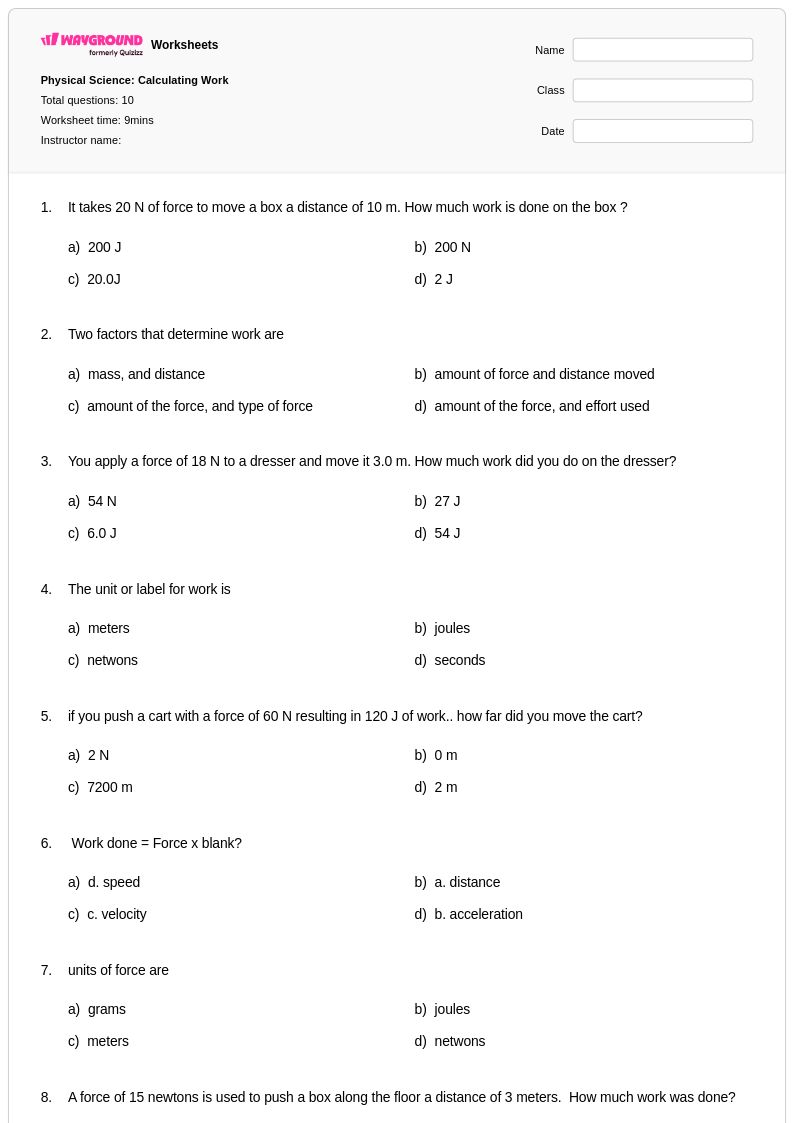
10 Q
7th - 9th
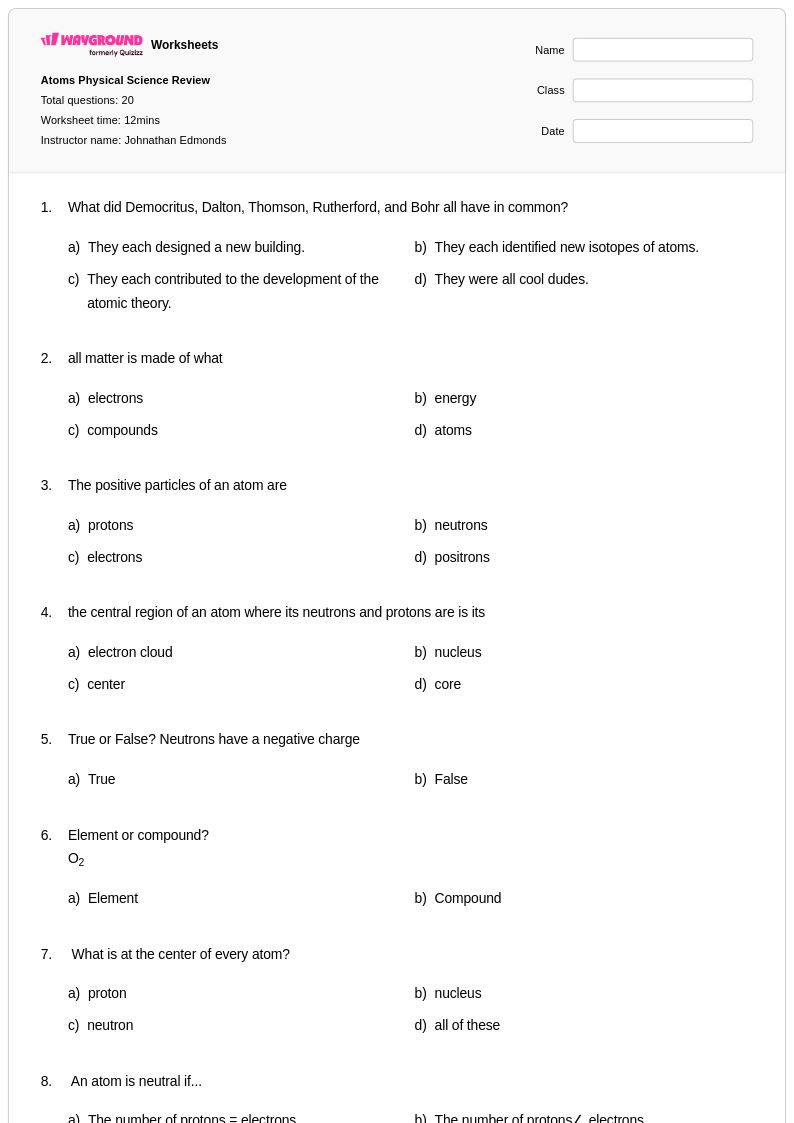
20 Q
9th
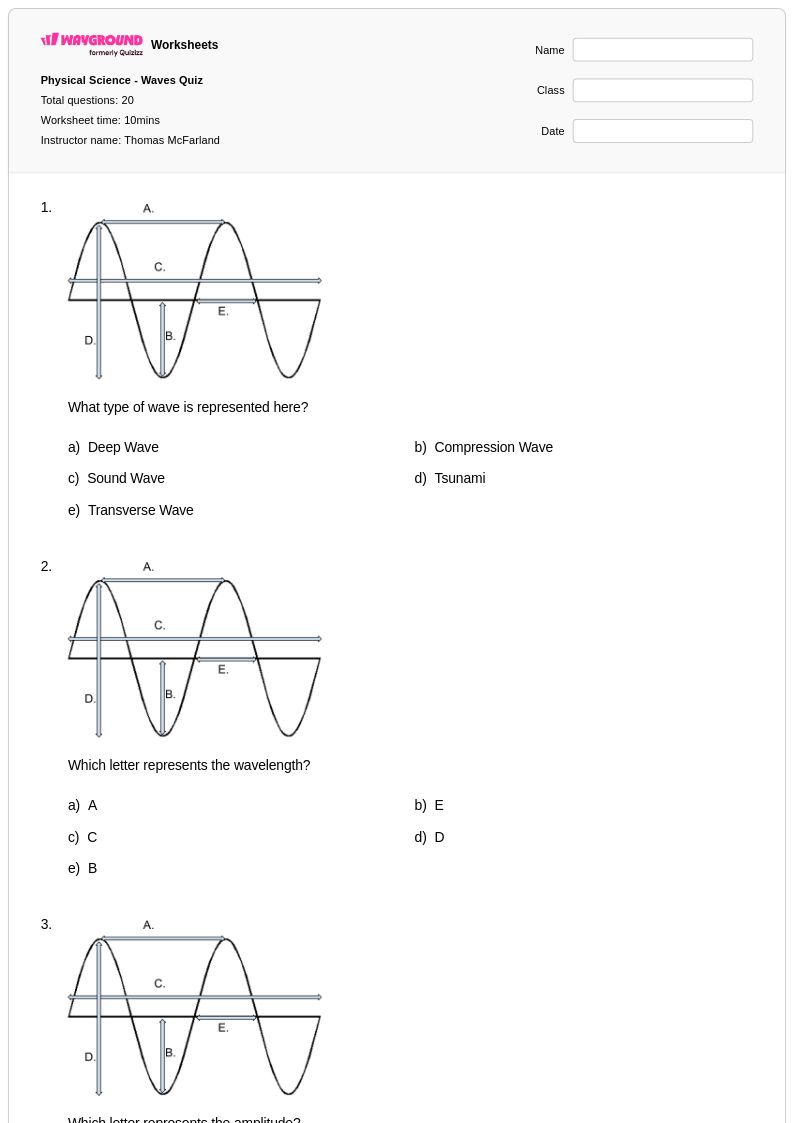
20 Q
9th
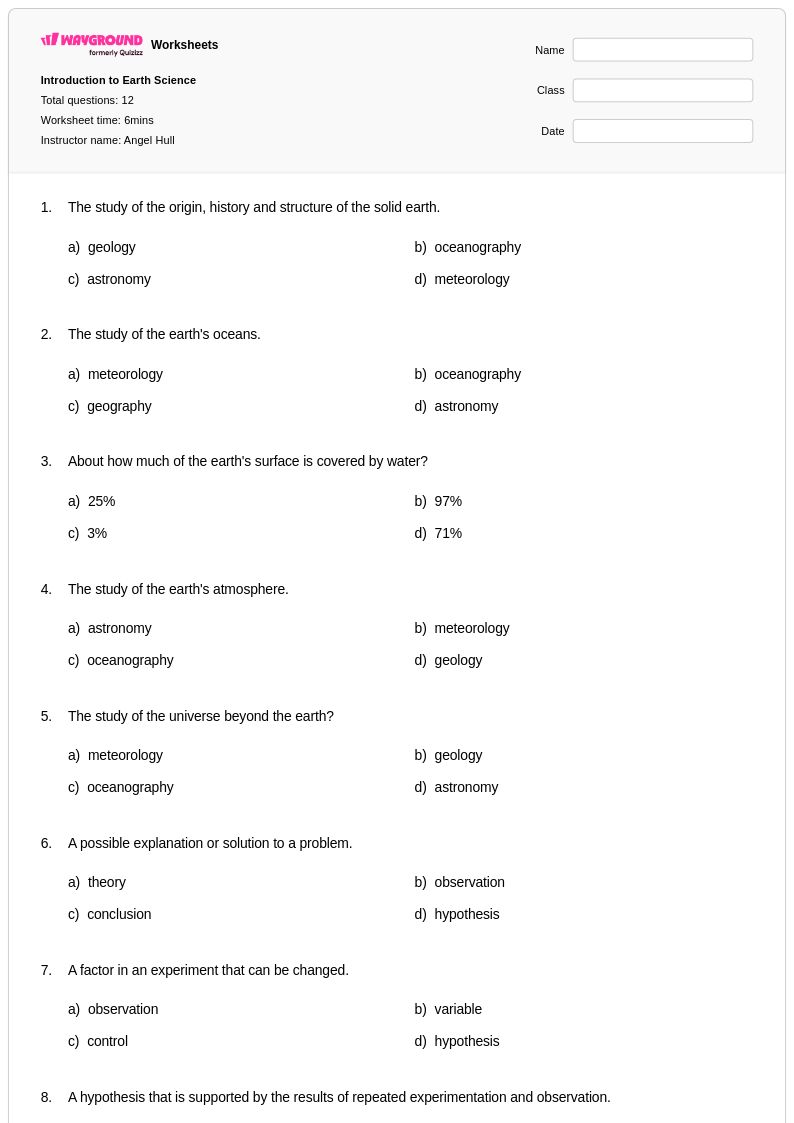
12 Q
9th - 11th
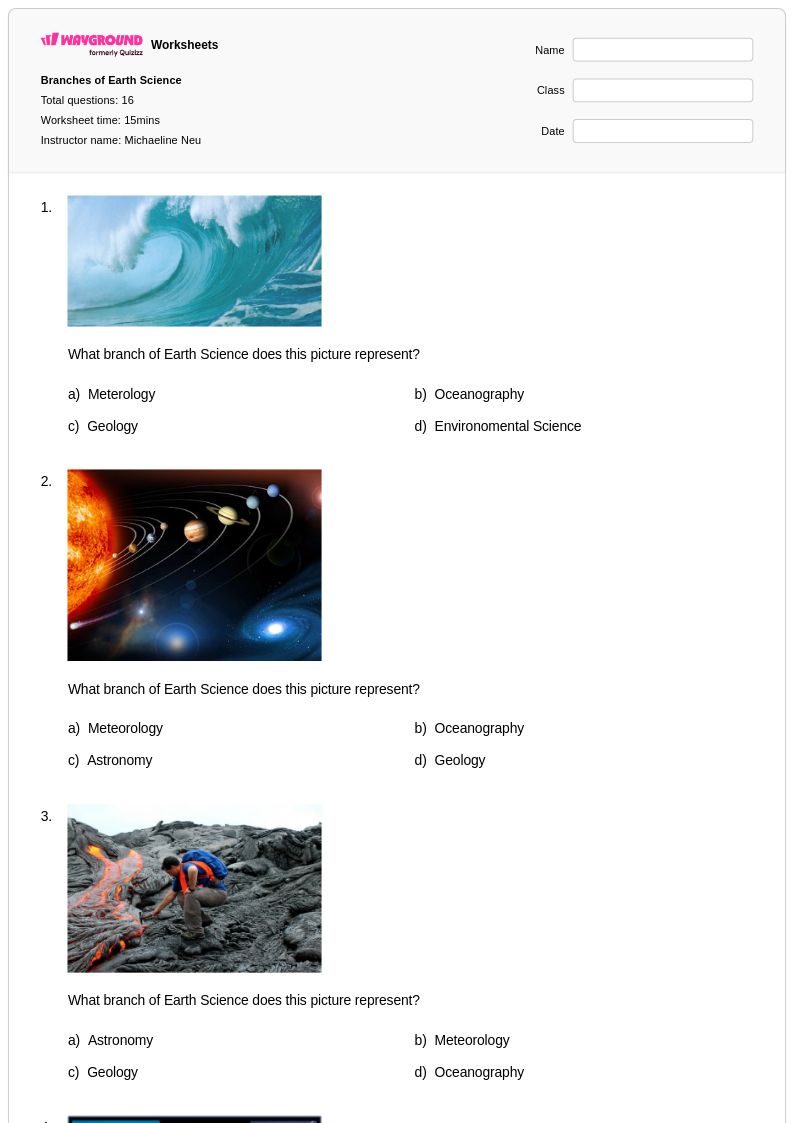
16 Q
8th - 9th
20 Q
9th
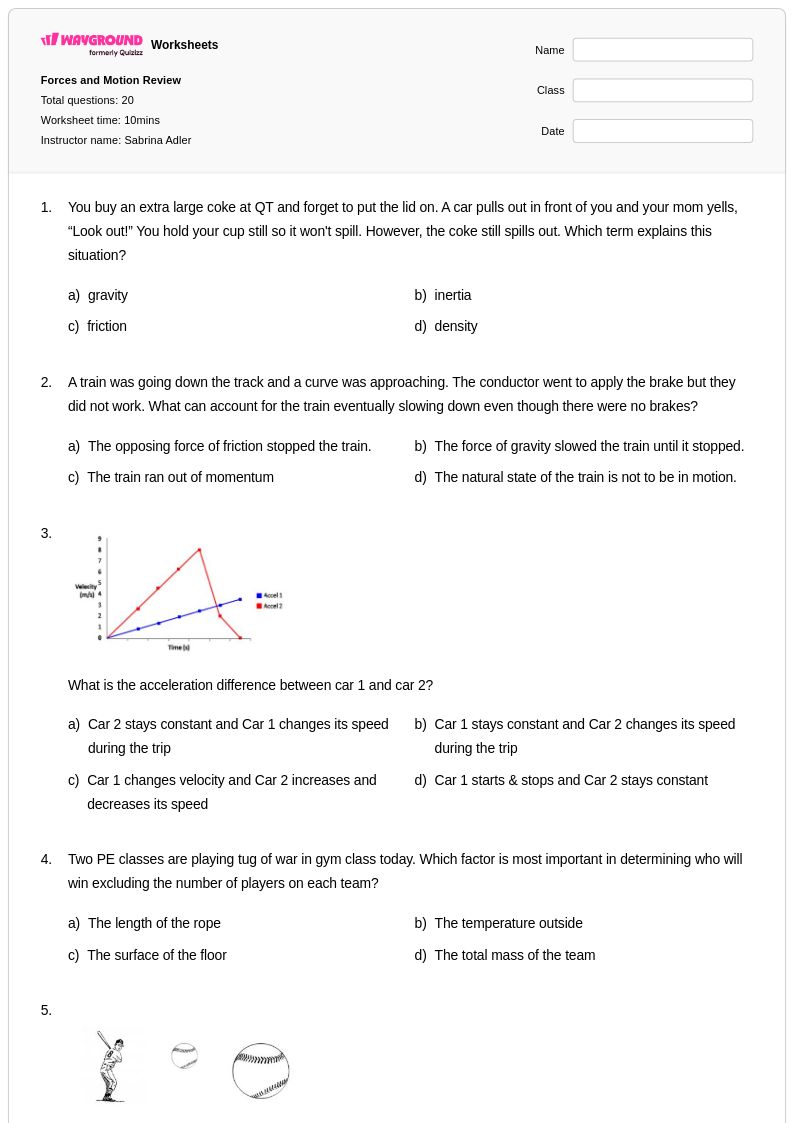
20 Q
8th - 9th
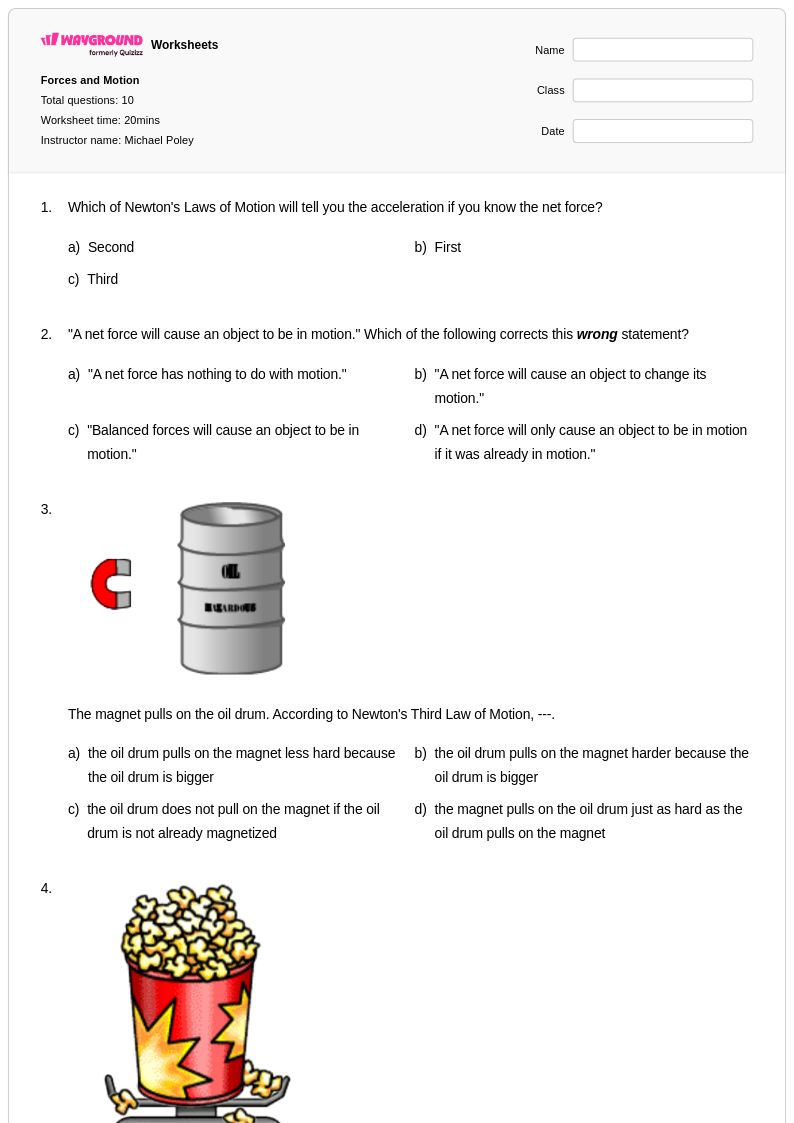
10 Q
9th - 12th
12 Q
9th
10 Q
9th
25 Q
9th - 12th
20 Q
9th - 12th
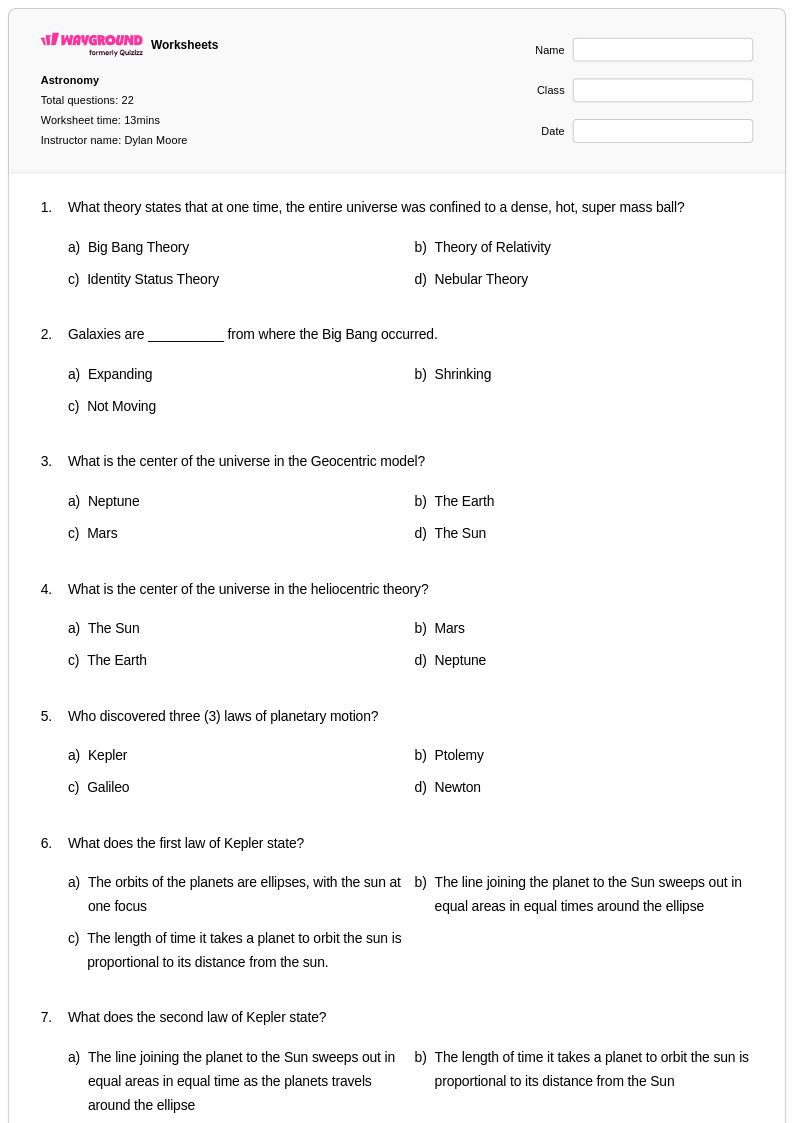
22 Q
9th
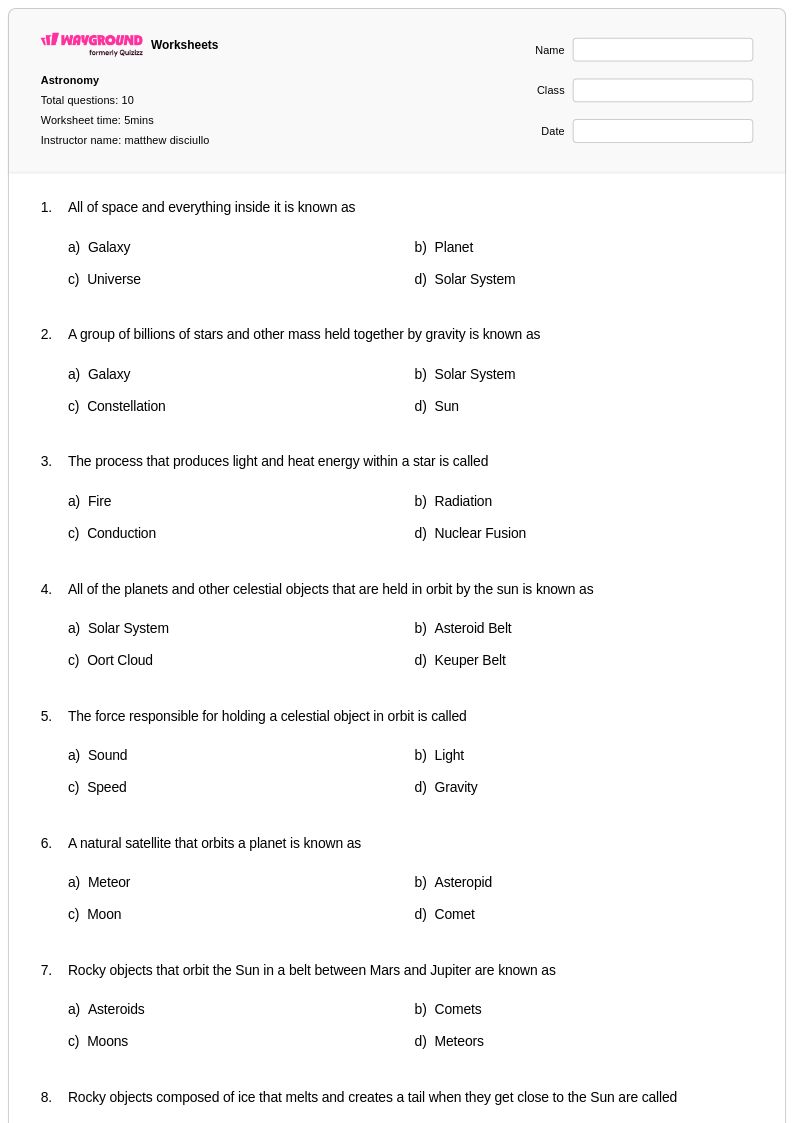
10 Q
9th - 12th
Explore Science Worksheets by Grades
Explore Science Worksheets for grade 9 by Topic
Explore Other Subject Worksheets for grade 9
Explore printable Science worksheets for Grade 9
Grade 9 Science worksheets available through Wayground (formerly Quizizz) provide comprehensive coverage of essential scientific concepts that ninth-grade students encounter across biology, chemistry, physics, and earth science disciplines. These carefully designed resources strengthen critical thinking skills, scientific reasoning, and problem-solving abilities while reinforcing fundamental principles such as atomic structure, cellular processes, motion and forces, and ecosystem interactions. Each worksheet collection includes detailed answer keys that facilitate efficient grading and enable students to check their understanding independently. The free printable materials feature a diverse range of practice problems, from multiple-choice assessments to hands-on laboratory exercises, ensuring students can master both theoretical knowledge and practical application of scientific concepts through varied learning approaches.
Wayground's extensive library of Grade 9 Science worksheets draws from millions of teacher-created resources, providing educators with an unparalleled selection of high-quality materials that align with state and national science standards. The platform's advanced search and filtering capabilities allow teachers to quickly locate specific resources based on learning objectives, difficulty levels, or particular science domains, streamlining lesson planning and curriculum alignment. These differentiation tools enable educators to customize worksheets for diverse learning needs, supporting both remediation for struggling students and enrichment opportunities for advanced learners. Available in both printable PDF format and interactive digital versions, these resources offer flexibility for classroom instruction, homework assignments, test preparation, and independent study, making it easier for teachers to provide targeted skill practice that meets individual student requirements while maintaining rigorous academic standards.
FAQs
How do I teach scientific observation and data analysis skills to K-12 students?
What exercises help students practice hypothesis formation in science?
What mistakes do students commonly make when working on science worksheets?
How can I differentiate science worksheets for students with different learning needs?
How do I use Wayground's science worksheets in my classroom?
How do I find science worksheets aligned to specific standards or curriculum topics?