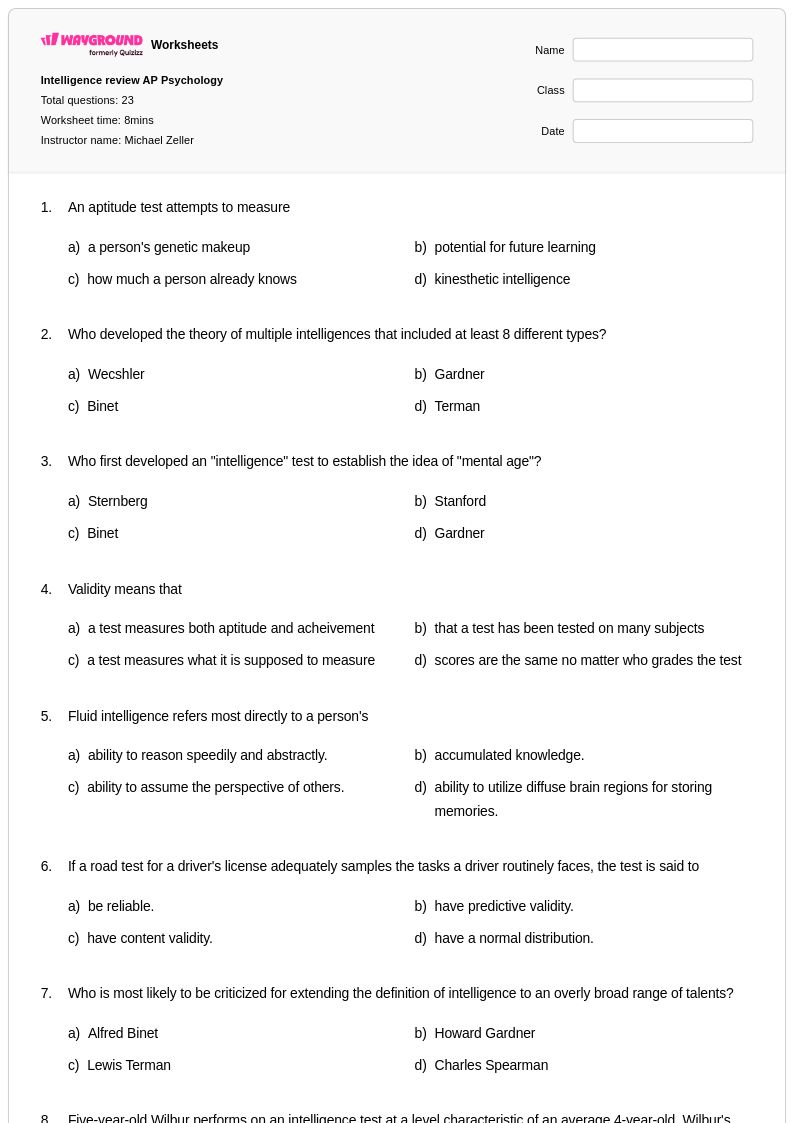
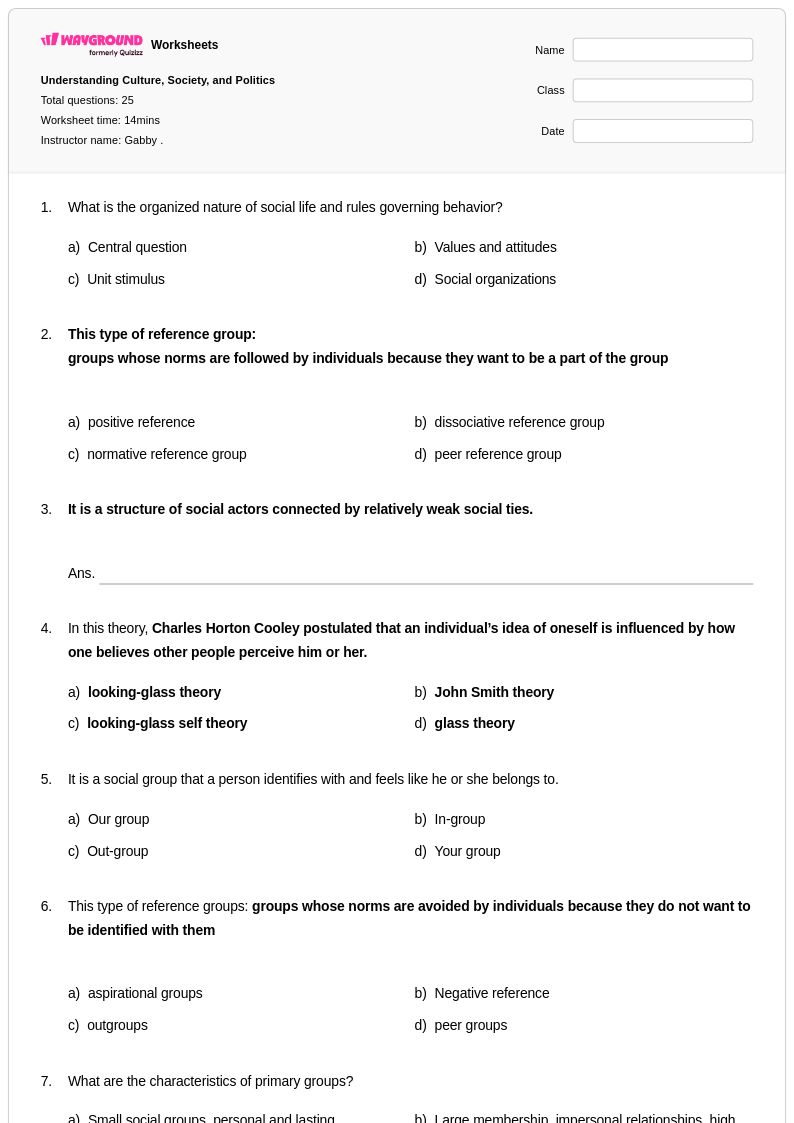
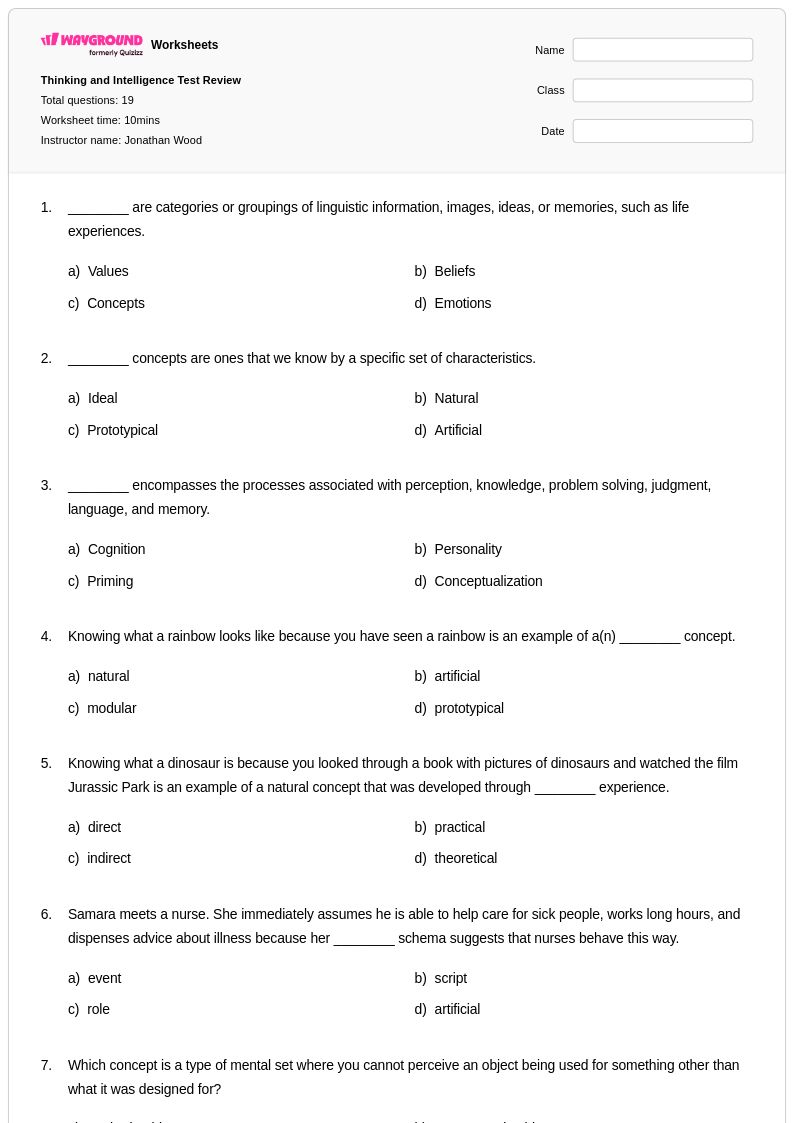
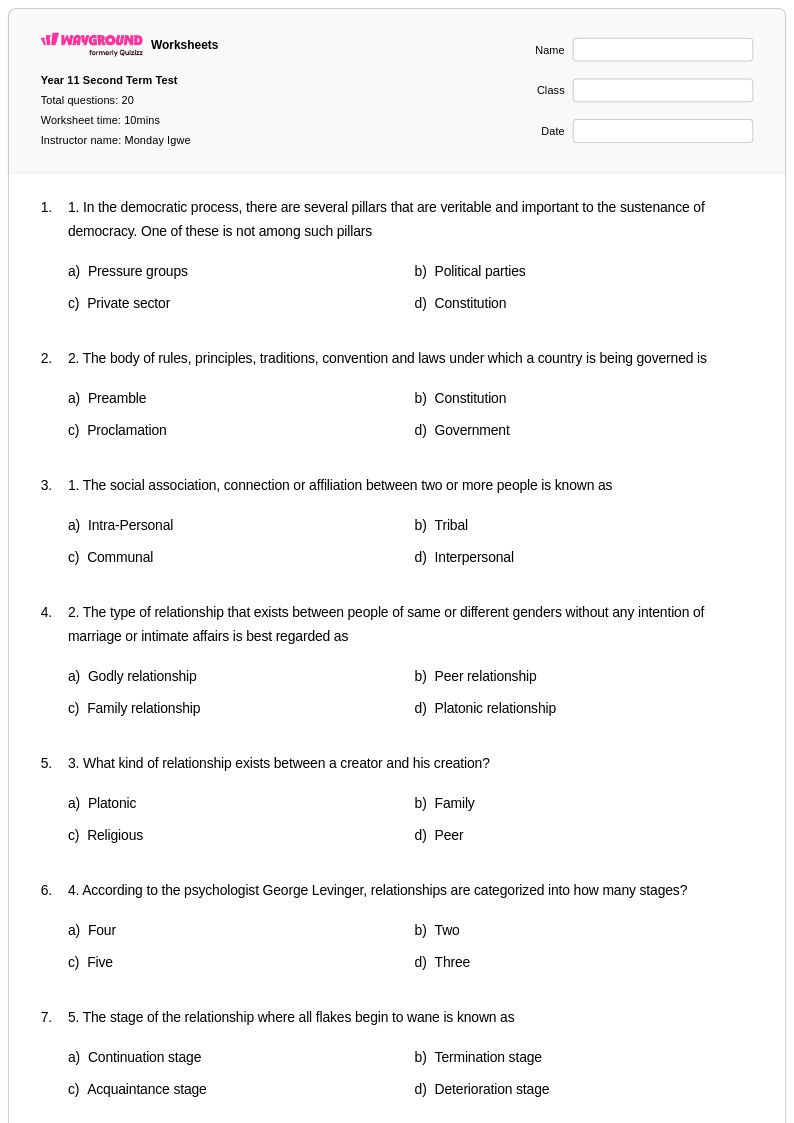
Free Printable Interpersonal Relationships Worksheets for Grade 12
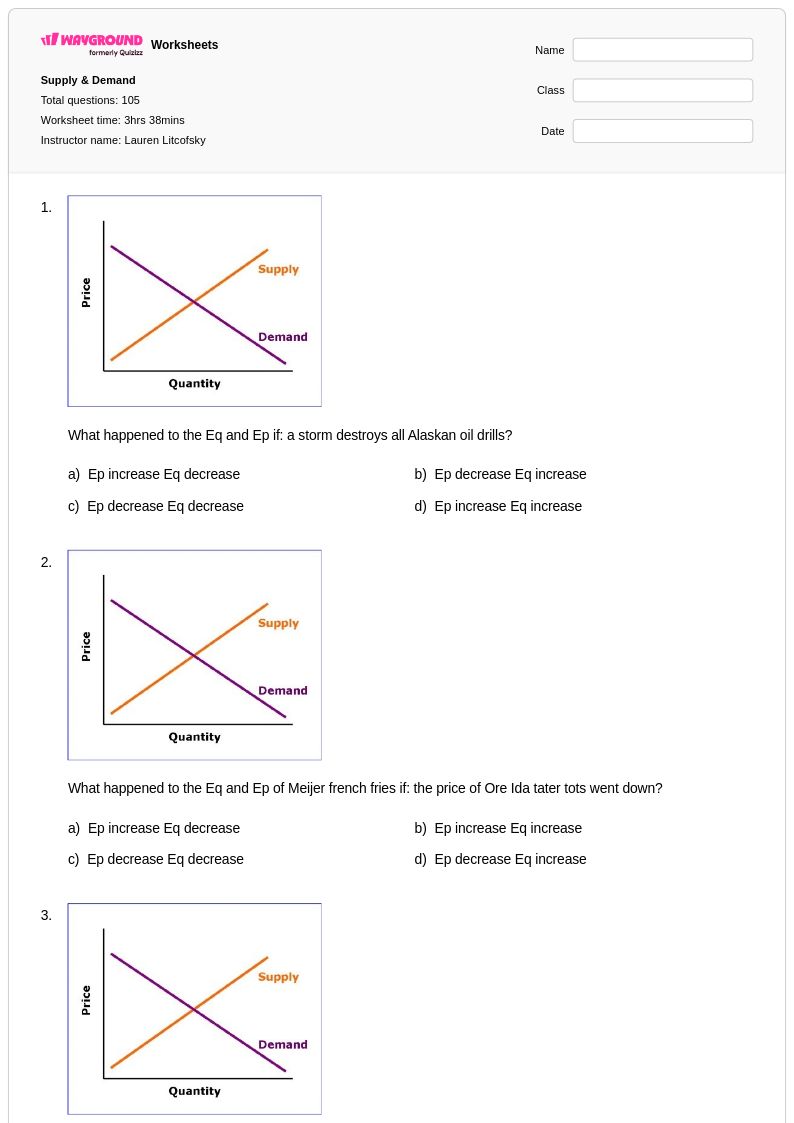
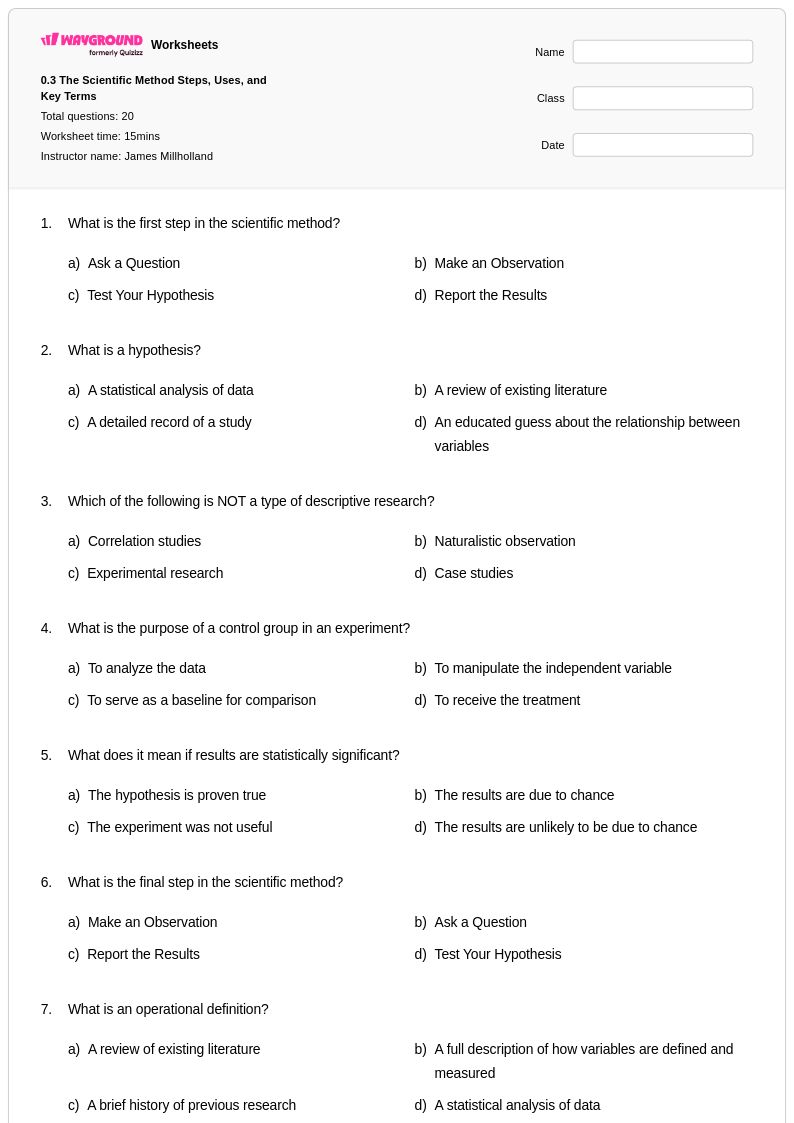
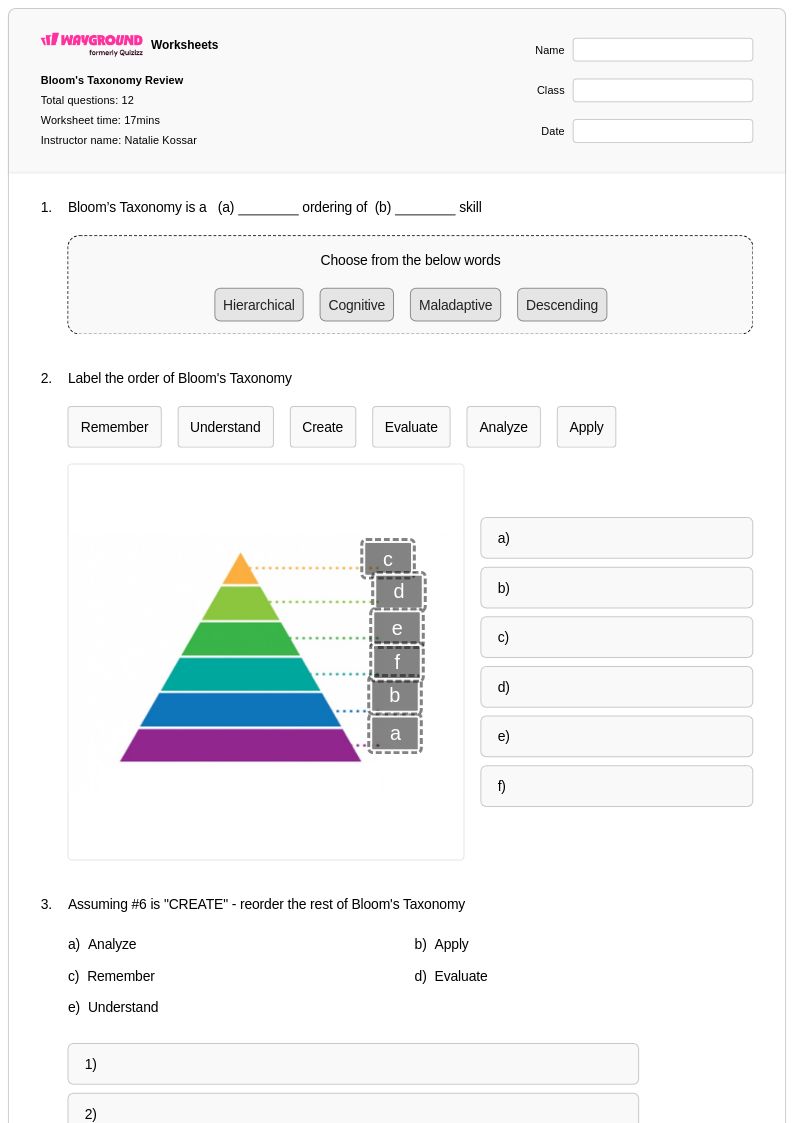
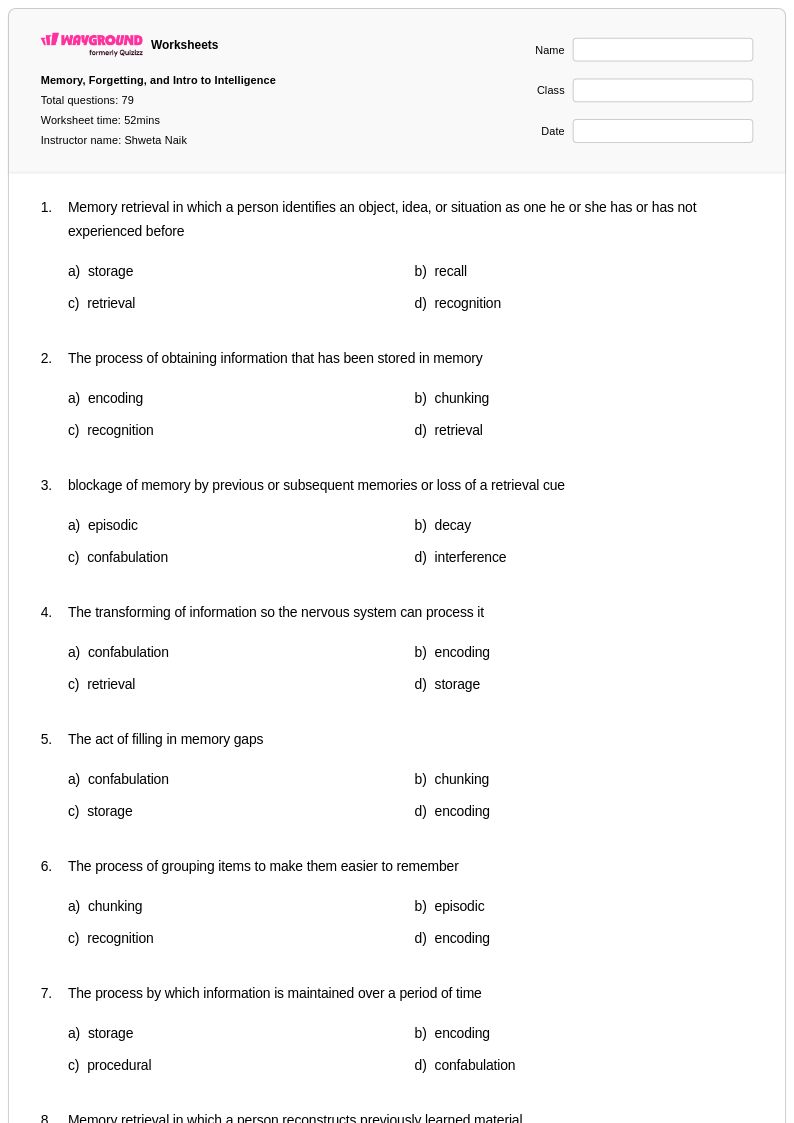
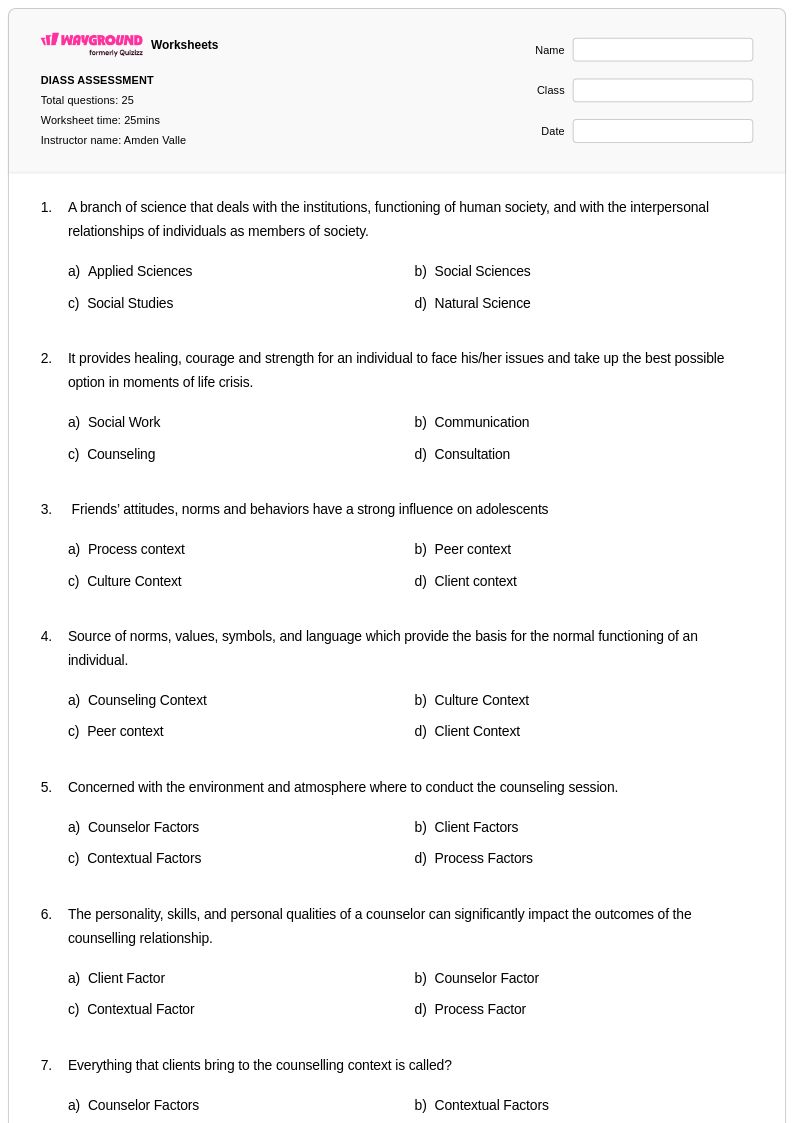
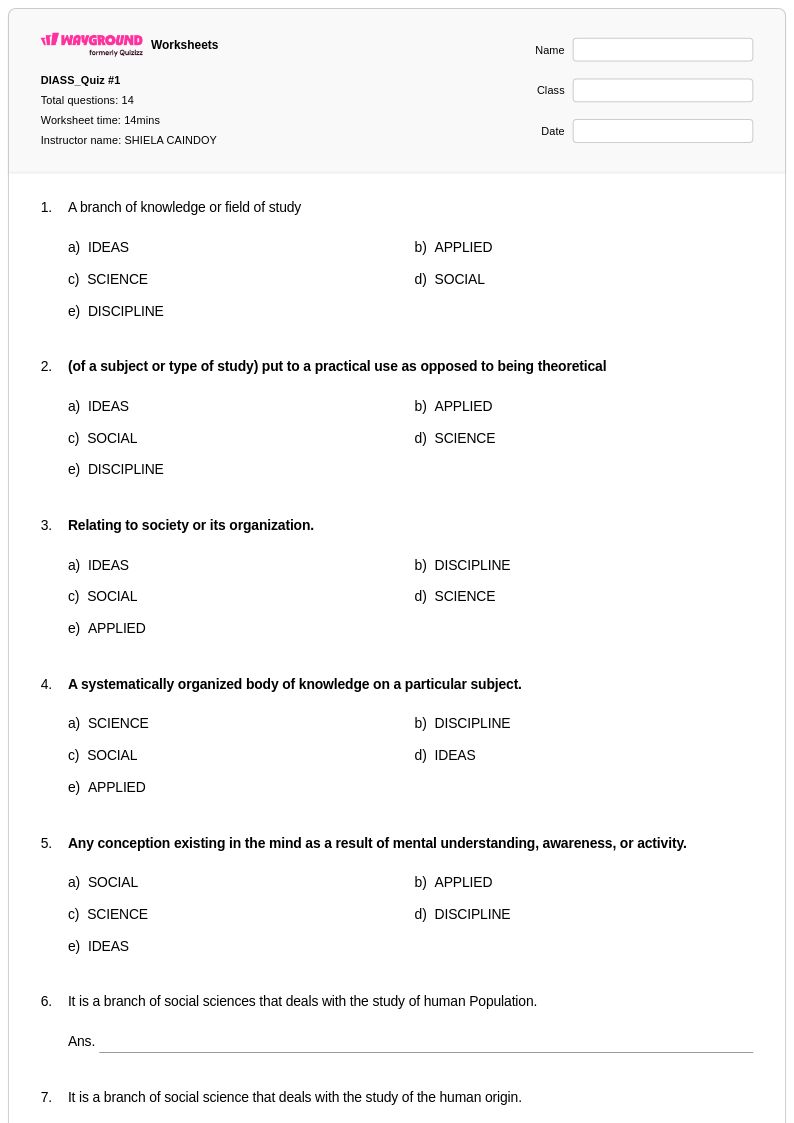
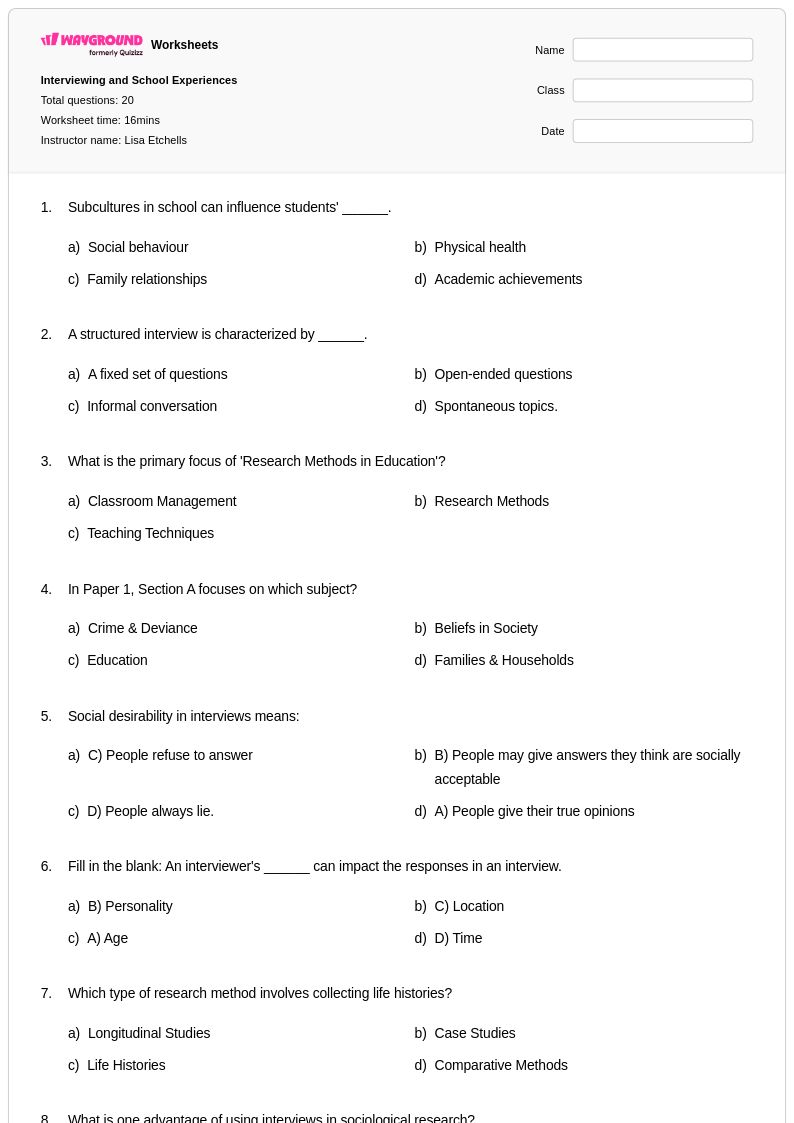
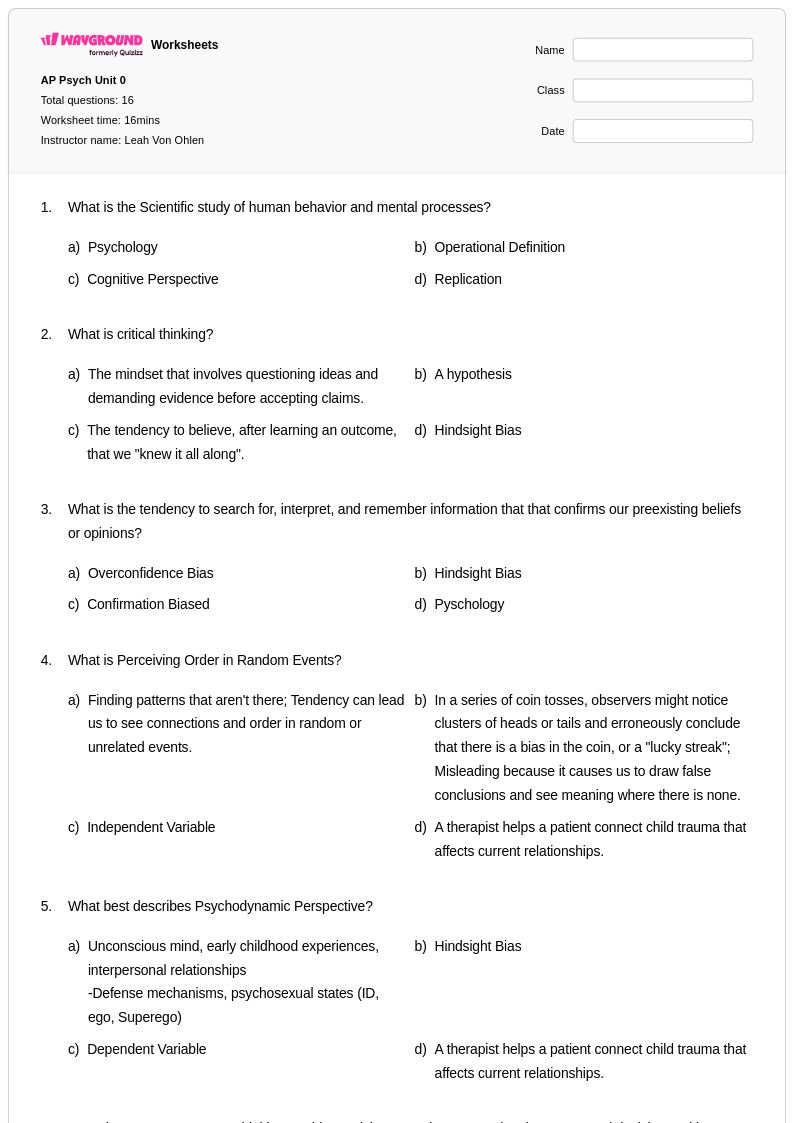
Grade 12 interpersonal relationships worksheets from Wayground help students develop essential communication and social connection skills through comprehensive printables, practice problems, and answer keys available as free PDF downloads.
Explore printable Interpersonal Relationships worksheets for Grade 12
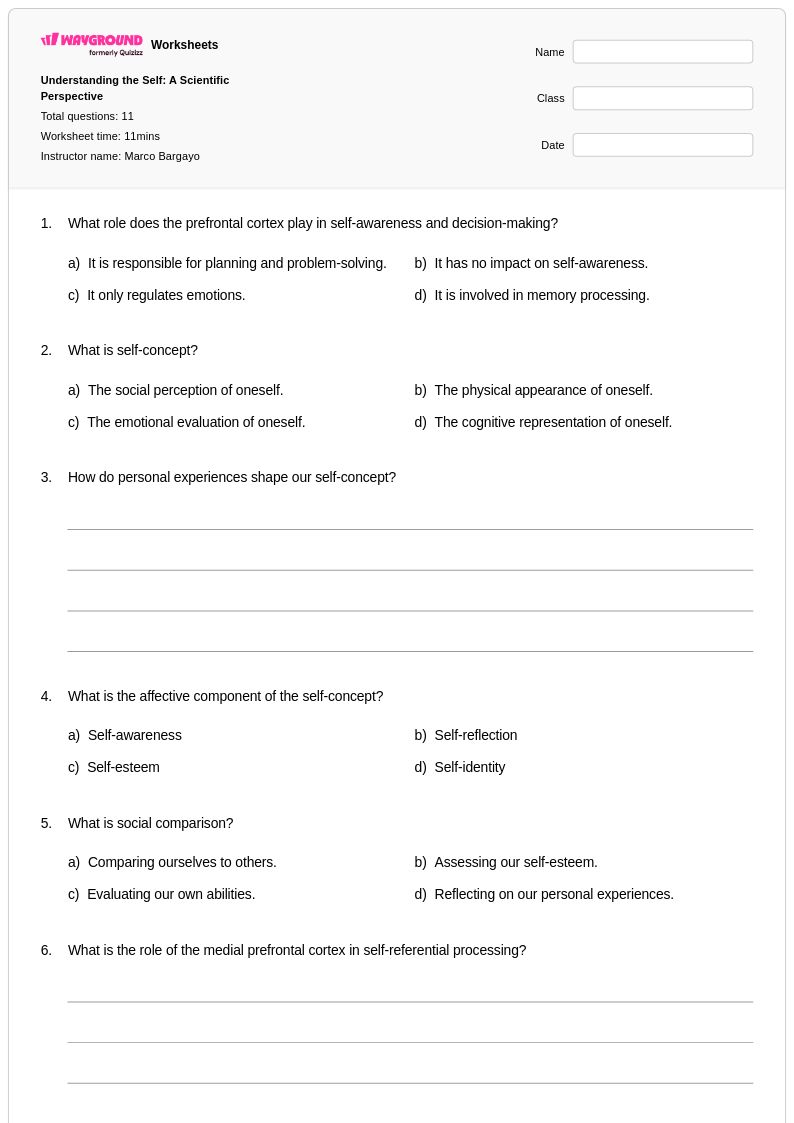
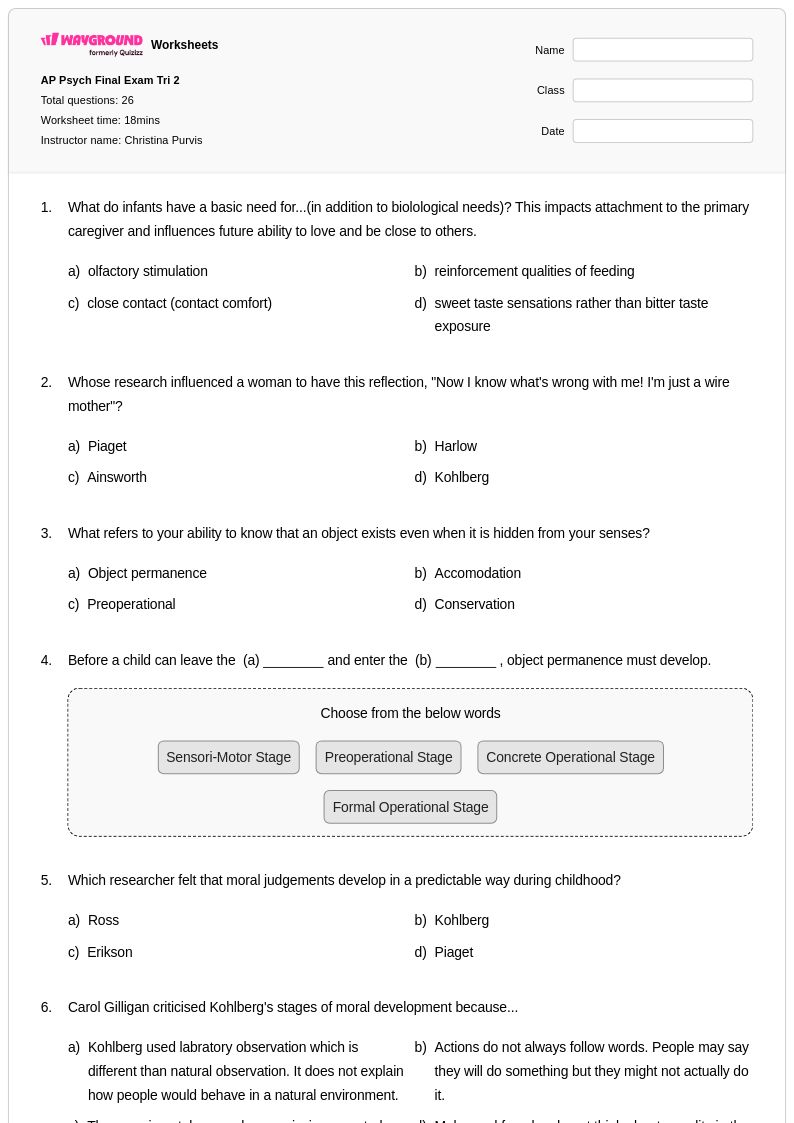
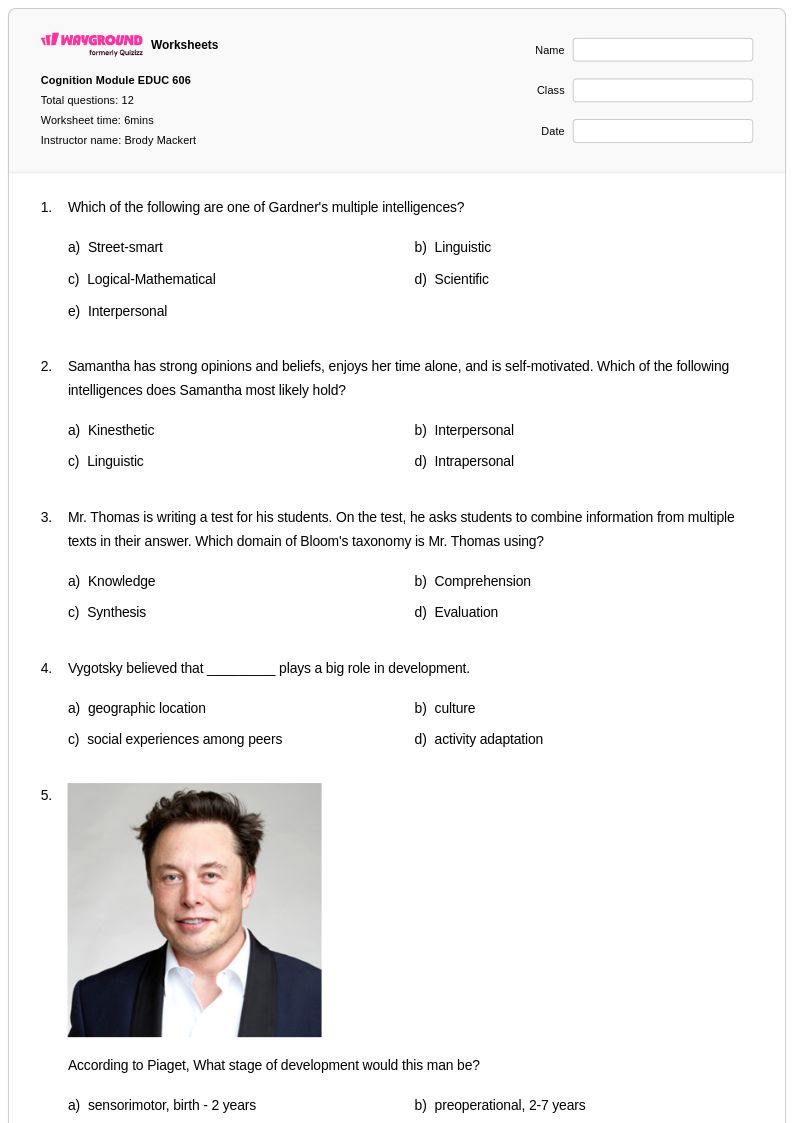
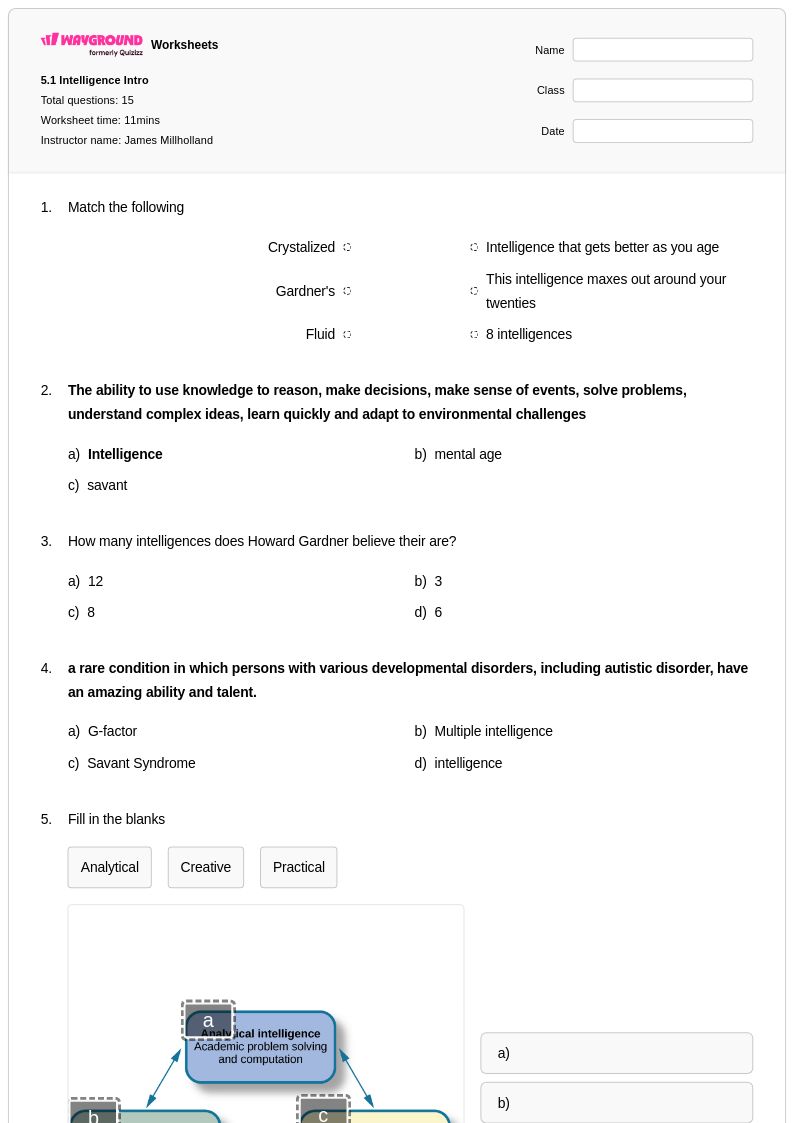
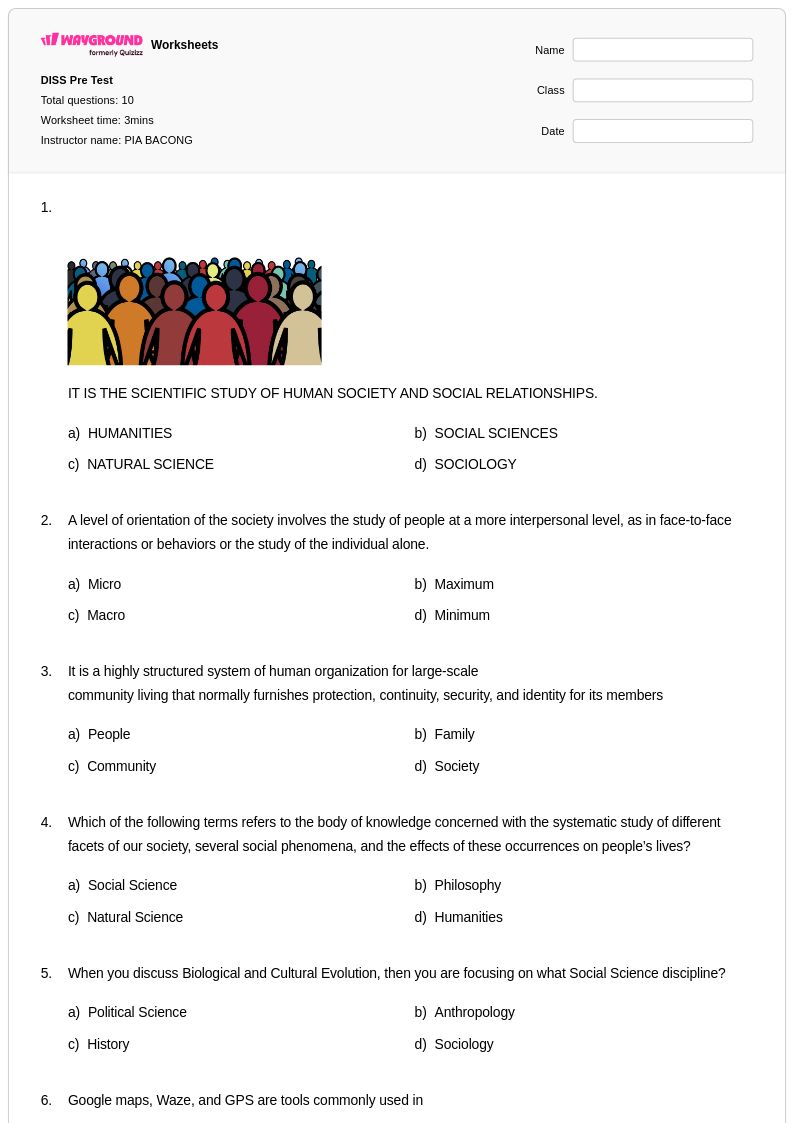
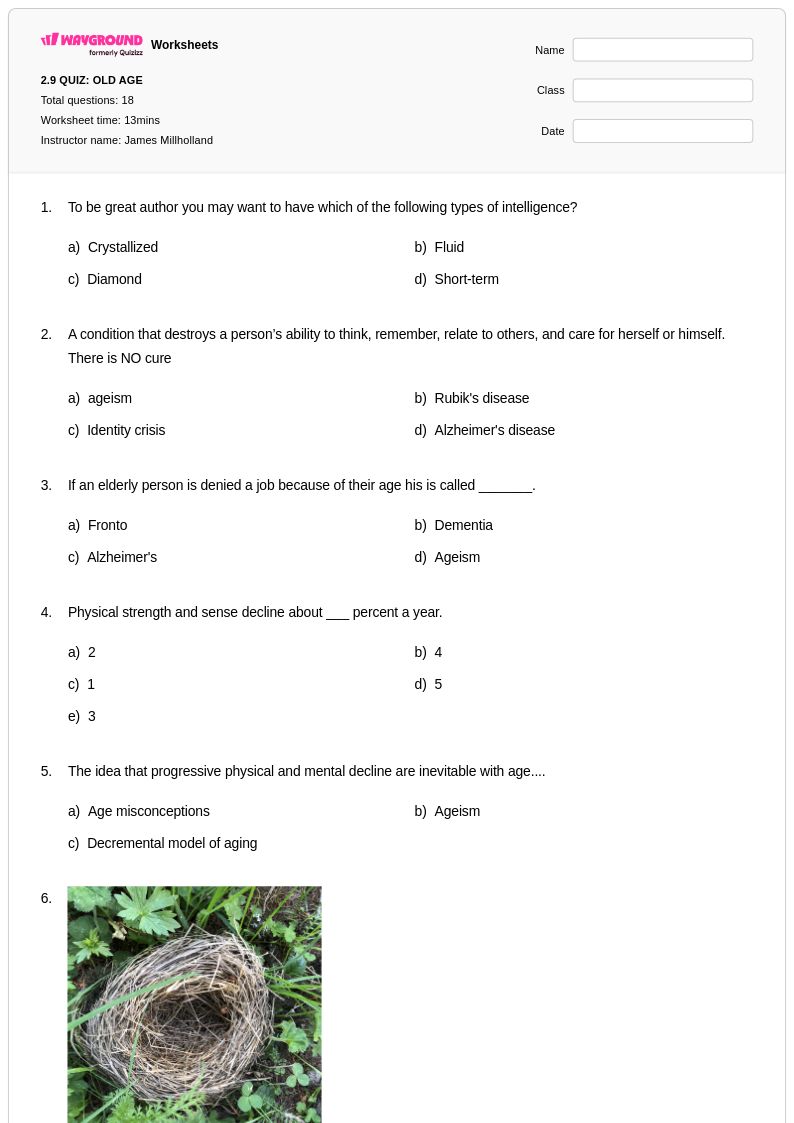
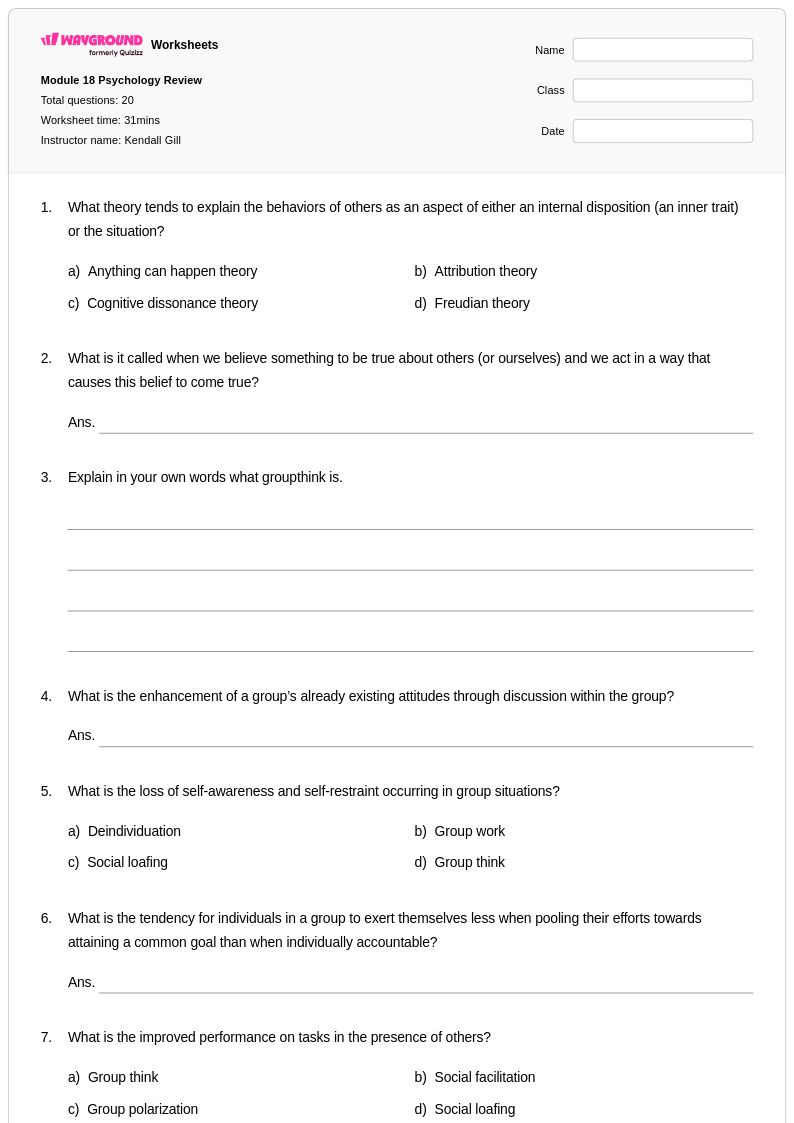
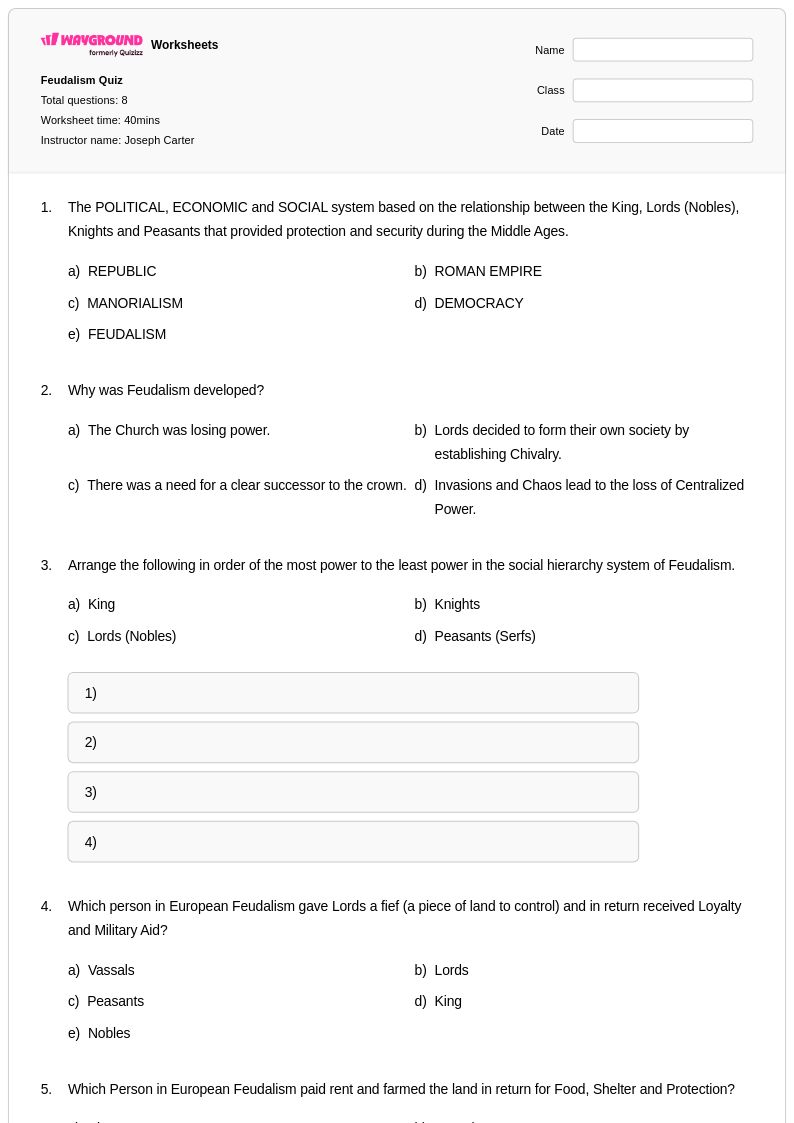
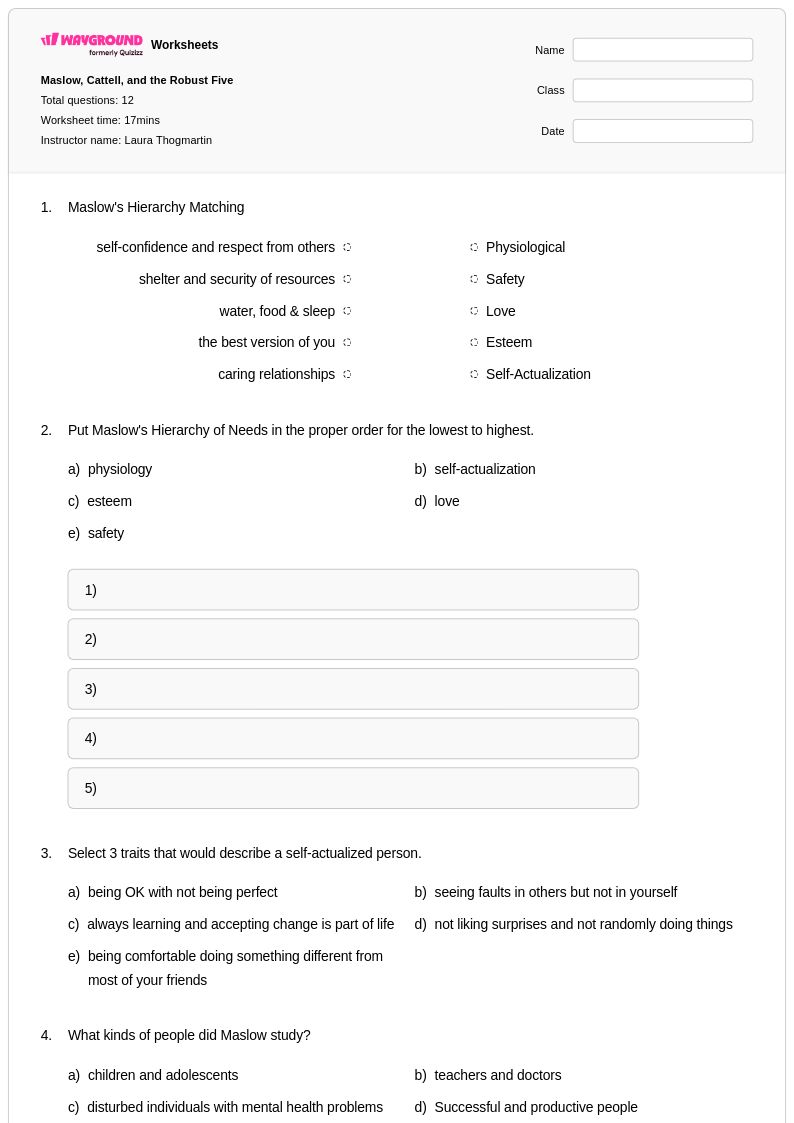
Interpersonal relationships form the cornerstone of social and emotional development for Grade 12 students, and Wayground's comprehensive worksheet collection provides educators with expertly crafted resources to strengthen these critical life skills. These worksheets explore complex relationship dynamics including communication patterns, conflict resolution strategies, boundary setting, emotional intelligence application, and collaborative problem-solving techniques that prepare students for adult personal and professional interactions. Each worksheet incorporates real-world scenarios and evidence-based practices, featuring detailed answer keys that support both independent study and guided instruction, while the free printable format ensures accessibility for diverse classroom environments and home practice sessions.
Wayground supports educators with millions of teacher-created interpersonal relationship resources that streamline lesson planning and enhance student engagement through sophisticated search and filtering capabilities. Teachers can easily locate grade-appropriate materials aligned with social studies standards, utilizing differentiation tools that accommodate varying skill levels within Grade 12 classrooms while addressing individual learning needs through targeted remediation and enrichment opportunities. The platform's flexible customization options allow educators to modify existing worksheets or create personalized practice problems, with seamless access to both digital and pdf formats that support diverse instructional approaches from traditional classroom settings to hybrid learning environments, ultimately empowering students to develop the sophisticated interpersonal skills essential for college and career success.
FAQs
How do I teach interpersonal relationships in the classroom?
Teaching interpersonal relationships effectively requires grounding abstract social concepts in concrete, real-world scenarios students can relate to. Start by modeling active listening and empathy through structured role-play activities, then guide students to analyze relationship dynamics in familiar contexts such as peer conflicts or family communication. Gradually shift toward independent practice where students identify strategies for maintaining healthy connections and resolving disagreements constructively.
What exercises help students practice interpersonal relationship skills?
Scenario-based exercises are among the most effective tools for practicing interpersonal skills because they require students to apply communication strategies in context rather than recall them abstractly. Activities that ask students to evaluate dialogue exchanges, identify empathetic responses, or map out conflict resolution steps build practical competency. Worksheets that present realistic peer, family, or community situations give students repeated, low-stakes opportunities to rehearse and refine these behaviors.
What common mistakes do students make when learning about interpersonal relationships?
One of the most frequent errors is conflating assertiveness with aggression, leading students to either over-accommodate or become confrontational in conflict scenarios. Students also tend to underestimate the role of nonverbal cues and active listening, focusing only on spoken words when analyzing interactions. Targeted practice with annotated examples that highlight these distinctions helps students recalibrate their understanding and apply more nuanced communication strategies.
How can I differentiate interpersonal relationships worksheets for students with varying skill levels?
For students who struggle with social concepts, simplifying scenario complexity and reducing the number of response choices lowers cognitive load while keeping the core skill intact. Advanced learners benefit from open-ended prompts that ask them to analyze multi-layered relationship dynamics or propose solutions to ambiguous social situations. On Wayground, teachers can apply accommodations such as reduced answer choices, read aloud support, and extended time to individual students, allowing the rest of the class to work at standard settings without disruption.
How do I use interpersonal relationships worksheets in my classroom?
Interpersonal relationships worksheets on Wayground are available as printable PDFs for traditional classroom use and in digital formats for technology-integrated or remote learning environments. Teachers can assign them as independent practice, use them to anchor a discussion, or host them as a live quiz on the Wayground platform. Each worksheet includes answer keys, making them equally effective for self-paced student work and teacher-led instruction.
How do interpersonal relationship skills connect to other areas of student development?
Strong interpersonal skills directly support academic collaboration, emotional regulation, and long-term social well-being, making them foundational across subject areas and grade levels. Students who can communicate clearly, practice empathy, and navigate conflict constructively are better equipped for group work, peer feedback, and community participation. Teaching these skills explicitly in structured activities reinforces behaviors that transfer beyond the classroom.