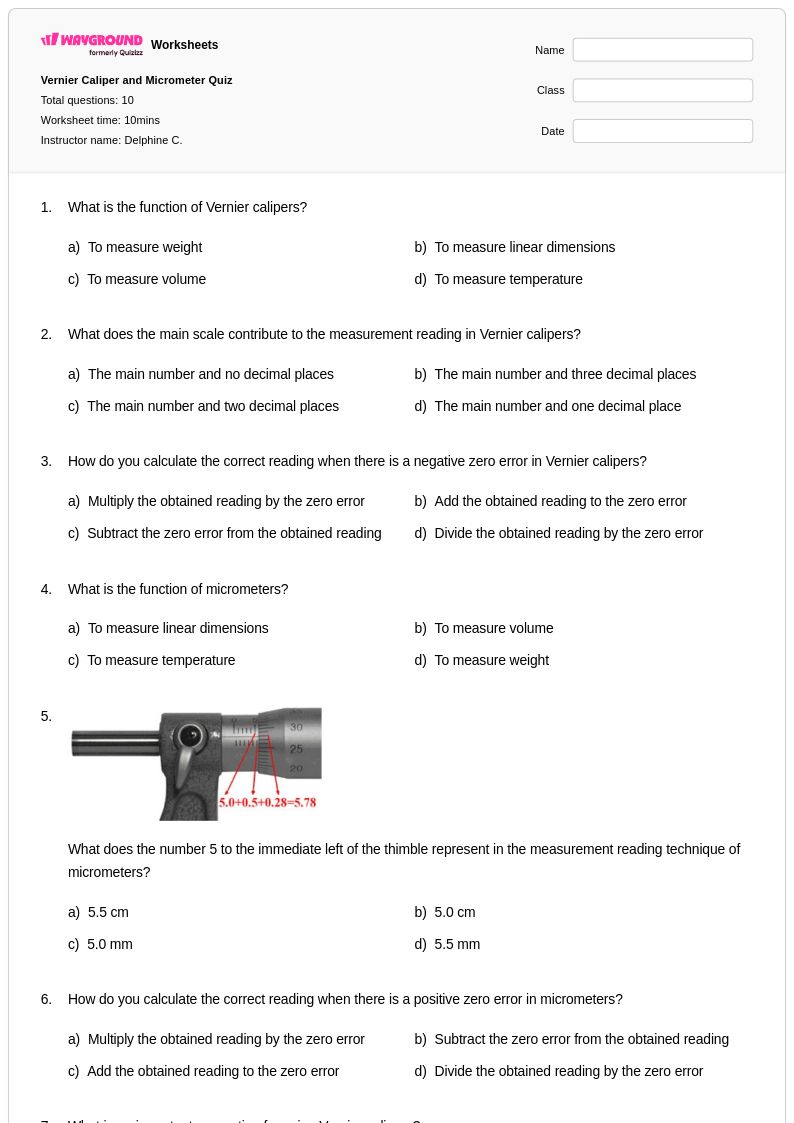
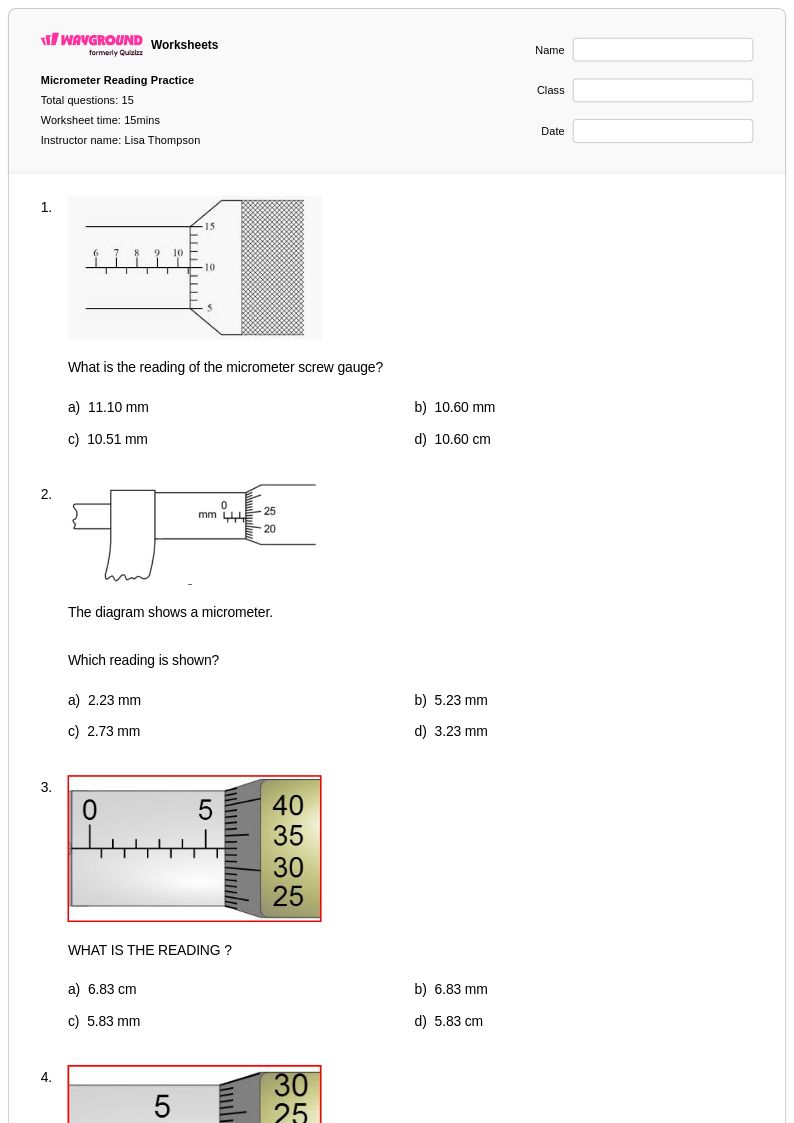
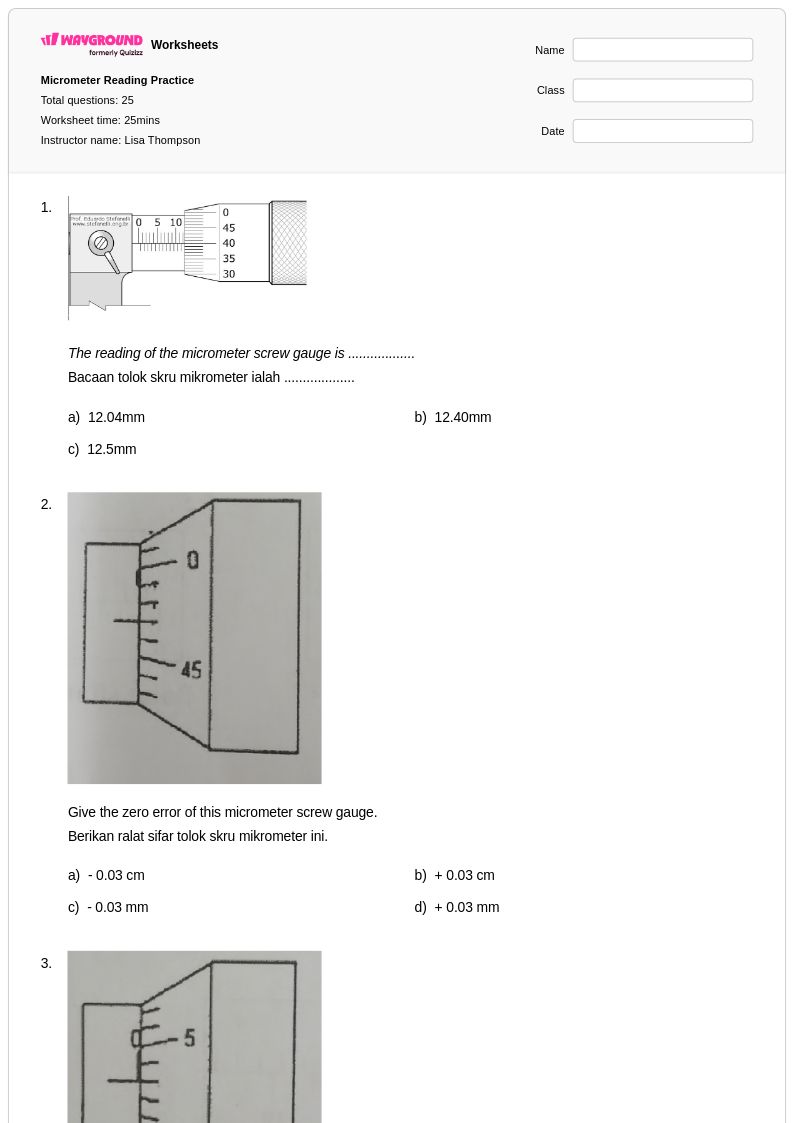
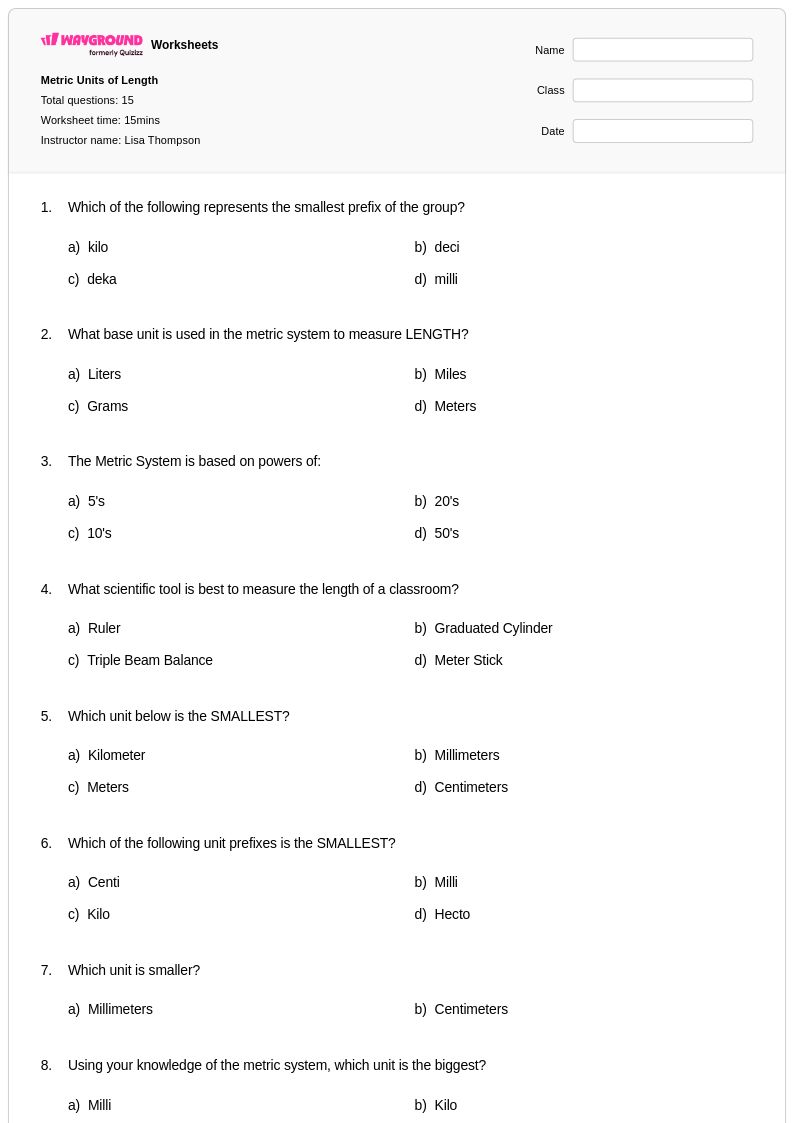
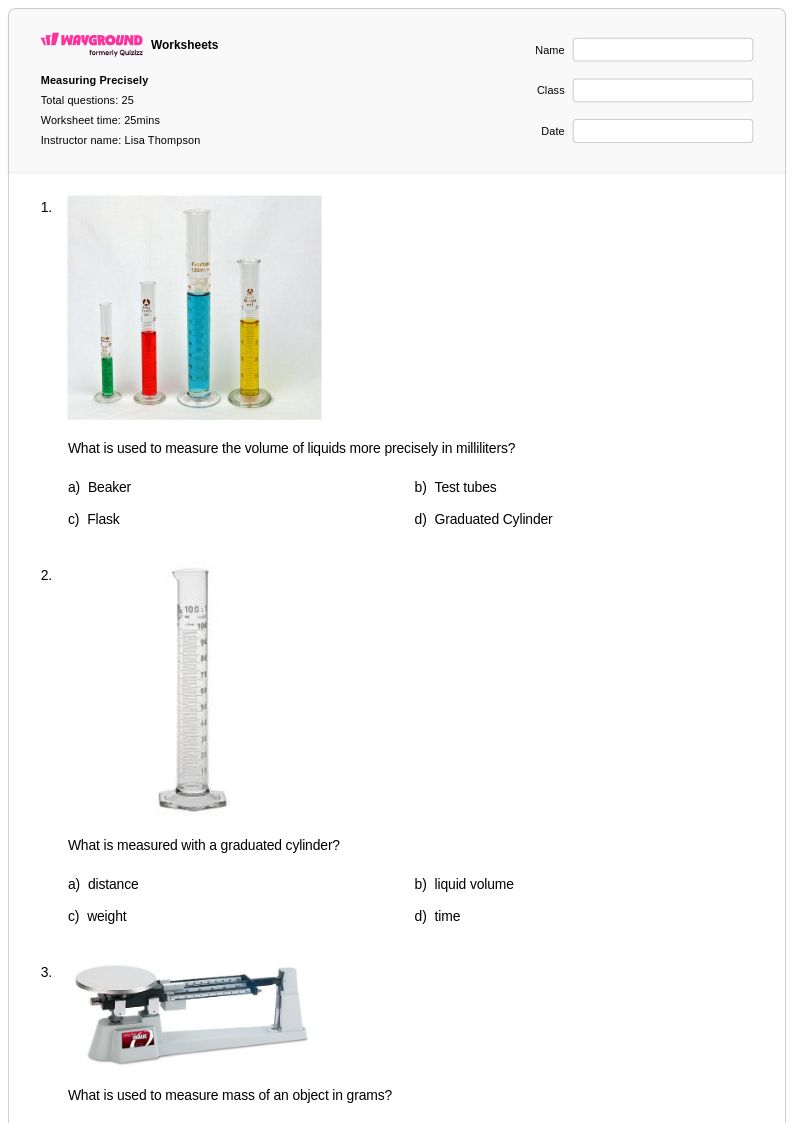
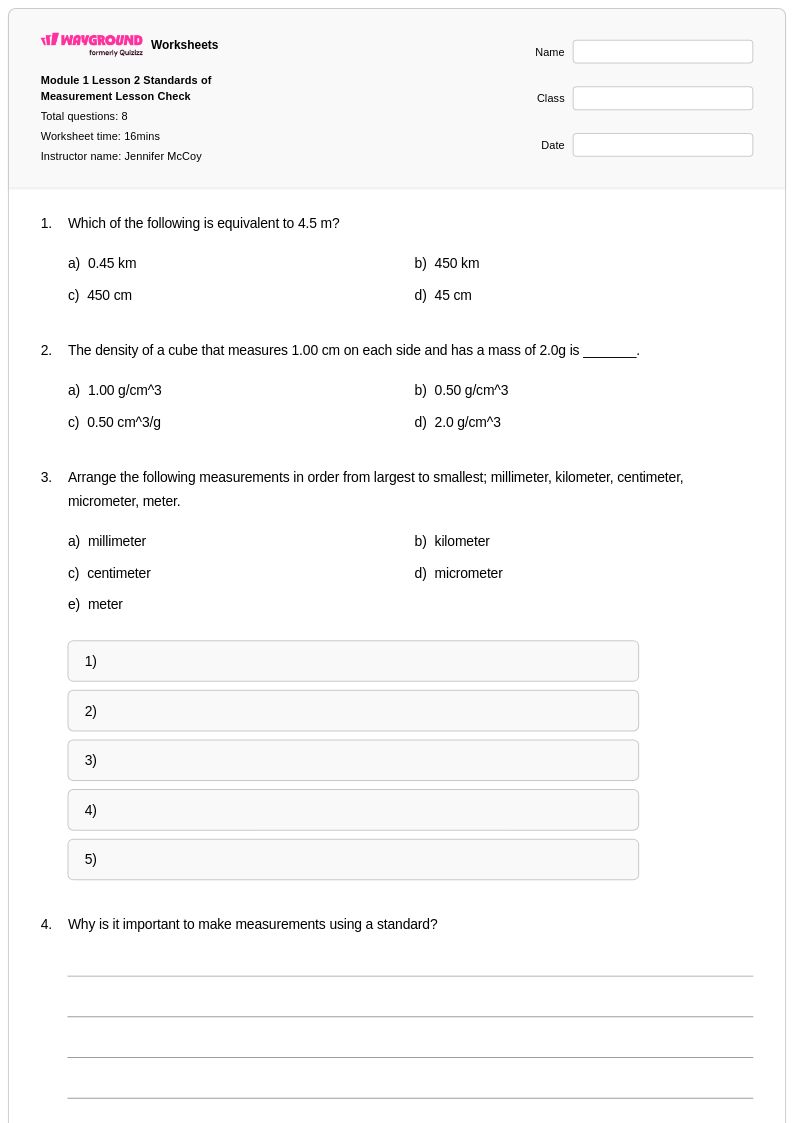
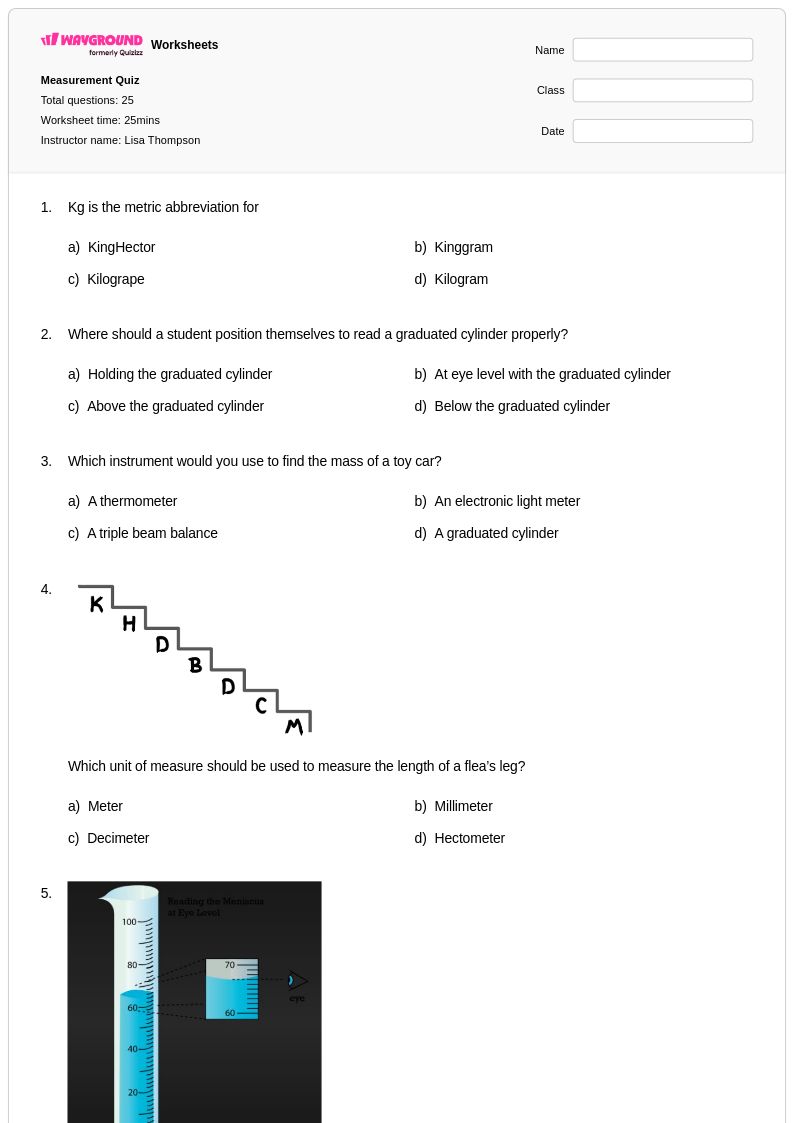
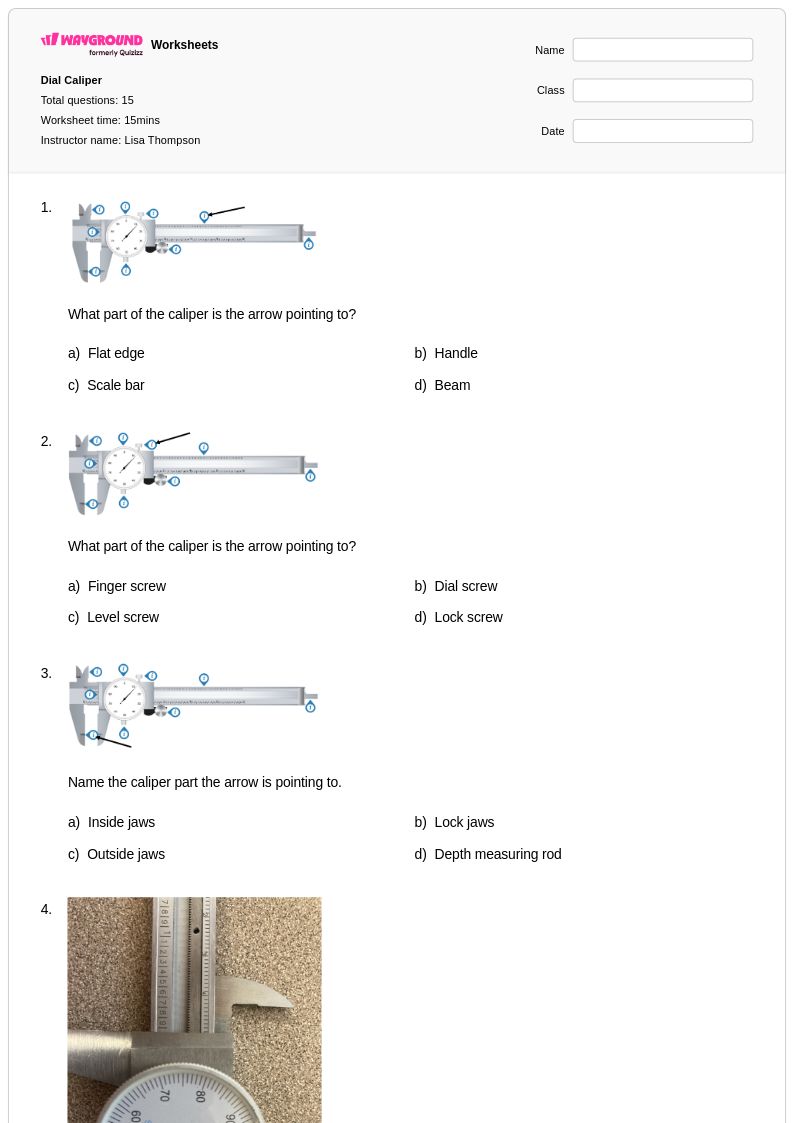
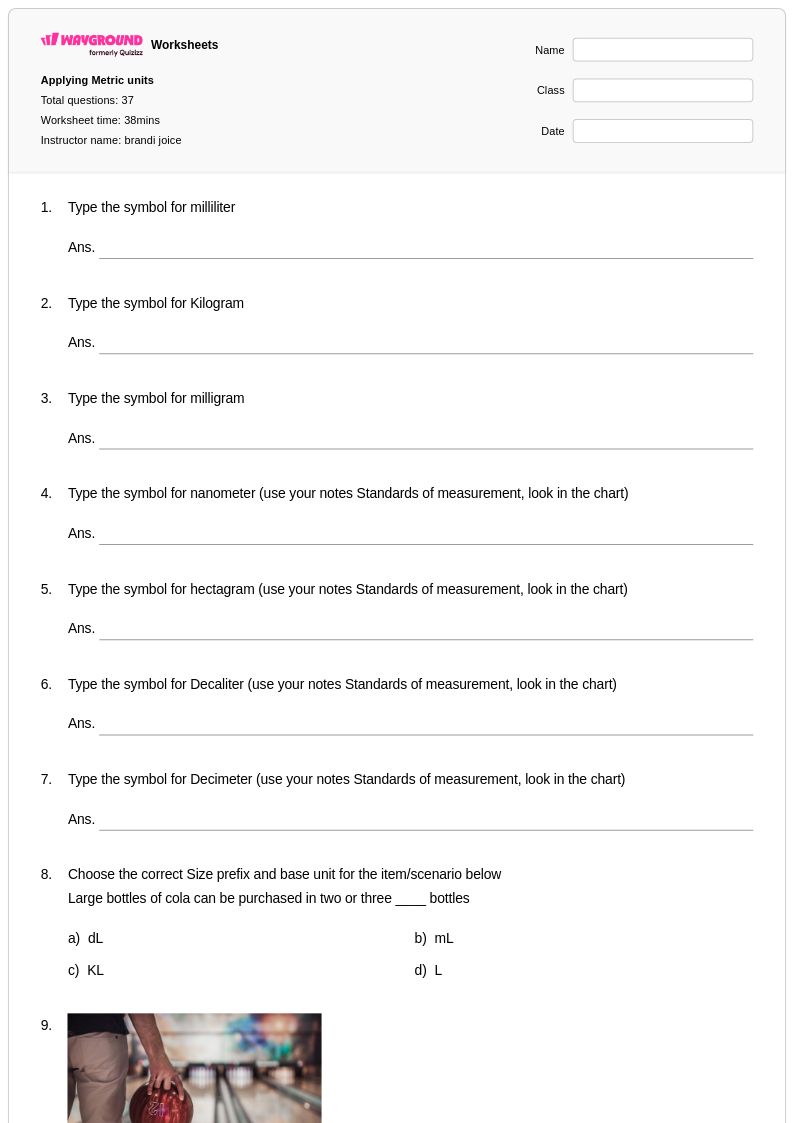
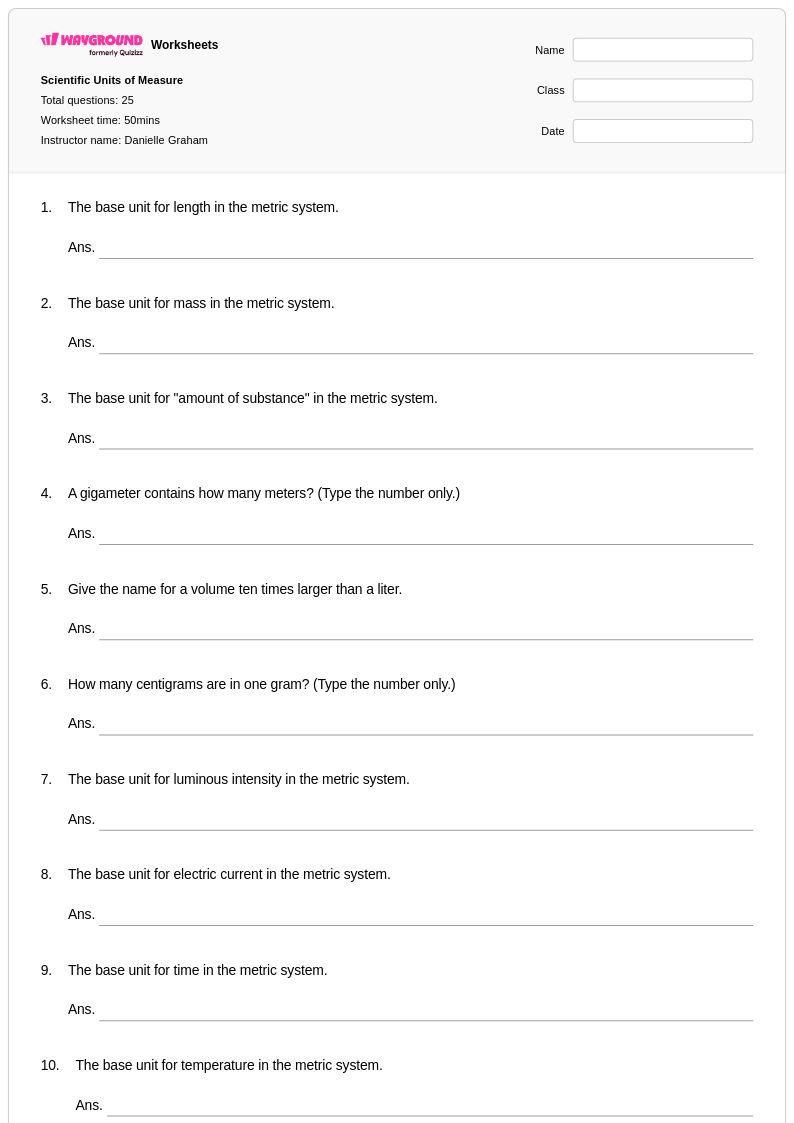
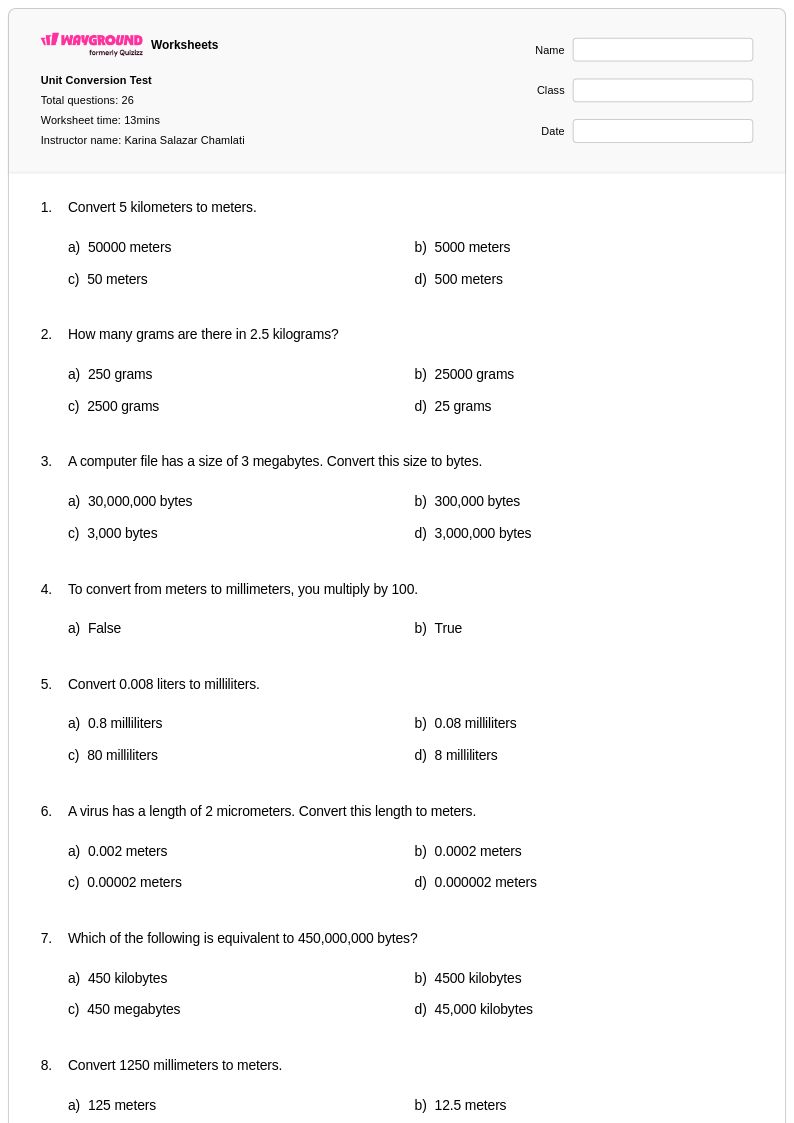
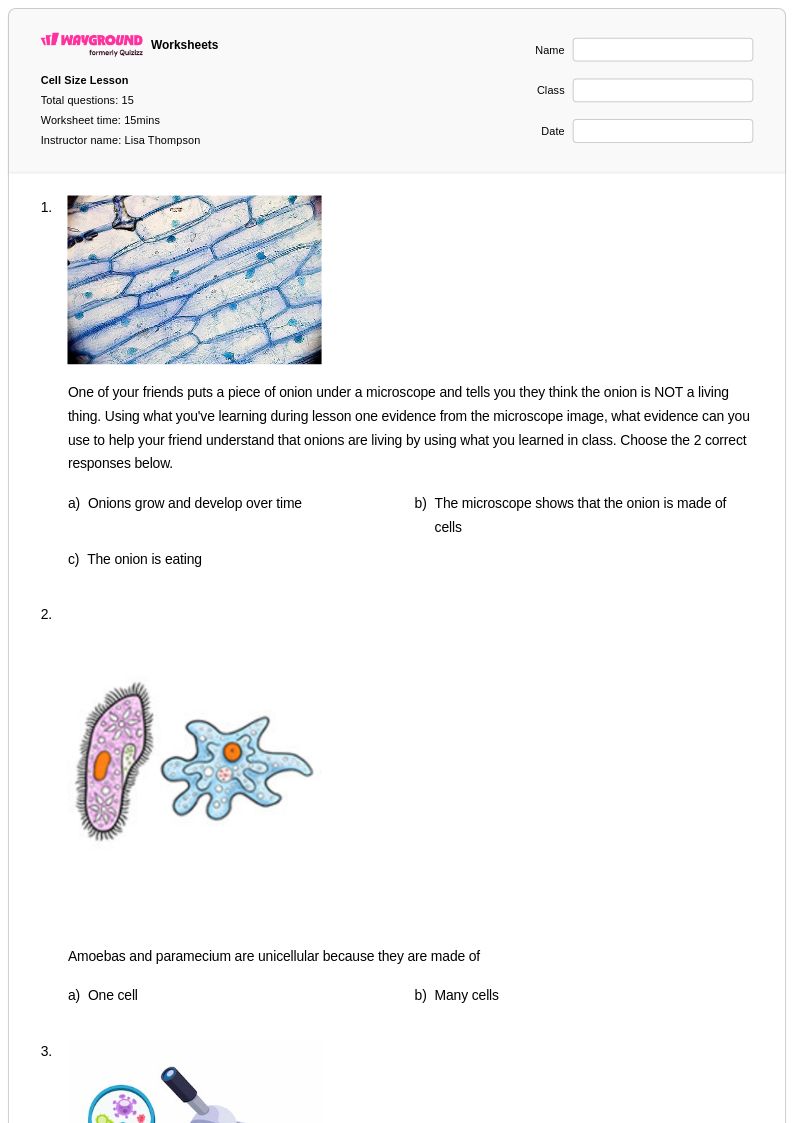
Grade 12 micrometer worksheets from Wayground provide comprehensive printables and practice problems to help students master precision measurement techniques, featuring free PDF resources with detailed answer keys for enhanced learning.
Explore printable Micrometer worksheets for Grade 12
Micrometer worksheets for Grade 12 students available through Wayground (formerly Quizizz) provide comprehensive practice in precision measurement techniques essential for advanced physics and engineering applications. These carefully designed worksheets strengthen critical skills including reading micrometer scales to the nearest 0.01mm or 0.001 inch, understanding the relationship between thimble and sleeve graduations, and applying proper measurement procedures for accurate data collection. Students work through systematic practice problems that reinforce zero error corrections, least count calculations, and the interpretation of both metric and imperial micrometer readings. Each worksheet collection includes detailed answer keys and explanations, with free printable pdf formats that allow students to develop proficiency in this fundamental measurement tool through repeated hands-on practice.
Wayground (formerly Quizizz) empowers educators with millions of teacher-created micrometer worksheet resources that can be easily customized to match specific Grade 12 curriculum requirements and learning objectives. The platform's robust search and filtering capabilities enable teachers to quickly locate worksheets aligned with relevant measurement standards, while built-in differentiation tools allow for seamless adaptation of content difficulty to support diverse learner needs. These comprehensive worksheet collections are available in both printable pdf and interactive digital formats, providing maximum flexibility for classroom instruction, laboratory preparation, homework assignments, and targeted remediation sessions. Teachers can efficiently plan engaging measurement lessons, create enrichment activities for advanced students, and develop systematic skill-building sequences that ensure all Grade 12 students master the precise techniques required for accurate micrometer usage in scientific and technical contexts.
FAQs
How do I teach students to read a micrometer?
Start by breaking the reading process into three distinct steps: reading the main sleeve scale, reading the thimble scale, and adding the two values together. Use physical micrometers alongside diagrams so students can connect what they see on paper to the actual instrument. Repeated practice with varied readings — including those that require interpolation between thimble markings — builds the fluency students need before applying micrometer skills in lab settings.
What practice problems help students get better at reading micrometers?
The most effective practice problems present students with labeled diagrams of micrometer scales at various positions and ask them to record the correct measurement to the nearest hundredth or thousandth of a millimeter. Problems that isolate common reading scenarios — such as readings where the thimble edge falls between sleeve markings, or where the vernier scale must be used — build targeted skill. Mixing problem types across a single worksheet ensures students develop flexible, reliable reading habits rather than pattern-matching a single scenario.
What mistakes do students commonly make when reading a micrometer?
The most common error is misreading the sleeve scale by failing to account for the half-millimeter line below the reference line, which leads to measurements that are consistently off by 0.5 mm. Students also frequently misidentify which thimble division aligns with the reference line, especially when the alignment falls between two graduations. A third common mistake is forgetting to apply the least count correctly when using a vernier micrometer, resulting in imprecise final readings.
How do I differentiate micrometer instruction for students at different skill levels?
For struggling learners, begin with whole-number and simple decimal readings before introducing vernier scale interpretation, and use worksheets that label each scale component clearly. Advanced students can be challenged with problems involving vernier micrometers, unit conversions between millimeters and inches, or real-world measurement scenarios from manufacturing contexts. On Wayground, teachers can apply accommodations such as reduced answer choices or read-aloud support to individual students without disrupting the rest of the class, making it straightforward to run differentiated practice within a single session.
How do I use Wayground's micrometer worksheets in my classroom?
Wayground's micrometer worksheets are available as printable PDFs for traditional classroom or lab use and in digital formats for technology-integrated environments, including the option to host them as a live quiz on Wayground. Teachers can use the printable versions for lab practicals or homework, while the digital format allows for immediate, automatic feedback. Each worksheet includes a complete answer key, so students can self-assess or teachers can use them for grading with minimal preparation time.
At what stage in a measurement unit should I introduce micrometer worksheets?
Micrometer worksheets are most effective after students have a working understanding of the metric system and have practiced reading simpler instruments such as rulers and vernier calipers. Introducing micrometer reading after vernier calipers is logical because students can transfer their understanding of the vernier principle directly. Worksheets at this stage help consolidate the new skill through structured repetition before students are expected to use the instrument independently in lab work.