Free Printable Mindful Eating Worksheets for Grade 4
Grade 4 mindful eating worksheets and printables help students develop healthy eating habits through engaging practice problems that teach portion control, nutrition awareness, and conscious food choices with complete answer keys.
Explore printable Mindful Eating worksheets for Grade 4
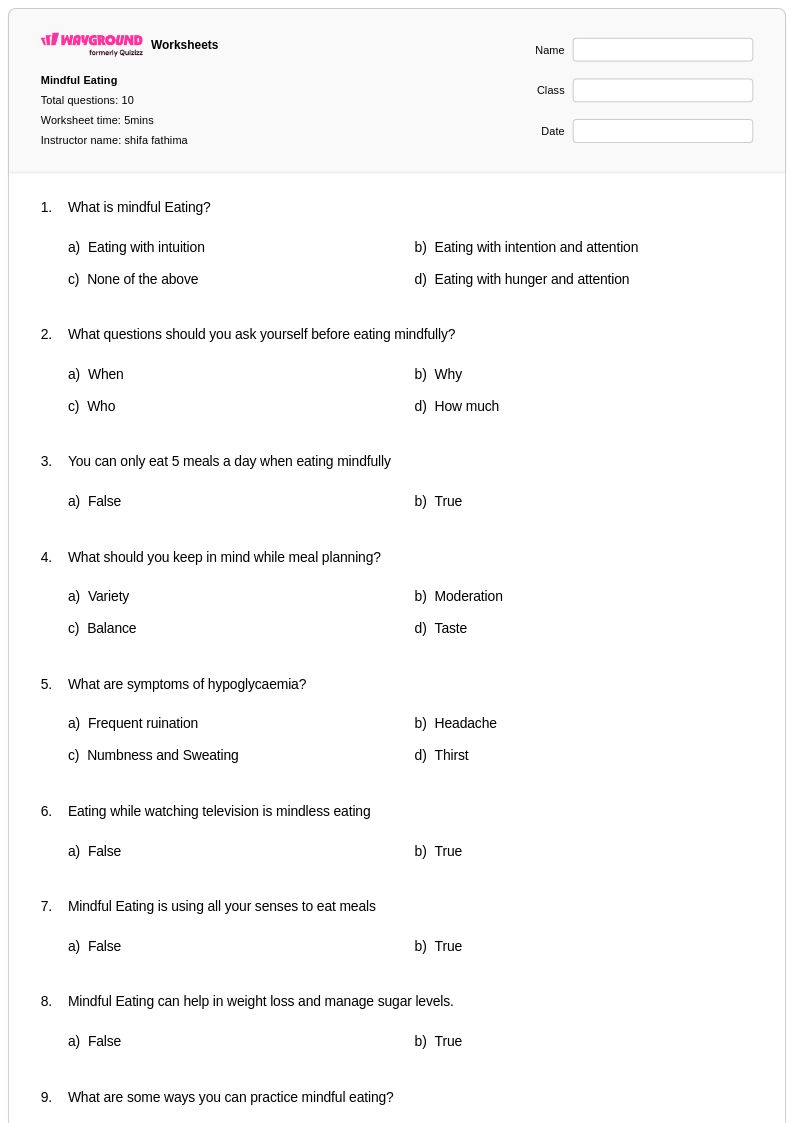
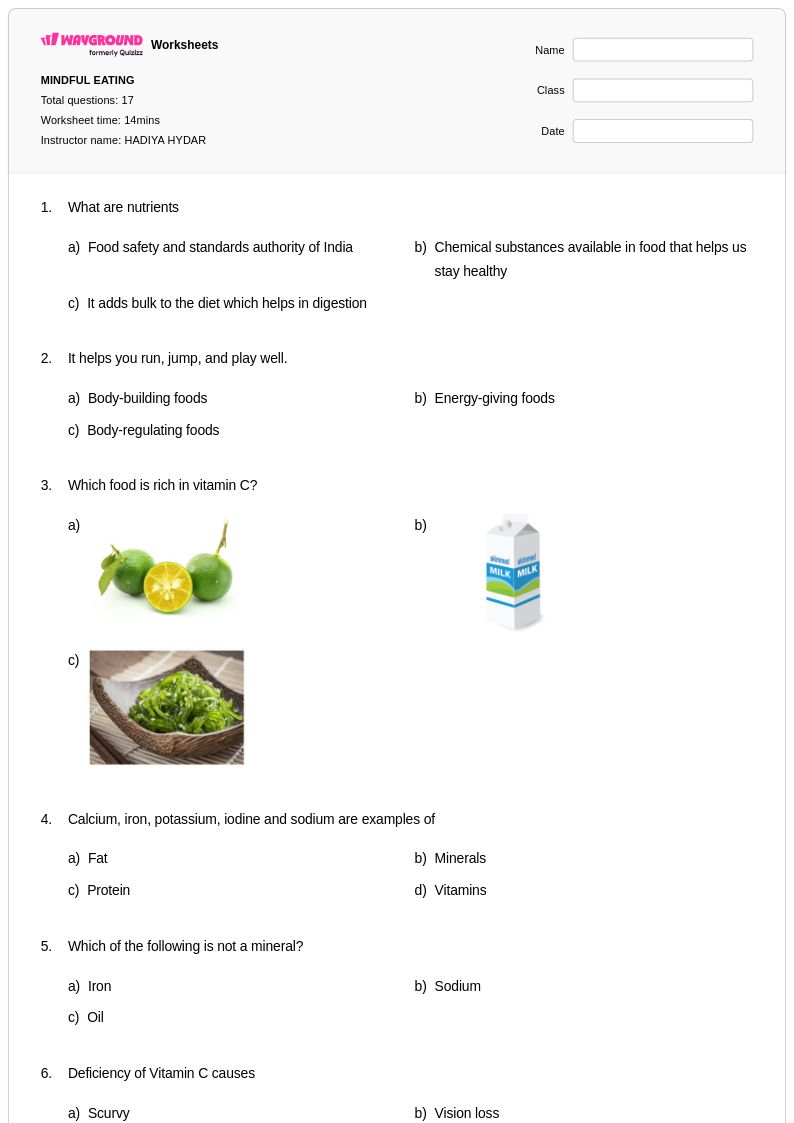
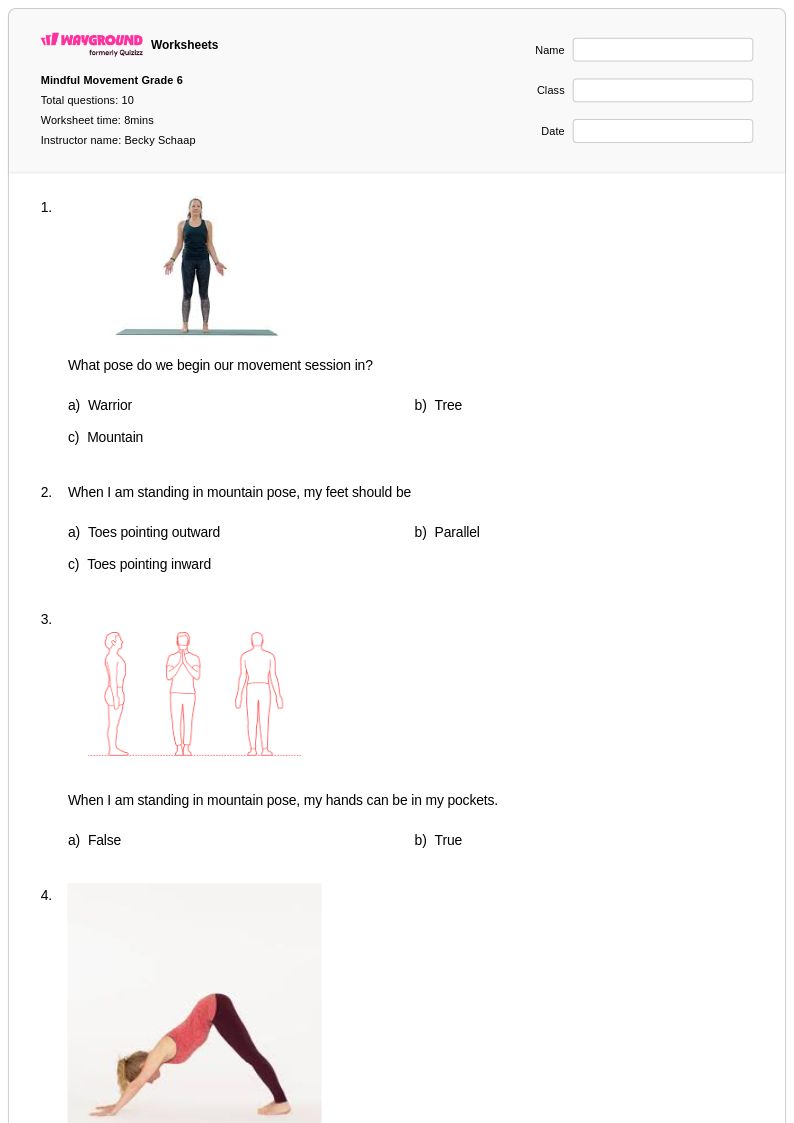
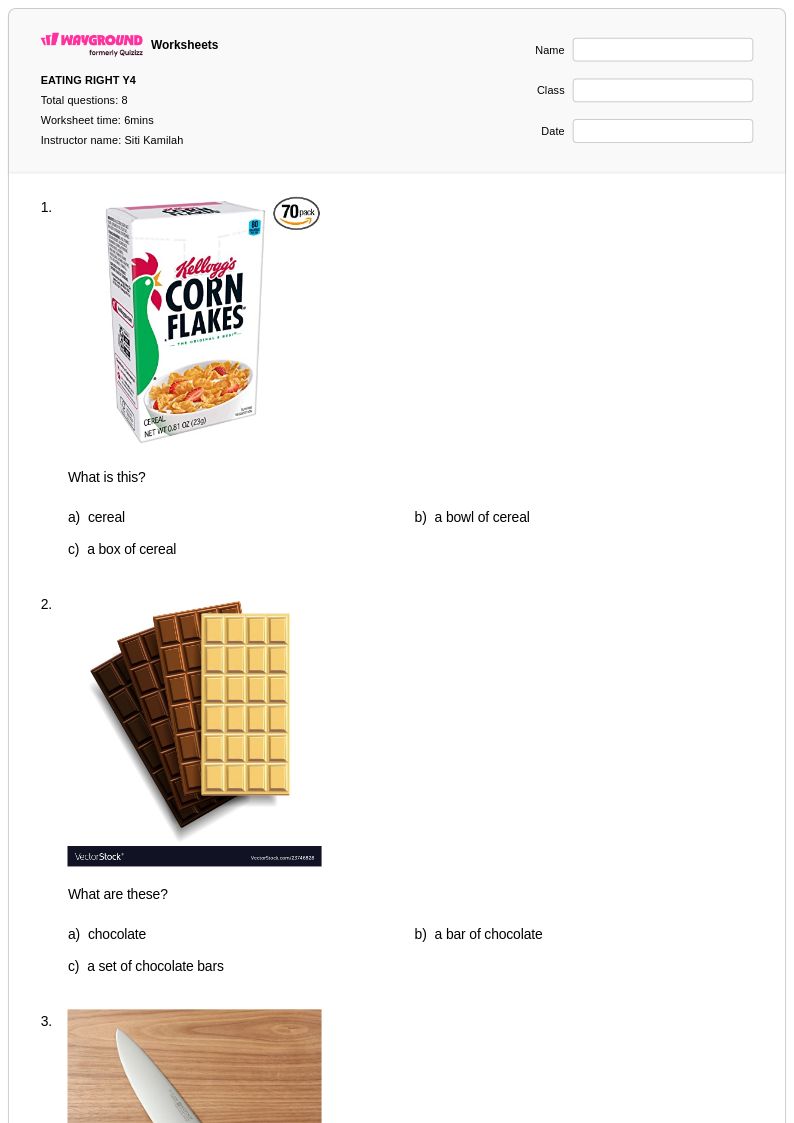
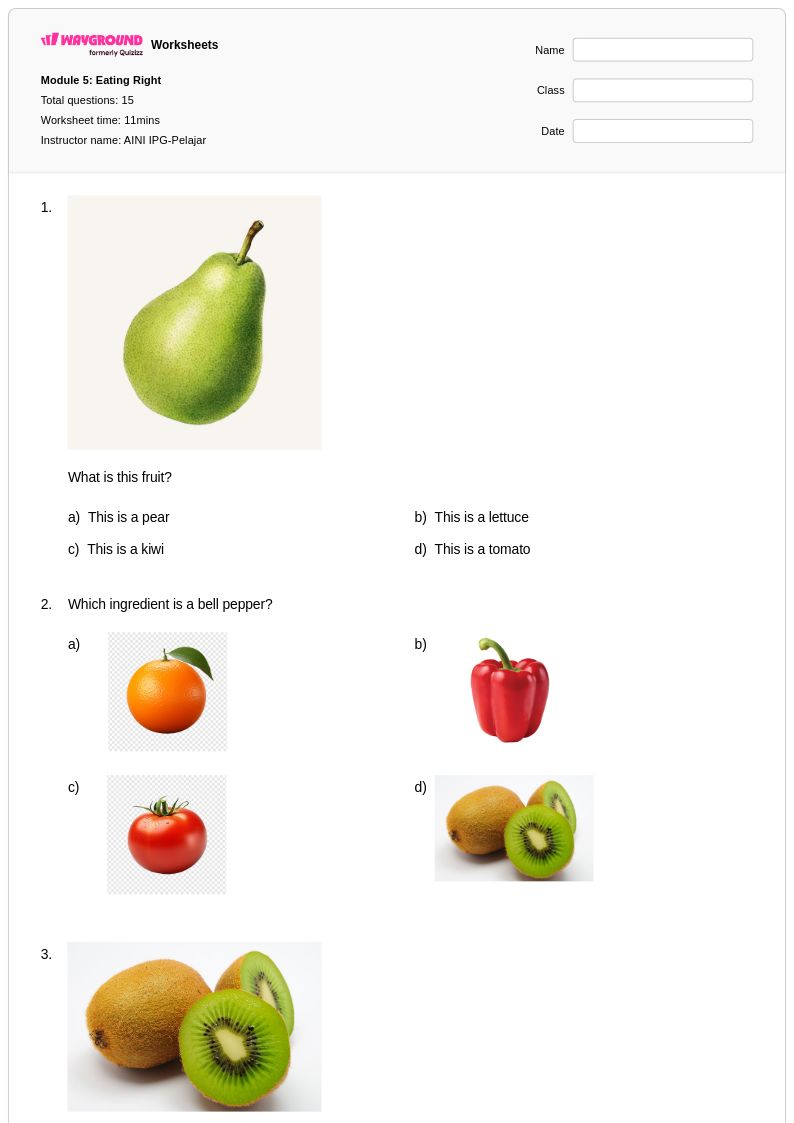
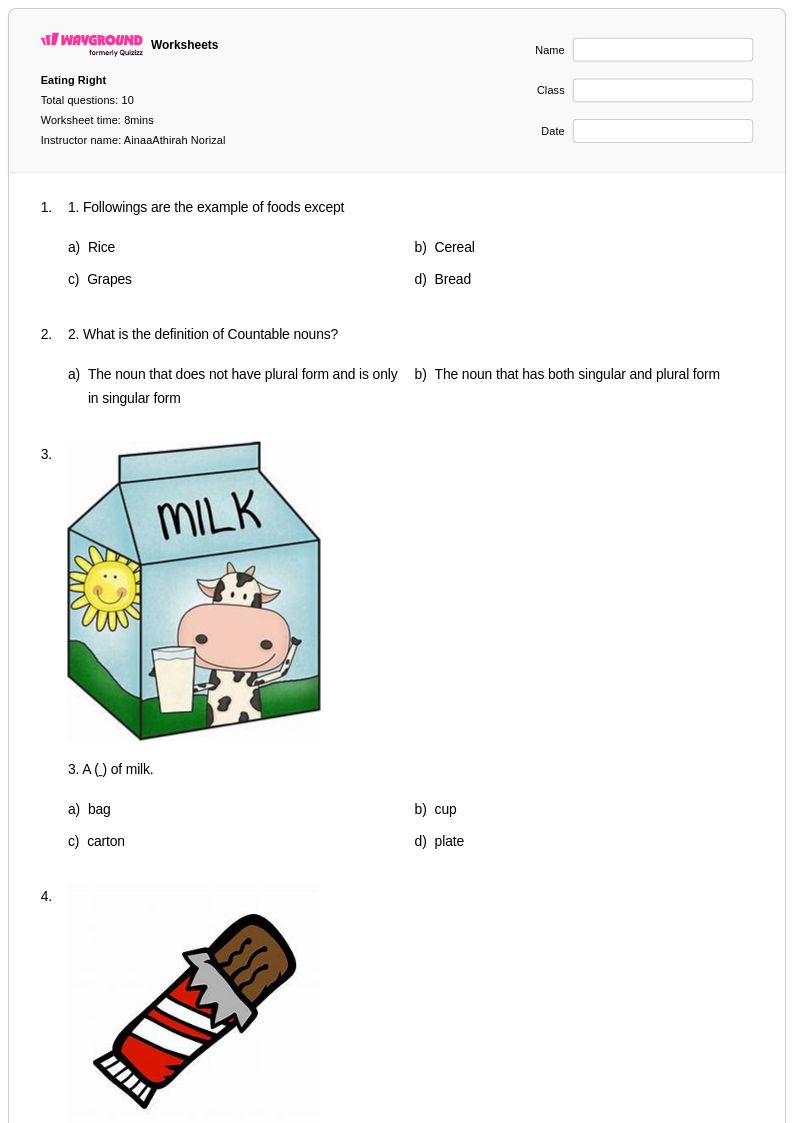
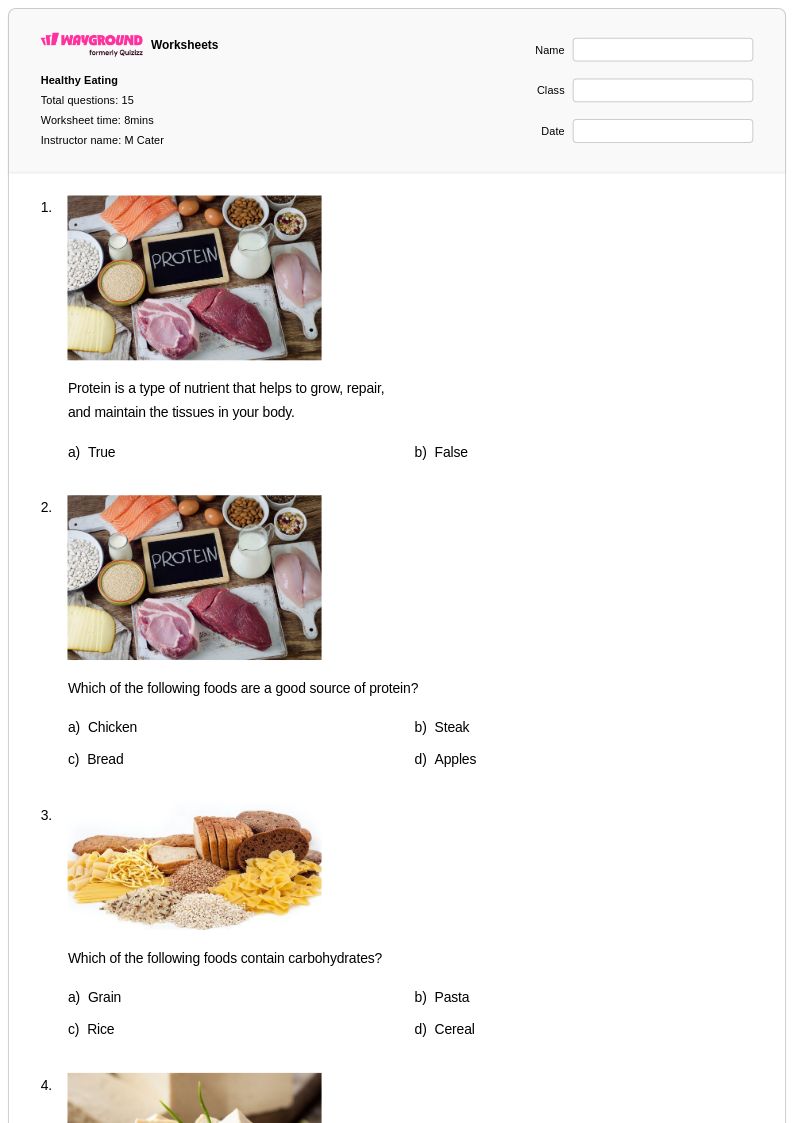
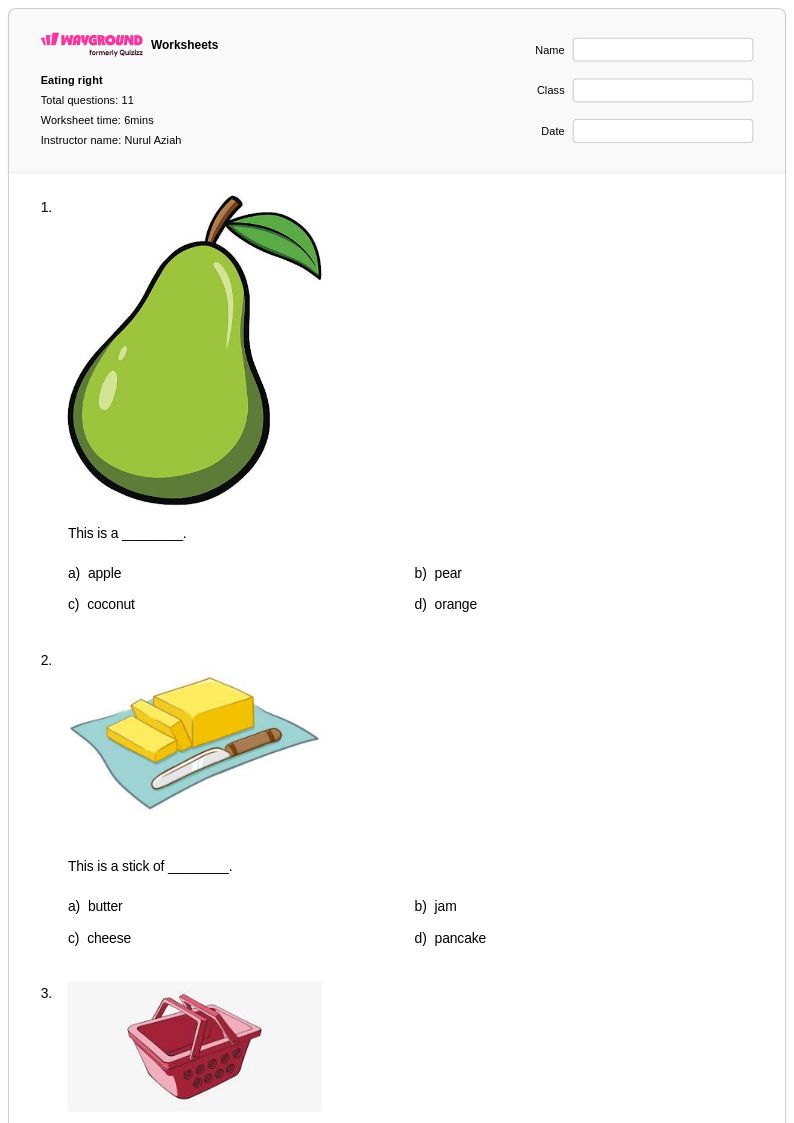
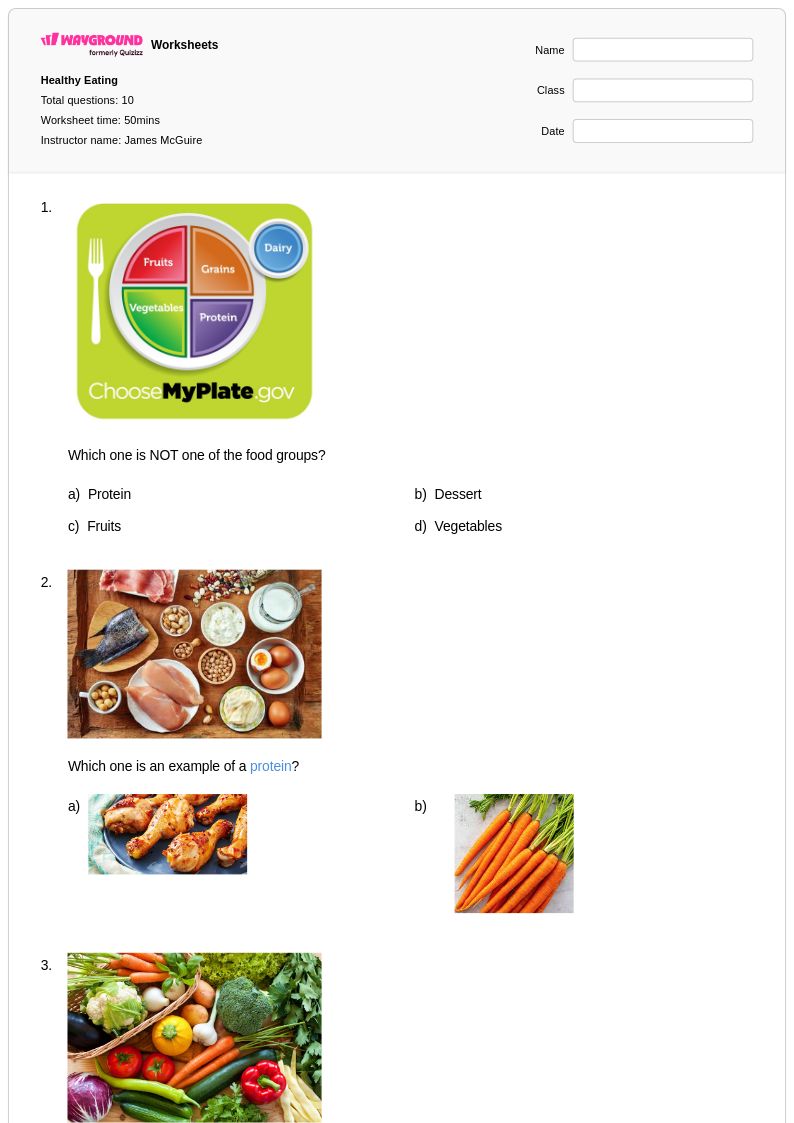
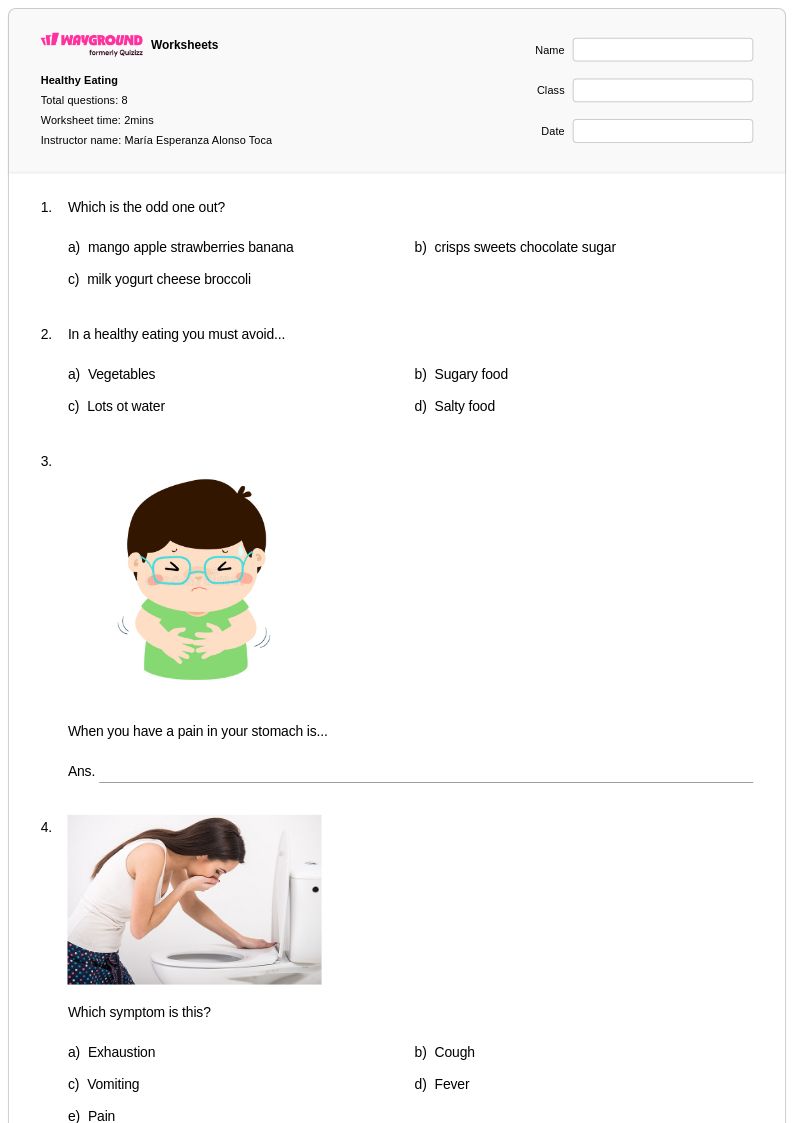
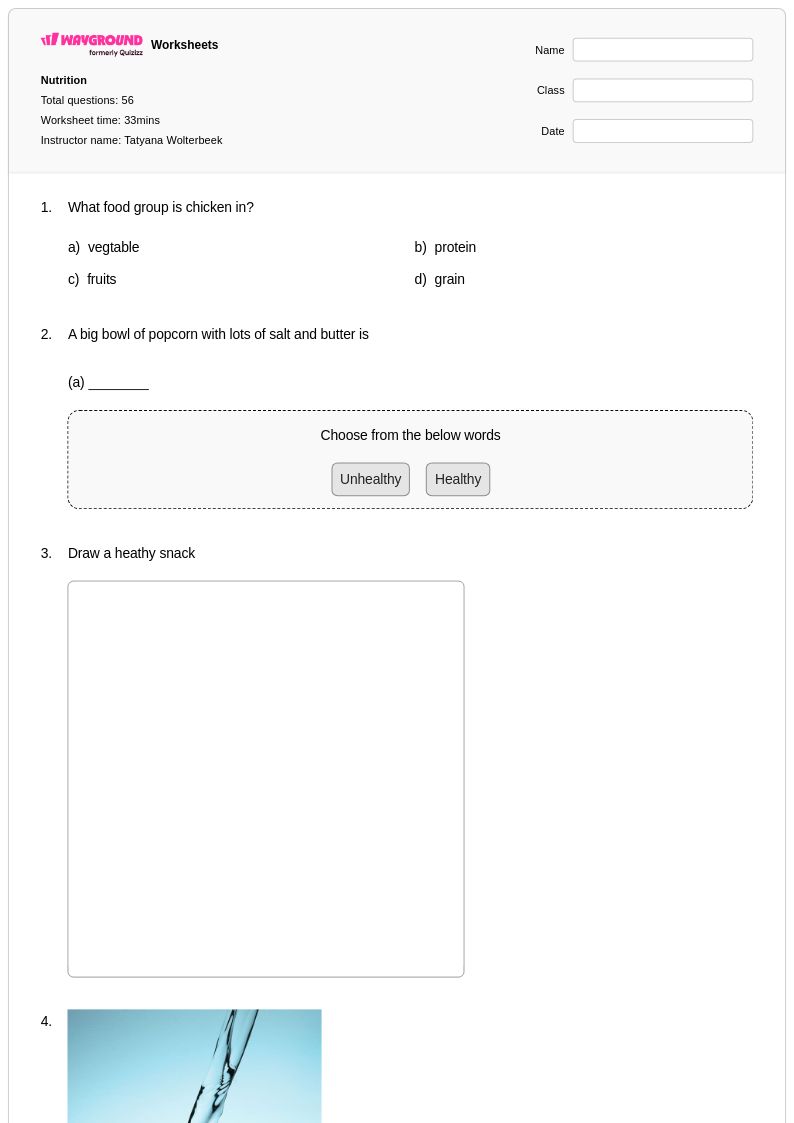
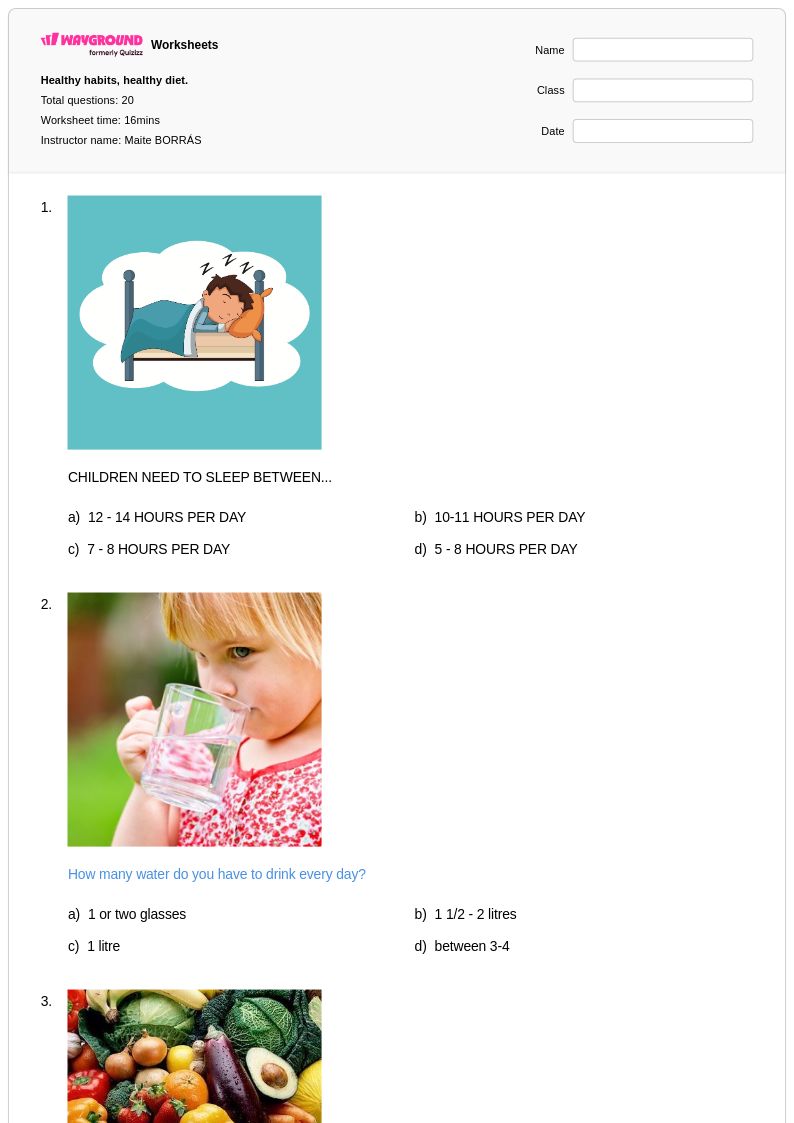
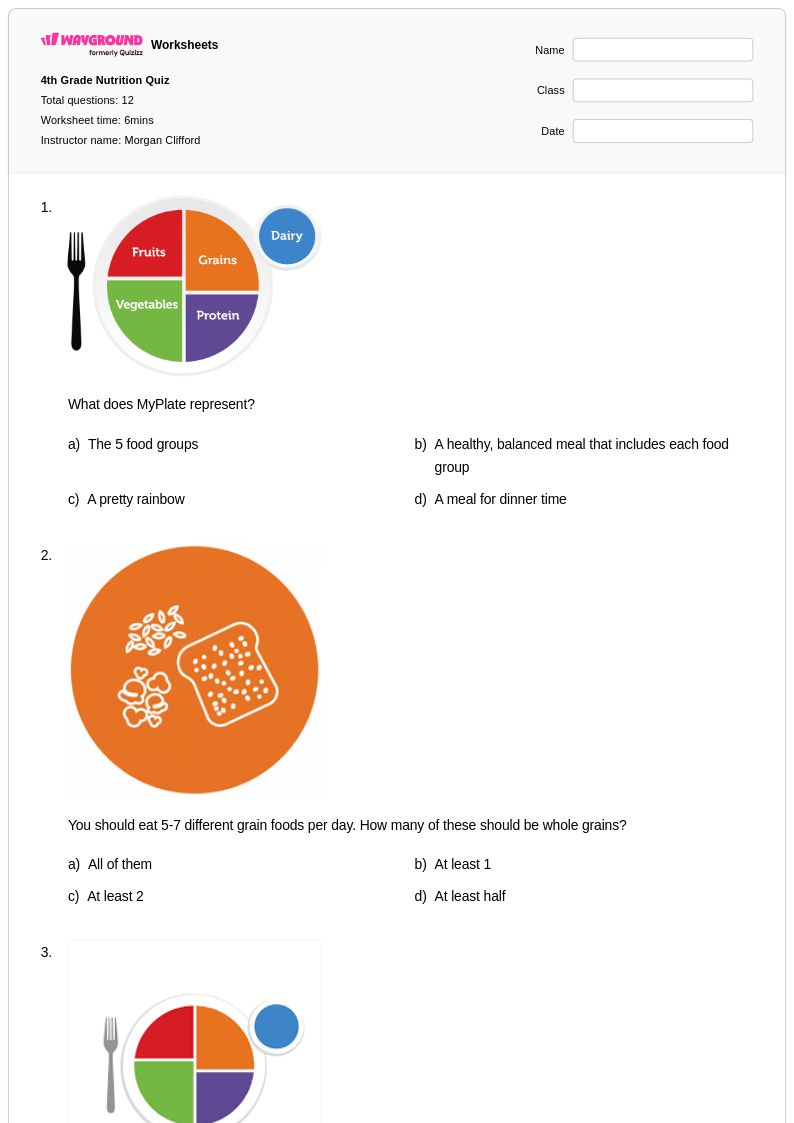
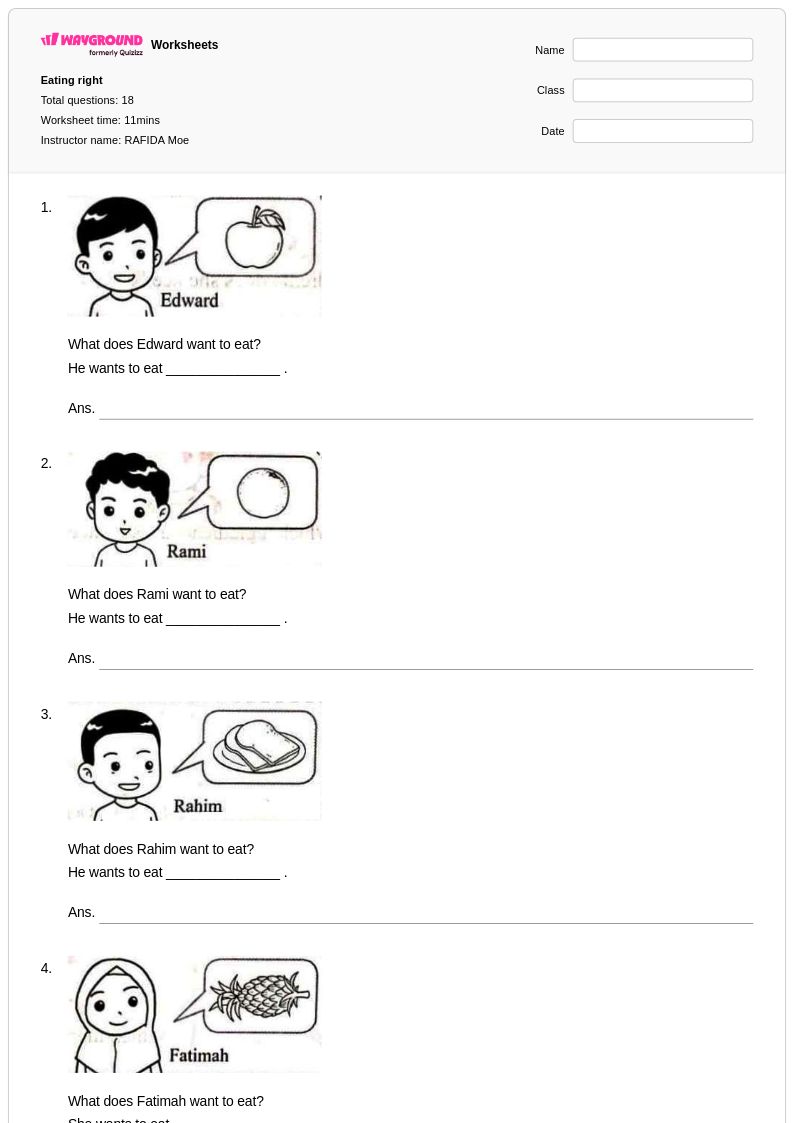
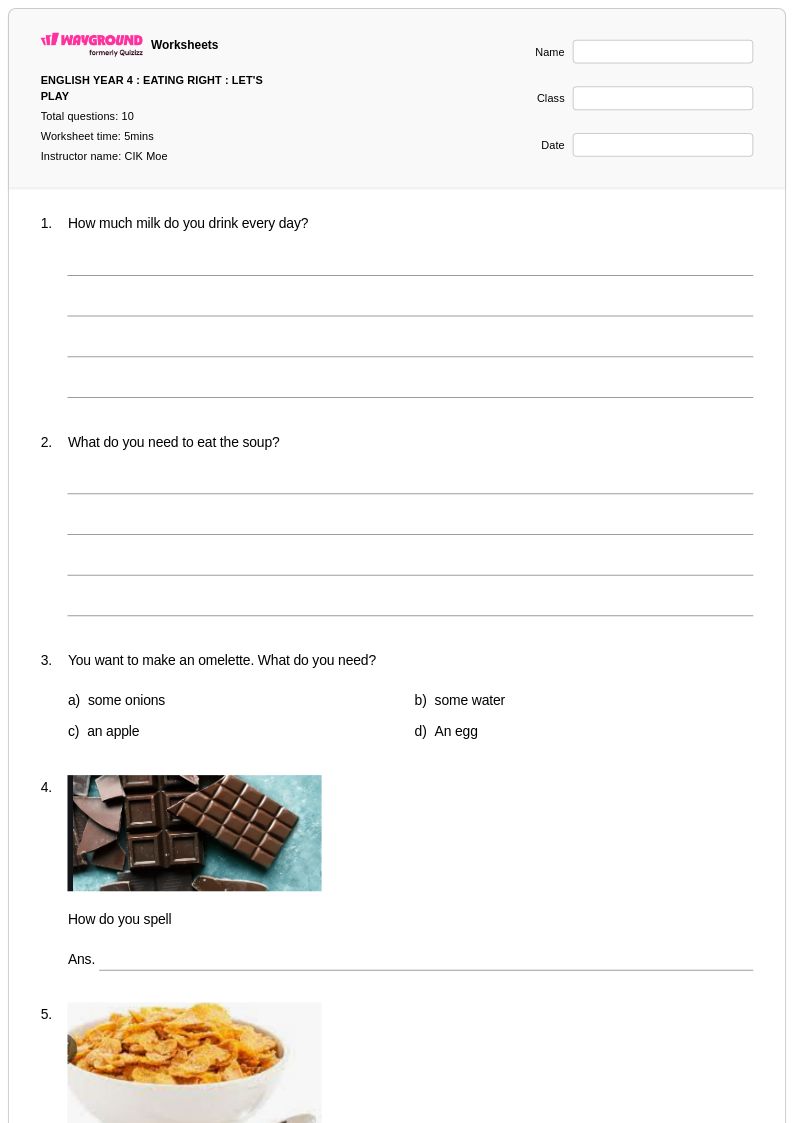
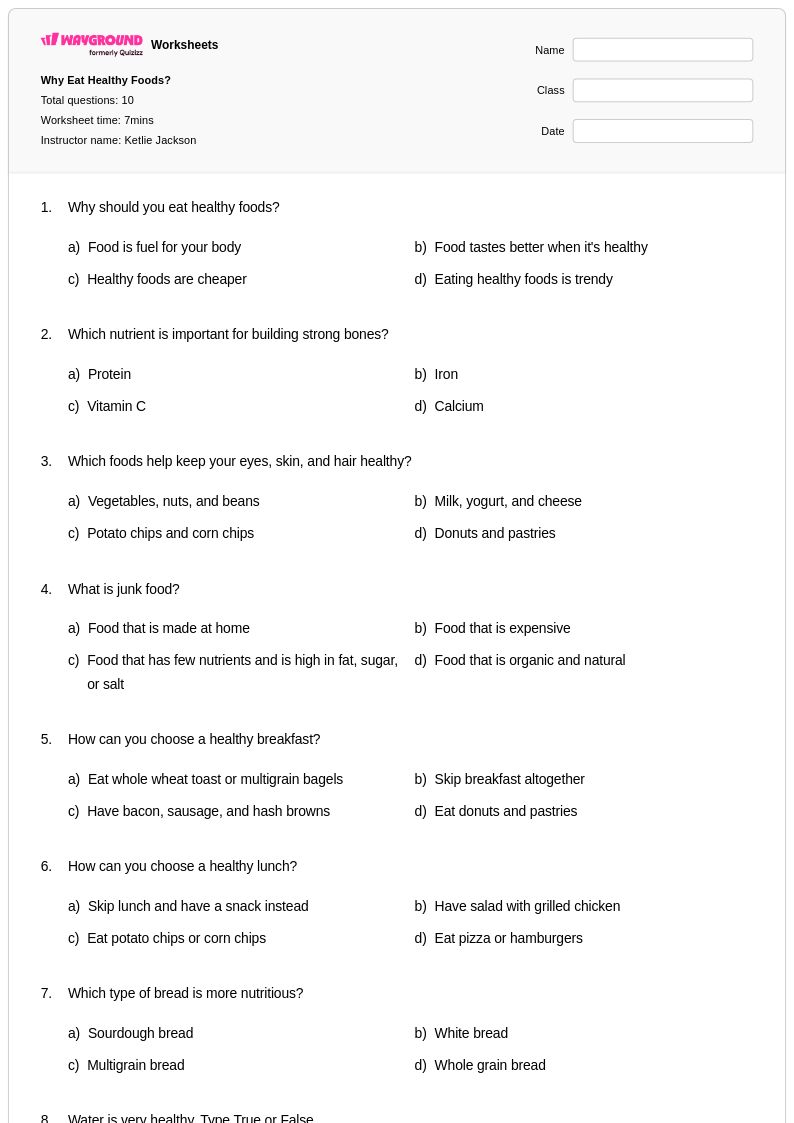
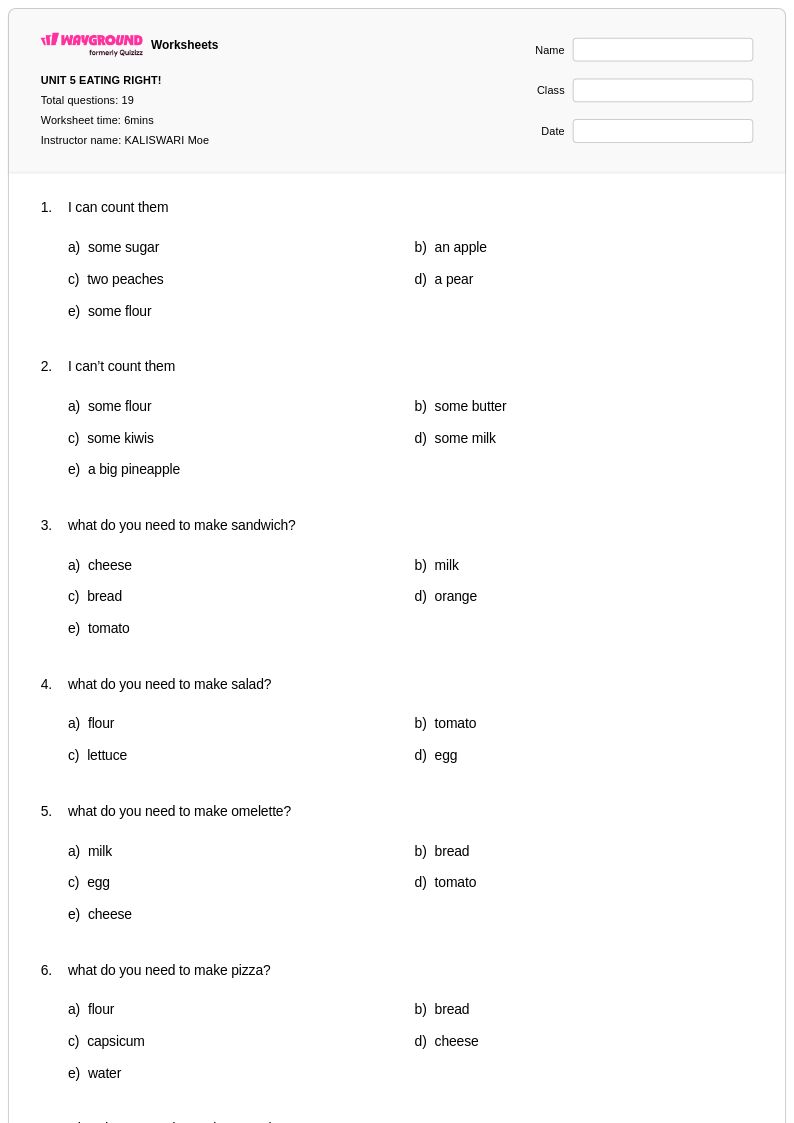
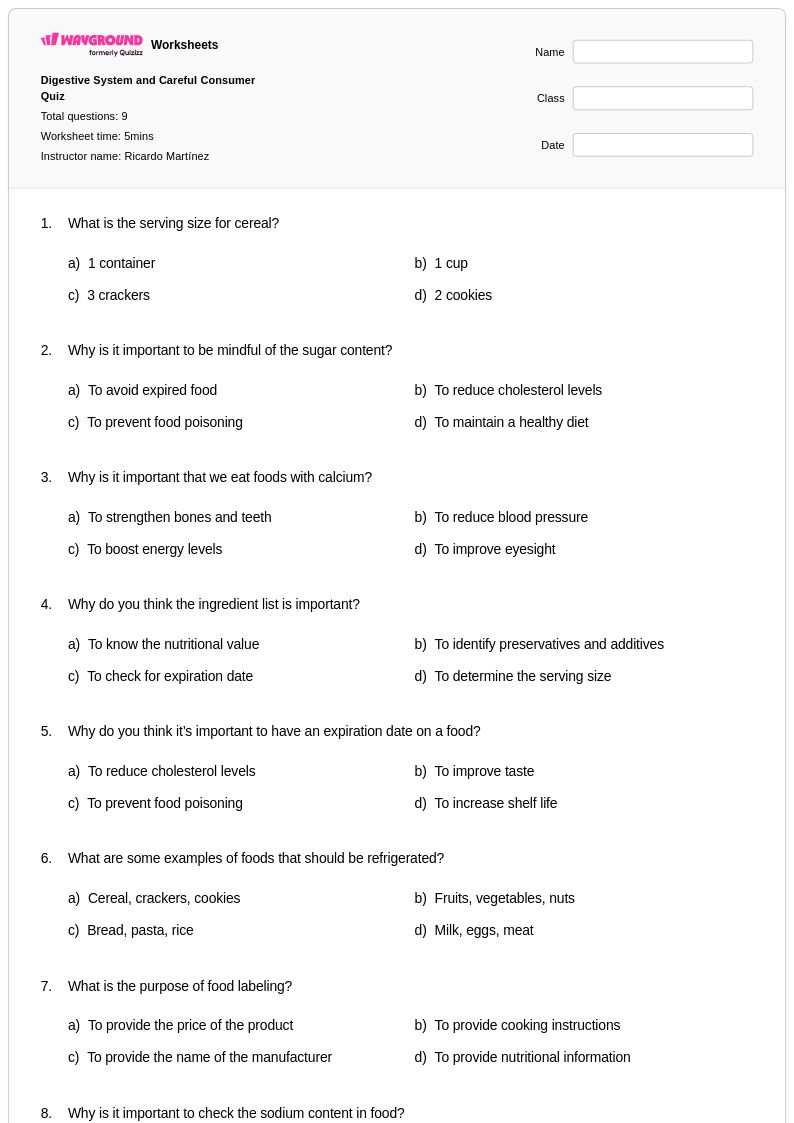
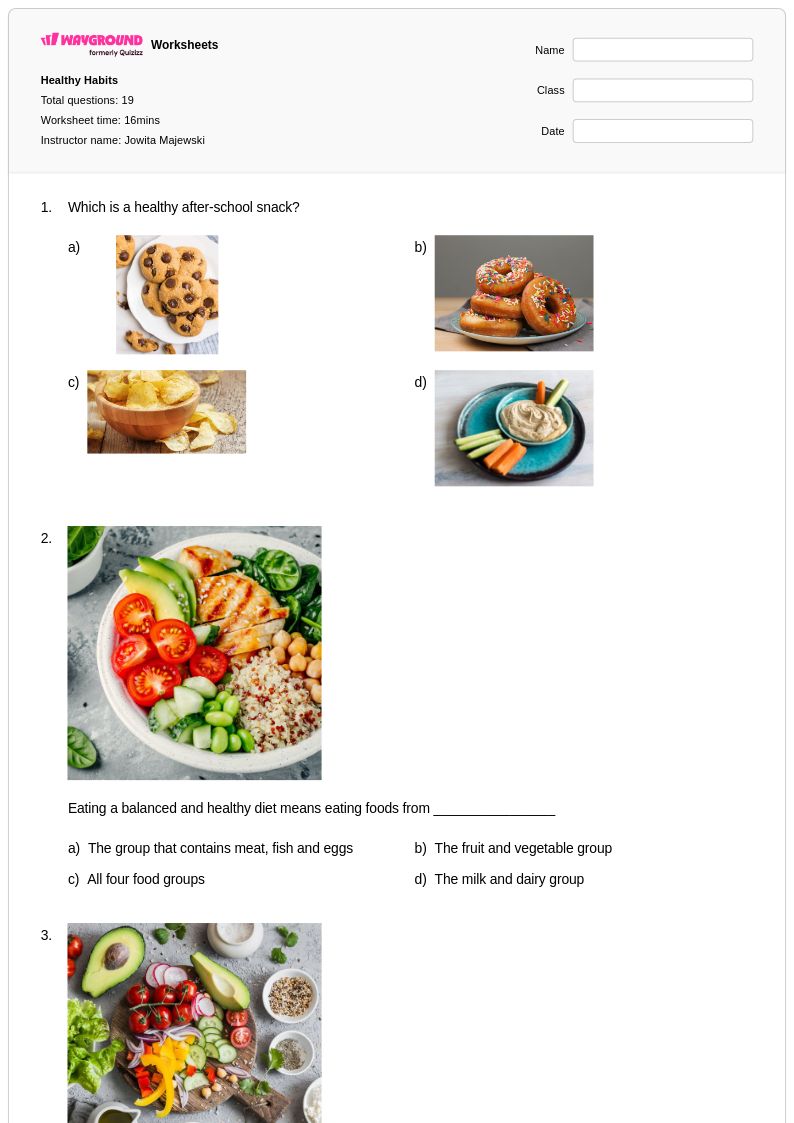
Mindful eating worksheets for Grade 4 students available through Wayground (formerly Quizizz) provide essential foundation-building exercises that help young learners develop healthy relationships with food and understand the importance of conscious consumption habits. These comprehensive printables focus on teaching elementary students to recognize hunger and fullness cues, identify nutritious food choices, and practice eating with awareness and intention. The practice problems guide students through scenarios involving portion control, food group identification, and emotional eating awareness, while free pdf resources include interactive activities such as hunger scale assessments, mindful eating journals, and reflection exercises. Each worksheet collection comes with a detailed answer key that helps educators assess student understanding of concepts like eating slowly, appreciating food textures and flavors, and distinguishing between physical hunger and other eating triggers.
Wayground (formerly Quizizz) empowers physical education teachers with millions of teacher-created mindful eating resources specifically designed to support Grade 4 wellness instruction and meet diverse classroom needs. The platform's robust search and filtering capabilities allow educators to quickly locate worksheets aligned with health education standards and differentiate instruction based on individual student requirements. Teachers can seamlessly customize existing materials or create new assessments using flexible digital tools, then distribute content in both printable pdf format for hands-on learning and interactive digital formats for technology-integrated lessons. These versatile resources prove invaluable for lesson planning, targeted remediation for students struggling with nutrition concepts, enrichment activities for advanced learners, and ongoing skill practice that reinforces healthy eating behaviors throughout the school year.
FAQs
How do I teach mindful eating in a health or PE class?
Teaching mindful eating works best when students connect abstract concepts to personal experience. Start with hunger and satiety cues by having students rate their hunger before and after meals, then introduce emotional eating triggers and the difference between physical and emotional hunger. Structured reflection activities and guided journaling help students internalize these concepts more deeply than lecture alone.
What exercises help students practice mindful eating skills?
Effective practice activities include hunger scale journaling, where students log their hunger levels before and after eating, and emotional eating recognition tasks that ask students to identify triggers behind food choices. Portion awareness exercises using visual comparisons and nutritional label analysis also build practical decision-making skills that transfer outside the classroom.
What are common misconceptions students have about mindful eating?
A frequent misconception is that mindful eating is a diet or a set of food rules, when it is actually about awareness and intention rather than restriction. Students also commonly conflate emotional hunger with physical hunger, failing to recognize that boredom, stress, or habit can drive eating independently of actual nutritional need. Addressing these distinctions early prevents students from developing an overly rigid or guilt-based relationship with food.
How can I differentiate mindful eating instruction for students with different learning needs?
Differentiation for mindful eating can involve adjusting the complexity of reflection prompts, offering visual supports like hunger scale diagrams for students who need scaffolding, and providing extended time for written responses. On Wayground, teachers can enable individual accommodations such as read aloud for students who benefit from audio support, reduced answer choices to lower cognitive load, and adjustable font sizes through reading mode, all without notifying other students.
How do I use Wayground's mindful eating worksheets in my classroom?
Wayground's mindful eating worksheets are available as printable PDFs for traditional classroom use and in digital formats for technology-integrated environments, including the option to host them as a quiz on Wayground. This flexibility allows teachers to assign them as in-class activities, homework, or independent study tasks. Complete answer keys are included with each worksheet, supporting both self-paced student practice and teacher-led instruction.
How do I connect mindful eating lessons to broader wellness and nutrition standards?
Mindful eating aligns naturally with health education standards that address nutrition literacy, emotional well-being, and self-management behaviors. To connect lessons to broader standards, frame mindful eating as a practical application of nutrition knowledge by having students analyze how conscious food choices relate to energy levels, mood, and long-term health. Pairing mindful eating activities with nutritional information analysis strengthens students' ability to make evidence-based dietary decisions.