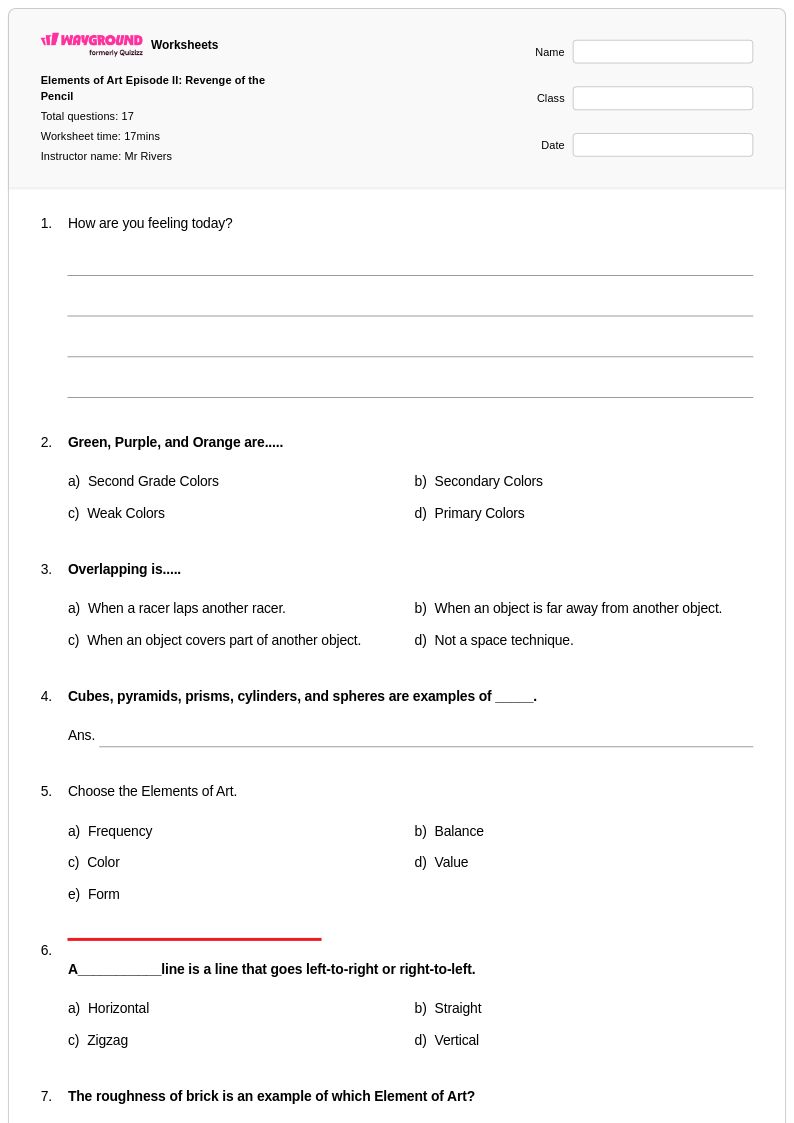
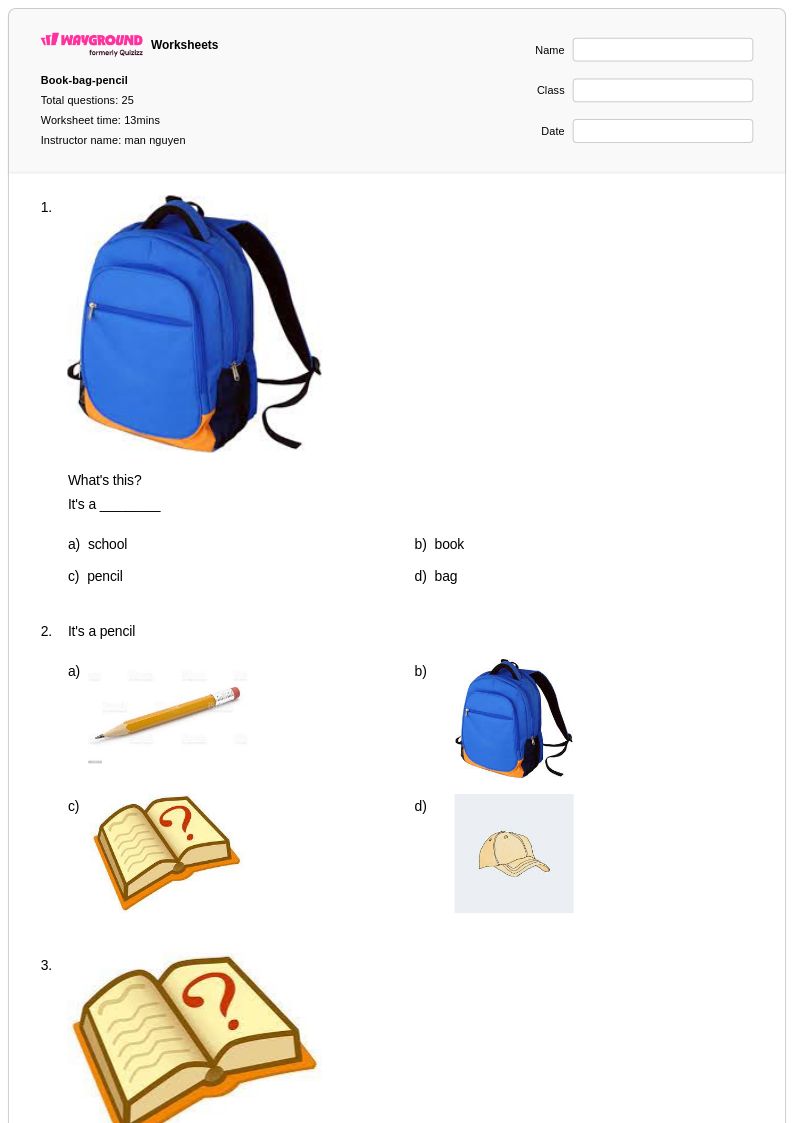
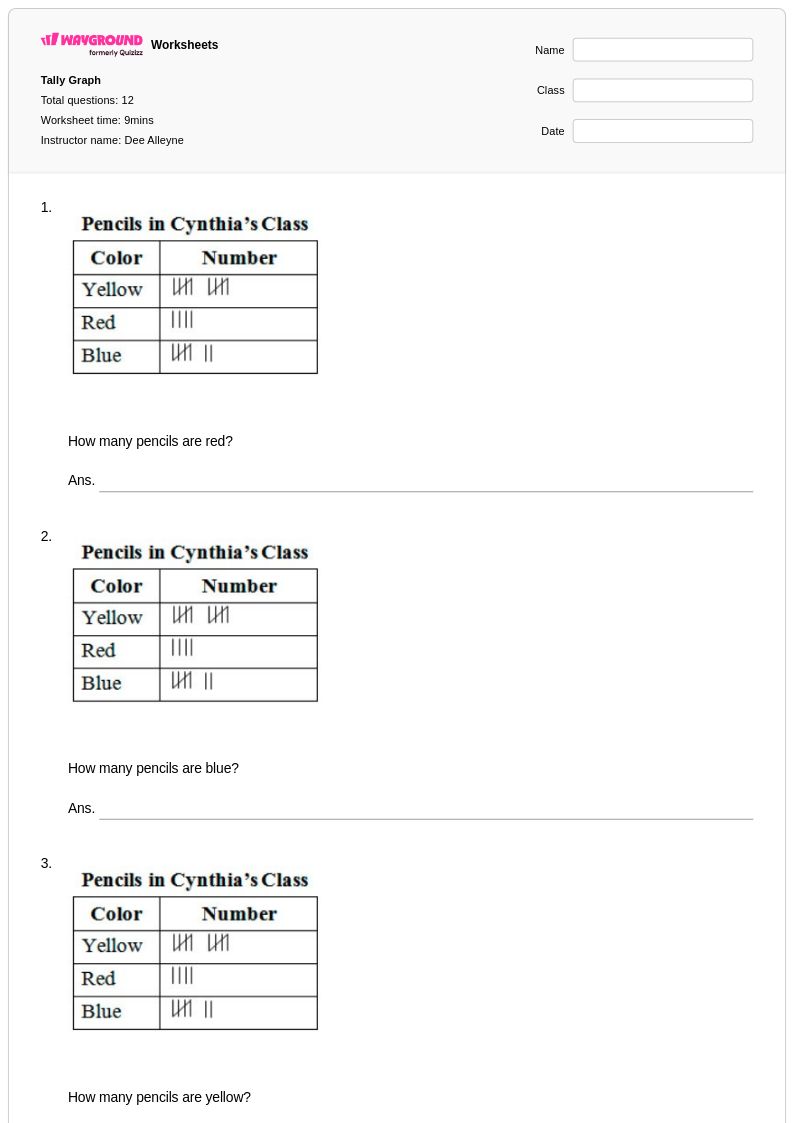
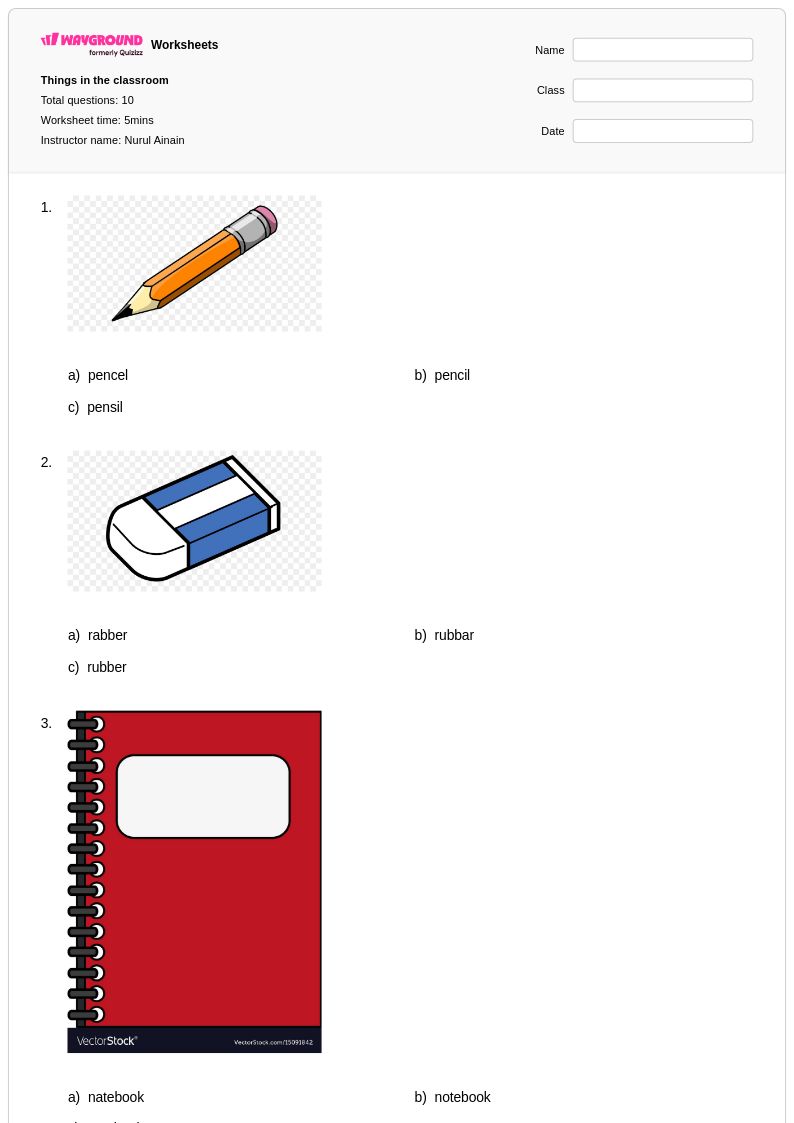
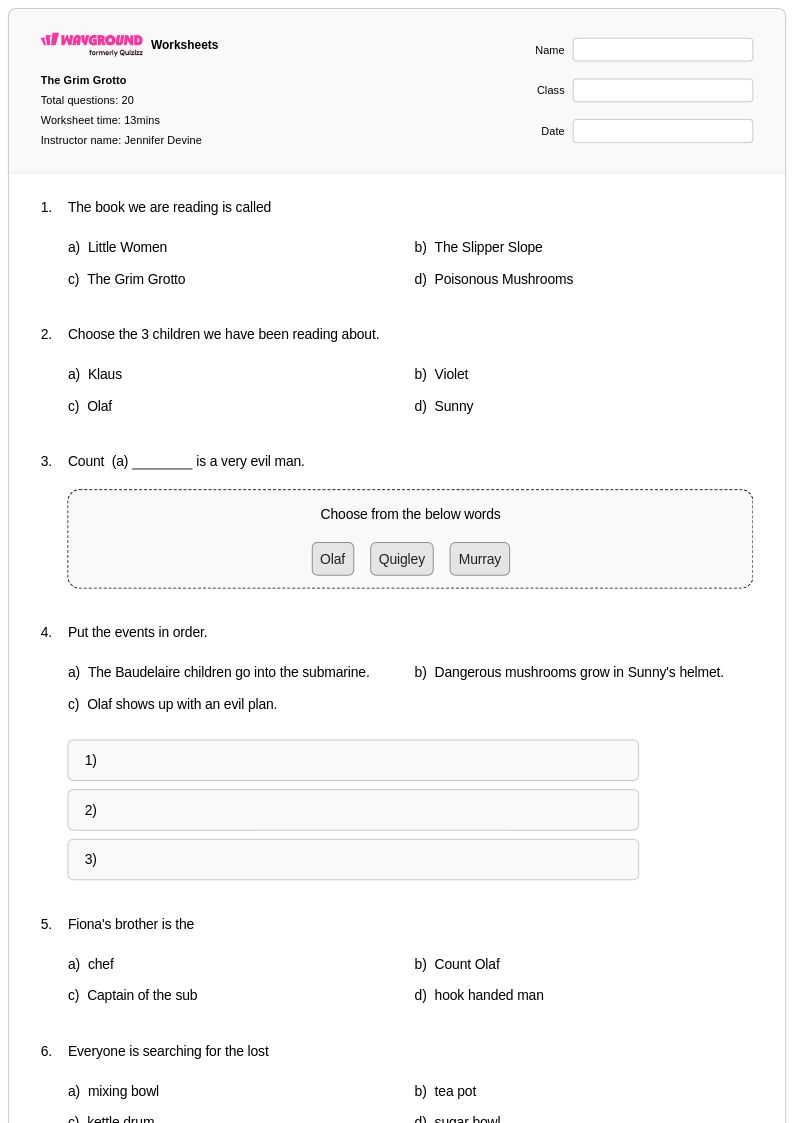
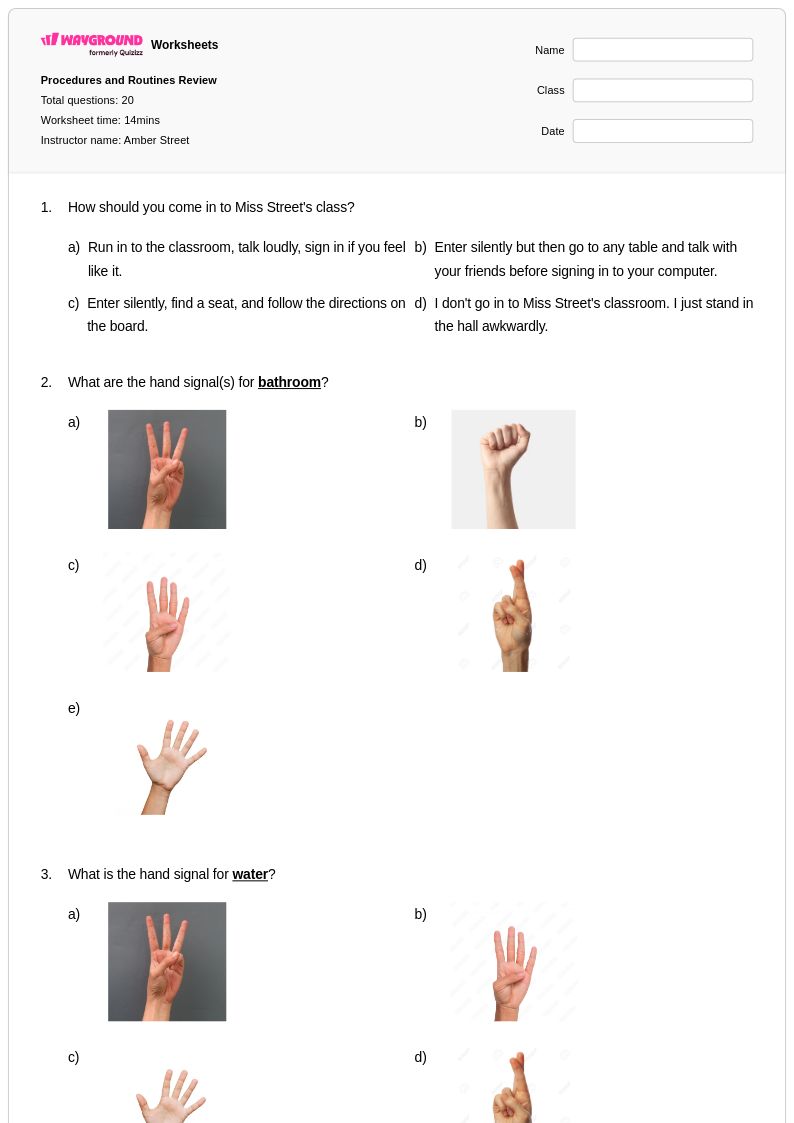
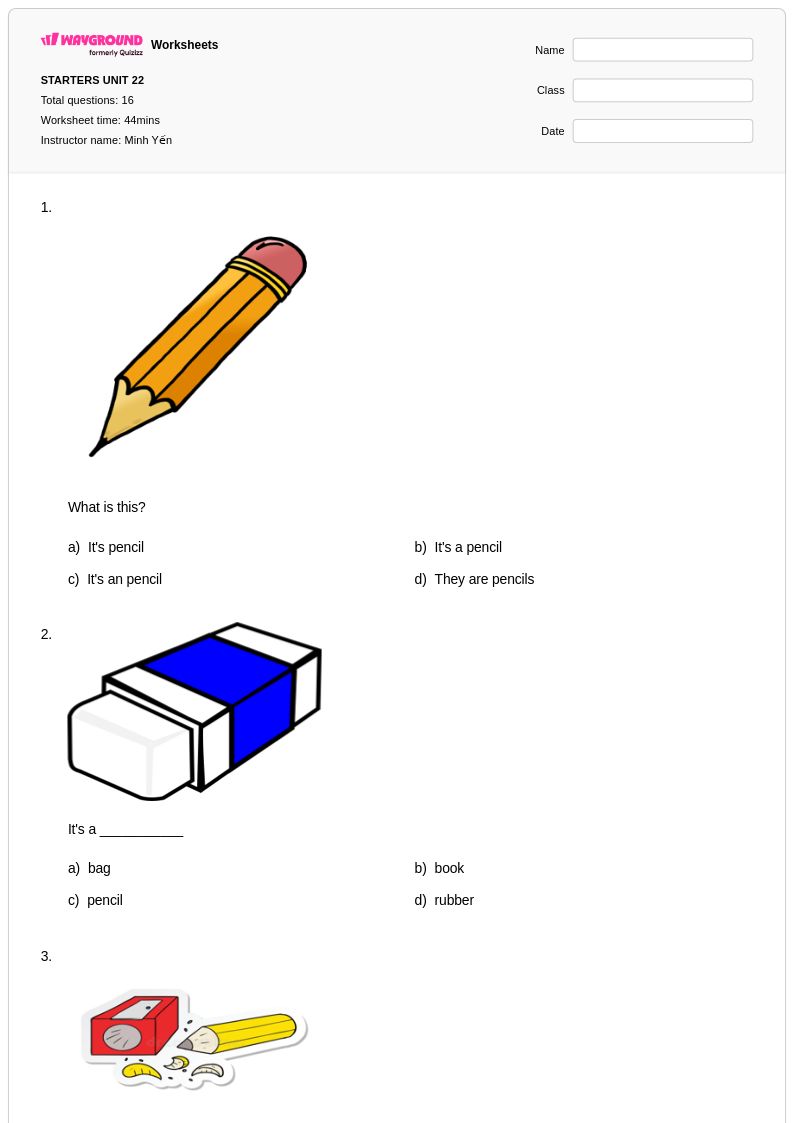
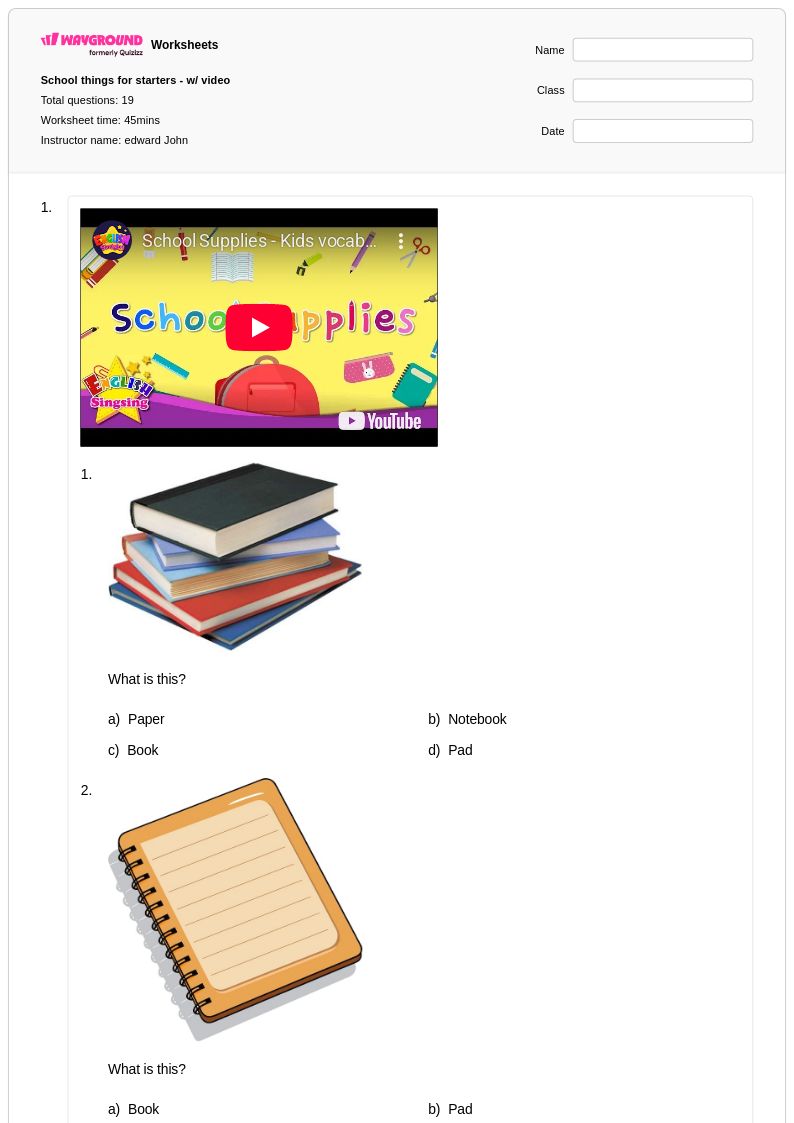
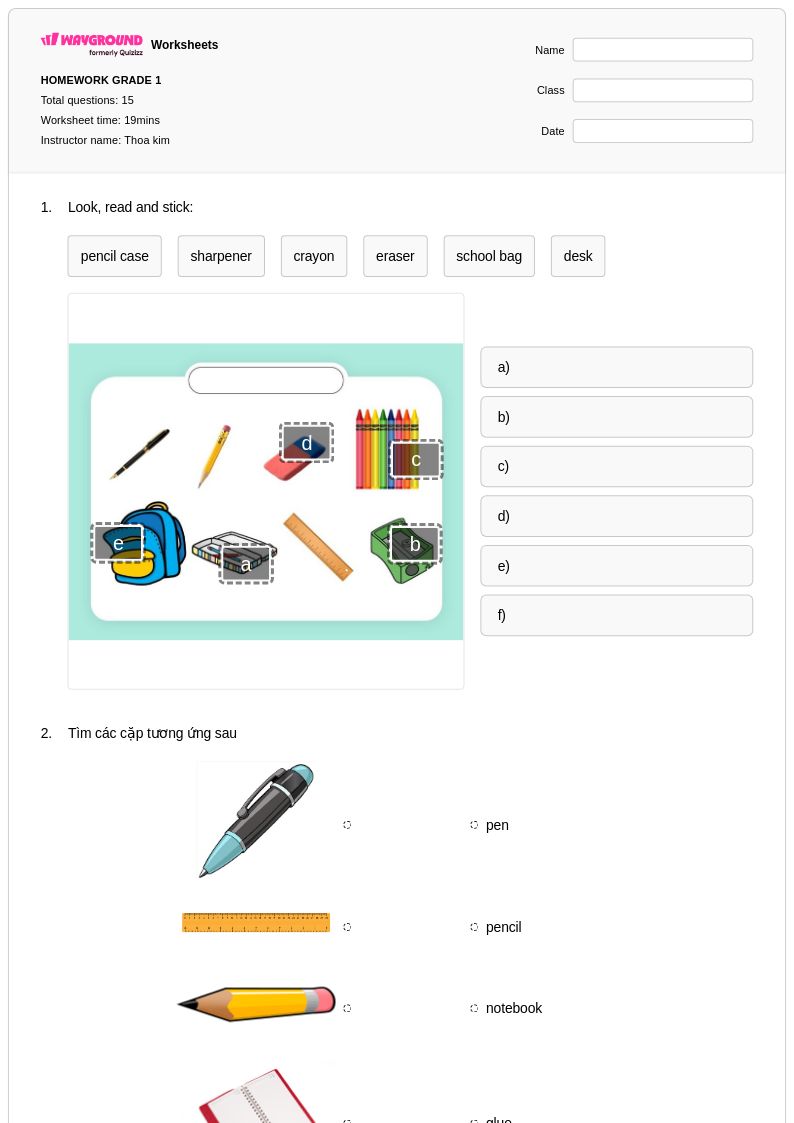
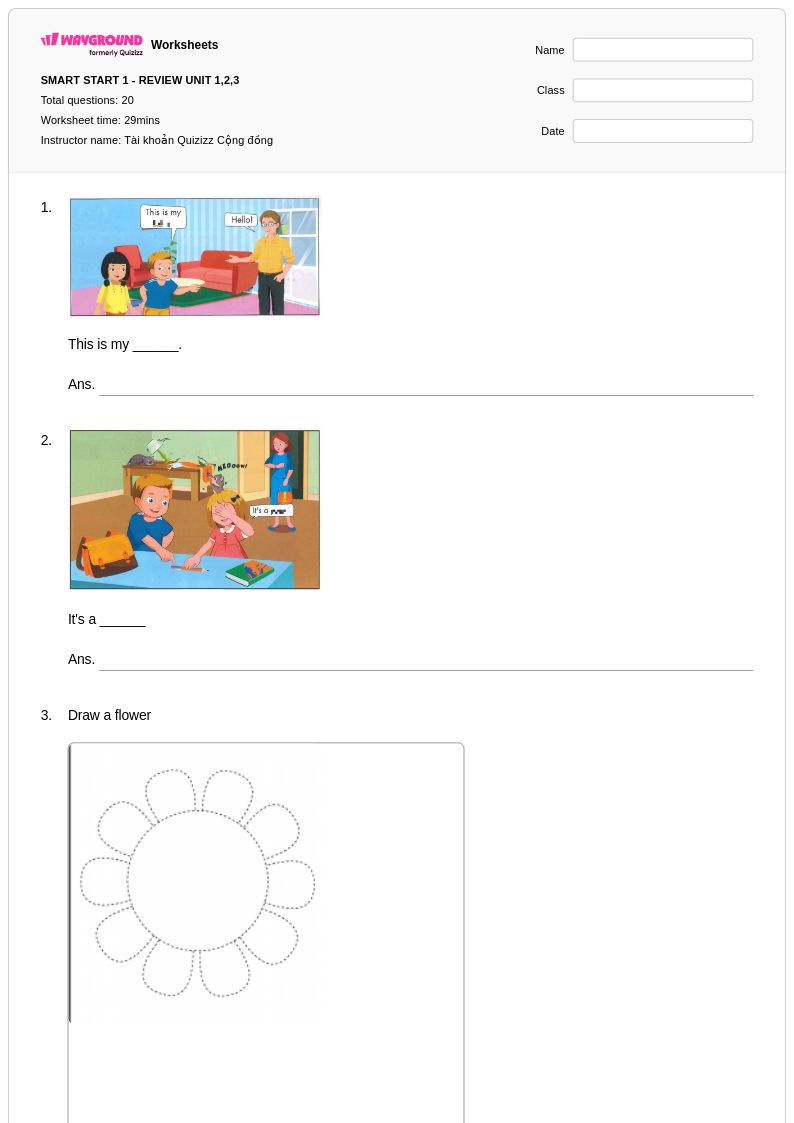
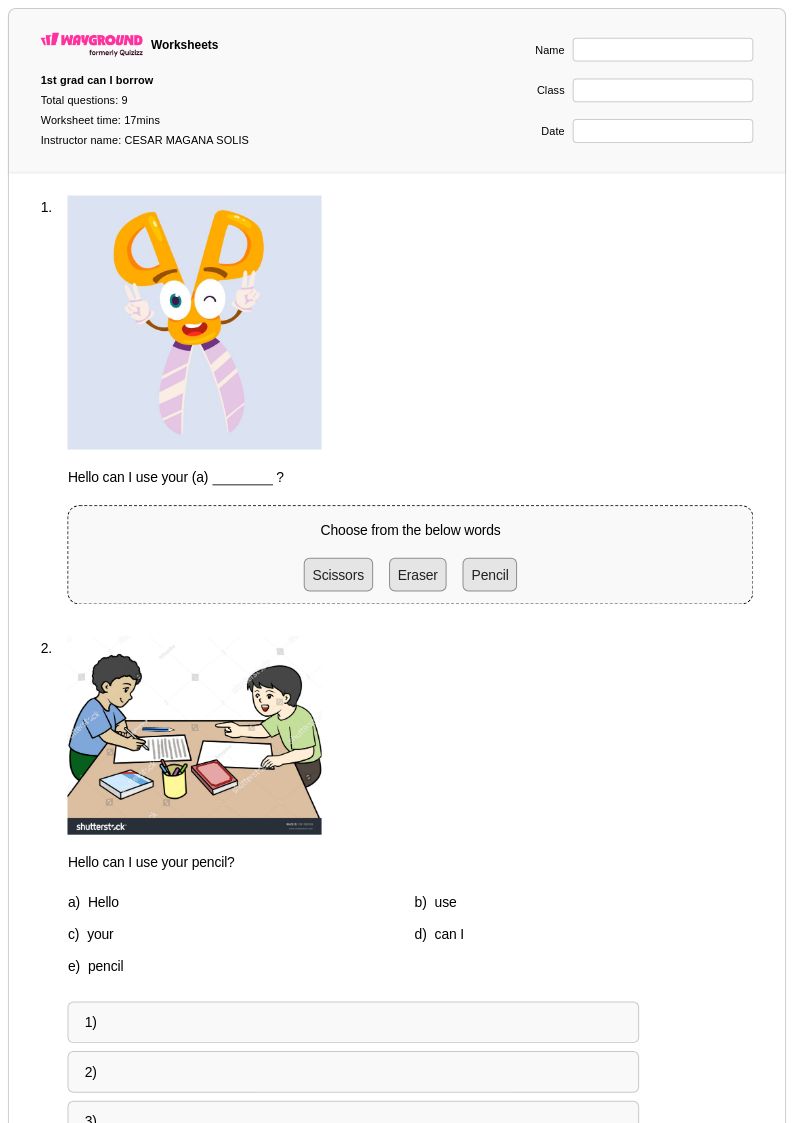
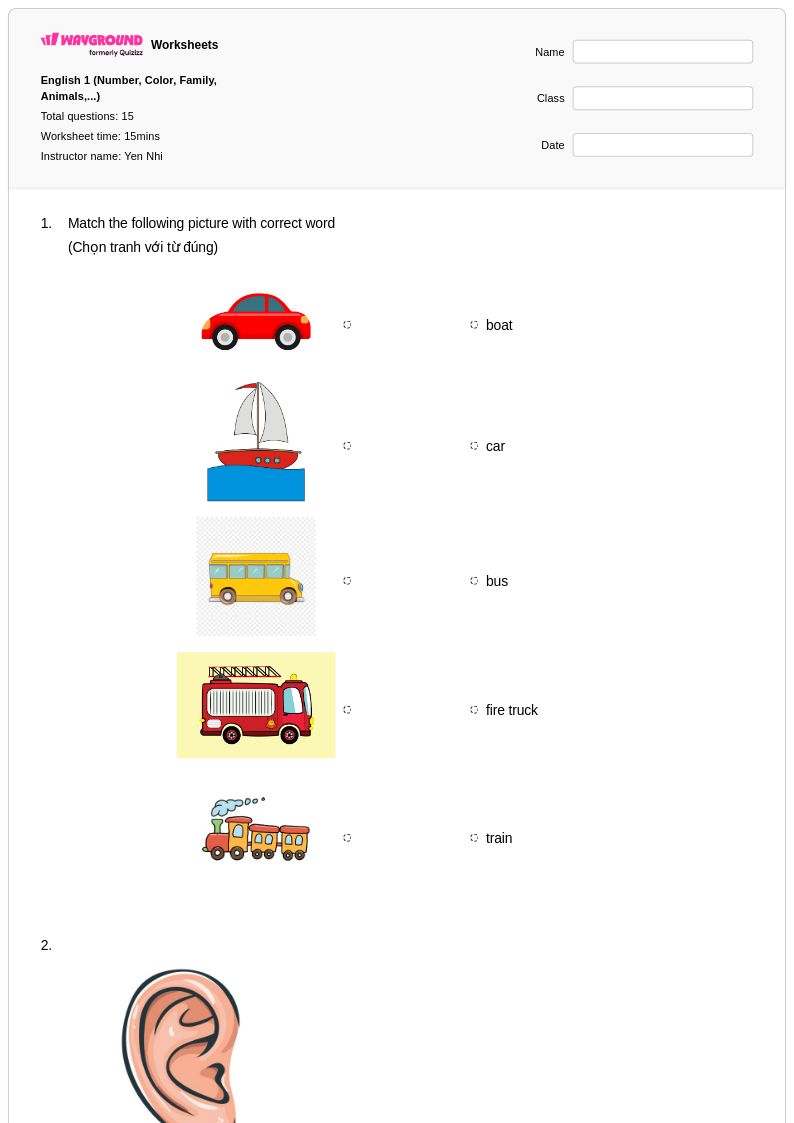
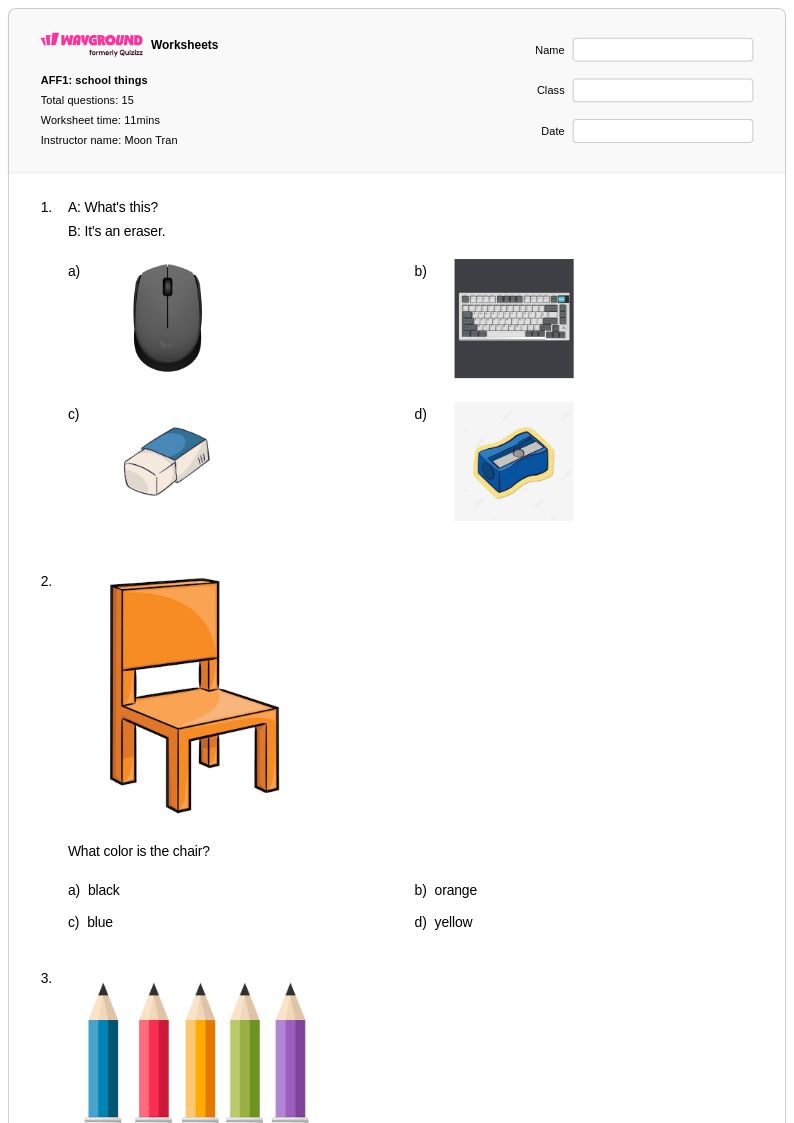
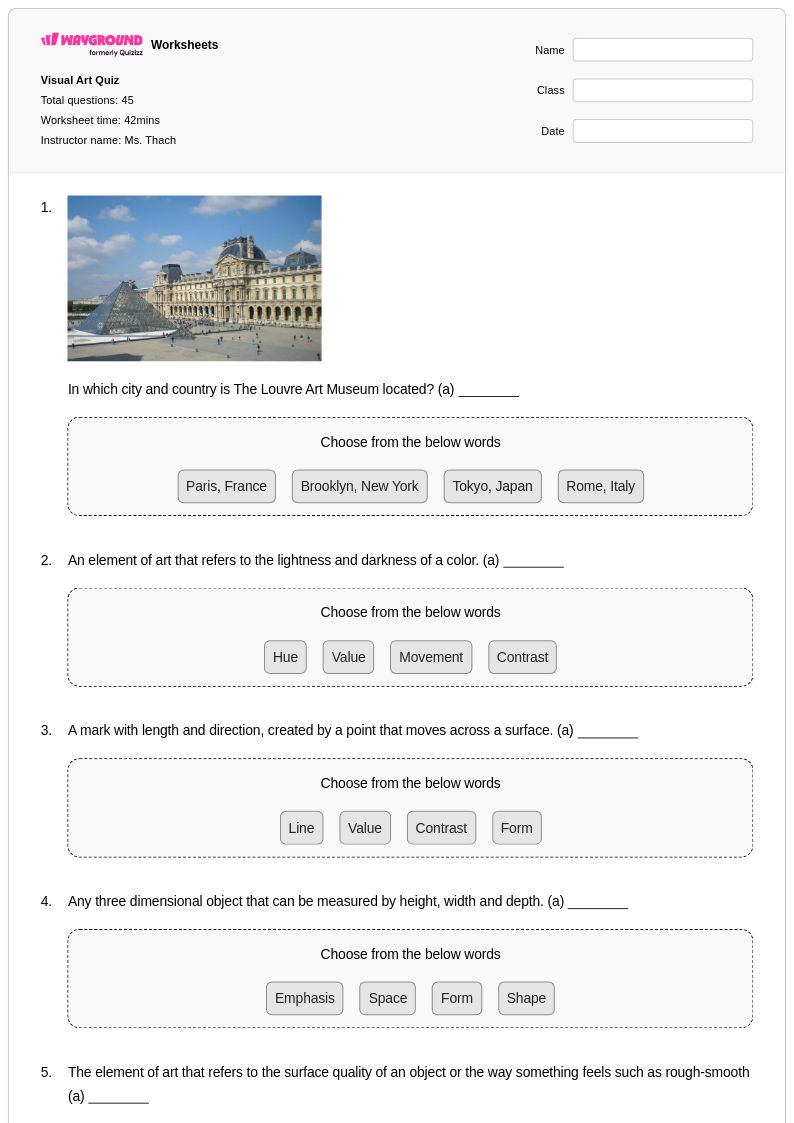
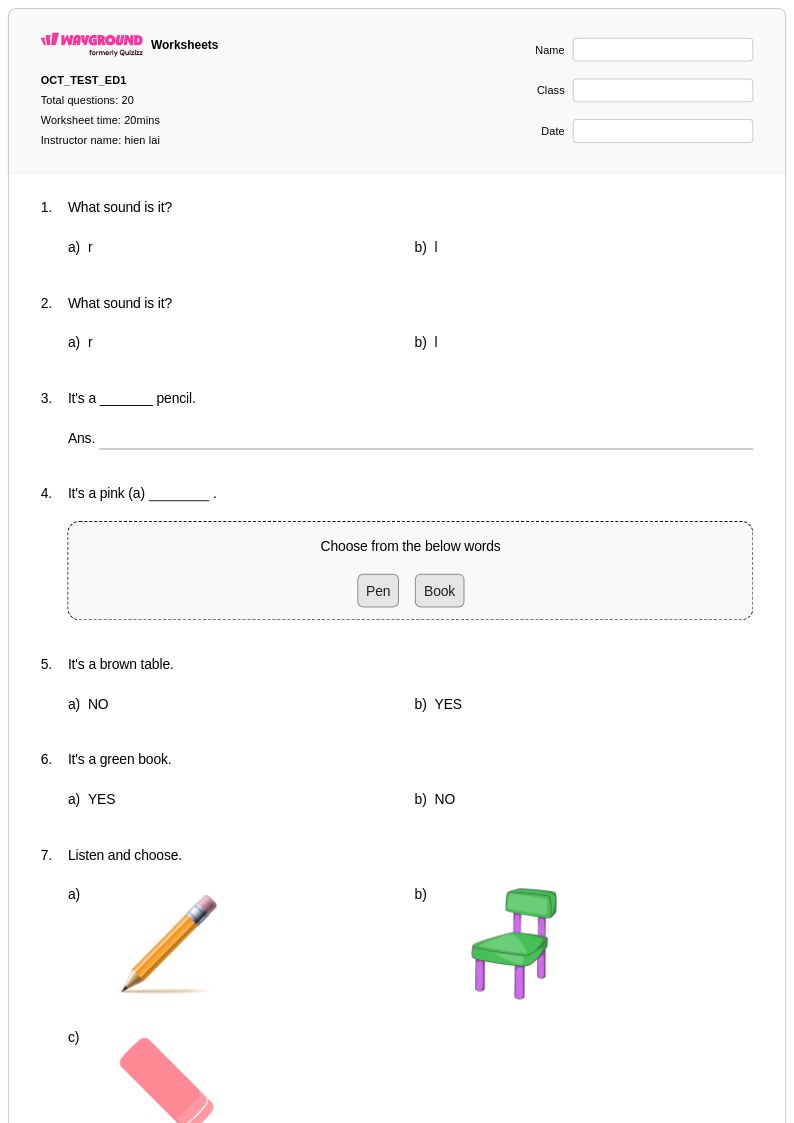
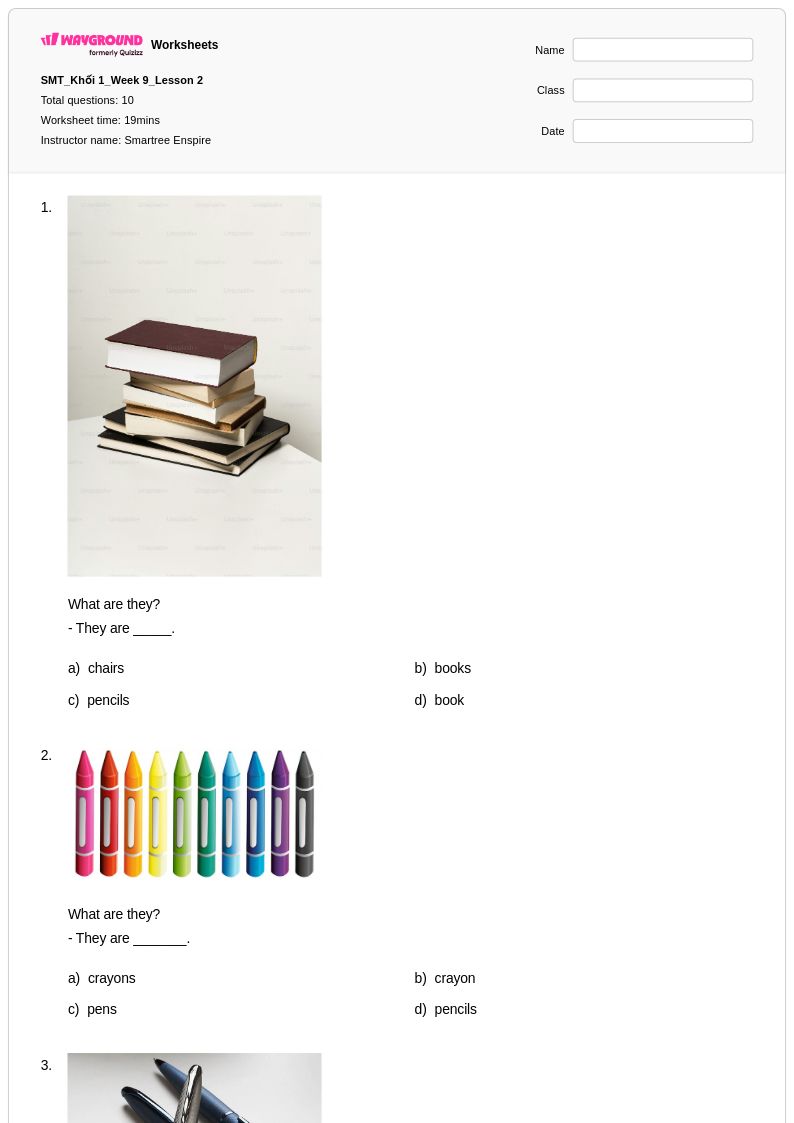
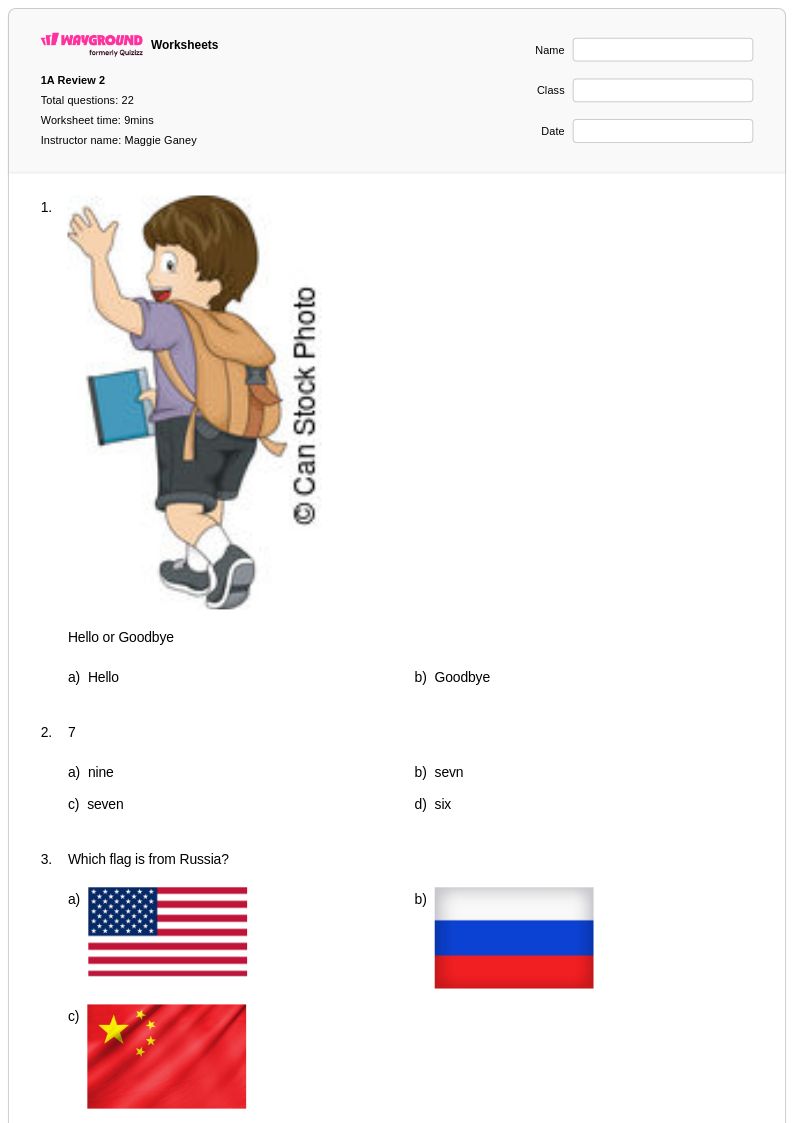
Grade 1 pencil grip worksheets and printables help young students develop proper fine motor skills and hand positioning techniques through engaging practice problems and activities, complete with answer keys for effective learning assessment.
Explore printable Pencil Grip worksheets for Grade 1
Pencil grip development is a fundamental component of Grade 1 physical education that directly impacts fine motor skill progression and academic readiness. Wayground's comprehensive collection of pencil grip worksheets provides educators with expertly designed resources that systematically build proper hand positioning, finger strength, and writing control through engaging activities and targeted exercises. These printable materials feature progressive skill-building sequences that help young learners establish correct tripod and pincer grips while developing the muscle memory essential for successful writing experiences. Each worksheet includes clear visual demonstrations and practice problems that allow students to reinforce proper techniques, with accompanying answer keys enabling teachers to efficiently assess student progress and identify areas requiring additional support.
Wayground, formerly Quizizz, empowers Grade 1 educators with access to millions of teacher-created pencil grip resources that seamlessly integrate into comprehensive motor skills instruction. The platform's robust search and filtering capabilities allow teachers to locate age-appropriate materials that align with developmental standards and individual student needs, while differentiation tools enable customization for varying skill levels within the classroom. These versatile resources are available in both printable pdf formats for hands-on practice and digital versions for interactive learning, supporting flexible lesson planning that accommodates diverse teaching environments. Whether used for initial skill introduction, targeted remediation, or enrichment activities, these professionally curated worksheet collections provide the systematic practice opportunities essential for developing the foundational pencil grip skills that support lifelong learning success.
FAQs
How do I teach proper pencil grip to young students?
Teaching proper pencil grip begins with the tripod grip: the pencil rests on the middle finger and is pinched between the thumb and index finger, about an inch above the tip. Introduce grip through short, low-pressure activities like tracing, dot-to-dot, or pinching small objects before moving to full writing tasks. Consistent, brief daily practice is more effective than long sessions, especially for early childhood learners whose hand muscles are still developing.
What exercises help students practice and strengthen pencil grip?
Finger strengthening drills such as pinching clothespins, tearing paper, and threading beads build the small muscles required for a stable pencil grip. Structured worksheets that guide students through progressive grip exercises, finger positioning activities, and hand coordination drills allow for repeated, targeted practice within a classroom setting. Pairing these exercises with explicit instruction on pencil placement accelerates skill development.
What are the most common mistakes students make when holding a pencil?
The most frequent errors include gripping the pencil too tightly (causing hand fatigue and jagged strokes), holding the pencil too close to the tip (limiting fine control), and wrapping the thumb over the index finger rather than forming a true pinch. Some students rest the pencil on the index finger knuckle rather than the middle finger, which destabilizes the tool during writing. Identifying which specific error a student is making allows for targeted correction rather than broad redirection.
How do I differentiate pencil grip instruction for students with varying motor skill abilities?
Students with weaker fine motor control benefit from reduced task complexity — shorter tracing paths, thicker pencils, or triangular grip aids — before progressing to standard-sized tools and longer writing tasks. For students who are ready to advance, introduce activities that require sustained grip control, such as continuous-line drawing or letter formation on smaller writing lines. Wayground supports student-level accommodations including read aloud and adjustable font sizes, which help ensure that written directions on worksheets are accessible to all learners regardless of reading readiness.
How do I use Wayground's pencil grip worksheets in my classroom?
Wayground's pencil grip worksheets are available as printable PDFs for hands-on classroom use and in digital formats for technology-integrated learning environments, giving teachers flexibility across in-person, hybrid, and remote settings. Teachers can also host the worksheets as a quiz directly on Wayground, enabling interactive practice with built-in tracking. Each worksheet includes a complete answer key to support accurate instruction and assessment of fine motor skill development.
At what age or stage should students begin formal pencil grip instruction?
Formal pencil grip instruction is typically introduced in pre-K through kindergarten, around ages 3 to 5, when children's hand muscles are sufficiently developed for tool use but before poor habits become entrenched. Early intervention is important because grip patterns established in early childhood are difficult to correct once writing instruction intensifies in first grade and beyond. Educators should look for signs of readiness such as sustained pincer grasp during play and the ability to hold small objects with control.