
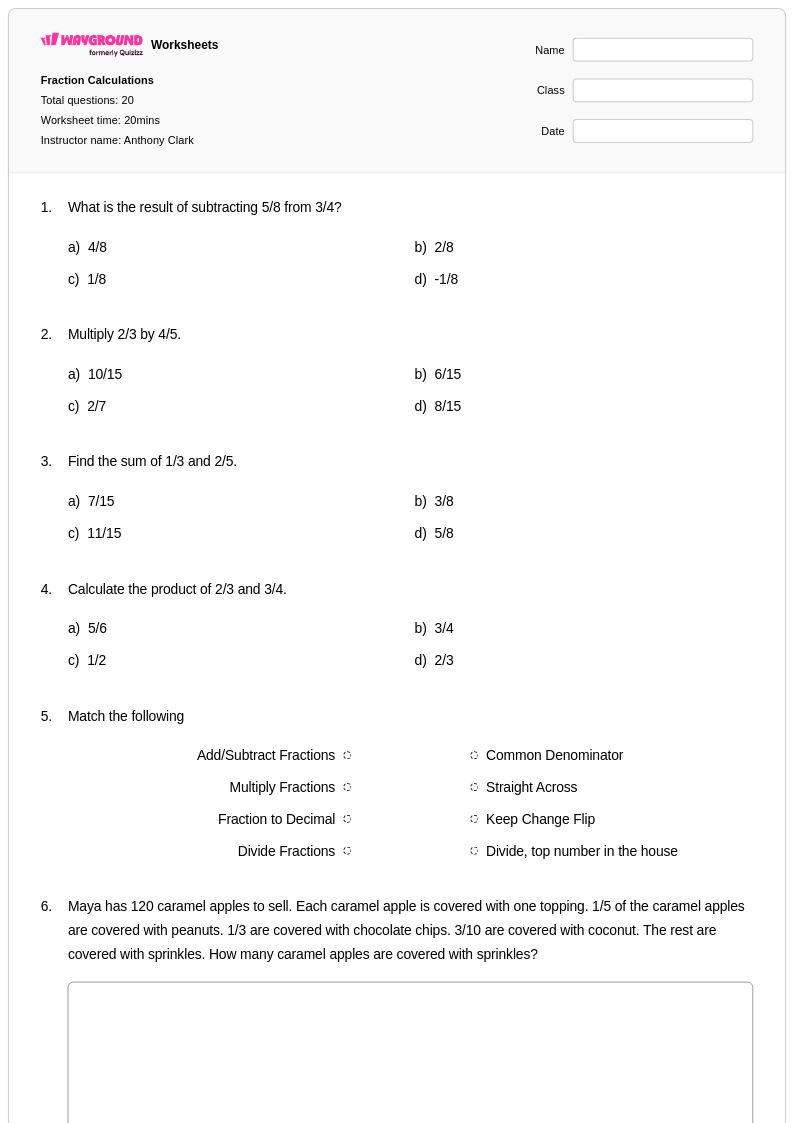
20 Q
6th - Uni
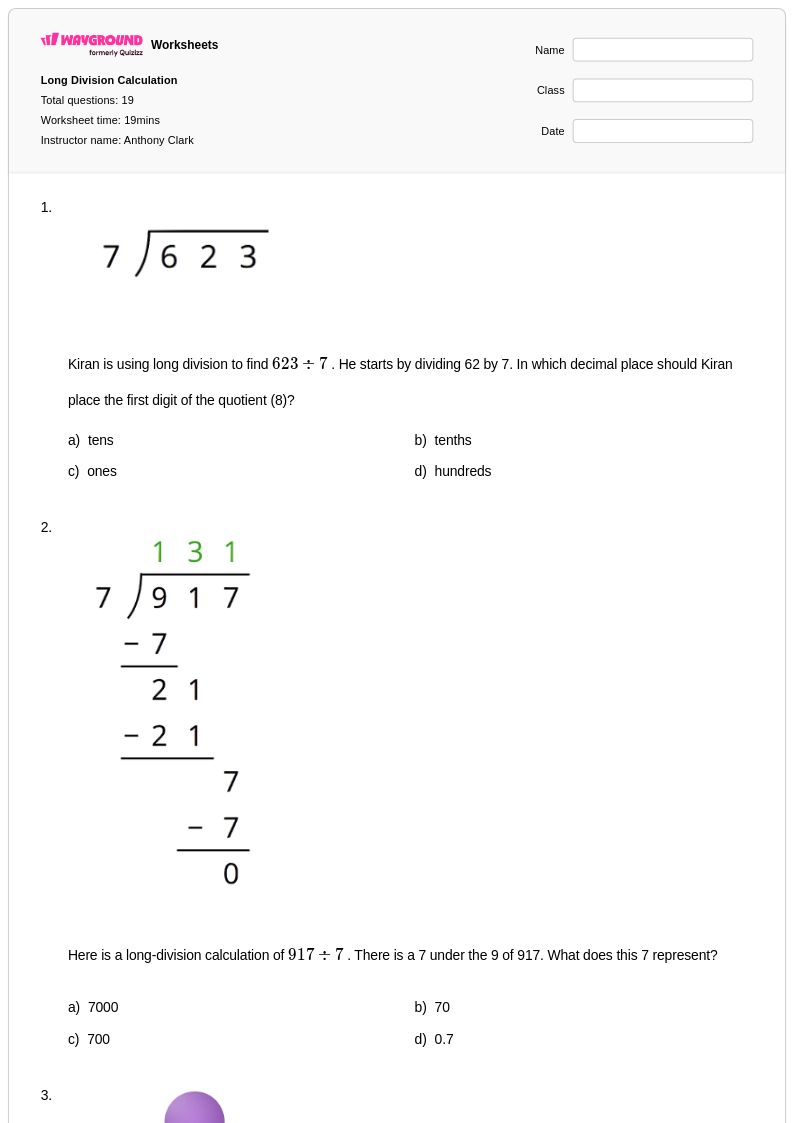
19 Q
4th - Uni
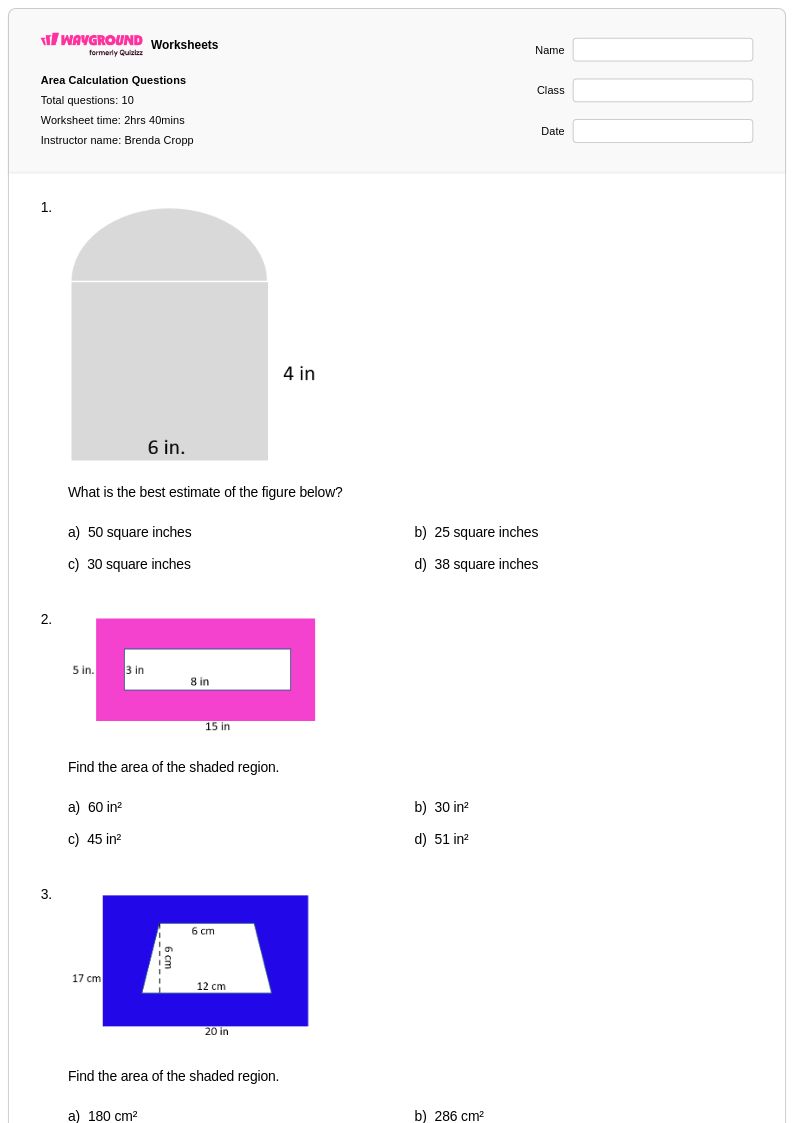
10 Q
7th - Uni
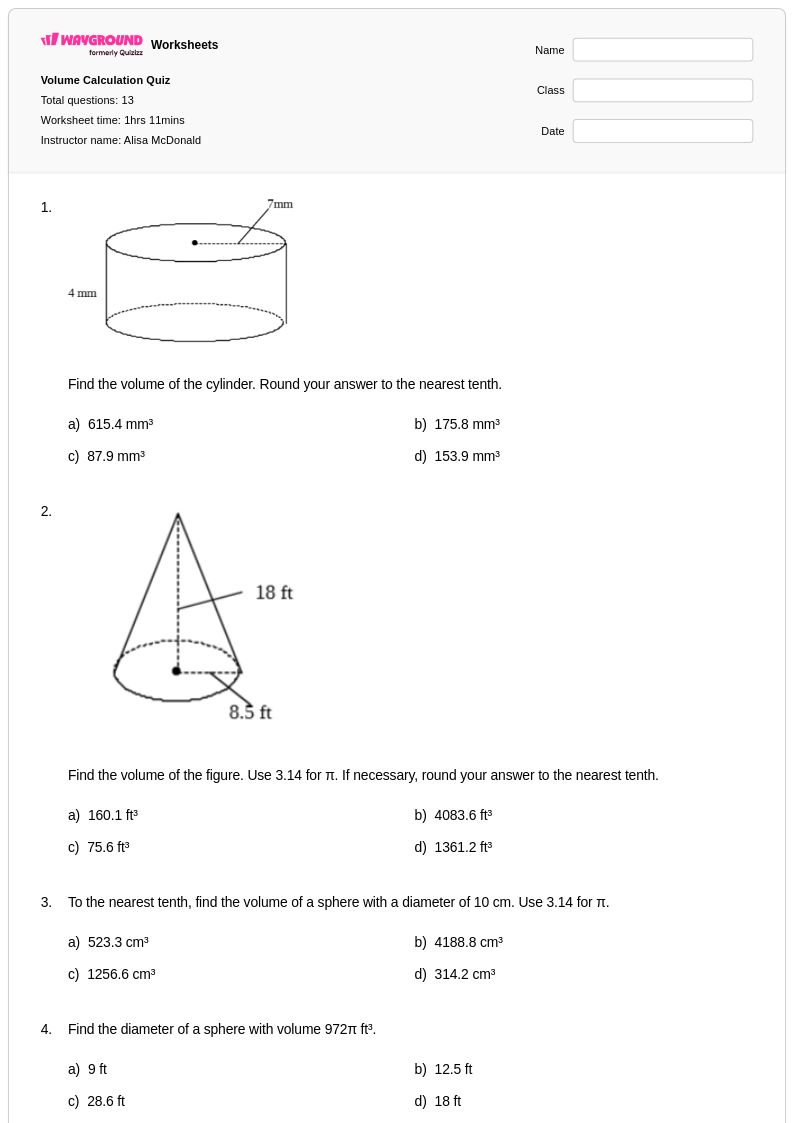
13 Q
8th - Uni
10 Q
9th - 12th
19 Q
5th - Uni
24 Q
9th - 12th
17 Q
9th
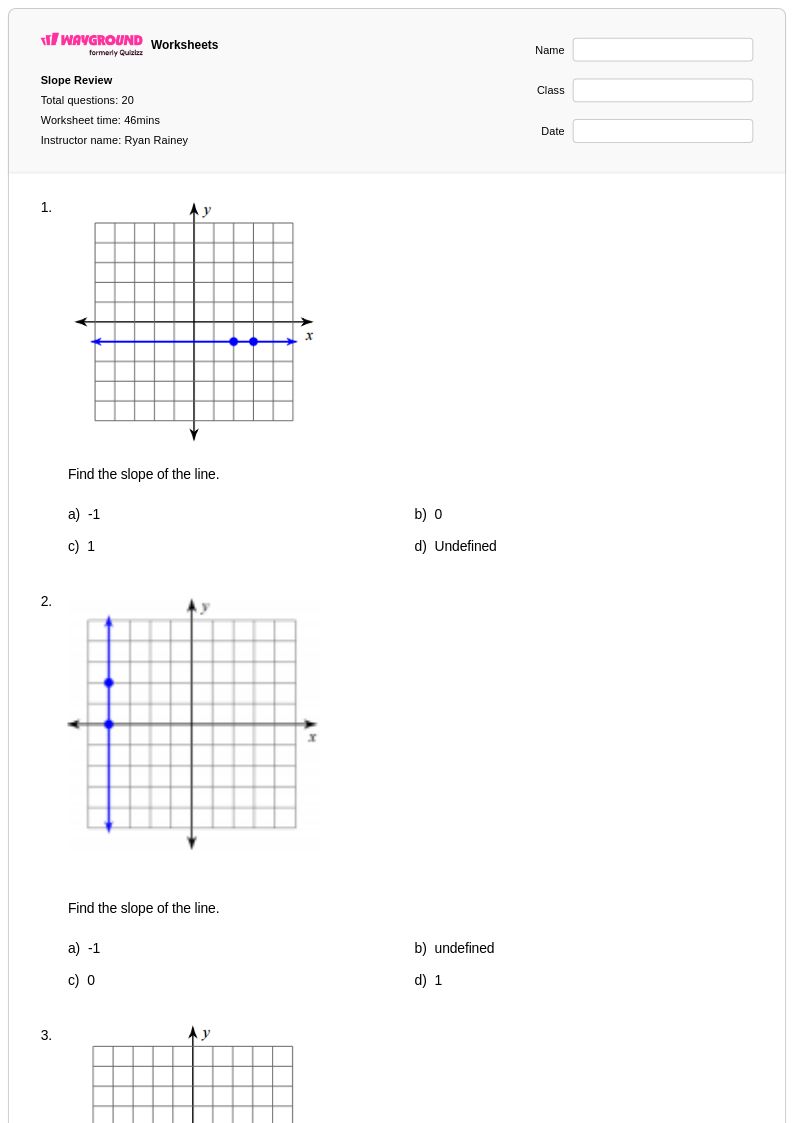
20 Q
8th - 9th
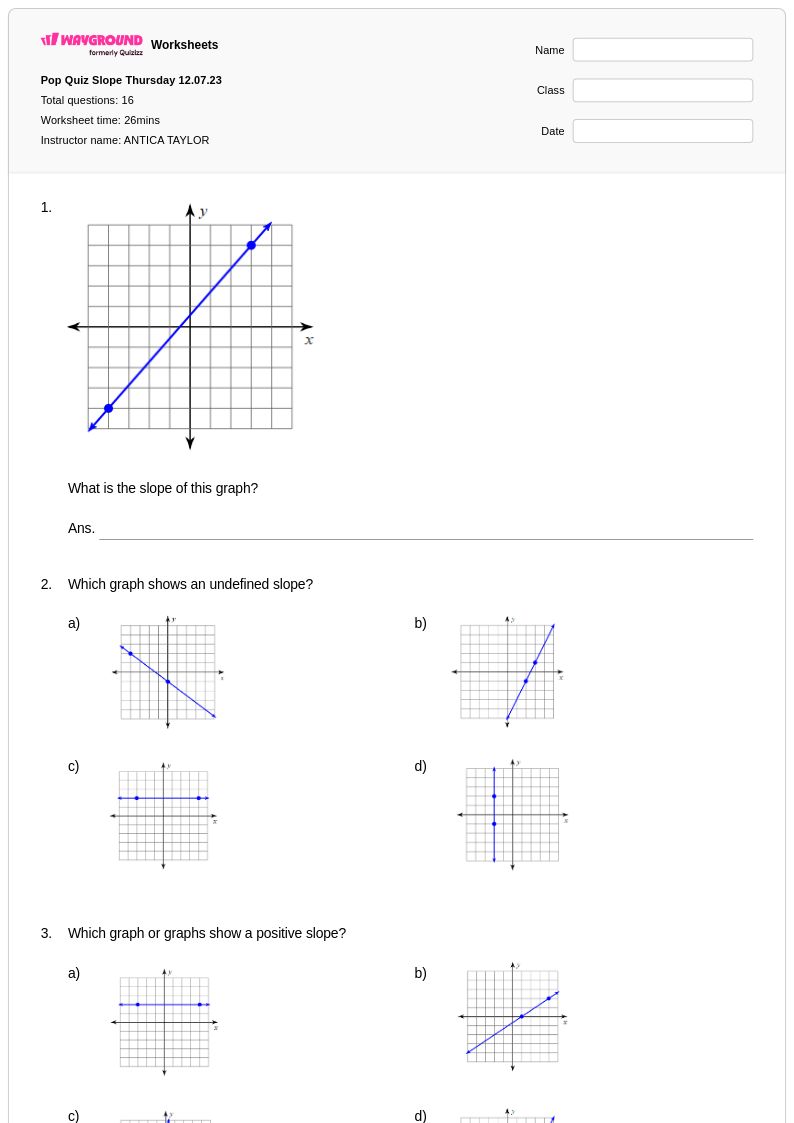
16 Q
9th
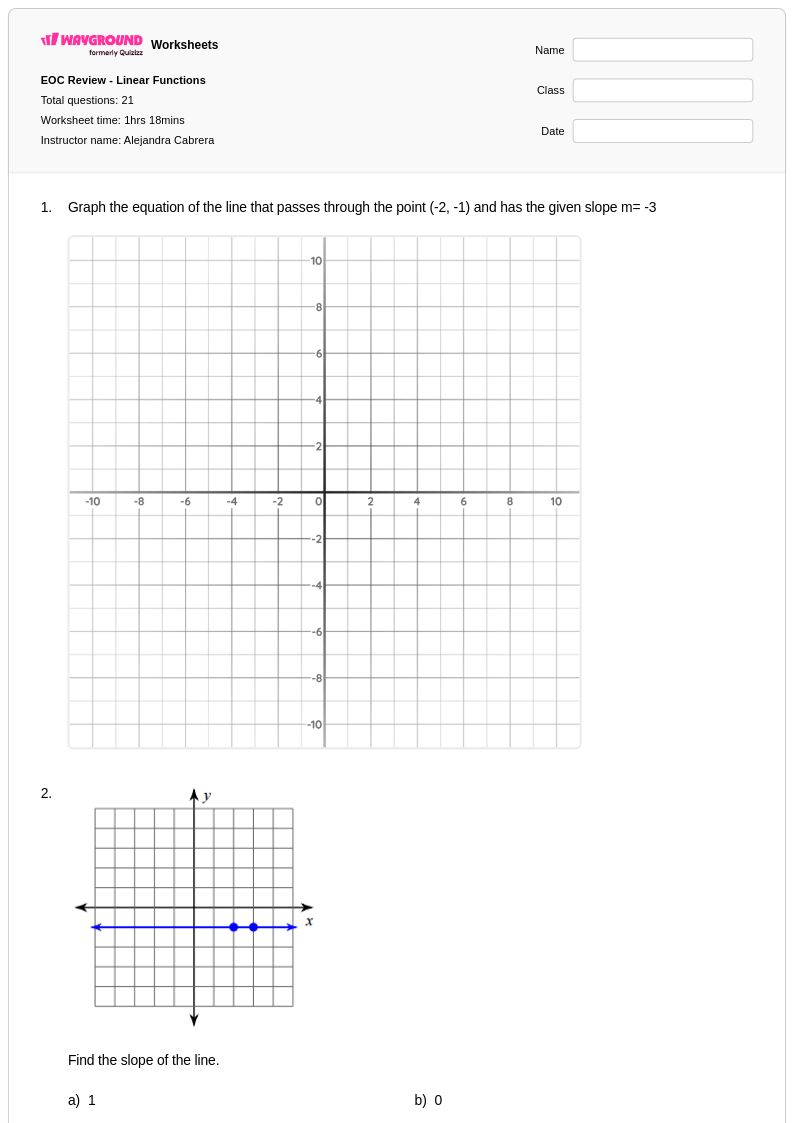
21 Q
9th
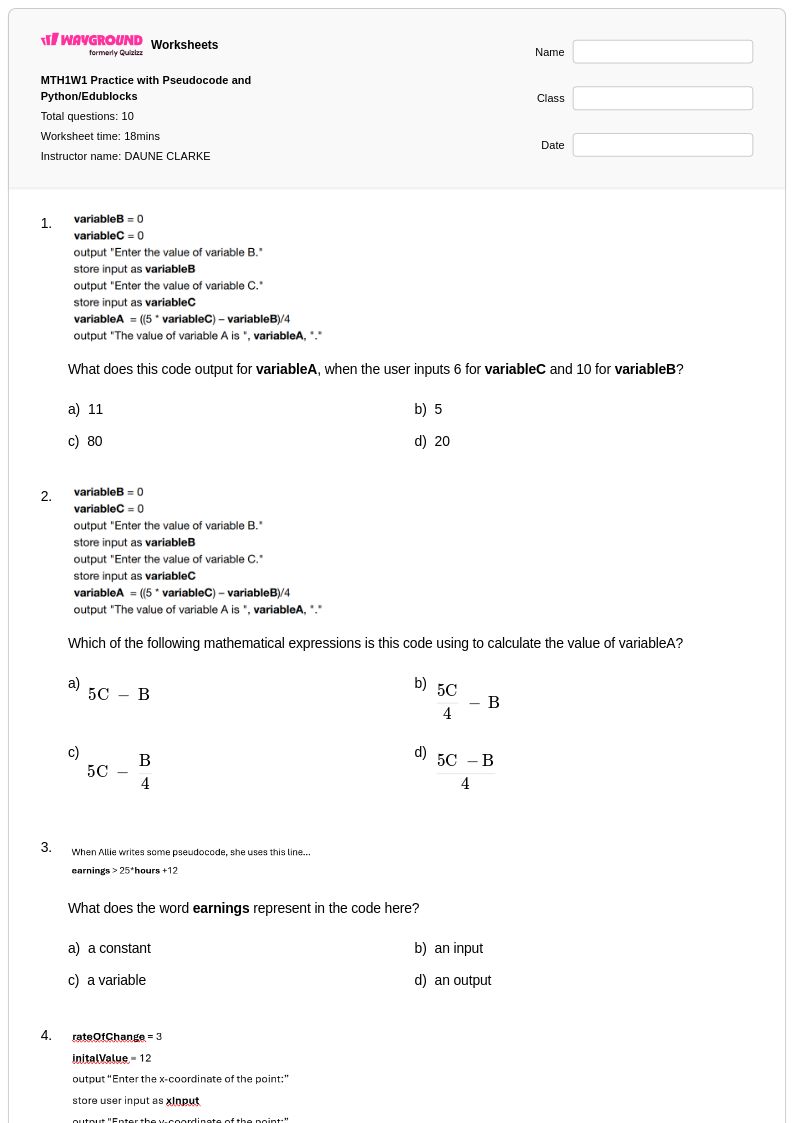
10 Q
9th
16 Q
9th - 12th
20 Q
9th - Uni
18 Q
4th - Uni
20 Q
9th - Uni
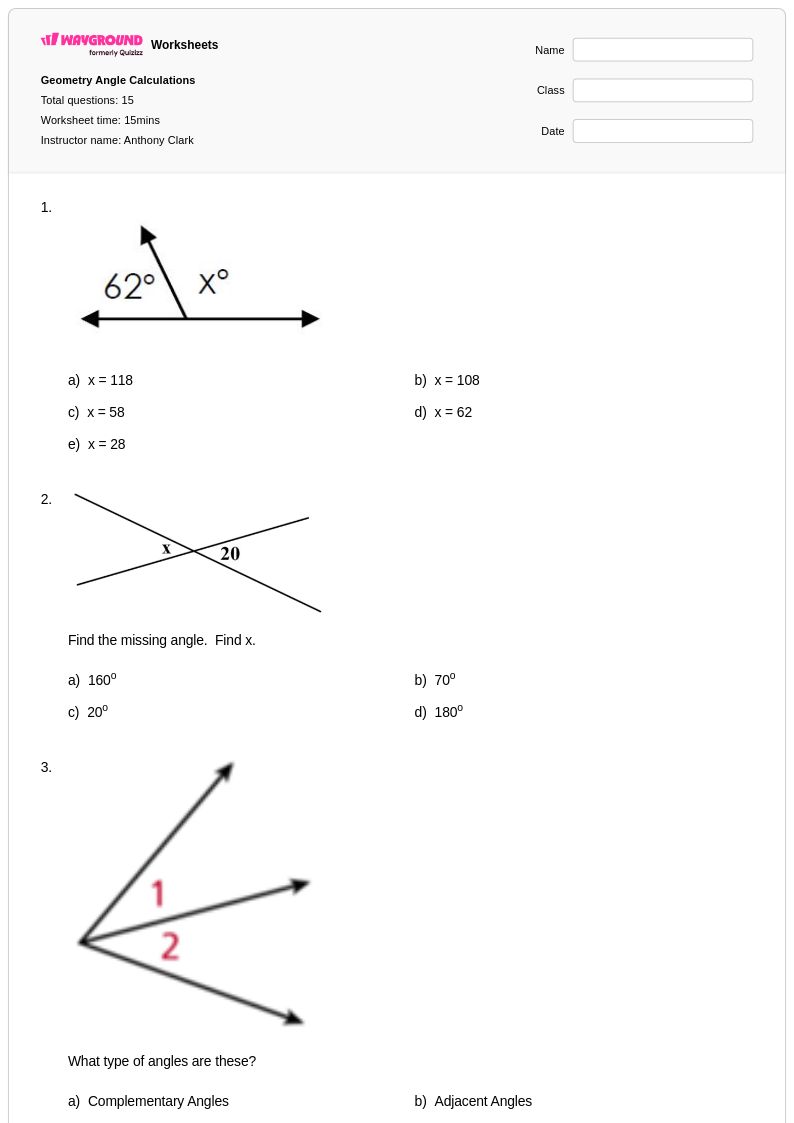
15 Q
9th - Uni
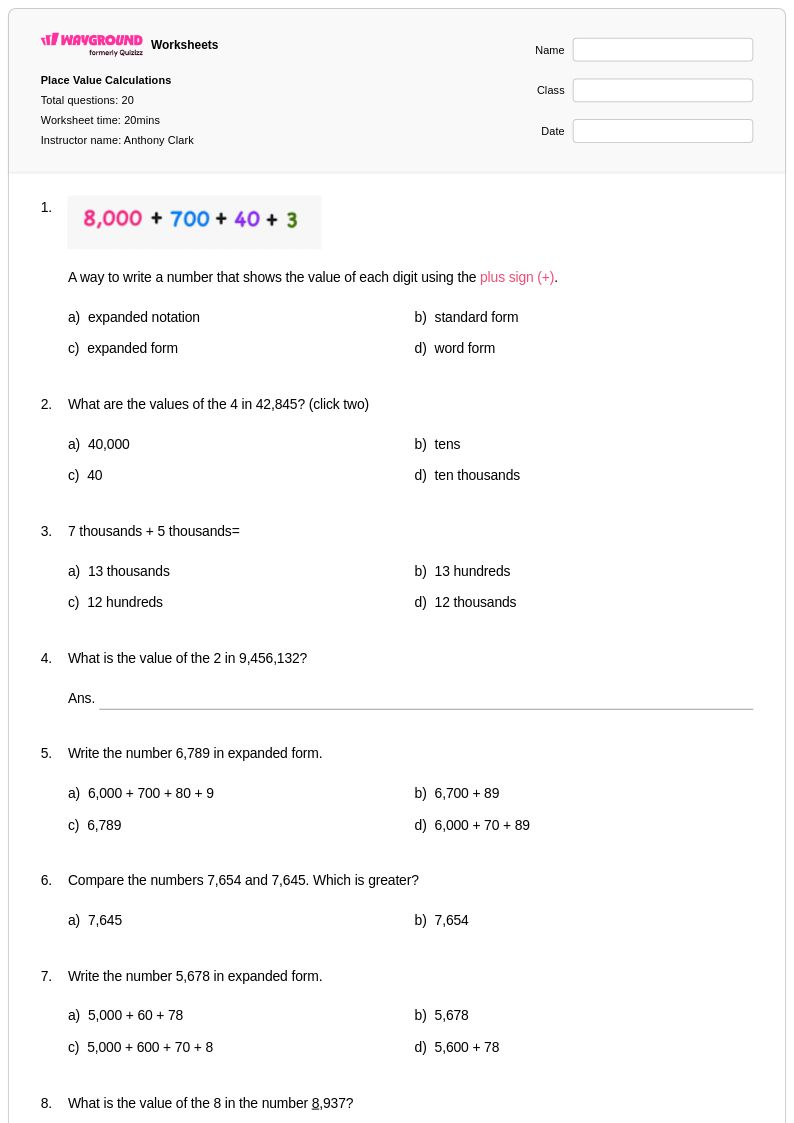
20 Q
4th - Uni
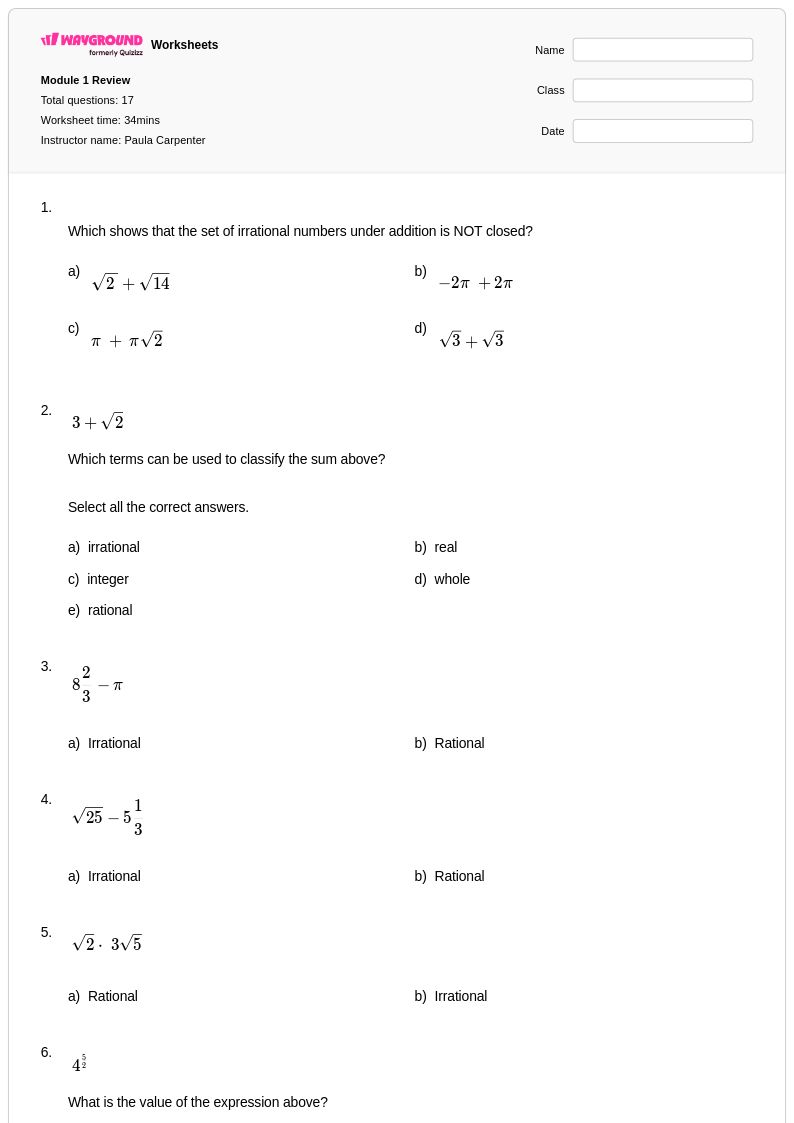
17 Q
9th
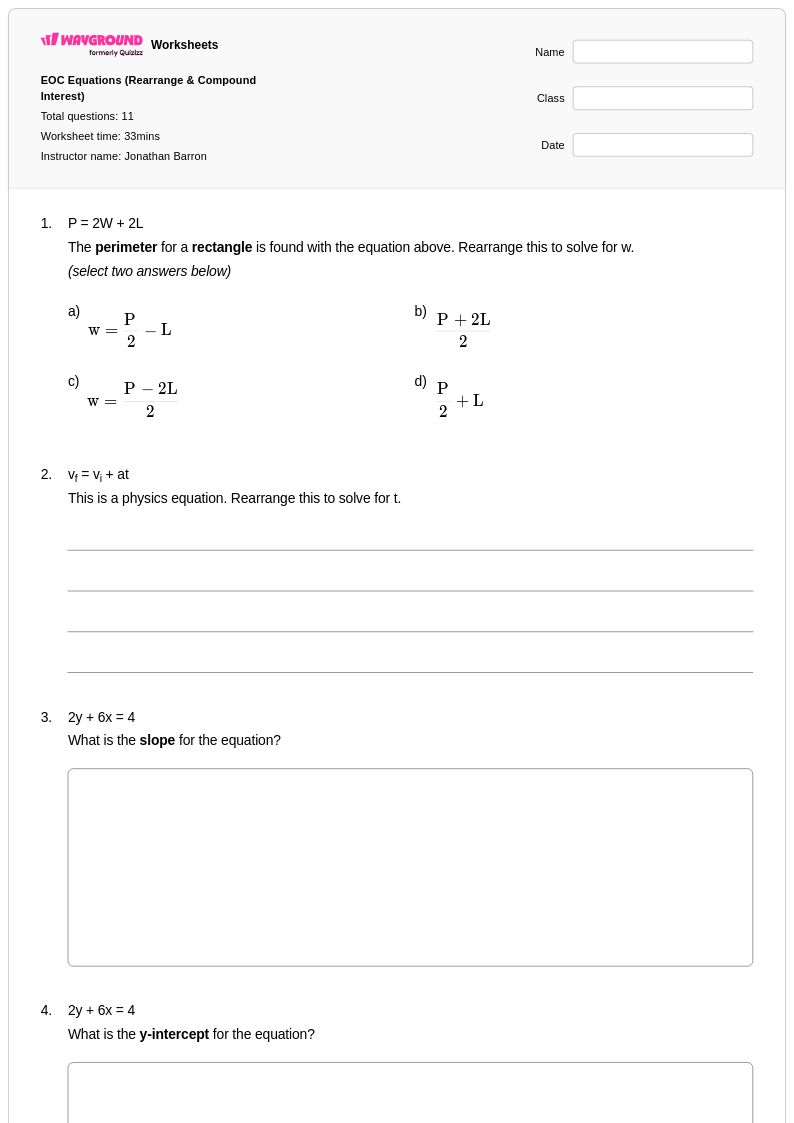
11 Q
9th
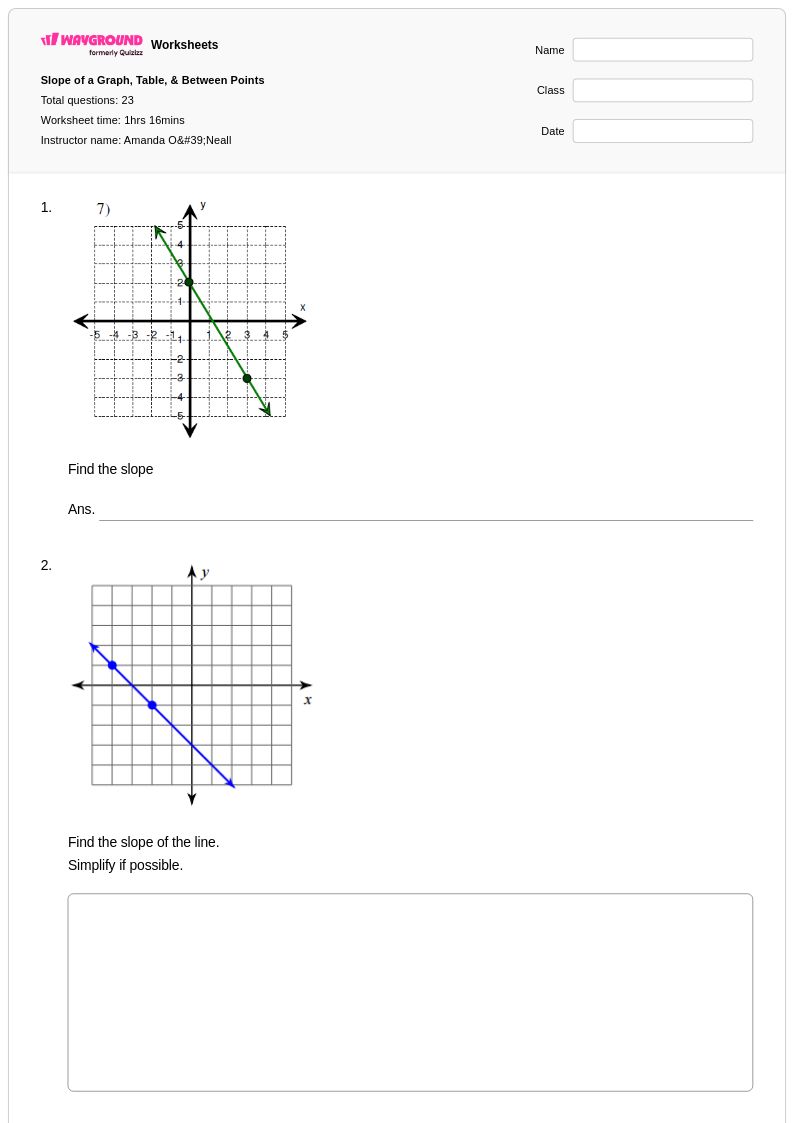
23 Q
8th - 9th
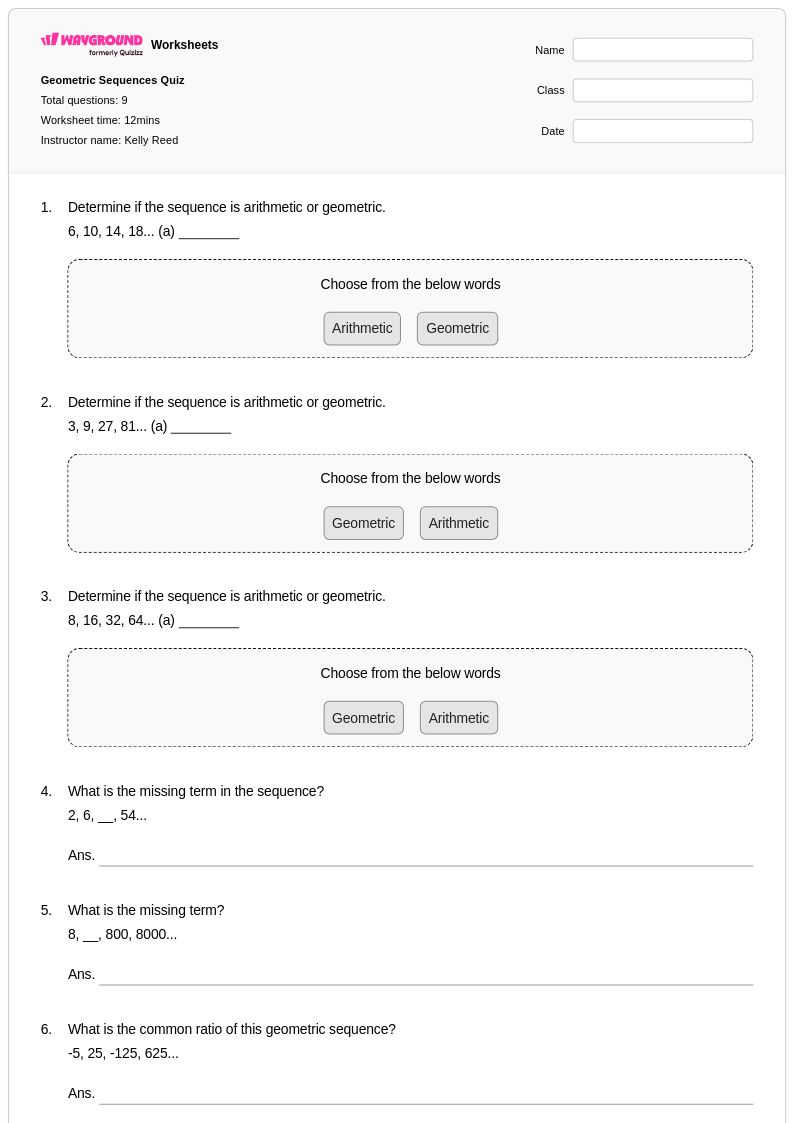
9 Q
9th
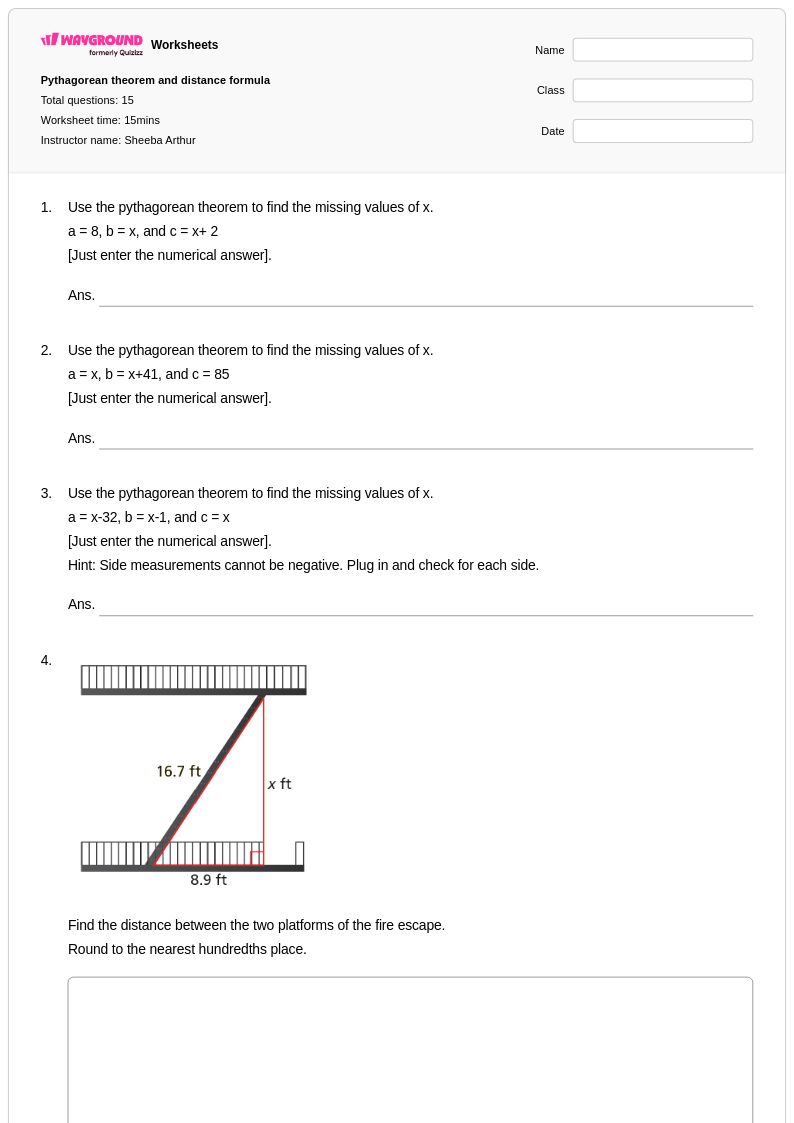
15 Q
9th
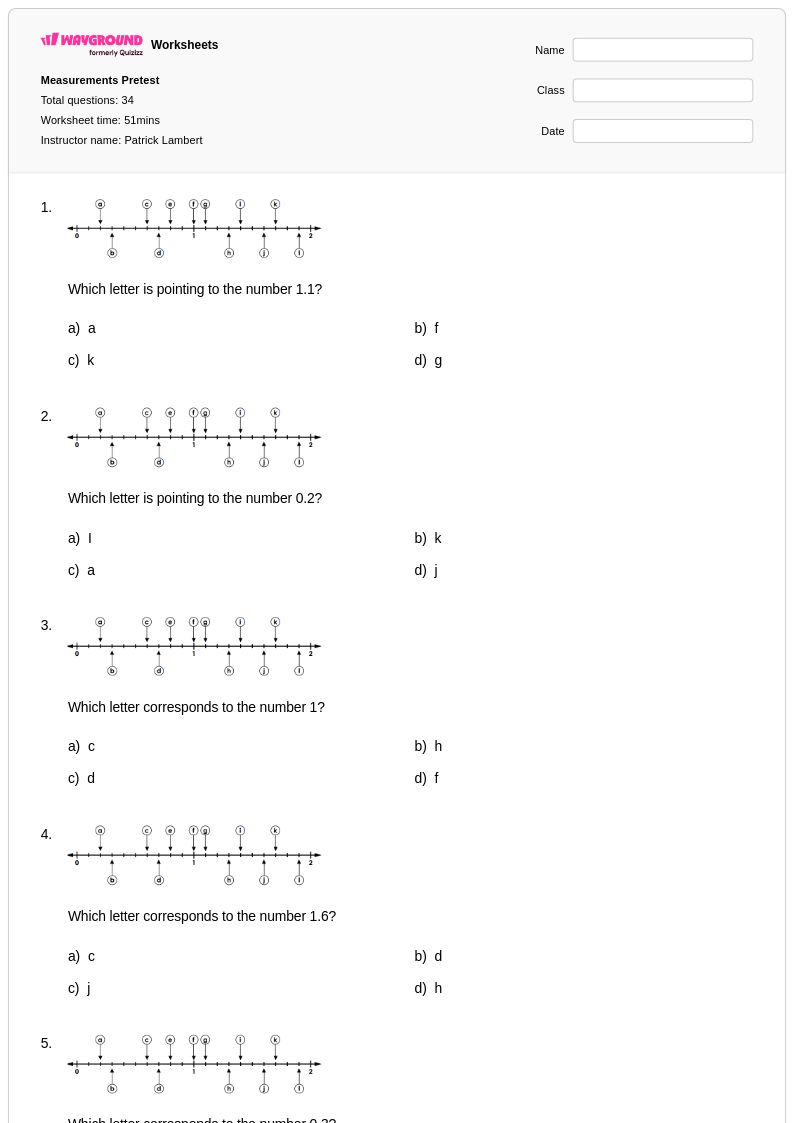
34 Q
9th
Explore Reconstitution Calculation Worksheets by Grades
Explore Other Subject Worksheets for grade 9
Explore printable Reconstitution Calculation worksheets for Grade 9
Grade 9 reconstitution calculation worksheets available through Wayground (formerly Quizizz) provide essential practice for students learning to determine proper concentrations when diluting solutions or preparing medications from concentrated forms. These comprehensive worksheets strengthen critical mathematical skills including ratio and proportion calculations, unit conversions, and percentage-based problem solving that form the foundation of pharmaceutical and laboratory mathematics. Students work through systematic practice problems that require them to calculate final volumes, determine dilution factors, and verify concentration accuracy using cross-multiplication and algebraic methods. Each worksheet collection includes detailed answer keys and step-by-step solution guides, with free printable pdf formats that allow teachers to seamlessly integrate reconstitution practice into classroom instruction and homework assignments.
Wayground (formerly Quizizz) supports mathematics educators with an extensive library of millions of teacher-created reconstitution calculation resources that can be easily customized to meet diverse Grade 9 learning needs. The platform's advanced search and filtering capabilities enable teachers to quickly locate worksheets aligned with specific mathematical standards and learning objectives, while built-in differentiation tools allow for seamless modification of problem complexity and scaffold support. These versatile worksheet collections are available in both printable pdf and interactive digital formats, providing flexibility for in-class practice, remote learning assignments, and individualized skill remediation. Teachers can efficiently plan targeted instruction sequences, create enrichment opportunities for advanced learners, and implement systematic skill-building progressions that ensure students master the precise calculation techniques required for accurate reconstitution problem solving.
FAQs
Why are reconstitution calculations taught in 9th grade?
How can I connect these calculations to career pathways?
What specific math skills do these Grade 9 worksheets practice?
What are common errors in these advanced reconstitution problems?
How do these worksheets align with high school math standards?
How can I use this worksheet with my 9th-grade students?
How can I support struggling students with this topic?