Free Printable Sbar Communication Worksheets for Kindergarten
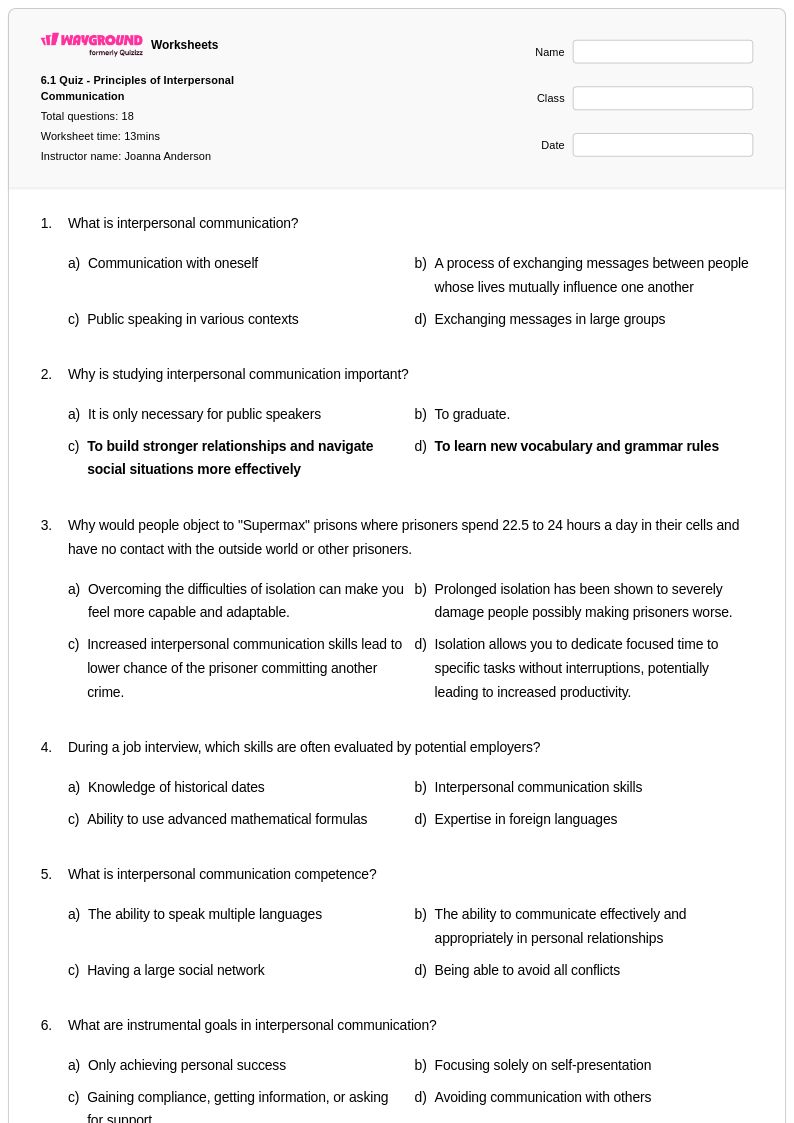
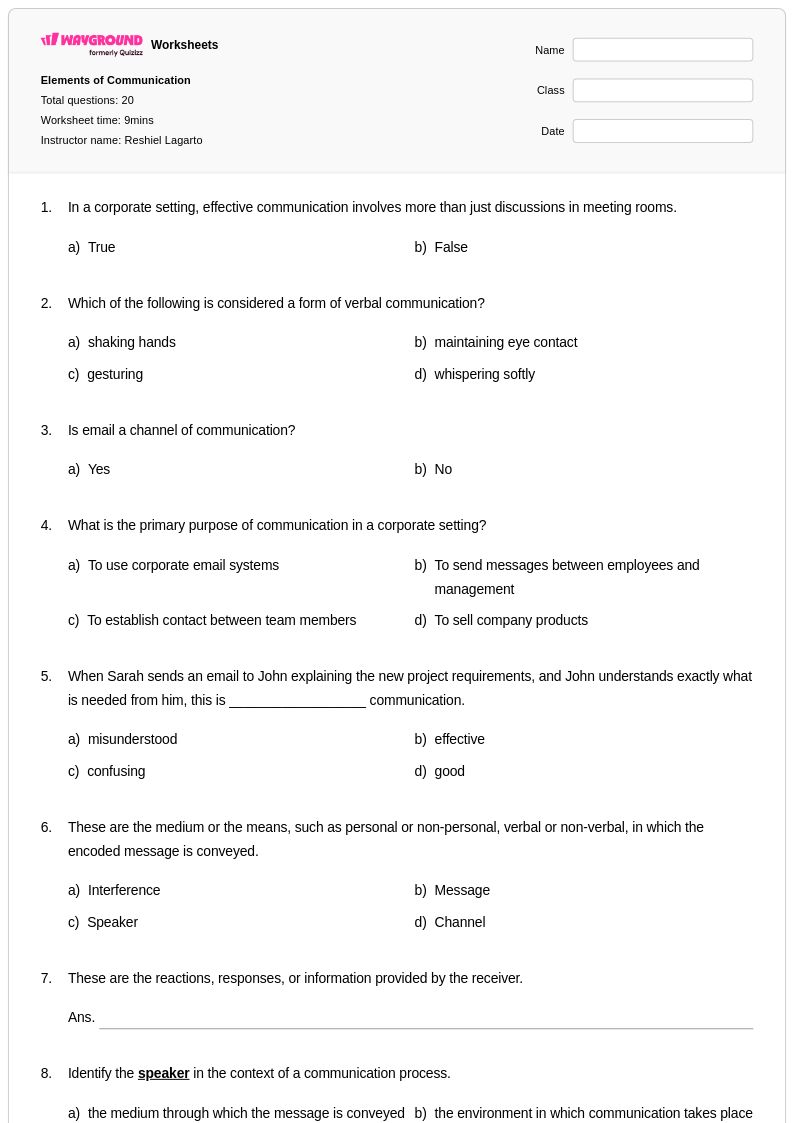
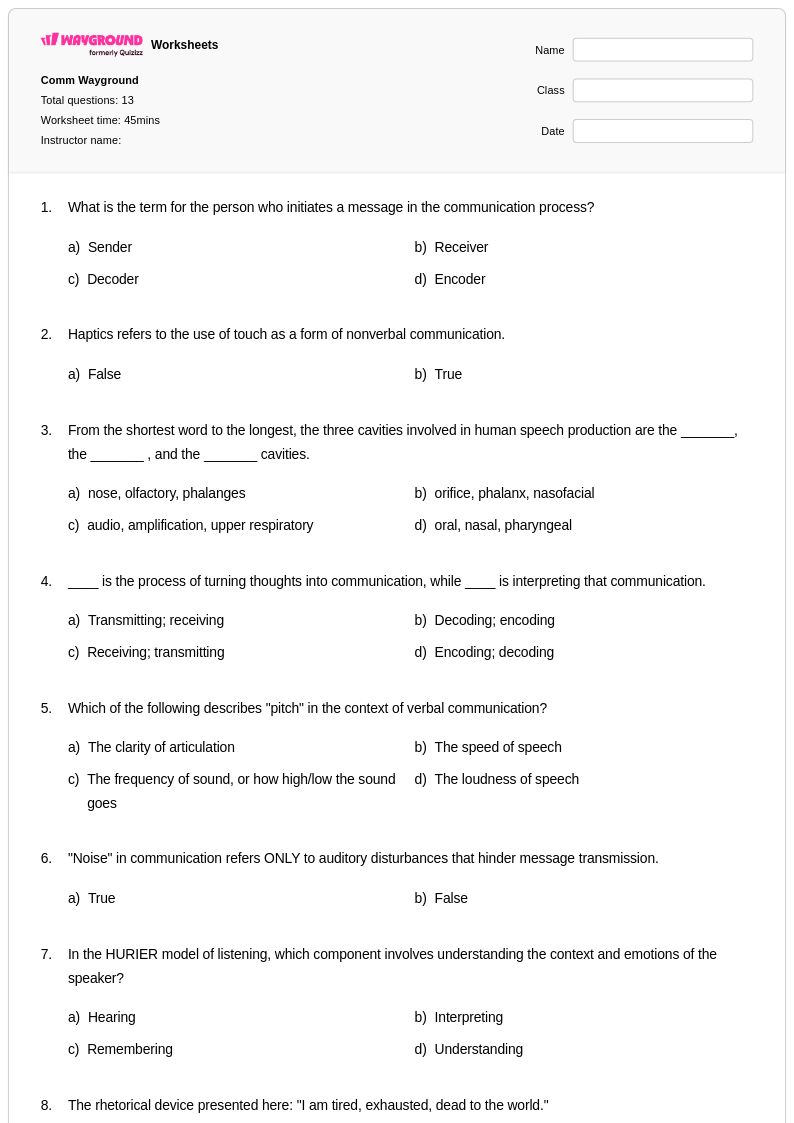
Kindergarten SBAR Communication worksheets from Wayground help young learners practice structured communication skills through engaging printables, free practice problems, and comprehensive answer keys in downloadable PDF format.
Explore printable Sbar Communication worksheets for Kindergarten
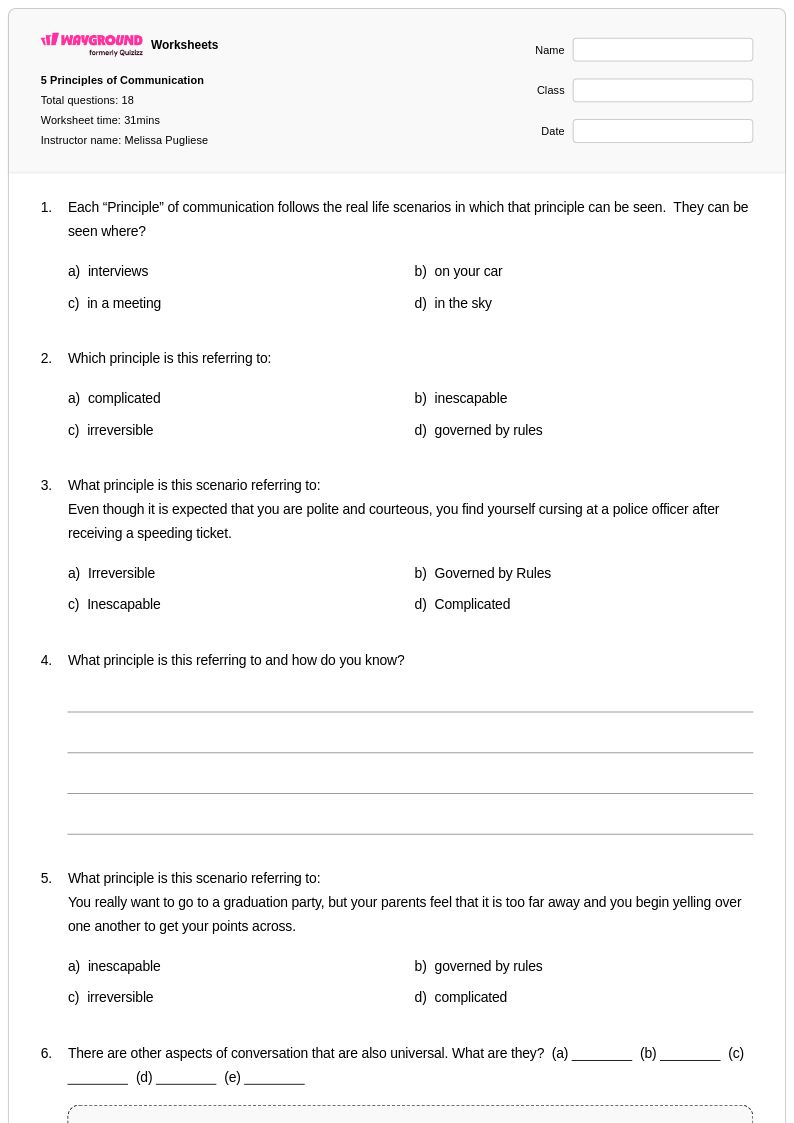
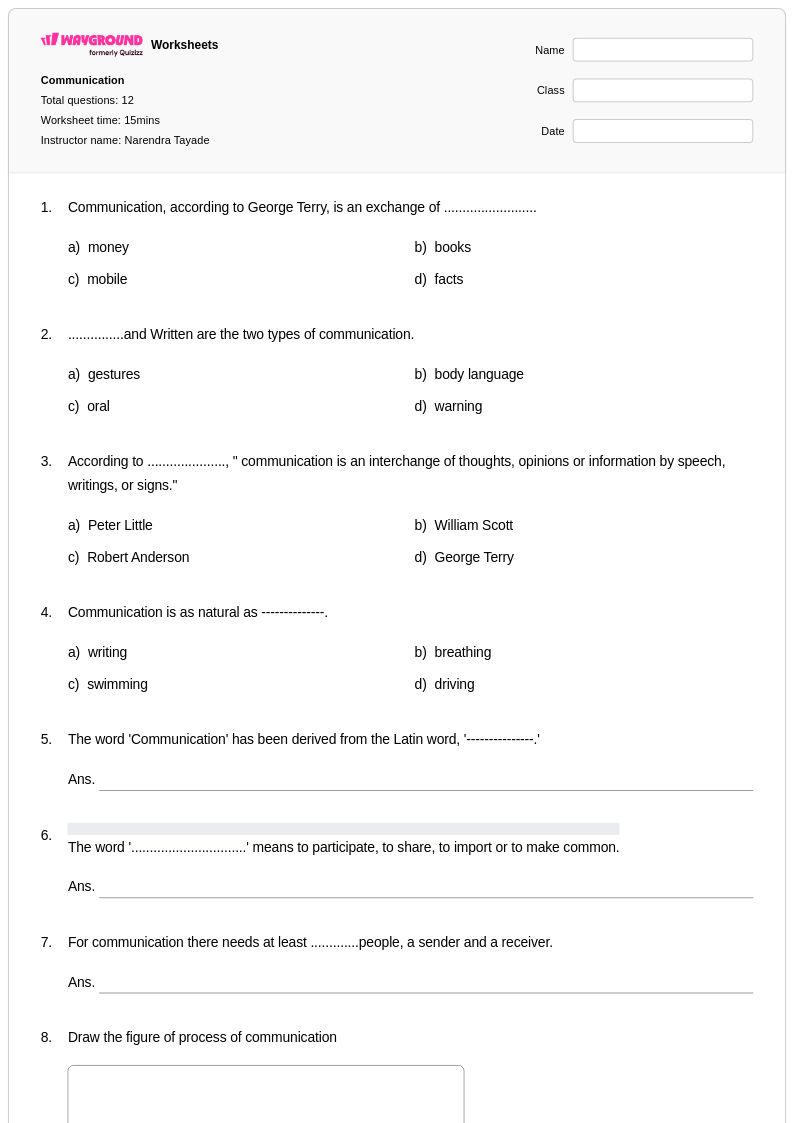
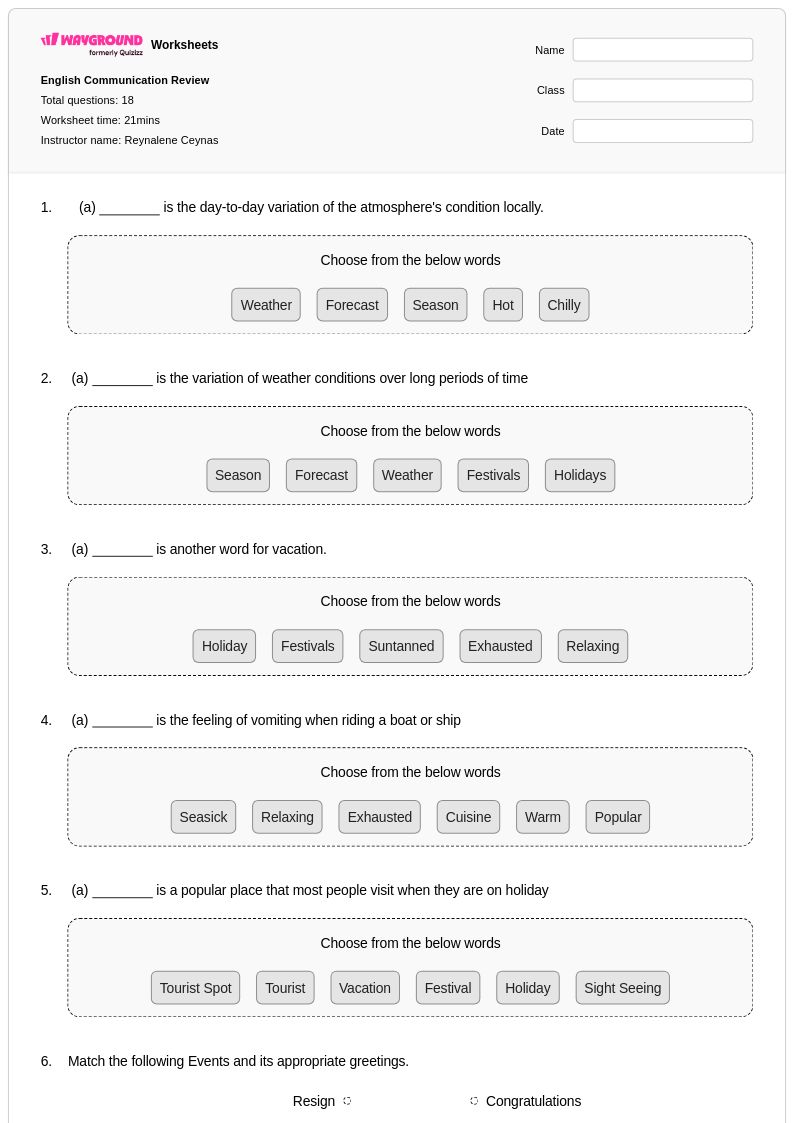
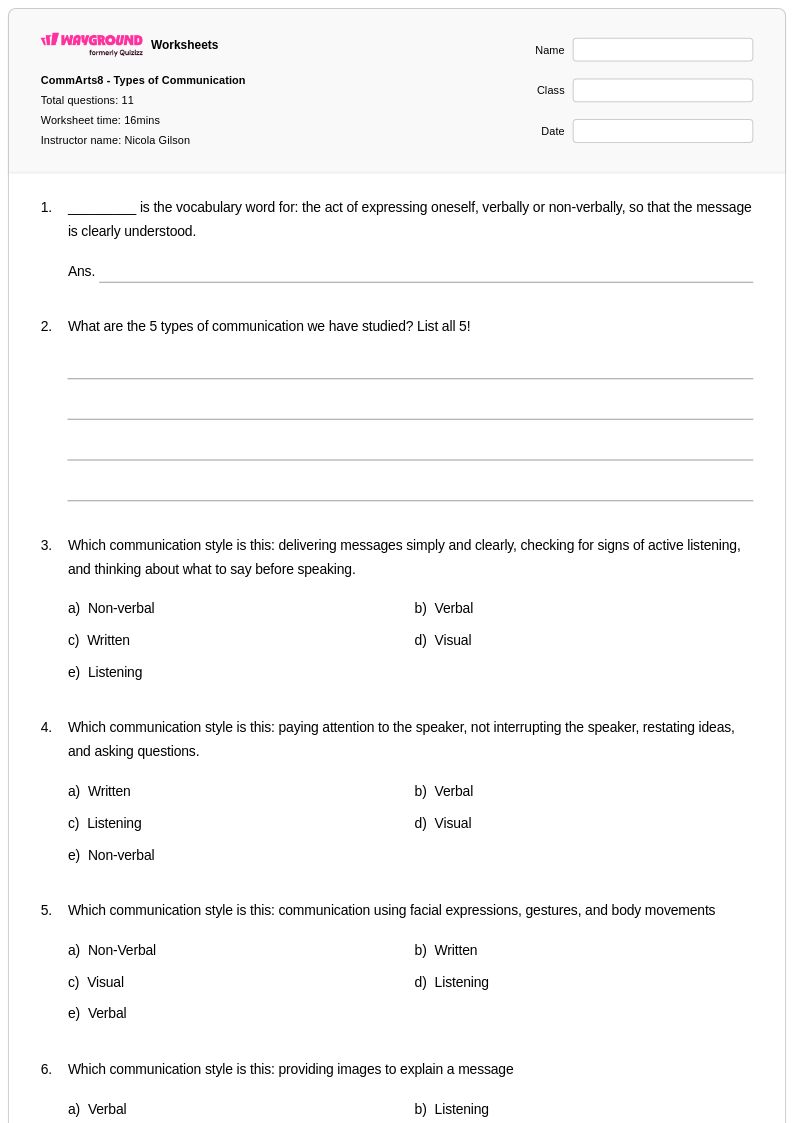
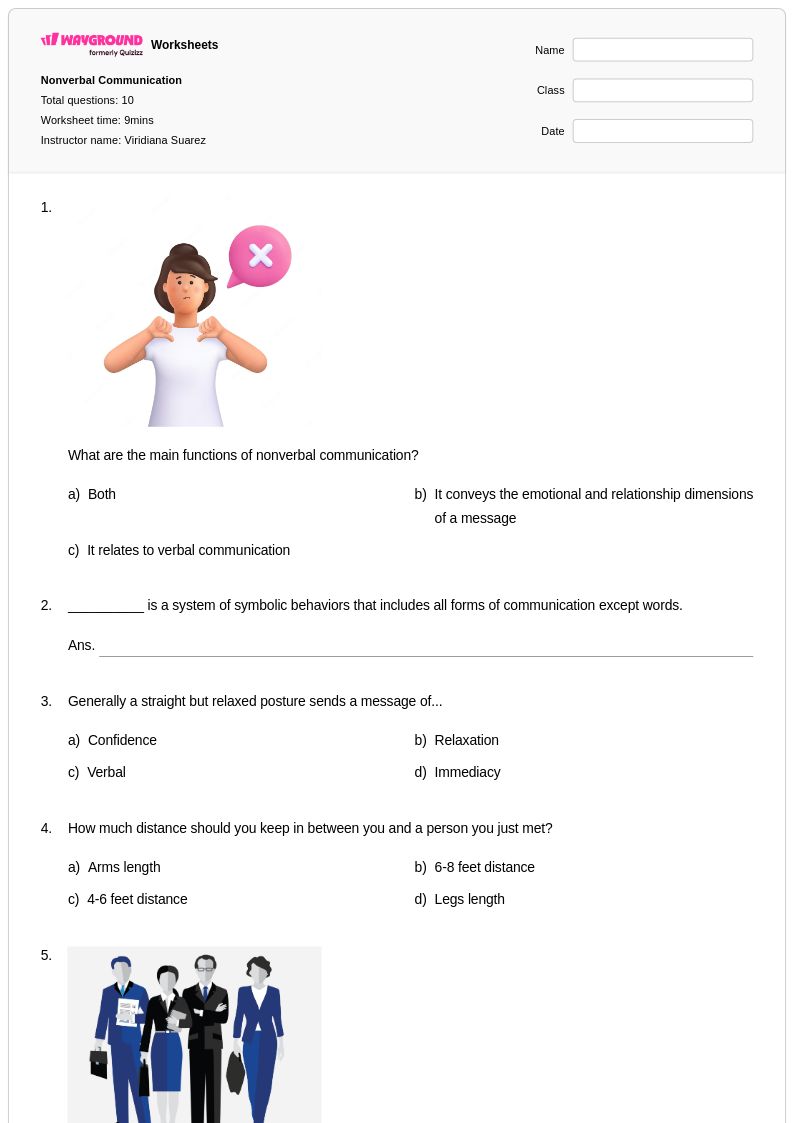
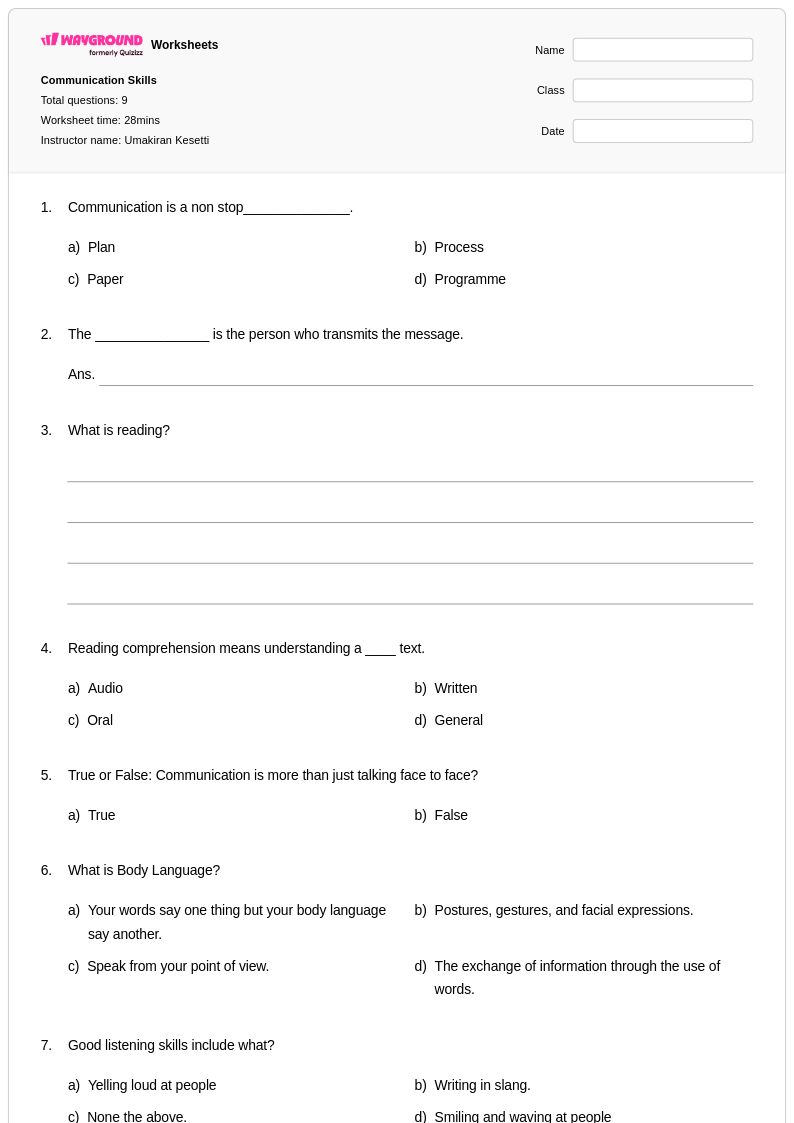
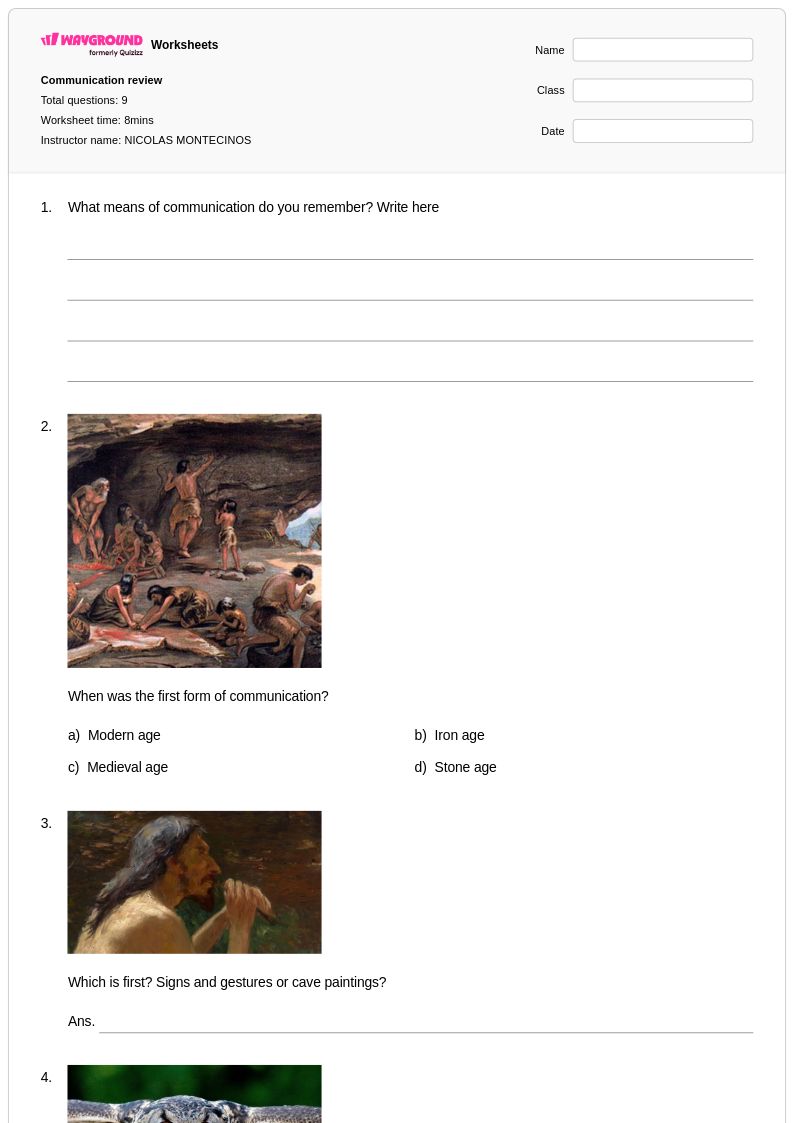
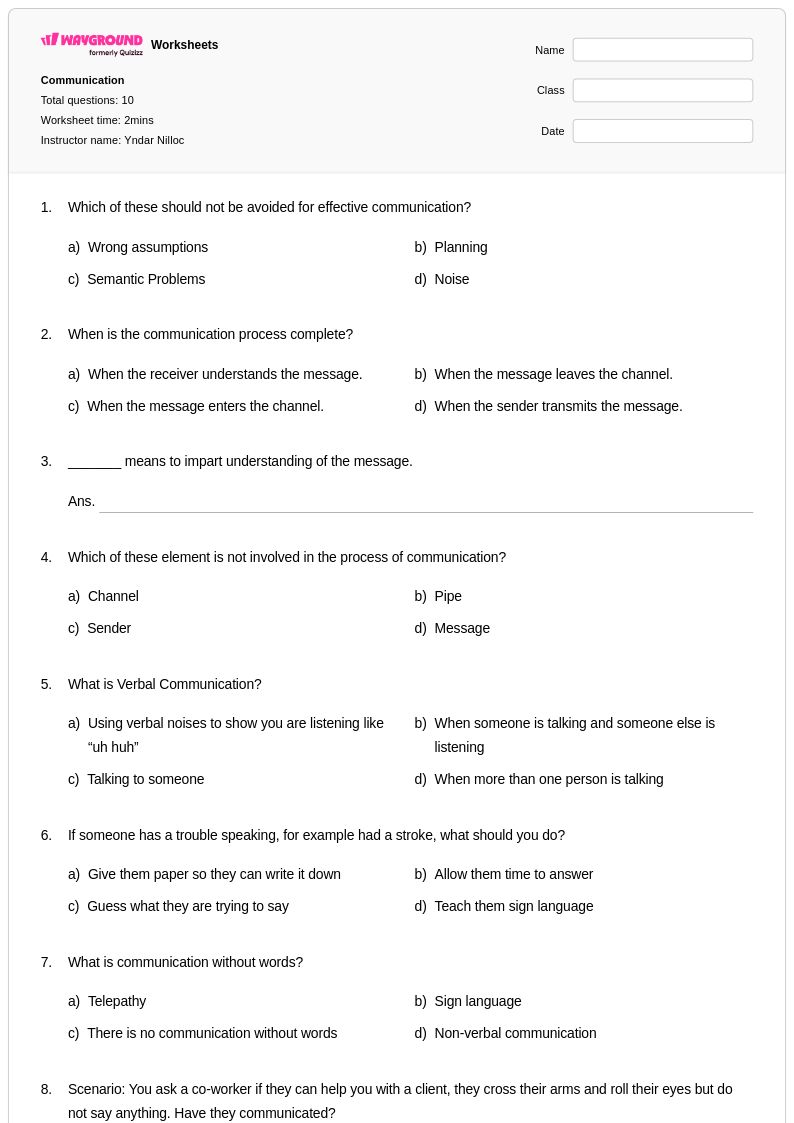
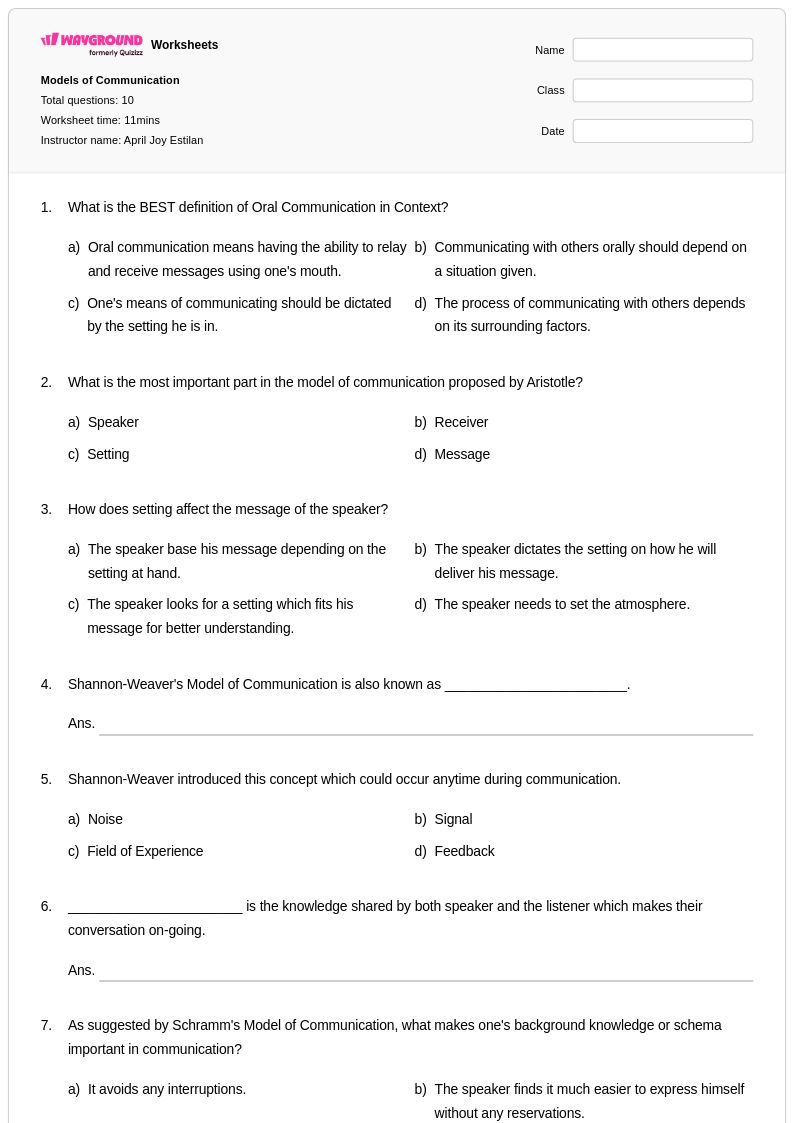
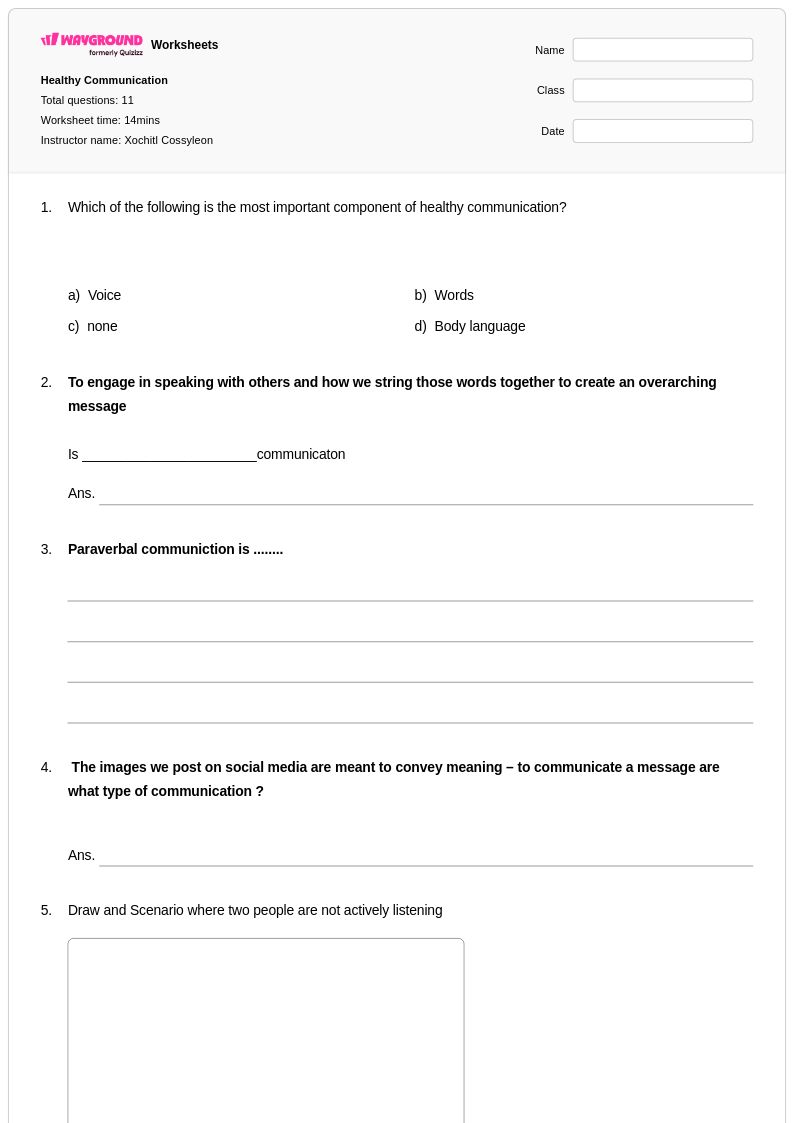
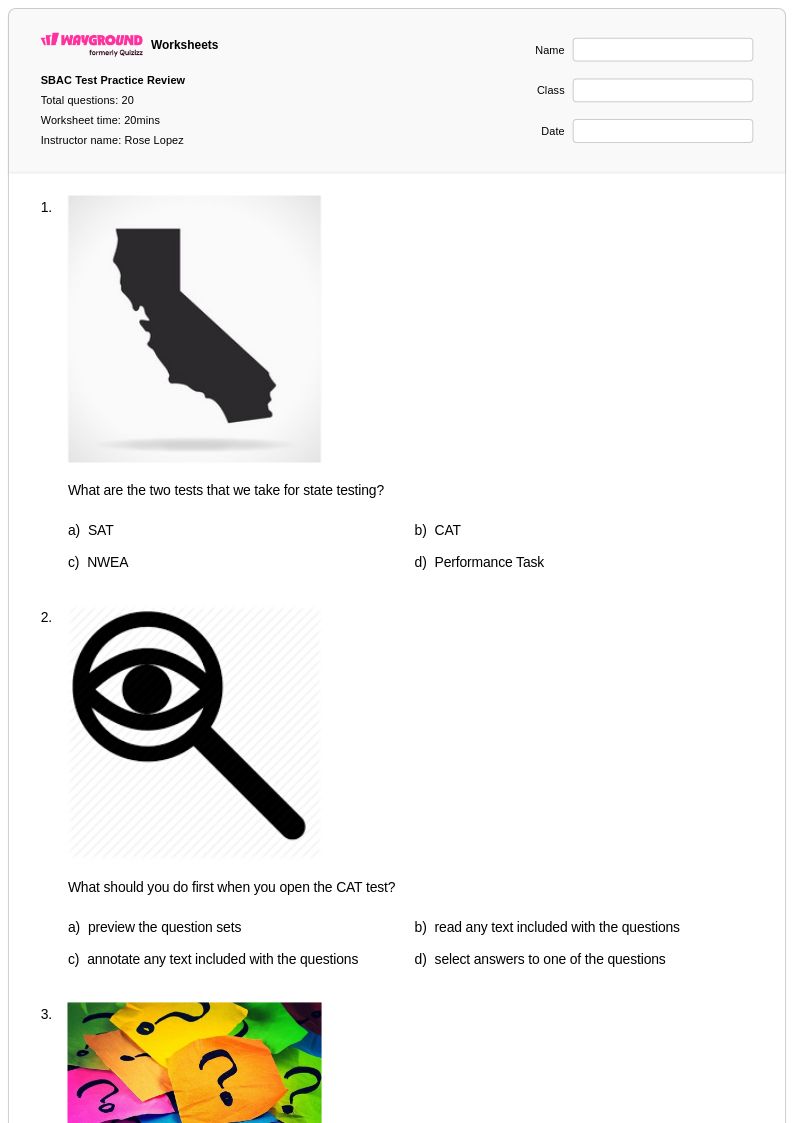
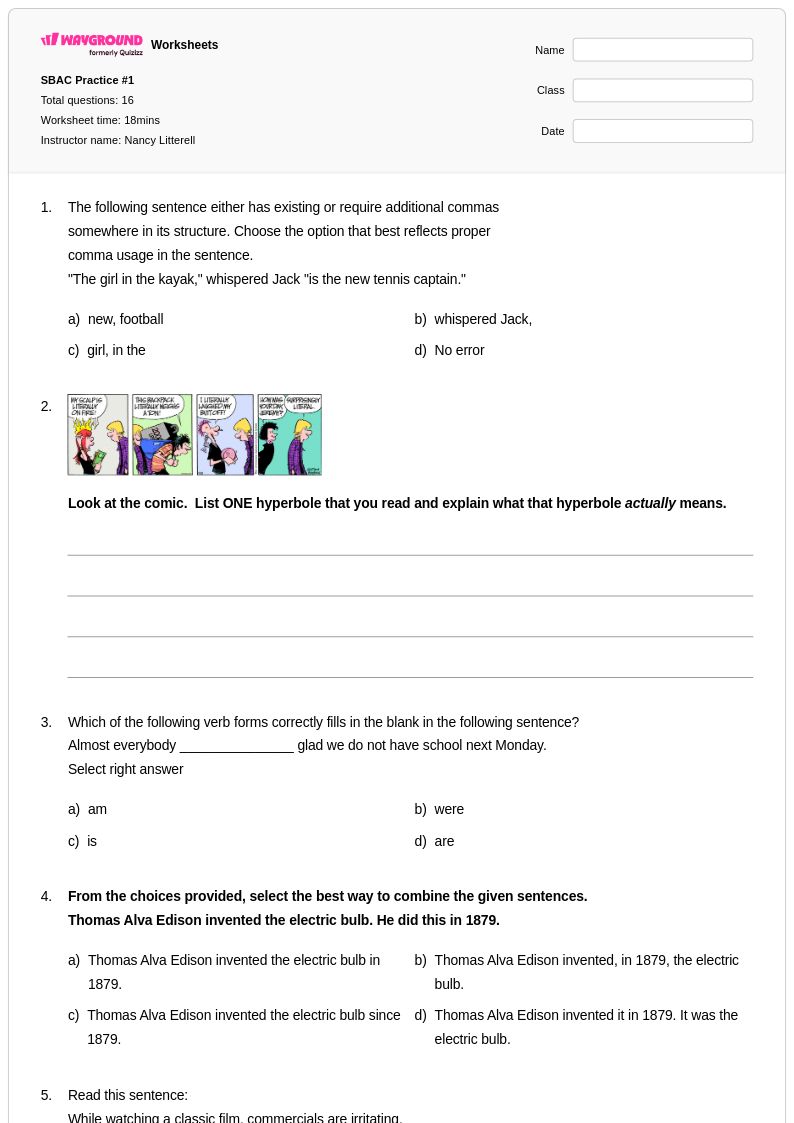
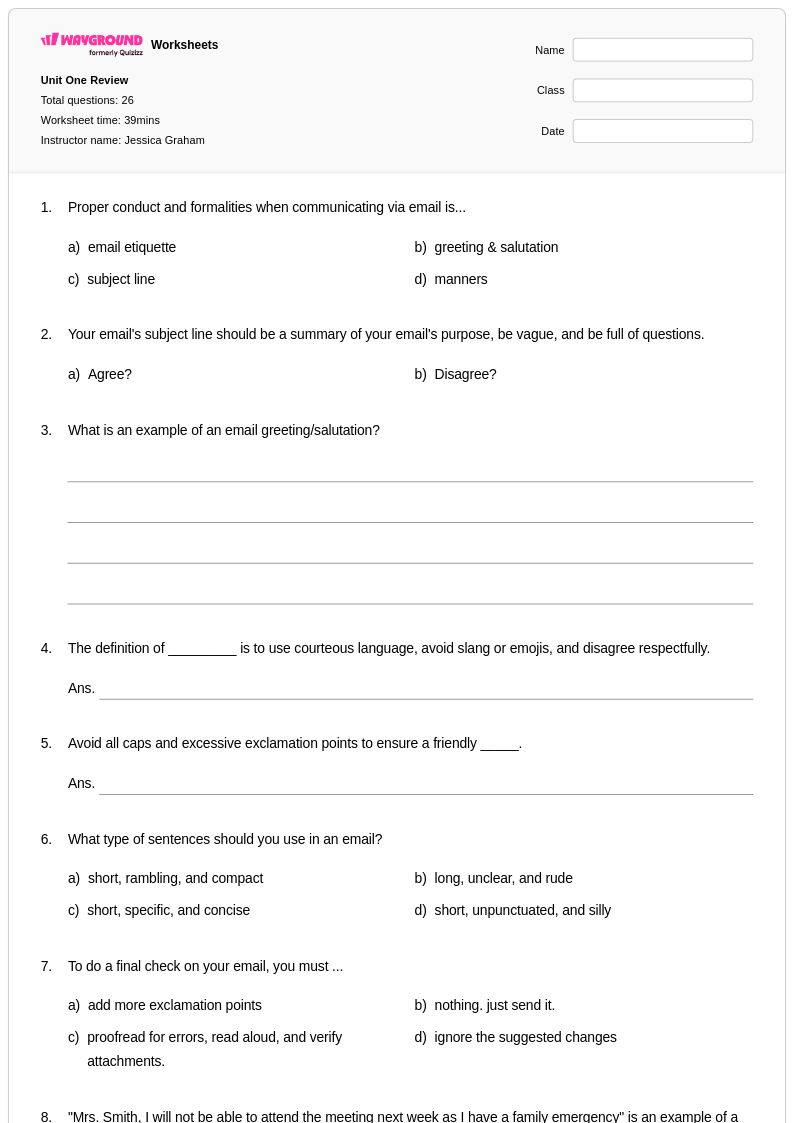
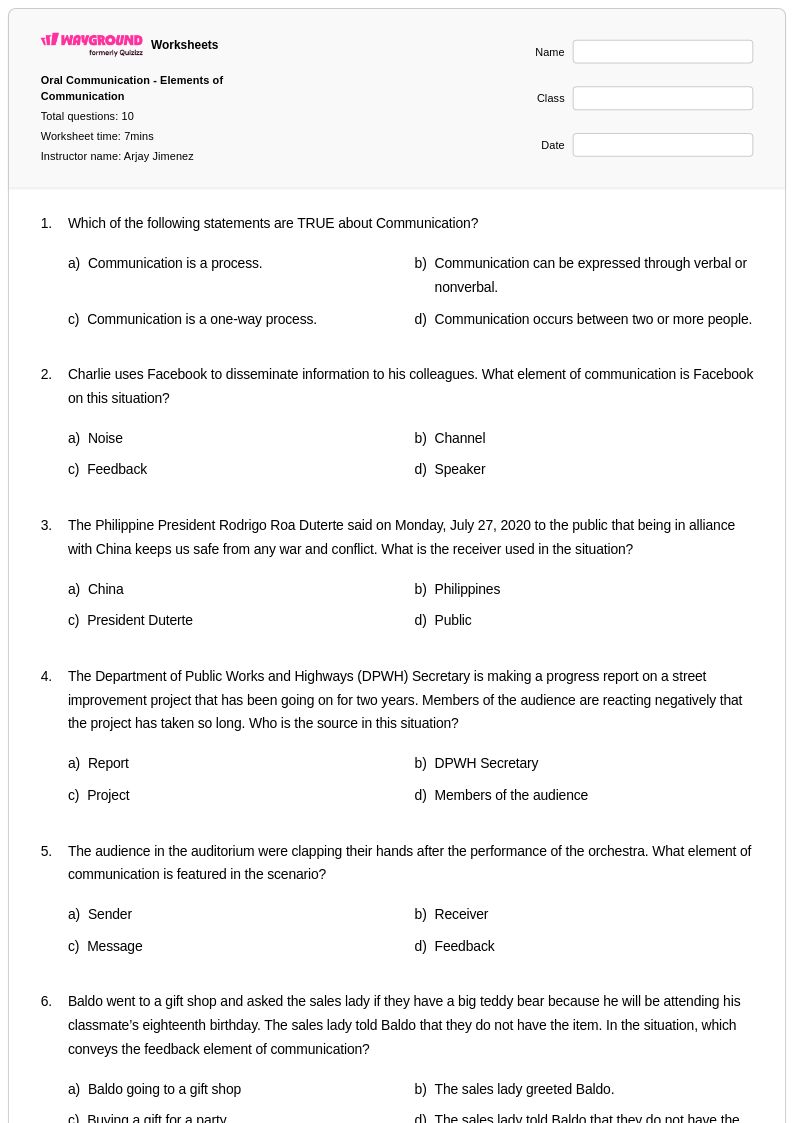
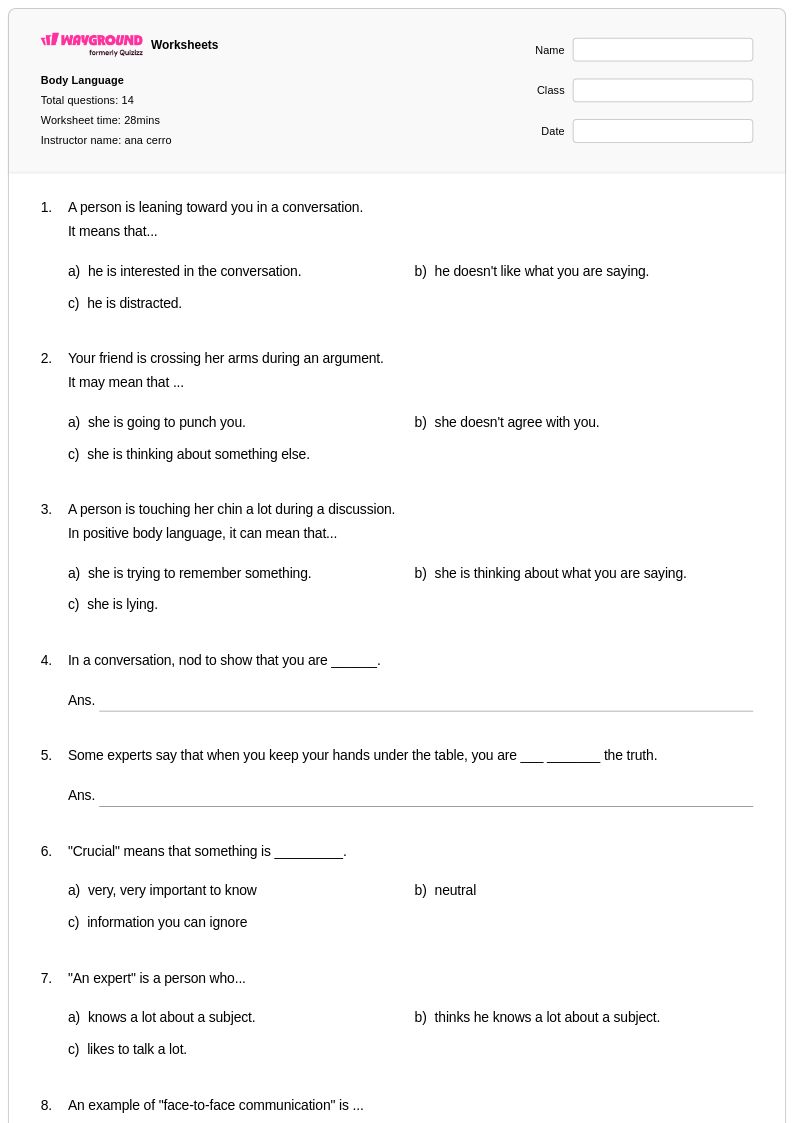
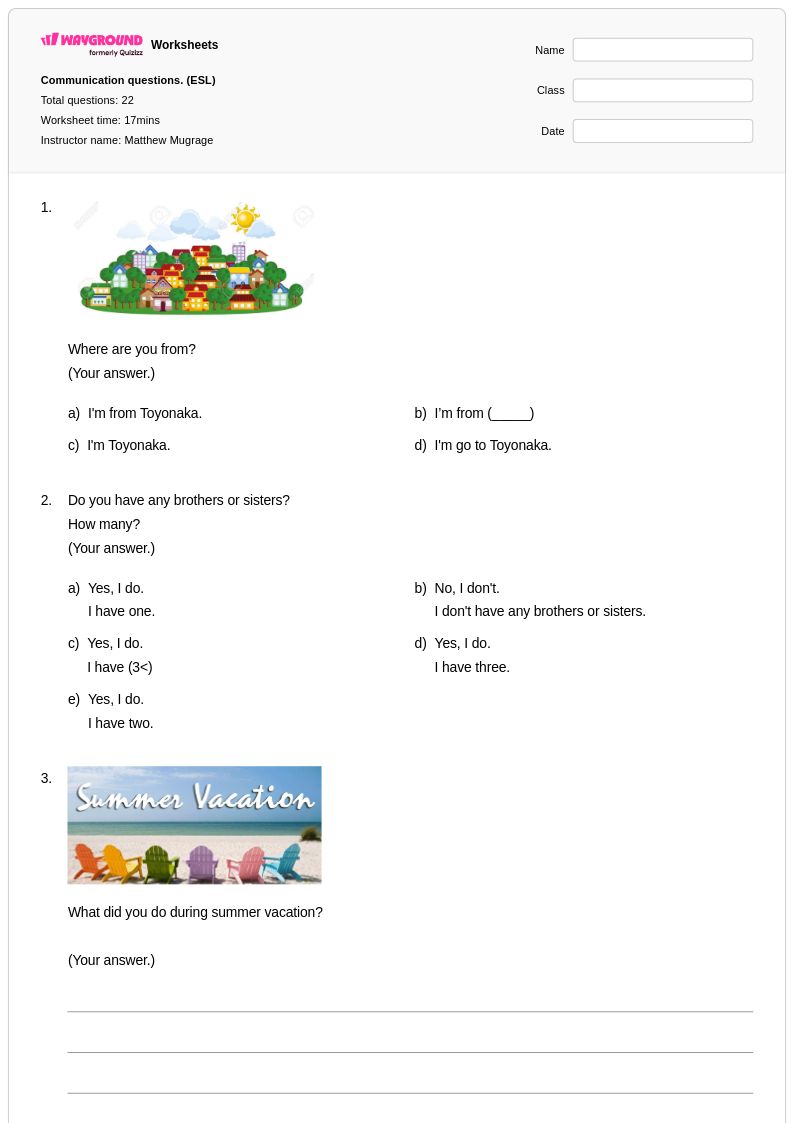
SBAR communication worksheets for kindergarten students available through Wayground (formerly Quizizz) introduce young learners to the foundational elements of structured communication and organized thinking. These carefully designed printables help kindergarteners develop essential pre-writing and verbal communication skills by teaching them to identify and express key information in a logical sequence. The worksheets focus on building vocabulary, sequencing abilities, and basic reporting skills through age-appropriate activities that strengthen students' capacity to share observations, describe situations, and communicate needs clearly. Each free resource includes practice problems that guide students through simple communication scenarios, with answer keys provided to support both independent learning and teacher-directed instruction in pdf format.
Wayground (formerly Quizizz) empowers educators with millions of teacher-created SBAR communication resources specifically designed for kindergarten writing process instruction. The platform's robust search and filtering capabilities allow teachers to quickly locate worksheets that align with curriculum standards and match their students' developmental needs. Teachers can access both printable and digital formats, including downloadable pdf versions, while utilizing differentiation tools to customize content for varied learning levels within their classrooms. These comprehensive worksheet collections support lesson planning by providing ready-to-use materials for skill practice, targeted remediation for students who need additional support, and enrichment opportunities for advanced learners, ensuring that all kindergarten students can develop strong foundational communication skills through structured, engaging practice.
FAQs
How do I teach SBAR communication to students?
Teaching SBAR communication works best when you introduce each component sequentially: Situation, Background, Assessment, and Recommendation. Start with real-world healthcare or business scenarios so students can see why structured communication matters before they practice producing it themselves. Once students understand the purpose of each section, move them toward drafting complete SBAR reports from case-based prompts, then provide structured feedback on clarity and completeness.
What exercises help students practice SBAR communication skills?
Effective SBAR practice exercises include labeling the components of pre-written communications, rewriting disorganized patient or client scenarios into proper SBAR format, and composing original SBAR messages from detailed case descriptions. Progressing from identification tasks to full written responses builds both recognition and production skills. Structured worksheets with answer keys are especially useful because they let students self-check the accuracy of their organization and content before receiving teacher feedback.
What mistakes do students commonly make with SBAR communication?
The most common error is conflating the Assessment and Recommendation sections, either by offering a recommendation without a stated assessment or by repeating background information instead of providing clinical or situational judgment. Students also frequently write overly vague Situation statements that fail to identify the urgency or context of the communication. Another common issue is omitting key background details that the recipient would need to act on the recommendation effectively.
How can I use SBAR communication worksheets to differentiate instruction?
For students who struggle, reduce cognitive load by providing partially completed SBAR templates where only one or two sections need to be filled in. For advanced learners, use complex multi-stakeholder scenarios that require students to prioritize and synthesize information before organizing it into SBAR format. On Wayground, teachers can apply accommodations such as read aloud support and reduced answer choices to individual students, ensuring differentiation is handled seamlessly without disrupting the rest of the class.
How do I use SBAR communication worksheets from Wayground in my classroom?
Wayground's SBAR communication worksheets are available as printable PDFs for traditional classroom use and in digital formats for technology-integrated or online learning environments. Teachers can also host the worksheets as a quiz directly on Wayground, which enables real-time tracking of student responses and performance. This flexibility makes the materials suitable for in-class practice, homework assignments, or formative assessment depending on the instructional context.
At what point in a course should I introduce SBAR communication?
SBAR communication is best introduced after students have foundational knowledge of the professional context in which they will use it, whether that is a healthcare, nursing, or business communication course. Introducing it too early, before students understand the clinical or organizational situations they will be describing, often leads to formulaic responses that lack genuine assessment or recommendation. Mid-unit introduction, once students have enough domain knowledge to populate each section meaningfully, tends to produce the strongest learning outcomes.