Free Printable Scientific Inquiry Worksheets for Grade 9
Enhance Grade 9 students' scientific inquiry skills with Wayground's comprehensive collection of free worksheets, printables, and practice problems that develop critical thinking, hypothesis formation, and experimental design abilities with complete answer keys.
Explore printable Scientific Inquiry worksheets for Grade 9
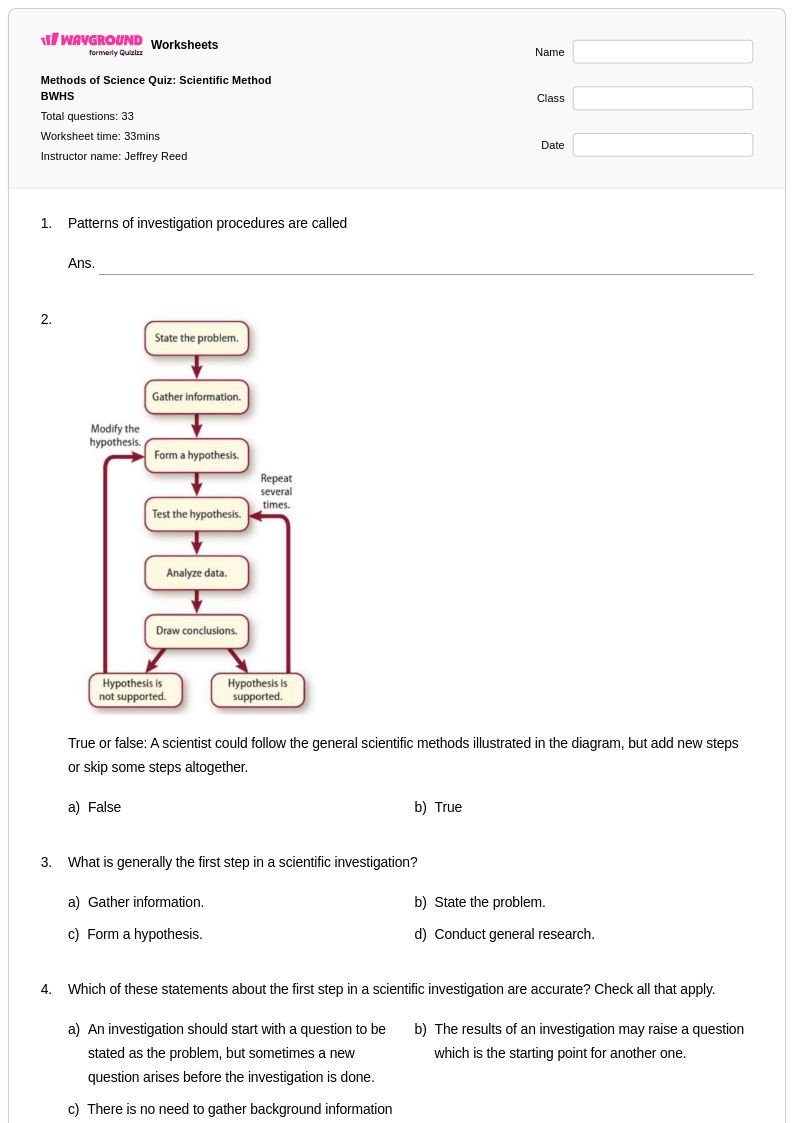
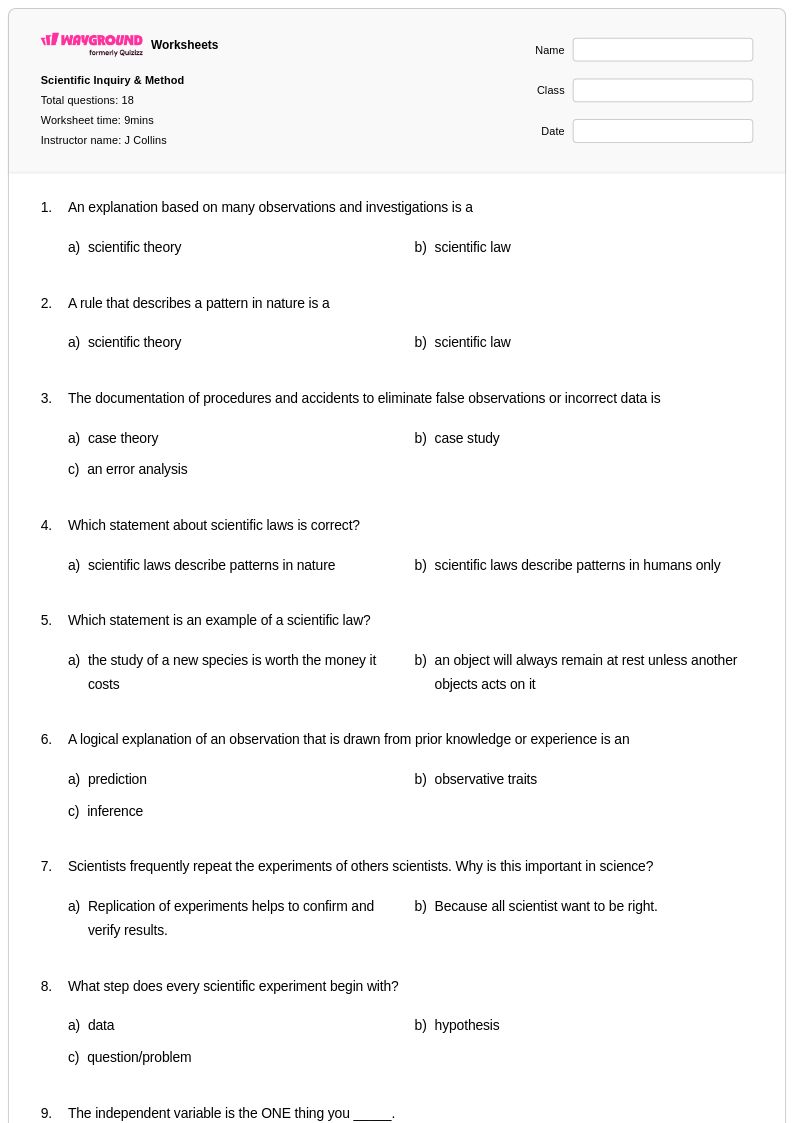
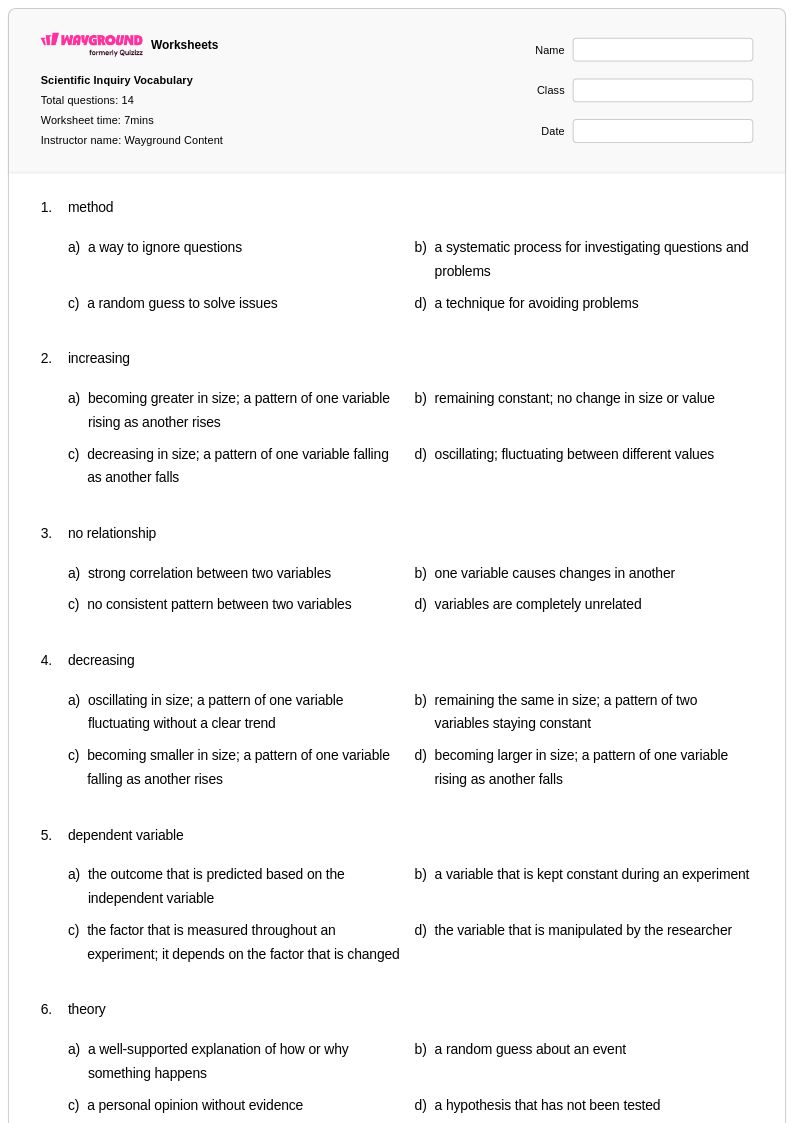
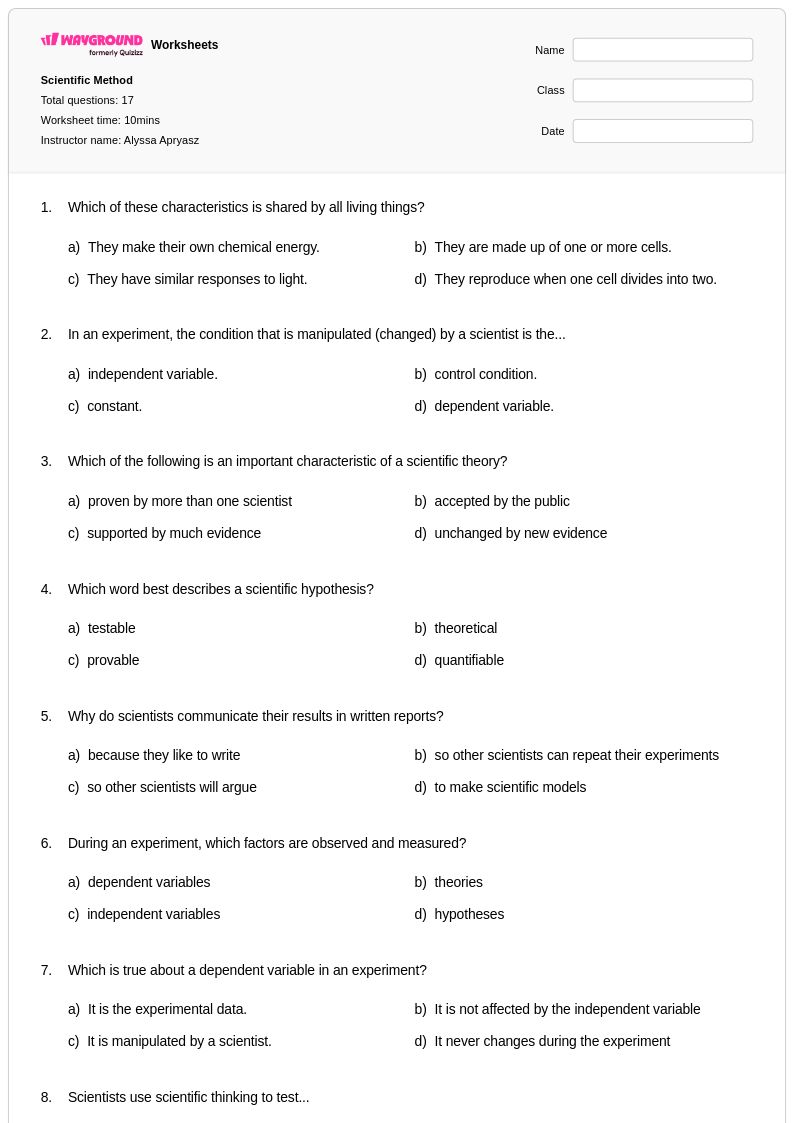
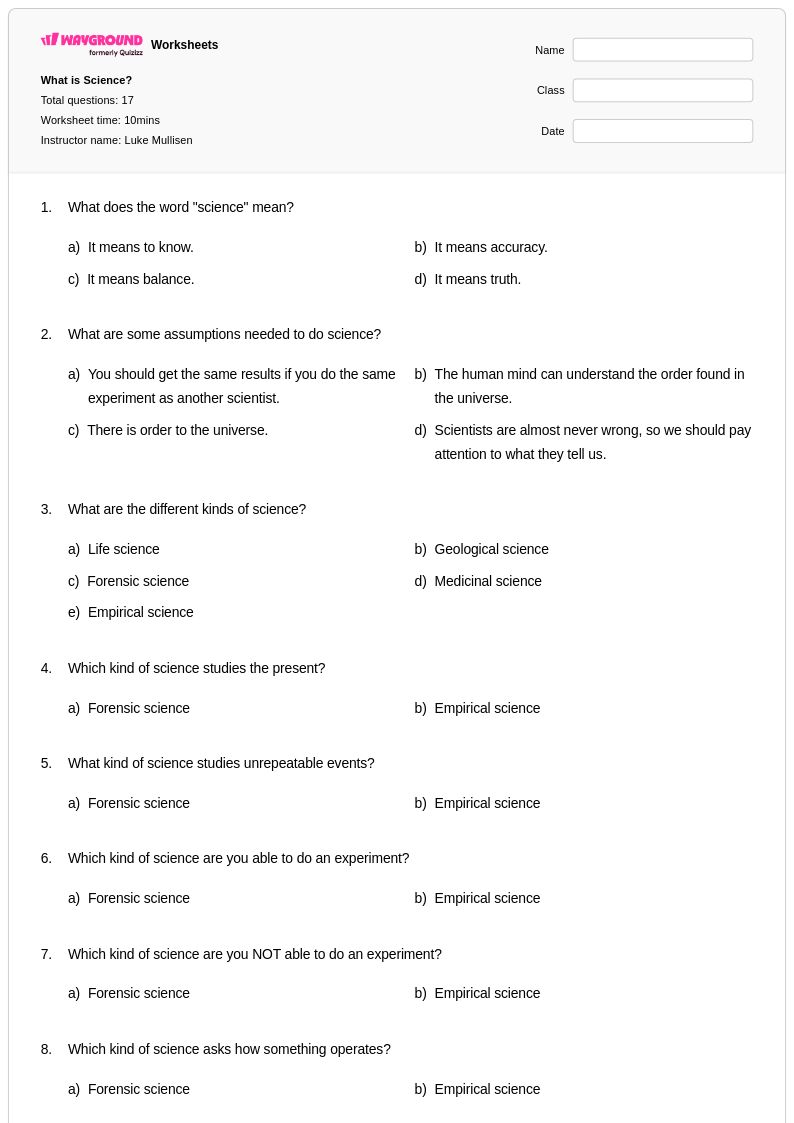
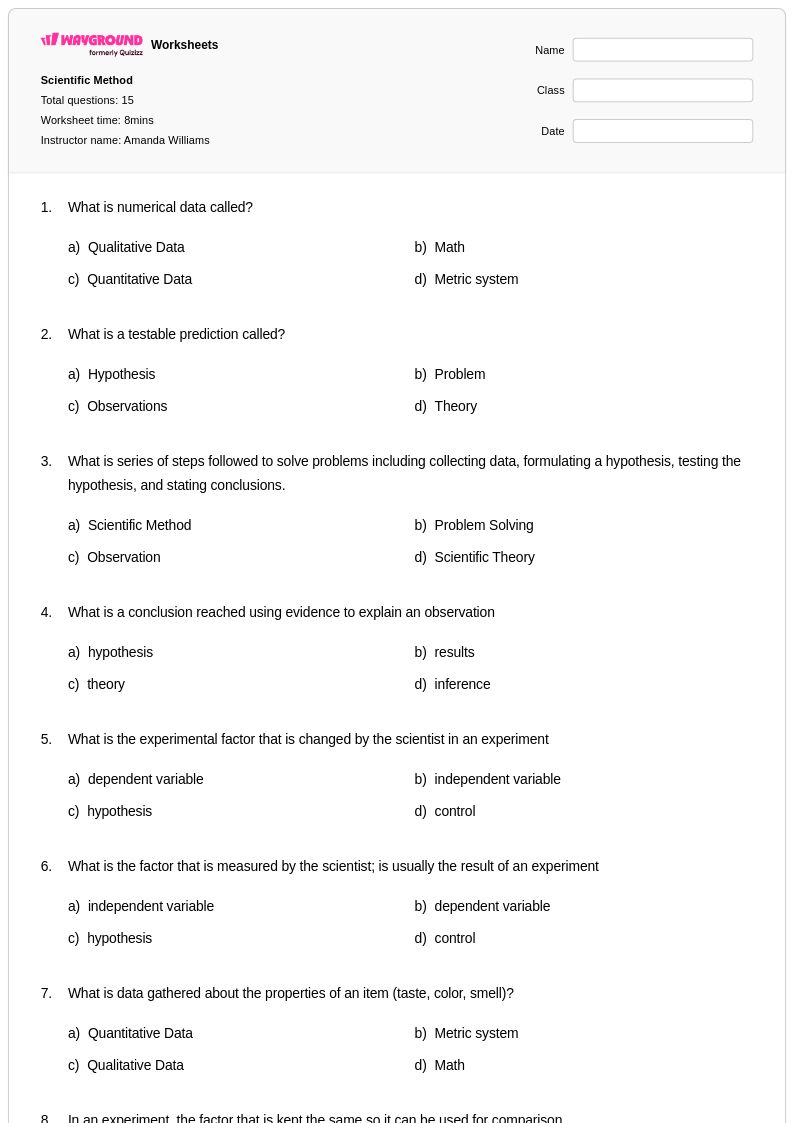
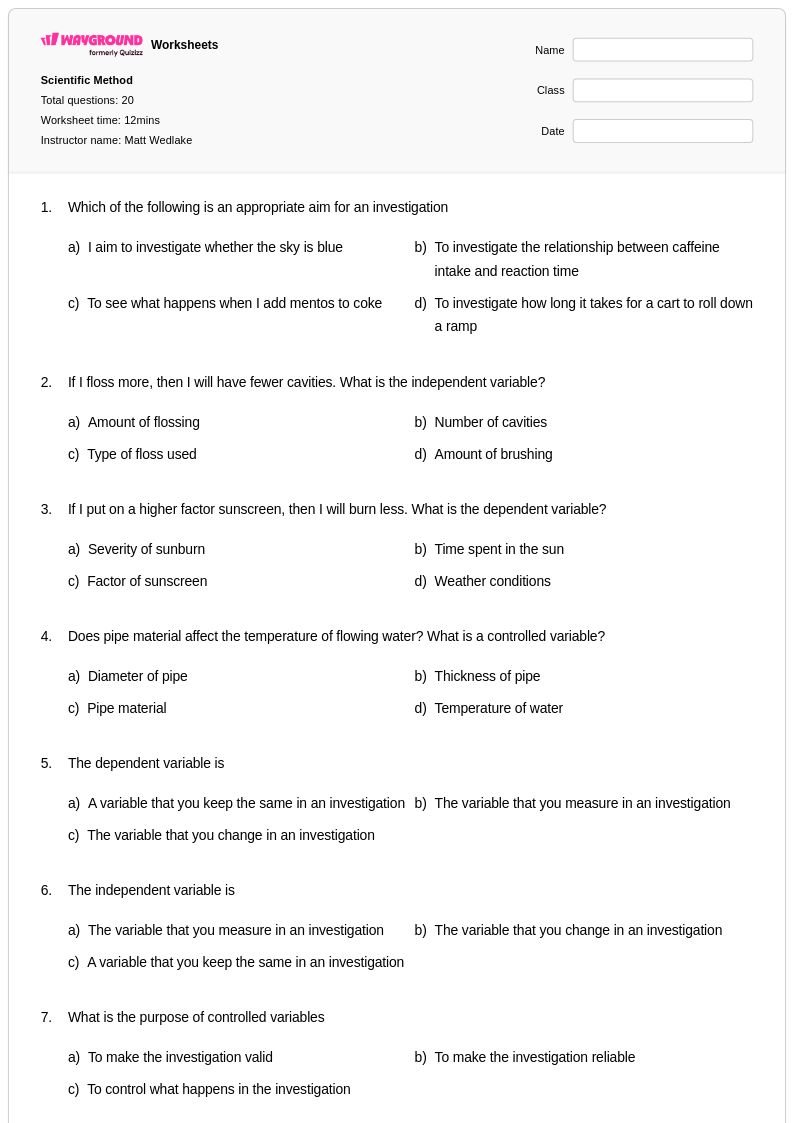
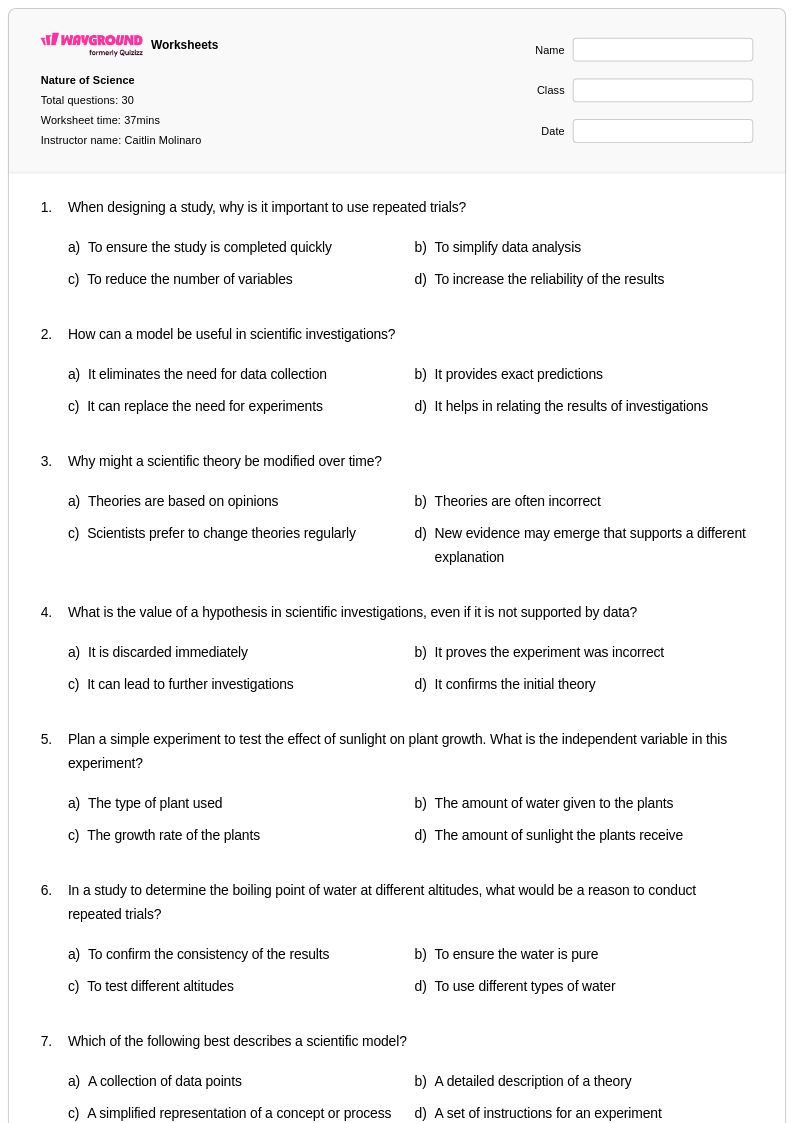
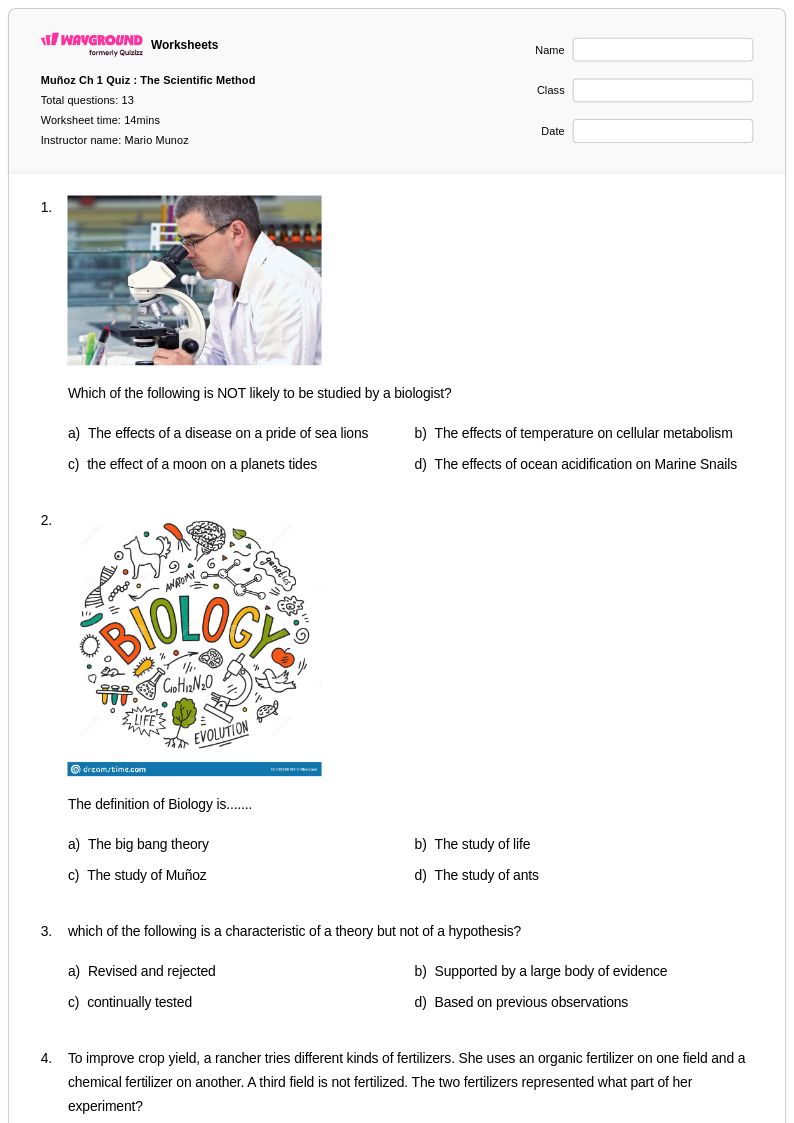
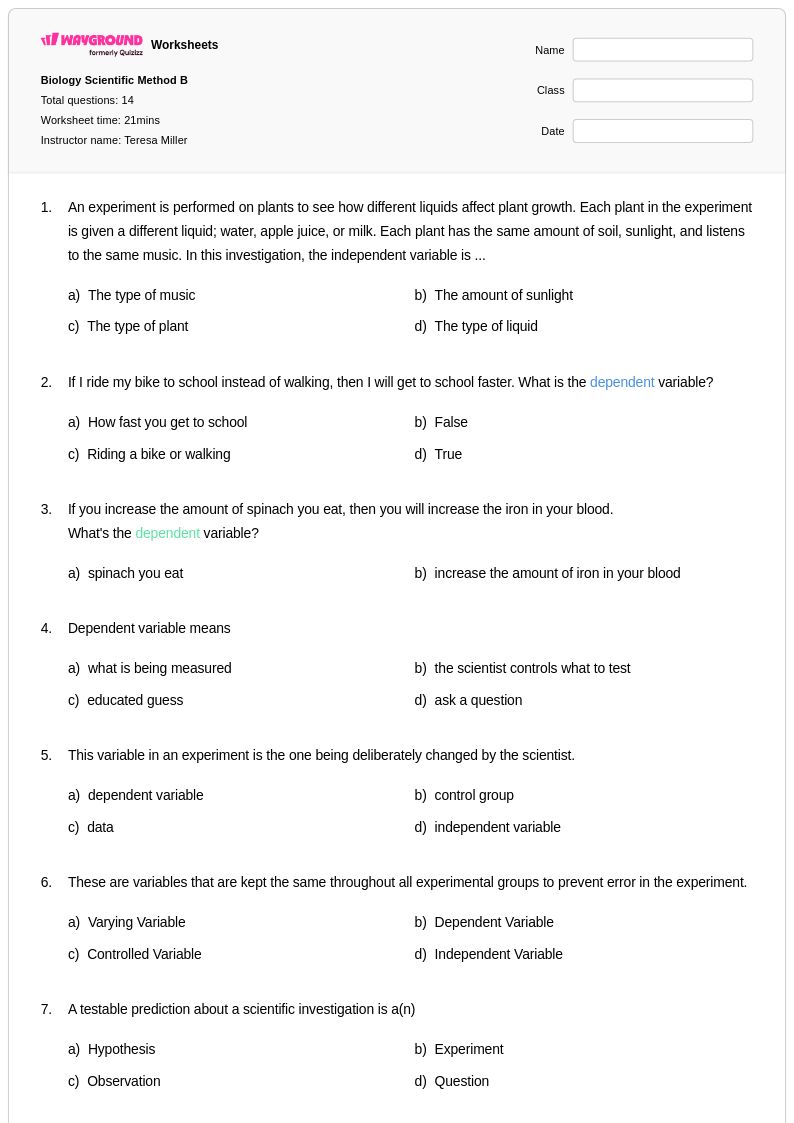
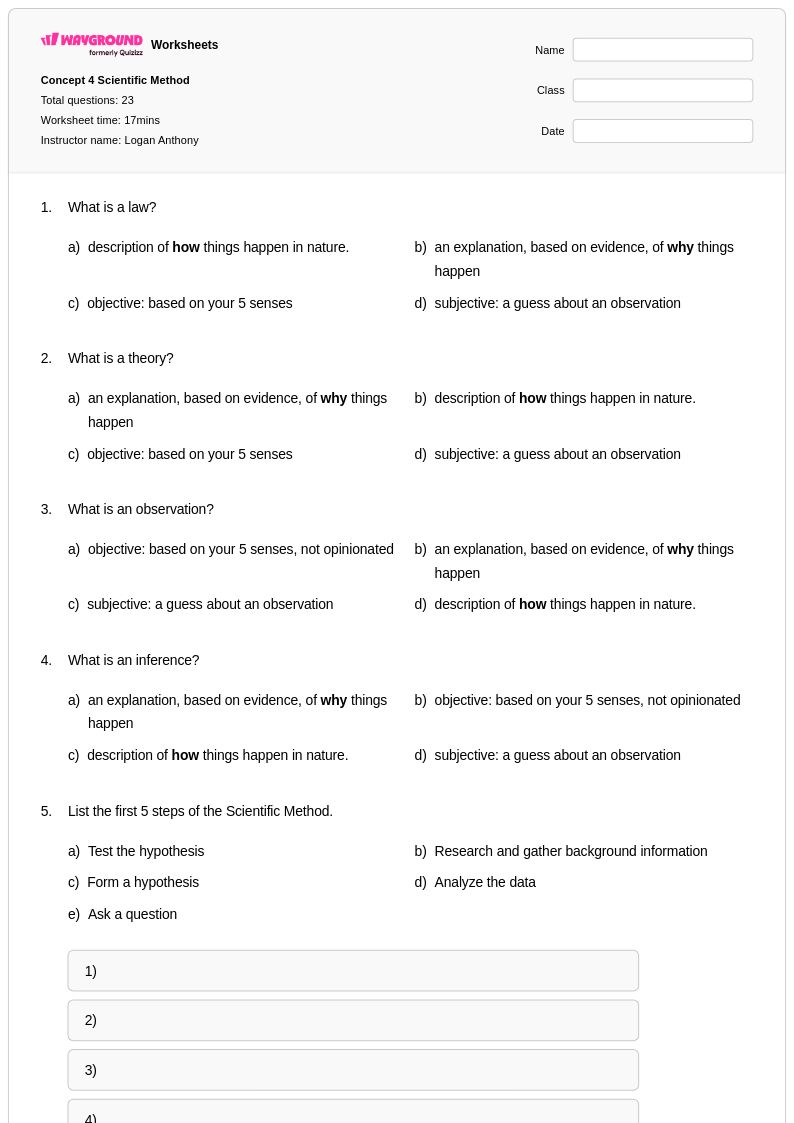
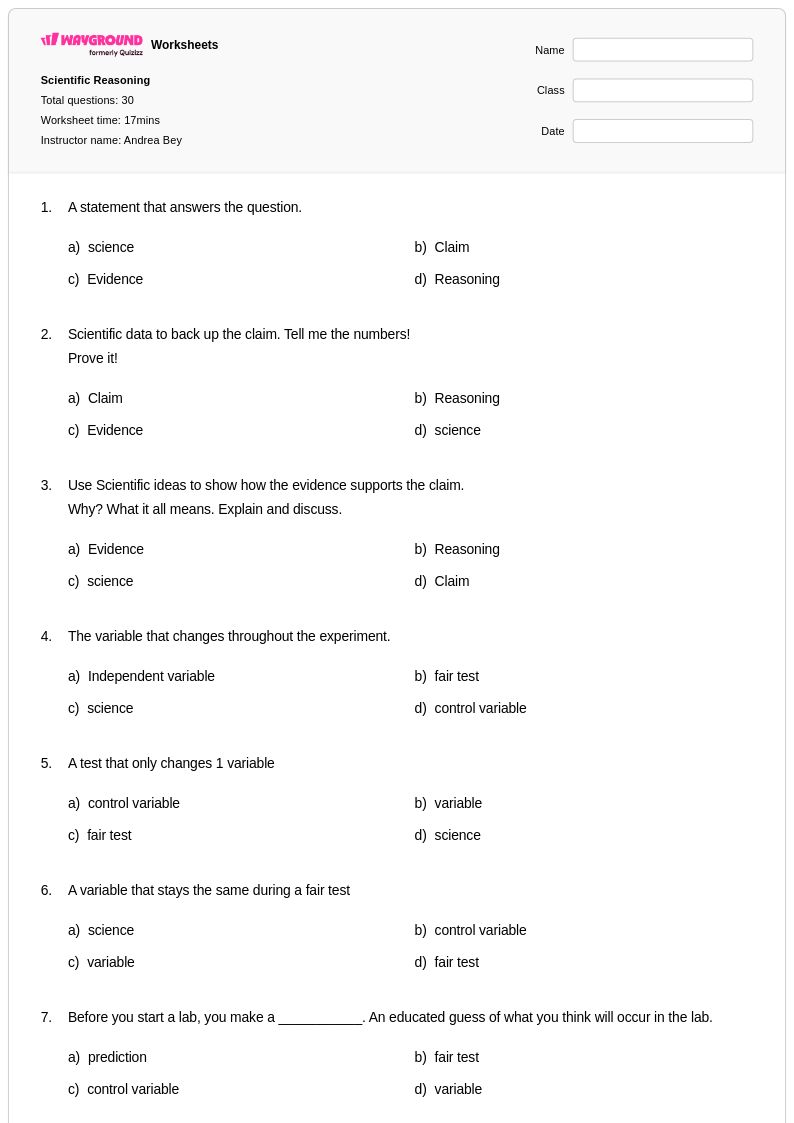
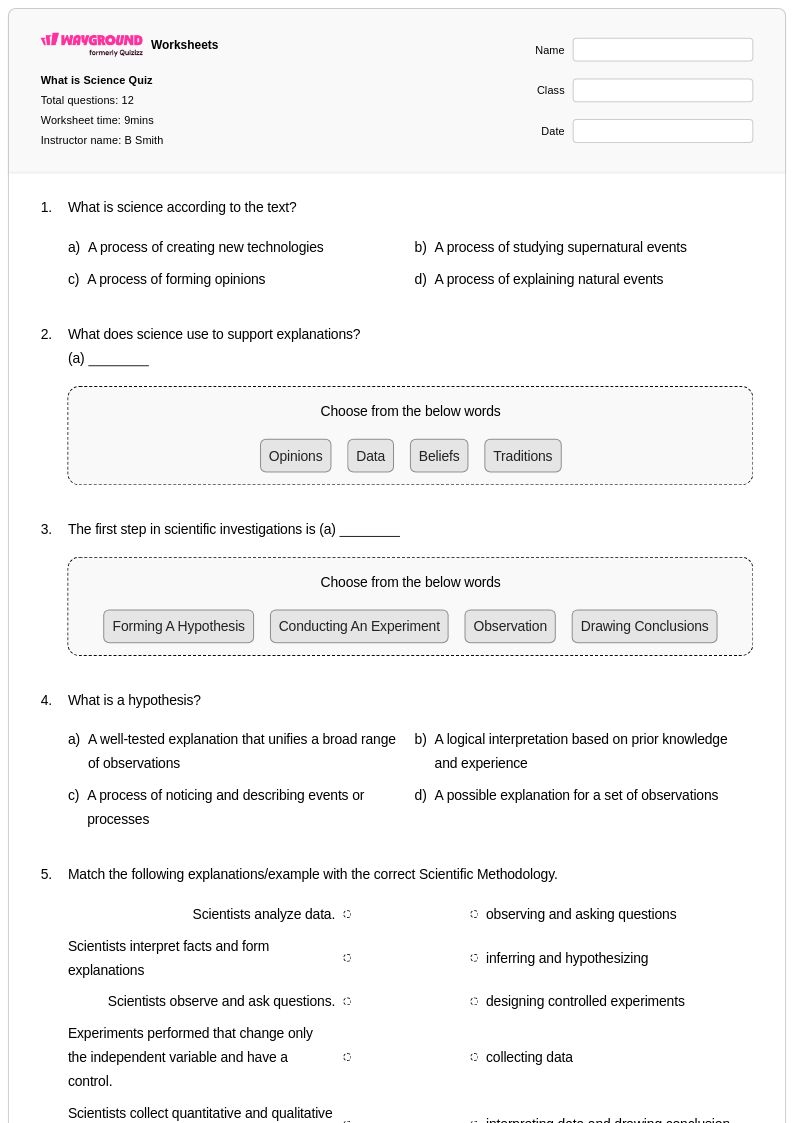
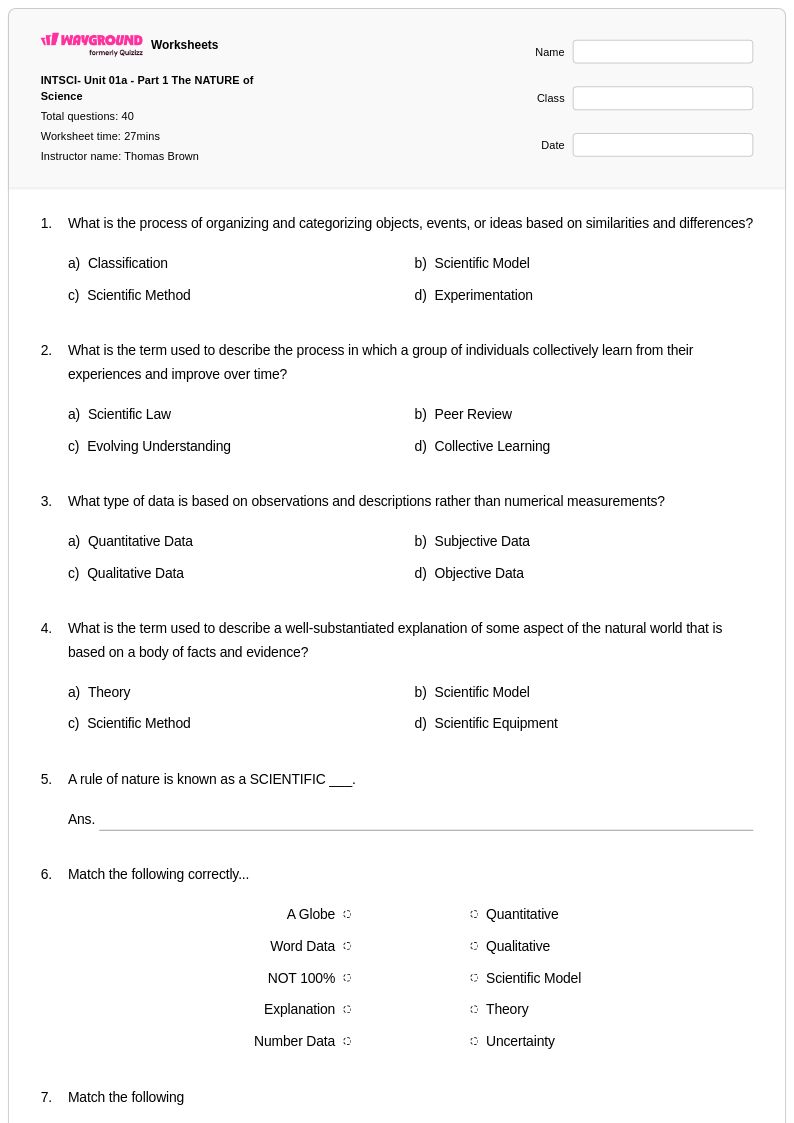
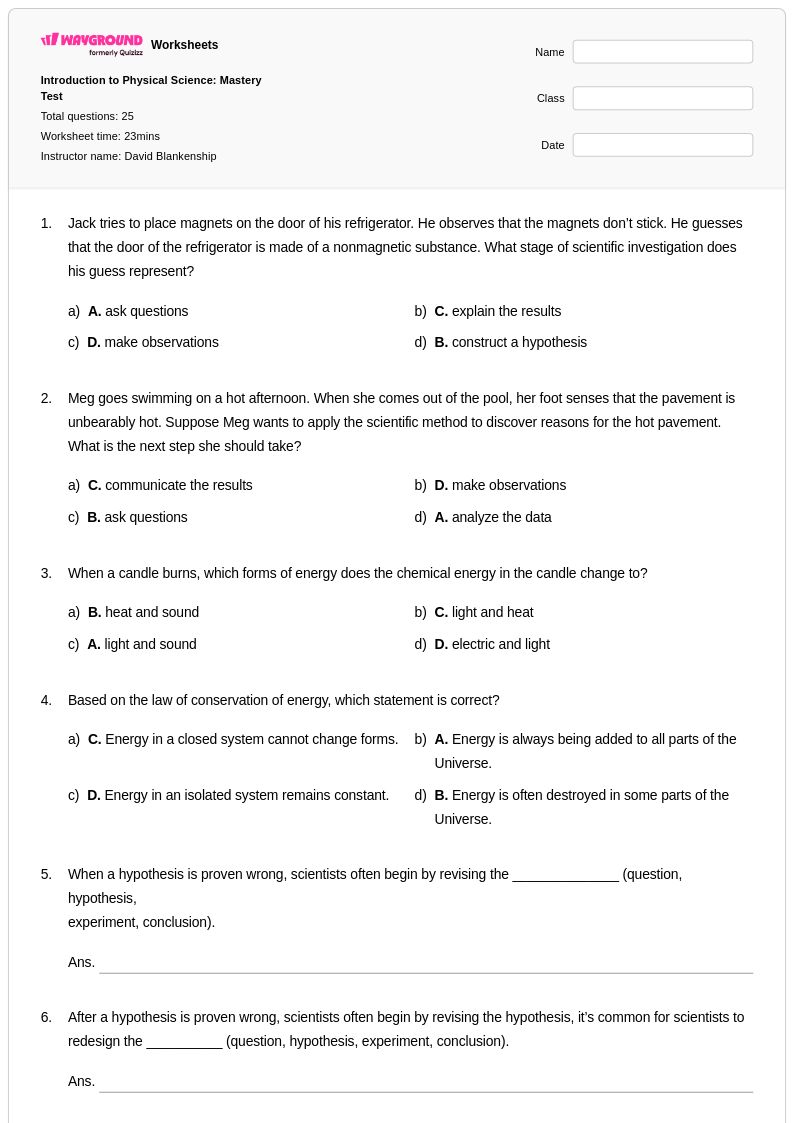
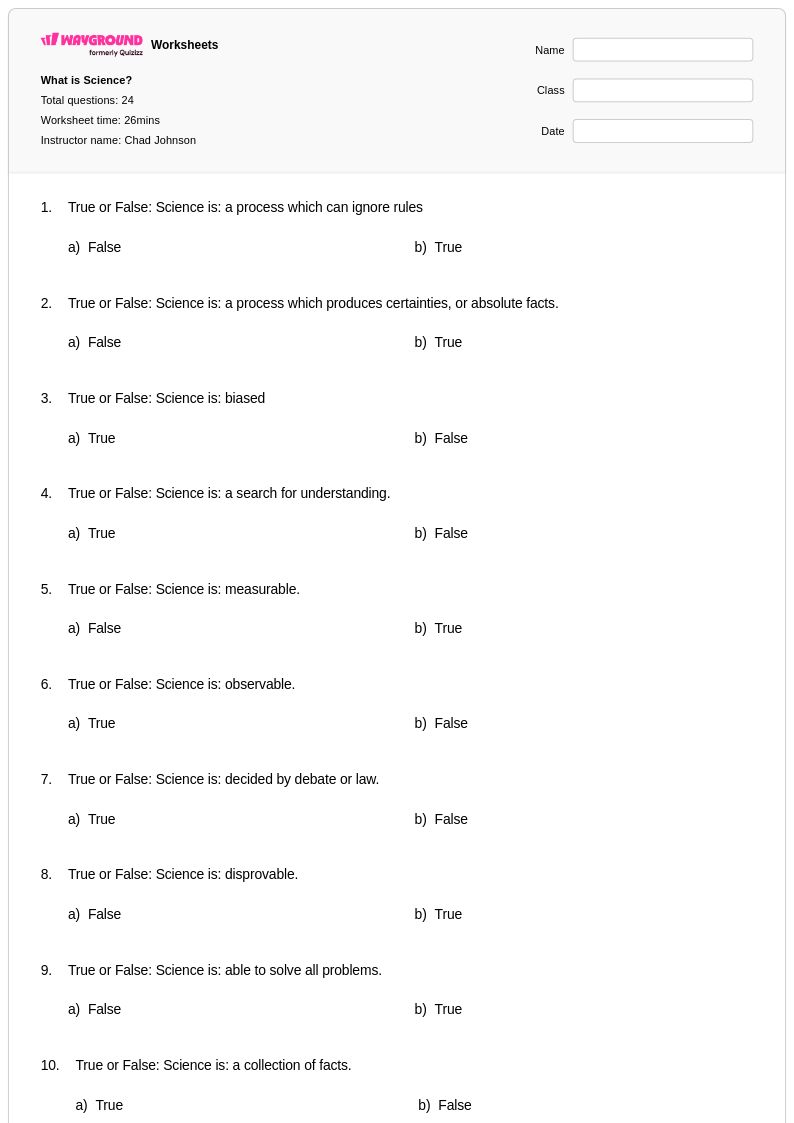
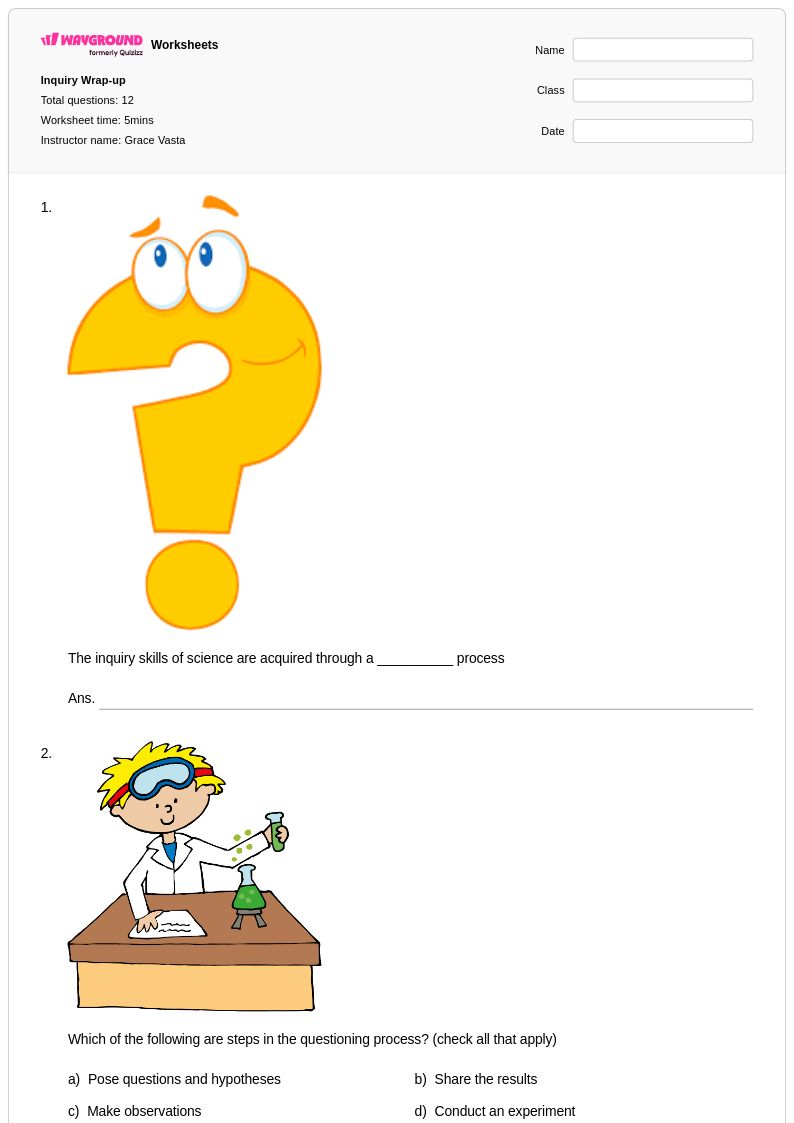
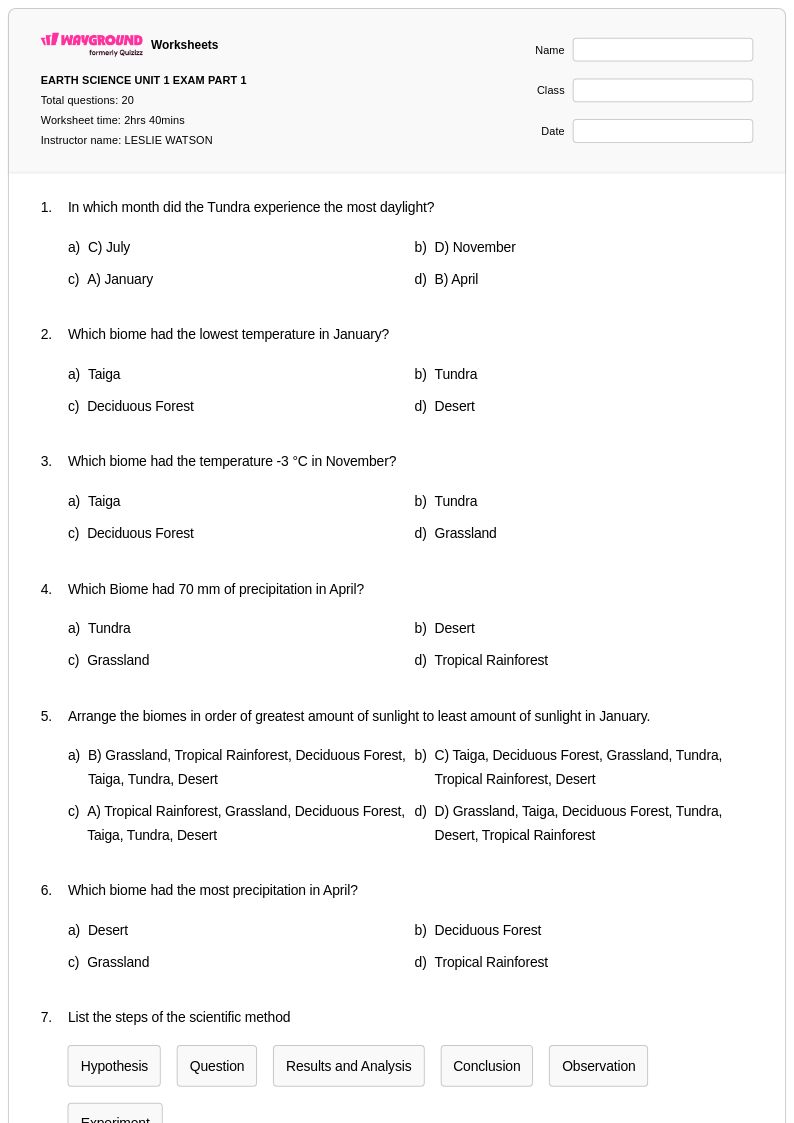
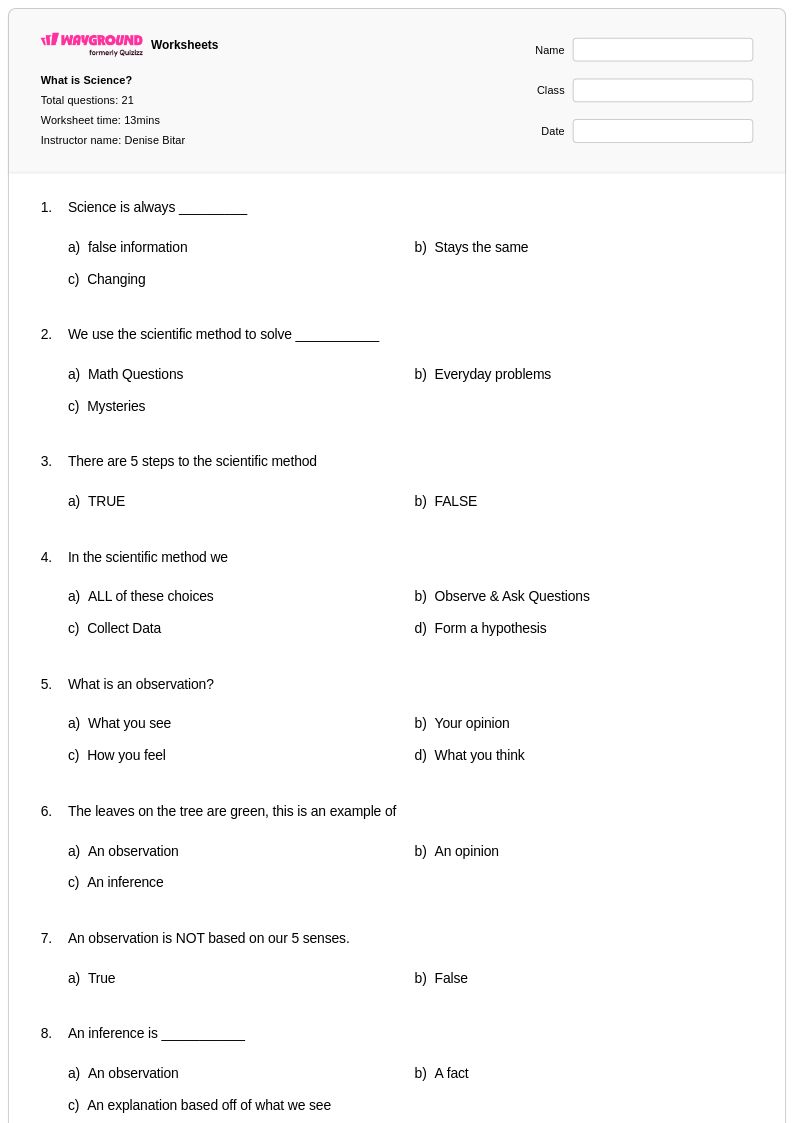
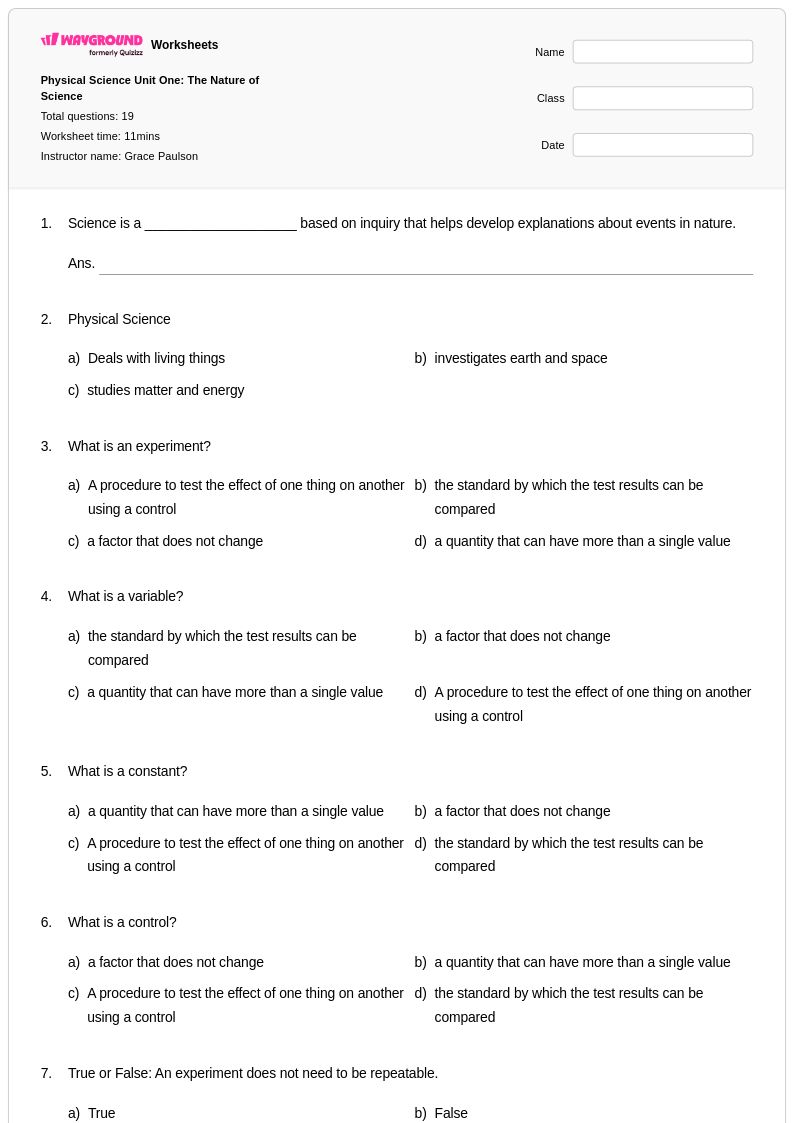
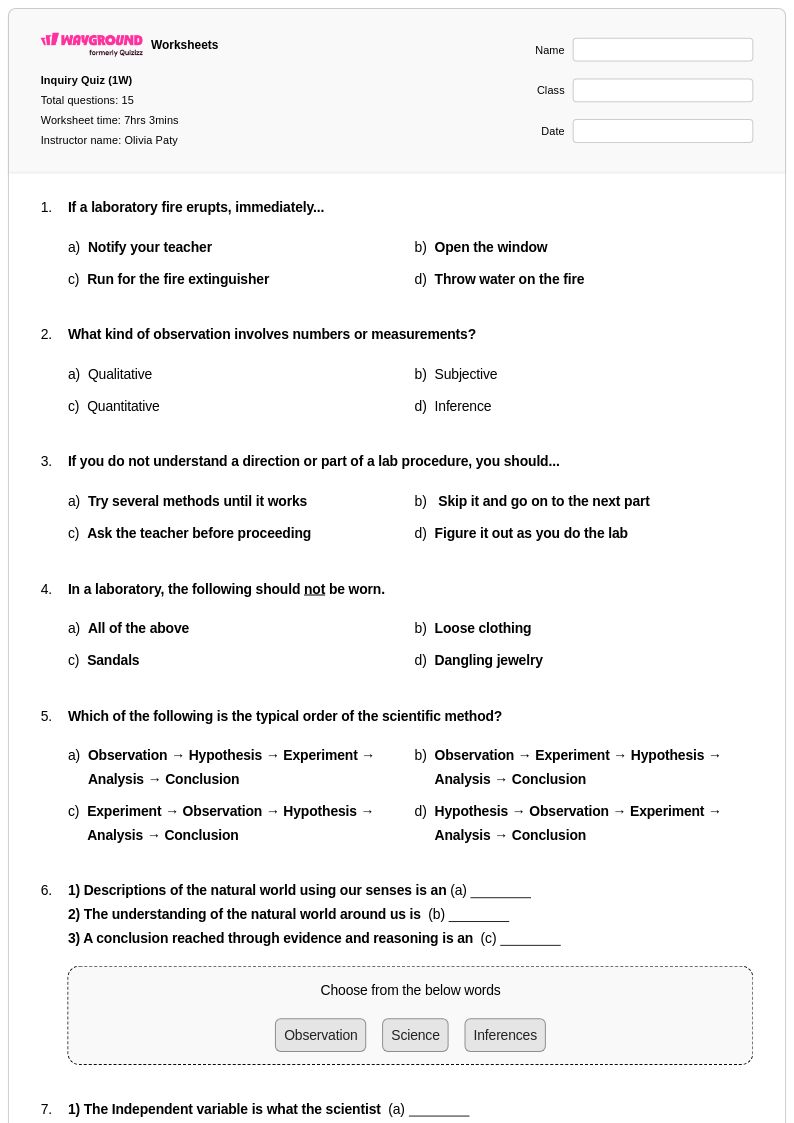
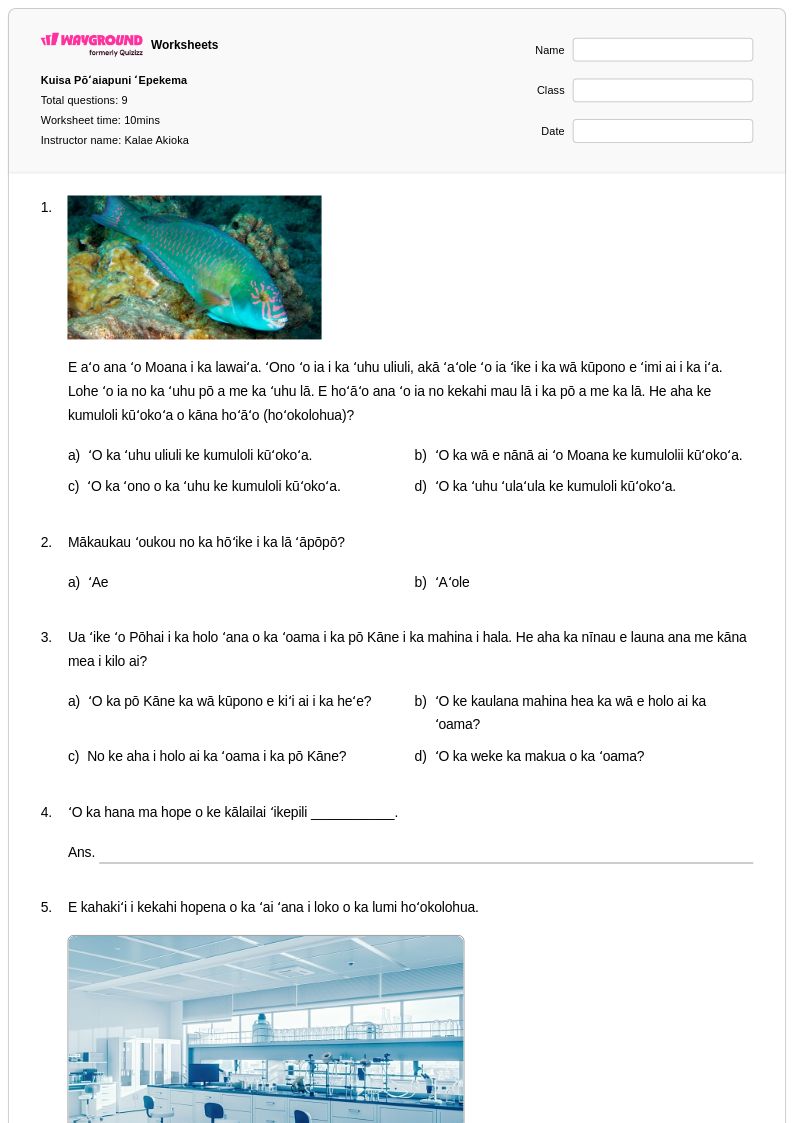
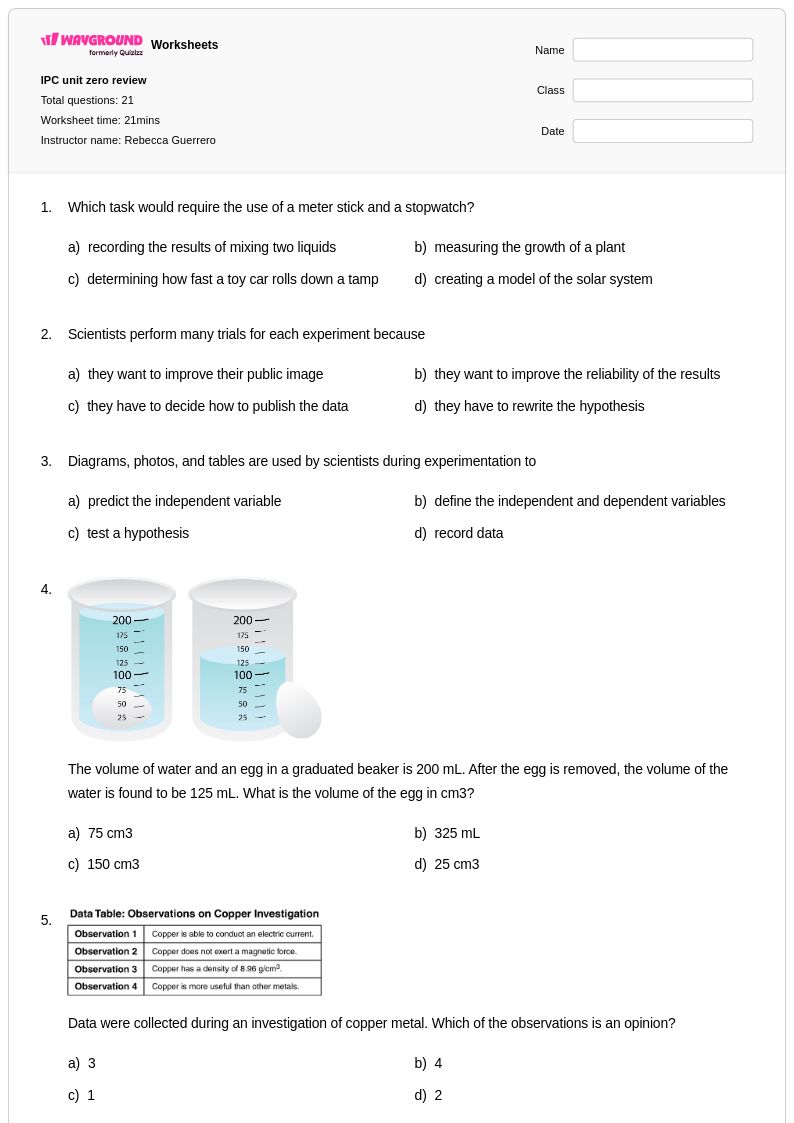
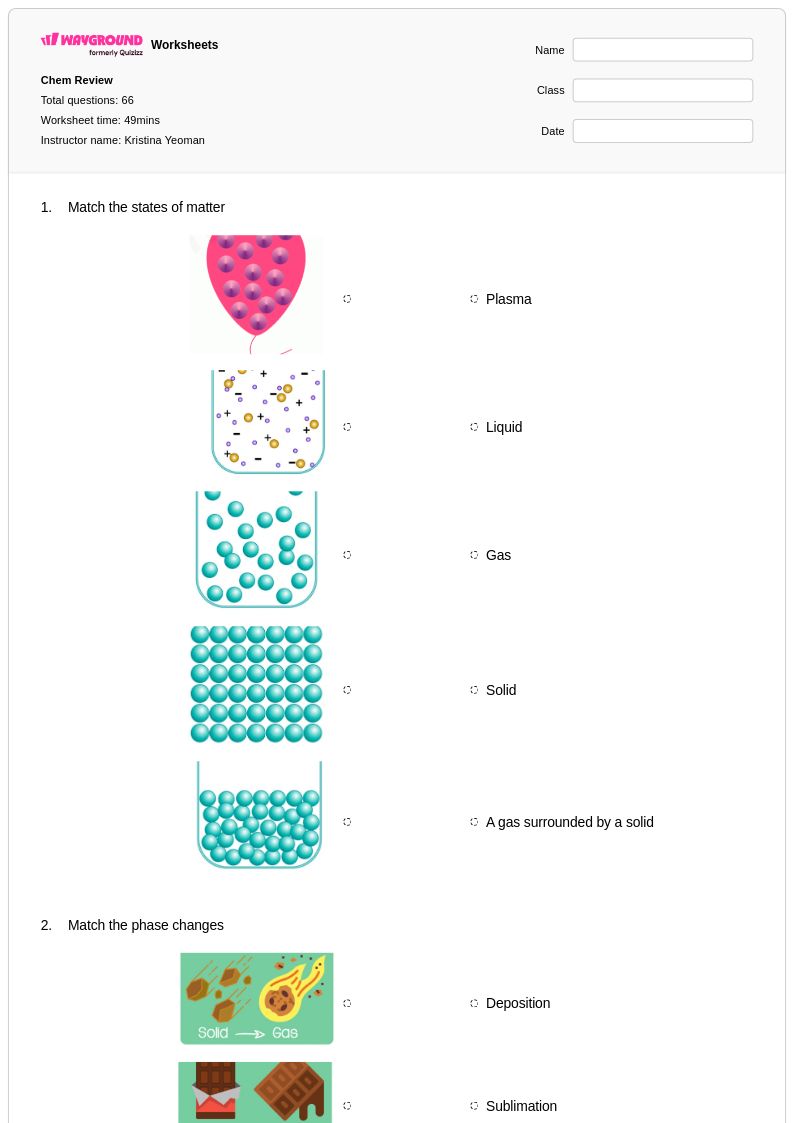
Scientific inquiry forms the foundation of all scientific understanding, and Grade 9 students need robust practice to master this essential skill set. Wayground's comprehensive collection of scientific inquiry worksheets provides students with structured opportunities to develop critical thinking, hypothesis formation, experimental design, and data analysis capabilities. These carefully crafted resources guide ninth-grade learners through the systematic process of asking meaningful questions, designing controlled investigations, and drawing evidence-based conclusions. Each worksheet includes detailed answer keys and step-by-step practice problems that reinforce proper scientific methodology, while printable pdf formats ensure easy classroom distribution and homework assignments. Students work through real-world scenarios that require them to identify variables, formulate testable hypotheses, and evaluate the reliability of experimental results, building the analytical skills essential for advanced science coursework.
Wayground's extensive library, built from millions of teacher-created resources, offers educators unparalleled flexibility in delivering scientific inquiry instruction to Grade 9 students. The platform's advanced search and filtering capabilities allow teachers to quickly locate worksheets aligned with specific learning standards and curriculum requirements, while built-in differentiation tools enable customization for diverse learning needs and ability levels. Teachers can seamlessly modify existing materials or combine multiple resources to create targeted practice sessions, whether for initial skill introduction, remediation support, or enrichment challenges. The availability of both digital and printable formats, including downloadable pdf versions, accommodates various classroom environments and teaching preferences, making it simple to integrate scientific inquiry practice into lesson plans, independent study sessions, and assessment preparation activities.
FAQs
How do I teach scientific inquiry to students?
Teaching scientific inquiry means guiding students through the full investigative cycle: forming a testable hypothesis, designing a controlled experiment, collecting and recording data, and drawing evidence-based conclusions. Effective instruction uses real-world scenarios to make each stage concrete rather than abstract. Starting with structured, teacher-guided investigations before moving to open-ended inquiry helps students internalize the process systematically.
What exercises help students practice scientific inquiry skills?
Practice exercises that mirror authentic scientific scenarios are most effective for building inquiry skills. Worksheets that ask students to identify variables, write hypotheses in 'if-then' format, interpret data tables, and evaluate whether conclusions are supported by evidence reinforce each component of the inquiry process. Repeated exposure to these problem types builds the procedural fluency students need to apply scientific thinking independently.
What mistakes do students commonly make with hypothesis formation?
The most frequent error is writing a hypothesis as a question rather than a testable, directional prediction. Students also commonly confuse the hypothesis with a guess, failing to connect it to prior knowledge or the independent variable being tested. Another common mistake is writing a hypothesis that cannot be falsified, which undermines the entire experimental design.
What are common misconceptions students have about experimental design?
Students frequently fail to distinguish between independent, dependent, and controlled variables, often changing multiple variables at once and invalidating their experiment. Many also assume that a failed hypothesis means the experiment was unsuccessful, not understanding that disconfirming evidence is equally valid scientific data. Addressing these misconceptions explicitly before students begin designing their own experiments significantly reduces errors downstream.
How do I differentiate scientific inquiry instruction for students at different ability levels?
For struggling learners, providing sentence frames for hypothesis writing and partially completed data tables reduces cognitive load while keeping the scientific thinking intact. Advanced students benefit from open-ended investigations where they must design the procedure themselves. On Wayground, teachers can apply accommodations such as read aloud, reduced answer choices, and extended time to individual students, allowing the same inquiry worksheet to serve the full range of learners without disrupting the rest of the class.
How do I use Wayground's scientific inquiry worksheets in my classroom?
Wayground's scientific inquiry worksheets are available as printable PDFs for traditional classroom use and in digital formats for technology-integrated environments, including the option to host them as an interactive quiz on Wayground. Each worksheet includes a complete answer key, supporting both independent student practice and teacher-led review. The platform's search and filtering tools let teachers quickly locate materials aligned to specific standards, making it straightforward to slot the right worksheet into a lesson plan or use it for targeted remediation.