
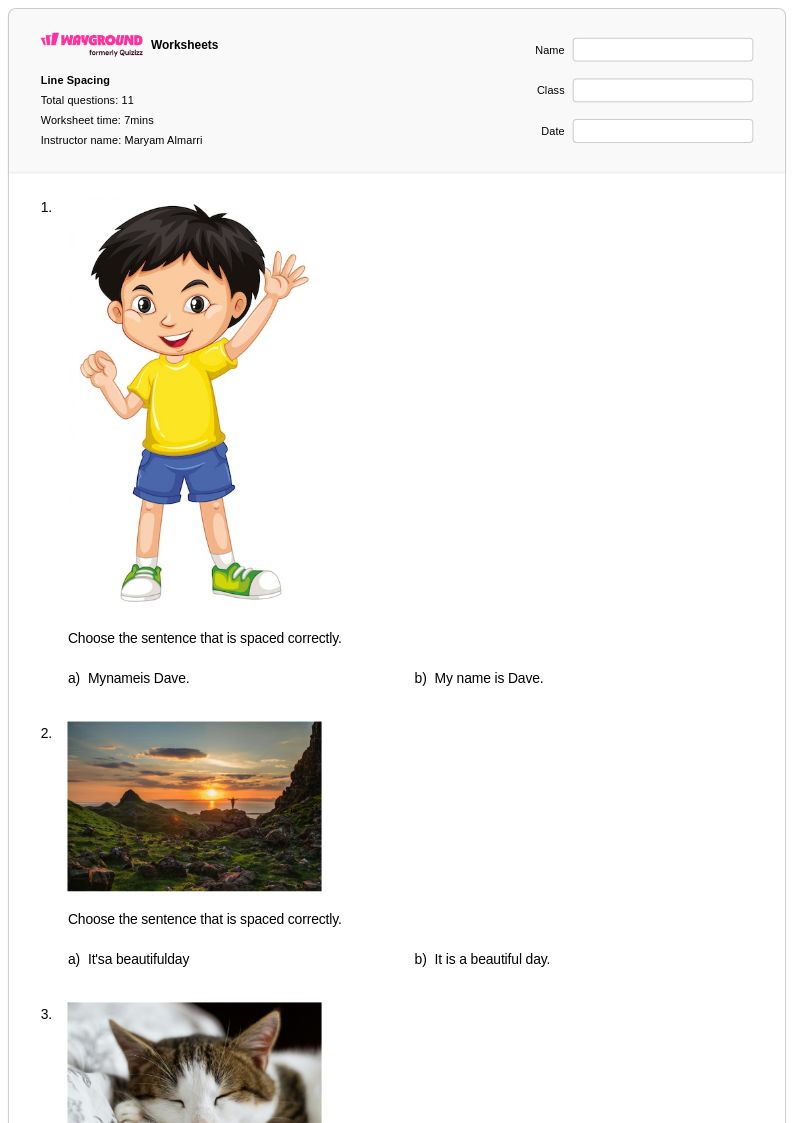
11Q
1st - 5th
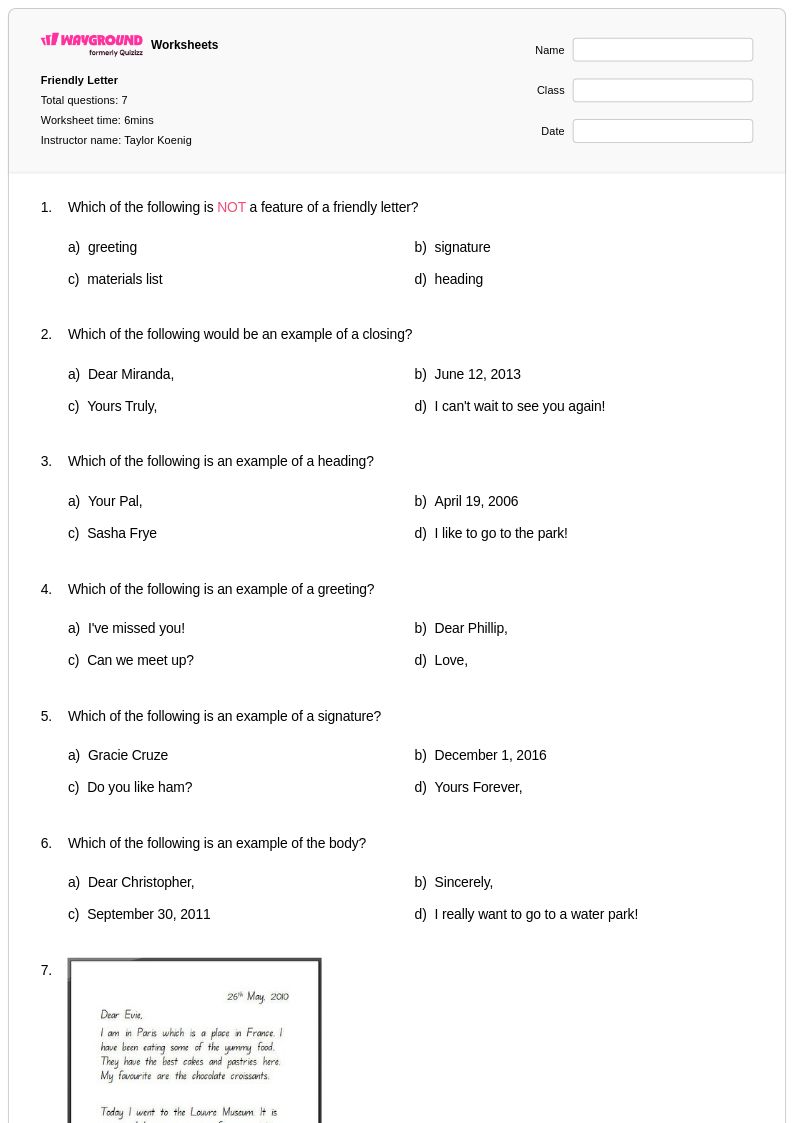
7Q
2nd - 3rd
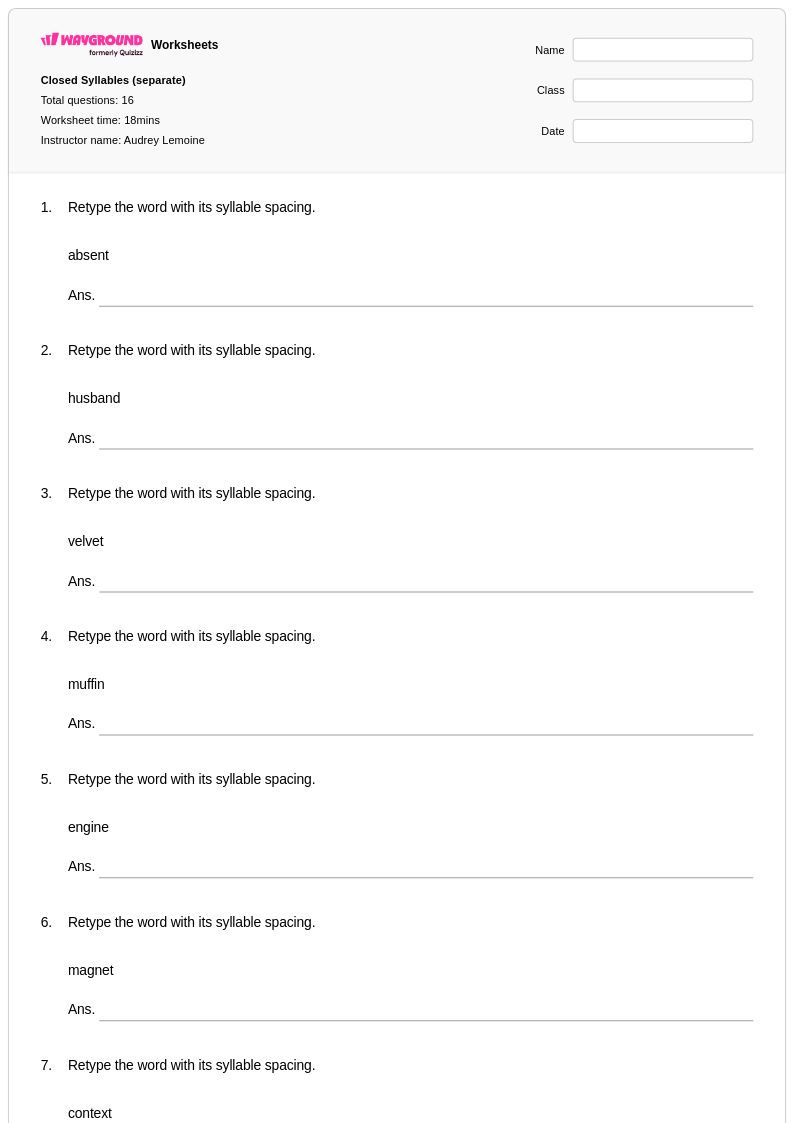
16Q
1st - 5th
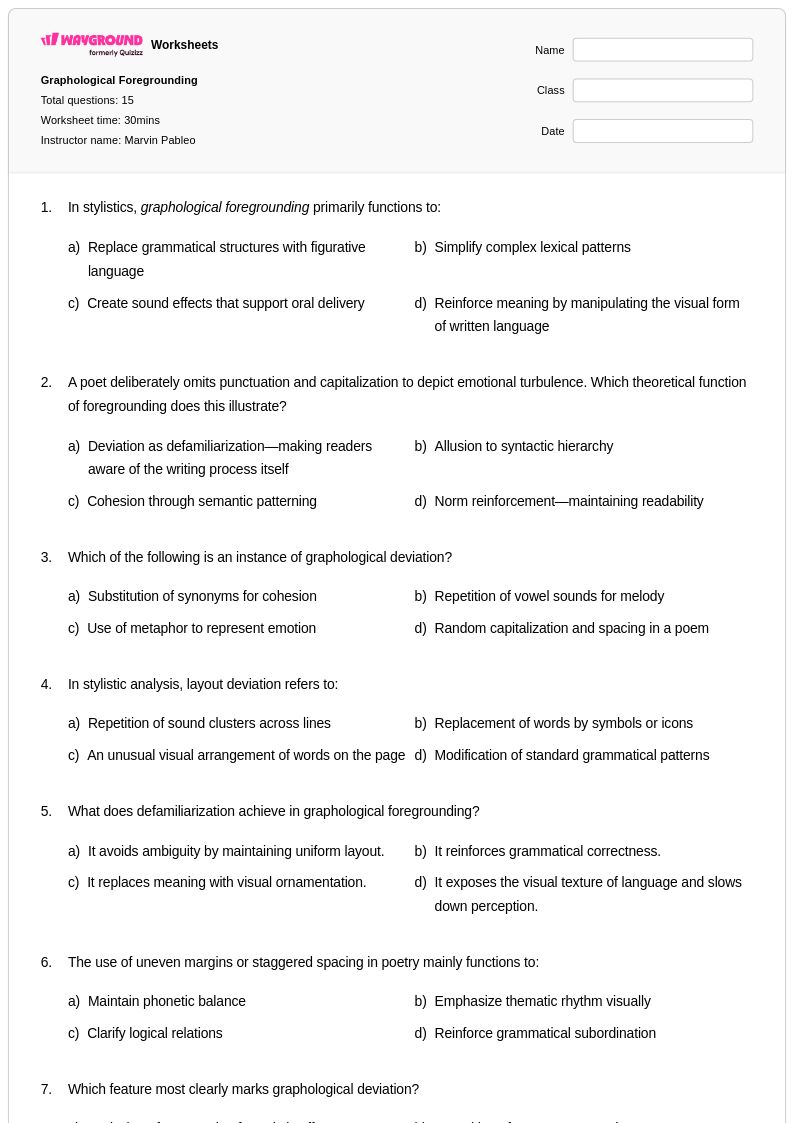
15Q
1st - Uni
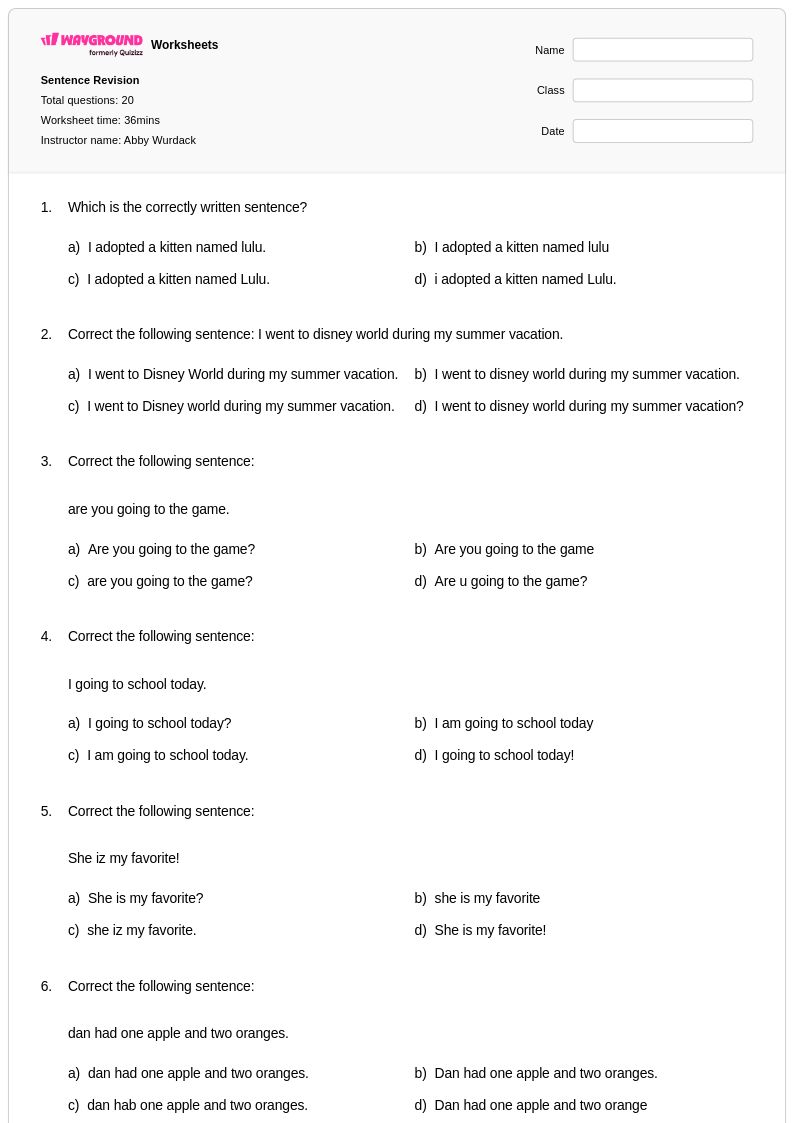
20Q
2nd - 3rd
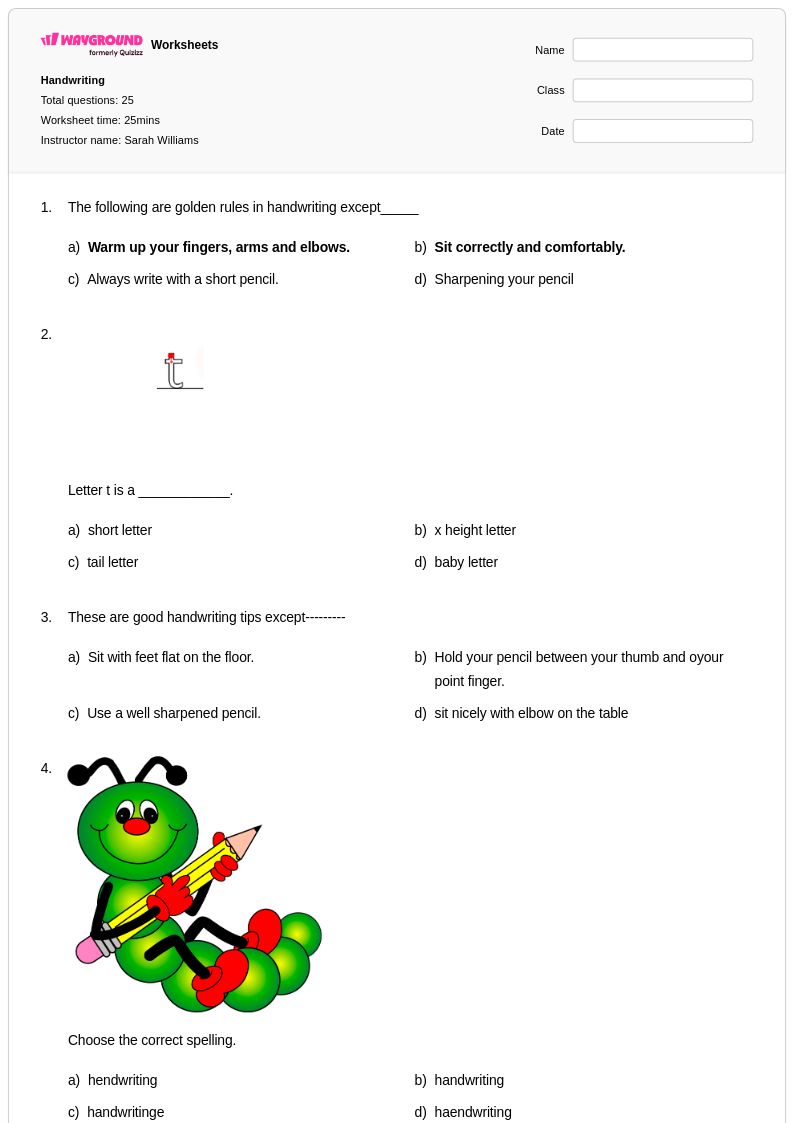
25Q
3rd - Uni
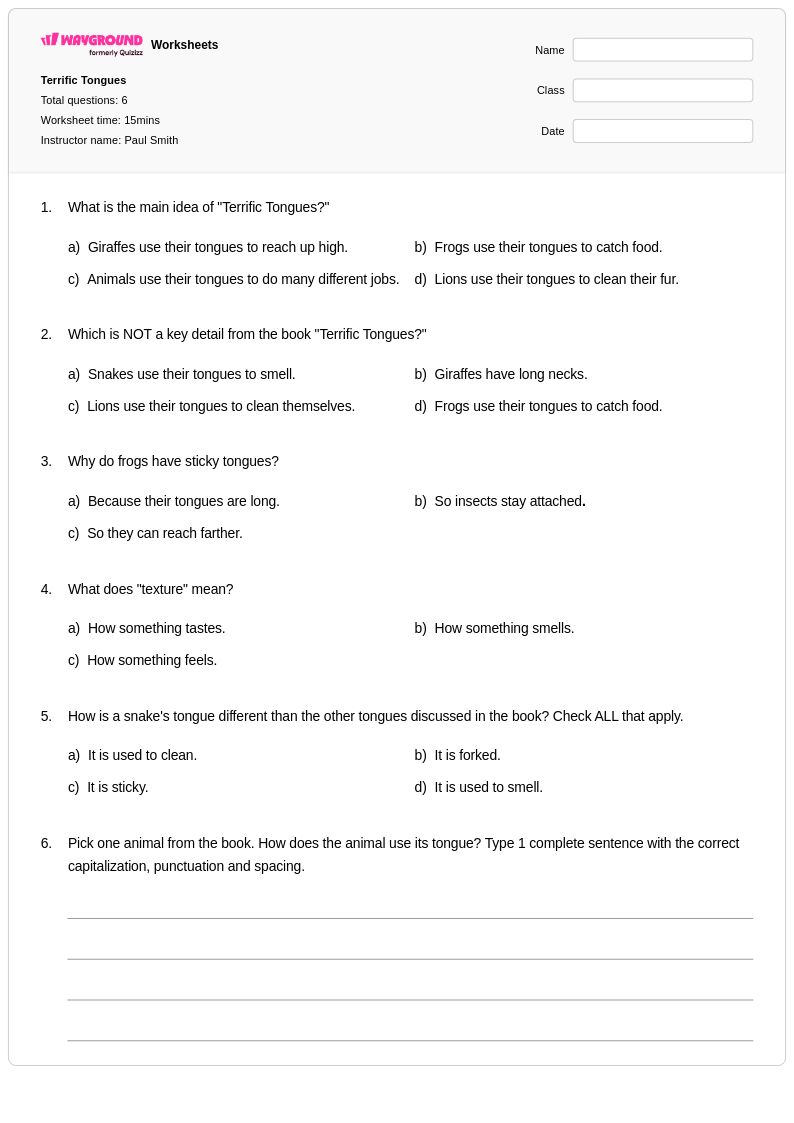
6Q
2nd - 4th
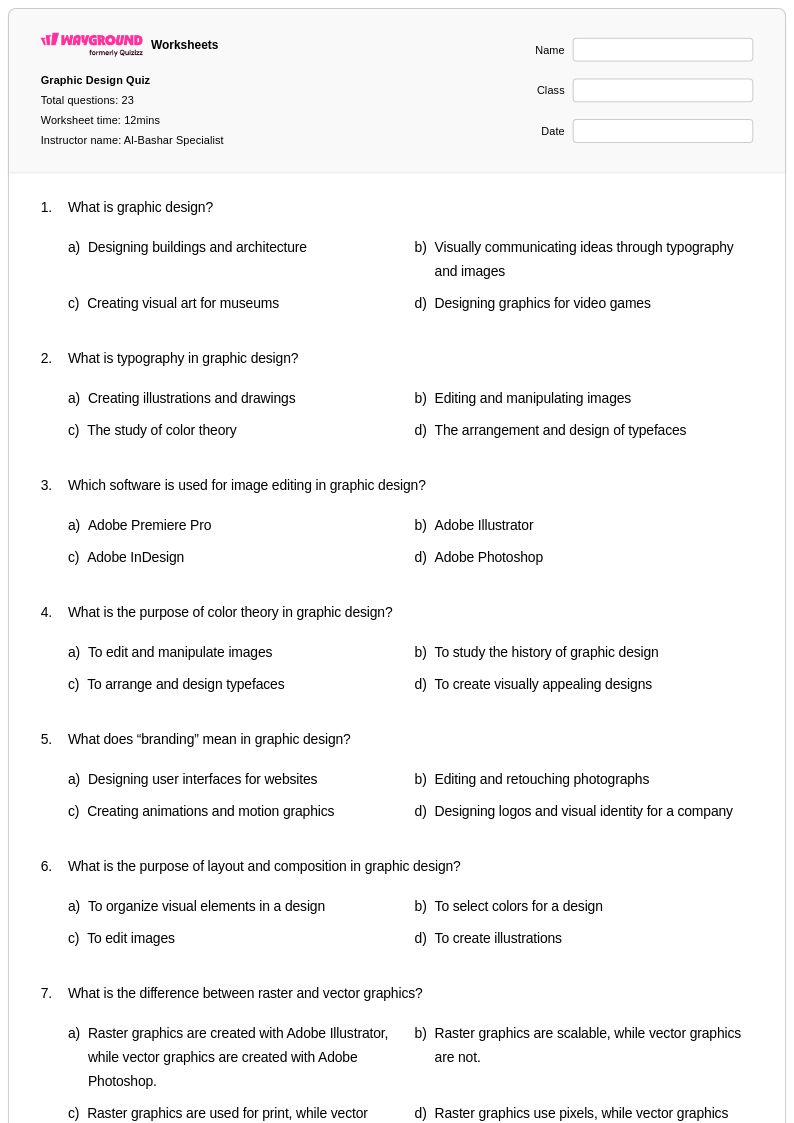
23Q
1st - Uni
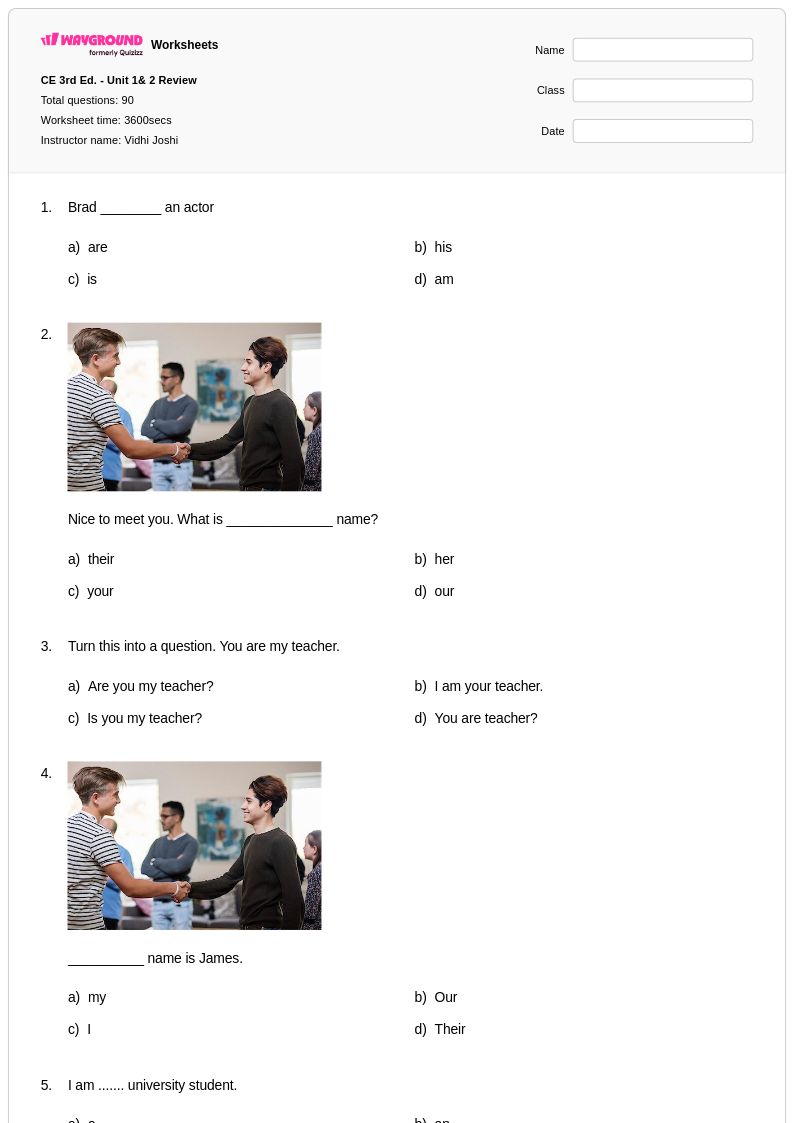
90Q
3rd - 7th
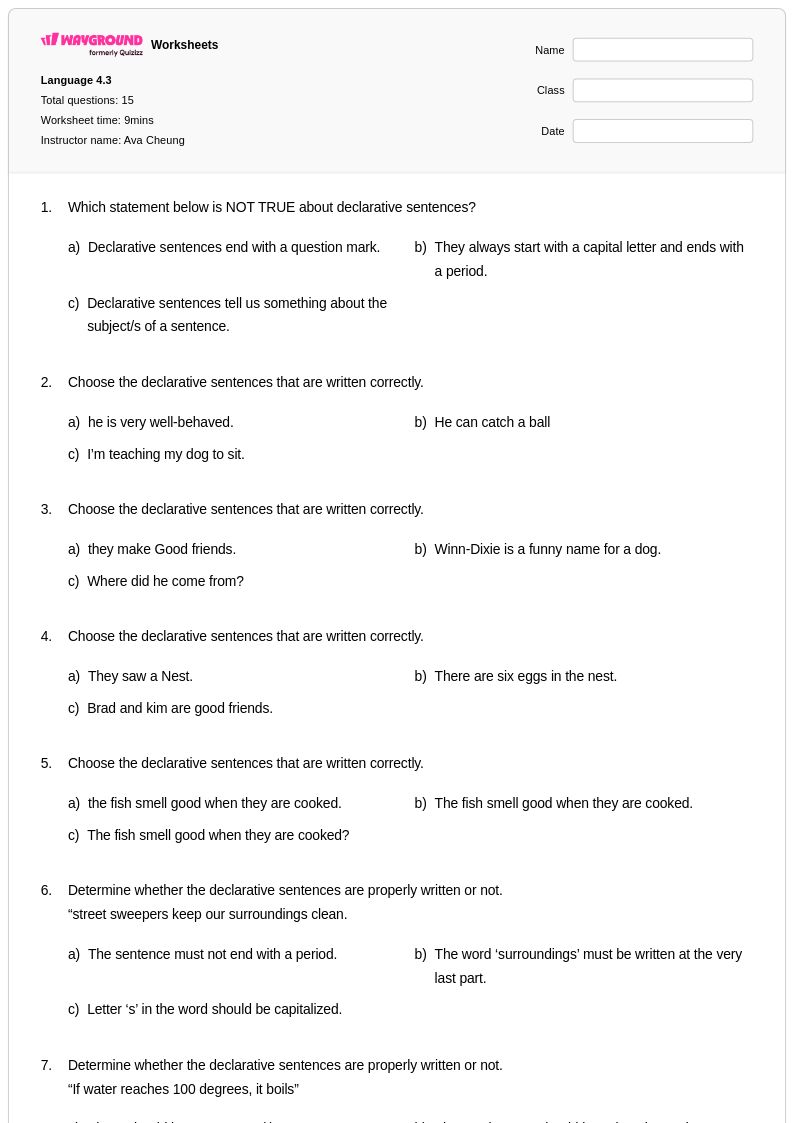
15Q
3rd
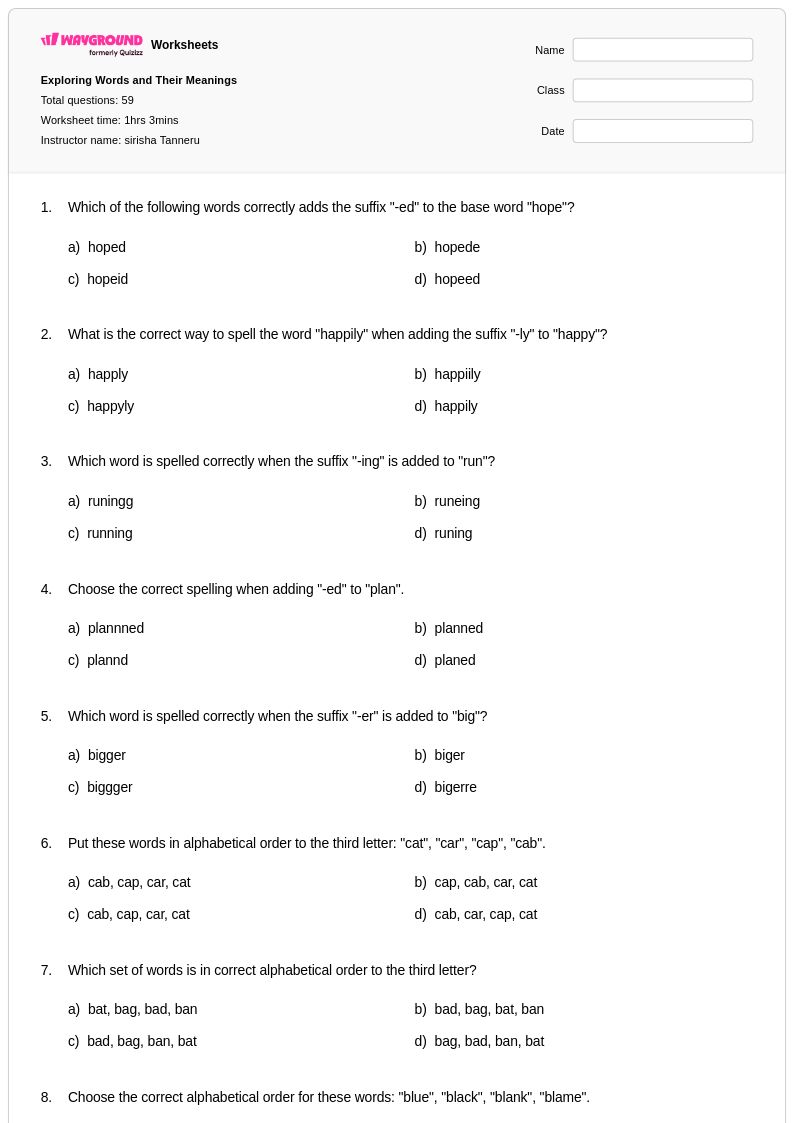
59Q
3rd
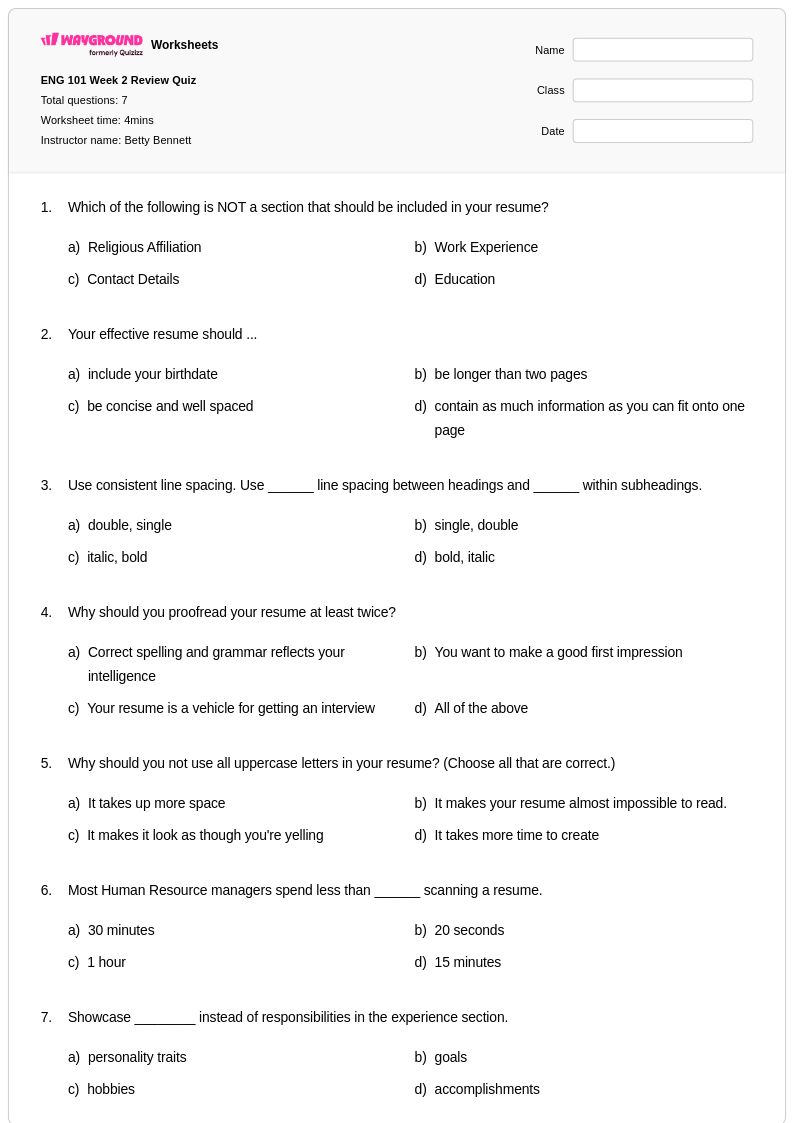
7Q
KG - PD
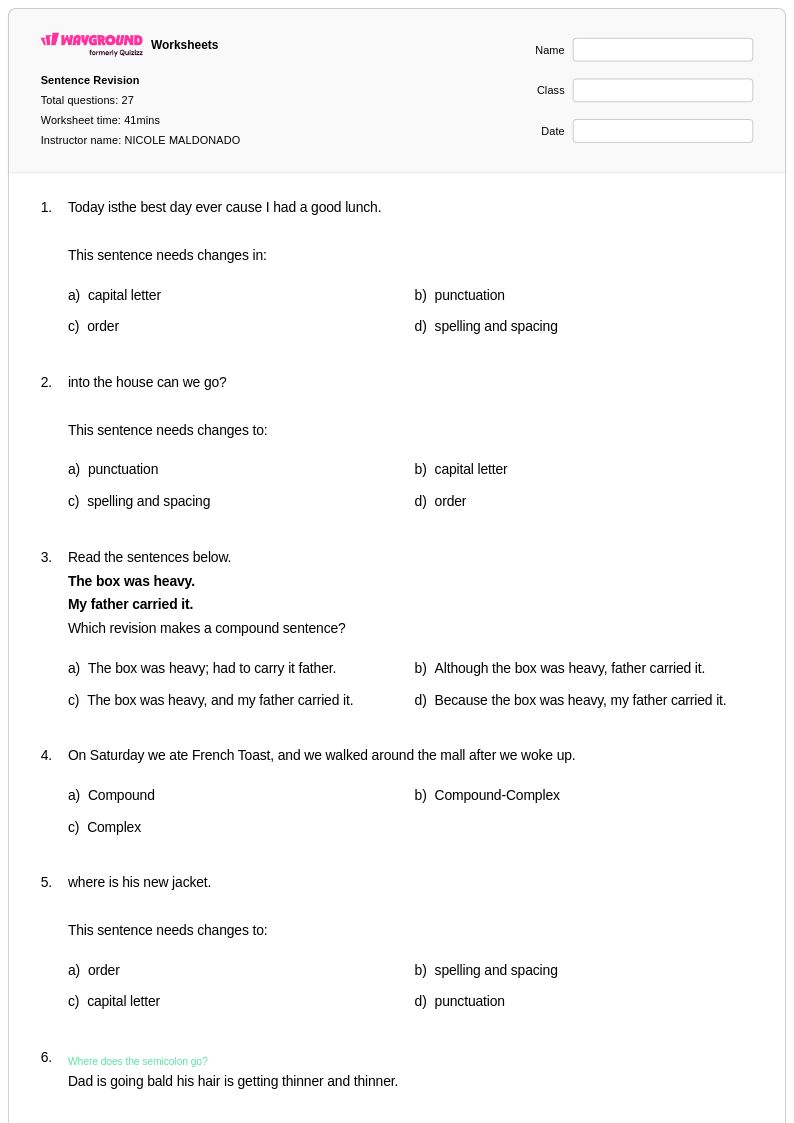
27Q
3rd
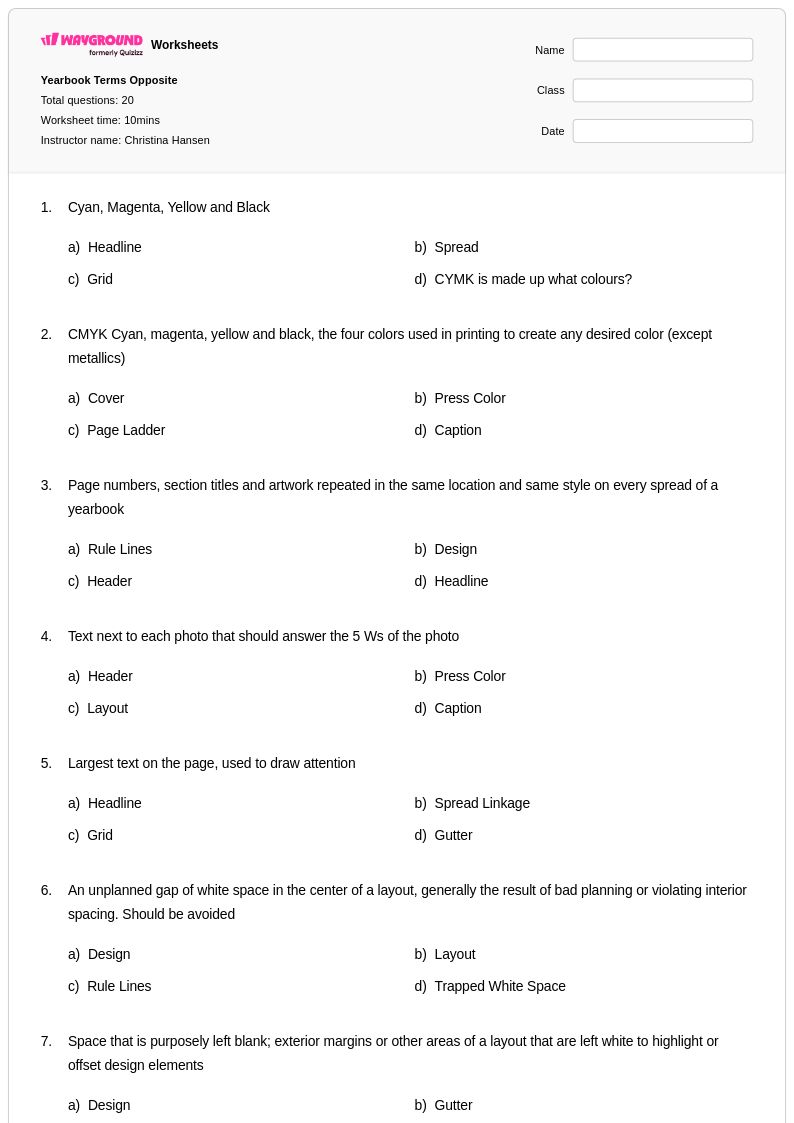
20Q
3rd
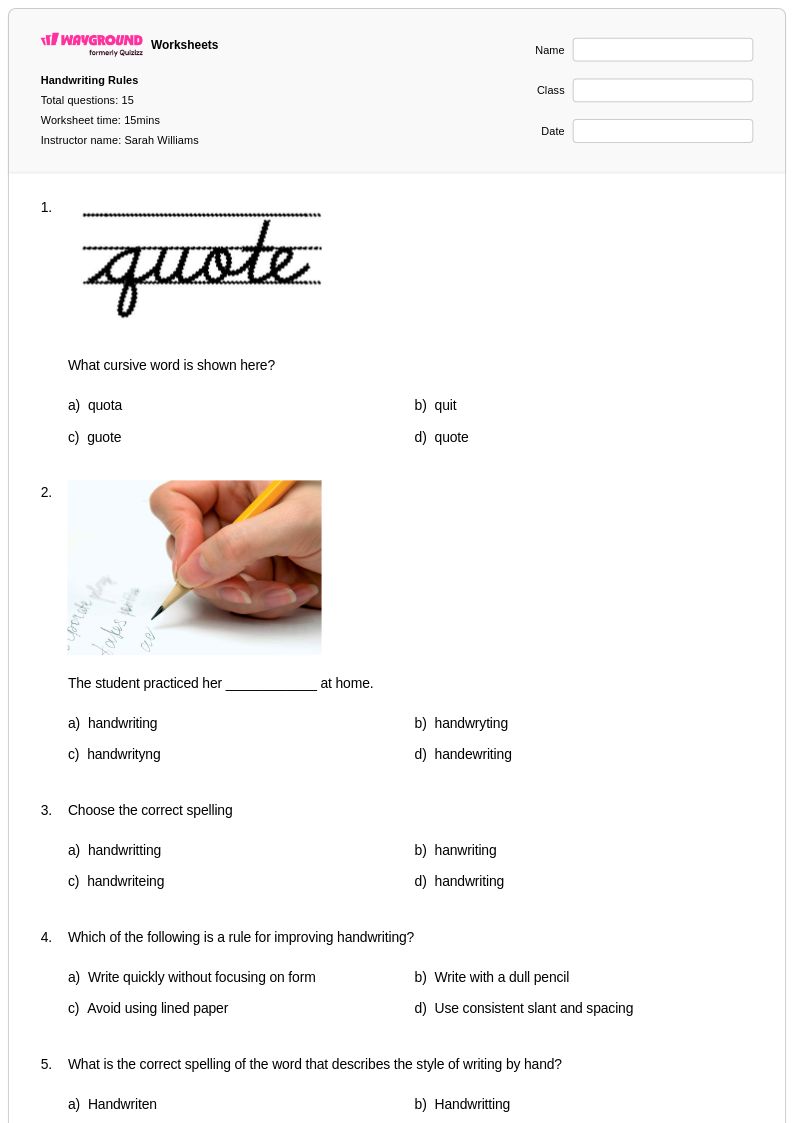
15Q
3rd - Uni
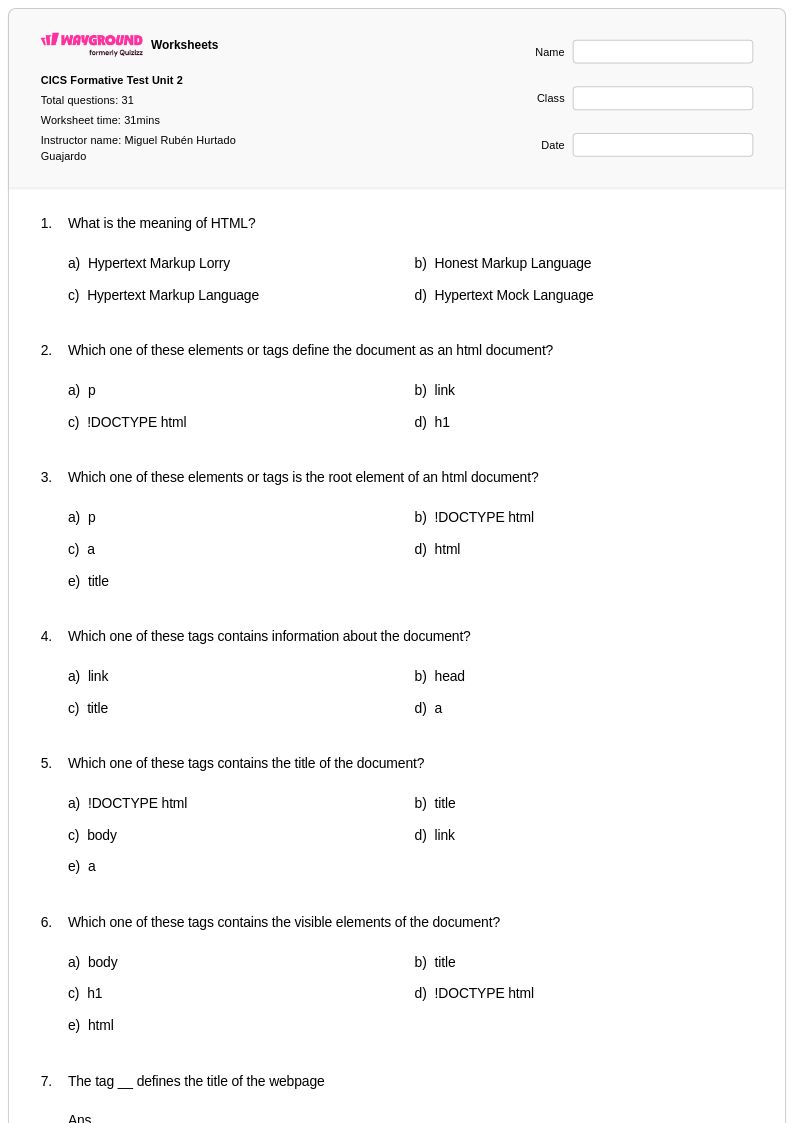
31Q
1st - 5th
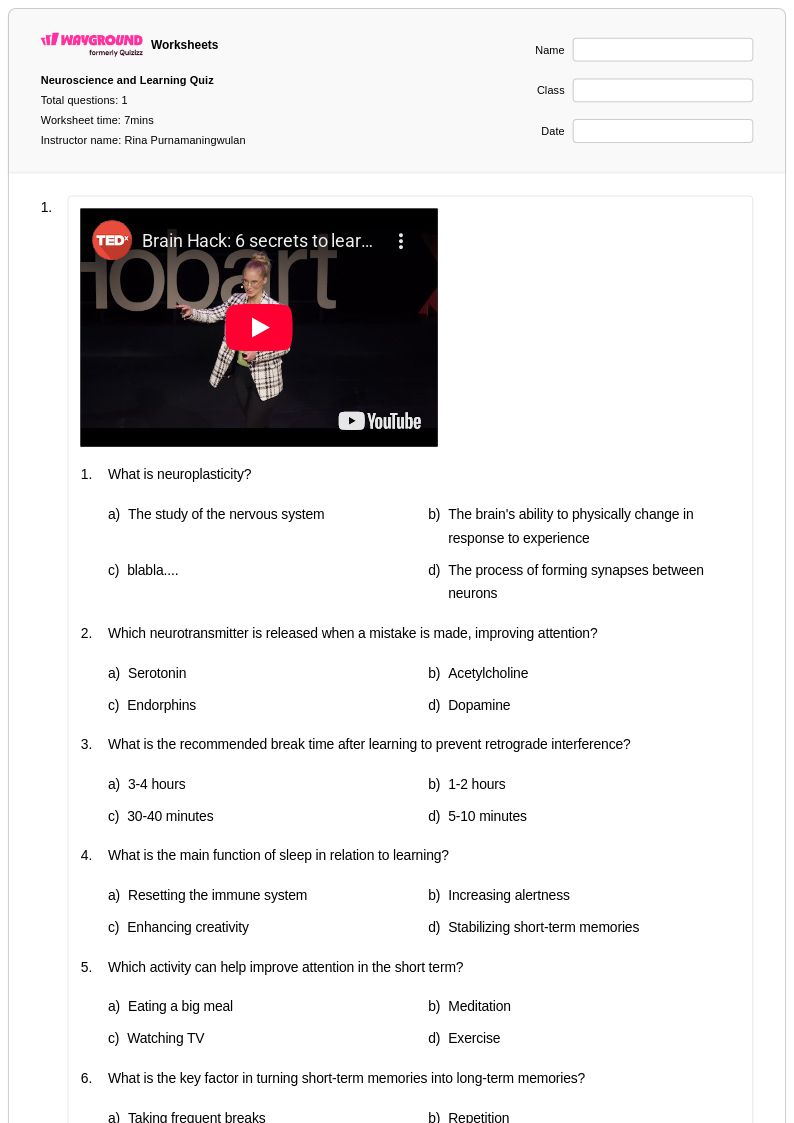
11Q
3rd
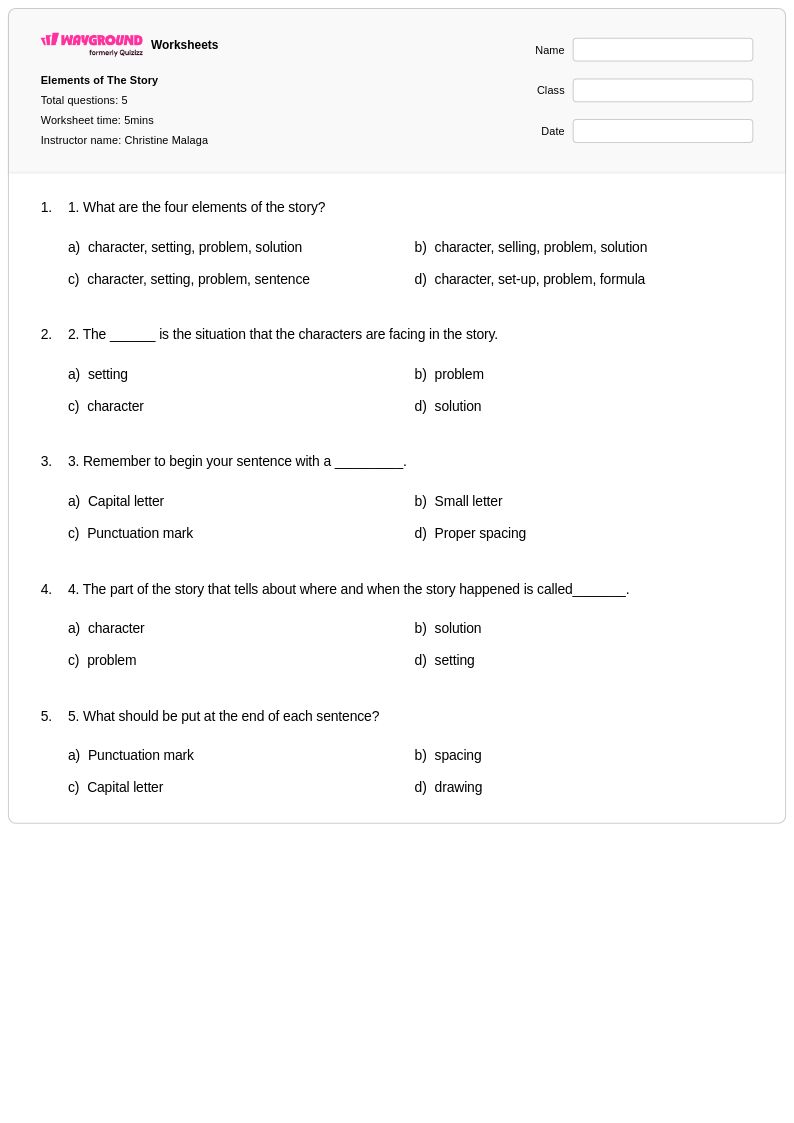
5Q
3rd
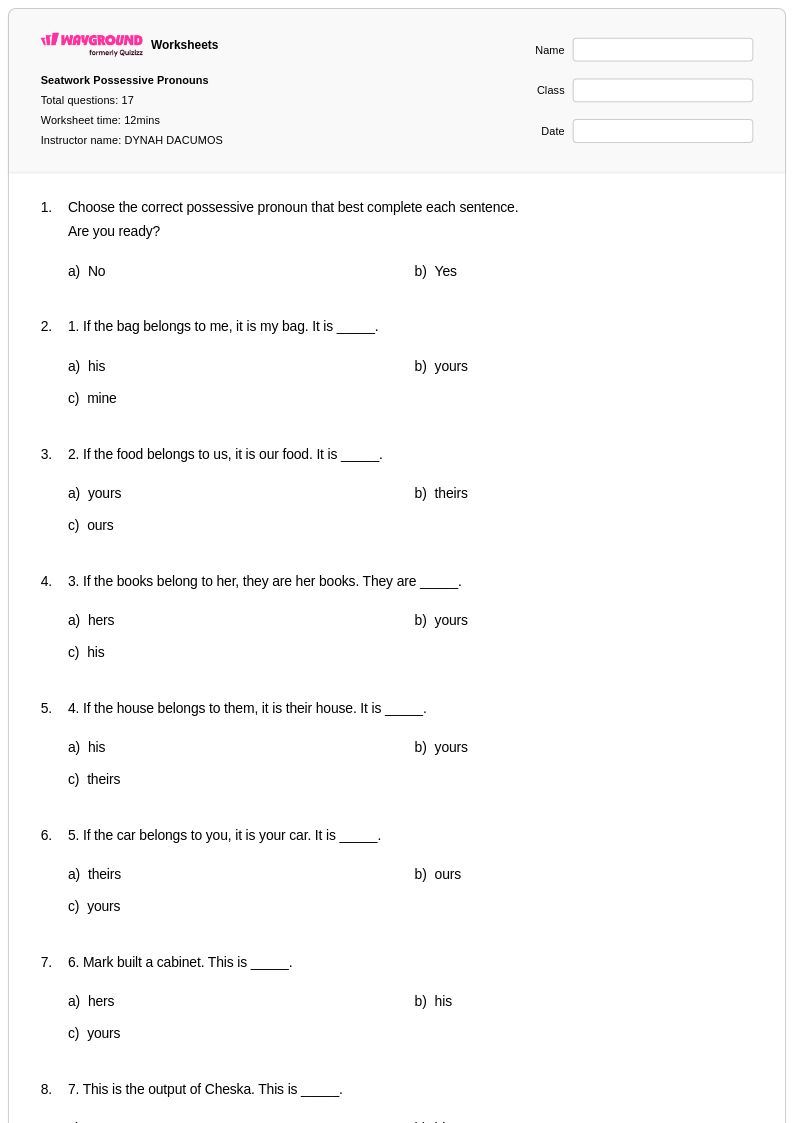
17Q
3rd
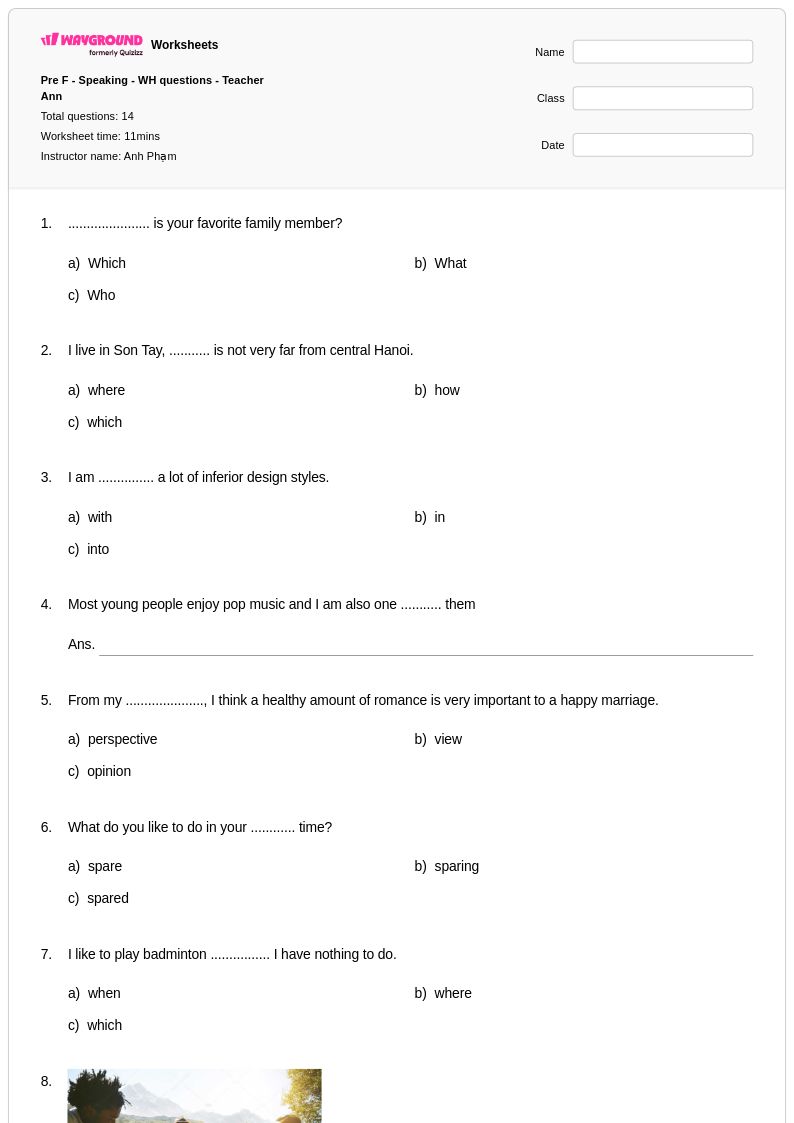
14Q
2nd - Uni
25Q
KG - 3rd
8Q
3rd - 6th
10Q
2nd - 3rd
25Q
3rd - Uni
Explorar Spacing hojas de trabajo por grados
Explore otras hojas de trabajo de materias para grade 3
Explore printable Spacing worksheets for Grade 3
Spacing worksheets for Grade 3 students available through Wayground (formerly Quizizz) provide essential practice in understanding proper word and sentence spacing within printed text. These comprehensive resources help third-grade learners develop critical concepts of print skills by focusing on the visual organization of written language, including appropriate gaps between words, consistent spacing between sentences, and proper margins around text blocks. Students work through carefully designed practice problems that strengthen their ability to recognize correct spacing patterns, identify spacing errors, and apply proper spacing rules in their own writing. Each worksheet collection includes detailed answer keys and free printable pdf formats that support both independent practice and guided instruction, making these valuable printables accessible for classroom use and home reinforcement.
Wayground (formerly Quizizz) empowers educators with millions of teacher-created spacing and concepts of print resources that streamline lesson planning and support differentiated instruction for Grade 3 classrooms. The platform's robust search and filtering capabilities allow teachers to quickly locate standards-aligned materials that match their specific curriculum requirements and student needs. These flexible worksheet collections are available in both printable pdf formats and interactive digital versions, enabling seamless integration into various teaching environments and learning modalities. Teachers can easily customize content difficulty levels, modify practice problems for remediation or enrichment purposes, and adapt materials to accommodate diverse learning styles, ensuring that every third-grade student receives appropriate support in mastering essential spacing concepts that form the foundation of reading fluency and writing mechanics.