
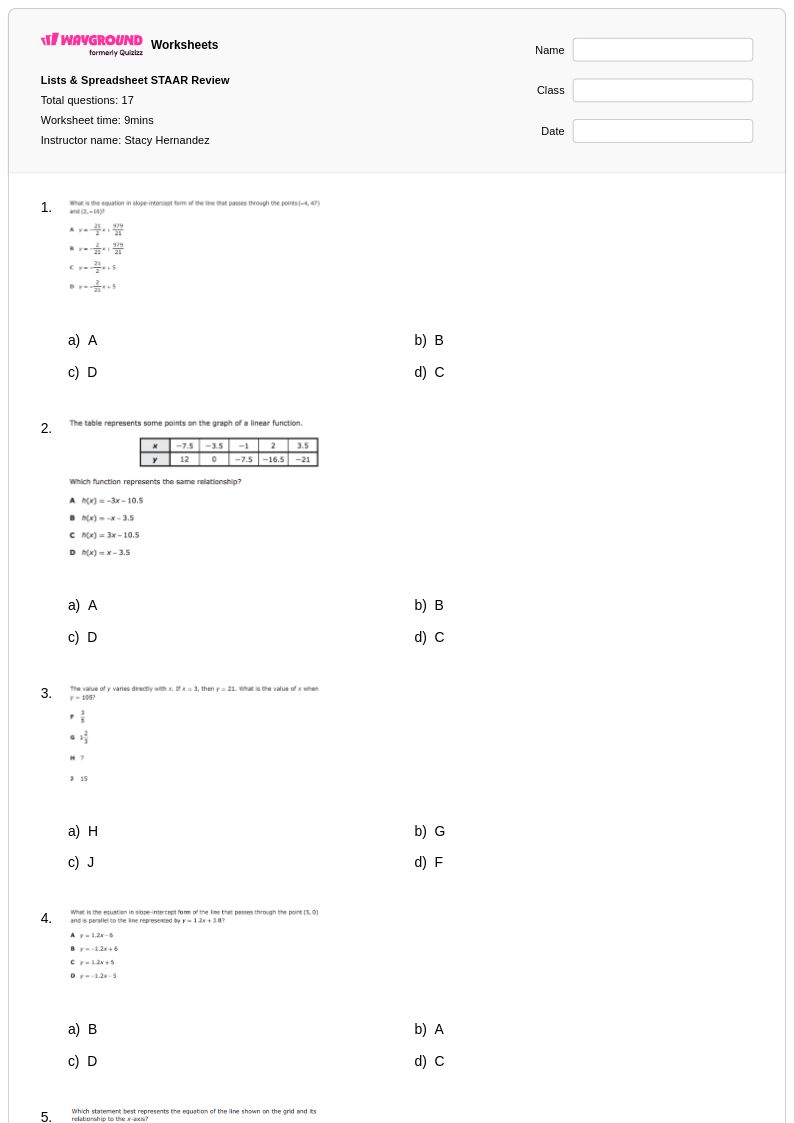
17 Q
9th
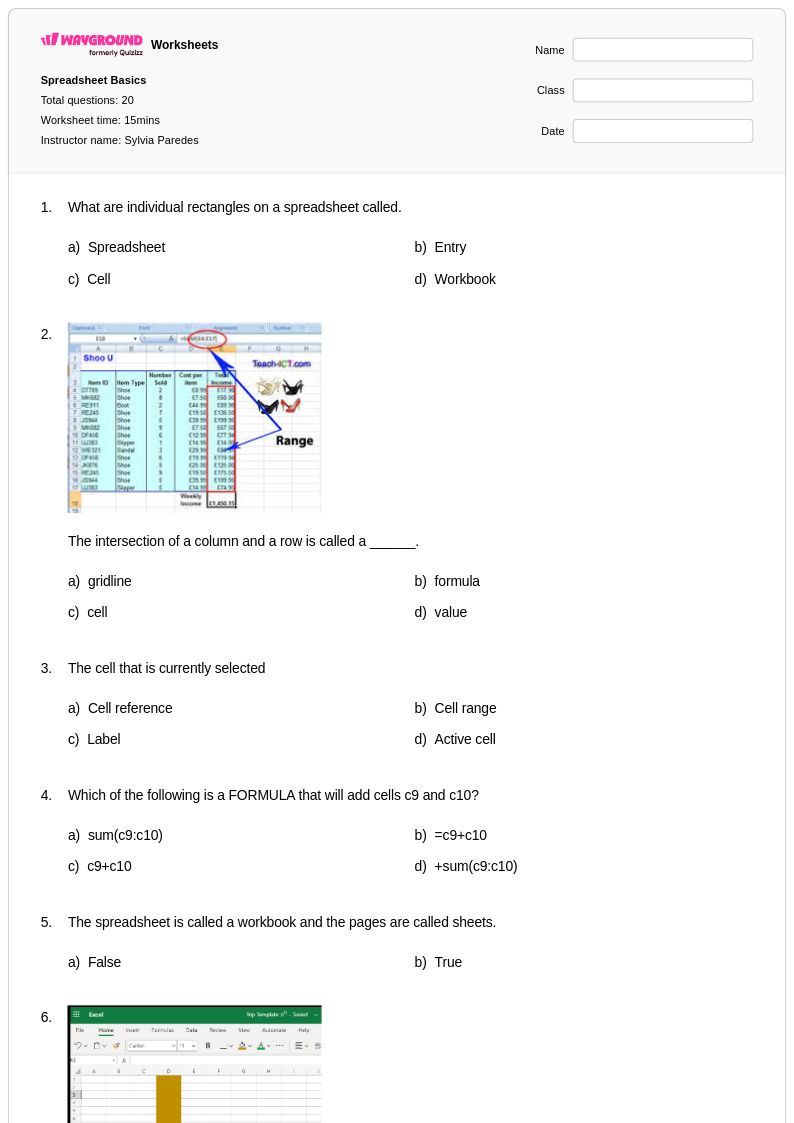
20 Q
9th - 12th
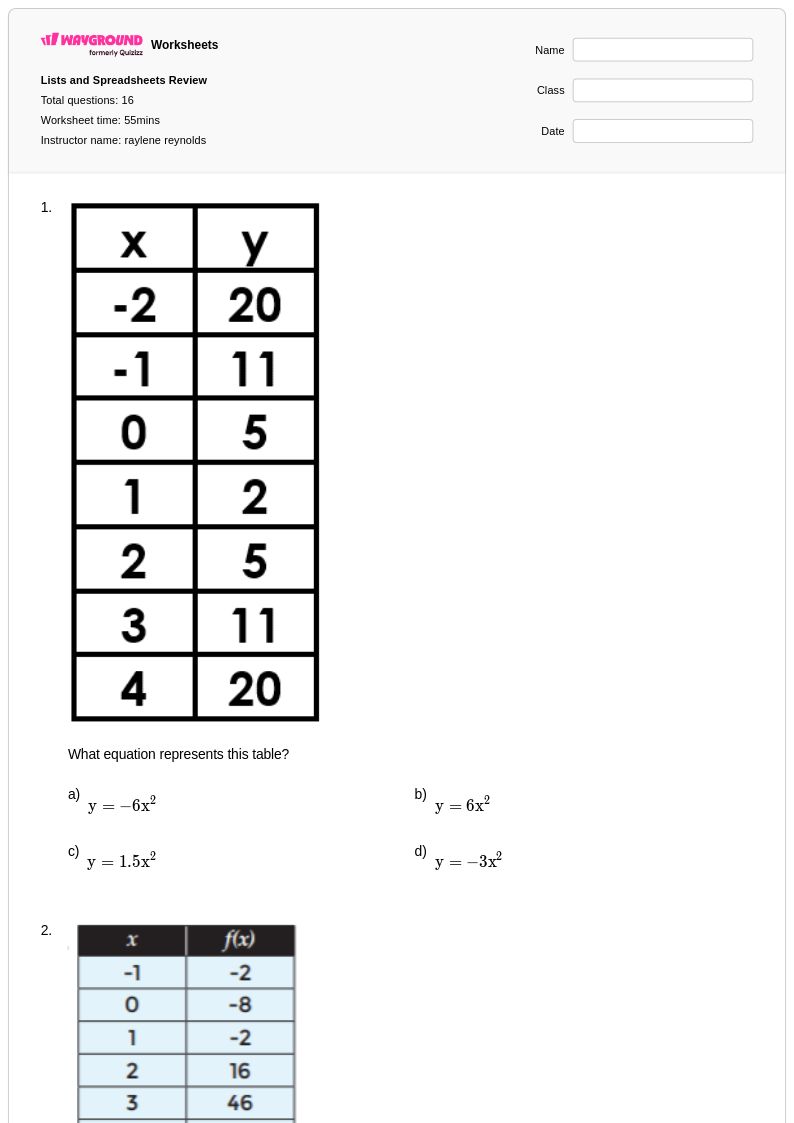
16 Q
9th
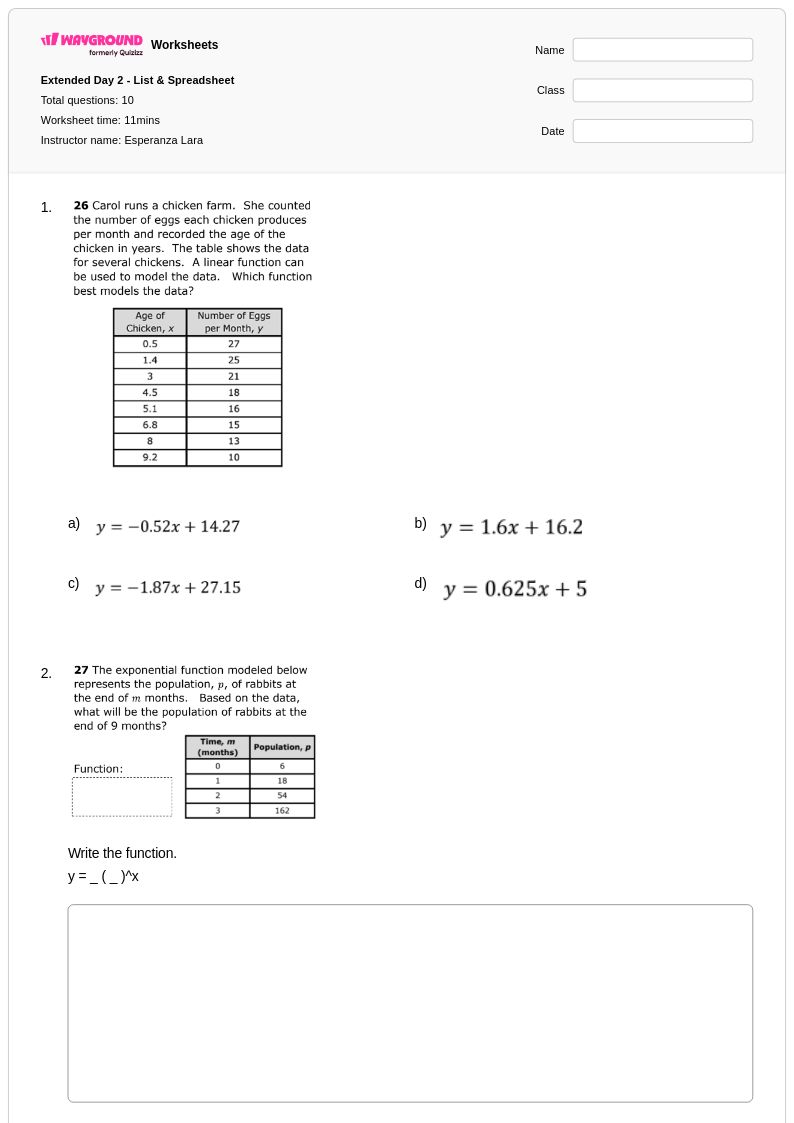
10 Q
9th
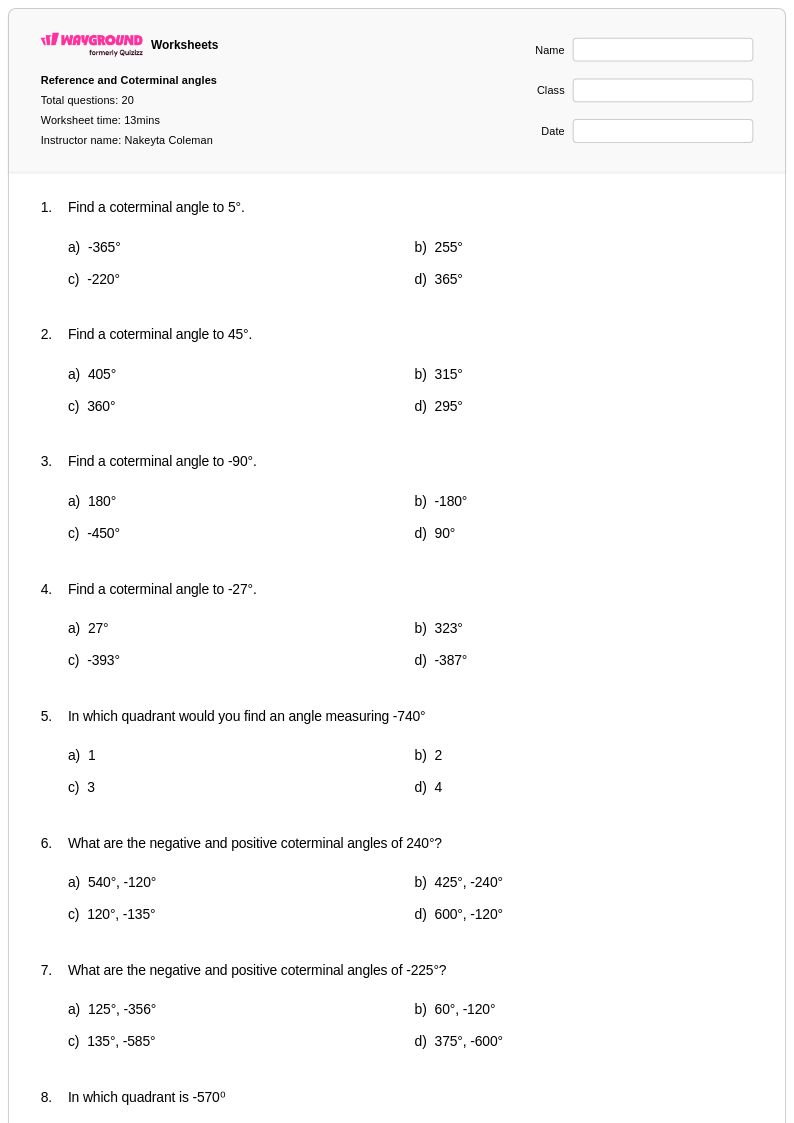
20 Q
9th - 12th
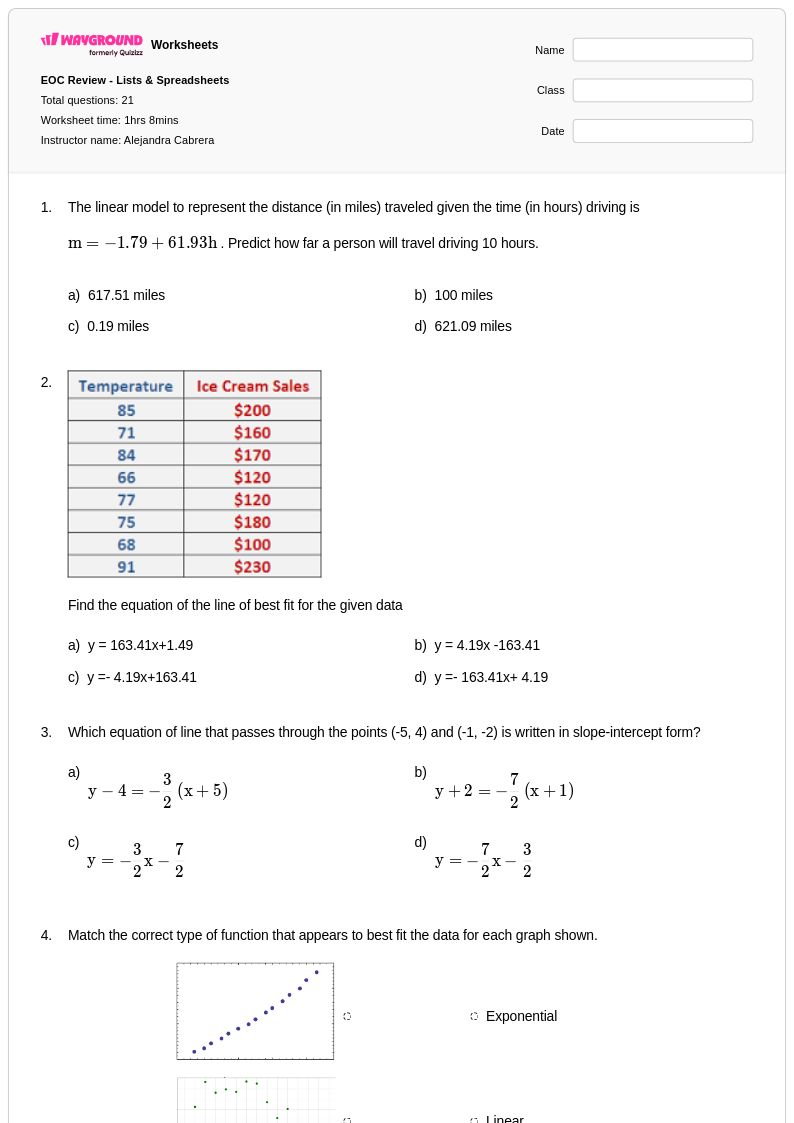
21 Q
9th
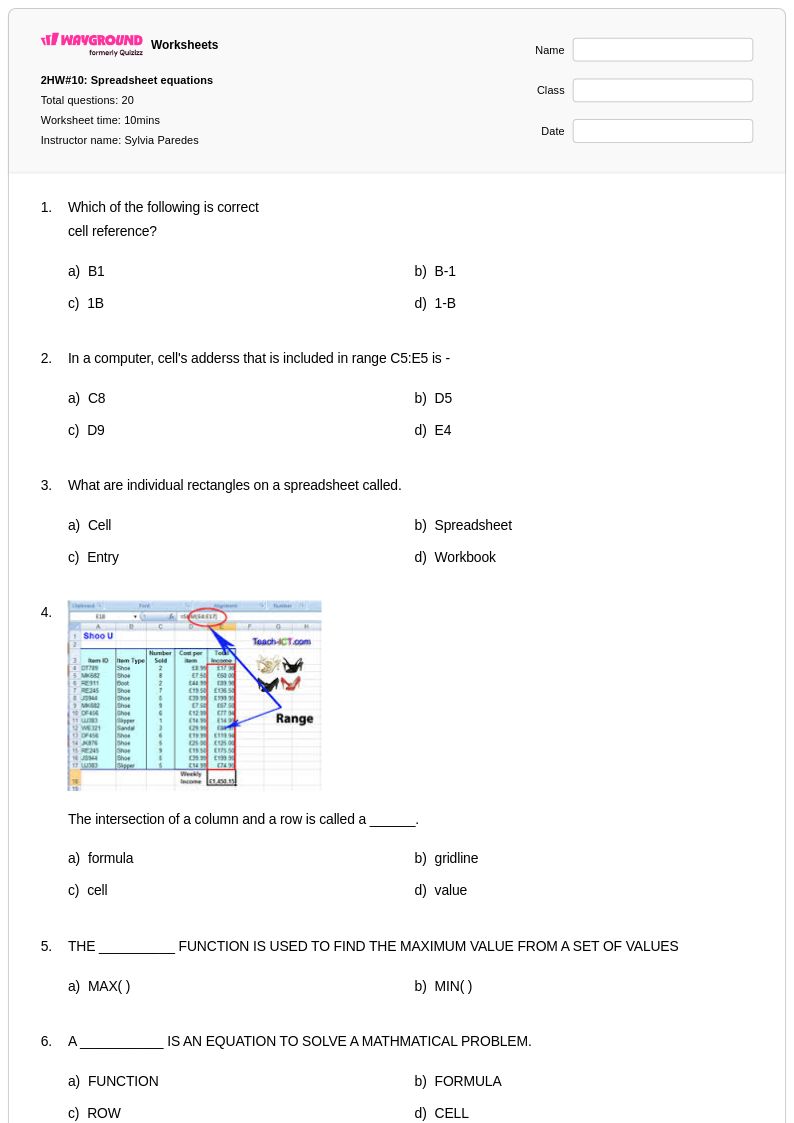
20 Q
9th - 12th
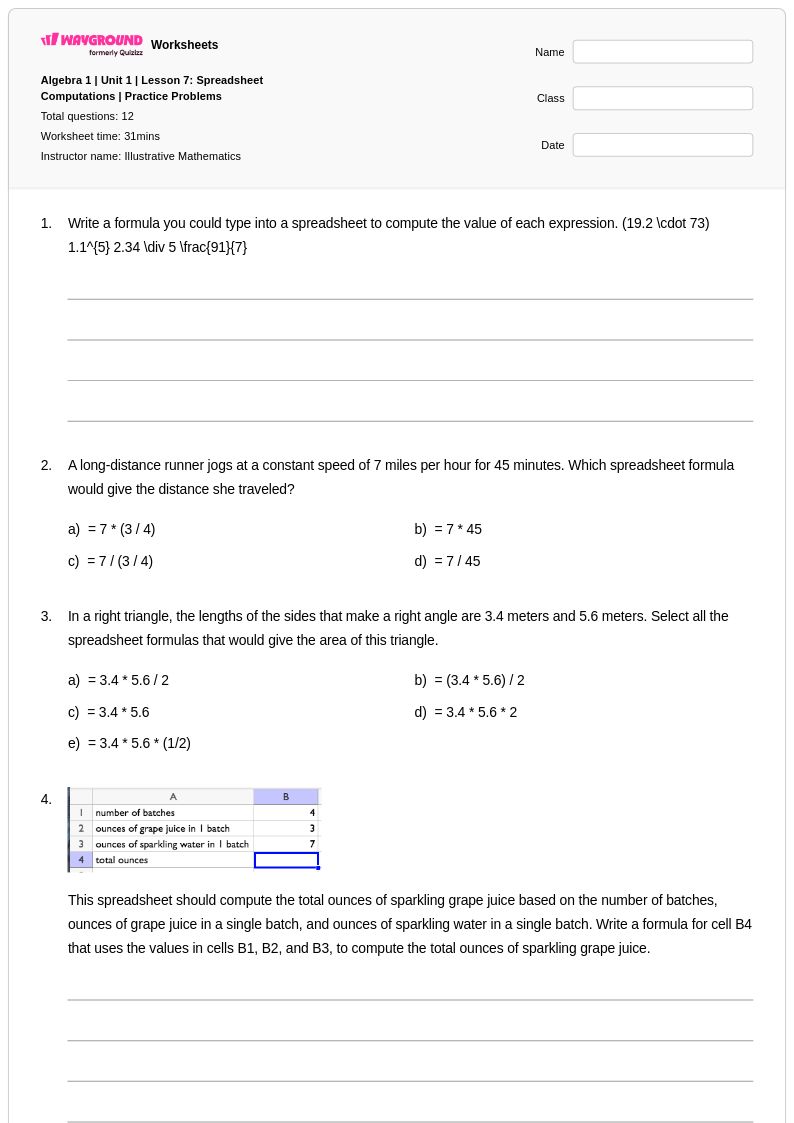
12 Q
6th - Uni
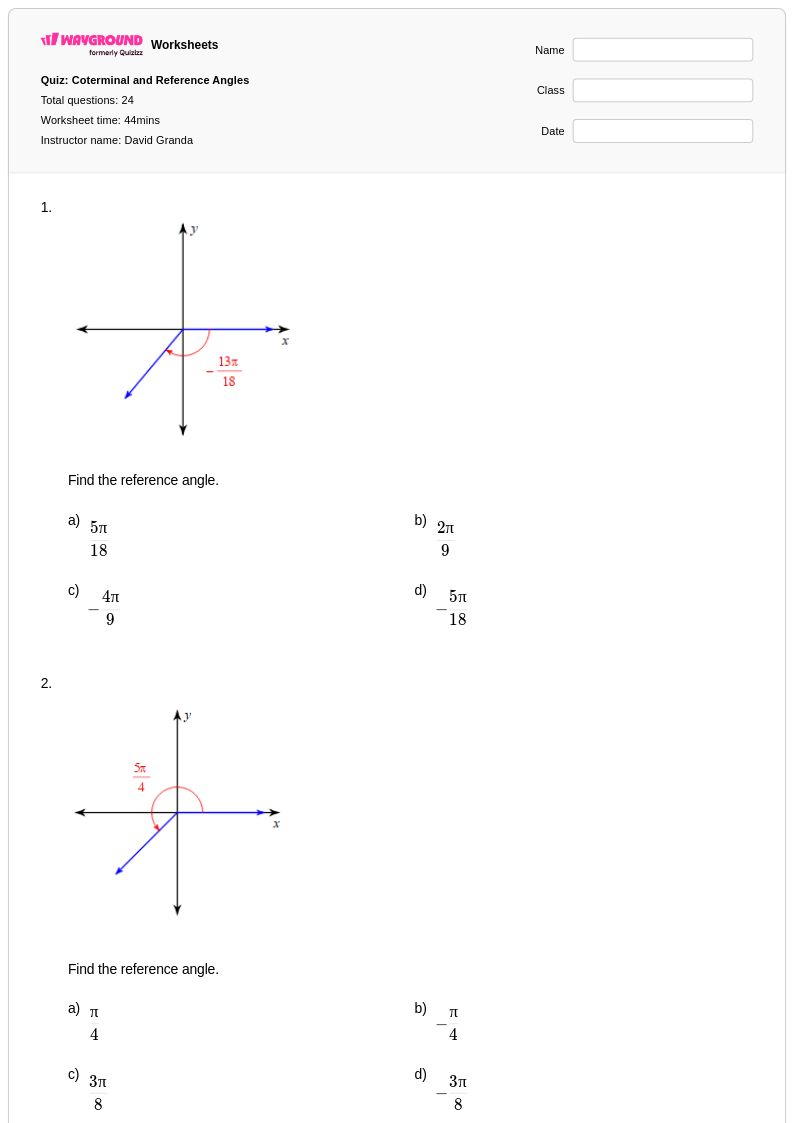
24 Q
9th - 12th
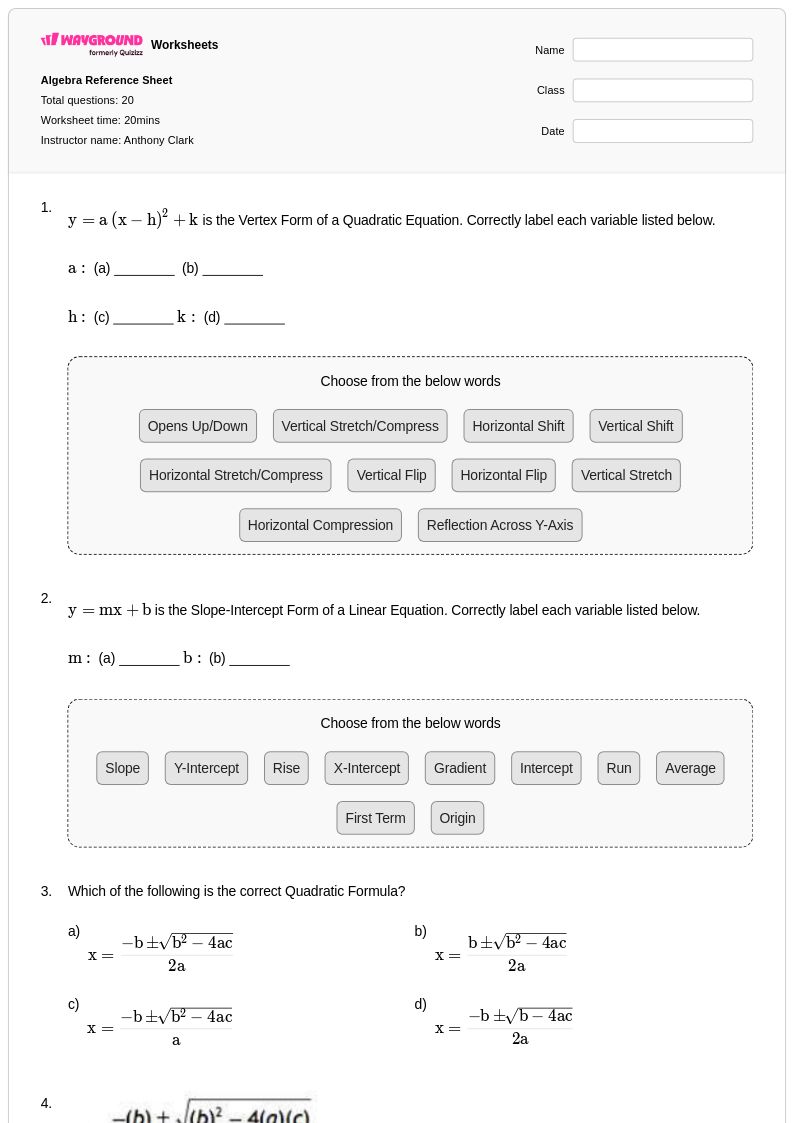
20 Q
9th - Uni
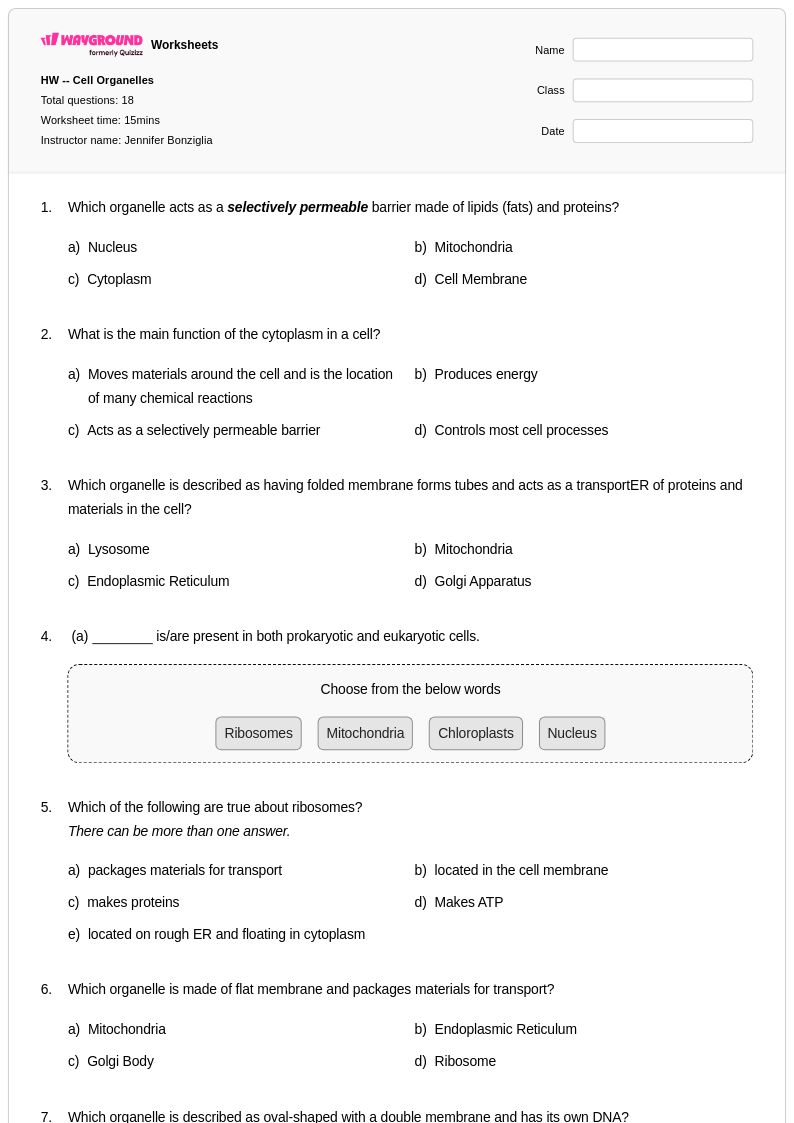
18 Q
8th - Uni
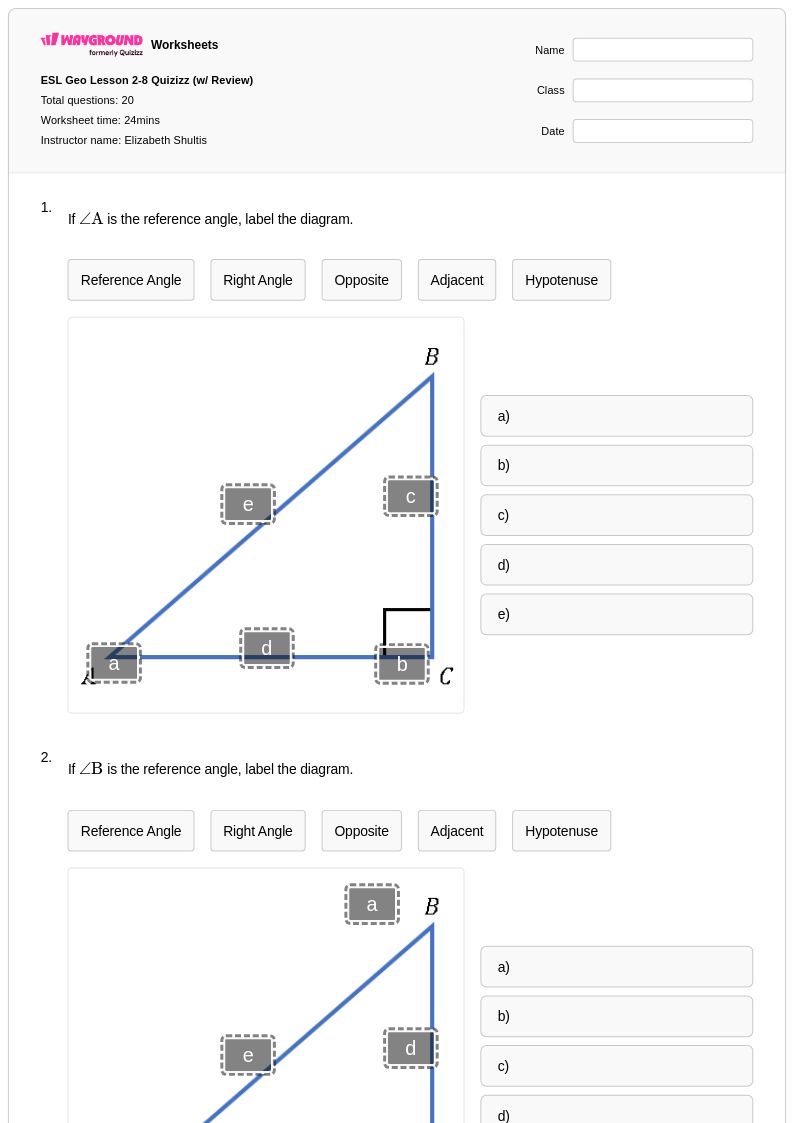
20 Q
9th - 12th
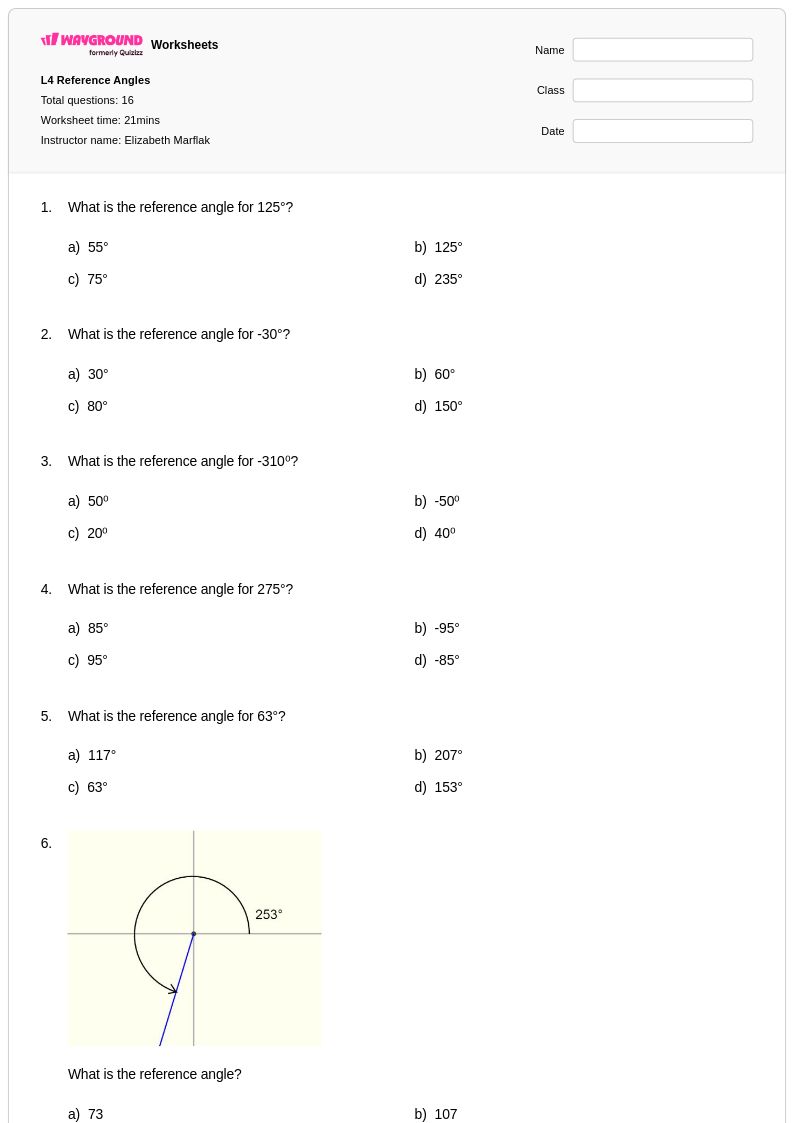
16 Q
9th - 12th
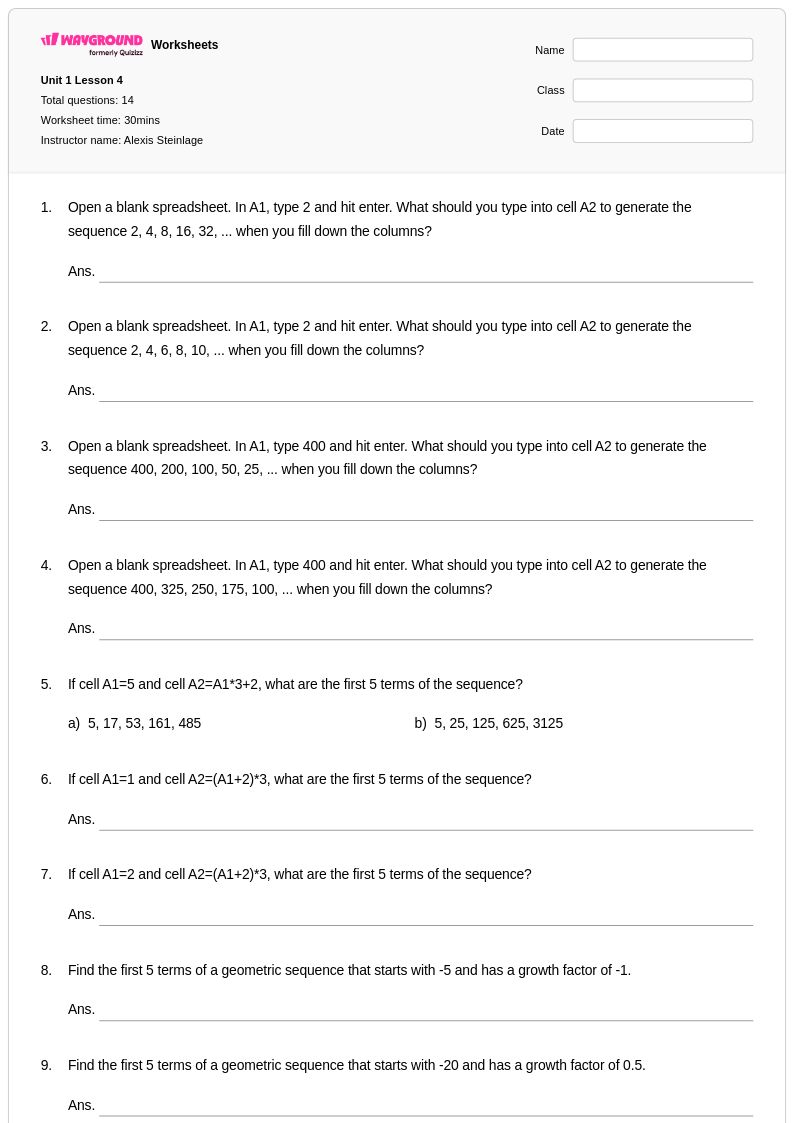
14 Q
9th - 12th
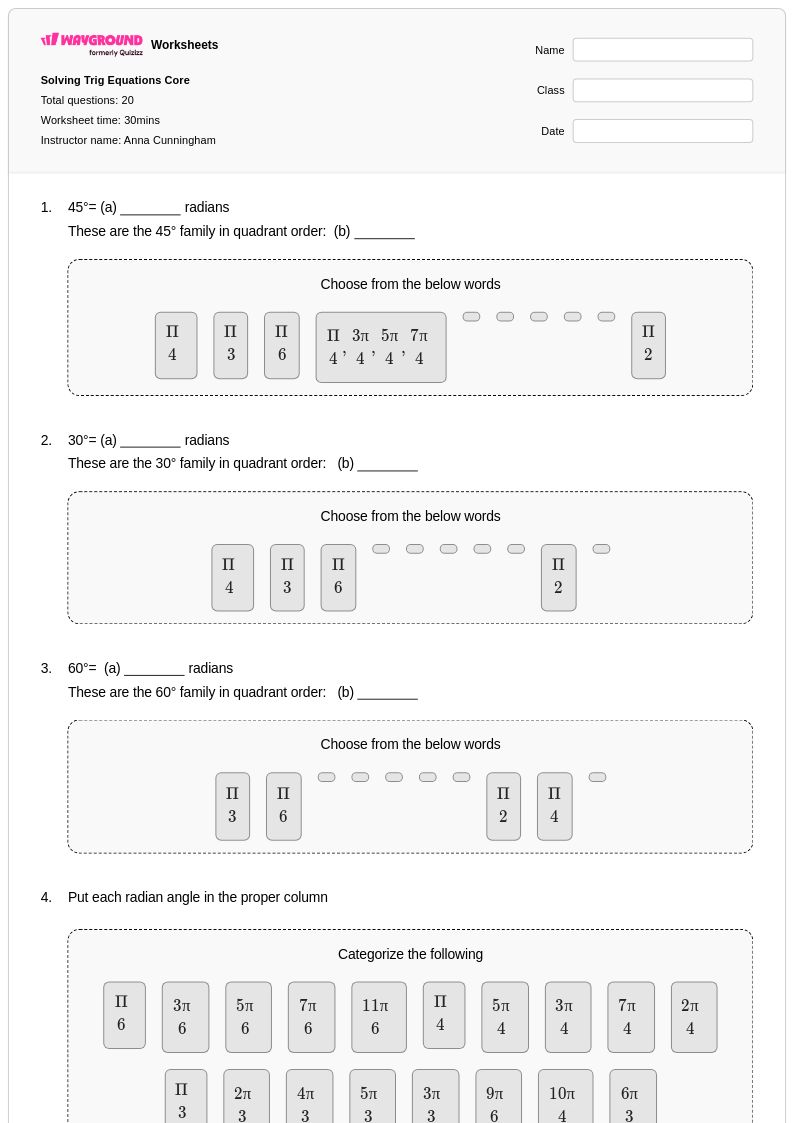
20 Q
9th - 12th
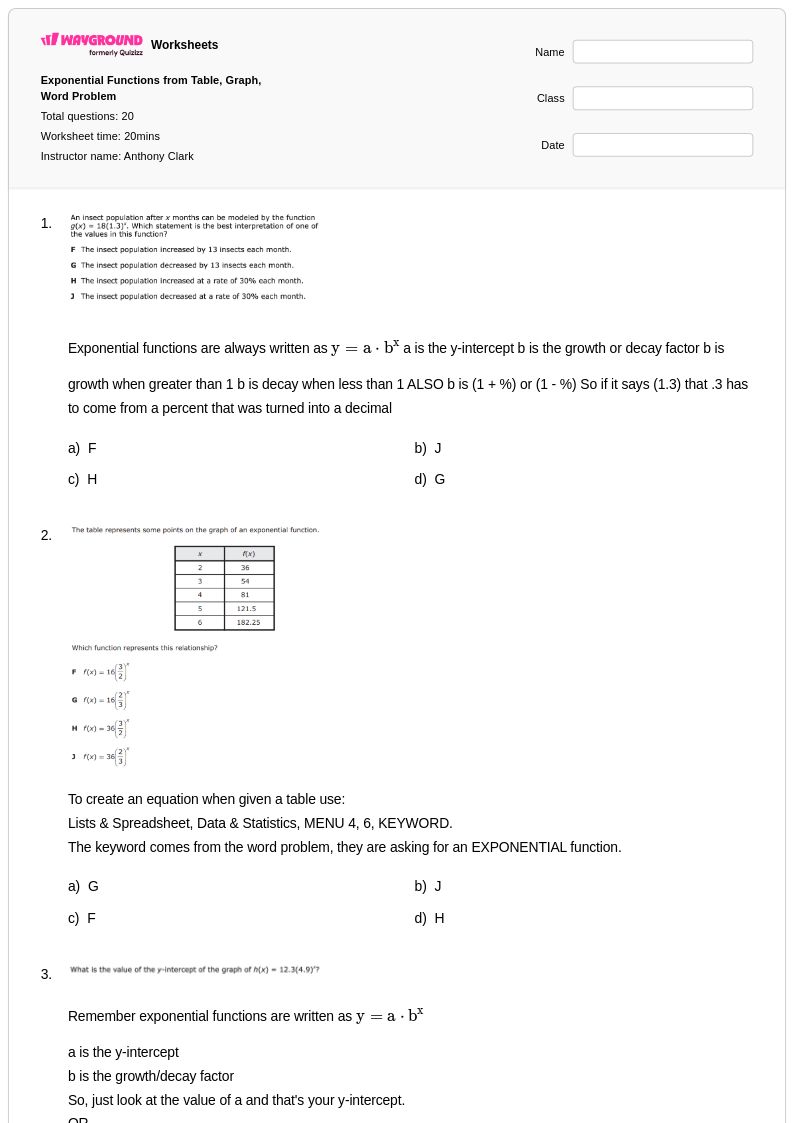
20 Q
9th - Uni
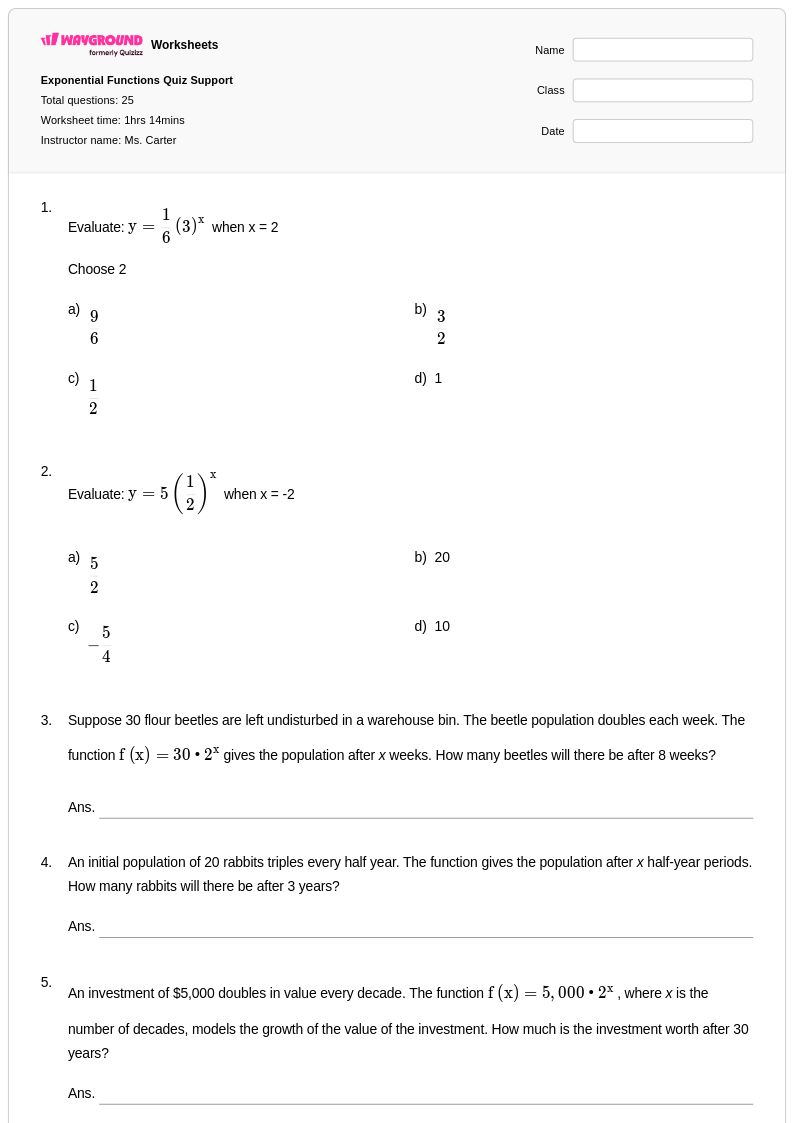
25 Q
9th
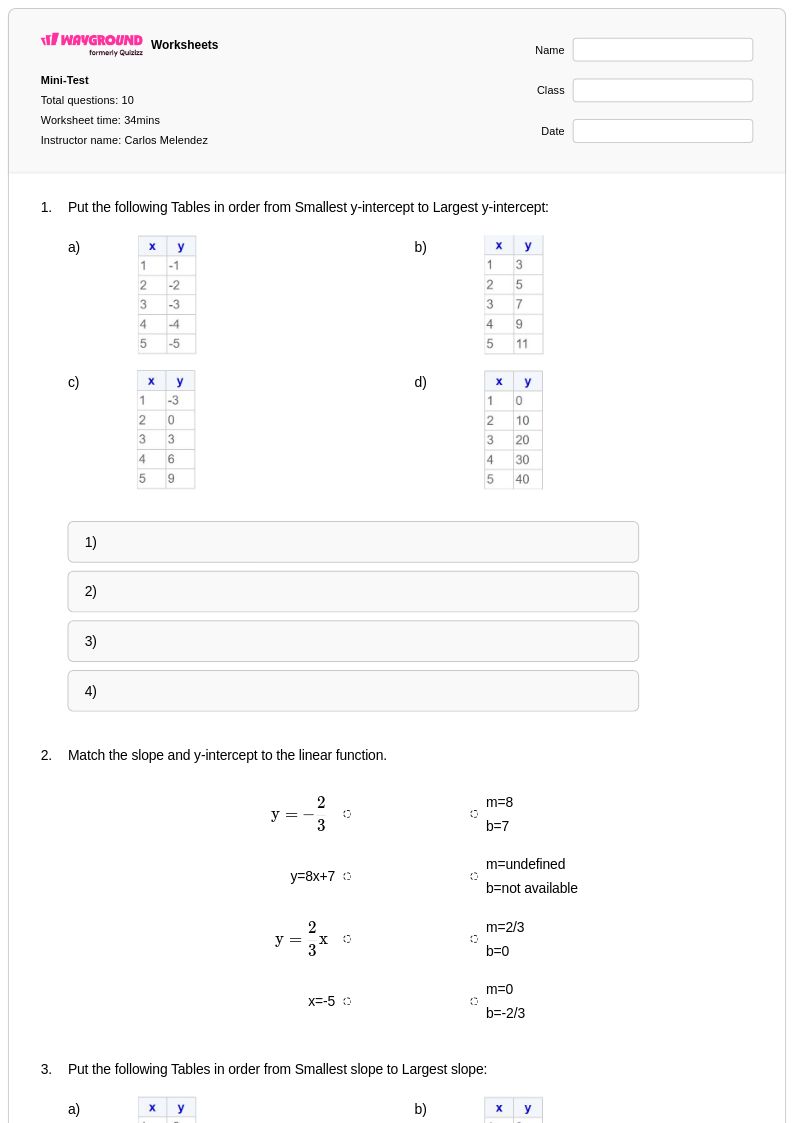
10 Q
9th
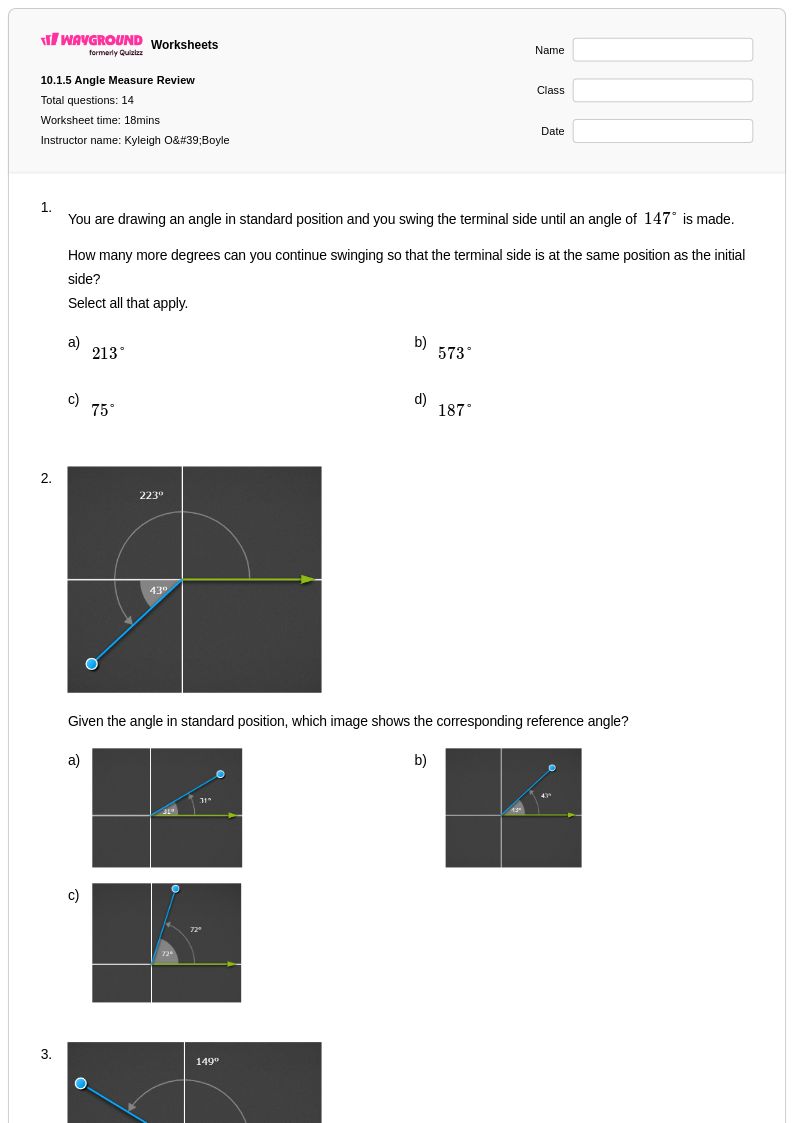
14 Q
9th
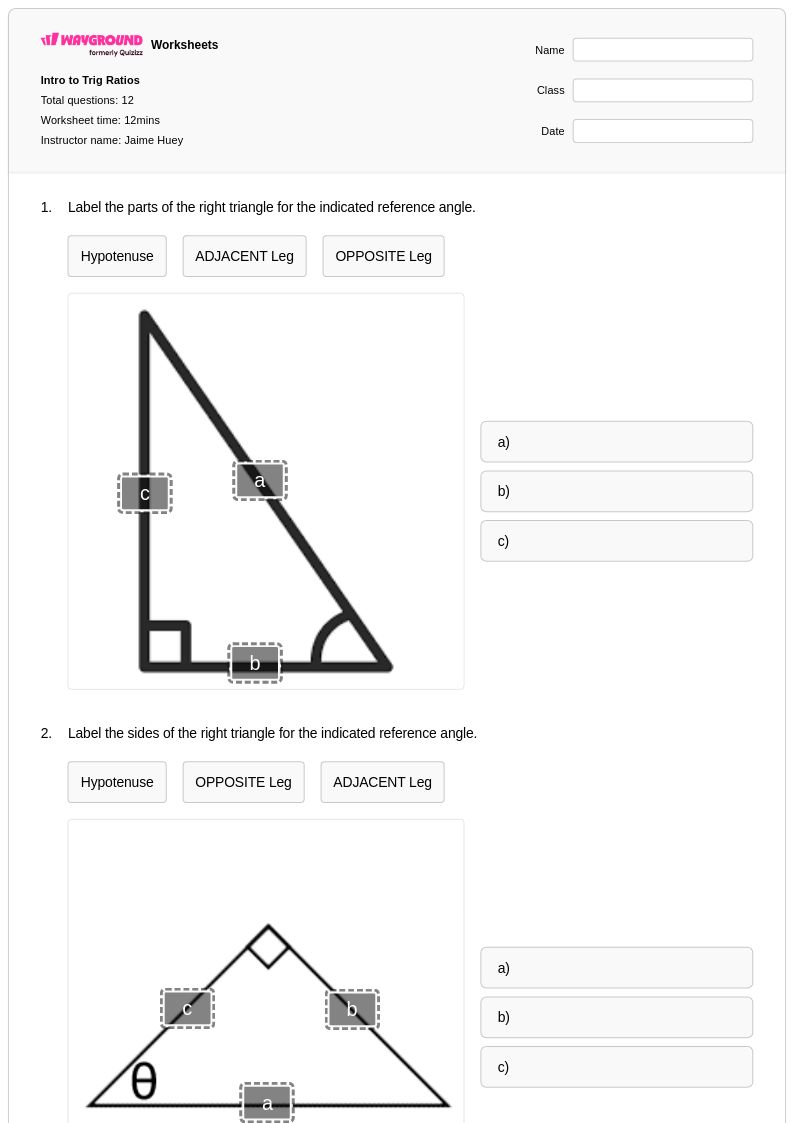
12 Q
9th - 12th
16 Q
9th
20 Q
9th - Uni
20 Q
9th - 12th
18 Q
9th - 12th
Explore Spreadsheet Cell References Worksheets by Grades
Explore Other Subject Worksheets for grade 9
Explore printable Spreadsheet Cell References worksheets for Grade 9
Spreadsheet cell references form a critical foundation for Grade 9 students developing advanced data analysis and computational thinking skills in mathematics. Wayground's comprehensive collection of spreadsheet cell references worksheets provides students with structured practice in understanding absolute and relative references, formula construction, and data manipulation techniques essential for modern mathematical problem-solving. These expertly designed resources strengthen students' ability to navigate spreadsheet environments, create dynamic formulas, and understand how cell addressing impacts calculations across different scenarios. The worksheets include detailed answer keys and are available as free printable pdf resources, offering extensive practice problems that progress from basic cell notation to complex multi-sheet references and mixed reference types.
Wayground's robust platform, featuring millions of teacher-created resources, empowers educators to effectively implement spreadsheet cell reference instruction through powerful search and filtering capabilities that align with curriculum standards. Teachers can easily customize worksheets to match their specific classroom needs, accessing both printable and digital formats including downloadable pdfs that support diverse learning environments. The platform's differentiation tools enable instructors to modify complexity levels, ensuring appropriate challenge levels for students requiring remediation or enrichment in spreadsheet skills. These comprehensive resources streamline lesson planning while providing educators with flexible options for skill practice, formative assessment, and targeted intervention, ultimately supporting students' development of essential digital literacy and mathematical modeling competencies required in today's data-driven academic and professional landscape.
FAQs
How do I teach spreadsheet cell references in Grade 9?
What spreadsheet cell reference exercises challenge ninth graders?
What mistakes do Grade 9 students make with complex cell references?
How do I use Wayground Grade 9 spreadsheet worksheets for practice or assessment?
How can I differentiate advanced cell reference practice?
What spreadsheet cell reference skills should Grade 9 students have?