Free Printable Writing Names Worksheets for Kindergarten
Discover free kindergarten writing names worksheets and printables that help young learners practice letter formation, name recognition, and early writing skills through engaging activities with answer keys included.
Explore printable Writing Names worksheets for Kindergarten
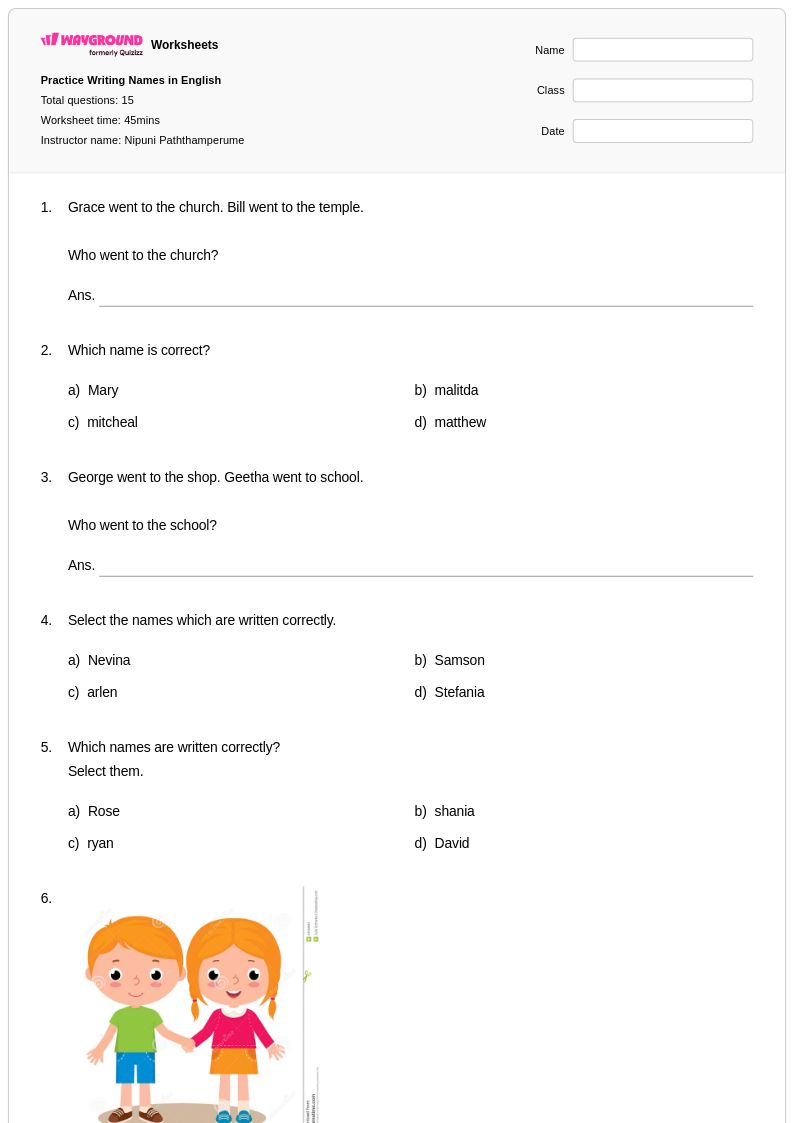
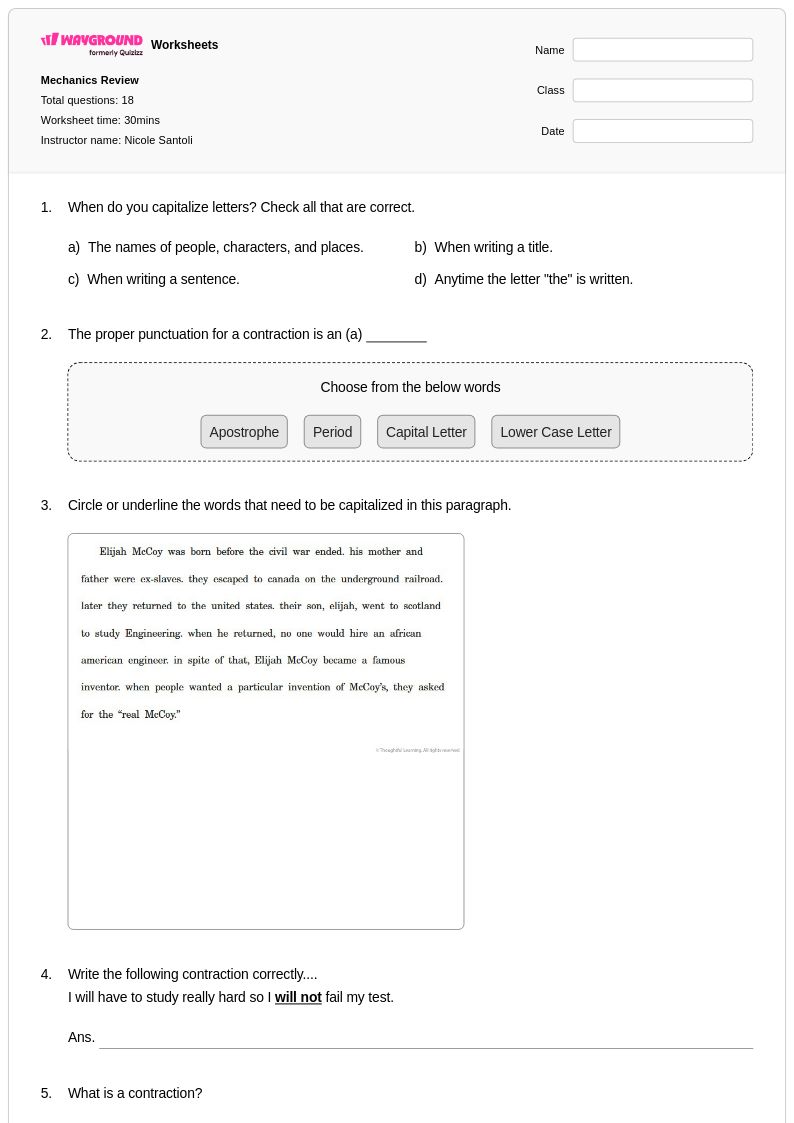
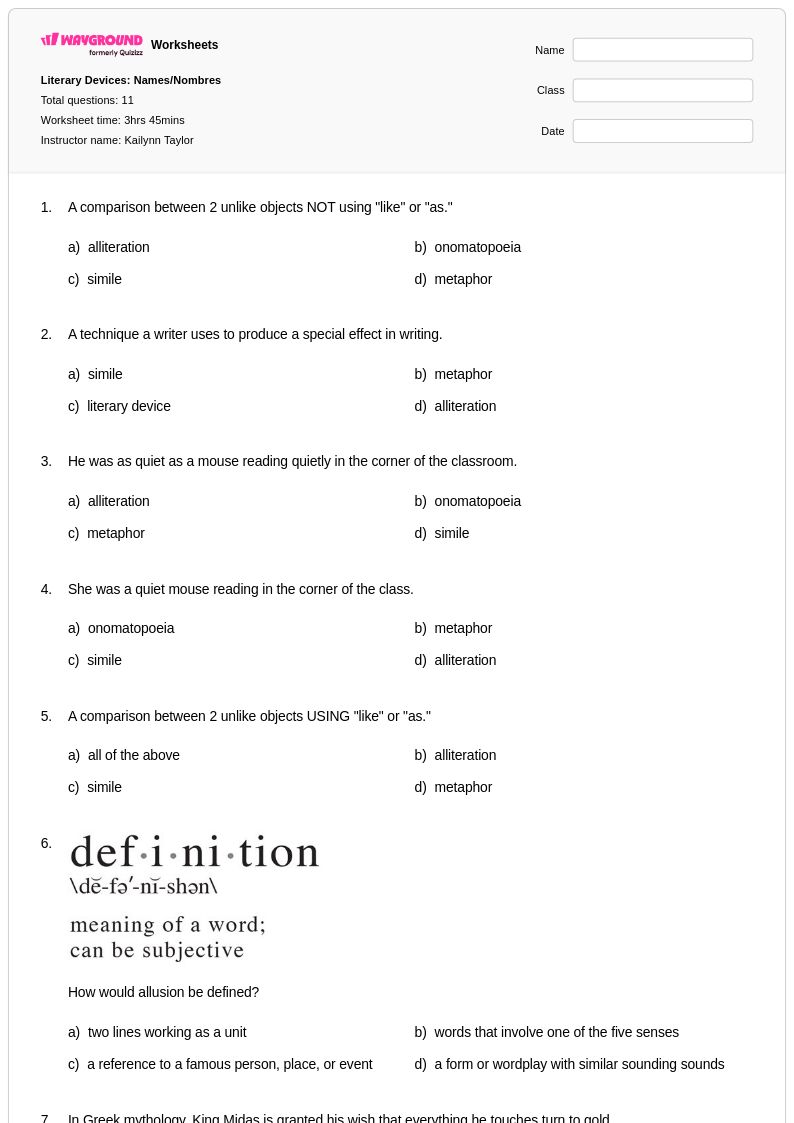
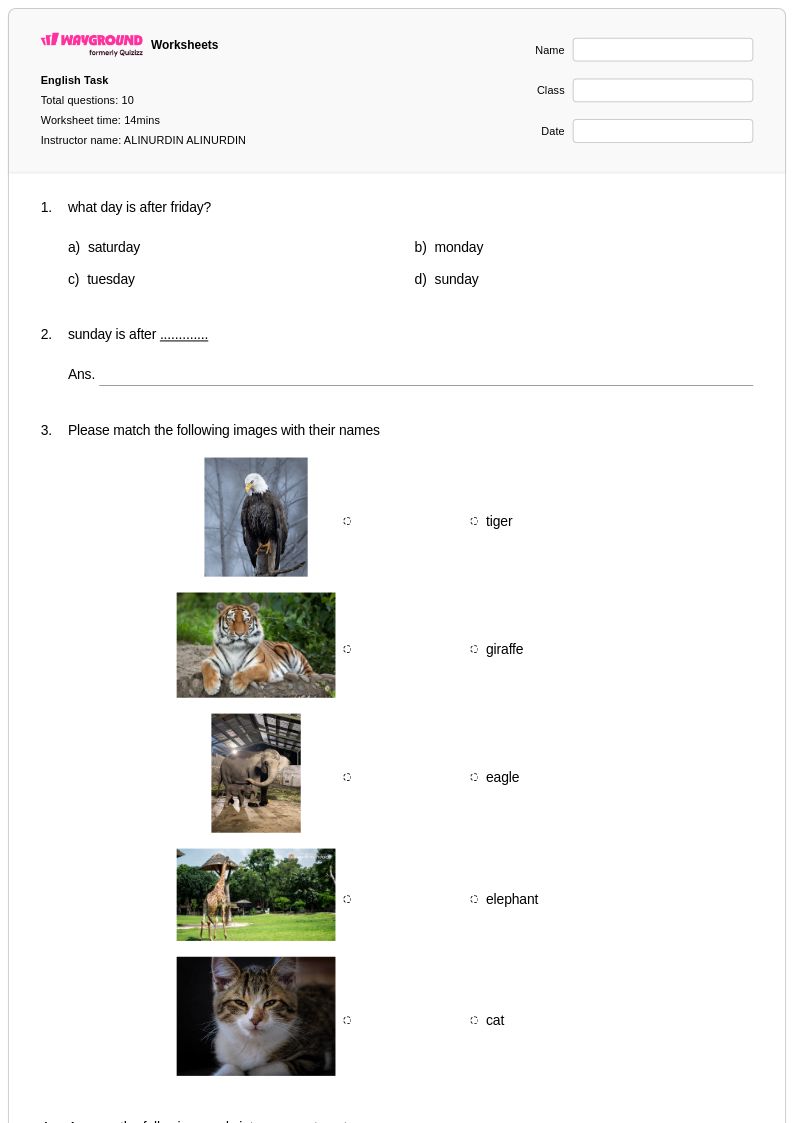
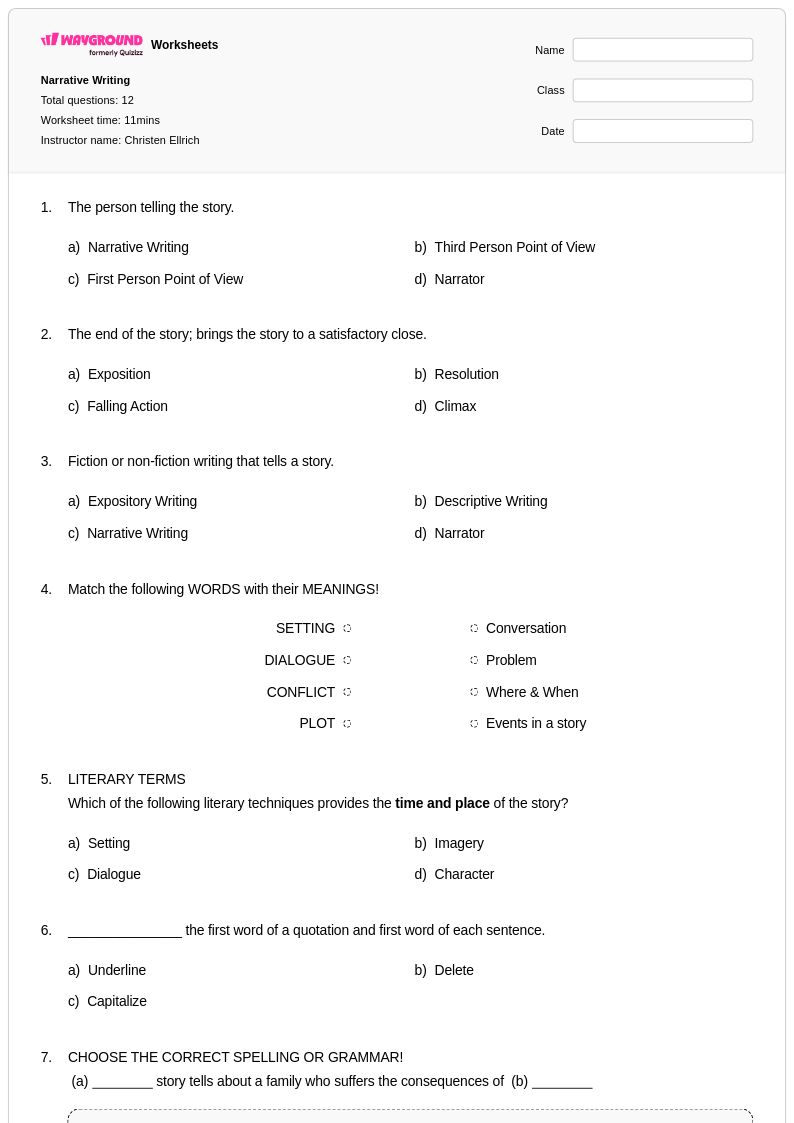
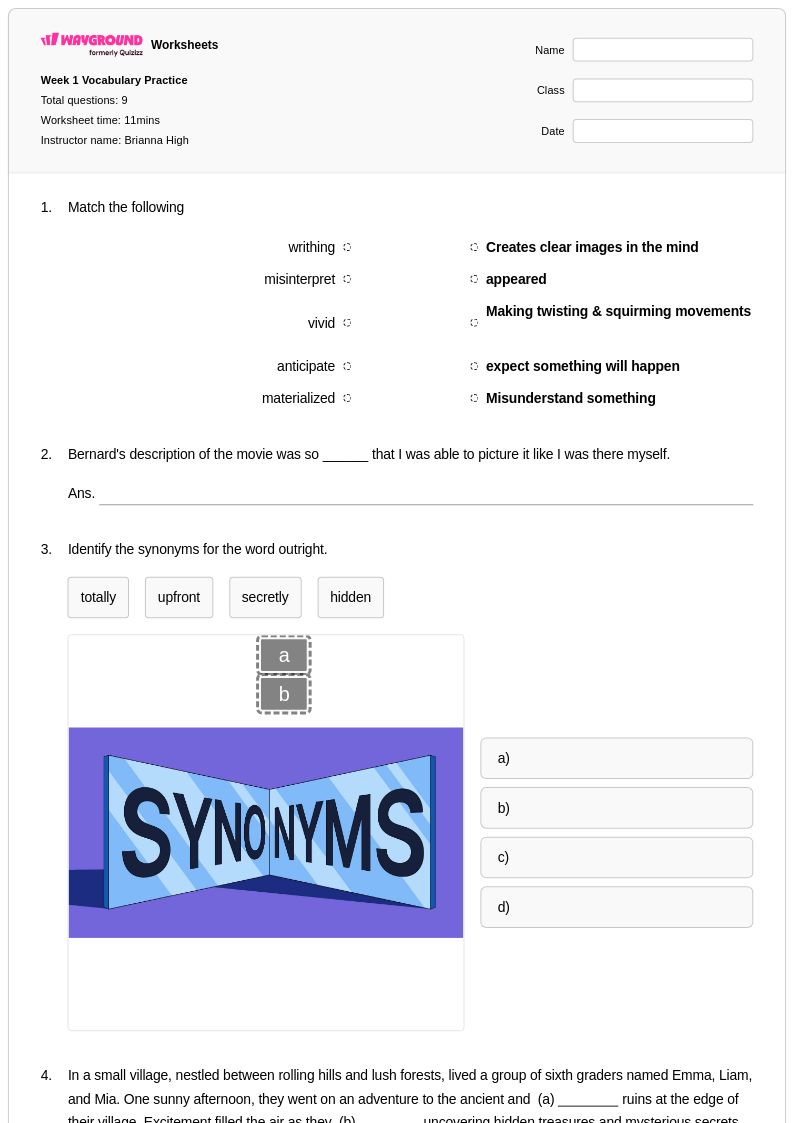
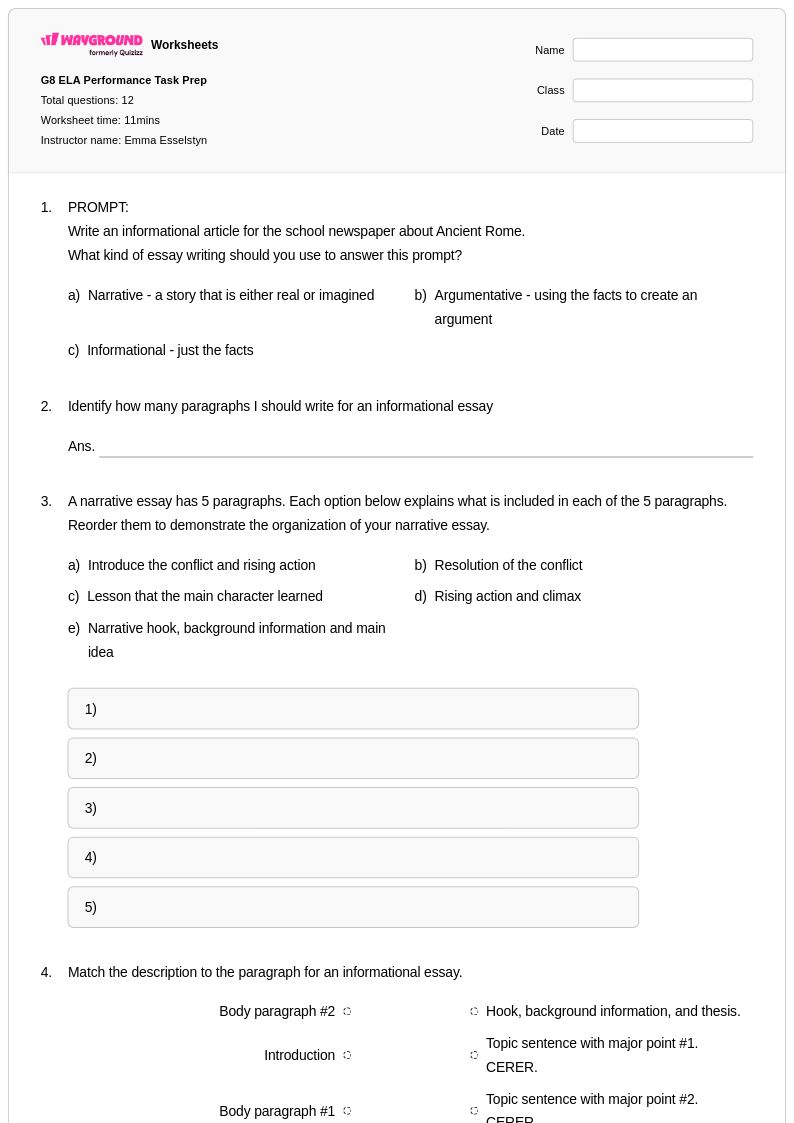
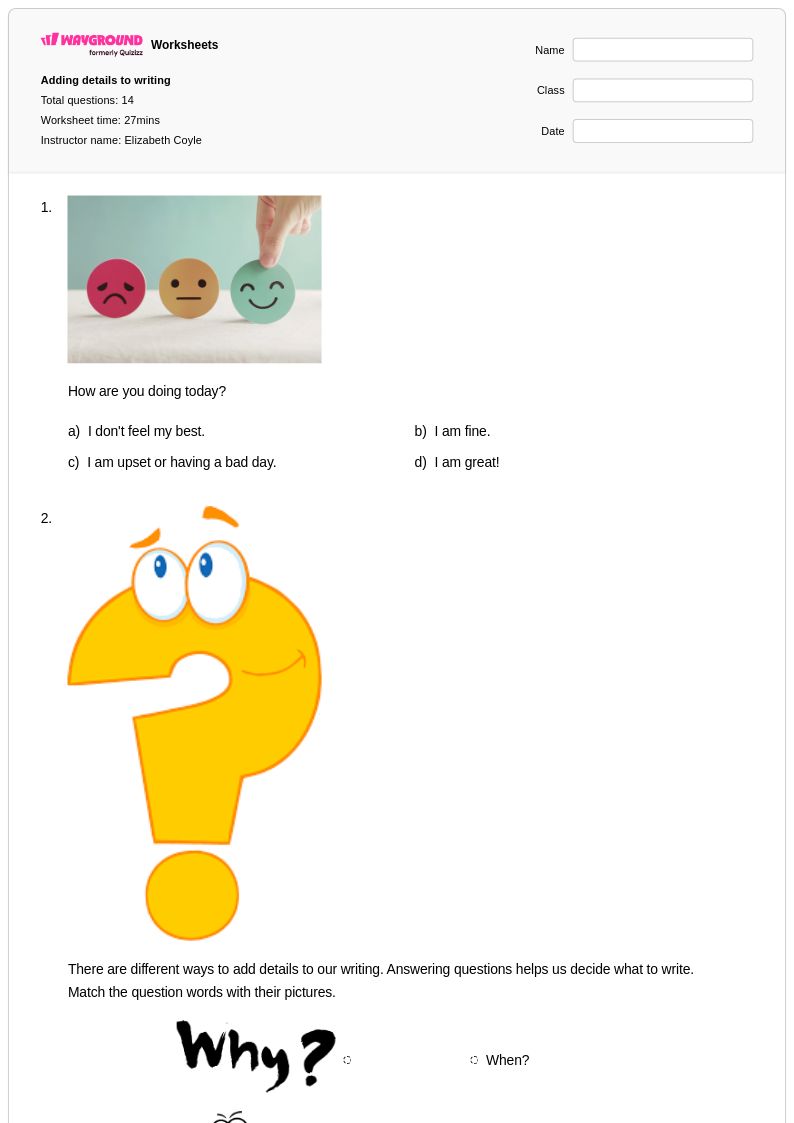
Writing names represents a fundamental milestone in kindergarten literacy development, and Wayground's comprehensive collection of name-writing worksheets provides essential practice for young learners mastering this critical skill. These carefully designed printables focus on helping kindergarten students develop proper letter formation, spatial awareness, and fine motor control while building confidence in writing their own names and recognizing the names of classmates. The worksheets progress systematically from tracing activities to independent writing practice, incorporating dotted lines, highlighted starting points, and visual cues that support proper pencil grip and letter sequencing. Each free pdf resource includes practice problems that reinforce uppercase and lowercase letter recognition, while accompanying answer keys enable teachers and parents to monitor progress and identify areas needing additional support.
Wayground's extensive library draws from millions of teacher-created resources, offering kindergarten educators powerful search and filtering capabilities to locate name-writing worksheets that align with specific curriculum standards and individual student needs. The platform's differentiation tools allow teachers to customize worksheets for varying skill levels, from students just beginning to trace letters to those ready for independent name writing across different contexts. These resources support comprehensive lesson planning by providing both printable pdf formats for traditional classroom use and digital versions for technology-integrated learning environments. Teachers can efficiently address remediation needs for struggling writers while offering enrichment opportunities for advanced students, ensuring that every kindergarten learner receives appropriate skill practice in this foundational early literacy component that bridges reading readiness with written expression.
FAQs
How do I teach young children to write their own name?
Start by helping children recognize the letters in their name before asking them to write it. Use multisensory approaches such as tracing dotted outlines, finger-tracing on textured surfaces, and guided practice with letter formation cues. Once children can trace consistently, gradually fade the support so they move toward independent writing. Repetition across short, frequent sessions builds the motor memory needed for confident name writing.
What activities help students practice writing their names?
Tracing worksheets with dotted letter guides are one of the most effective tools for early name writing practice because they build muscle memory while reinforcing correct letter formation. Worksheets that progress from fully guided tracing to partially prompted and then independent writing give students a structured path to mastery. Incorporating visual spacing cues and pencil grip reminders within the activity further supports proper technique from the start.
What mistakes do young learners commonly make when learning to write their names?
The most frequent errors include reversing letters such as lowercase 'b' and 'd', inconsistent letter sizing, poor spacing between letters, and starting letters from the bottom rather than the top. Children also commonly capitalize all letters or randomly mix upper and lowercase, often because they have seen their name written in different formats. Targeted practice with letter formation guides and consistent teacher feedback helps correct these patterns before they become habits.
How can I differentiate name writing practice for students at different skill levels?
For students who are just beginning, provide fully dotted or highlighted letter outlines with directional arrows to guide stroke order. More advanced students can work from a model at the top of the page and practice copying independently below. On Wayground, teachers can apply accommodations such as Read Aloud support for students who benefit from hearing letter names, or reduced answer choices for students who need lower cognitive load, with settings saved and reusable across future sessions.
How do I use Wayground's name writing worksheets in my classroom?
Wayground's name writing worksheets are available as printable PDFs for traditional classroom use and in digital formats for technology-integrated learning environments, including the option to host them as a quiz directly on Wayground. Teachers can print and distribute them for whole-group morning work, use them in small-group literacy rotations, or assign the digital version for independent practice on devices. Each worksheet includes an answer key, making it straightforward to monitor progress and identify students who need additional support.