Free Printable Adding and Subtracting Worksheets for Class 3
Strengthen Class 3 students' understanding of adding and subtracting measurements with Wayground's free science worksheets featuring engaging practice problems, printable PDFs, and comprehensive answer keys for effective classroom learning.
Explore printable Adding and Subtracting worksheets for Class 3
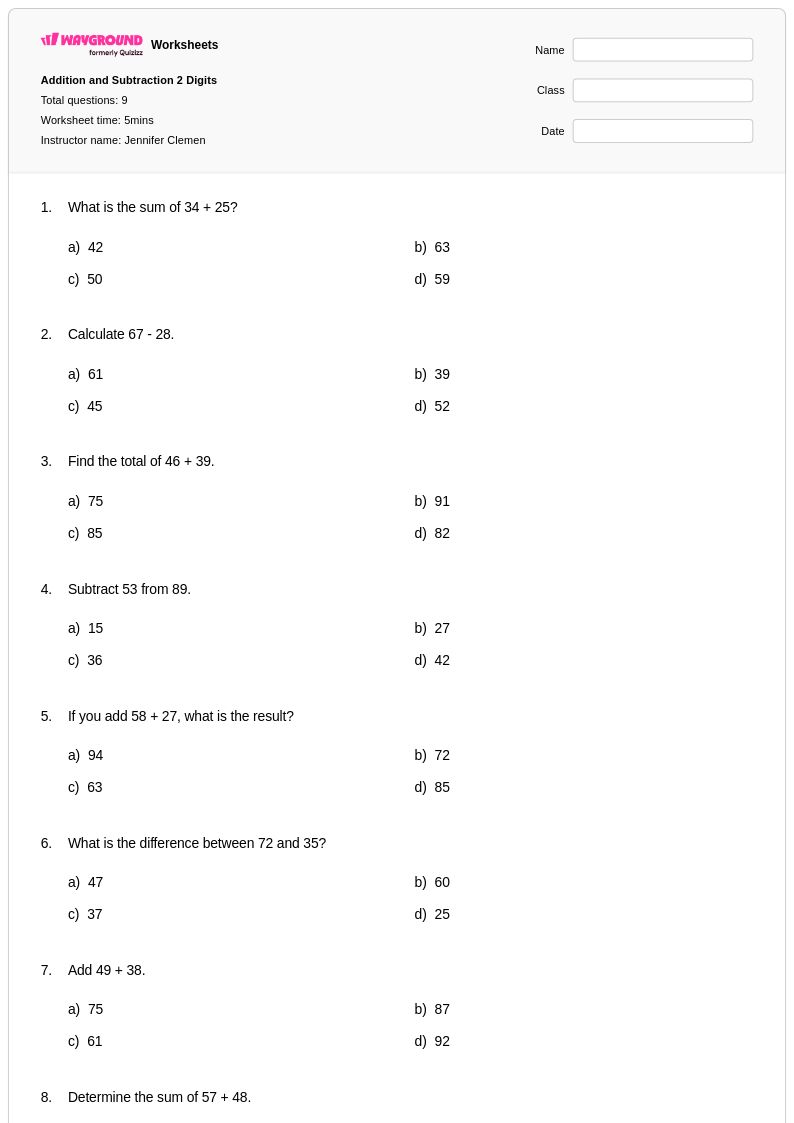
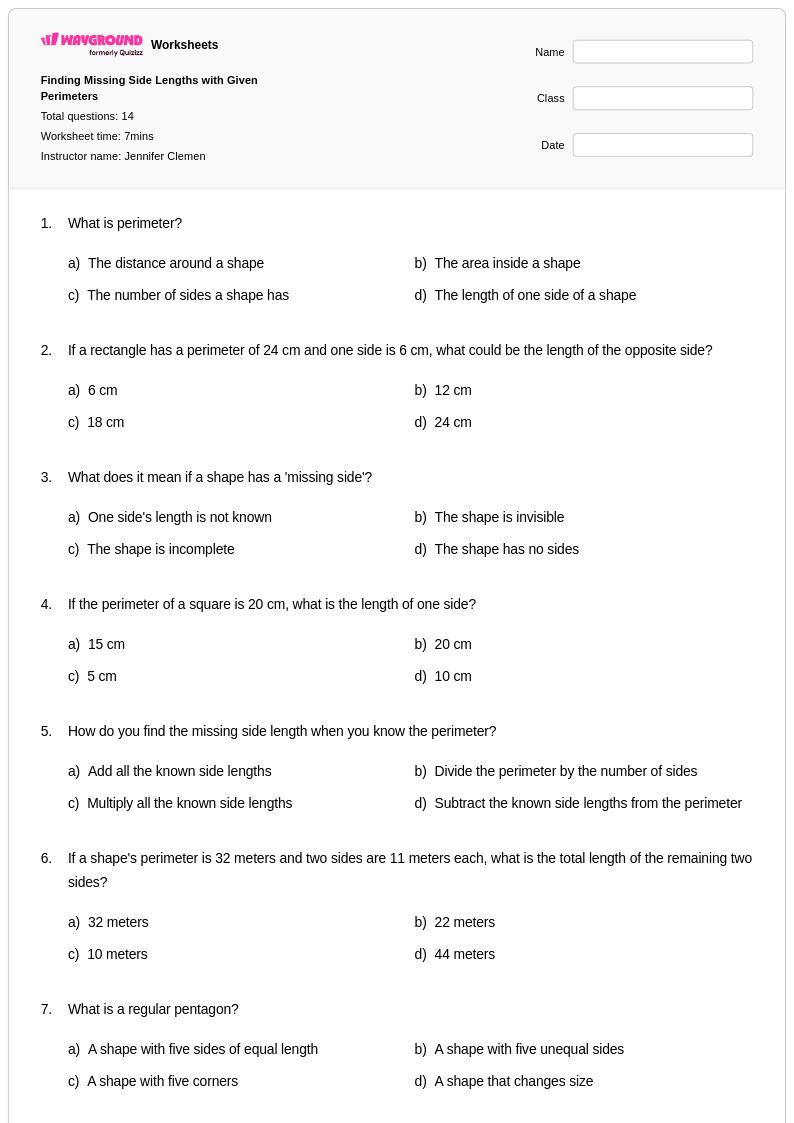
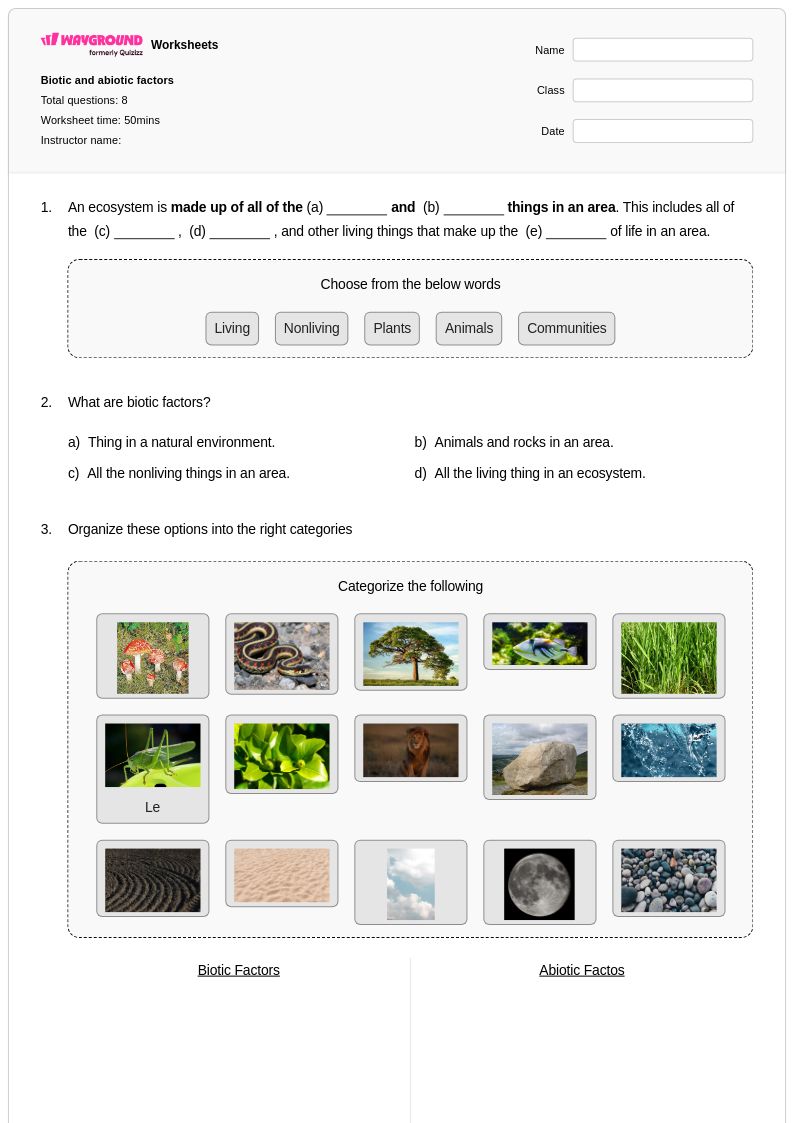
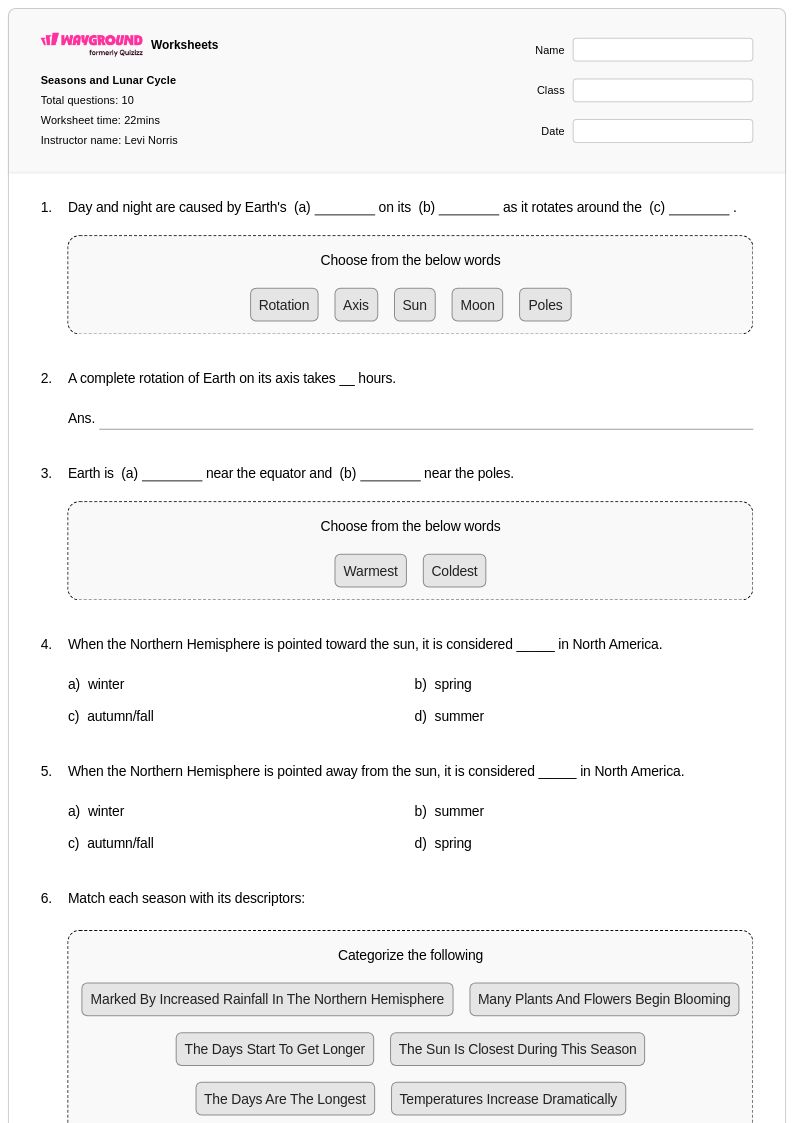
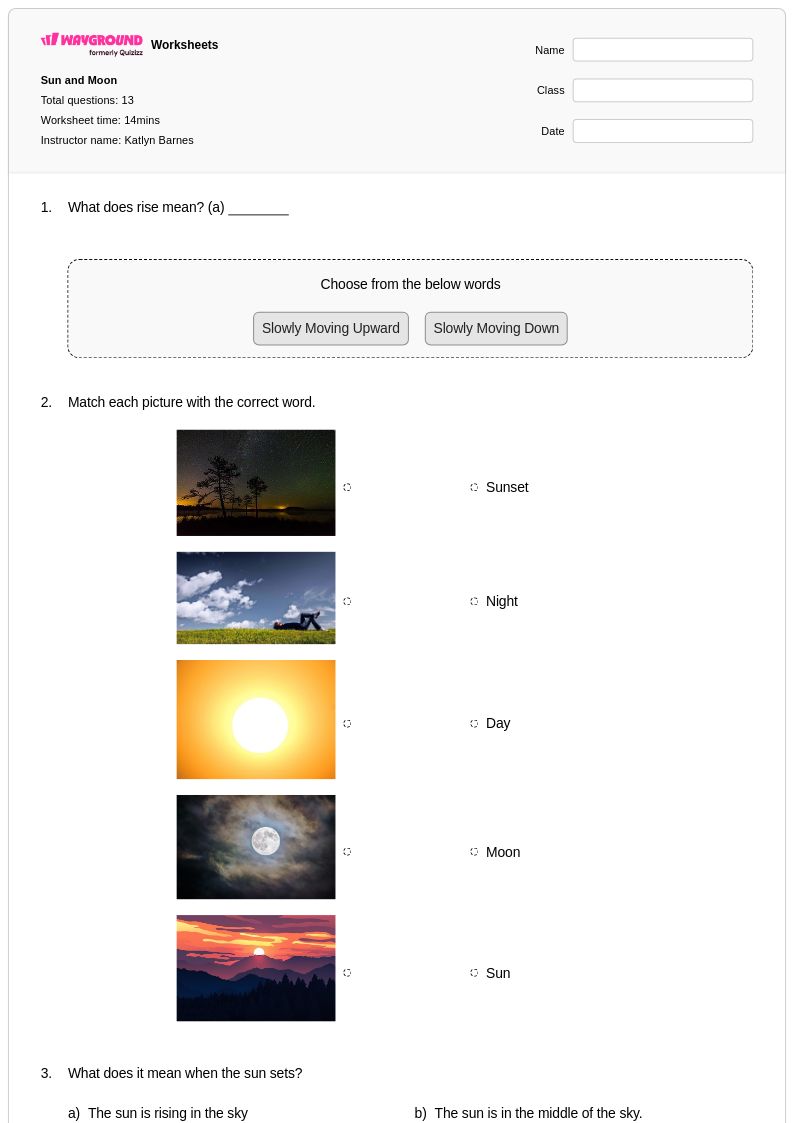
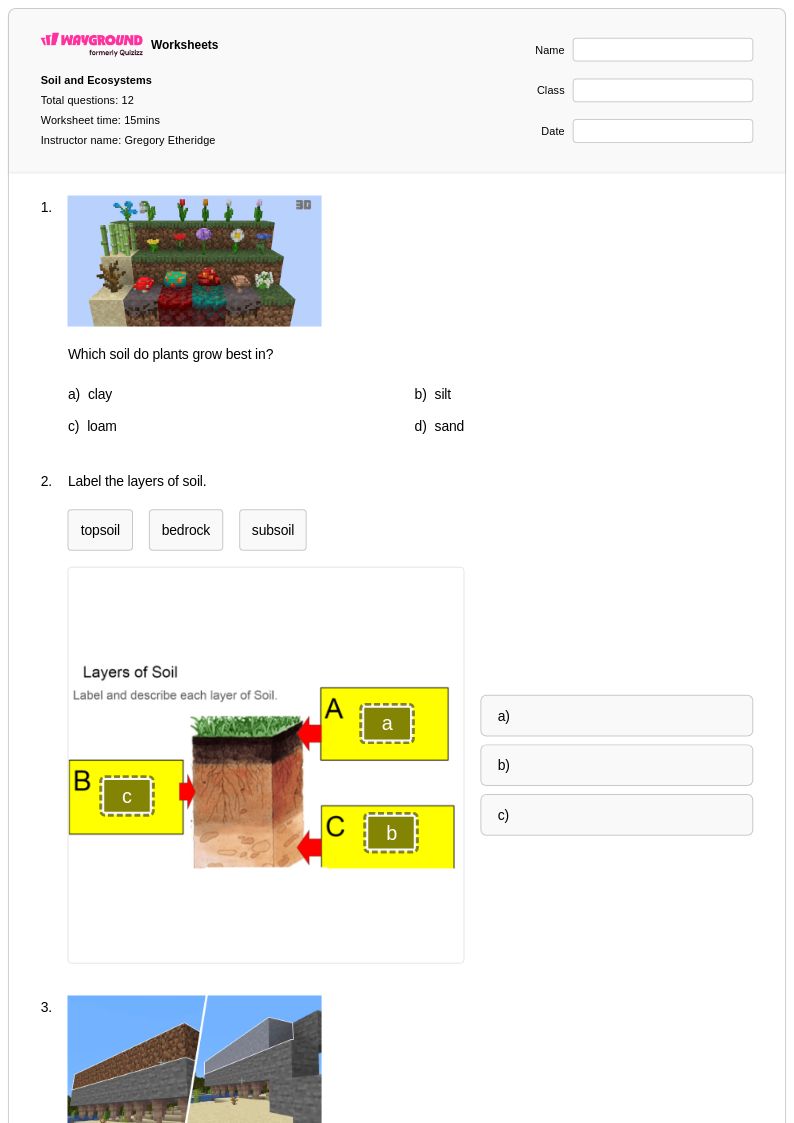
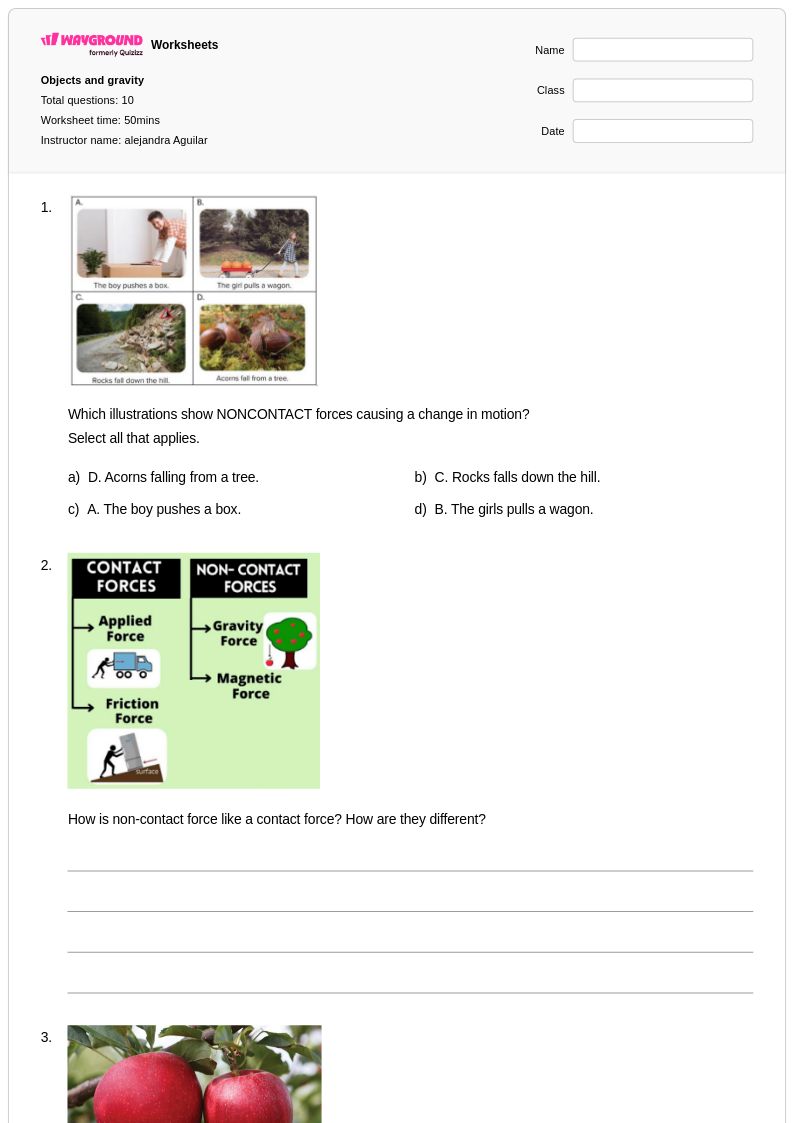
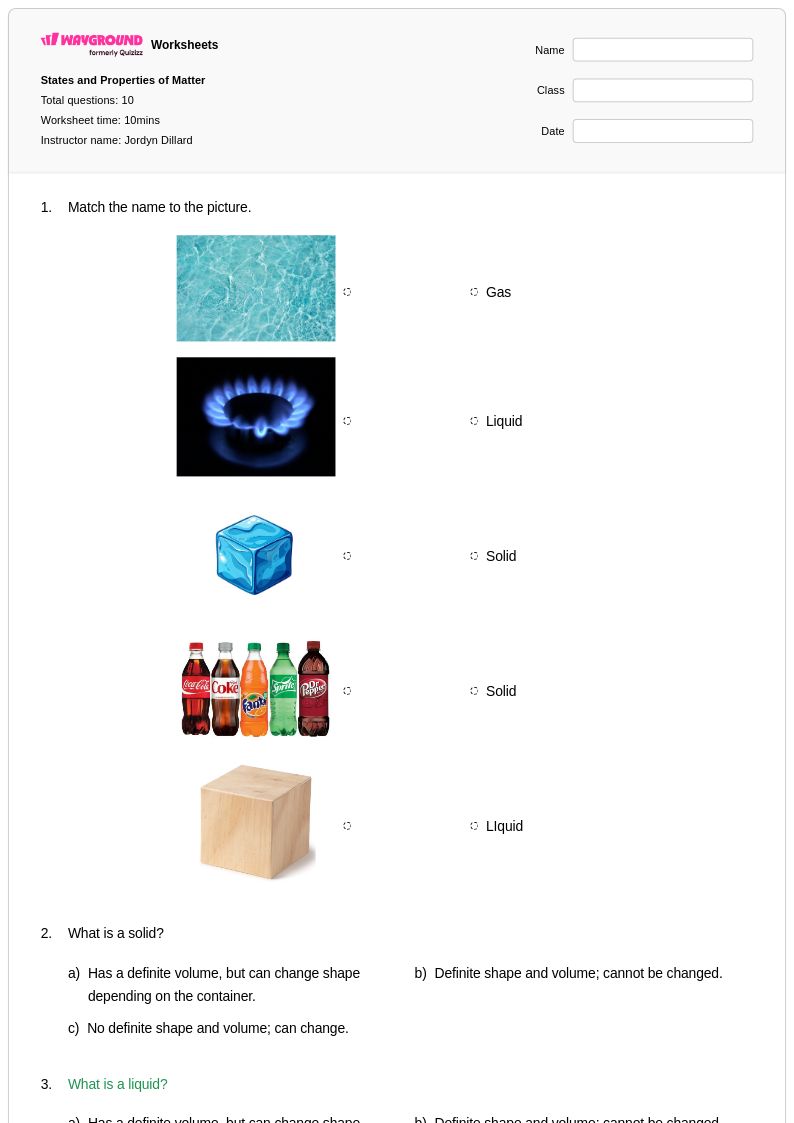
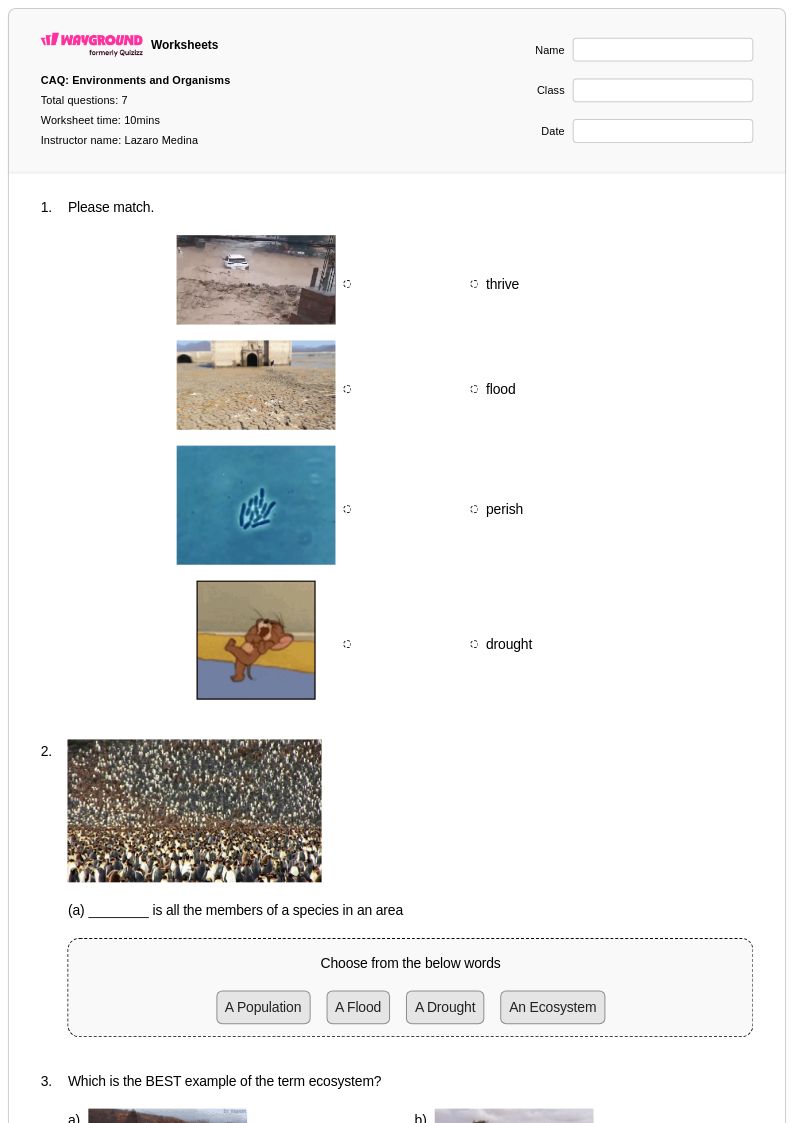
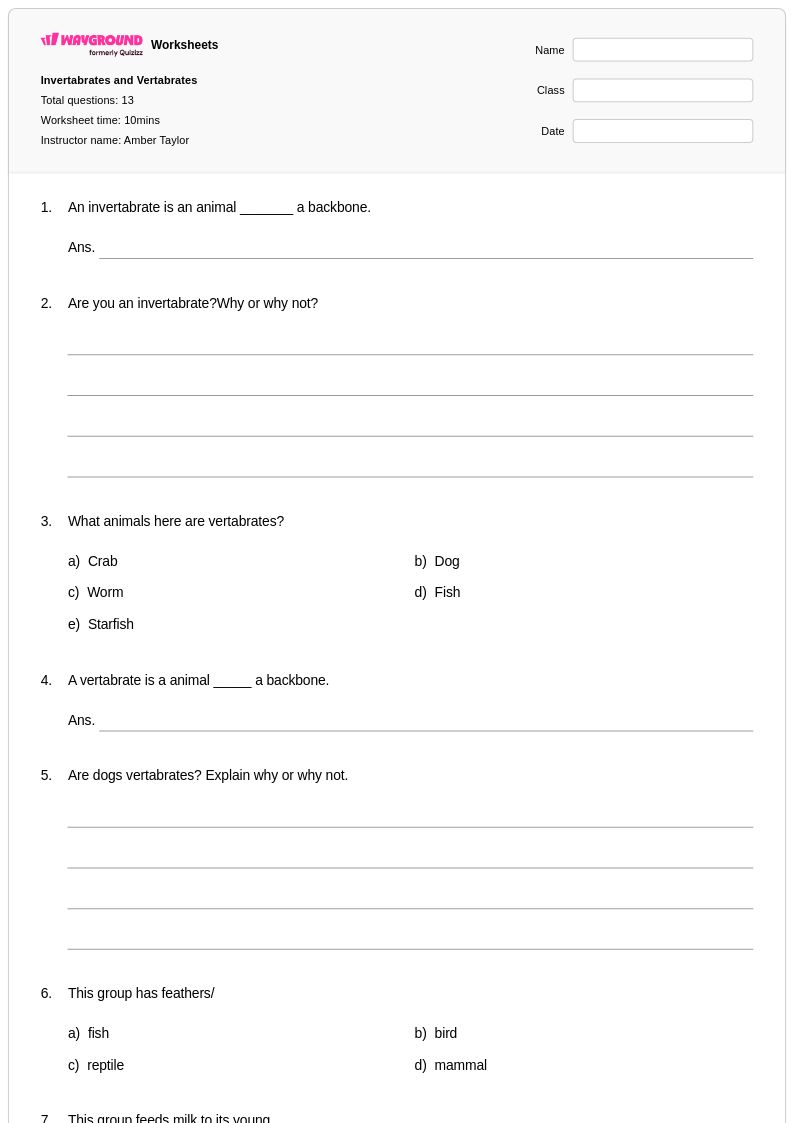
Adding and subtracting measurements represents a fundamental skill in Class 3 science education, bridging mathematical concepts with real-world scientific applications. Wayground's comprehensive collection of adding and subtracting worksheets within the units and measurement framework provides students with essential practice in combining and comparing different quantities using standard and non-standard units. These carefully designed printables strengthen students' ability to work with length, weight, capacity, and time measurements while developing their computational skills through hands-on practice problems. Each worksheet comes with a detailed answer key, allowing teachers to efficiently assess student understanding and identify areas requiring additional support. The free pdf resources focus on building conceptual understanding of measurement operations, helping third-grade students recognize when to add or subtract measurements in various scientific contexts.
Wayground, formerly Quizizz, empowers educators with millions of teacher-created resources specifically designed for Class 3 units and measurement instruction, featuring robust search and filtering capabilities that allow teachers to locate precisely the right adding and subtracting worksheets for their classroom needs. The platform's standards-aligned materials support differentiated instruction through customizable difficulty levels and varied problem types, enabling teachers to address diverse learning needs within a single lesson. These versatile resources are available in both printable and digital formats, including downloadable pdf versions that facilitate seamless integration into existing curriculum plans. Teachers can utilize these comprehensive worksheet collections for initial skill building, targeted remediation, enrichment activities, and ongoing assessment, while the platform's flexible customization tools allow educators to modify content to align with specific learning objectives and pacing requirements.
FAQs
How do I teach students to add and subtract measurements with different units?
The most effective approach is to teach unit conversion as a prerequisite step before performing any addition or subtraction. Students should first convert all measurements to a common unit, then perform the operation, and finally check that the result is expressed with appropriate precision. Using real-world contexts — such as combining lengths of rope or subtracting masses of ingredients — helps students understand why unit alignment matters before calculating.
What exercises help students practice adding and subtracting measurements?
Targeted practice should progress from adding and subtracting like units (e.g., centimeters with centimeters) to problems requiring conversion between metric prefixes or between metric and imperial systems. Multi-step word problems that mirror lab or real-world scenarios — such as combining time measurements across formats or subtracting masses with different prefixes — build the procedural fluency students need for scientific contexts. Worksheets with worked answer keys are especially useful because they model the correct methodology, not just the final answer.
What mistakes do students commonly make when adding or subtracting measurements?
The most frequent error is operating on numbers without first converting to a common unit — for example, adding 3 km and 500 m and writing 503 as the answer. Students also commonly misplace decimal points during metric conversions or lose track of significant figures when expressing the result. A related misconception is treating all measurement systems as interchangeable without applying conversion factors, which leads to systematic errors across multi-step problems.
How do I differentiate adding and subtracting measurement worksheets for mixed-ability classrooms?
For struggling students, begin with single-unit addition and subtraction problems before introducing conversion steps, and use visual aids like unit conversion charts alongside the worksheet. Advanced learners can be challenged with multi-step problems that combine metric and imperial units or require them to express answers to a specified number of significant figures. On Wayground, teachers can apply accommodations such as read aloud support, reduced answer choices, and extended time to individual students without disrupting the rest of the class.
How do I use Wayground's adding and subtracting worksheets in my classroom?
Wayground's adding and subtracting measurement worksheets are available as printable PDFs for traditional classroom use and in digital formats for technology-integrated environments, including the option to host them as a quiz directly on Wayground. Each worksheet includes a detailed answer key that walks students through proper methodology for unit conversion and decimal handling. Teachers can use the platform's search and filtering tools to find worksheets aligned to specific standards, whether the focus is on basic like-unit operations or complex multi-step conversion problems.