
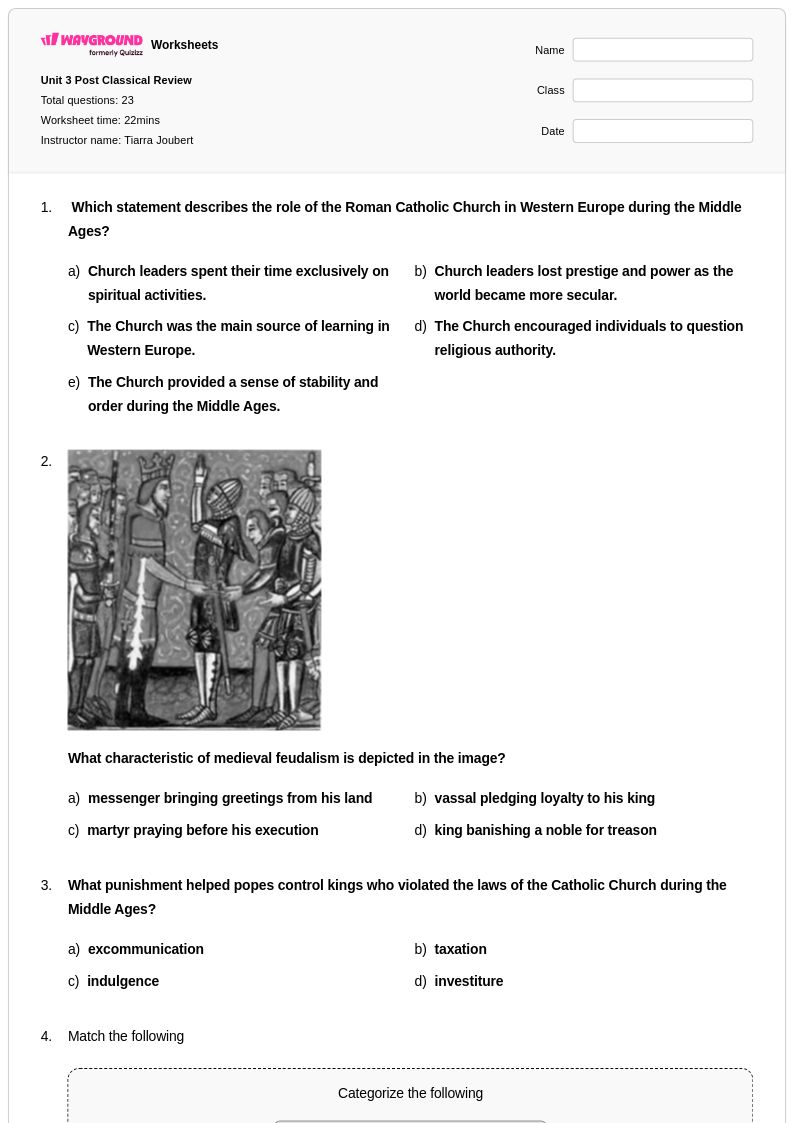
23 Q
11th
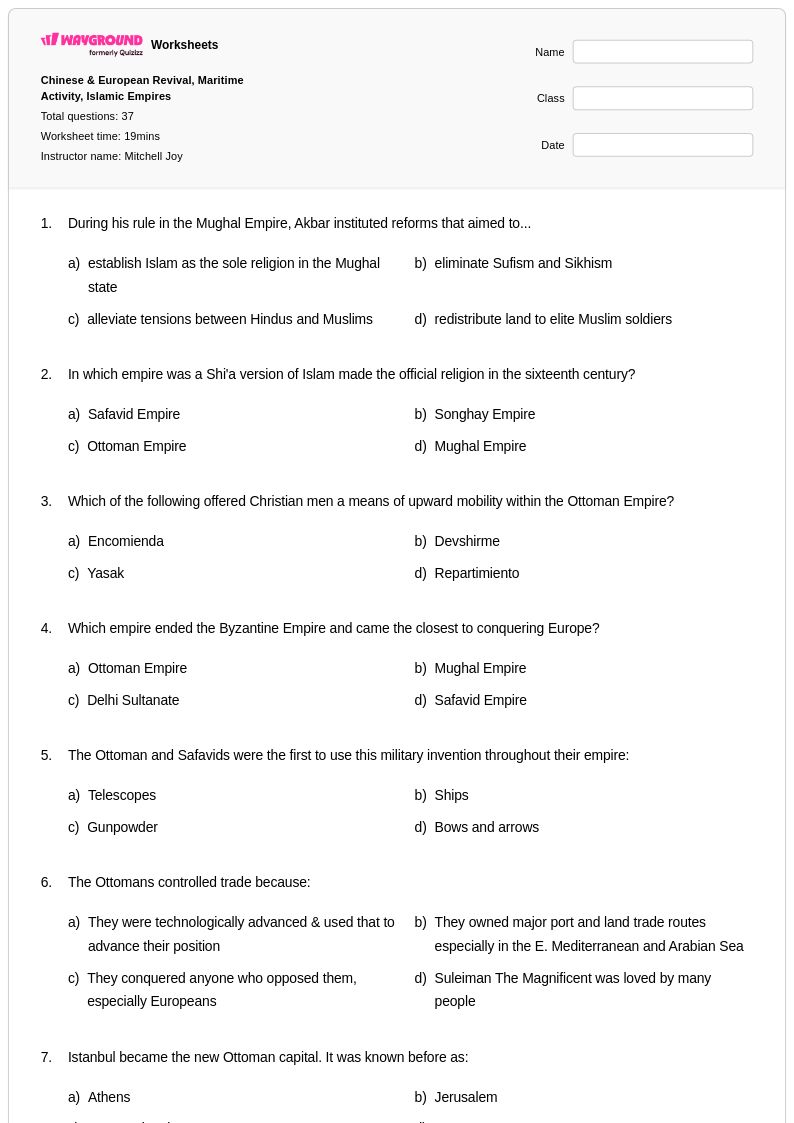
37 Q
11th - Uni
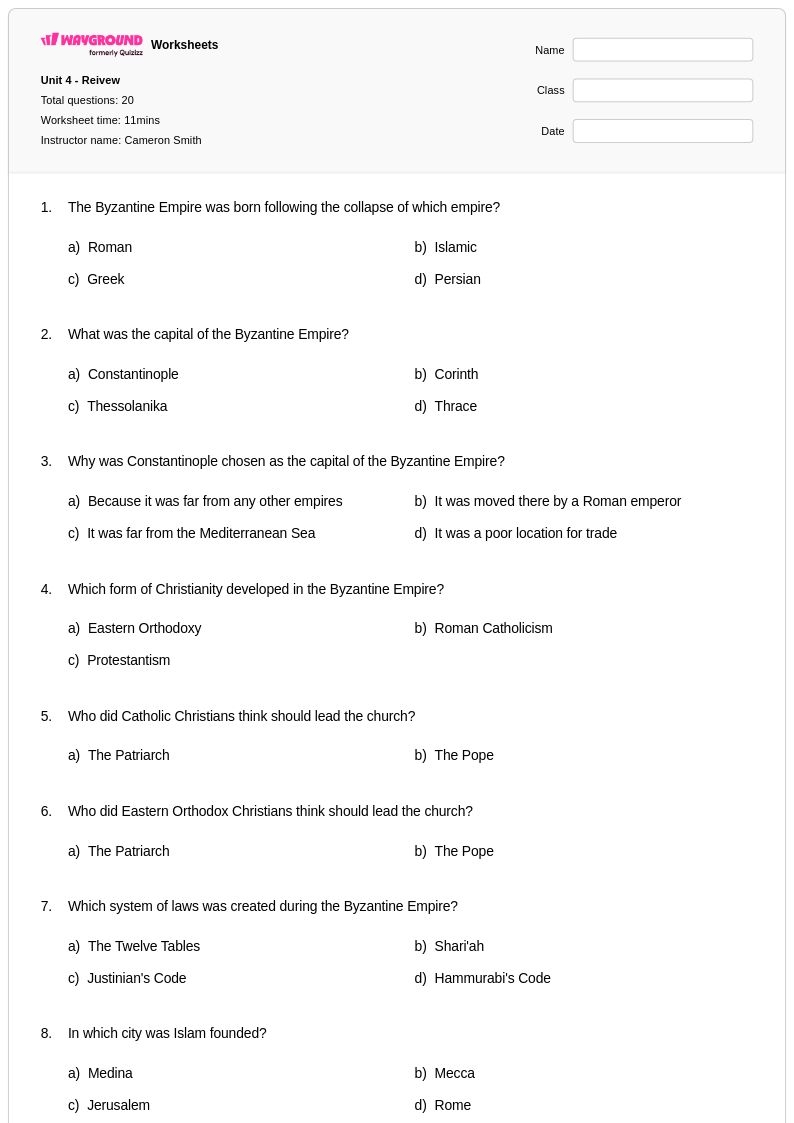
20 Q
8th - 11th
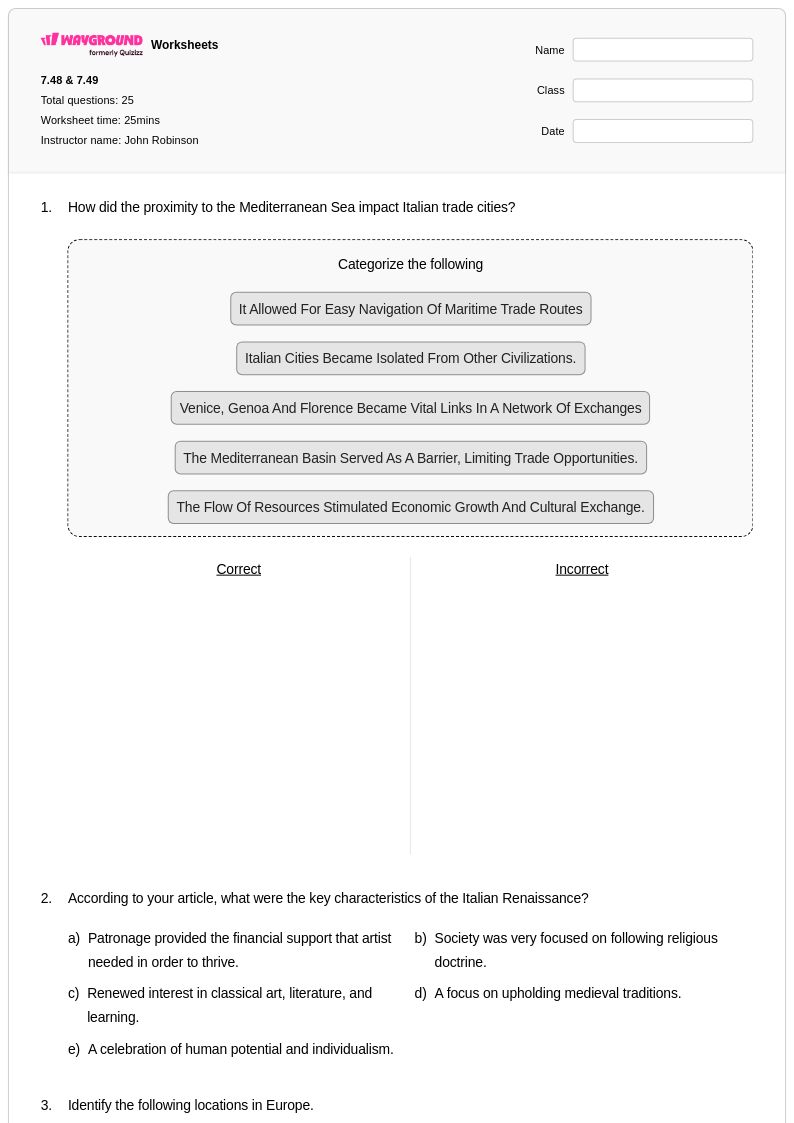
25 Q
7th - Uni
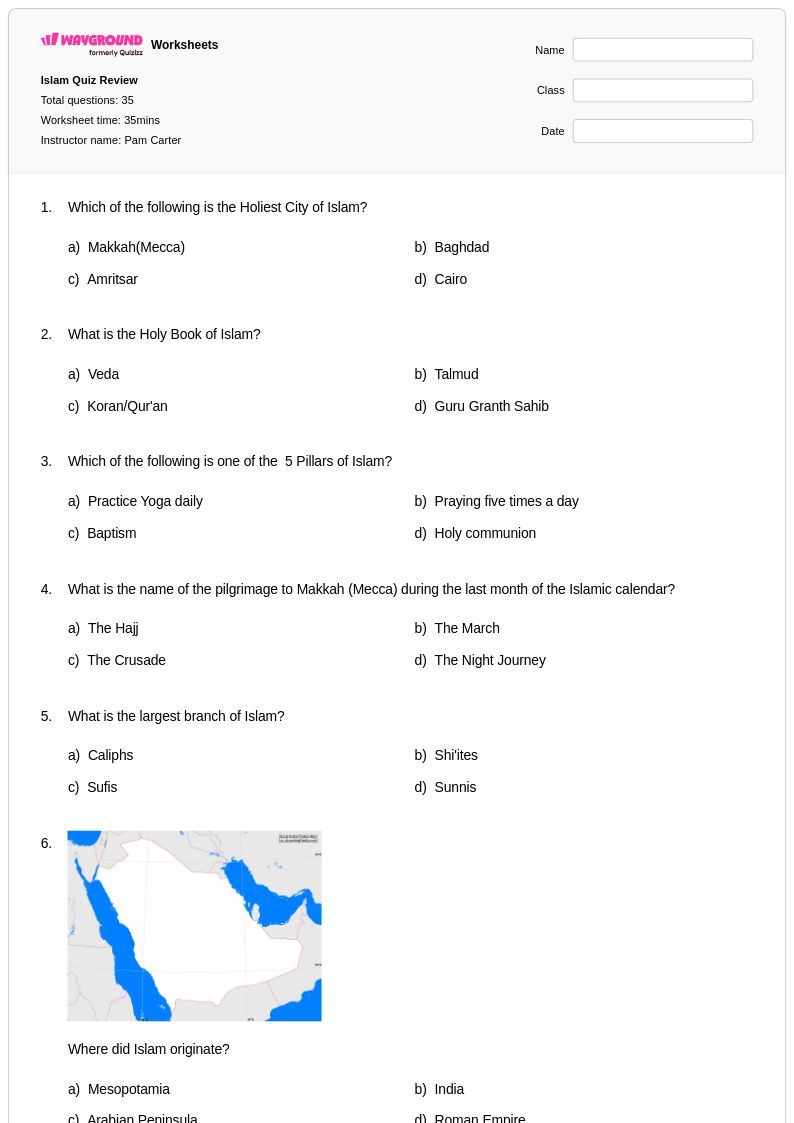
35 Q
9th - 12th
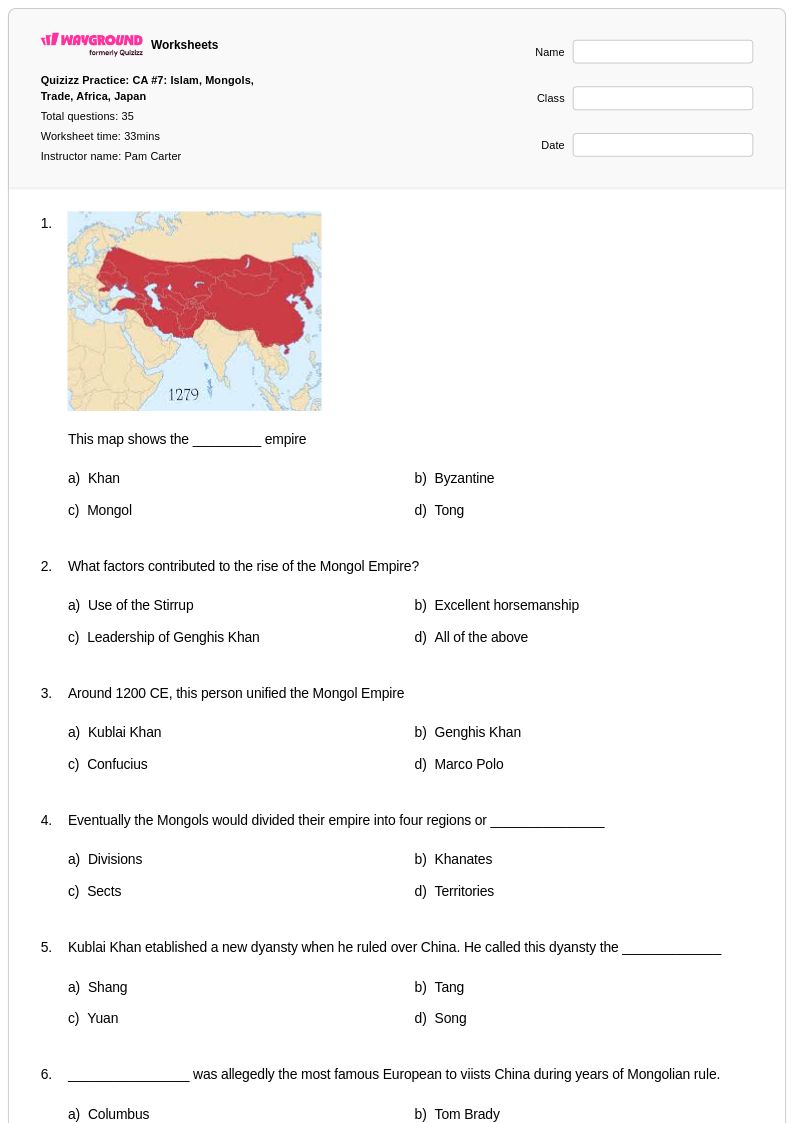
35 Q
9th - 12th
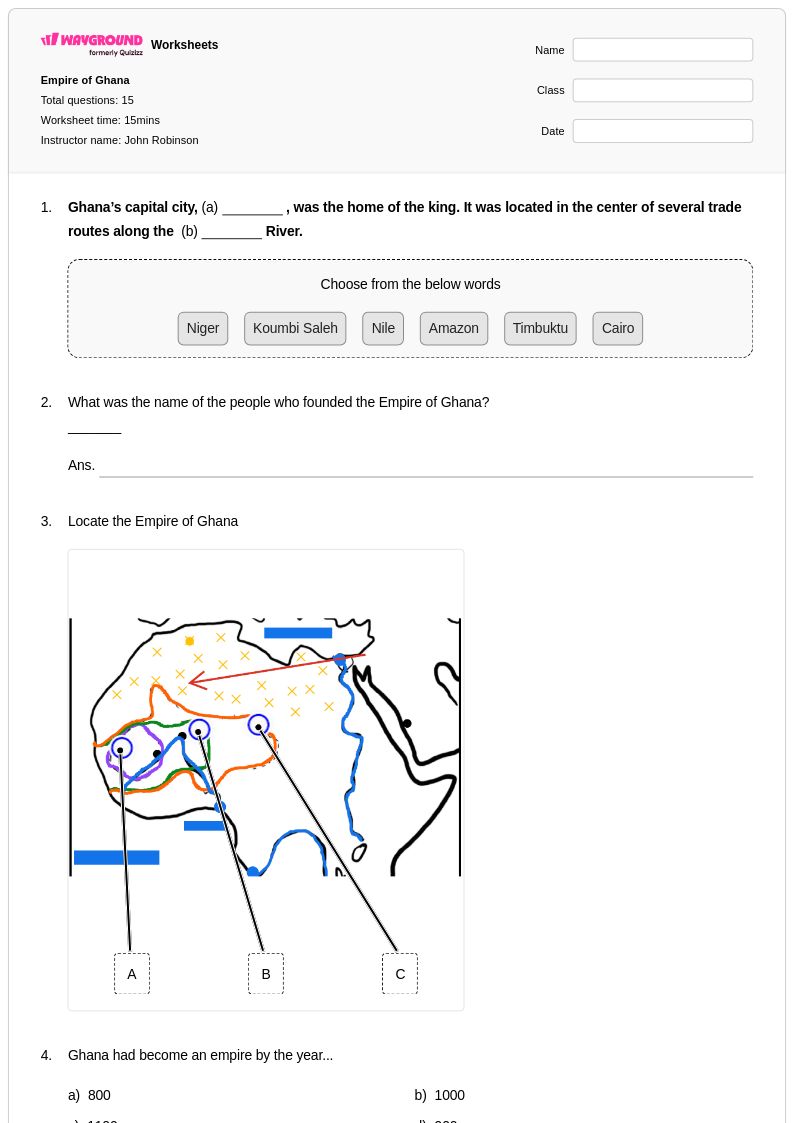
15 Q
7th - Uni
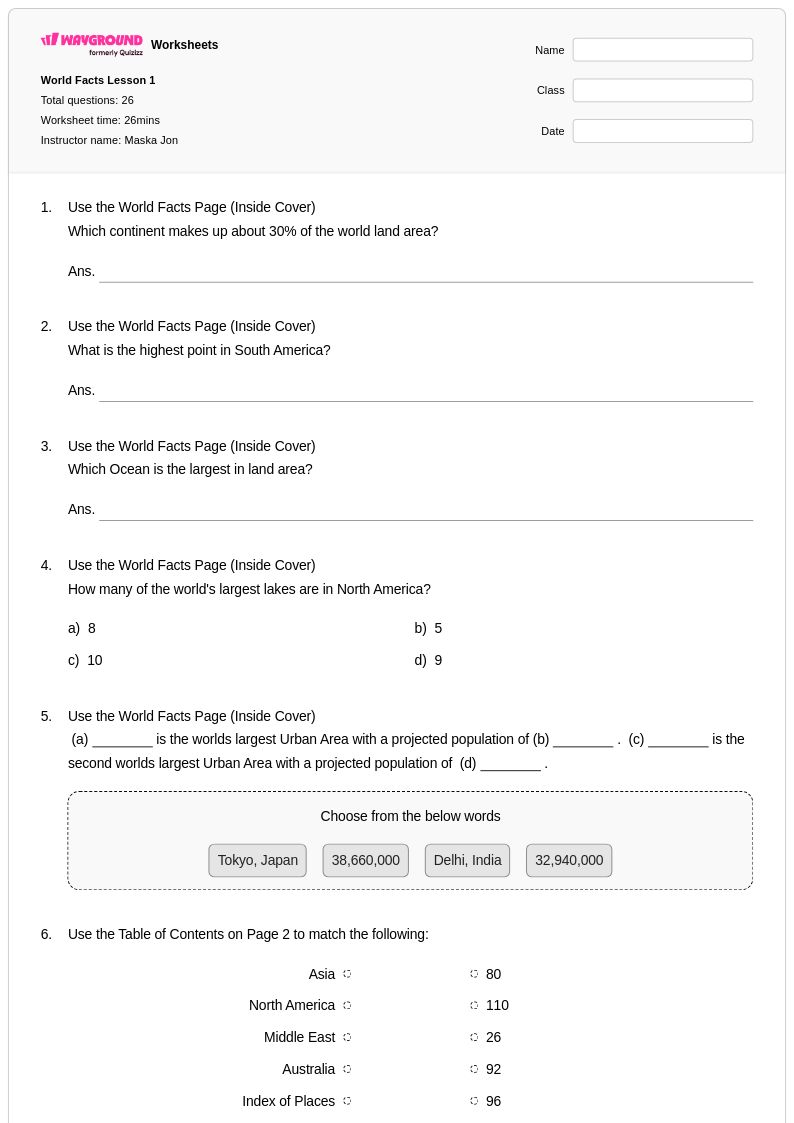
26 Q
7th - Uni
20 Q
9th - 12th
13 Q
6th - Uni
22 Q
10th - Uni
20 Q
9th - 12th
20 Q
9th - 12th
18 Q
11th
18 Q
6th - Uni
44 Q
9th - 12th
25 Q
7th - Uni
25 Q
7th - Uni
10 Q
9th - 12th
15 Q
10th - Uni
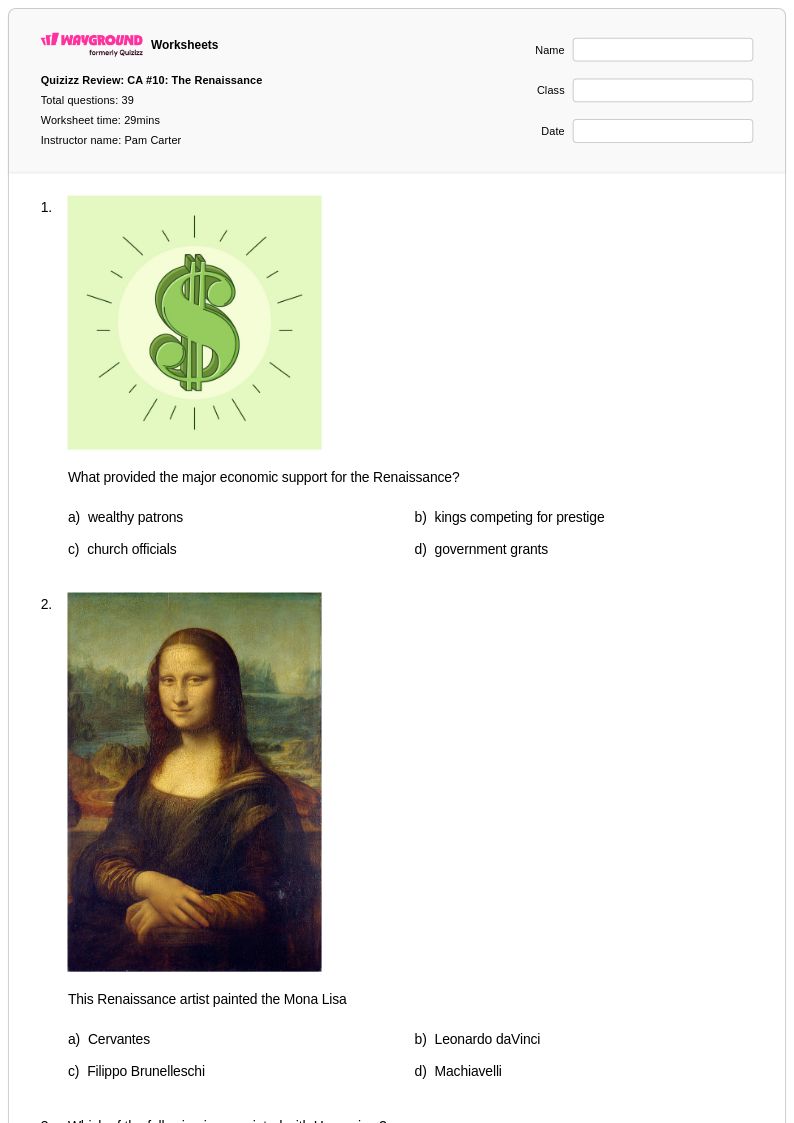
39 Q
9th - 12th
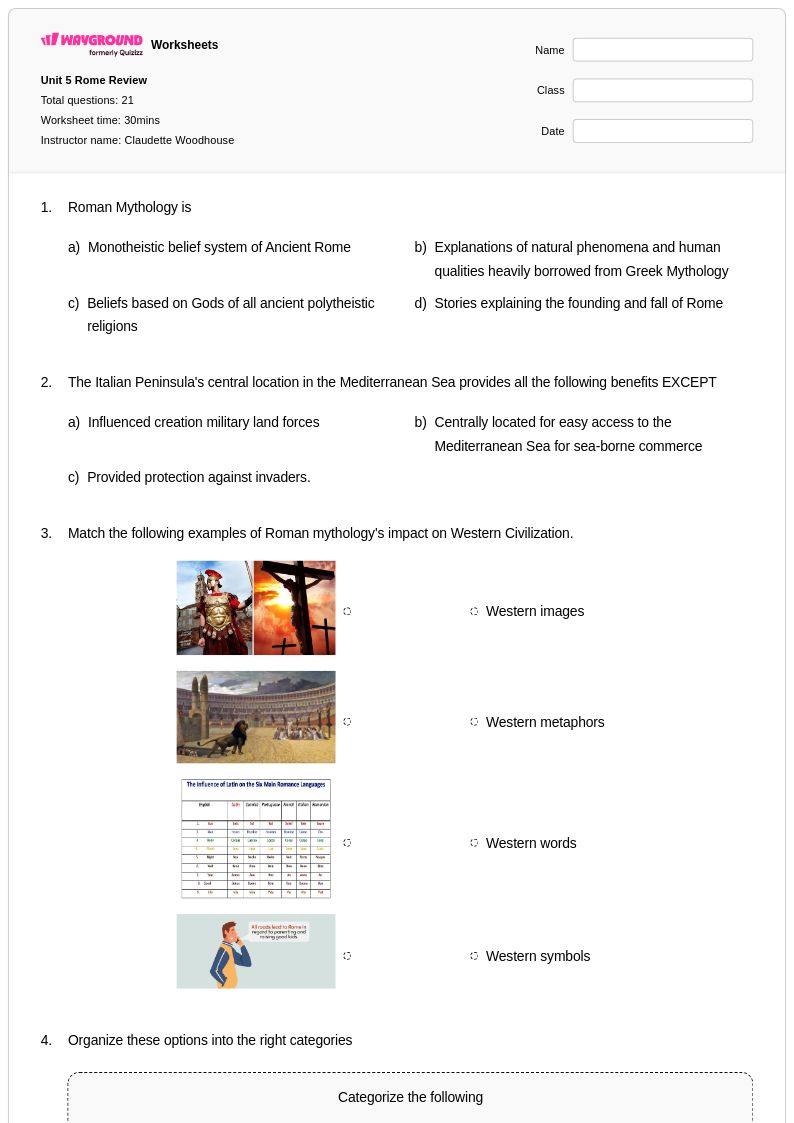
21 Q
9th - 12th
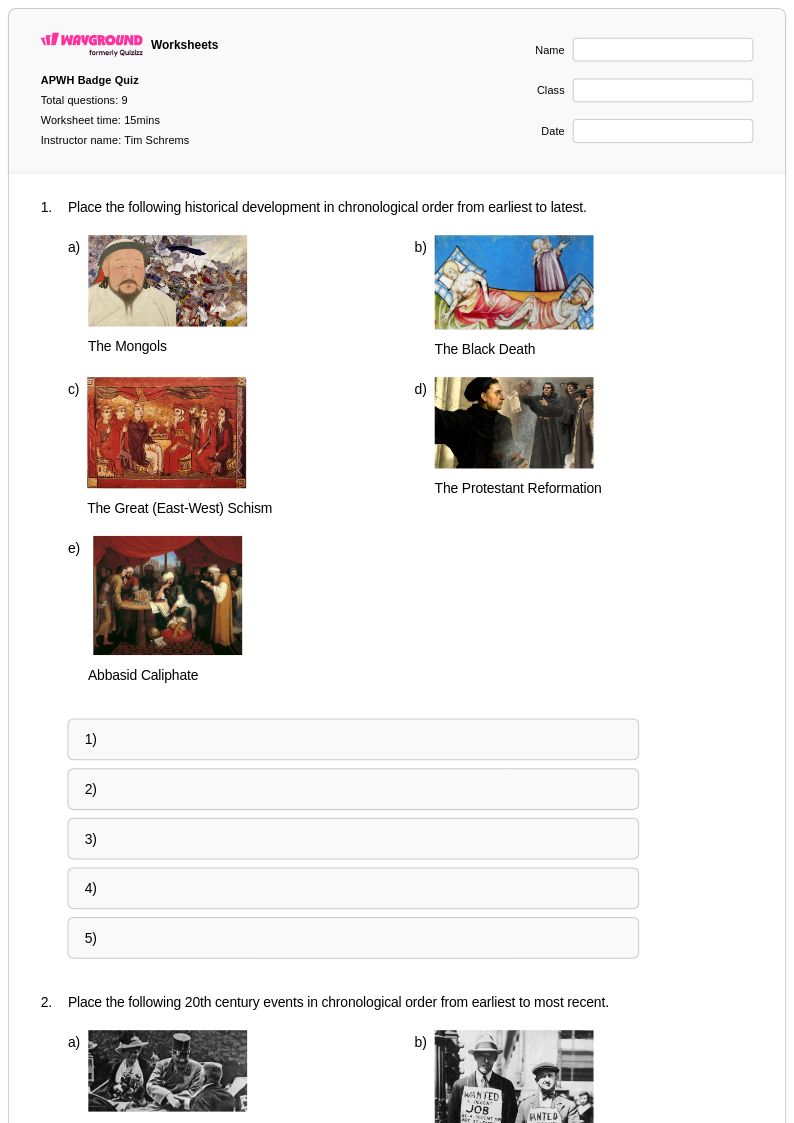
9 Q
9th - 12th
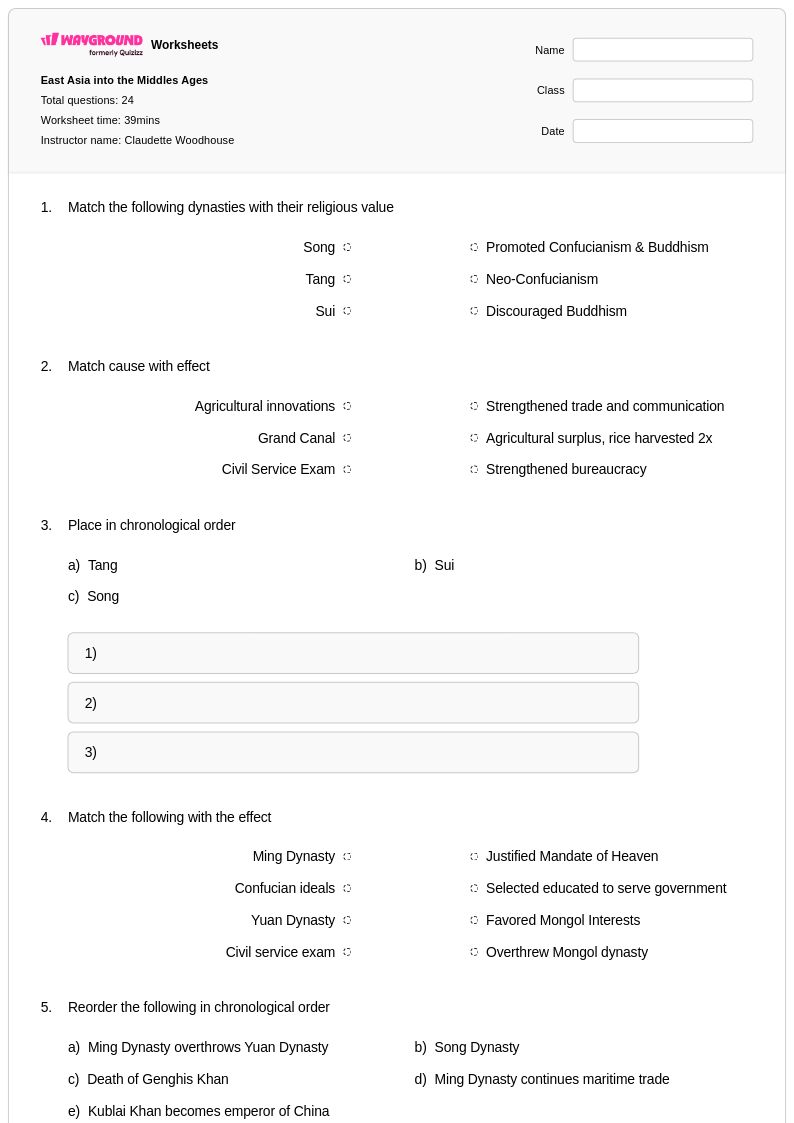
29 Q
9th - 12th
Explore Byzantine Empire Mapping Worksheets by Grades
Explore Other Subject Worksheets for class 11
Explore printable Byzantine Empire Mapping worksheets for Class 11
Byzantine Empire mapping worksheets available through Wayground (formerly Quizizz) provide Class 11 students with comprehensive opportunities to explore the geographical dimensions of one of history's most influential civilizations. These carefully crafted resources strengthen essential cartographic skills while deepening understanding of how the Byzantine Empire's territorial boundaries, trade routes, and strategic locations shaped its millennium-long existence. Students engage with practice problems that require them to analyze the empire's expansion and contraction over time, identify key cities like Constantinople and Thessalonica, and trace the movement of armies, goods, and ideas across the Mediterranean world. Each worksheet includes detailed answer keys that support independent learning, while printable pdf formats ensure accessibility for both classroom instruction and homework assignments, making these free educational resources invaluable for mastering the complex relationship between geography and Byzantine political power.
Wayground (formerly Quizizz) empowers educators with an extensive collection of millions of teacher-created Byzantine Empire mapping resources that streamline lesson planning and enhance instructional effectiveness. The platform's robust search and filtering capabilities allow teachers to quickly locate worksheets aligned with specific curriculum standards, while differentiation tools enable customization for varying skill levels within Class 11 classrooms. These flexible mapping exercises are available in both printable and digital pdf formats, supporting diverse learning environments and technological preferences. Teachers utilize these comprehensive resources for targeted skill practice, remediation for students struggling with geographical concepts, and enrichment opportunities for advanced learners ready to explore complex connections between Byzantine territorial control and cultural influence. The seamless integration of historical content with essential map-reading skills makes these worksheets particularly effective for developing the analytical thinking required for advanced social studies coursework.
FAQs
How do I teach Byzantine Empire geography to middle or high school students?
What map skills do Byzantine Empire mapping worksheets help students practice?
What misconceptions do students commonly have about the Byzantine Empire's geography?
How can I use Byzantine Empire mapping worksheets to assess student understanding?
How do I use Wayground's Byzantine Empire mapping worksheets in my classroom?