Free Printable Circle of Control Worksheets for Class 1
Explore free Class 1 Circle of Control worksheets and printables from Wayground that help students practice identifying what they can and cannot control while developing essential social-emotional learning skills with answer keys included.
Explore printable Circle of Control worksheets for Class 1
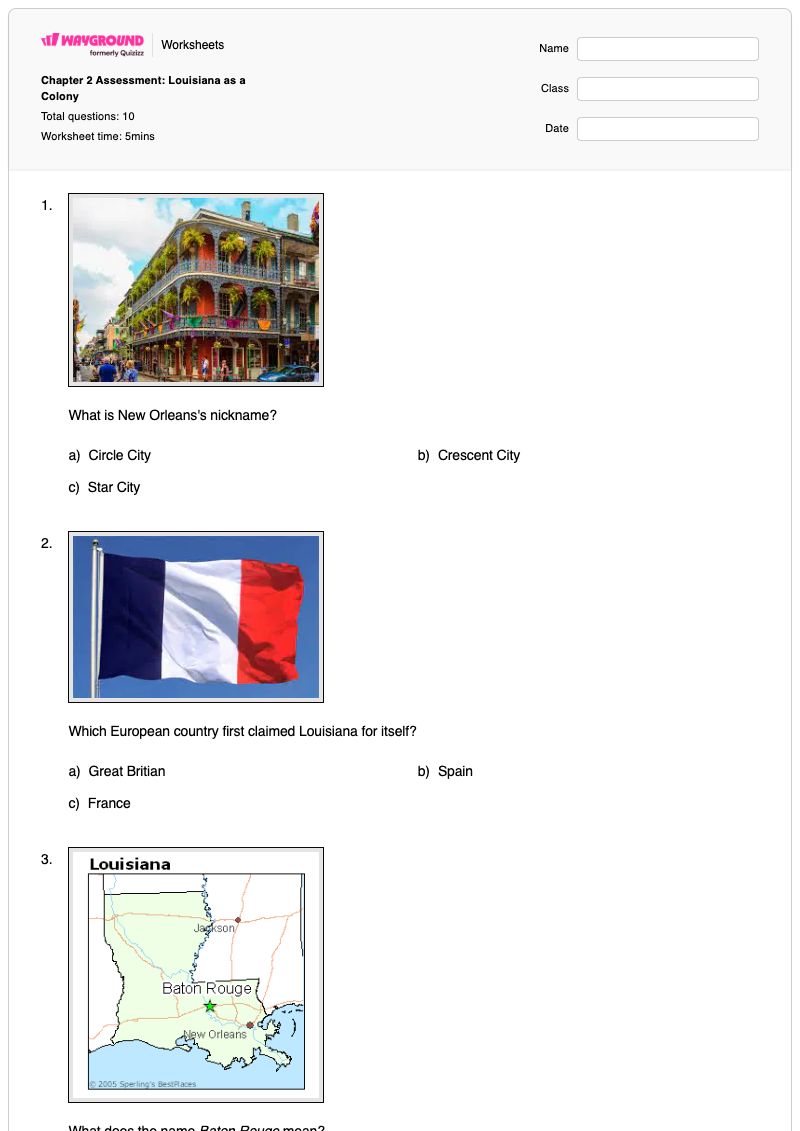
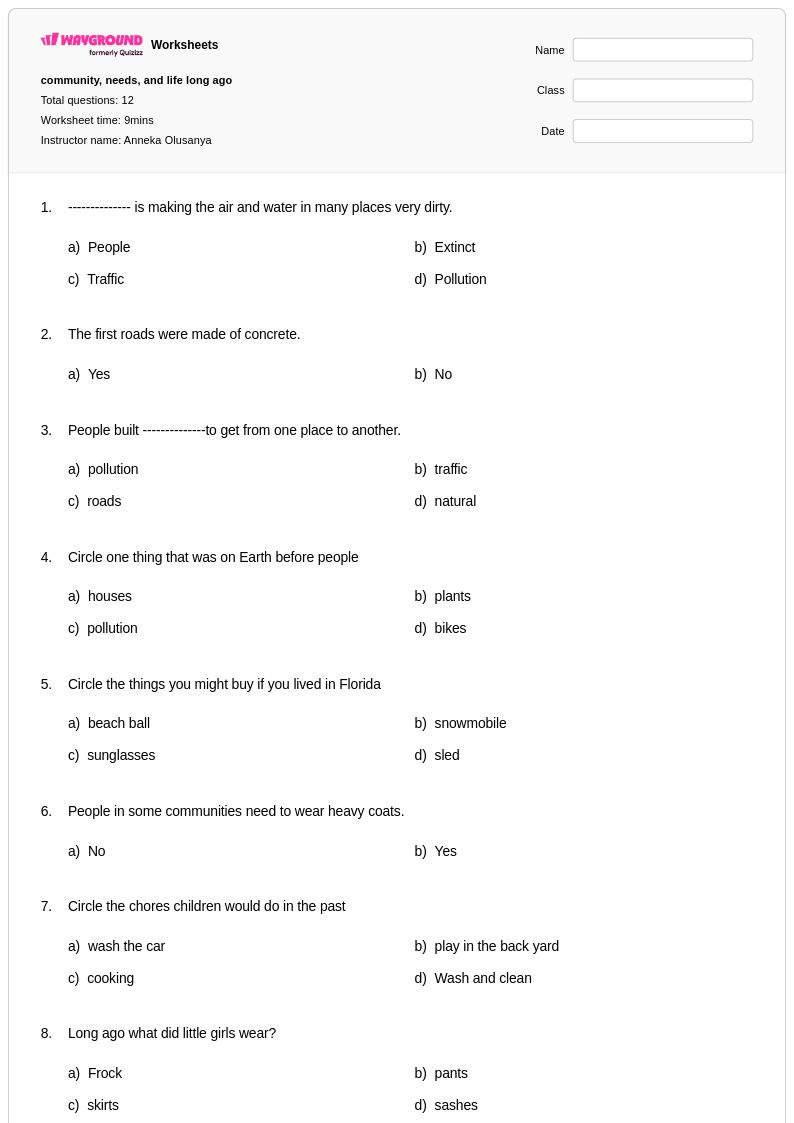
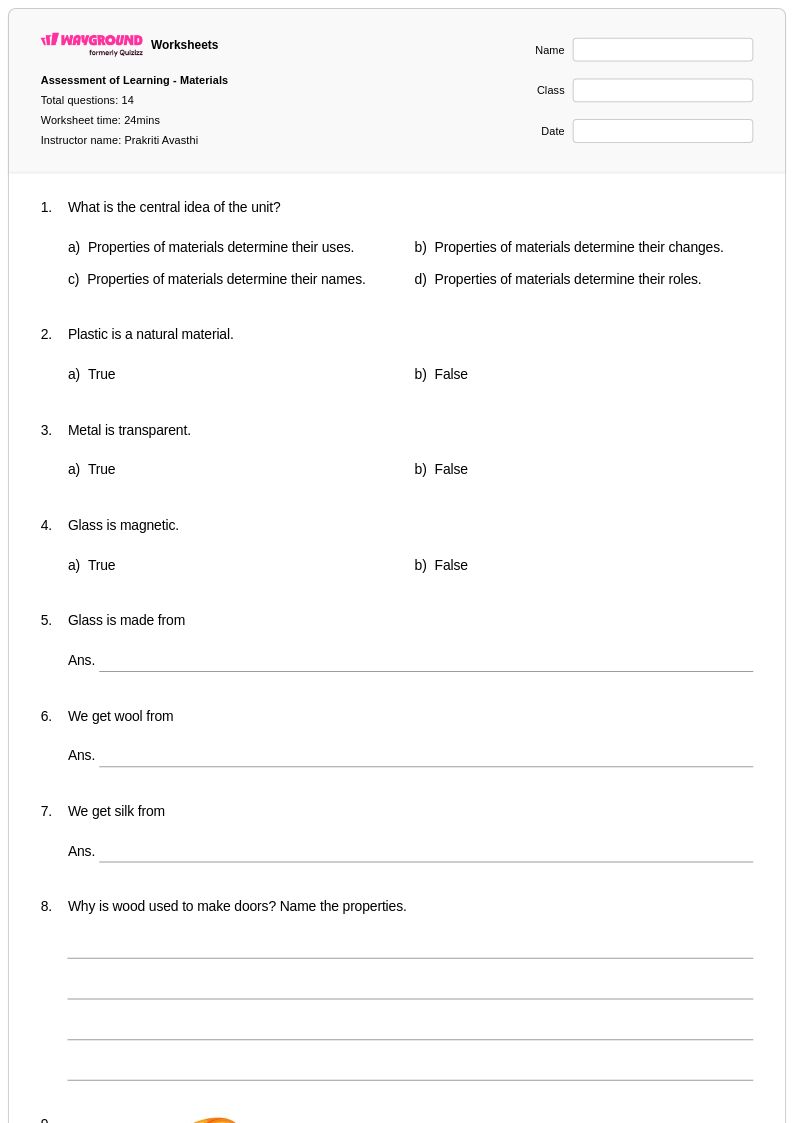
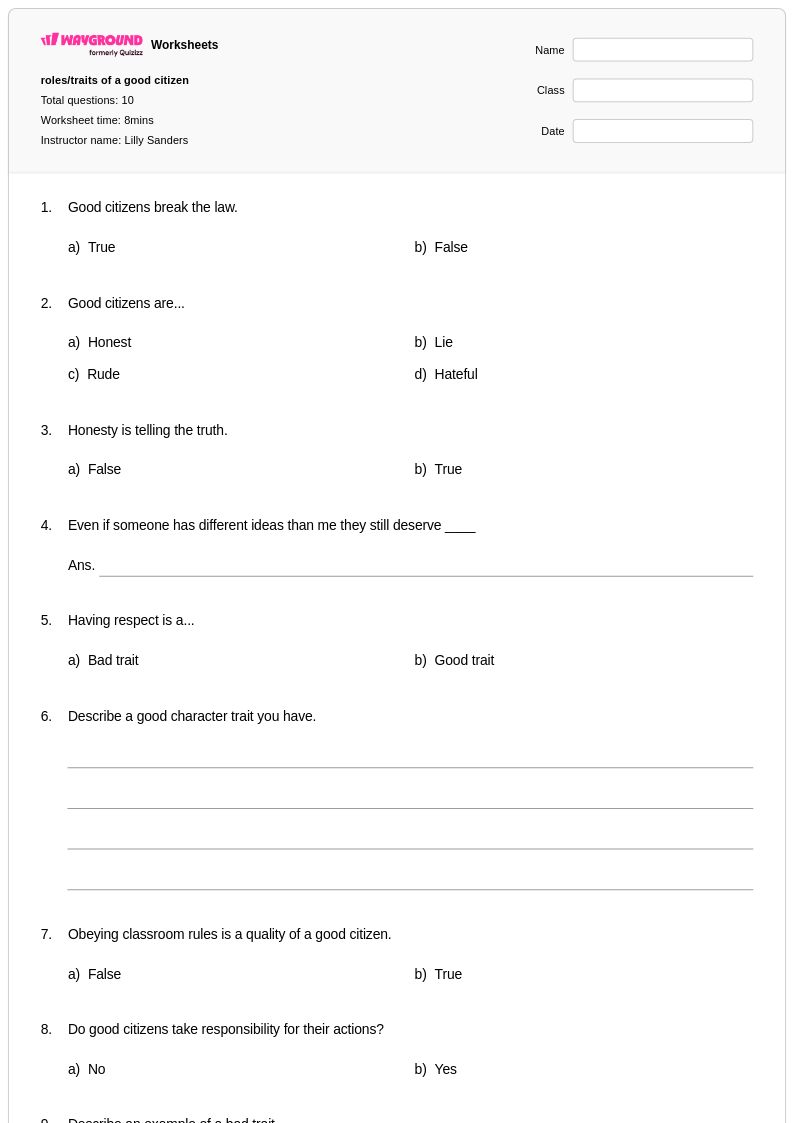
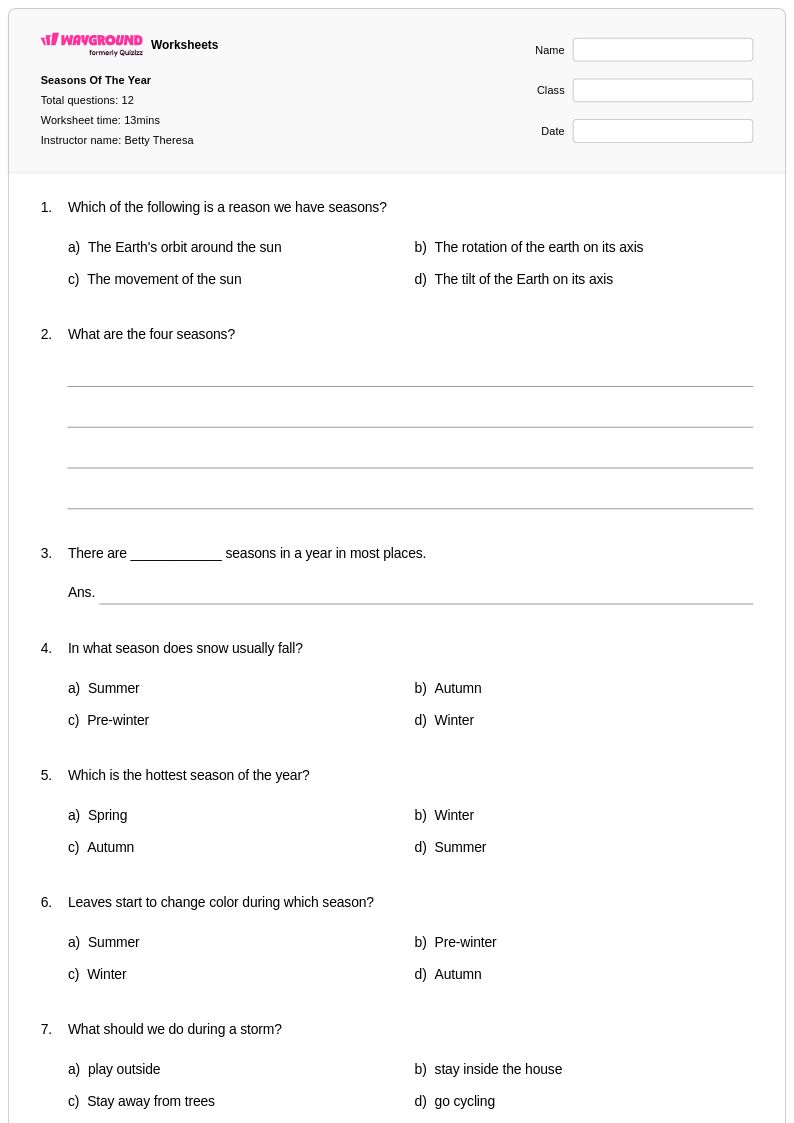
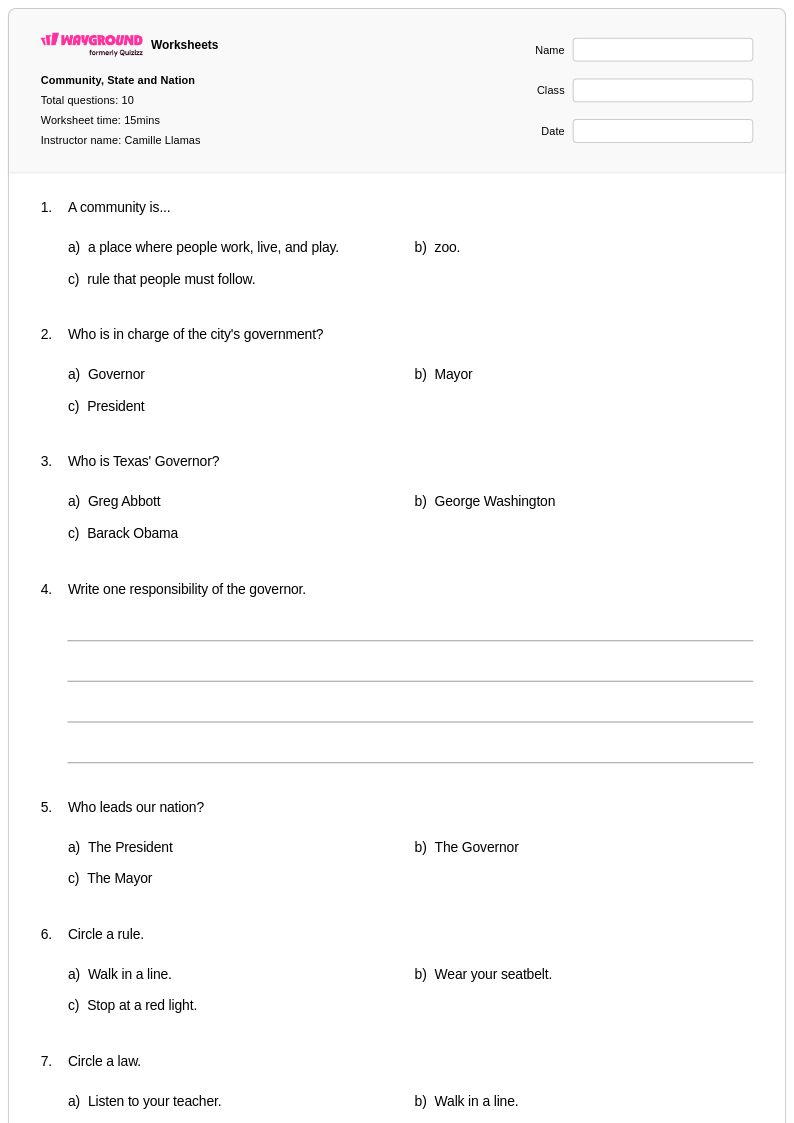
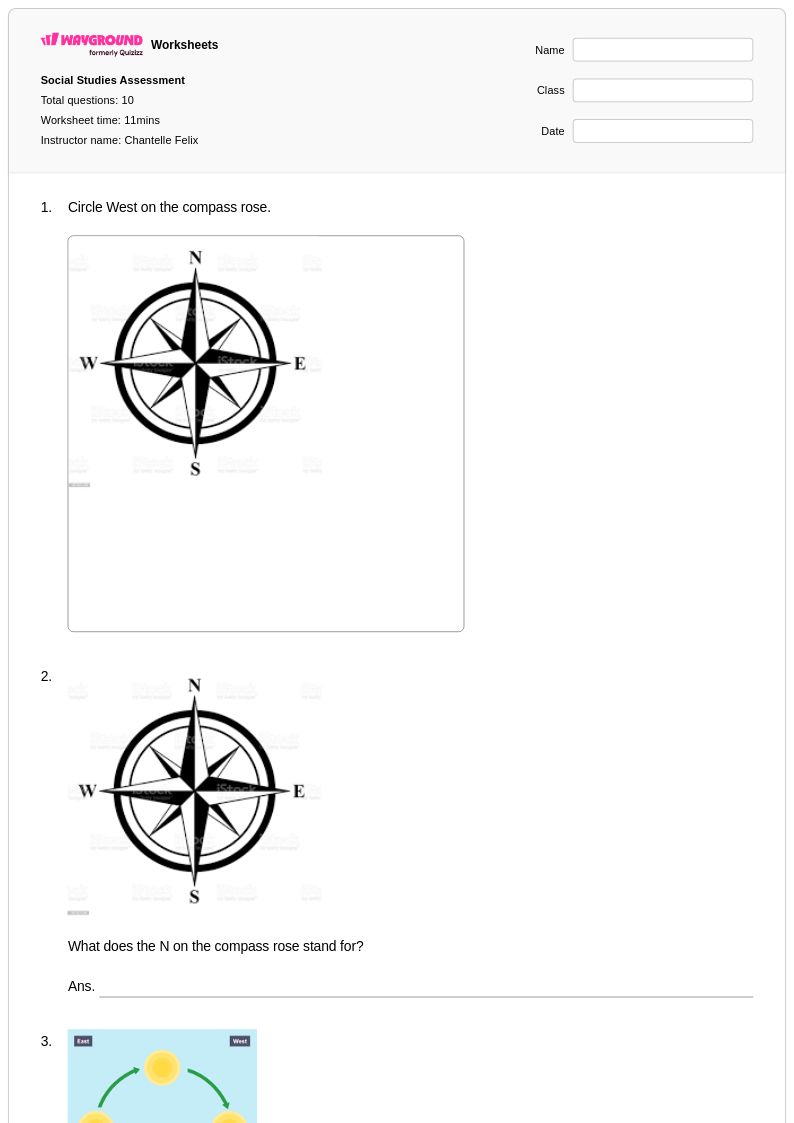
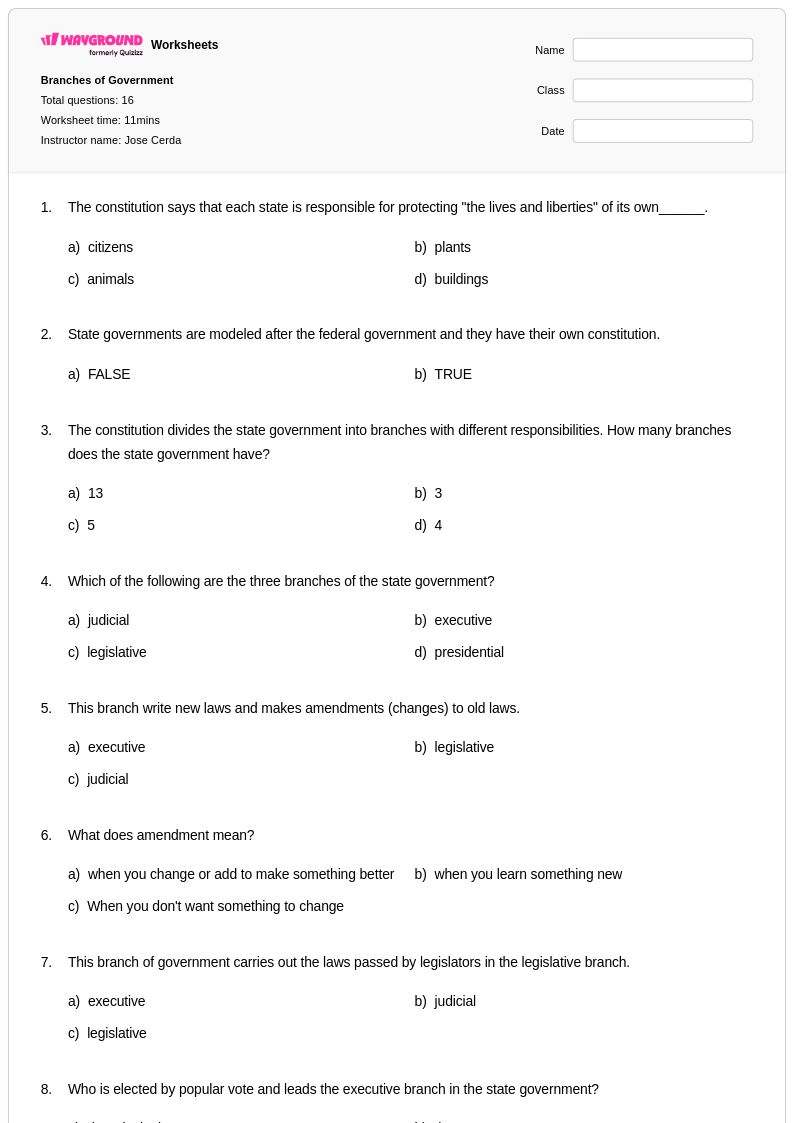
Circle of Control worksheets for Class 1 students available through Wayground (formerly Quizizz) provide essential foundation-building activities that help young learners distinguish between situations they can influence and those beyond their control. These carefully designed printables focus on developing emotional regulation and problem-solving skills by teaching children to identify their personal sphere of influence in various scenarios. The practice problems present age-appropriate situations such as choosing their response to disappointment, controlling their effort in schoolwork, or managing their reactions to weather changes. Each worksheet includes clear answer keys that guide educators in facilitating meaningful discussions about personal responsibility and emotional awareness, while the free pdf format ensures easy accessibility for both classroom and home learning environments.
Wayground (formerly Quizizz) empowers educators with millions of teacher-created resources specifically designed to support social-emotional learning in early elementary grades. The platform's robust search and filtering capabilities enable teachers to locate Circle of Control materials that align with developmental standards and individual student needs. These differentiation tools allow for seamless customization of worksheets to accommodate varying skill levels within Class 1 classrooms, supporting both remediation for struggling learners and enrichment for advanced students. The flexible digital and printable formats streamline lesson planning while providing multiple options for skill practice, whether teachers need quick formative assessments, structured guidance activities, or independent work stations that reinforce students' understanding of personal agency and emotional self-regulation.
FAQs
How do I teach the Circle of Control to students?
Start by introducing the three zones of influence: things students can control directly (their own thoughts, actions, and responses), things they can influence indirectly (relationships, group decisions), and things completely outside their control (weather, other people's choices). Use concrete, relatable scenarios — like a canceled sports game or a conflict with a friend — and have students physically sort them into the appropriate circle. Gradually move from teacher-modeled examples to independent practice so students internalize the framework as a self-regulation tool.
What kinds of practice activities help students learn the Circle of Control?
Scenario-based sorting activities are the most effective practice format for the Circle of Control, as they require students to evaluate real-life situations and make reasoned categorization decisions. Worksheets that present personal dilemmas, school-based stressors, and community challenges push students beyond surface-level identification toward genuine critical thinking about personal agency. Repeated practice across varied contexts builds the habit of applying this framework independently during stressful situations.
What misconceptions do students commonly have about the Circle of Control?
The most common misconception is treating the "influence" zone as identical to the "control" zone — students often believe that if they can affect something, they fully control it, which leads to frustration when outcomes don't match expectations. Another frequent error is placing interpersonal situations entirely in the "no control" zone, when in reality students can influence the quality of their relationships through their own behavior. Worksheets that distinguish between these zones with precise scenario examples help correct both errors.
How can I use Circle of Control worksheets to support students with anxiety or stress?
Circle of Control worksheets are particularly effective for students who experience anxiety because they provide a structured framework for redirecting mental energy away from uncontrollable stressors toward actionable responses. By categorizing worries into control zones, students practice cognitive reframing — a foundational skill in stress management and emotional regulation. Teachers can pair worksheet activities with a brief reflection prompt asking students to identify one concrete action they can take within their control circle.
How do I differentiate Circle of Control worksheets for students at different levels?
For younger or struggling learners, reduce the scenario complexity to familiar, personal situations like classroom routines or peer interactions, and consider using a two-circle model (control vs. no control) before introducing the influence zone. More advanced students can engage with community-level or global scenarios that require nuanced reasoning about indirect influence. On Wayground, teachers can apply individual accommodations such as read aloud support and reduced answer choices for students who need additional scaffolding, without disrupting the experience of other students in the class.
How do I use Wayground's Circle of Control worksheets in my classroom?
Wayground's Circle of Control worksheets are available as printable PDFs for traditional classroom use and in digital formats for technology-integrated environments, giving teachers flexibility across in-person, hybrid, and remote settings. Teachers can also host worksheets as a digital quiz directly on Wayground, making it easy to assign, track, and review student responses in one place. Each worksheet includes an answer key, supporting both independent student practice and teacher-guided instruction.