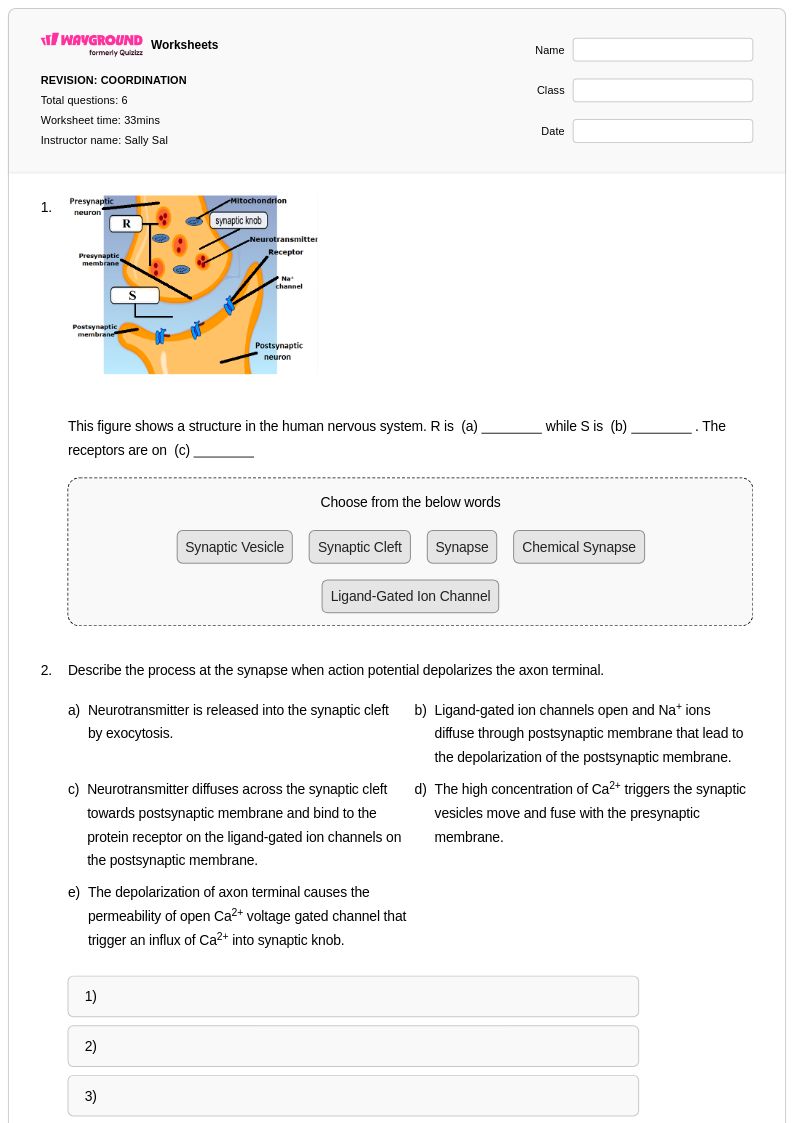
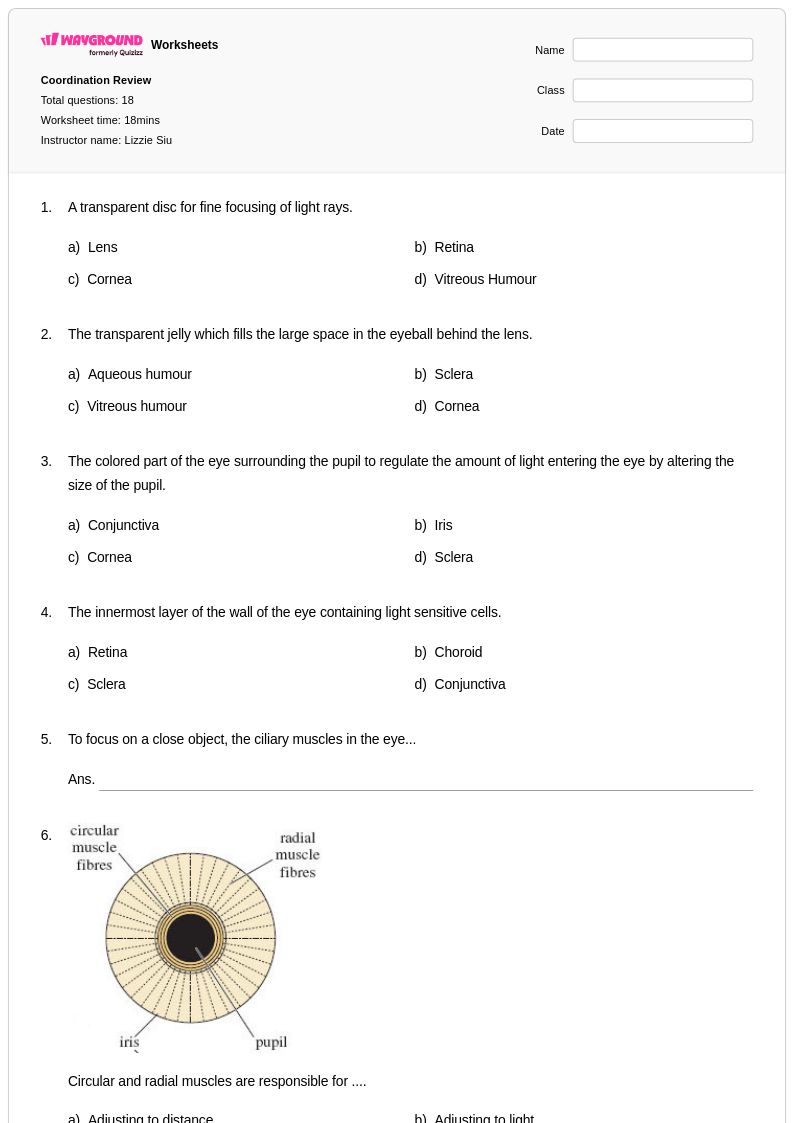
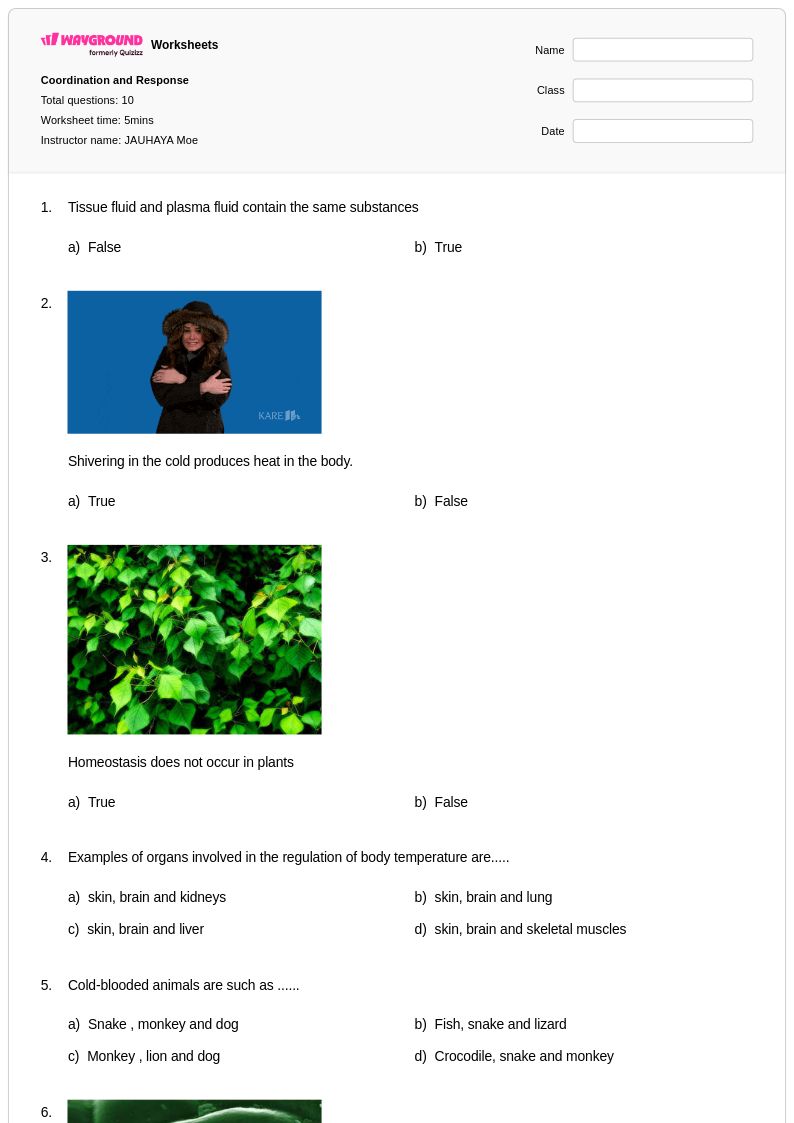
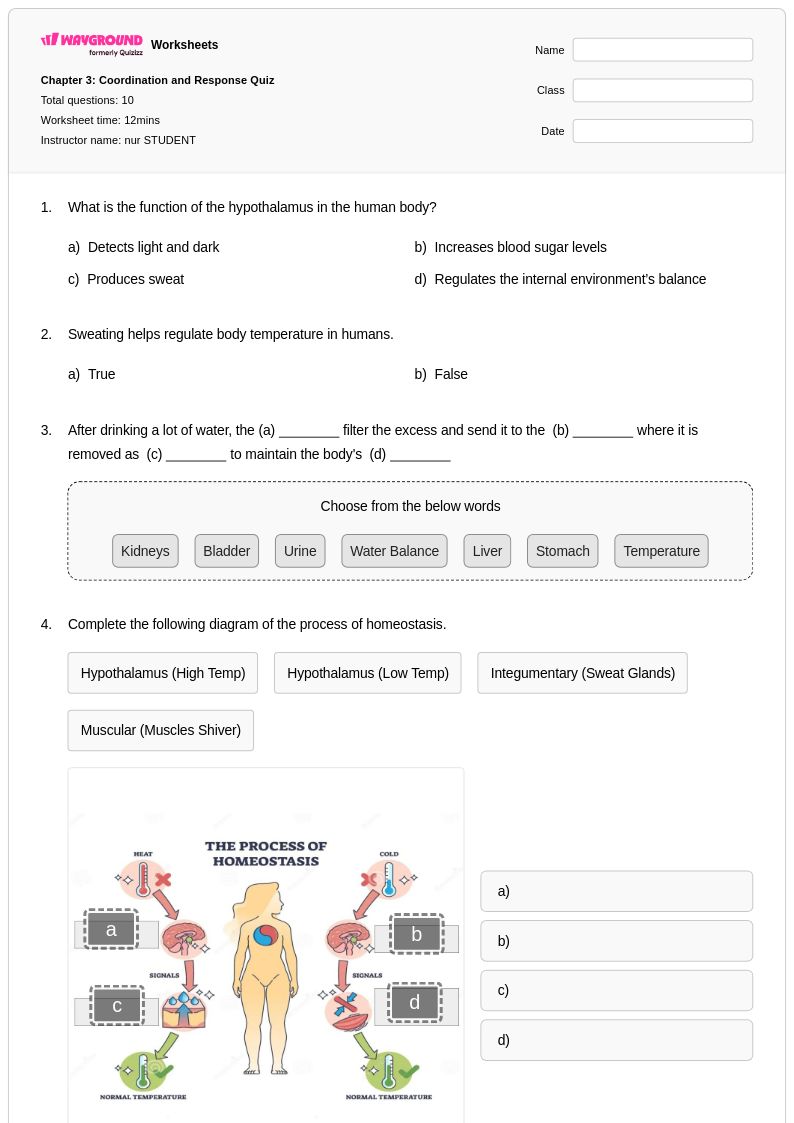
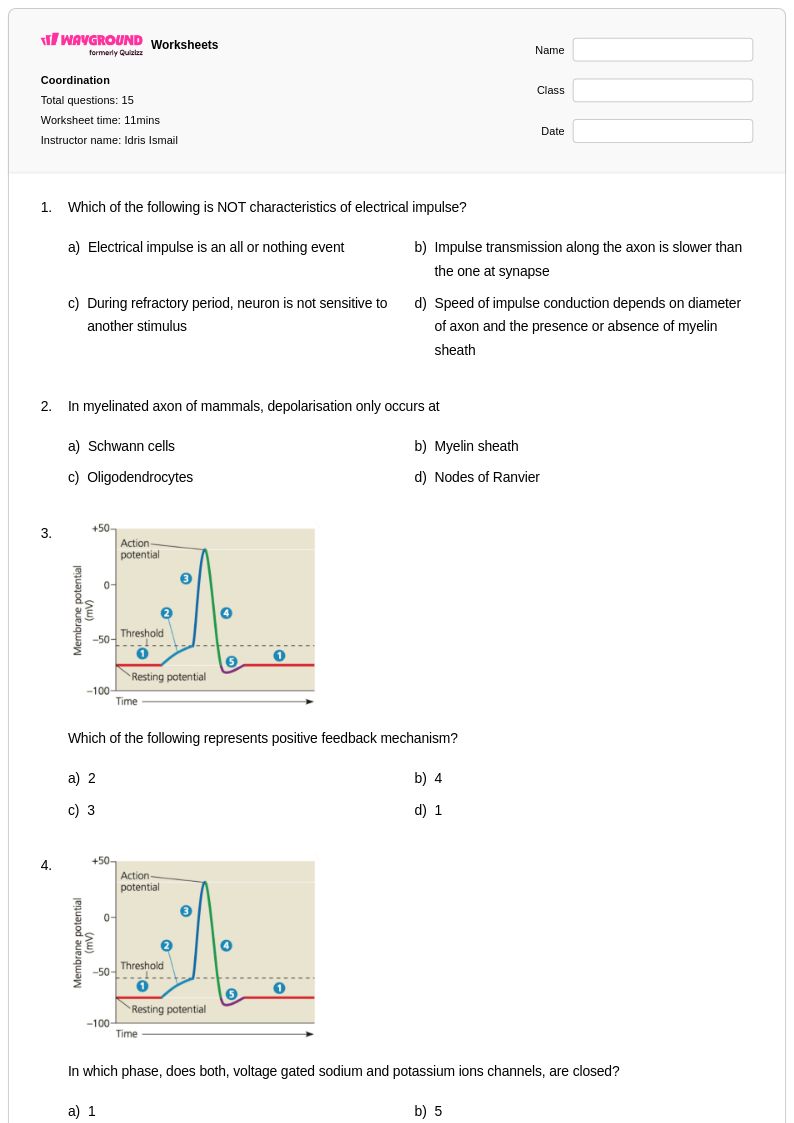
Free Printable Coordination Worksheets for Kindergarten
Free kindergarten coordination worksheets and printables help young learners develop essential motor skills through engaging practice problems, complete with answer keys for effective physical education learning.
Explore printable Coordination worksheets for Kindergarten
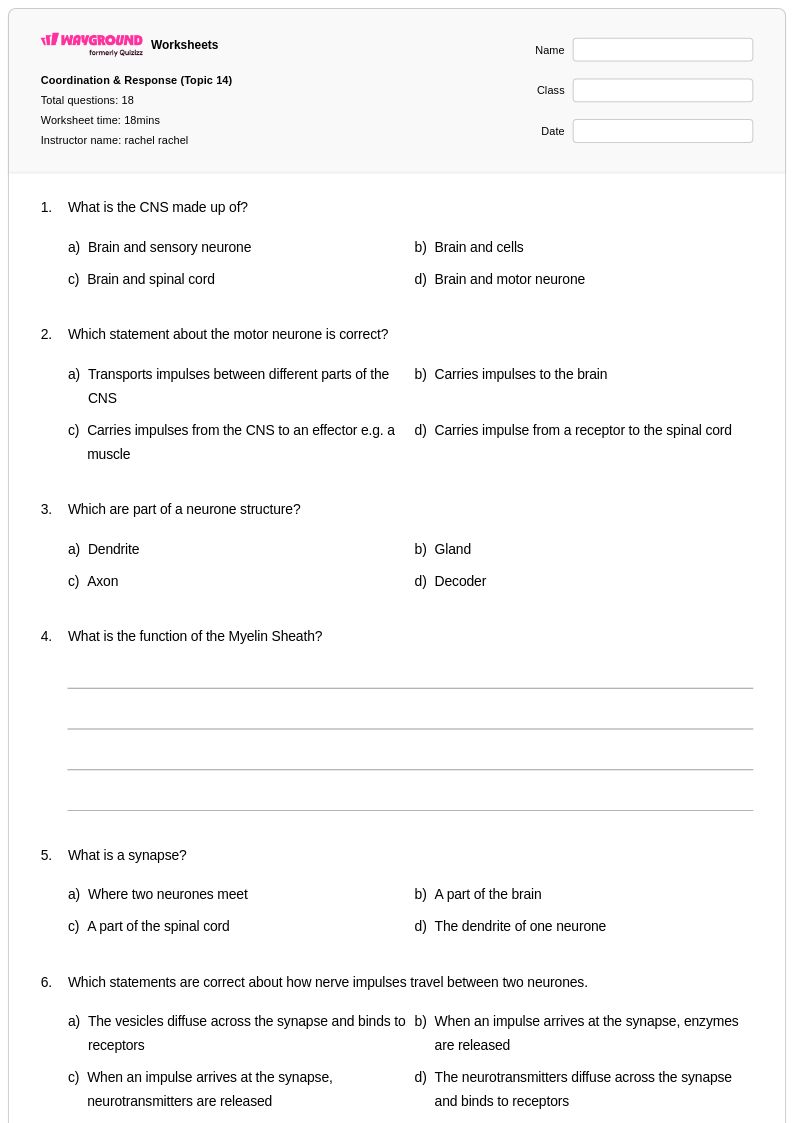
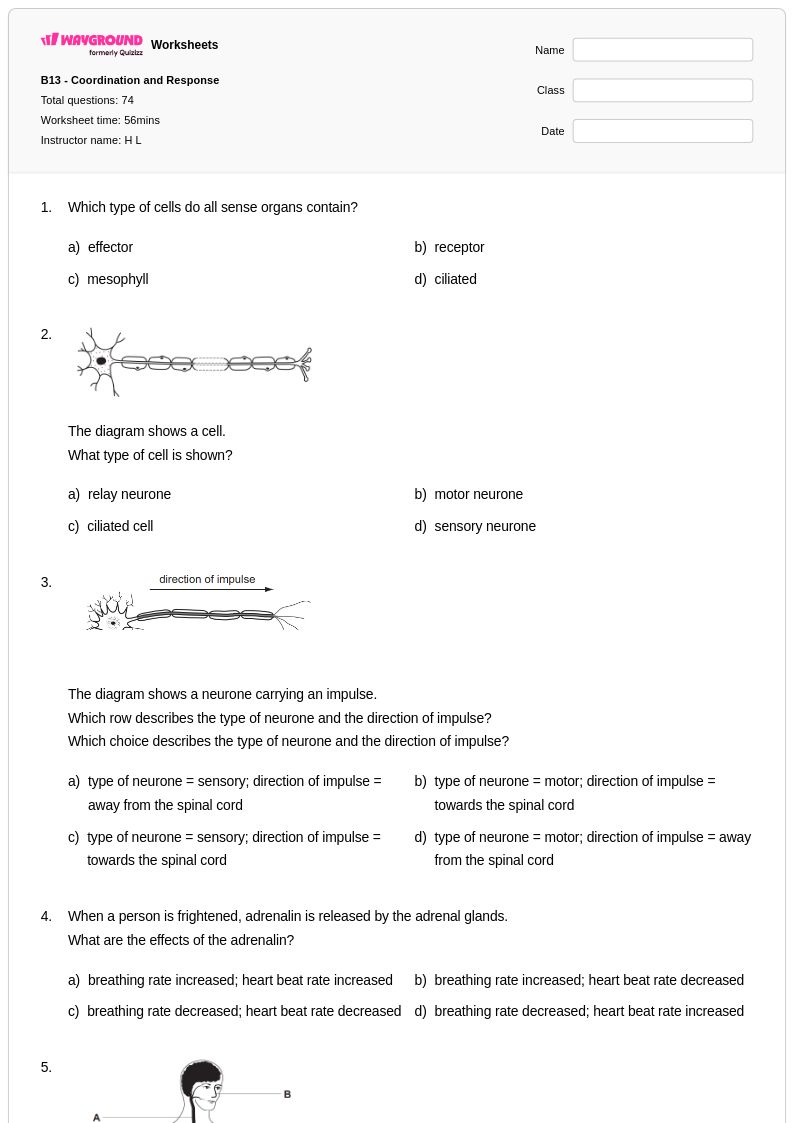
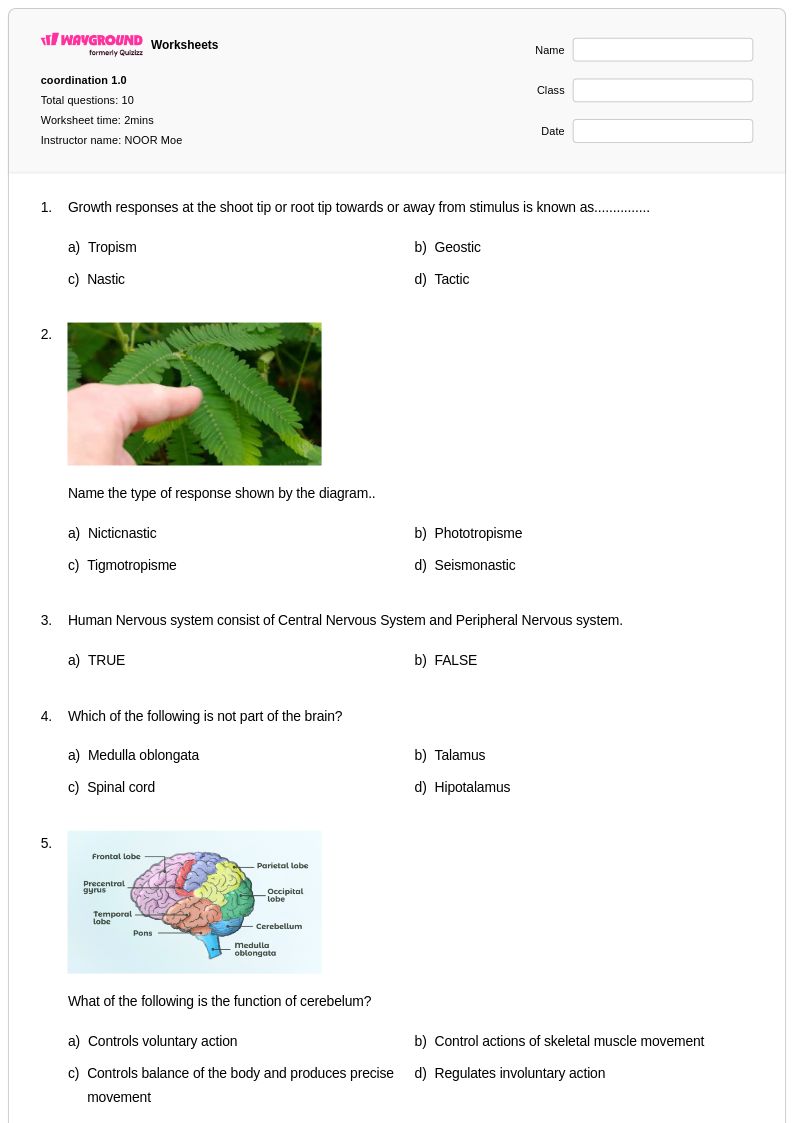
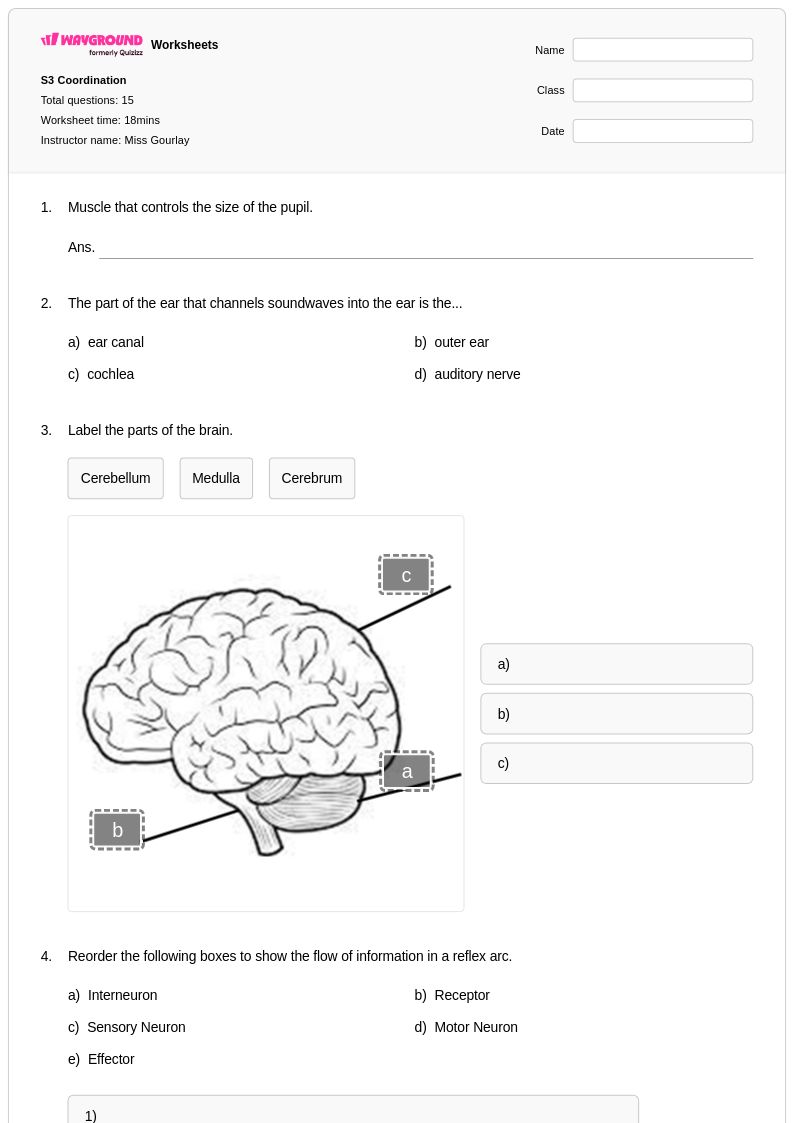
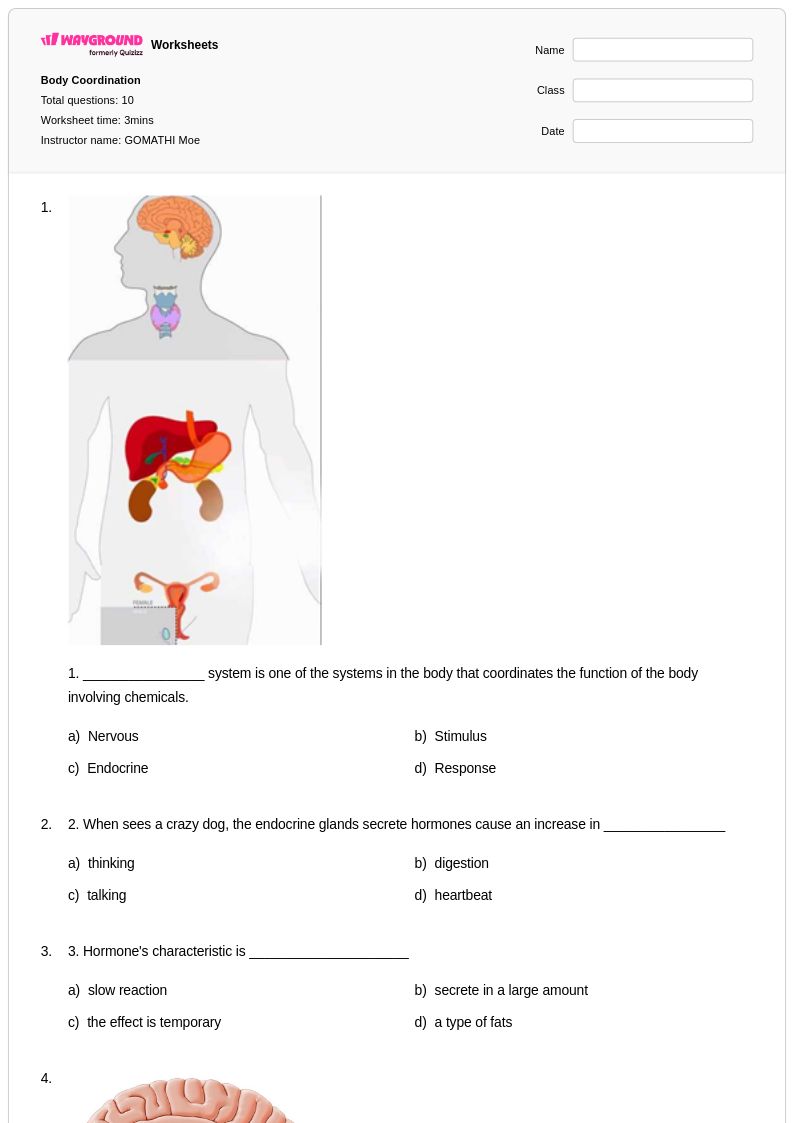
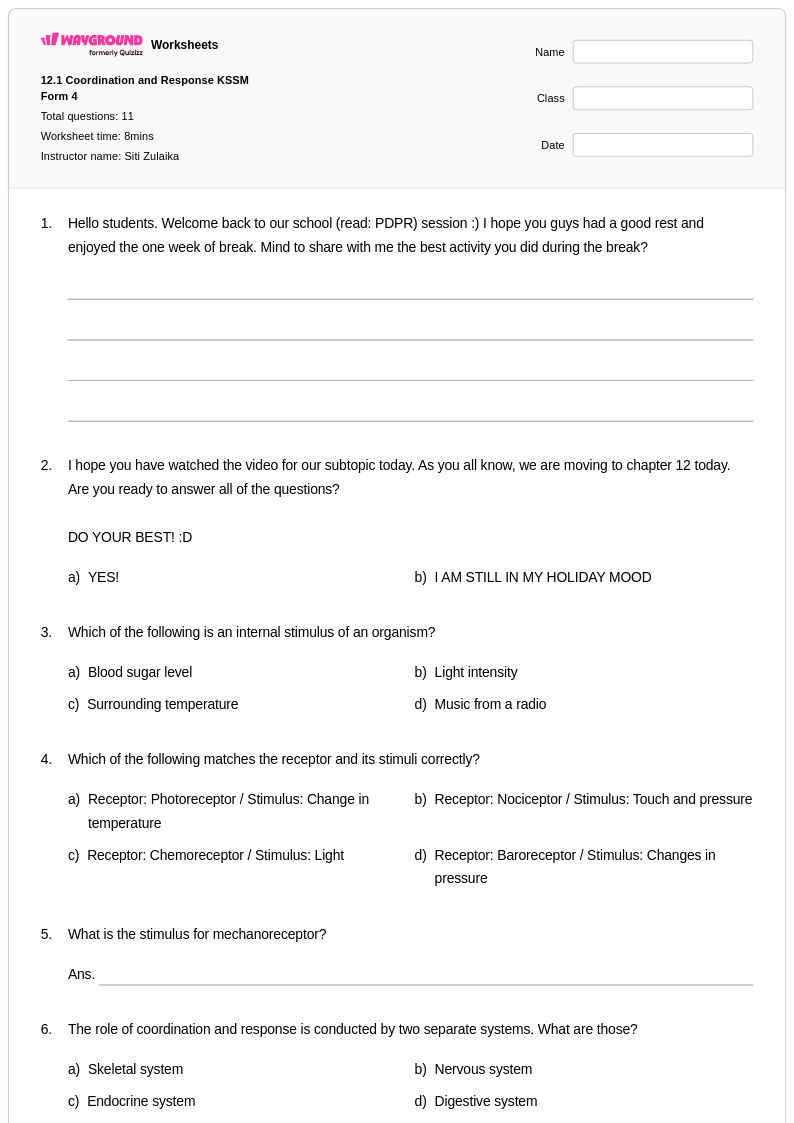
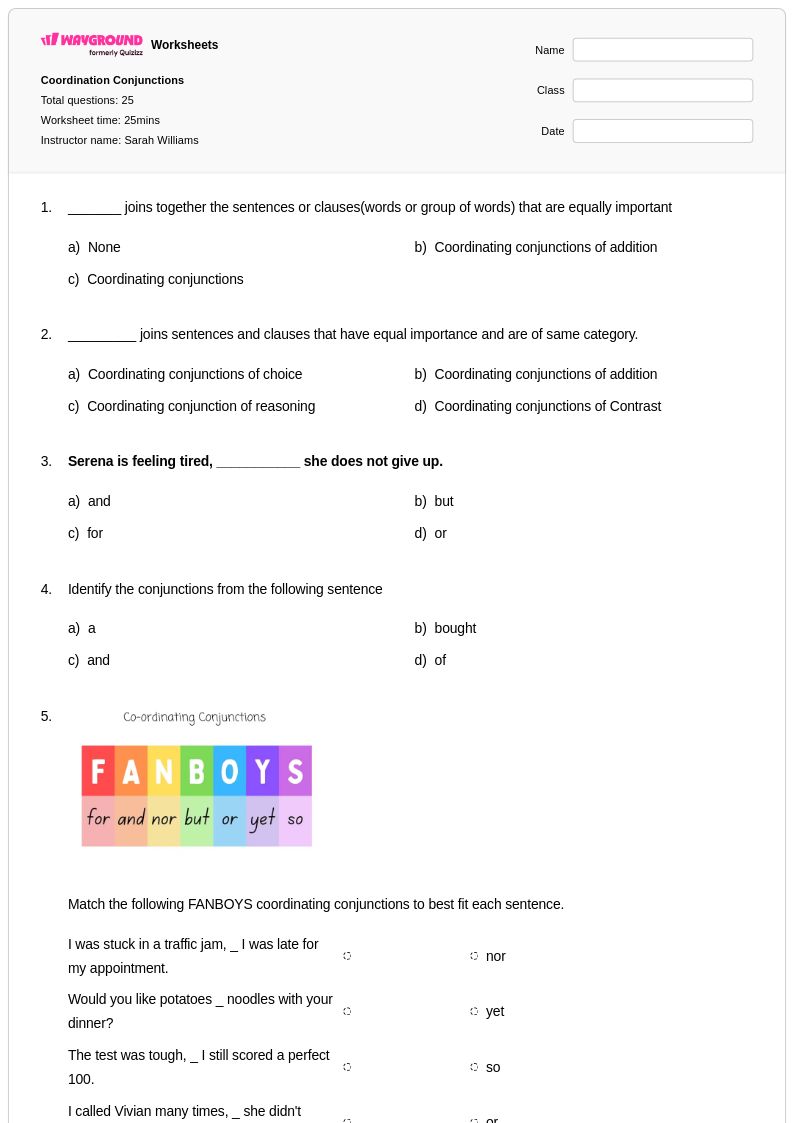
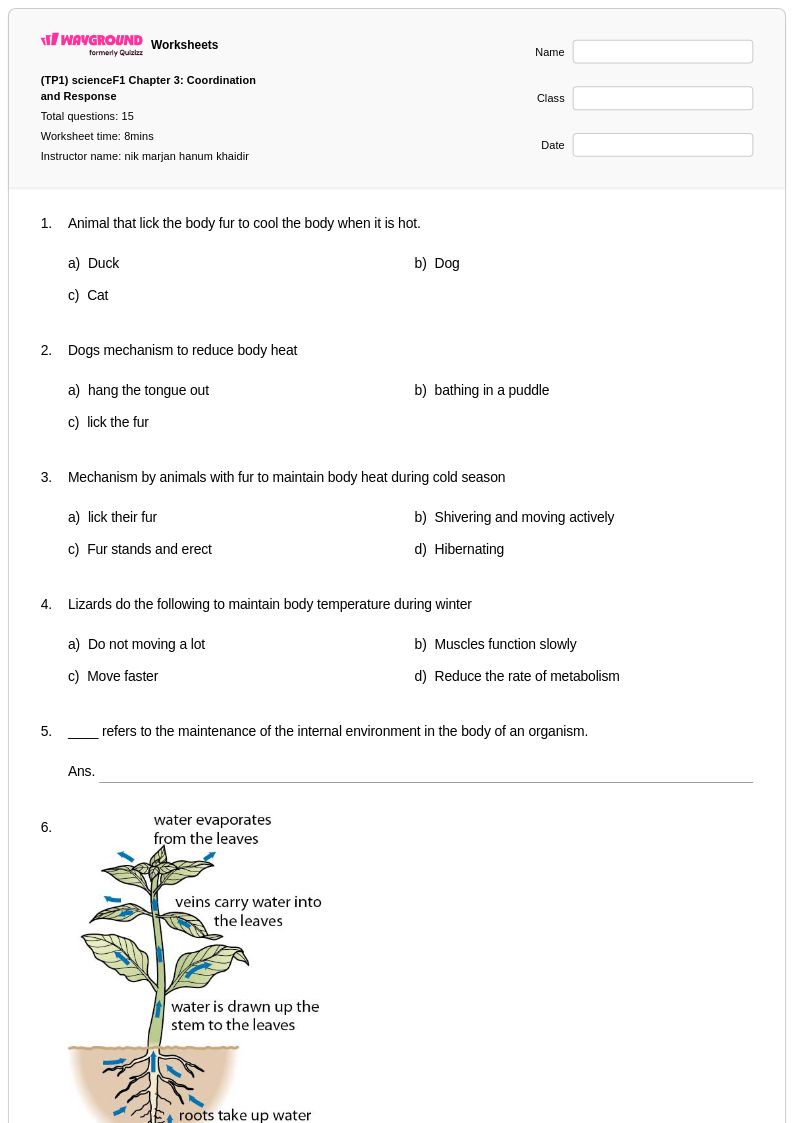
Coordination development forms the cornerstone of kindergarten physical education, and Wayground's extensive collection of movement and motor skills worksheets provides educators with comprehensive resources to enhance young learners' physical literacy. These carefully designed printables focus on fundamental coordination skills including bilateral movements, cross-lateral activities, and spatial awareness exercises that are essential for kindergarten students' physical development. Each worksheet features age-appropriate activities such as tracing movement patterns, identifying body parts in motion, and sequencing physical actions, all accompanied by detailed answer keys that help teachers assess student understanding. The free pdf resources incorporate visual cues and simple instructions that make coordination concepts accessible to early learners while providing structured practice problems that reinforce proper movement mechanics and body awareness.
Wayground's platform, formerly Quizizz, empowers physical education teachers with millions of teacher-created coordination worksheets specifically aligned with kindergarten movement standards and developmental milestones. The robust search and filtering system allows educators to quickly locate resources that match specific coordination objectives, whether focusing on gross motor skills, fine motor development, or balance activities. Teachers can easily customize these printable and digital materials to accommodate diverse learning needs, utilizing differentiation tools to provide appropriate challenges for students at various skill levels. The flexible format options, including downloadable pdfs and interactive digital versions, support seamless integration into lesson planning while enabling targeted remediation for students who need additional coordination practice and enrichment opportunities for those ready to advance their motor skills development.
FAQs
How do I teach coordination skills in physical education?
Teaching coordination in physical education is most effective when instruction progresses from isolated, single-limb movements to complex, multi-limb patterns that require simultaneous motor control. Start with foundational skills like hand-eye coordination and bilateral movement before advancing to cross-lateral patterns and dynamic balance challenges. Structured practice with clear visual and verbal cues helps students internalize movement sequences before applying them in game or activity contexts.
What exercises help students practice coordination?
Effective coordination practice includes activities that require students to synchronize multiple body parts, such as catching and throwing drills, rhythmic movement sequences, ladder footwork patterns, and balance beam tasks. Worksheets that present movement problems, sequencing tasks, and motor skill diagrams give students a cognitive framework for understanding coordination before performing it physically. Progressing from simple to complex tasks ensures students build confidence and competency at each level.
What are common mistakes students make when learning coordination skills?
A frequent error is students rushing through movements without establishing control, which reinforces poor motor patterns rather than building fluency. Many students also struggle with cross-lateral movements because they default to ipsilateral patterns, where the arm and leg on the same side move together rather than alternating. Teachers should watch for asymmetrical movement, overreliance on one dominant side, and difficulty integrating visual input with motor response, as these are key indicators of coordination gaps.
How can I differentiate coordination instruction for students with varying motor abilities?
Differentiation in coordination instruction means adjusting the complexity of the movement task, the speed of execution, and the sensory demands placed on each student. For students with motor delays, break multi-step patterns into single components and allow extra practice time before combining movements. On Wayground, teachers can apply accommodations such as extended time and read-aloud support for individual students when using digital coordination activities, ensuring that students with varying needs receive appropriate scaffolding without disrupting the rest of the class.
How do I use Wayground's coordination worksheets in my PE class?
Wayground's coordination worksheets are available as printable PDFs for traditional classroom or gymnasium use and in digital formats for technology-integrated or remote learning environments. Teachers can also host them as a quiz directly on Wayground, making it easy to assign, track, and review student responses in one place. Each worksheet includes complete answer keys, so teachers can efficiently assess student understanding of coordination concepts without additional preparation.
How do I assess student progress in coordination skills?
Assessing coordination requires both observational tools and structured performance benchmarks that capture movement quality, not just task completion. Look for improvements in timing, fluency, and the ability to adapt movement patterns under changing conditions, such as varying speed or direction. Worksheets with built-in assessment rubrics help teachers document baseline performance and track measurable growth over time, making coordination progress visible and reportable within a physical education curriculum.