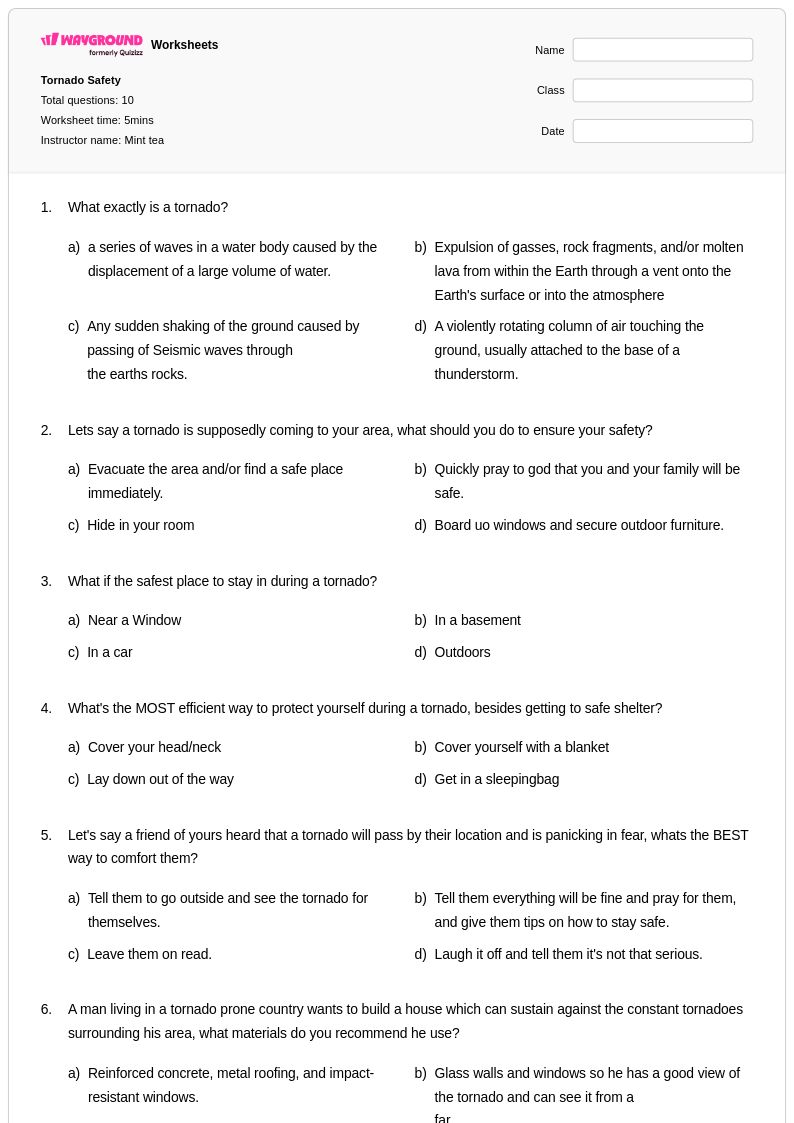
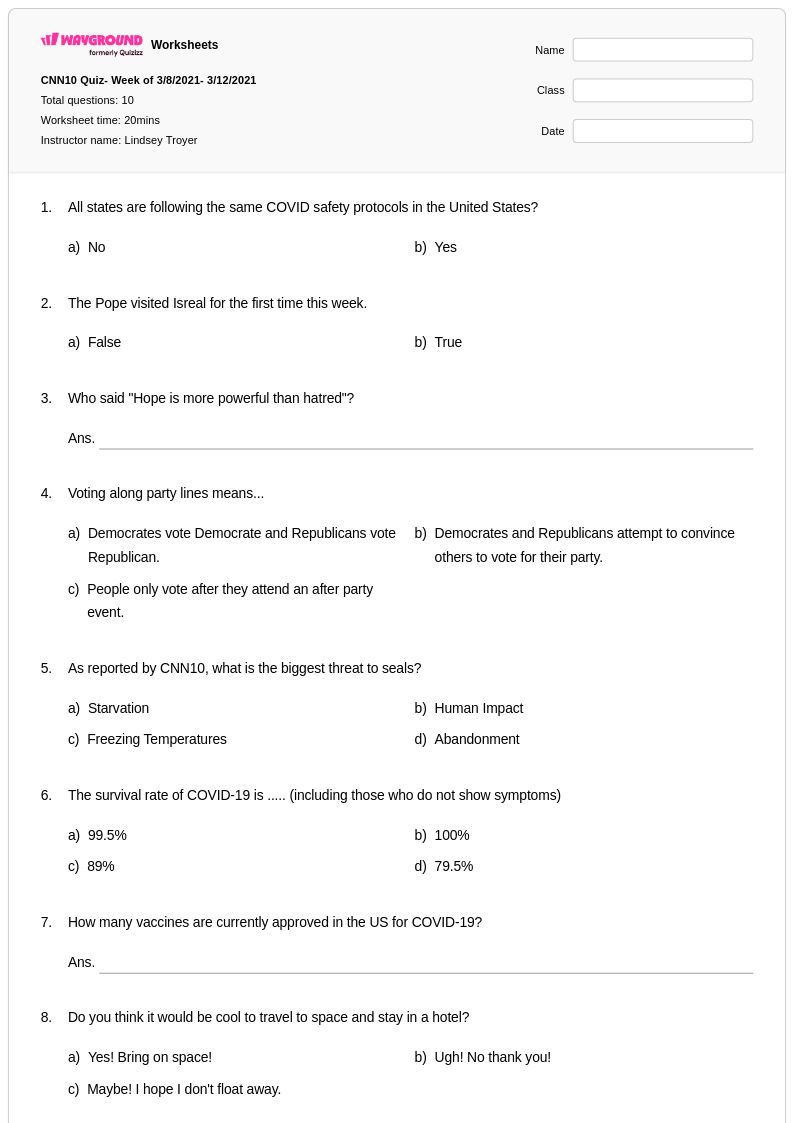
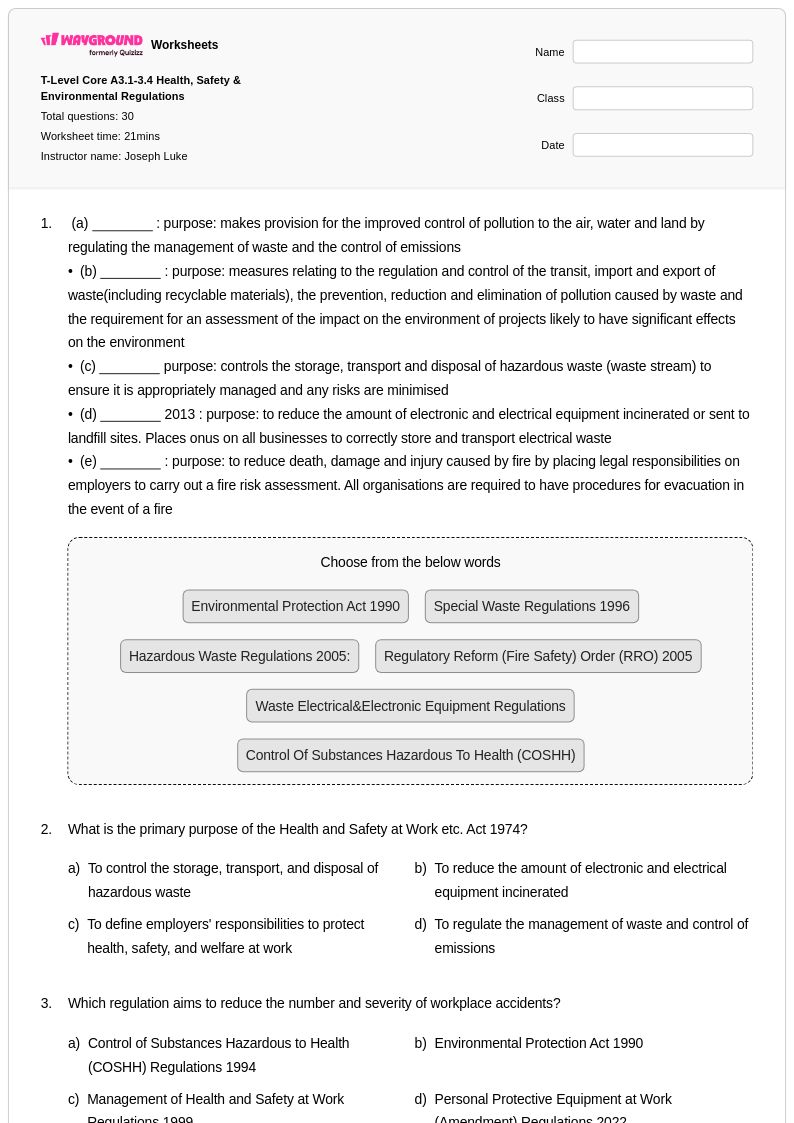
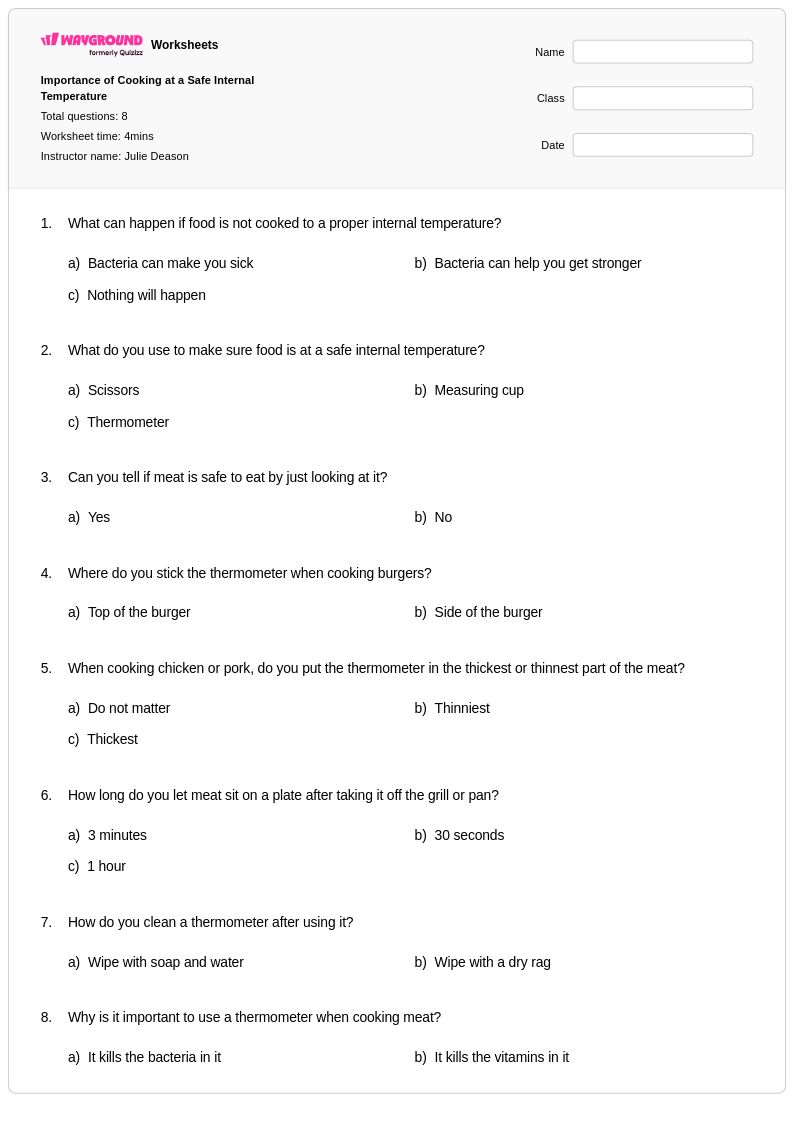
Free Printable Cyber Safety Worksheets for Class 12
Class 12 cyber safety worksheets from Wayground help students develop essential digital citizenship skills through comprehensive printables, practice problems, and answer keys that cover online security, privacy protection, and responsible internet behavior.
Explore printable Cyber Safety worksheets for Class 12
Cyber safety worksheets for Class 12 students available through Wayground (formerly Quizizz) provide comprehensive coverage of digital citizenship and online security concepts essential for college-bound seniors. These expertly designed resources strengthen critical thinking skills around privacy protection, digital footprint management, cyberbullying prevention, and safe social media practices. Students engage with practice problems that simulate real-world scenarios involving phishing attempts, password security, and information verification, while teachers benefit from complete answer keys that facilitate efficient grading and meaningful classroom discussions. The printable pdf format ensures accessibility across different learning environments, and the free availability of these materials makes high-quality cyber safety education accessible to all Class 12 social studies programs.
Wayground's extensive collection draws from millions of teacher-created resources, offering robust search and filtering capabilities that allow educators to quickly locate cyber safety worksheets aligned with specific curriculum standards and learning objectives. The platform's differentiation tools enable teachers to customize content difficulty and format to meet diverse student needs, whether for remediation with struggling learners or enrichment for advanced students. Available in both printable and digital formats, these worksheets integrate seamlessly into lesson planning for in-person, remote, or hybrid learning environments. Teachers can efficiently organize skill practice sessions, assess student understanding of digital citizenship concepts, and provide targeted feedback that prepares Class 12 students for responsible technology use in their post-secondary academic and professional endeavors.
FAQs
How do I teach cyber safety to students?
Effective cyber safety instruction blends direct teaching of digital concepts with scenario-based learning that mirrors real-world online situations. Teachers should cover core topics such as password security, recognizing phishing and online scams, understanding digital footprints, and identifying cyberbullying in a logical sequence, building from awareness to decision-making. Using case studies and guided discussions helps students internalize why safe online behavior matters, not just what the rules are.
What exercises help students practice cyber safety skills?
Scenario-based practice problems are among the most effective tools for building cyber safety skills, as they require students to evaluate realistic situations and choose appropriate responses. Activities that ask students to identify red flags in sample emails, social media posts, or password choices give them practice applying concepts rather than just recalling them. Combining these with reflection prompts reinforces responsible decision-making habits that transfer to students' actual online behavior.
What common mistakes do students make when learning about cyber safety?
Students frequently underestimate the permanence of their digital footprint, assuming that deleted posts or private accounts make their online activity invisible. Another common misconception is treating password strength as optional, often choosing simple or reused passwords because they don't yet grasp how credential compromise works. Students also tend to struggle with recognizing subtle phishing attempts, focusing on obvious red flags while missing more sophisticated scams that mimic trusted sources.
How can I differentiate cyber safety instruction for students with different learning needs?
Differentiation in cyber safety can include reducing the complexity of scenarios for students who need more scaffolding, or presenting open-ended case studies for advanced learners to analyze independently. On Wayground, teachers can apply individual accommodations such as read aloud support, reduced answer choices, and extended time to specific students without disrupting the experience for the rest of the class. These settings are saved and reusable, making it practical to support diverse learners across multiple lessons without rebuilding configurations each time.
How do I use Wayground's cyber safety worksheets in my classroom?
Wayground's cyber safety worksheets are available as printable PDFs for traditional classroom use and in digital formats for technology-integrated environments, giving teachers flexibility to deploy them however best fits their setup. Teachers can also host worksheets as a live quiz on Wayground, which adds an interactive layer and allows for real-time visibility into student responses. Each worksheet includes a complete answer key, so grading and follow-up discussion can happen efficiently without additional preparation.
What cyber safety topics should I cover across different grade levels?
Younger students benefit most from foundational concepts like what personal information is, why passwords should be kept private, and what to do when something online makes them uncomfortable. Middle school students are ready to engage with more nuanced topics including digital footprints, social media privacy settings, and how to critically evaluate online sources. High school instruction can extend into understanding data privacy, recognizing phishing and social engineering tactics, and the legal and ethical dimensions of online behavior.