
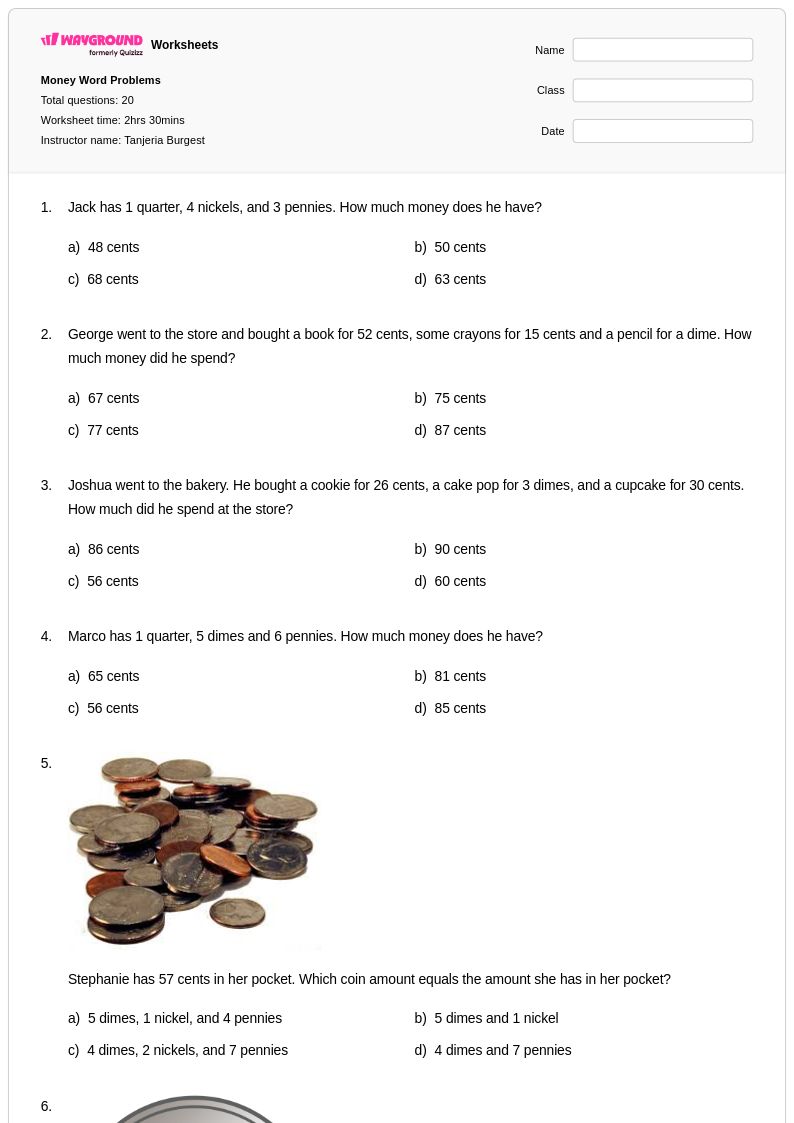
20 Q
2nd - 3rd
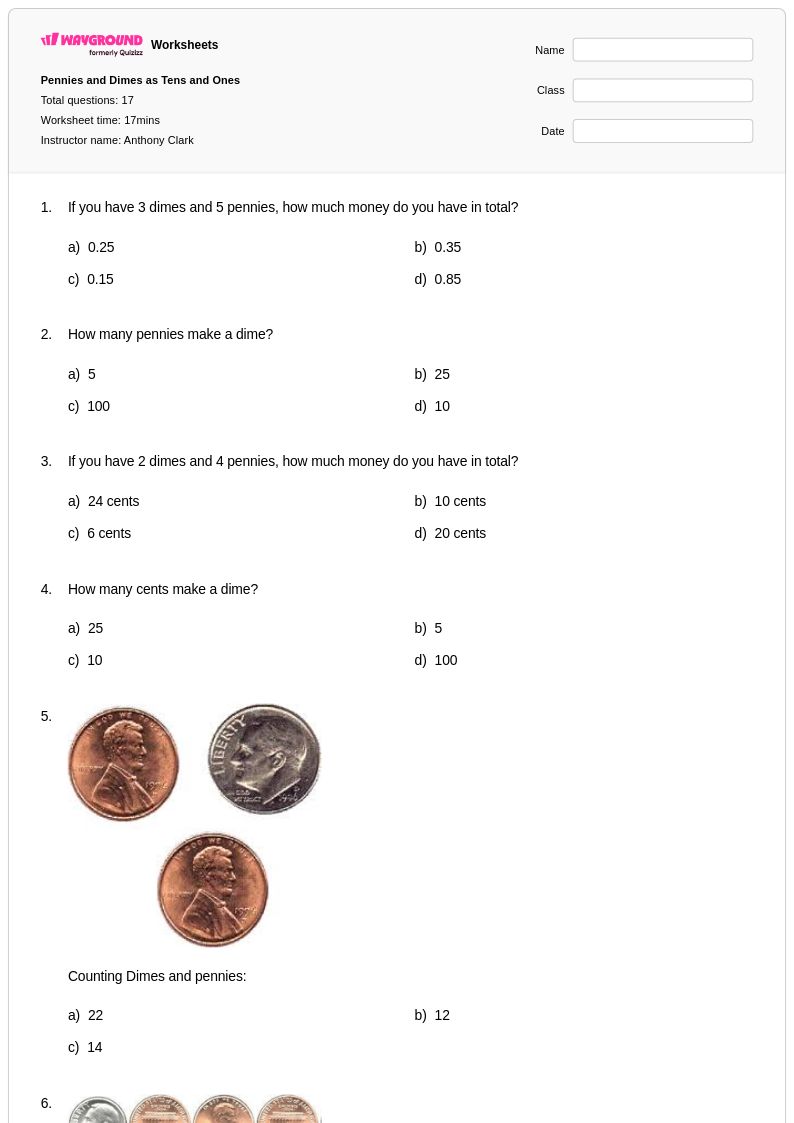
17 Q
2nd - Uni
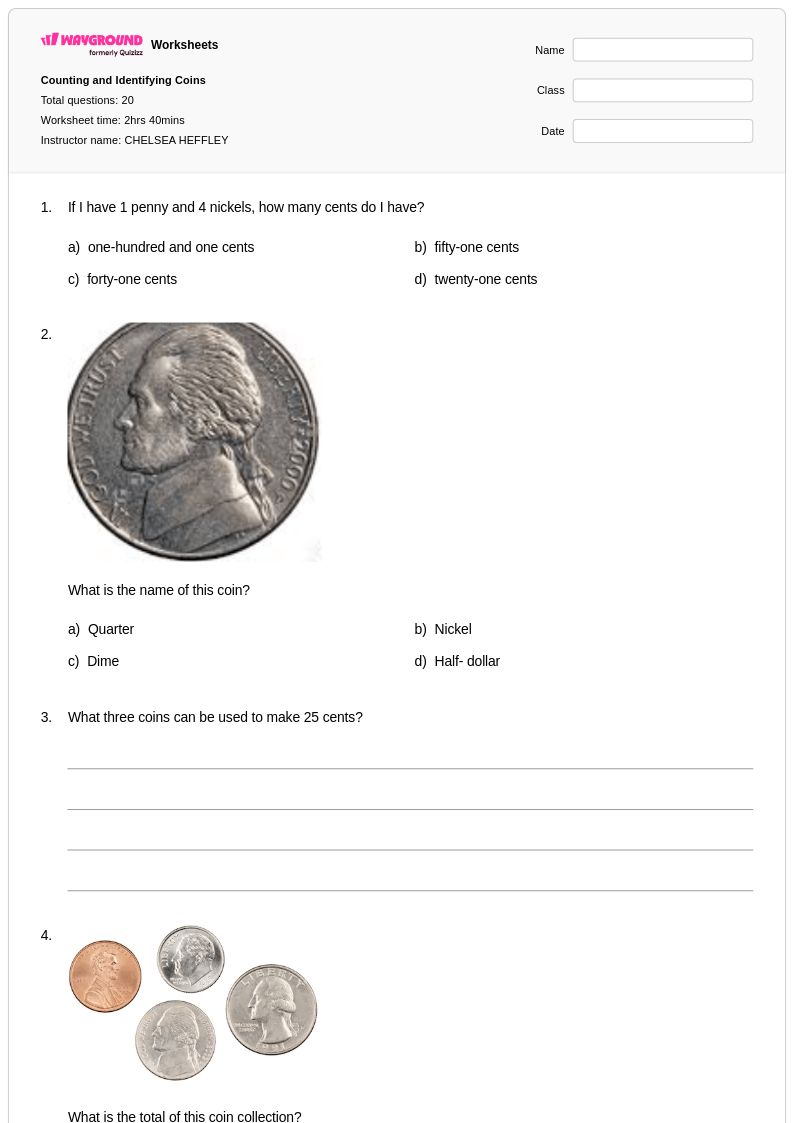
20 Q
1st - 3rd
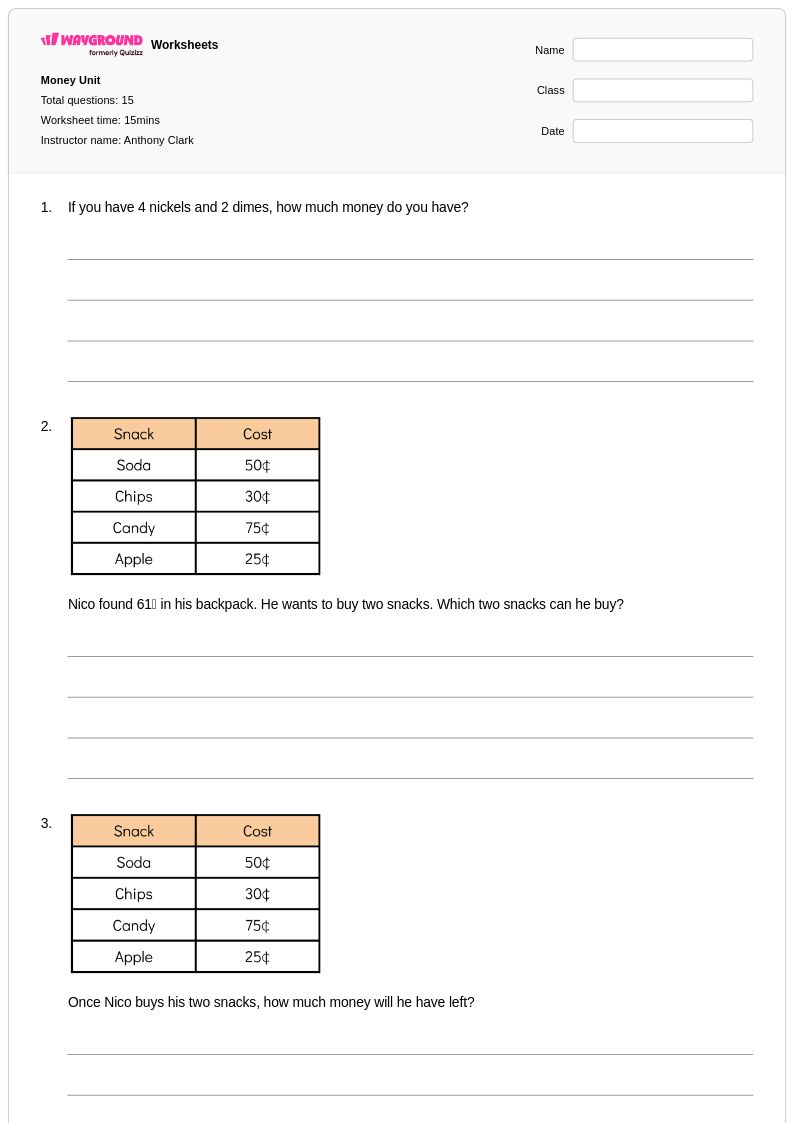
15 Q
2nd - Uni
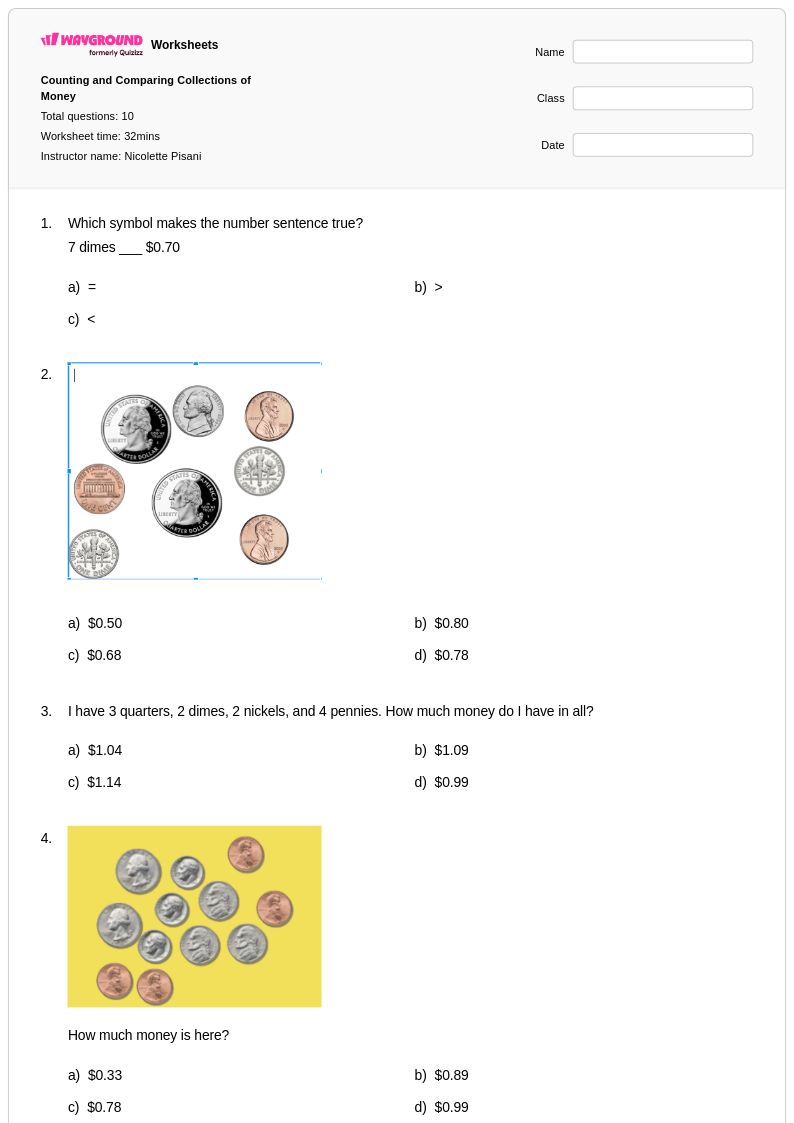
10 Q
3rd
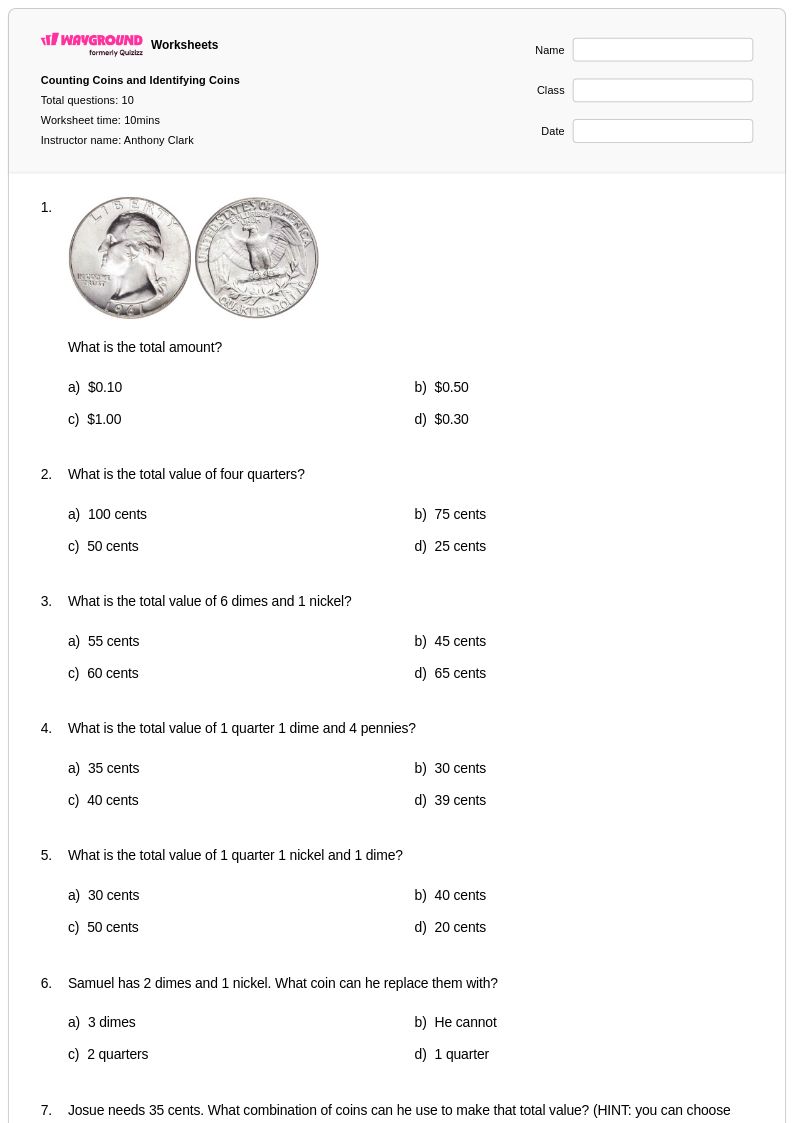
10 Q
2nd - Uni
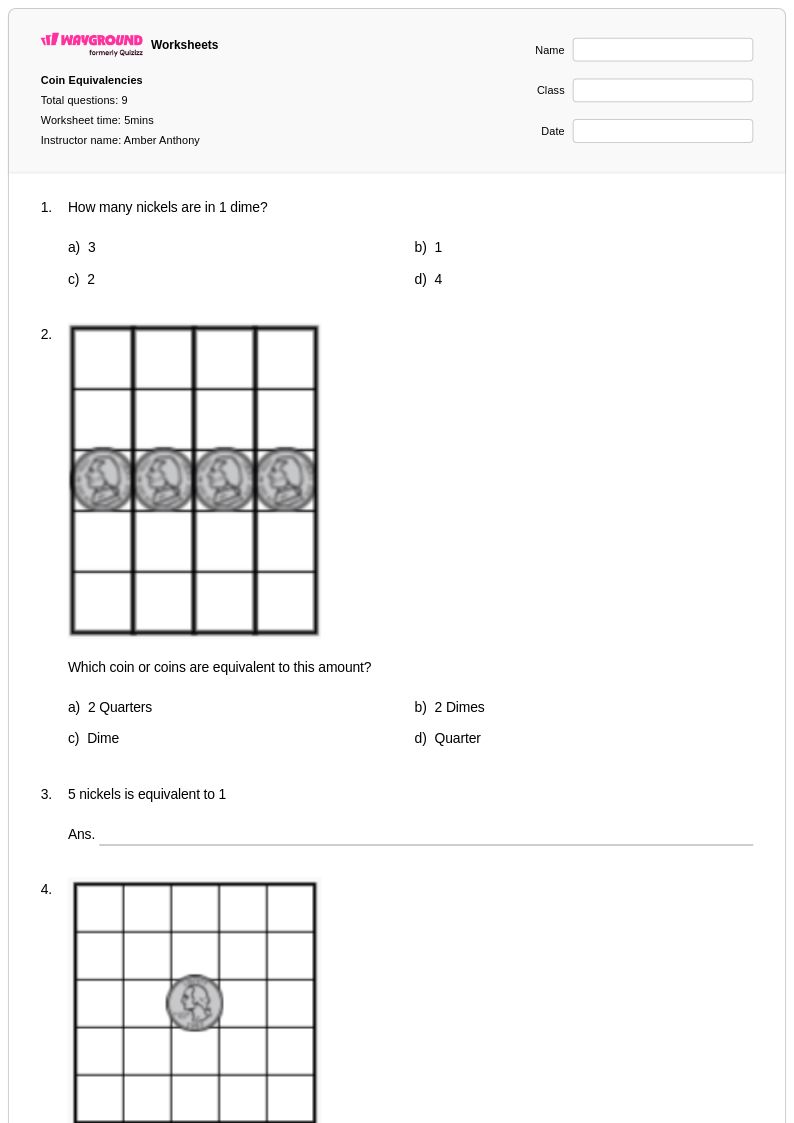
9 Q
1st - 3rd
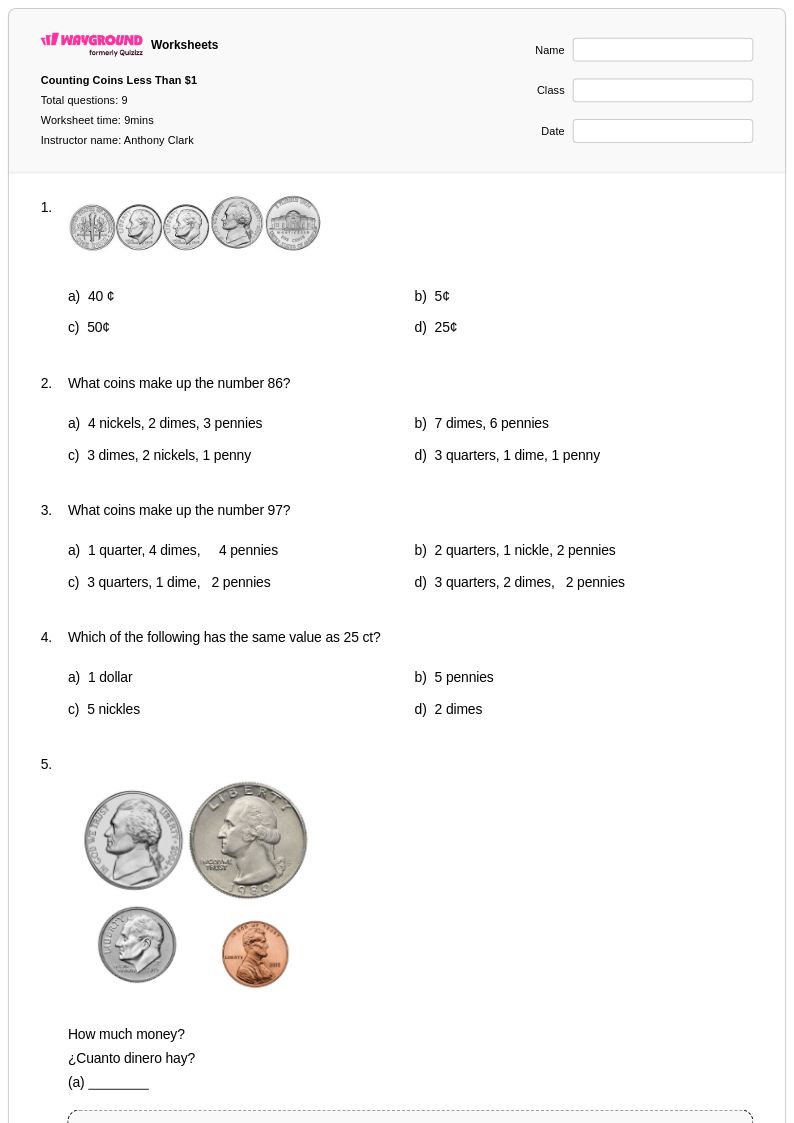
9 Q
2nd - Uni
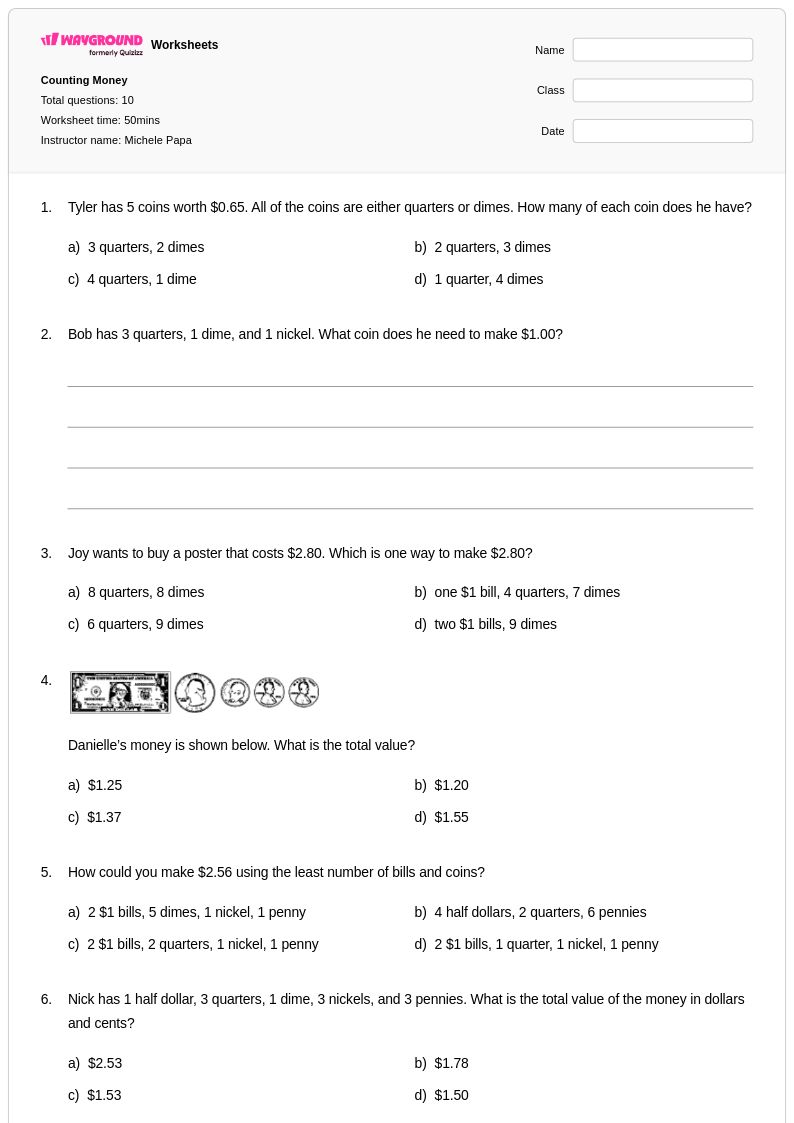
10 Q
3rd
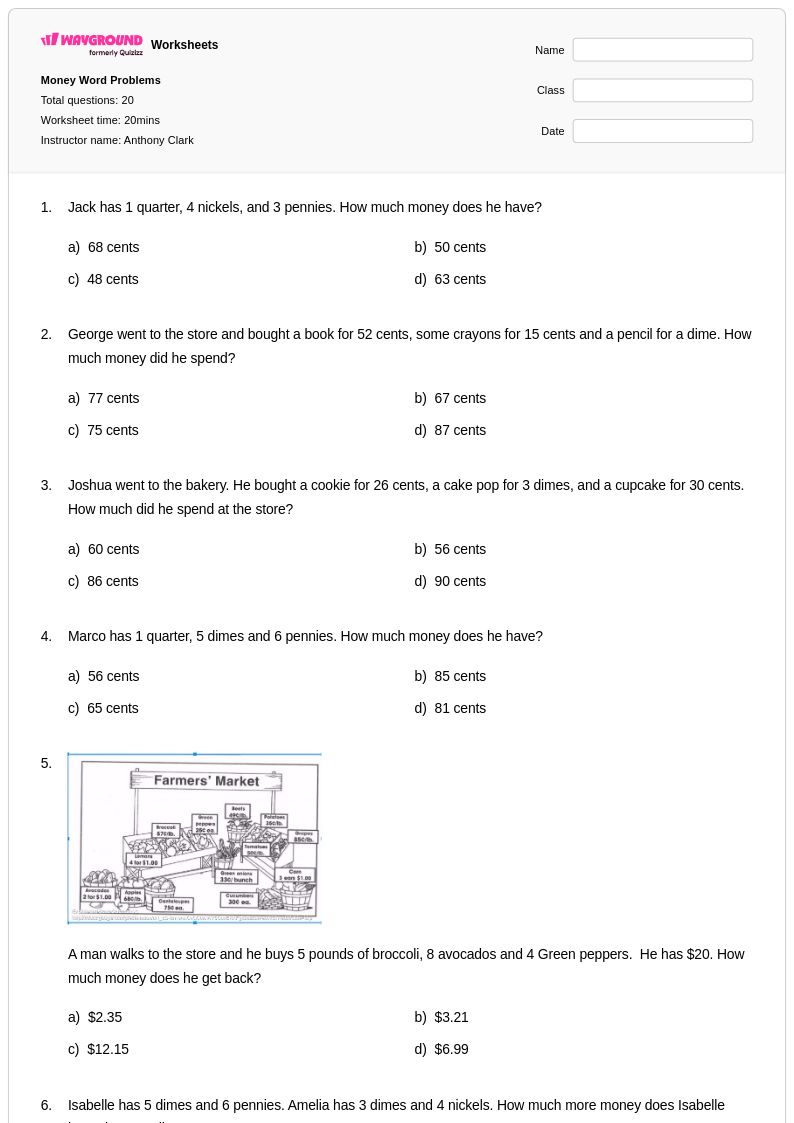
20 Q
3rd - Uni
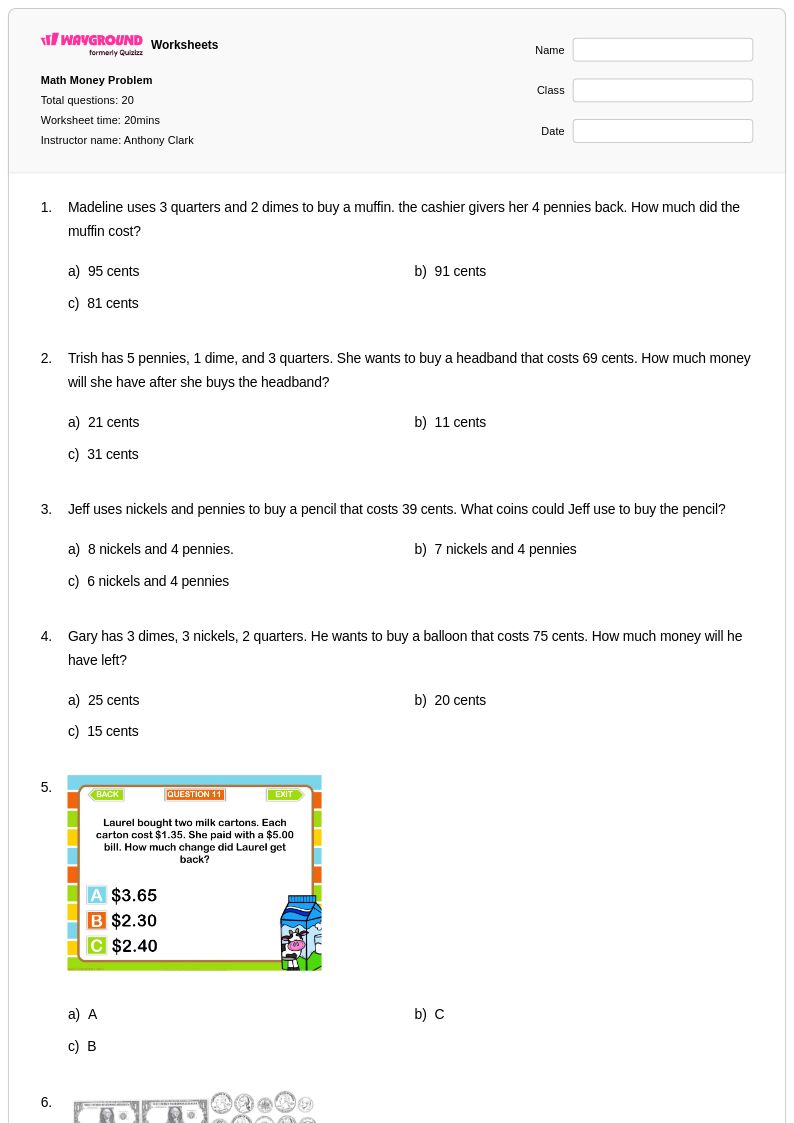
20 Q
2nd - Uni
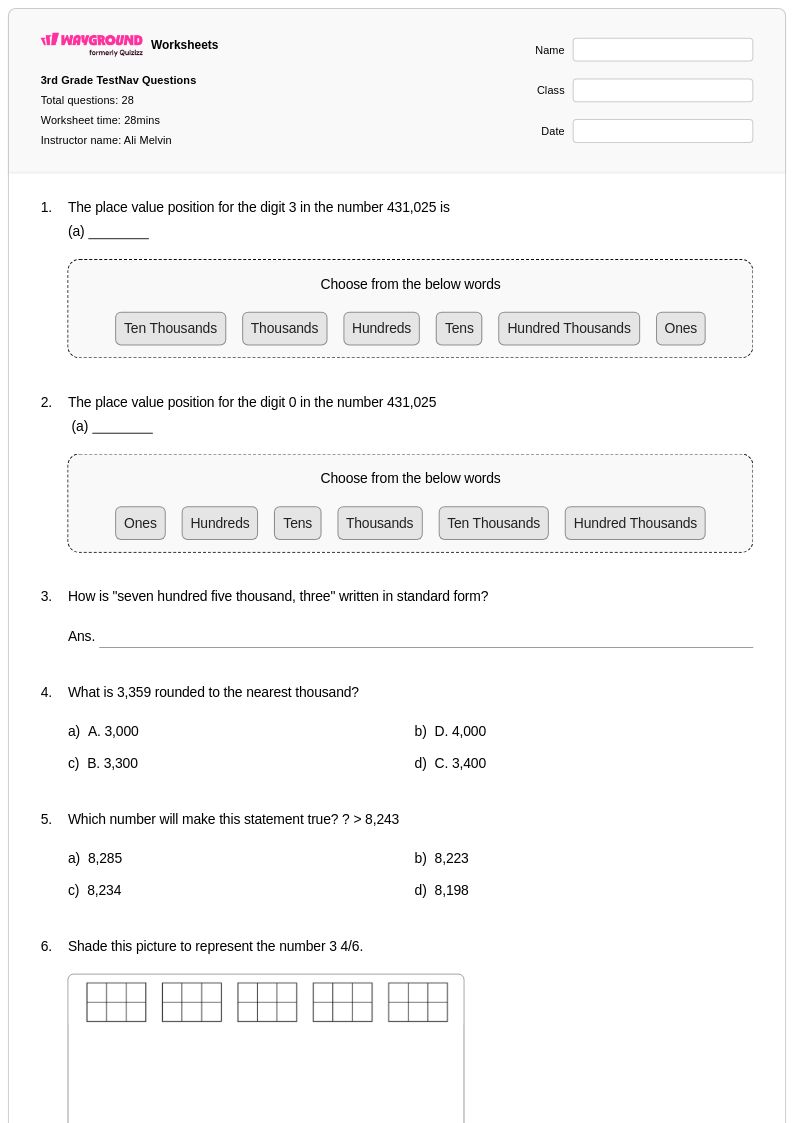
28 Q
3rd
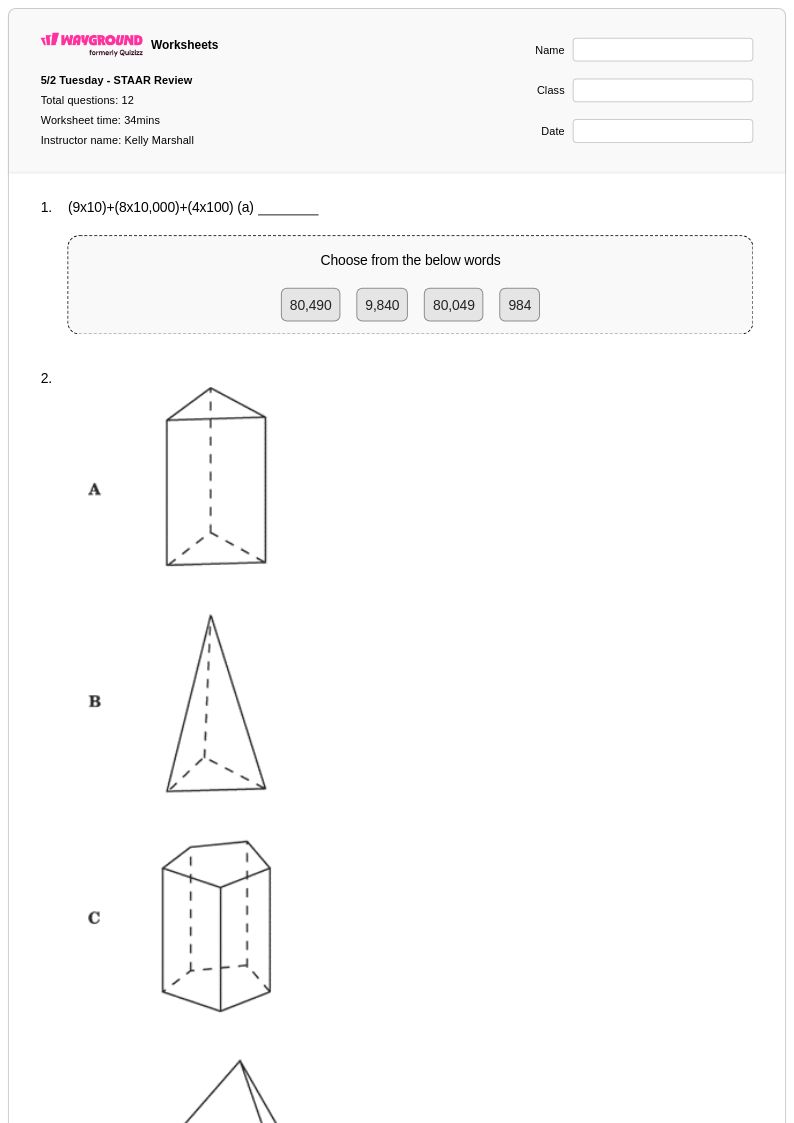
12 Q
3rd
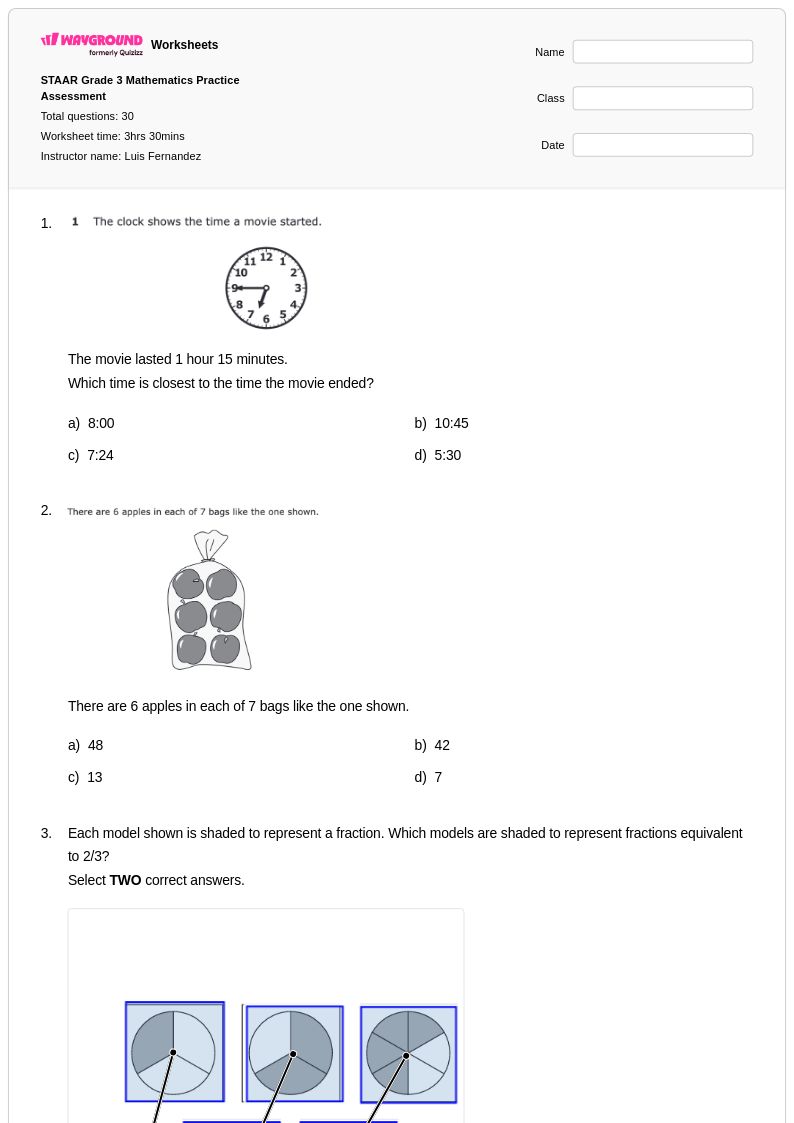
30 Q
3rd
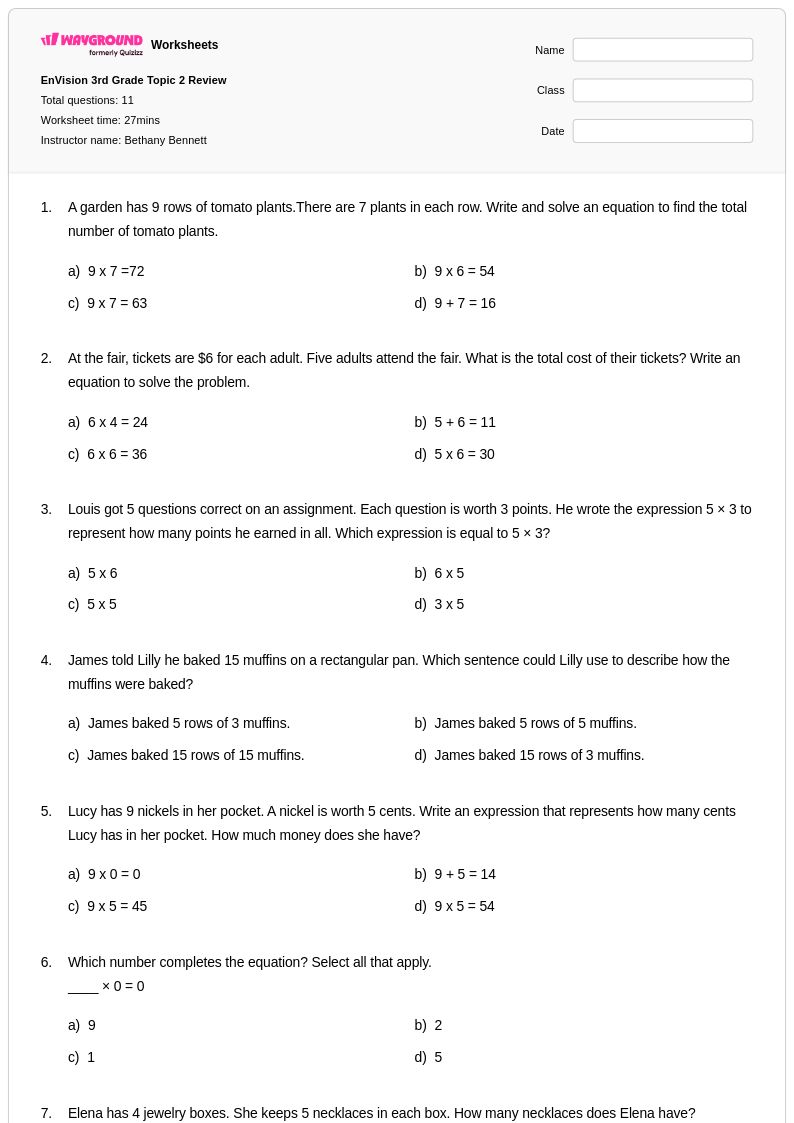
11 Q
3rd
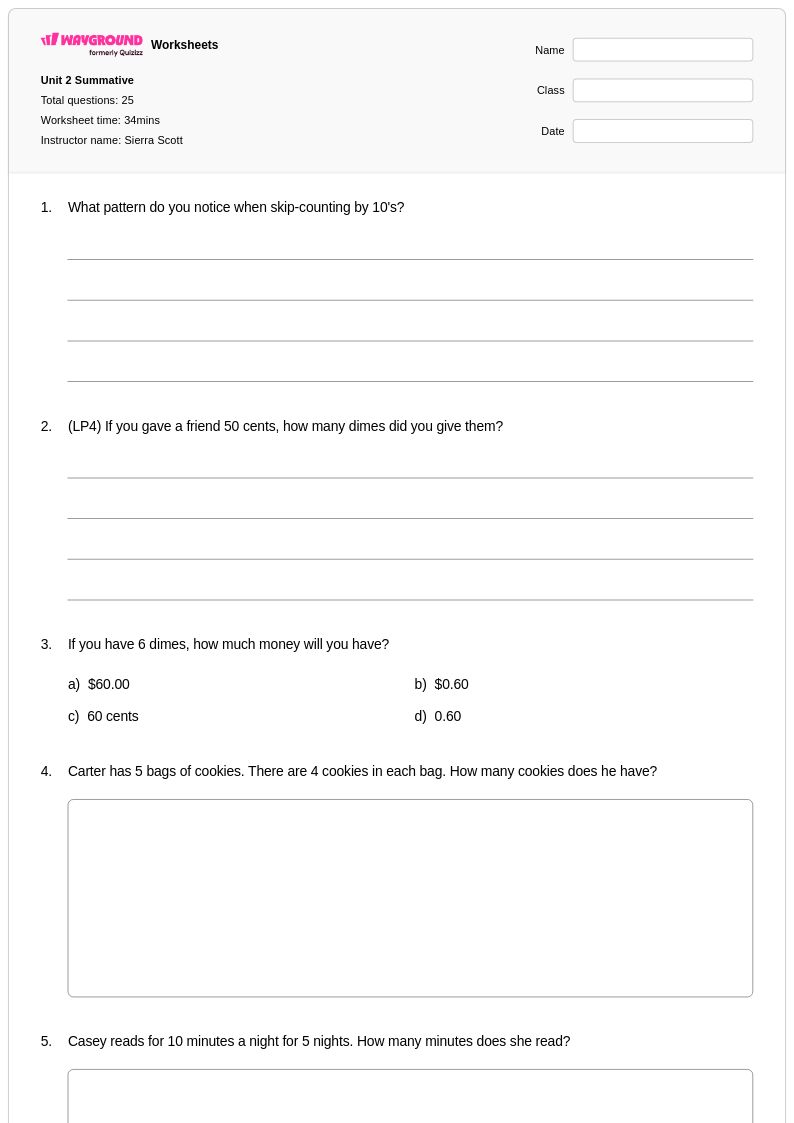
25 Q
3rd
20 Q
3rd
10 Q
3rd
13 Q
3rd
21 Q
3rd
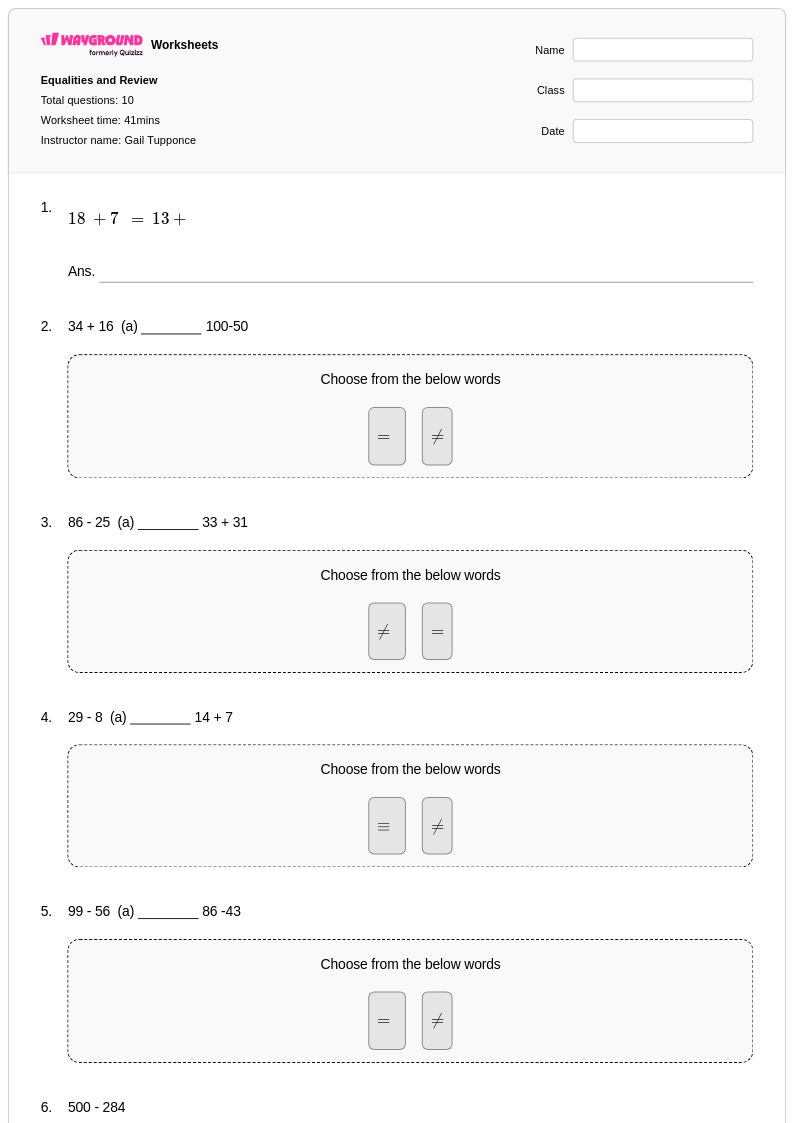
10 Q
3rd
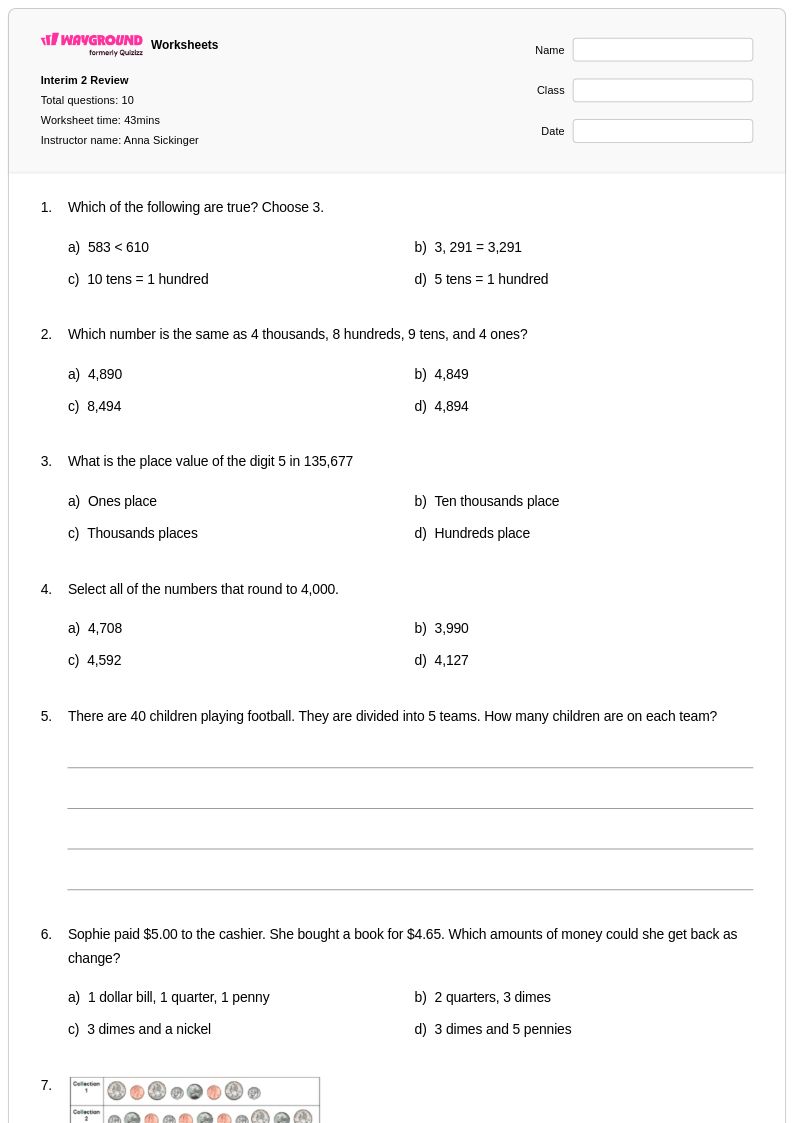
10 Q
3rd
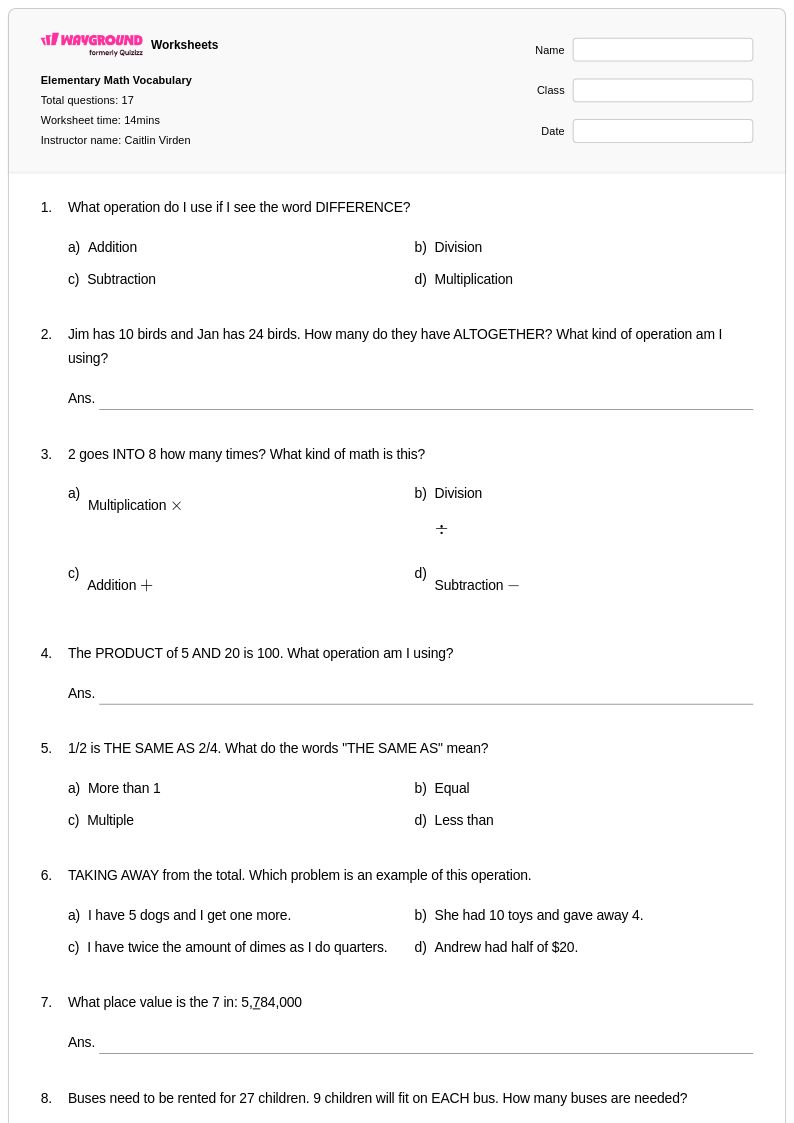
17 Q
3rd - 6th
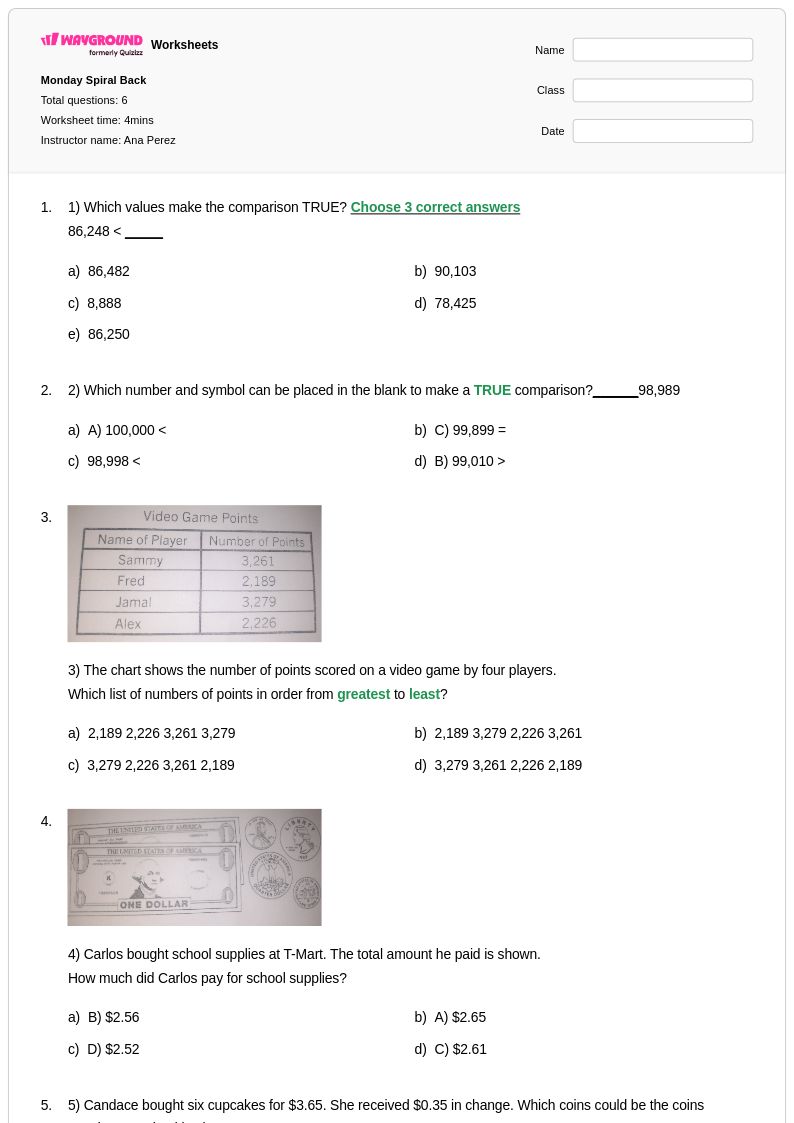
6 Q
3rd
Explore Dimes Worksheets by Grades
Explore Other Subject Worksheets for class 3
Explore printable Dimes worksheets for Class 3
Class 3 dimes worksheets available through Wayground (formerly Quizizz) provide comprehensive practice opportunities for students learning to identify and work with this essential ten-cent coin. These educational resources strengthen fundamental money recognition skills by teaching students to distinguish dimes from other coins through visual identification exercises, value counting activities, and real-world application problems. The worksheets include structured practice problems that guide students through recognizing the dime's distinctive silver color, smaller size compared to quarters and nickels, and ridged edges, while also reinforcing the coin's ten-cent value. Each worksheet comes with a complete answer key and is available as free printable pdf resources, making them accessible for both classroom instruction and home practice sessions that build confidence in money identification skills.
Wayground (formerly Quizizz) empowers elementary teachers with an extensive collection of dimes identification worksheets drawn from millions of teacher-created resources that have been classroom-tested and refined. The platform's robust search and filtering capabilities allow educators to quickly locate grade-appropriate materials that align with mathematics standards for coin recognition and money concepts. Teachers benefit from built-in differentiation tools that enable them to customize worksheets based on individual student needs, whether providing additional support for struggling learners or offering enrichment activities for advanced students. These versatile resources are available in both printable pdf format for traditional paper-based learning and digital formats for interactive online practice, giving educators the flexibility to seamlessly integrate dimes identification practice into their lesson planning, targeted remediation sessions, and ongoing skill reinforcement activities throughout the school year.
FAQs
How do I teach dimes in third grade?
What dime skills should third graders be practicing?
What mistakes do third graders still make with dimes?
How do I use Wayground's Grade 3 dimes worksheets?
How does dimes instruction fit into the Common Core math progression?
How can I differentiate dimes practice for third graders who are behind?