Free Printable Dolch Word List Worksheets for Kindergarten
Explore free kindergarten Dolch Word List worksheets and printables that help young learners master essential sight words through engaging practice problems, complete with answer keys for effective reading skill development.
Explore printable Dolch Word List worksheets for Kindergarten
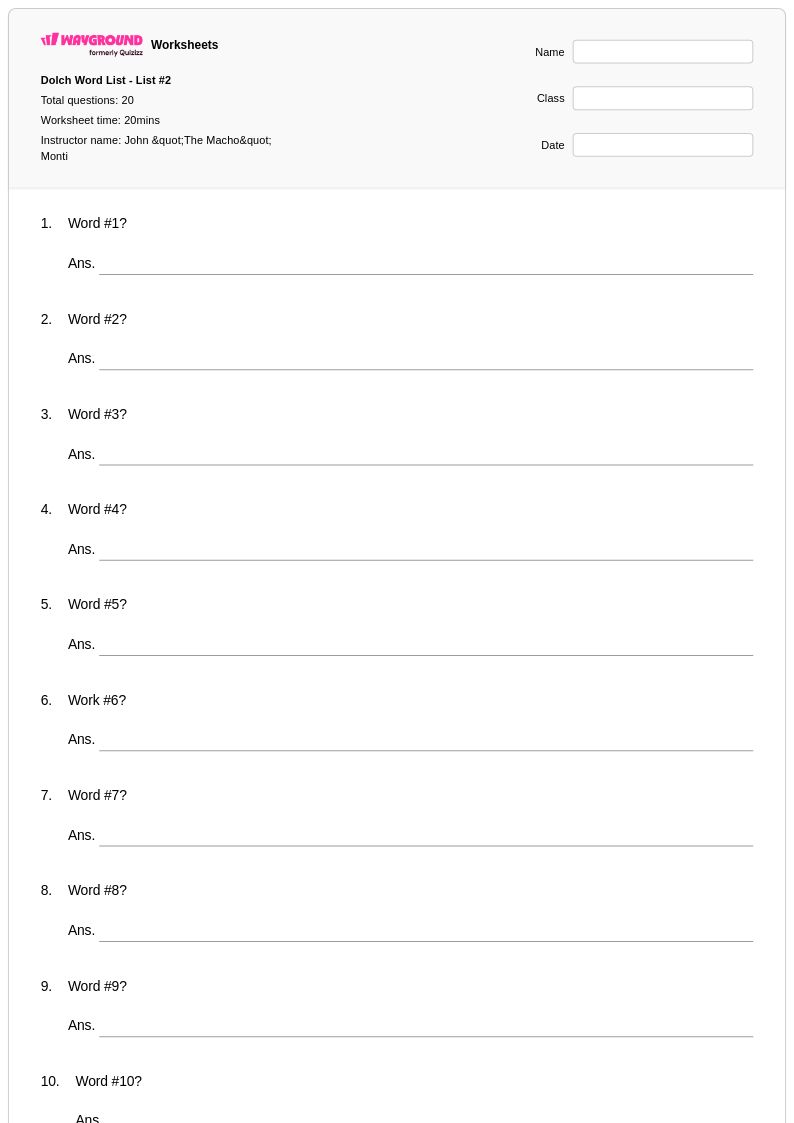
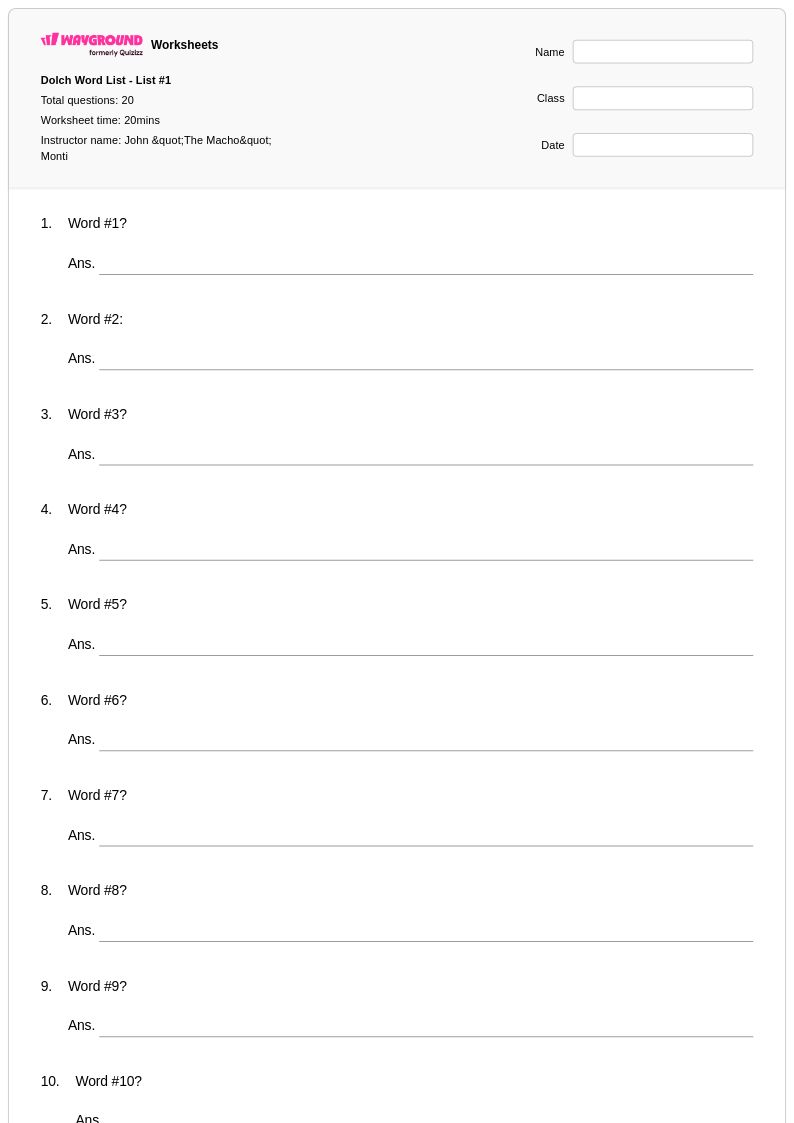
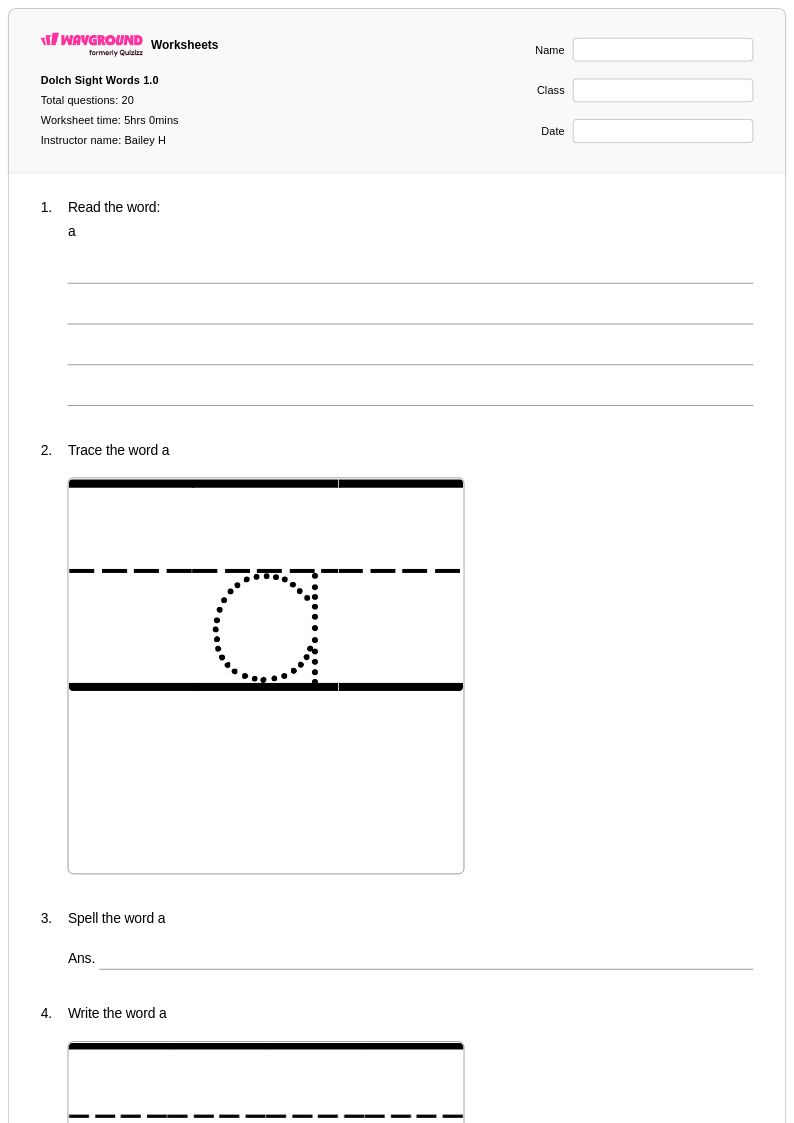
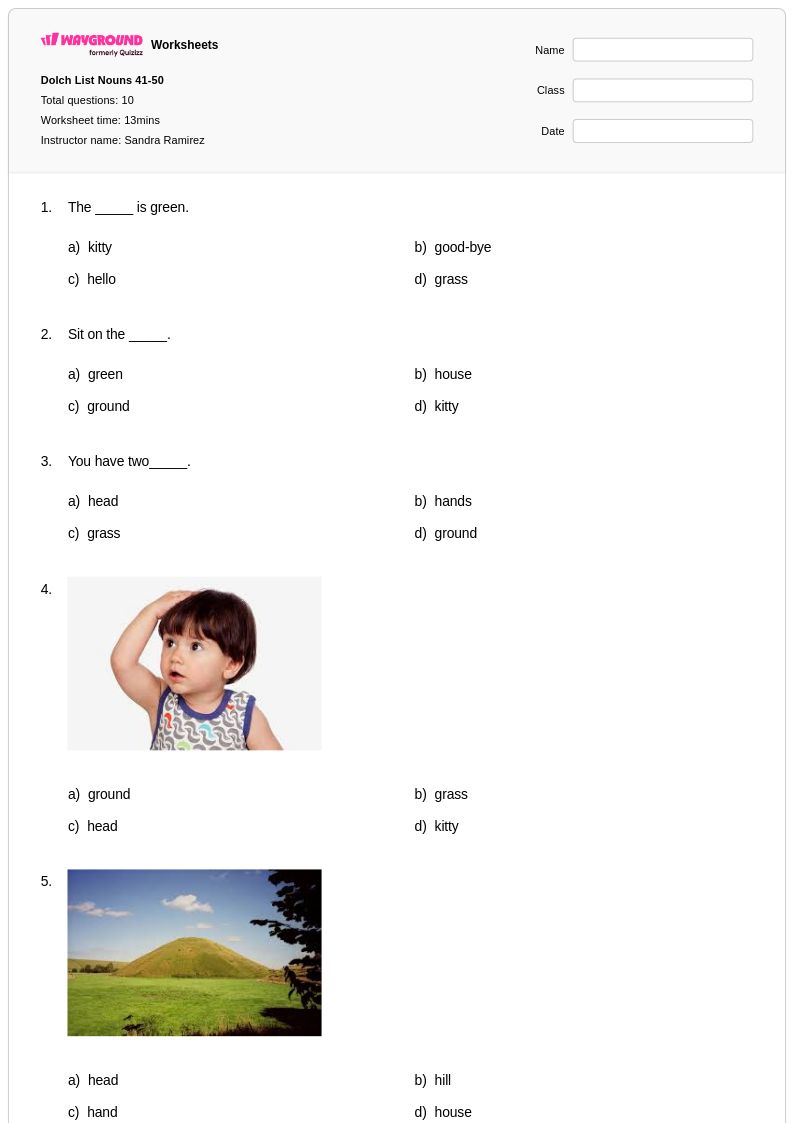
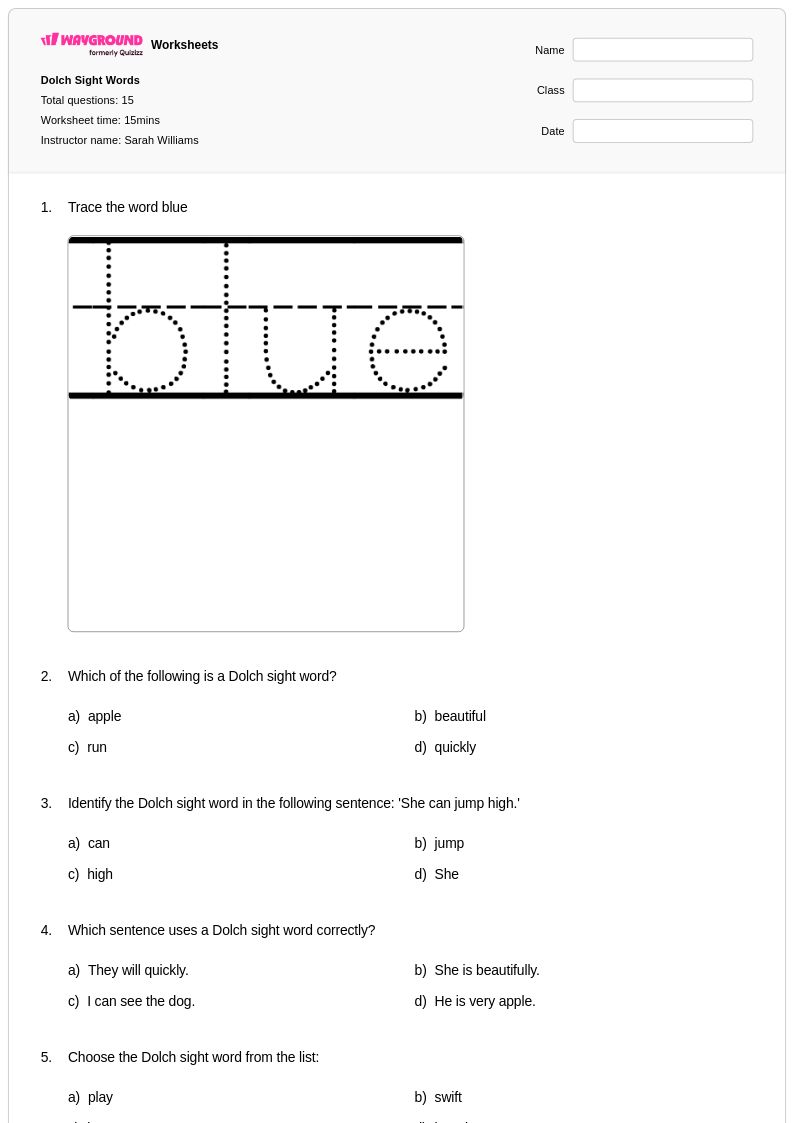
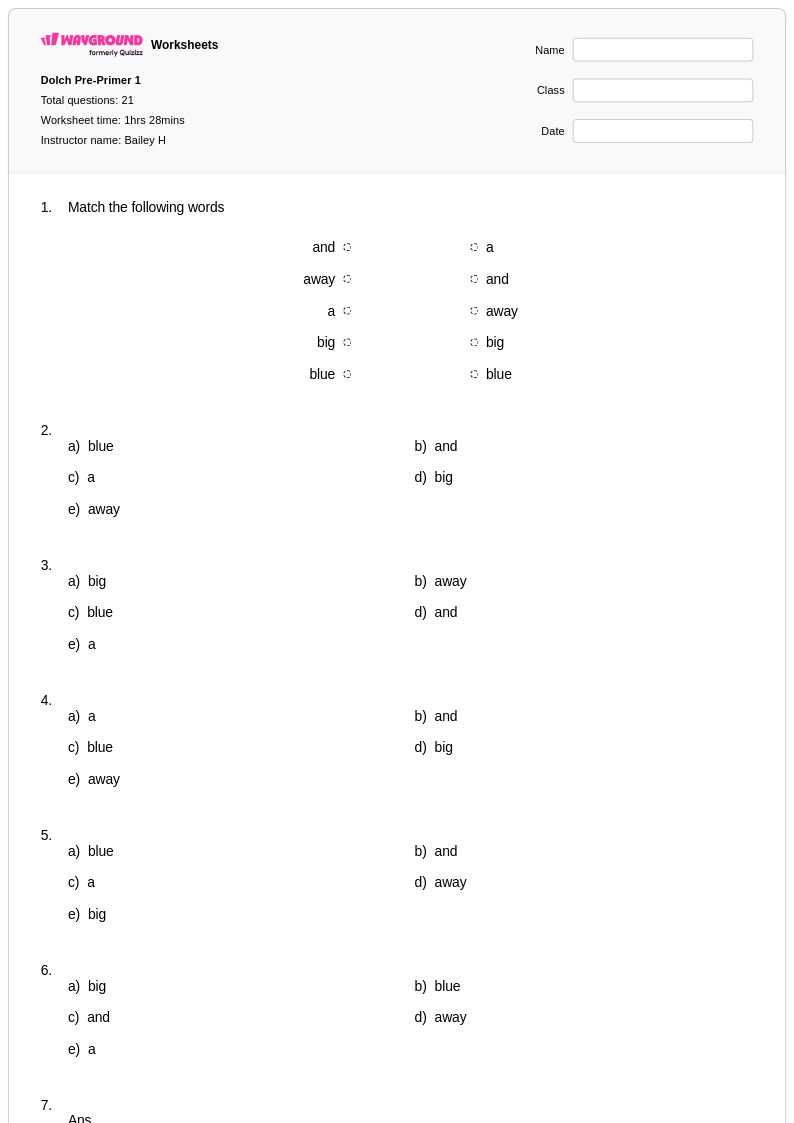
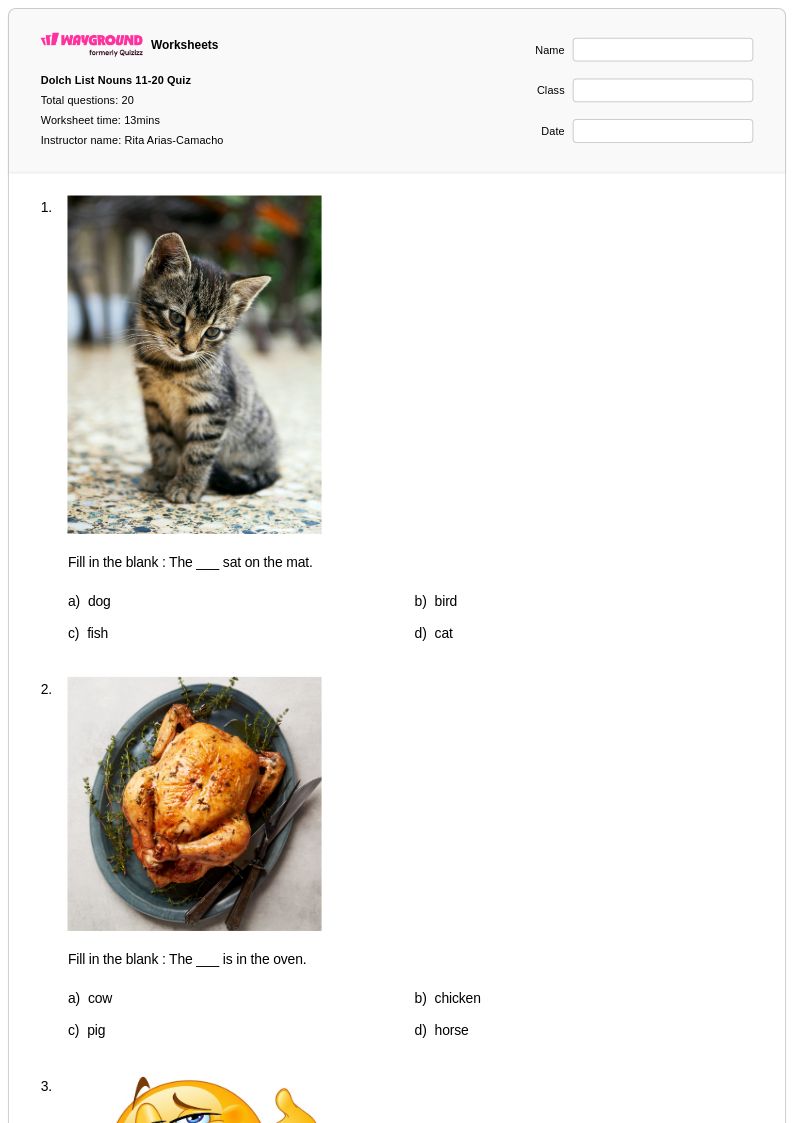
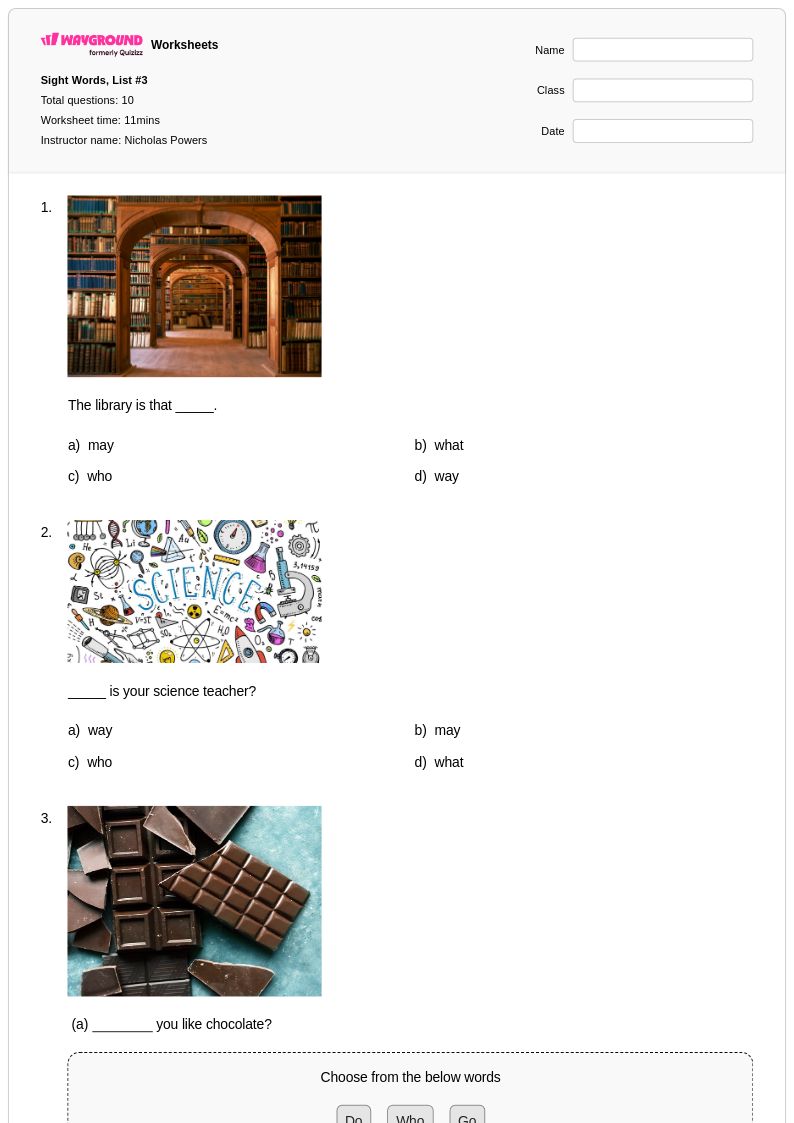
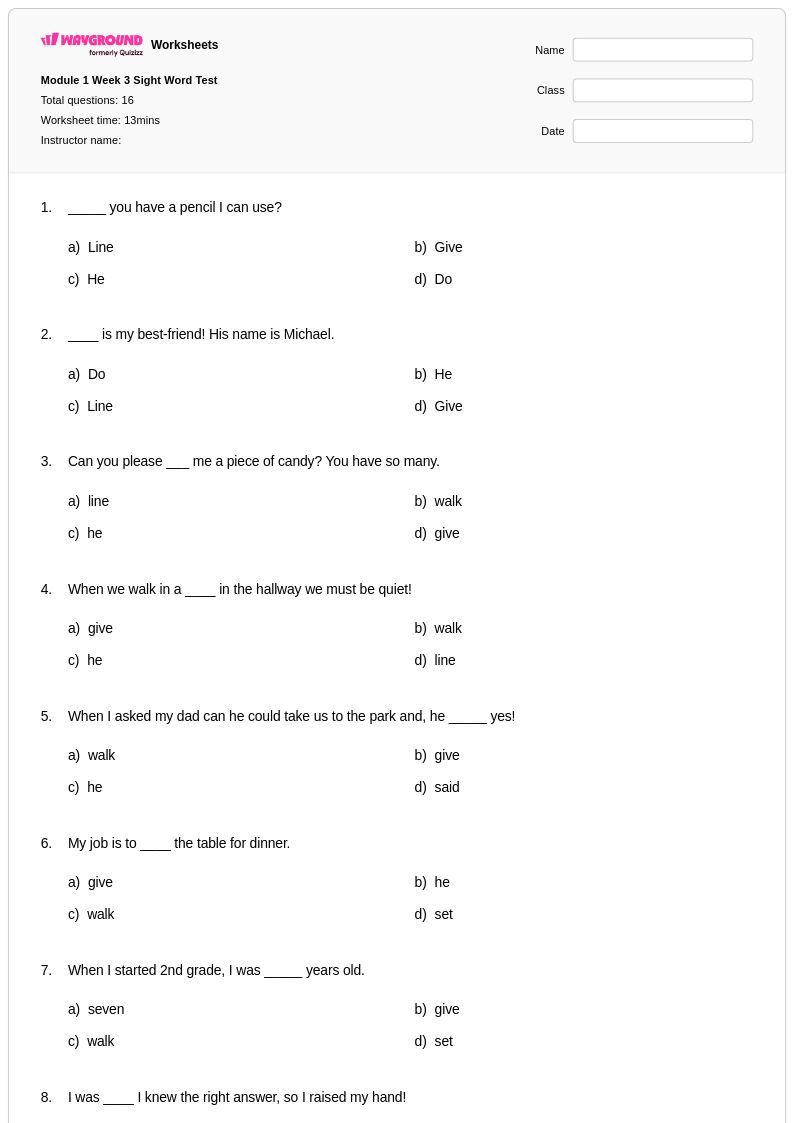
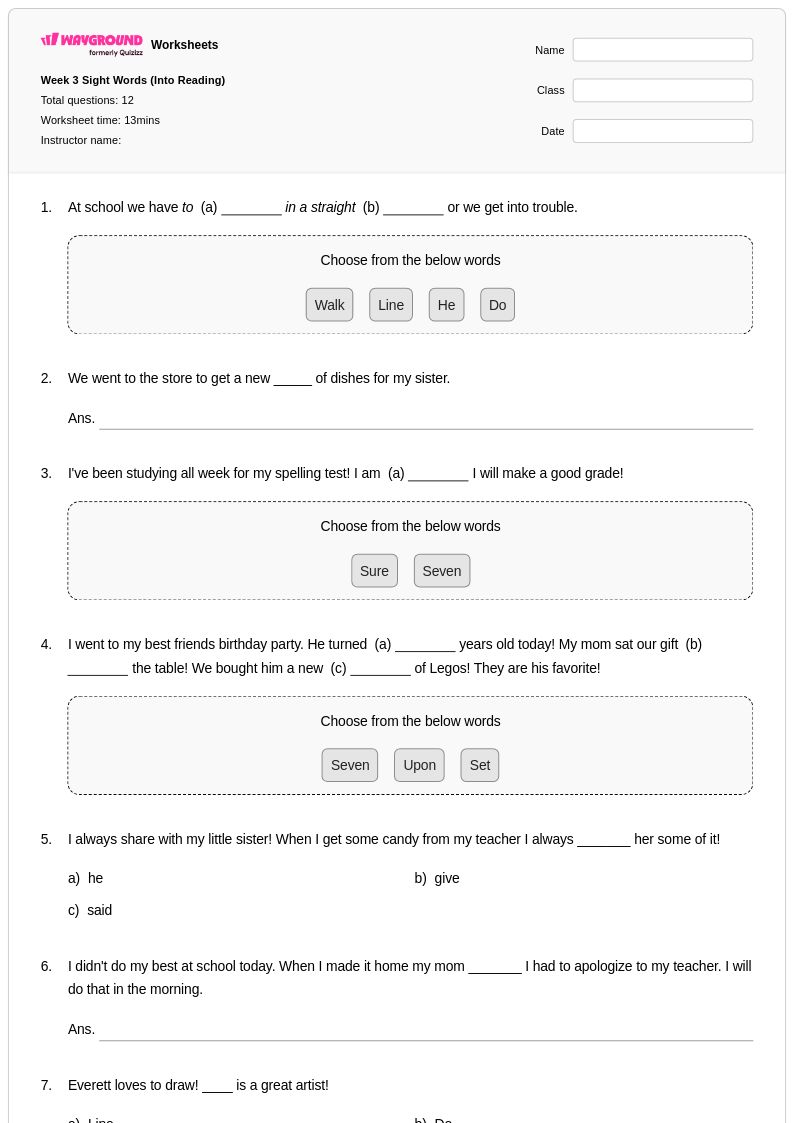
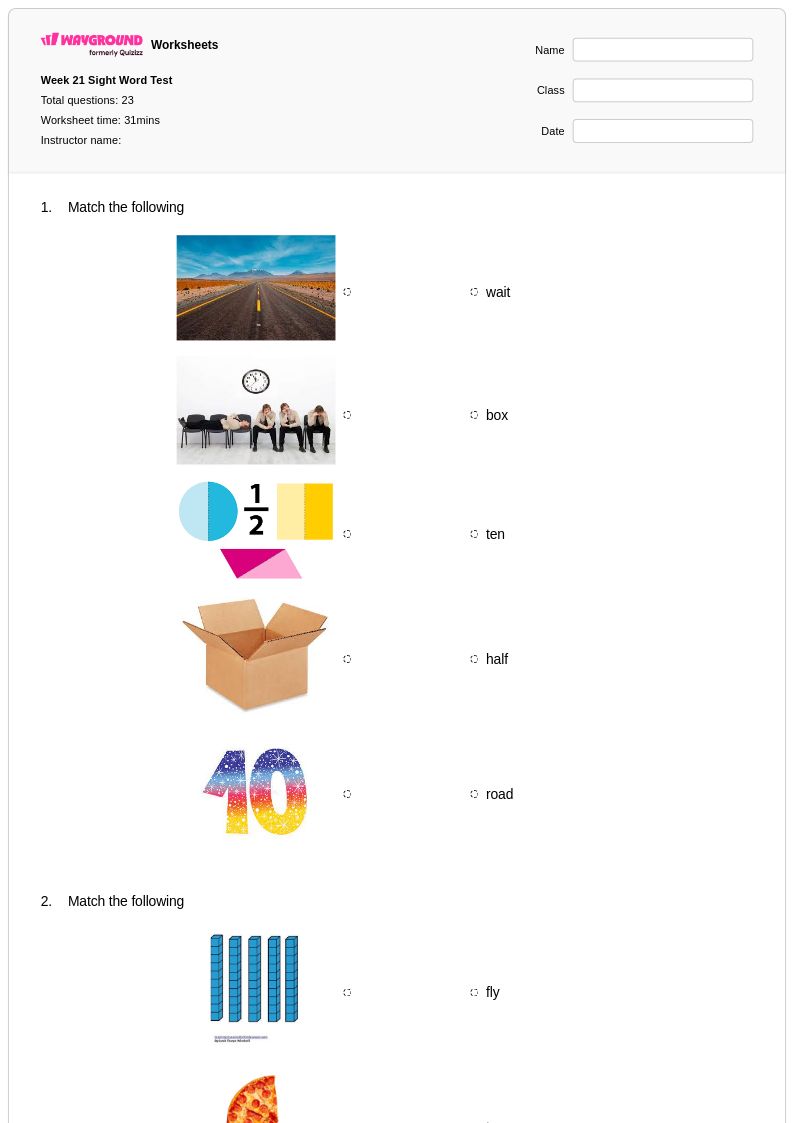
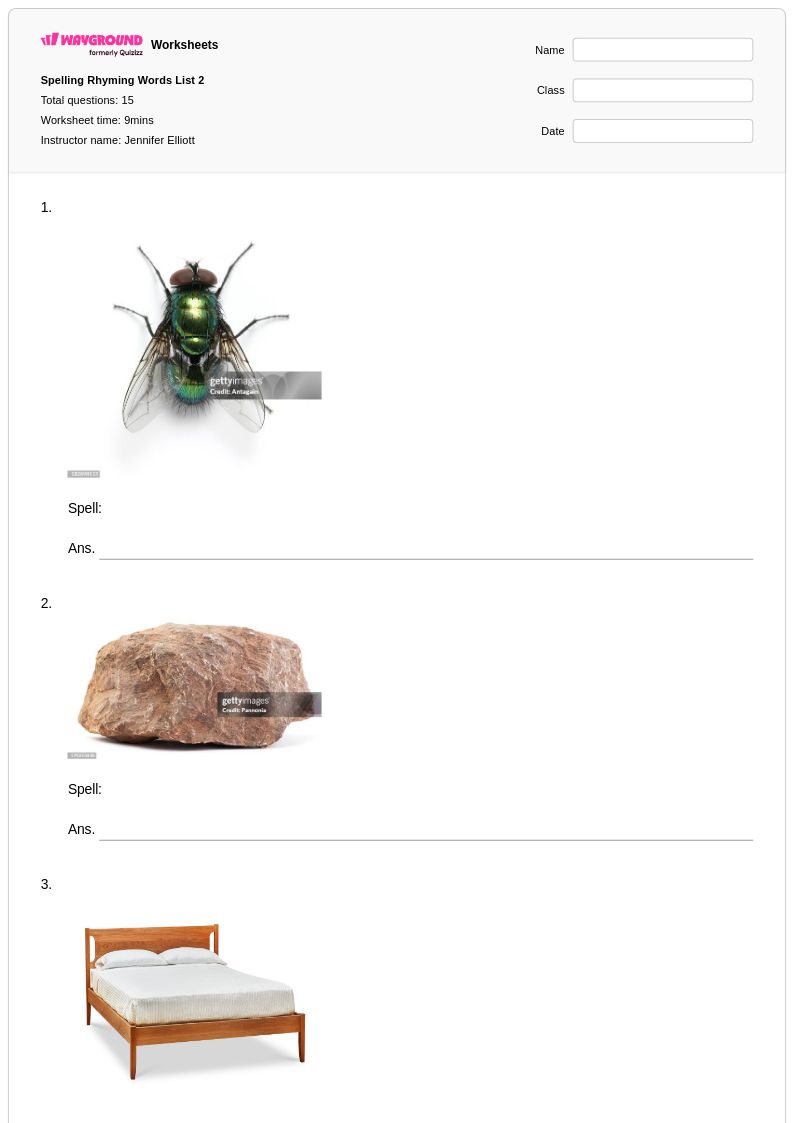
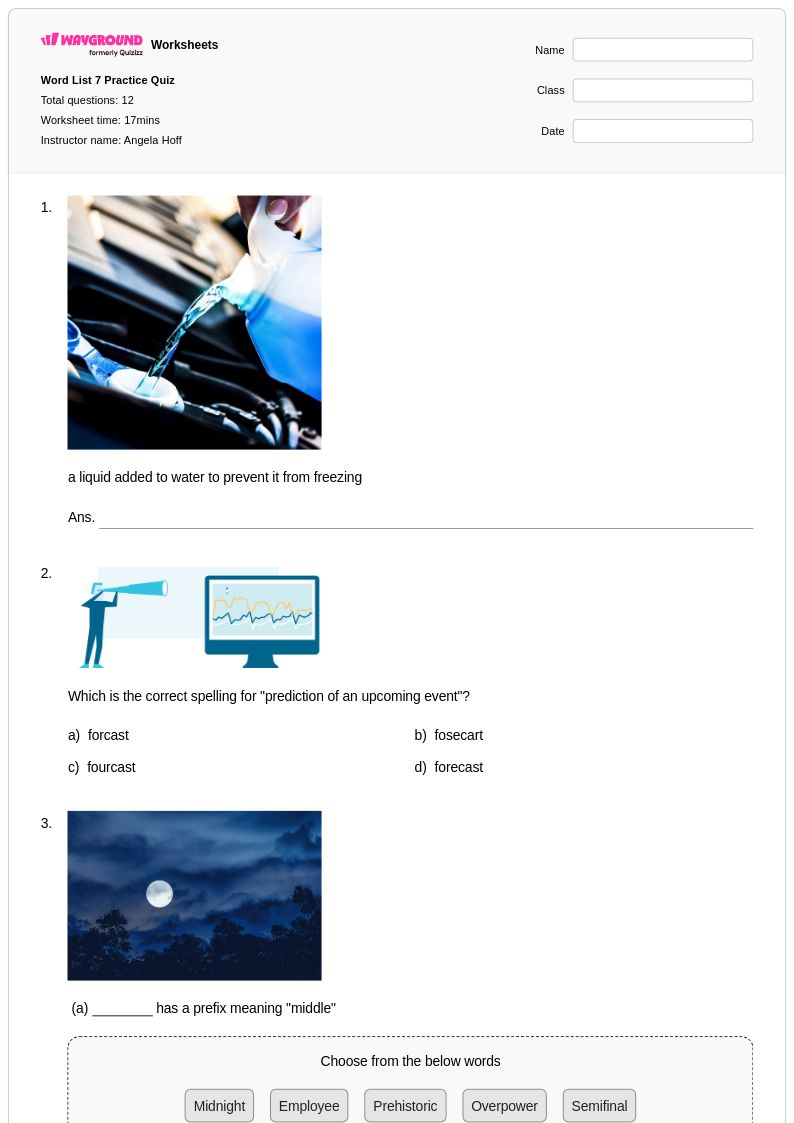
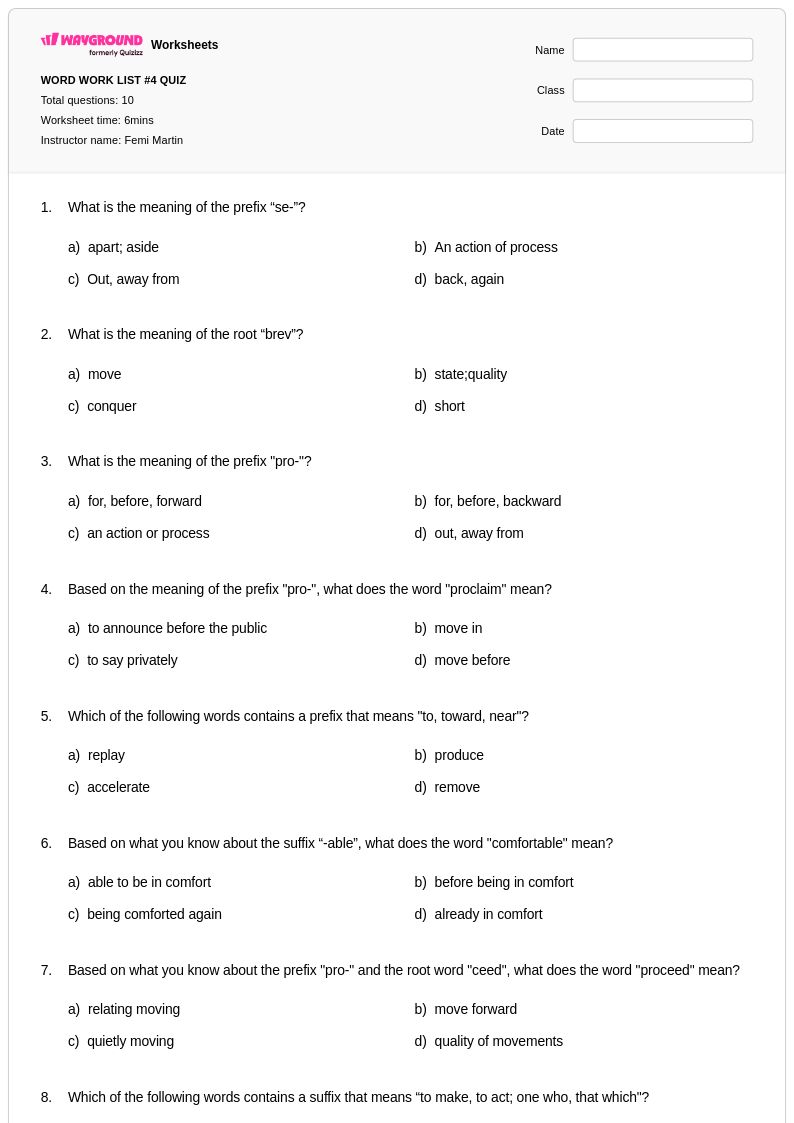
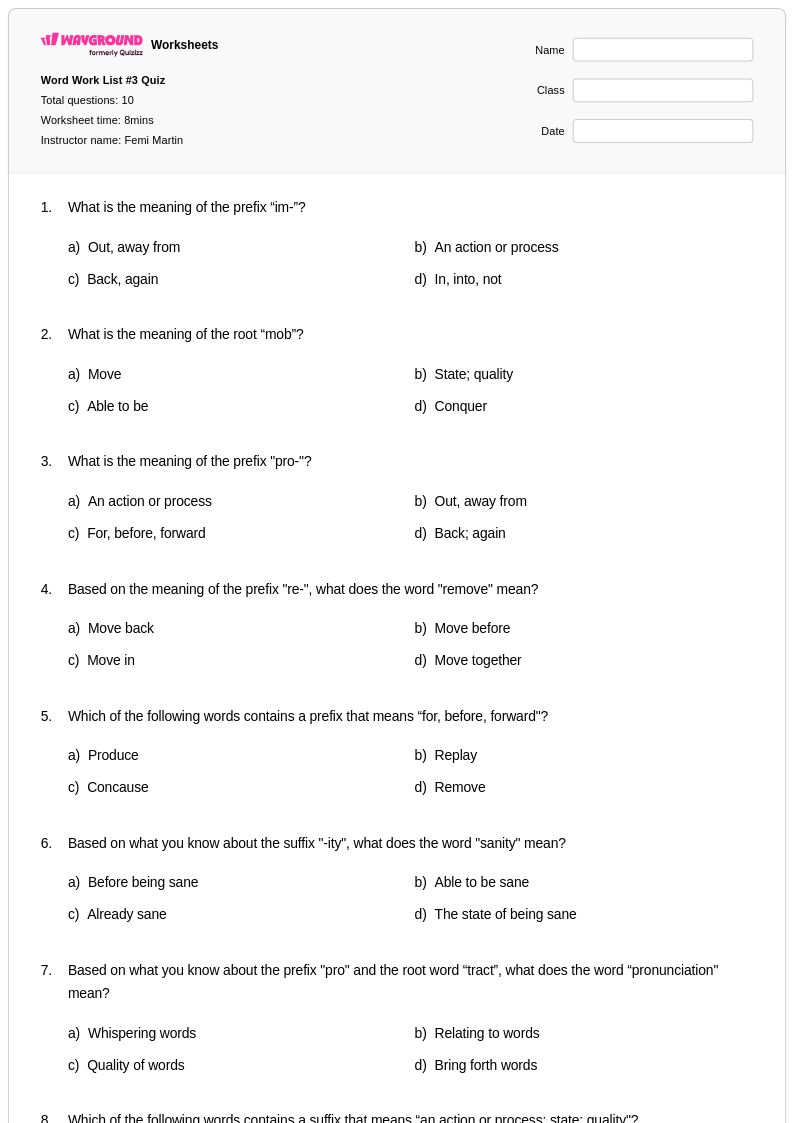
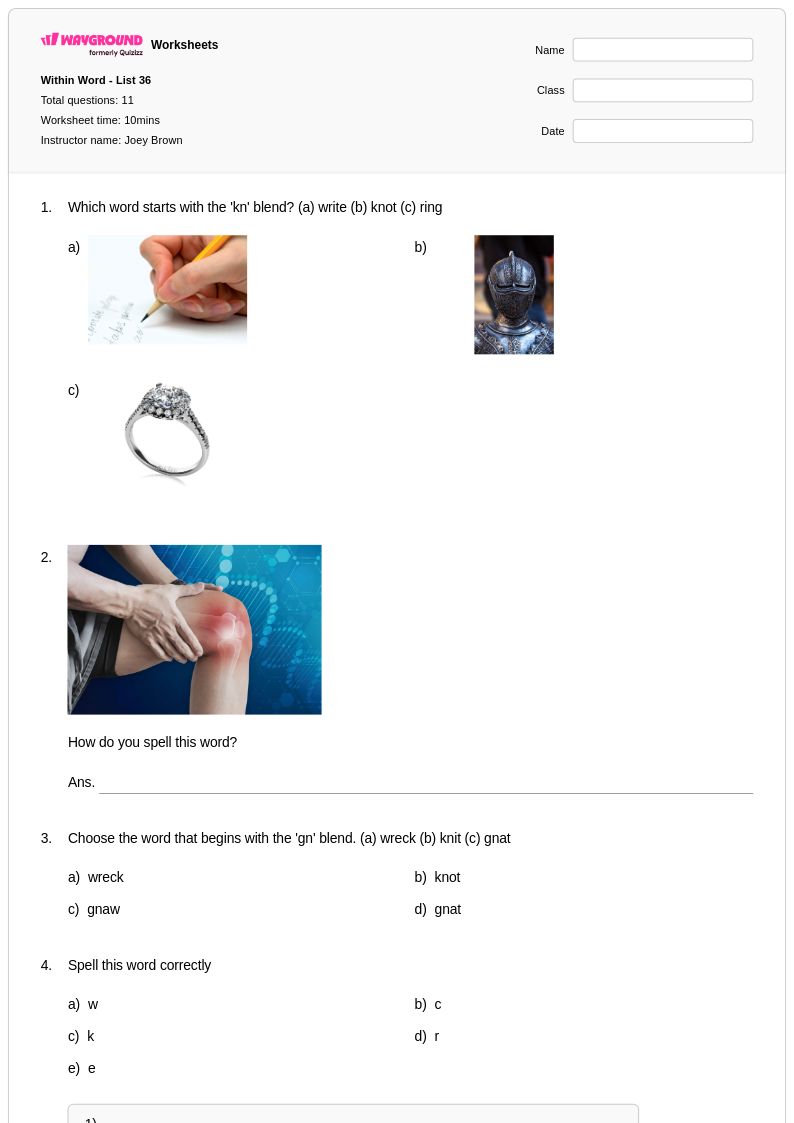
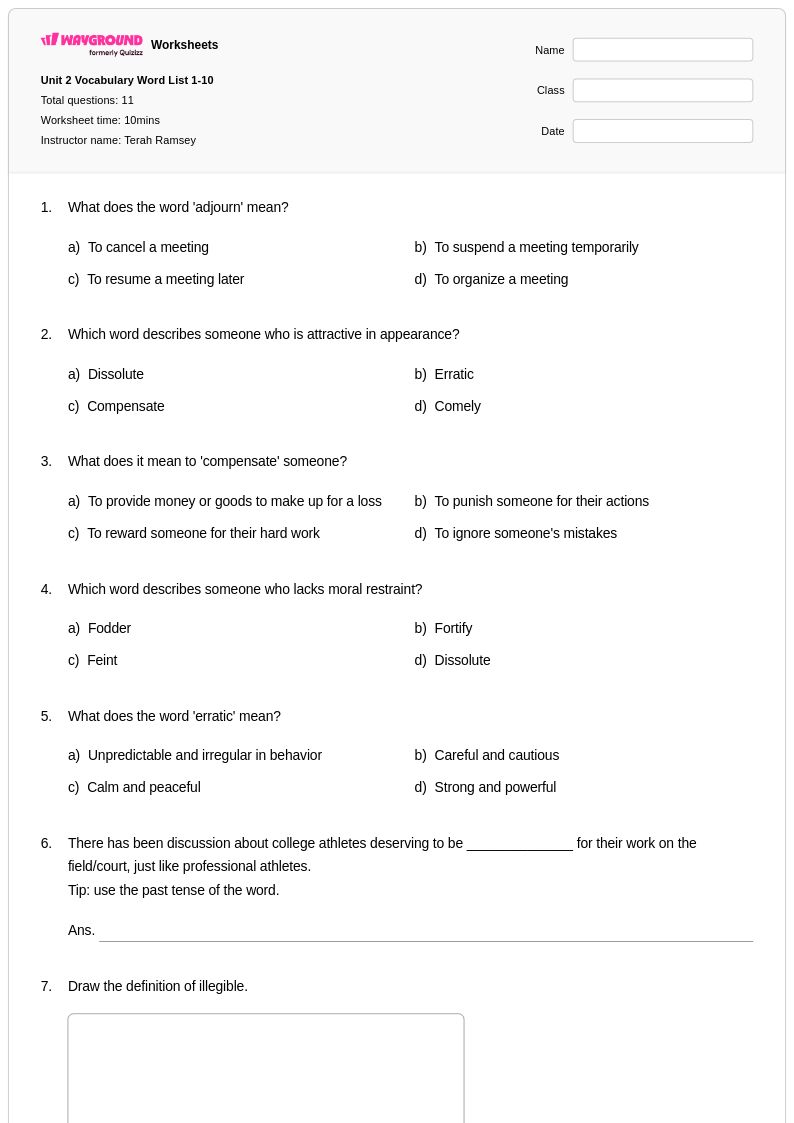
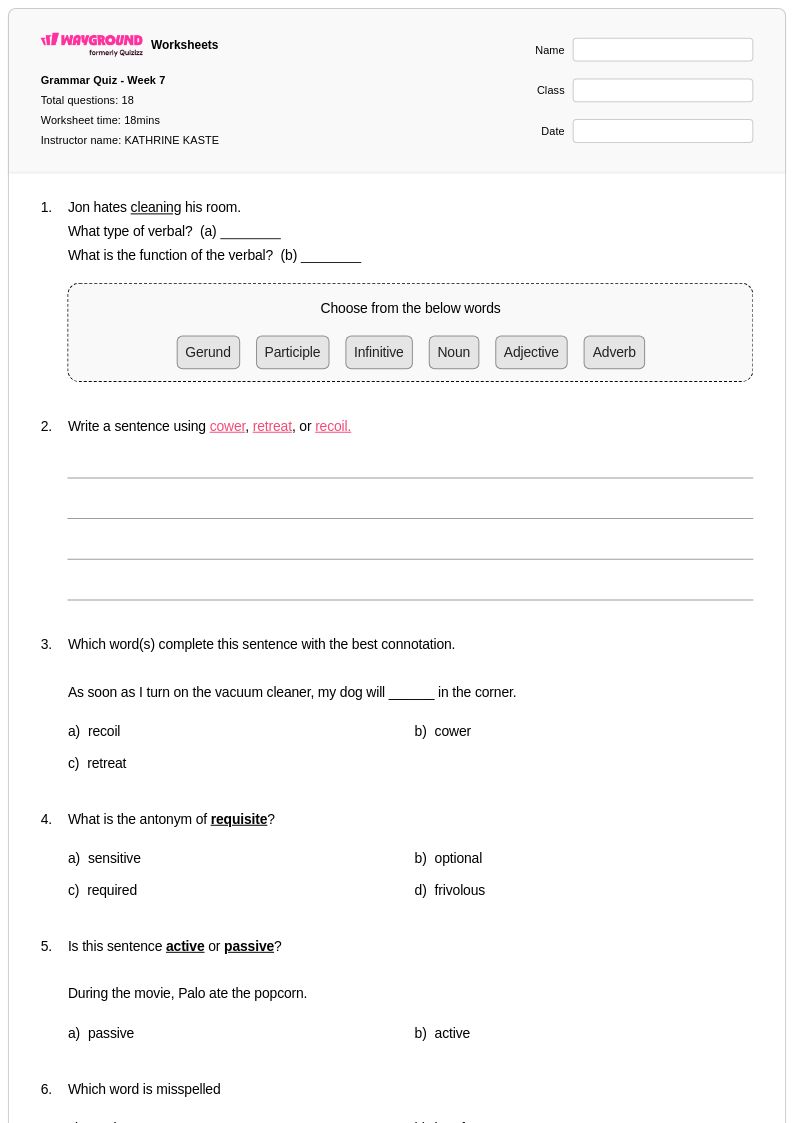
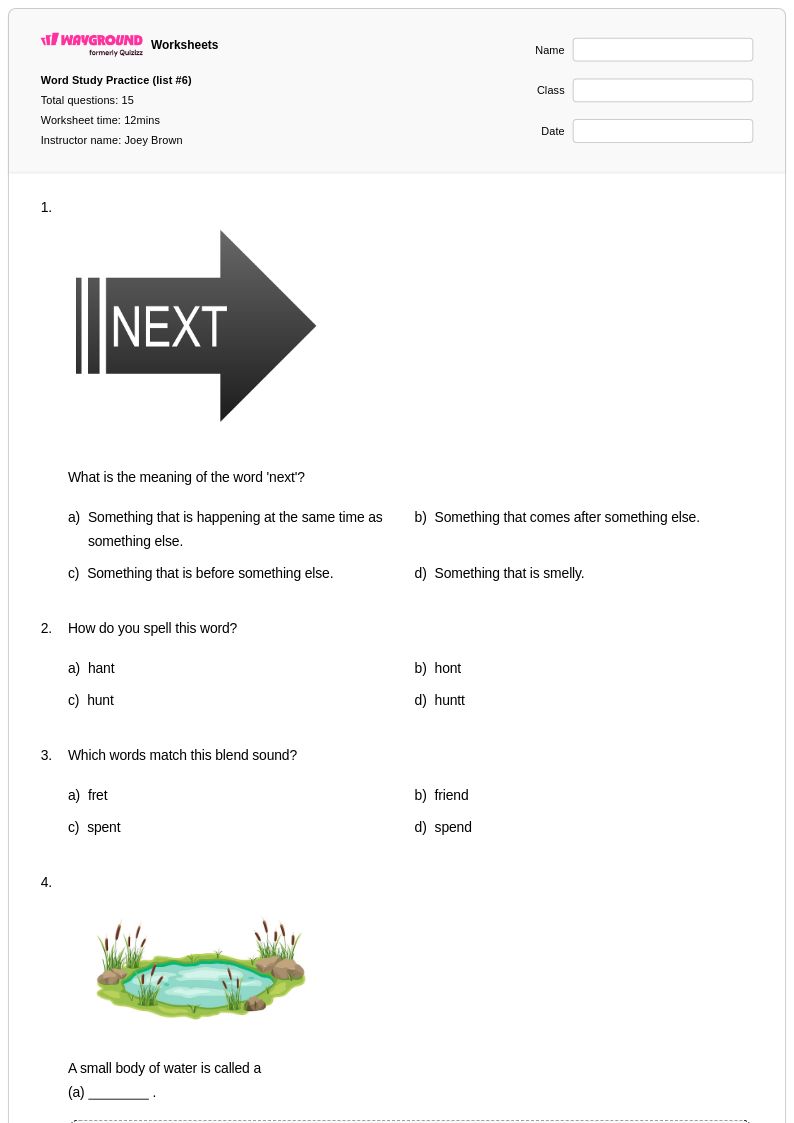
Dolch Word List worksheets for kindergarten students available through Wayground (formerly Quizizz) provide essential foundation practice for early reading development. These carefully designed printables focus on high-frequency sight words that comprise a significant portion of beginning reading materials, helping young learners recognize and spell common words like "the," "and," "is," and "to" without having to sound them out phonetically. Each worksheet incorporates engaging activities such as word tracing, matching exercises, and fill-in-the-blank practice problems that reinforce automatic word recognition while building spelling confidence. Teachers can access comprehensive answer keys and free pdf downloads that support both classroom instruction and home practice, ensuring kindergarten students develop fluency with these critical building blocks of literacy.
Wayground (formerly Quizizz) empowers educators with millions of teacher-created Dolch Word List resources that streamline kindergarten spelling instruction and assessment. The platform's robust search and filtering capabilities allow teachers to quickly locate worksheets aligned with specific educational standards and tailored to individual student needs through sophisticated differentiation tools. These flexible resources are available in both printable and digital formats, including downloadable pdfs, making them adaptable for various learning environments and teaching styles. Teachers can customize existing worksheets or create new variations to support targeted skill practice, remediation for struggling readers, or enrichment activities for advanced students, while the extensive collection ensures comprehensive coverage of all pre-primer through third-grade Dolch word levels appropriate for kindergarten readiness and beyond.
FAQs
How do I teach Dolch sight words effectively in the classroom?
Effective Dolch word instruction relies on repeated, low-stakes exposure across multiple modalities. Teachers typically introduce a small set of words per week using flashcards, word walls, and read-alouds, then reinforce recognition through writing, sorting, and sentence-building activities. Because Dolch words cannot always be decoded phonetically, the goal is automatic recognition rather than sounding out, which means consistent daily practice is essential. Pairing visual exposure with verbal repetition accelerates the path to fluency.
What exercises help students practice Dolch sight words?
High-impact practice exercises for Dolch words include fill-in-the-blank sentences, word matching, tracing and writing activities, and timed flashcard drills. Worksheets that isolate specific Dolch lists by level, such as pre-primer through third grade, allow teachers to target exactly where each student is in their sight word progression. Varied exercise formats prevent rote fatigue while still building the automaticity that makes these words instantly retrievable during reading.
What mistakes do students commonly make when learning Dolch sight words?
The most common error students make with Dolch words is confusing visually similar words, such as 'where' and 'were', 'then' and 'when', or 'this' and 'that'. Students also frequently over-rely on initial letter cues and guess incorrectly when words share the same starting letter. Another common pattern is recognizing a word in isolation but failing to retrieve it automatically during connected reading, which signals that recognition is not yet truly automatic. Targeted practice with commonly confused word pairs can address these specific gaps directly.
How can I differentiate Dolch sight word practice for students at different reading levels?
Differentiation starts with assigning students to the appropriate Dolch list level rather than using a one-size-fits-all approach. Struggling readers benefit from reduced word sets, multisensory tracing activities, and extended practice time, while more advanced students can work on sentence construction and contextual usage with higher-level Dolch lists. On Wayground, teachers can apply accommodations such as read aloud support, reduced answer choices, and extended time on a per-student basis, ensuring every learner works within their zone of proximal development without disrupting the rest of the class.
How do I use Dolch Word List worksheets from Wayground in my classroom?
Wayground's Dolch Word List worksheets are available as printable PDFs for traditional classroom use and in digital formats for technology-integrated environments, including the option to host them as an interactive quiz on the platform. Printable versions work well for independent seat work, homework packets, and small-group intervention sessions, while digital formats allow teachers to assign practice remotely or use it on classroom devices. Each worksheet includes a complete answer key, so teachers can use them for guided practice or hand them off for independent self-checking.
At what age or grade level should students be expected to master the Dolch word list?
The Dolch word list is organized into six levels spanning pre-primer through third grade, with the expectation that most students will achieve mastery of the full list by the end of second or third grade. Pre-primer and primer words are typically targeted in kindergarten, while first and second grade lists are introduced through first and second grade instruction respectively. Students who have not mastered grade-level Dolch words by the end of that grade often need targeted intervention, as gaps in sight word recognition directly limit reading fluency and comprehension in later grades.