Free Printable Eye Hand Coordination Worksheets for Class 1
Class 1 eye hand coordination worksheets and printables help young students develop essential motor skills through engaging practice problems, featuring free PDF resources with answer keys to strengthen visual-motor integration abilities.
Explore printable Eye Hand Coordination worksheets for Class 1
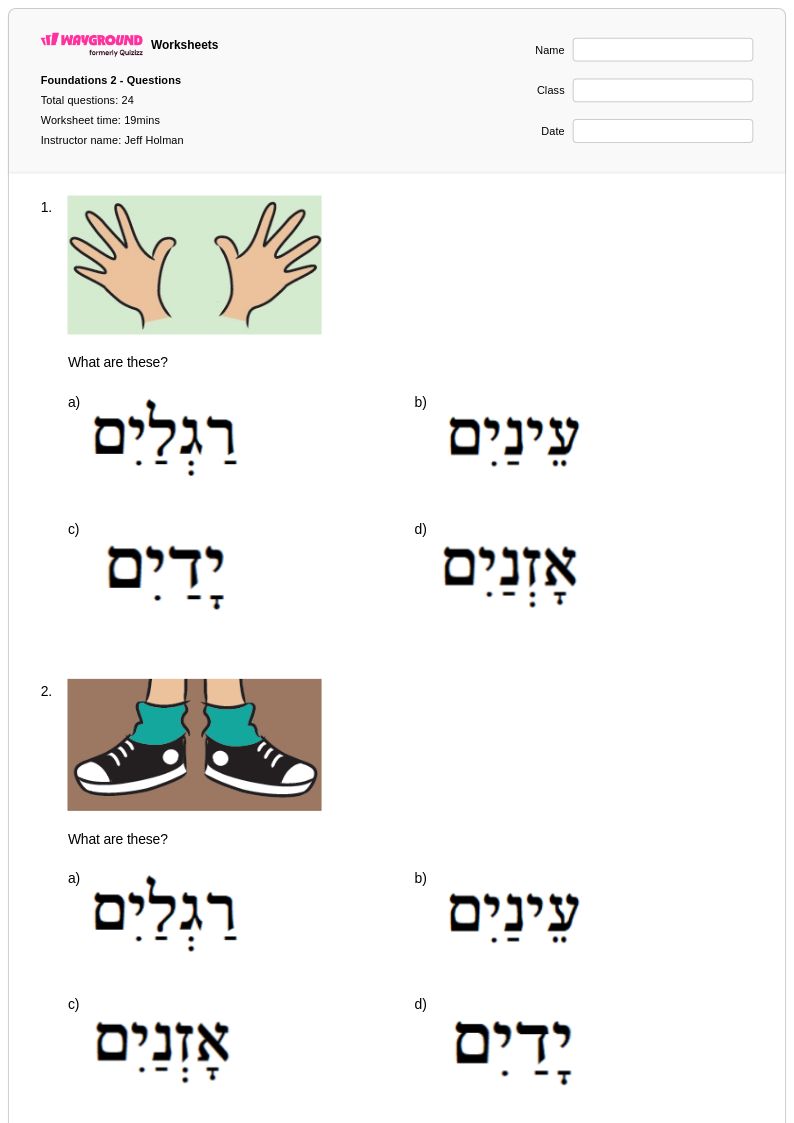
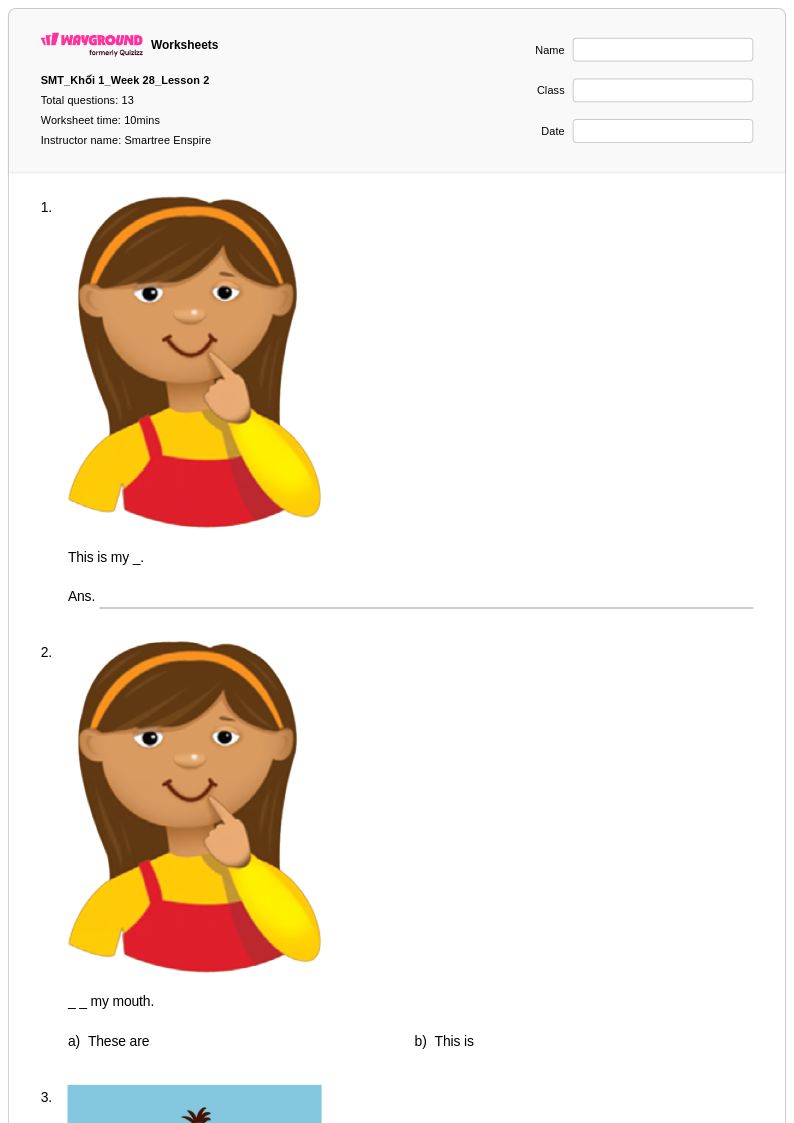
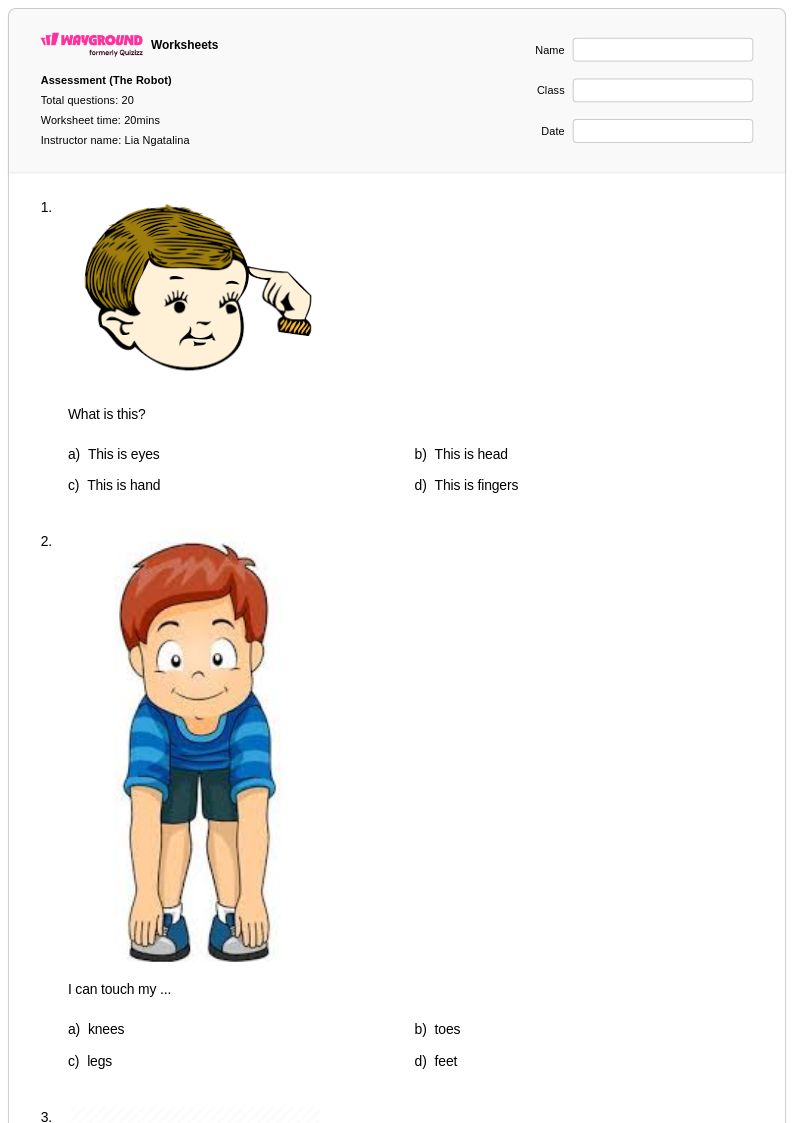
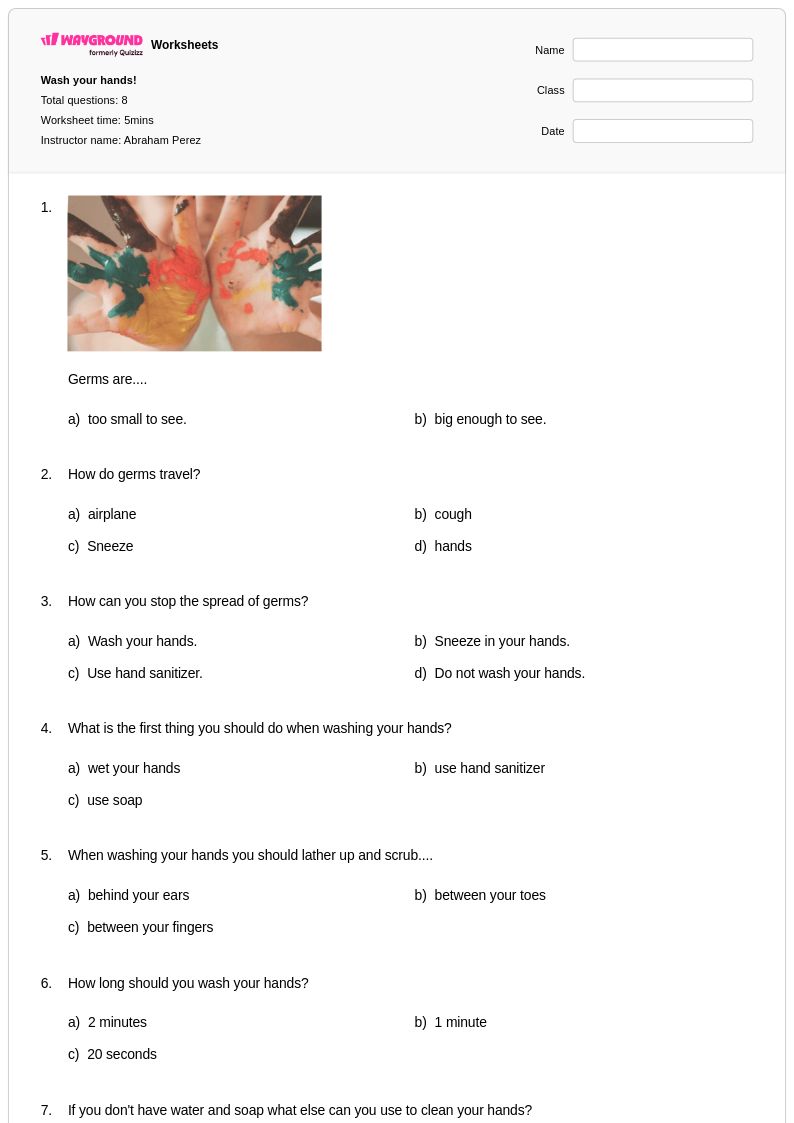
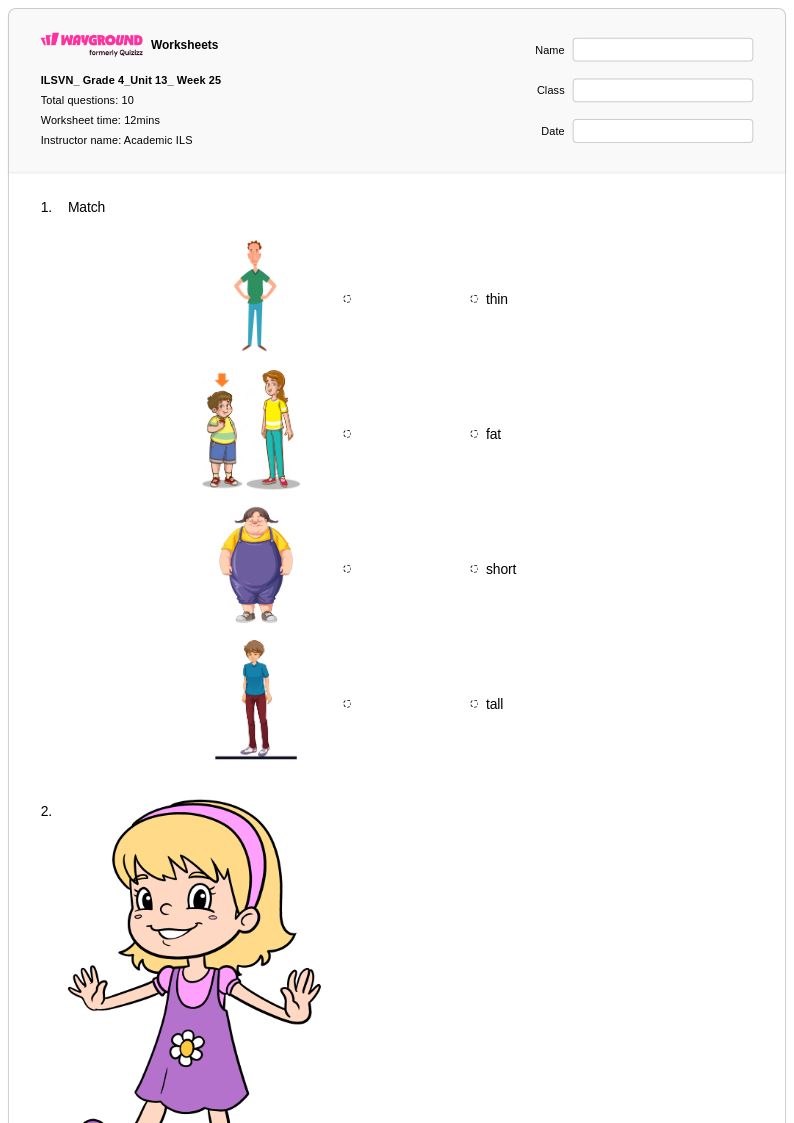
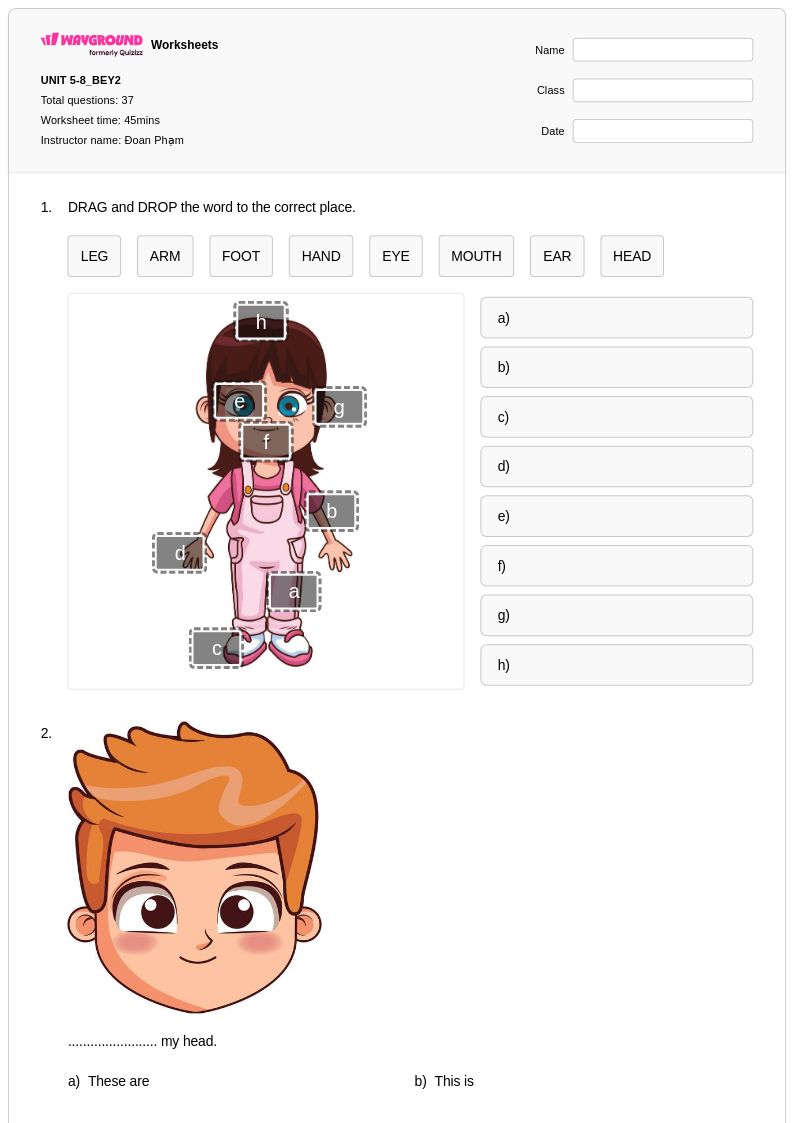
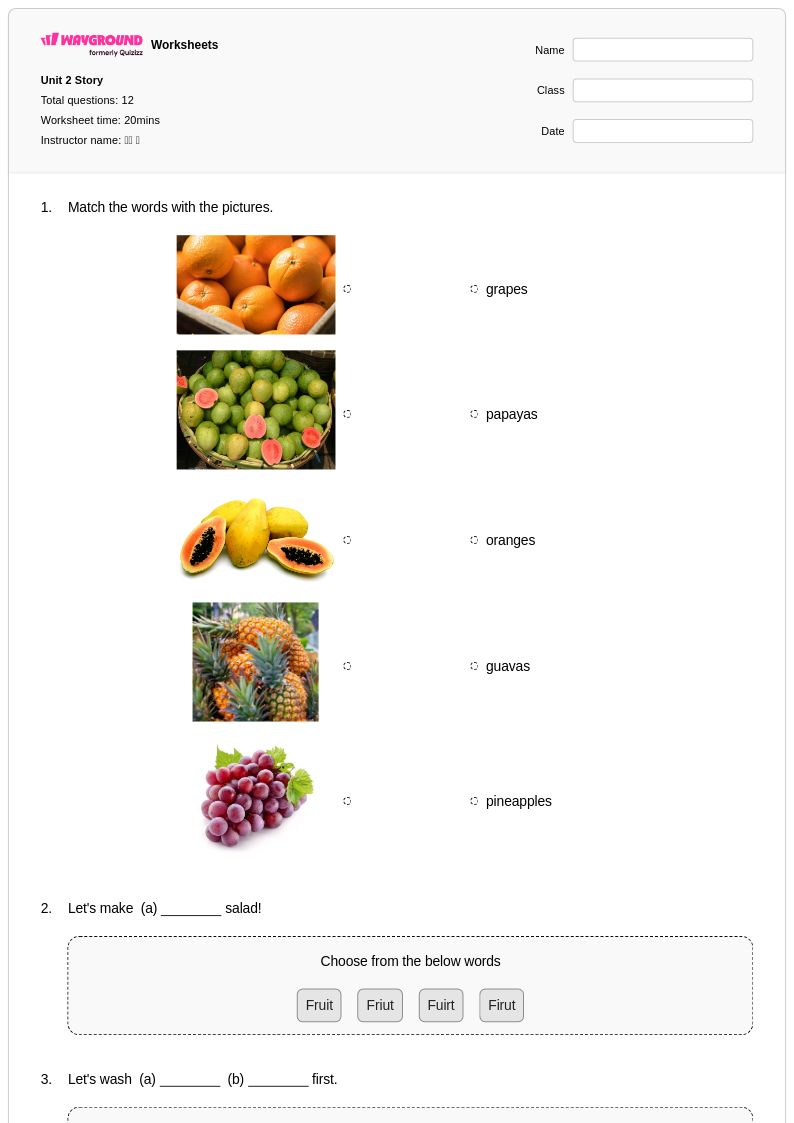
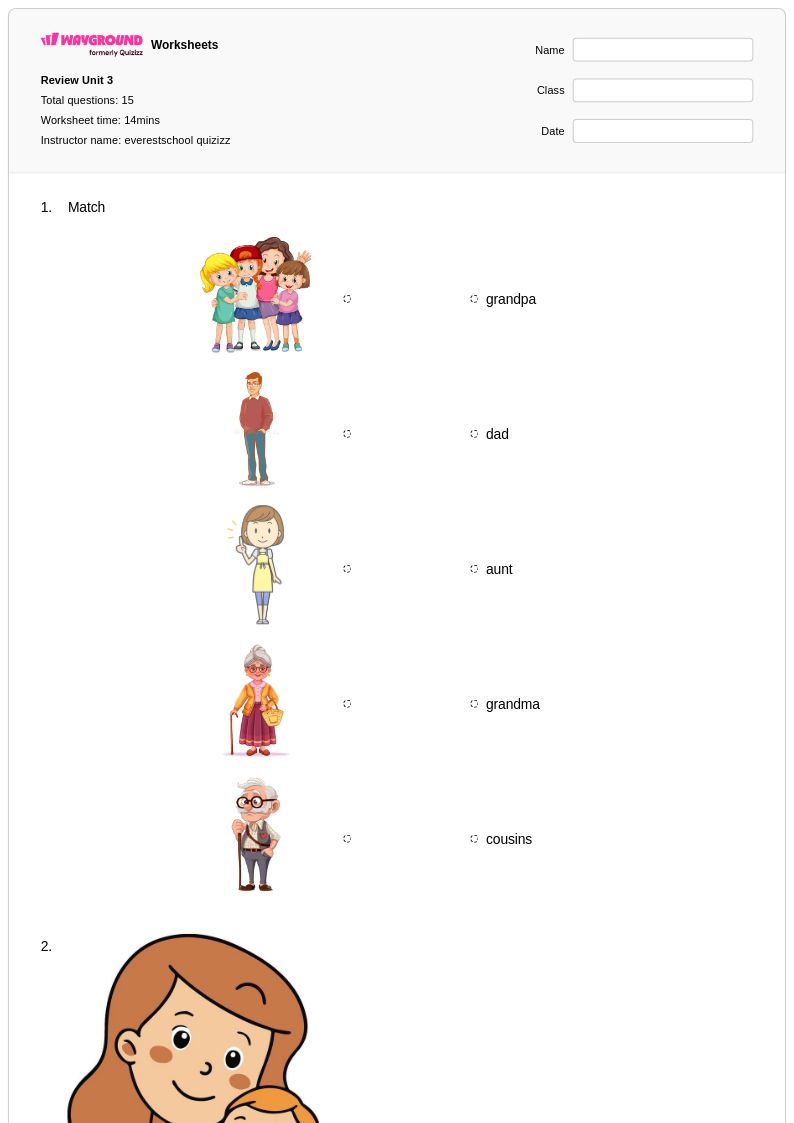
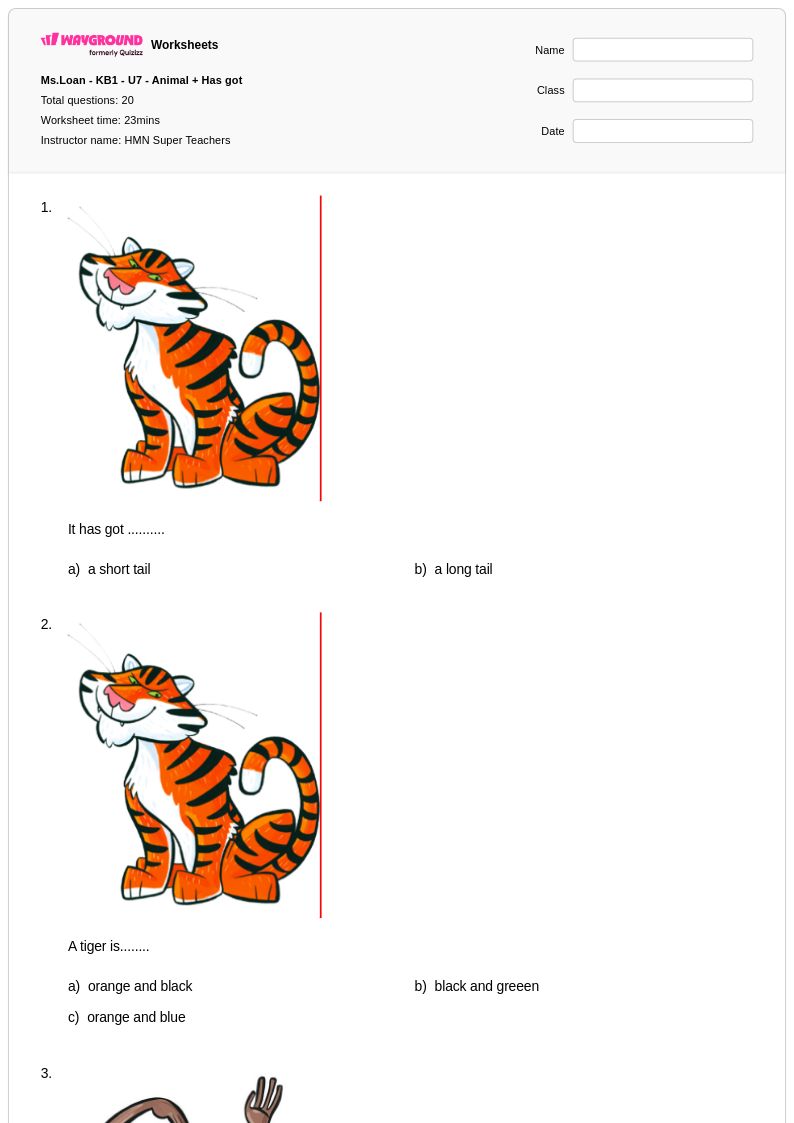
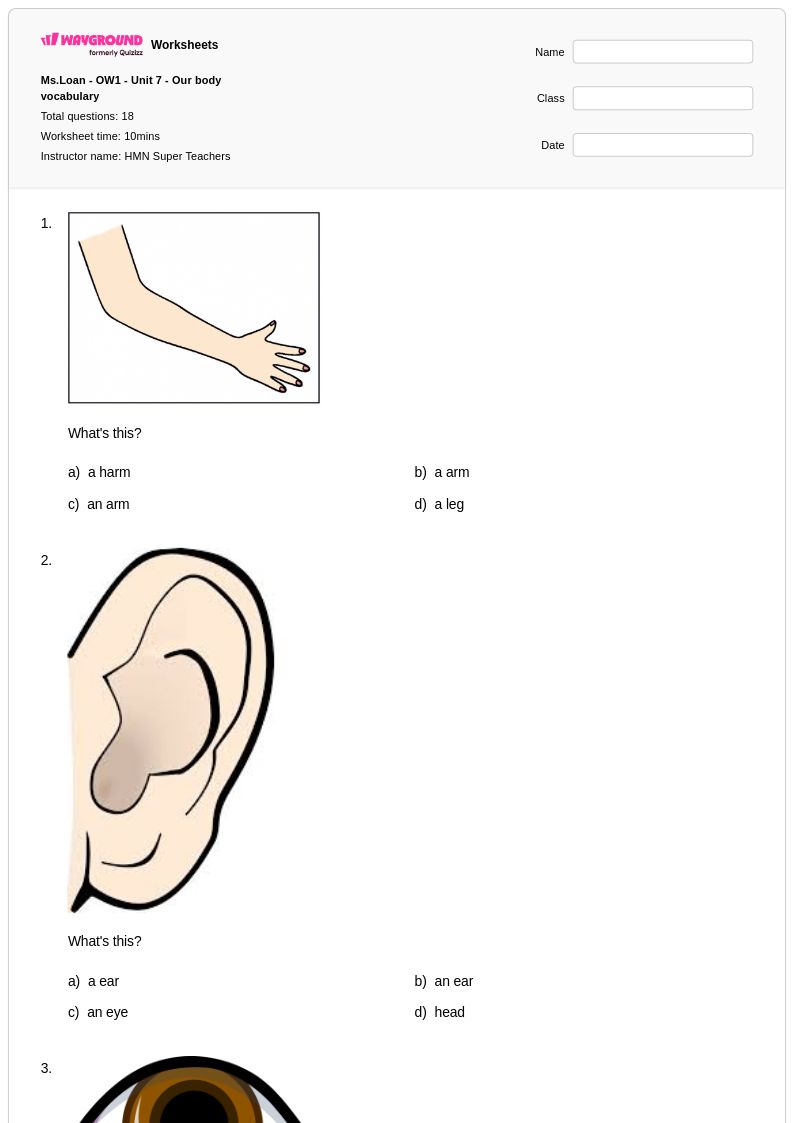
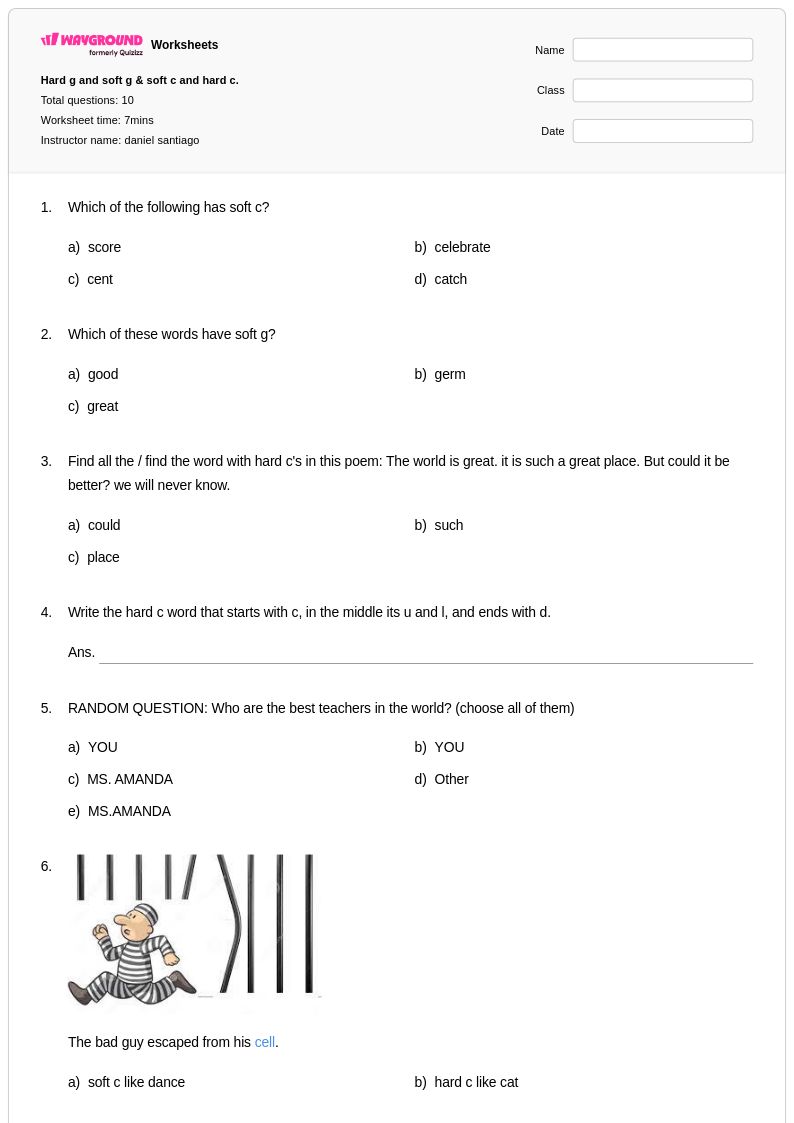
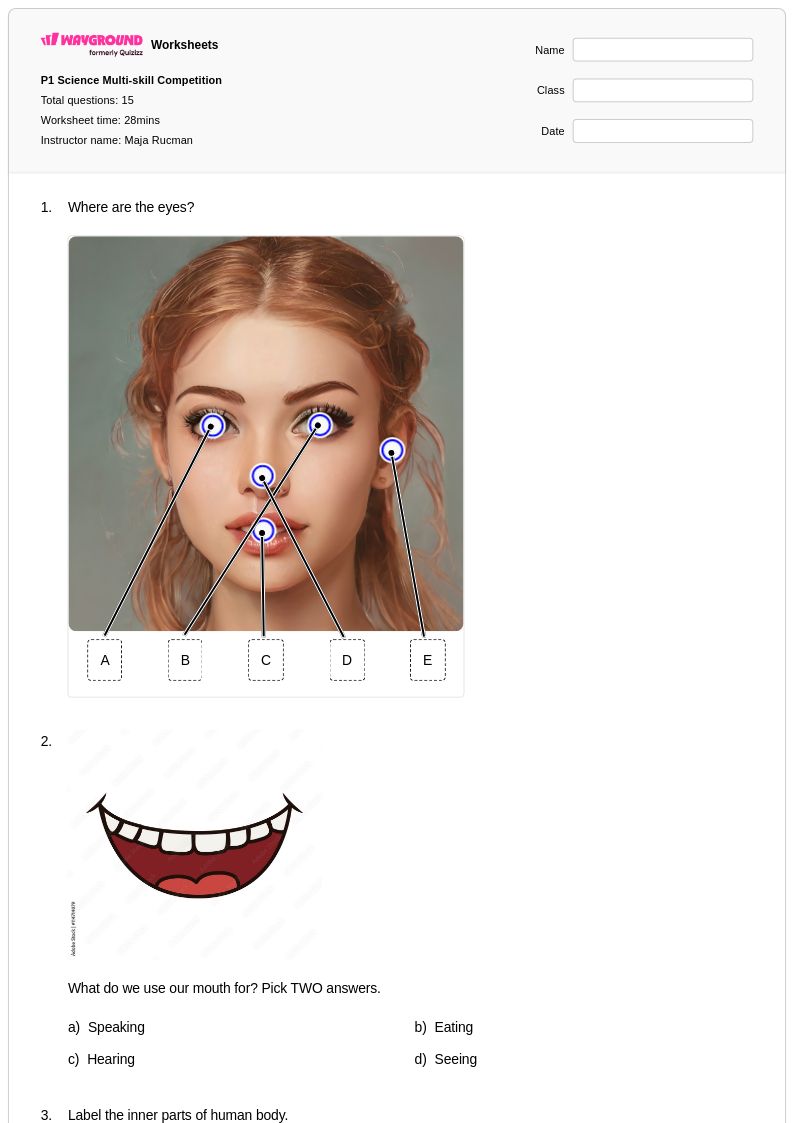
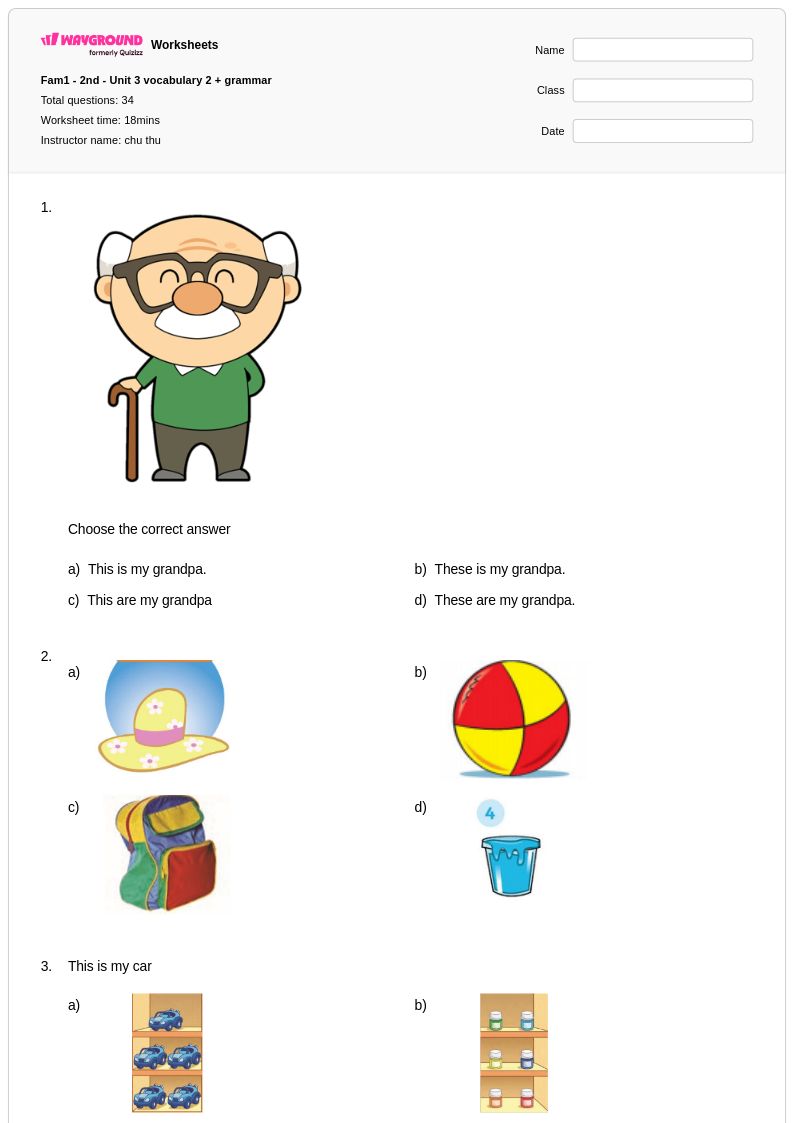
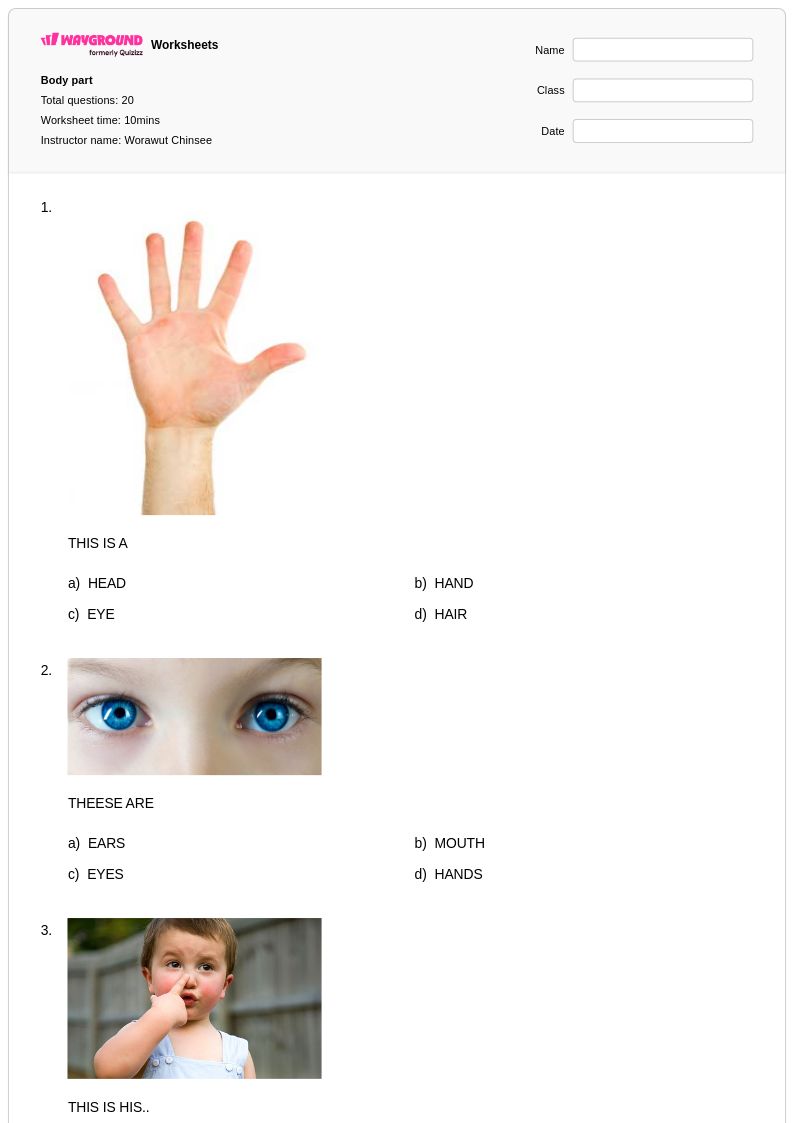
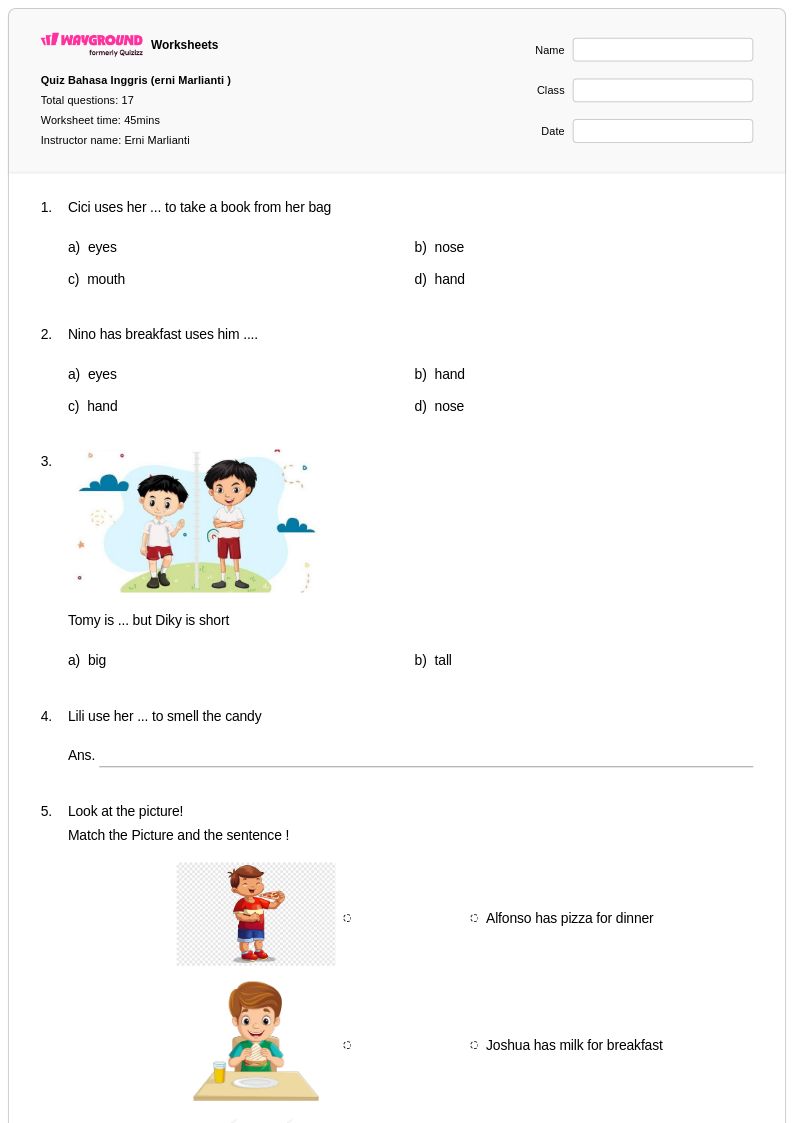
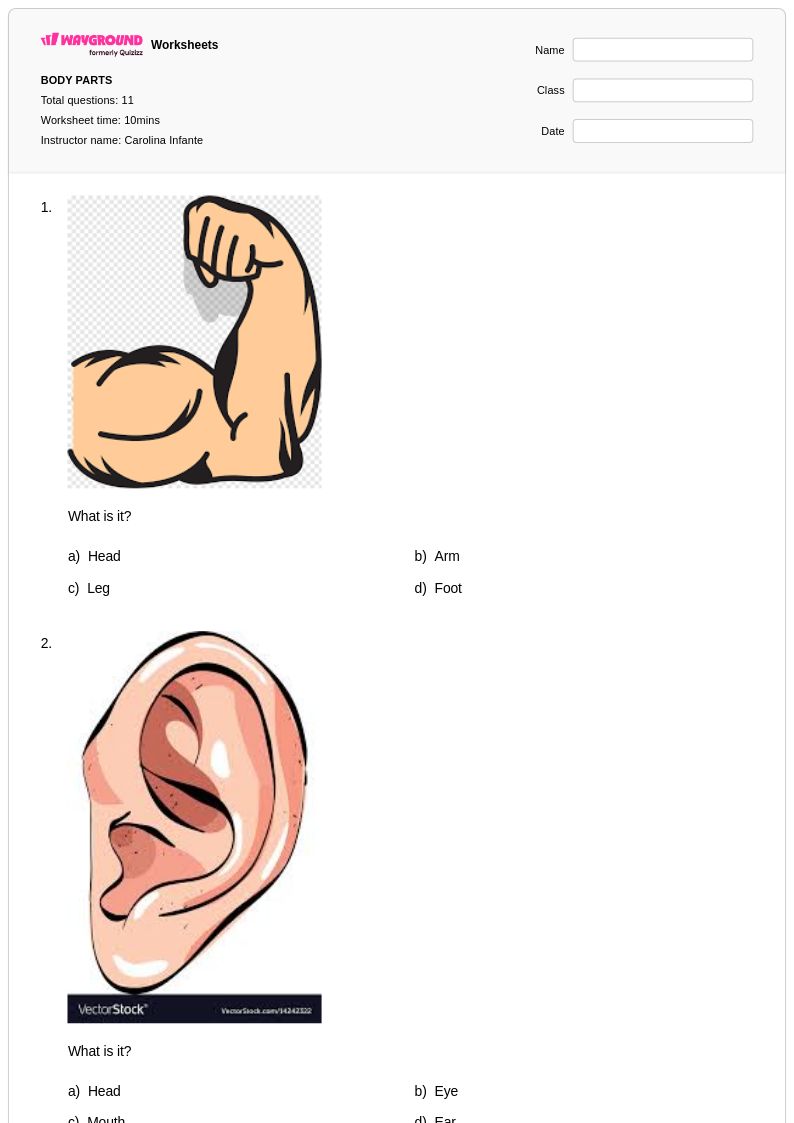
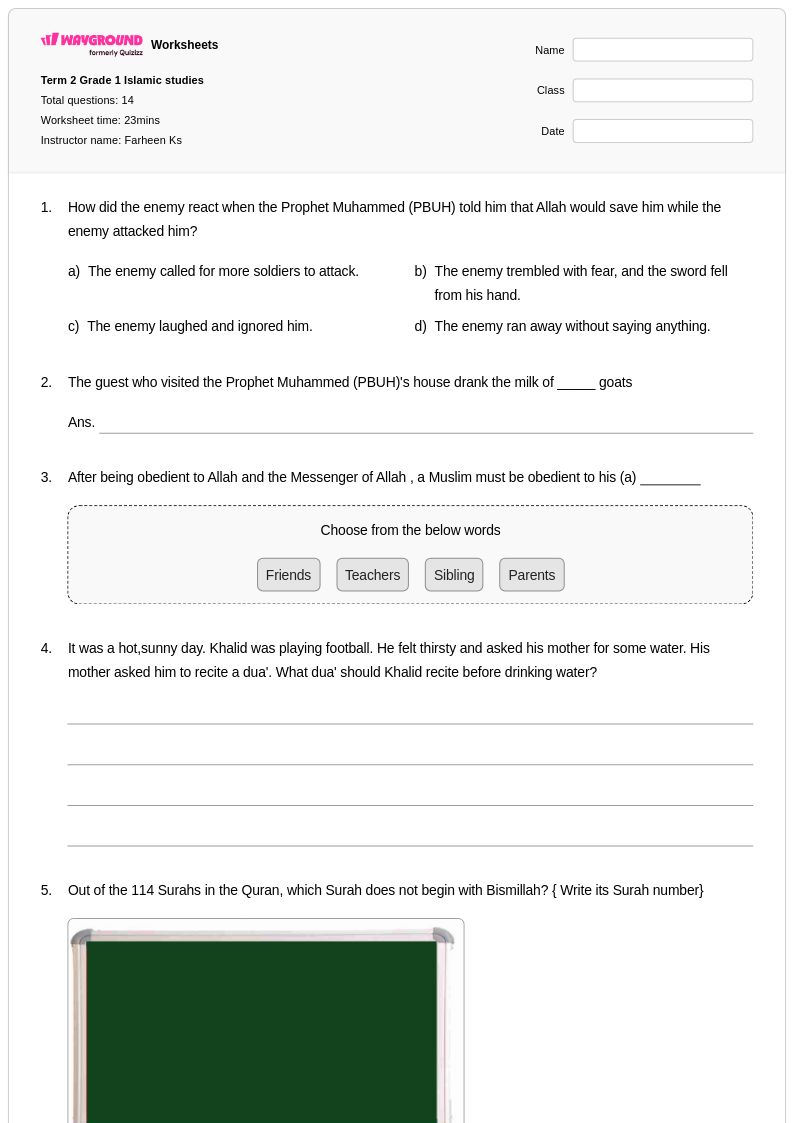
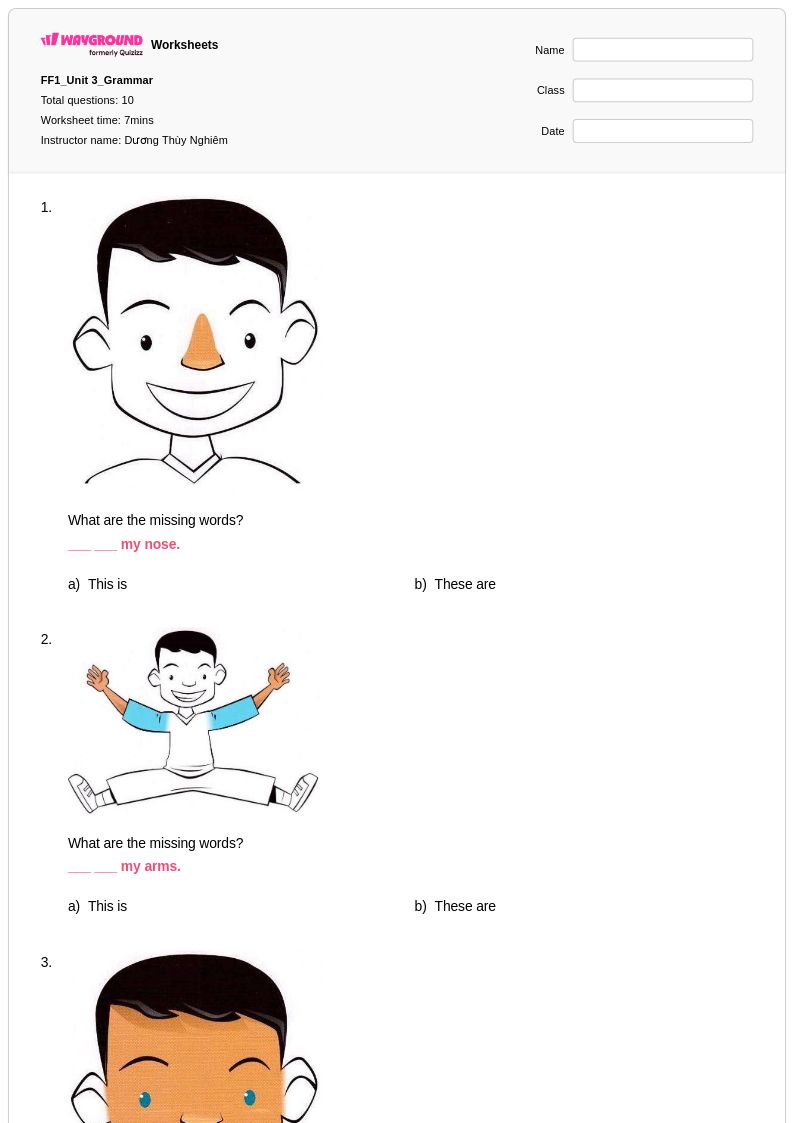
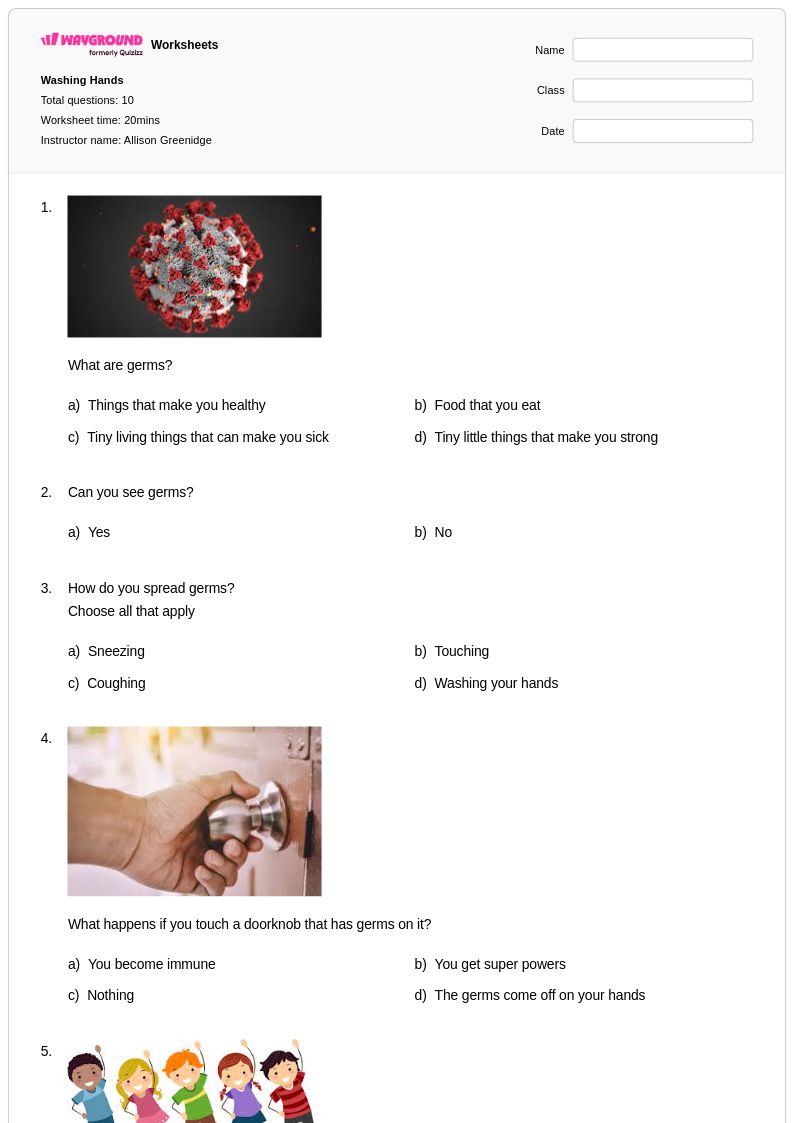
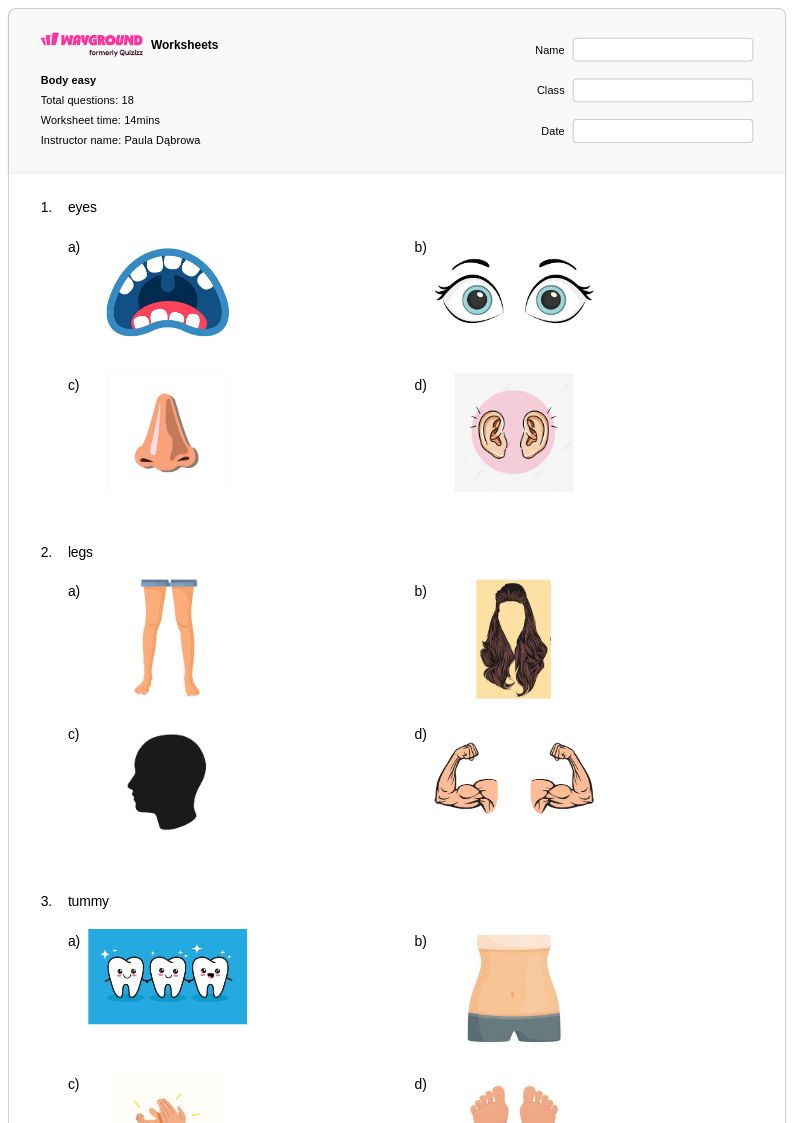
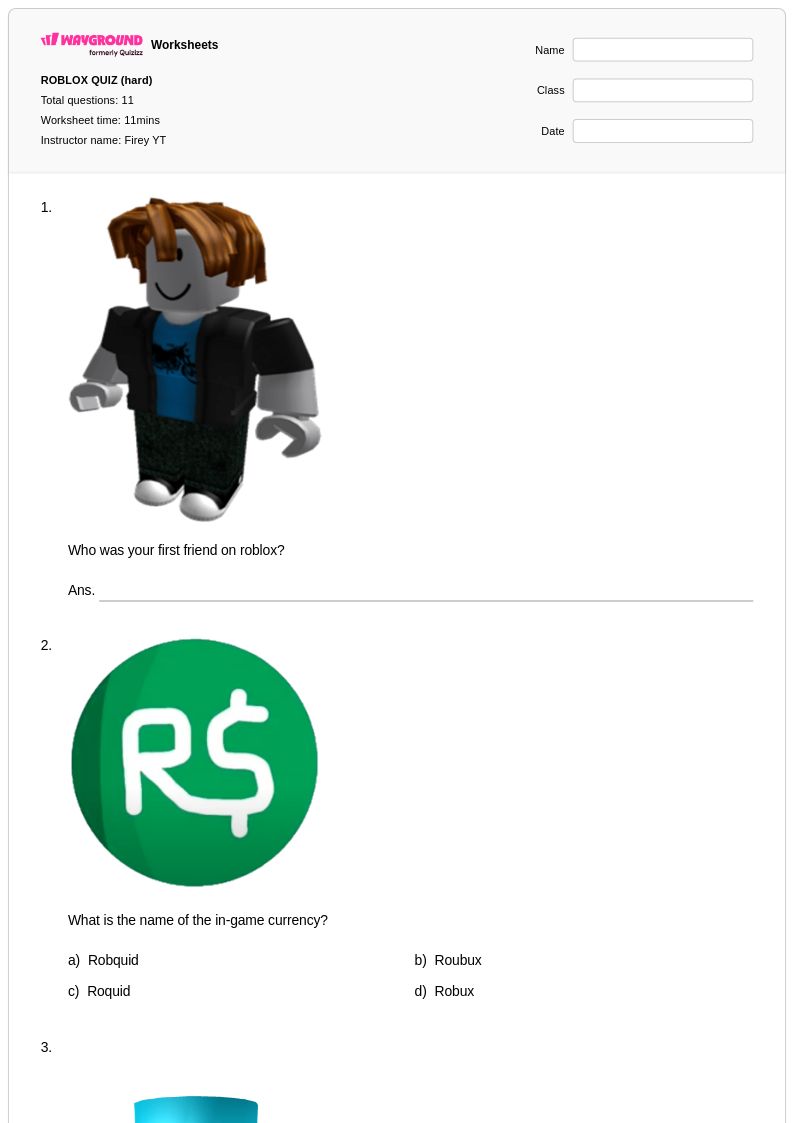
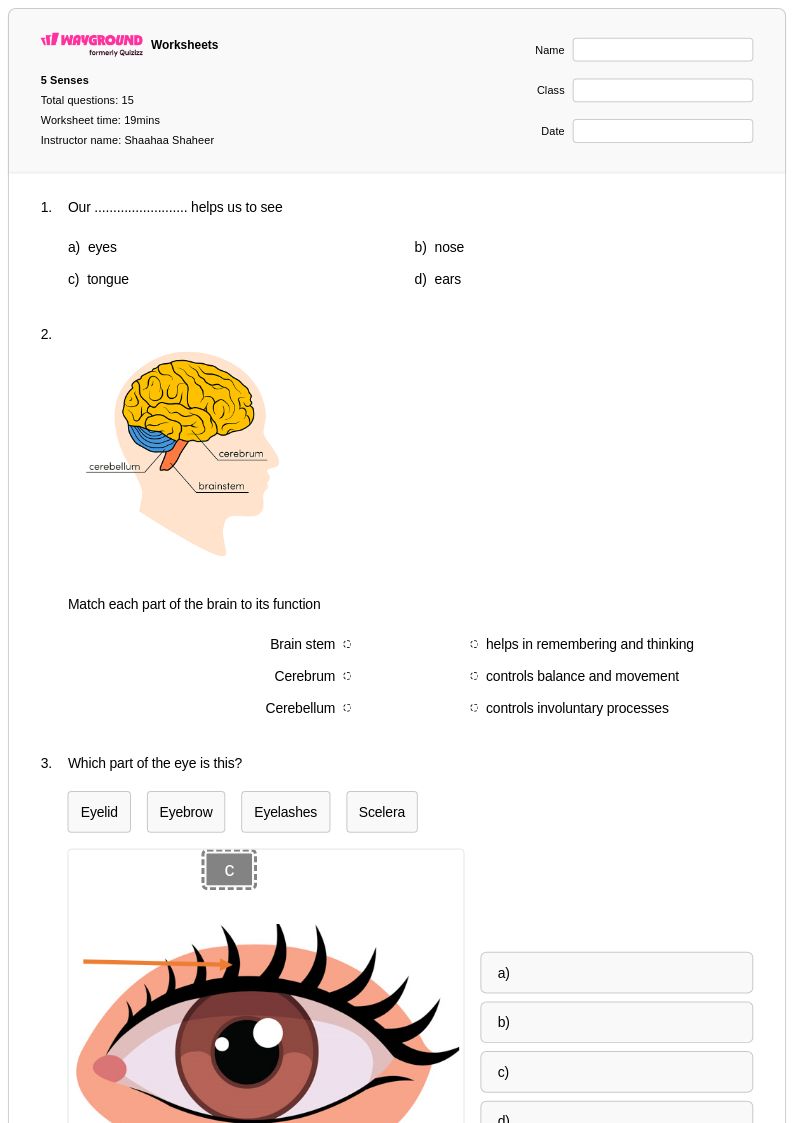
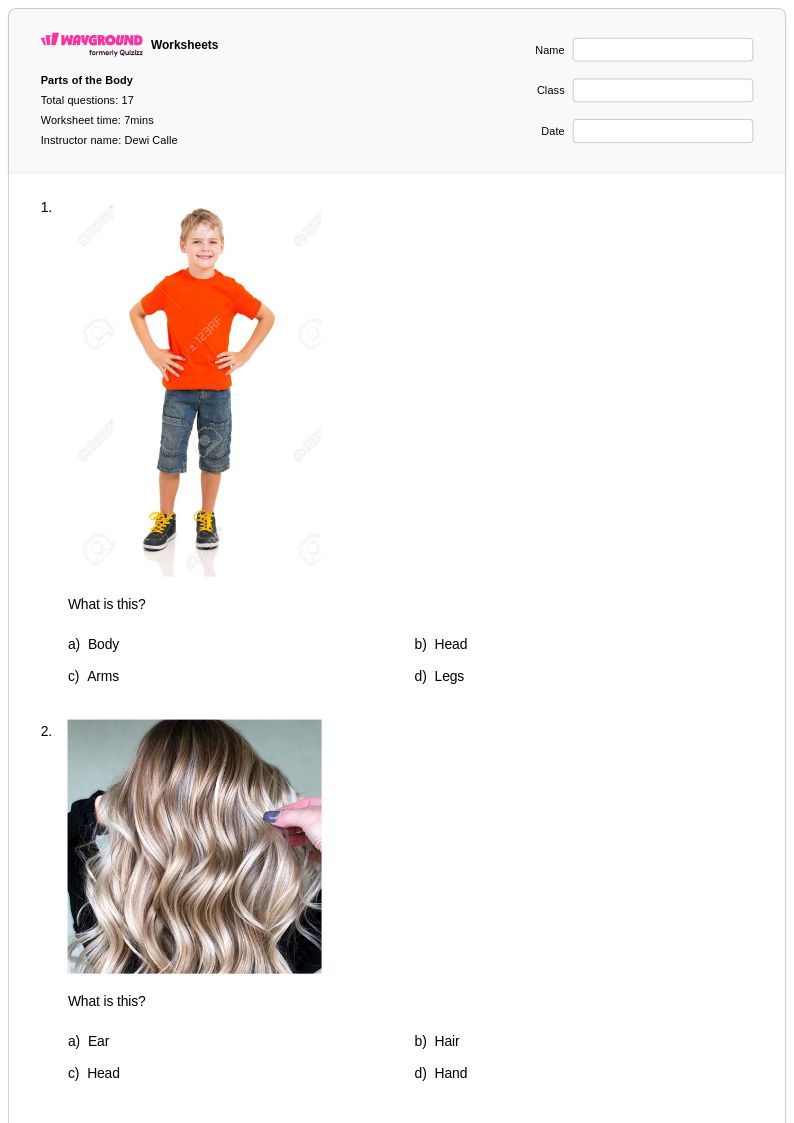
Eye hand coordination worksheets for Class 1 students available through Wayground (formerly Quizizz) provide essential foundational practice for developing the synchronized movement skills that underpin academic and physical success. These carefully designed printables target the critical neuromotor pathways that allow young learners to coordinate visual input with precise hand movements, strengthening skills necessary for writing, drawing, cutting, catching, and manipulating objects. Each worksheet collection includes structured activities such as tracing exercises, dot-to-dot connections, simple mazes, and object manipulation tasks that progressively challenge students' ability to control fine motor movements while processing visual information. Teachers can access comprehensive answer keys and utilize these free resources as practice problems during physical education instruction, occupational therapy sessions, or classroom movement breaks to systematically build students' coordination competencies.
Wayground's extensive platform supports educators with millions of teacher-created eye hand coordination resources specifically designed for Class 1 learners, featuring robust search and filtering capabilities that allow instructors to quickly locate materials aligned with developmental standards and individual student needs. The platform's differentiation tools enable teachers to customize worksheet difficulty levels, modify visual complexity, and adjust motor skill requirements to accommodate diverse learning profiles within their classrooms. Available in both printable pdf formats and interactive digital versions, these resources provide flexible options for remediation support, skill enrichment, and regular practice sessions that can be seamlessly integrated into lesson planning. Teachers benefit from the platform's organizational features that streamline the process of identifying appropriate coordination challenges, tracking student progress, and adapting instruction to meet the varied developmental timelines typical of first-grade motor skill acquisition.
FAQs
How do I teach eye hand coordination in physical education?
Teaching eye hand coordination effectively requires a progression from simple tracking tasks to complex, multi-step motor sequences. Start with activities like target practice exercises and ball tracking drills before advancing to catching and throwing sequences that require simultaneous visual and motor responses. Consistent, structured repetition across sessions is key to building the visual-motor integration that underpins both athletic performance and everyday motor tasks.
What exercises help students practice eye hand coordination?
Effective practice exercises for eye hand coordination include target practice drills, ball tracking tasks, catching and throwing sequences, and precision-based movement activities. These exercises progressively challenge students by increasing speed, distance, or complexity, which forces the visual and motor systems to adapt together. Worksheets that structure these exercises in a sequential format allow students to build skills systematically rather than through unguided repetition.
What common mistakes do students make when developing eye hand coordination?
A frequent mistake is students focusing on their hands rather than tracking the object or target with their eyes, which disrupts the visual feedback loop essential for accurate motor response. Students also tend to rush movements before their visual processing has fully registered the target's position or trajectory. Teachers should watch for inconsistent grip and poor spatial awareness, both of which signal that visual-motor integration has not yet become automatic.
How can I differentiate eye hand coordination activities for students with varying ability levels?
Differentiation in eye hand coordination practice can include adjusting target size, reducing the speed of tracking tasks, or simplifying the number of steps in a catching or throwing sequence for students who need additional support. For advanced learners, increasing precision demands or adding a secondary task simultaneously challenges coordination at a higher level. On Wayground, teachers can apply individual accommodations such as reduced answer choices or extended time to digital versions of these activities, ensuring each student engages at an appropriate challenge level.
How do I use Wayground's eye hand coordination worksheets in my class?
Wayground's eye hand coordination worksheets are available as printable PDFs for traditional gymnasium or classroom settings and in digital formats for technology-integrated or remote learning environments. Teachers can also host worksheets as a quiz directly on Wayground, making it easy to assign and track student responses. Each worksheet includes complete answer keys, so teachers can assess student understanding without additional preparation.
At what age or grade level should students begin structured eye hand coordination practice?
Structured eye hand coordination practice is beneficial across all grade levels, as the foundational skills it builds support athletic performance, daily living activities, and broader motor development. Early elementary students benefit from simple tracking and target tasks, while older students can engage with more complex throwing, catching, and precision-movement sequences. Because coordination develops progressively, consistent practice across grade levels leads to the most lasting motor gains.