Free Printable Human Life Stages Worksheets for Class 3
Explore Wayground's free Class 3 human life stages worksheets and printables that help students learn about growth and development from birth to adulthood through engaging practice problems with answer keys.
Explore printable Human Life Stages worksheets for Class 3
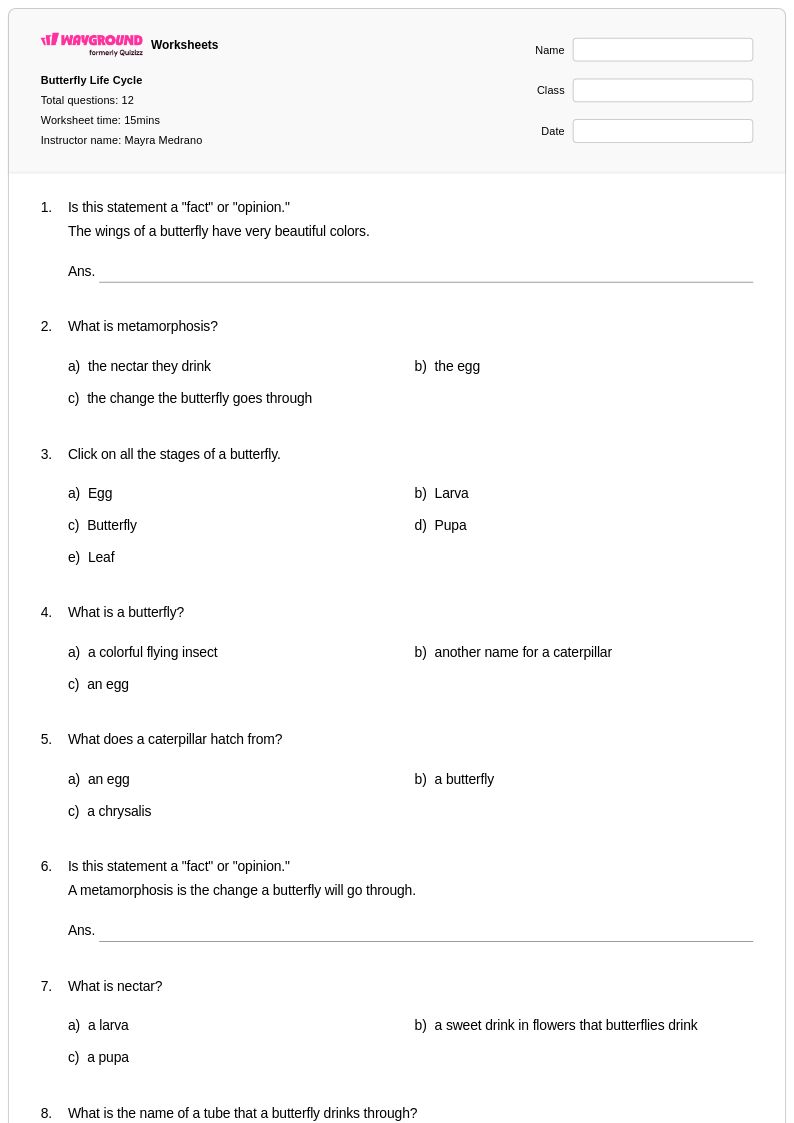
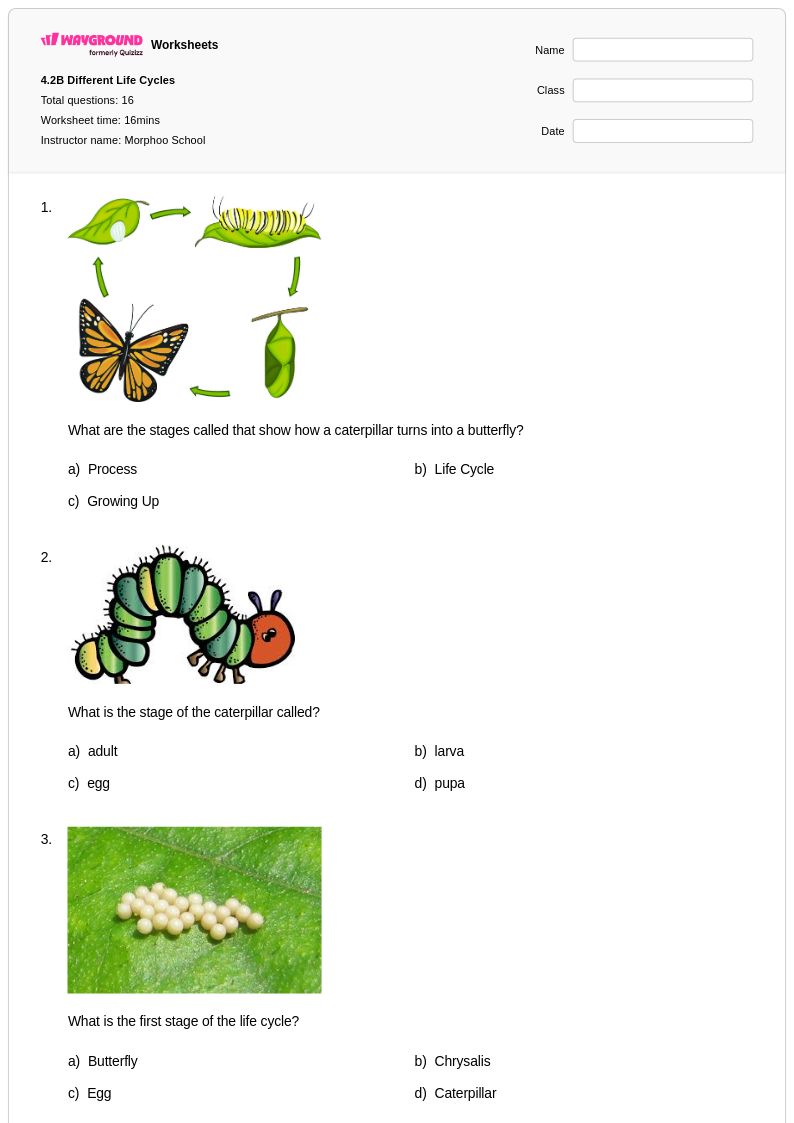
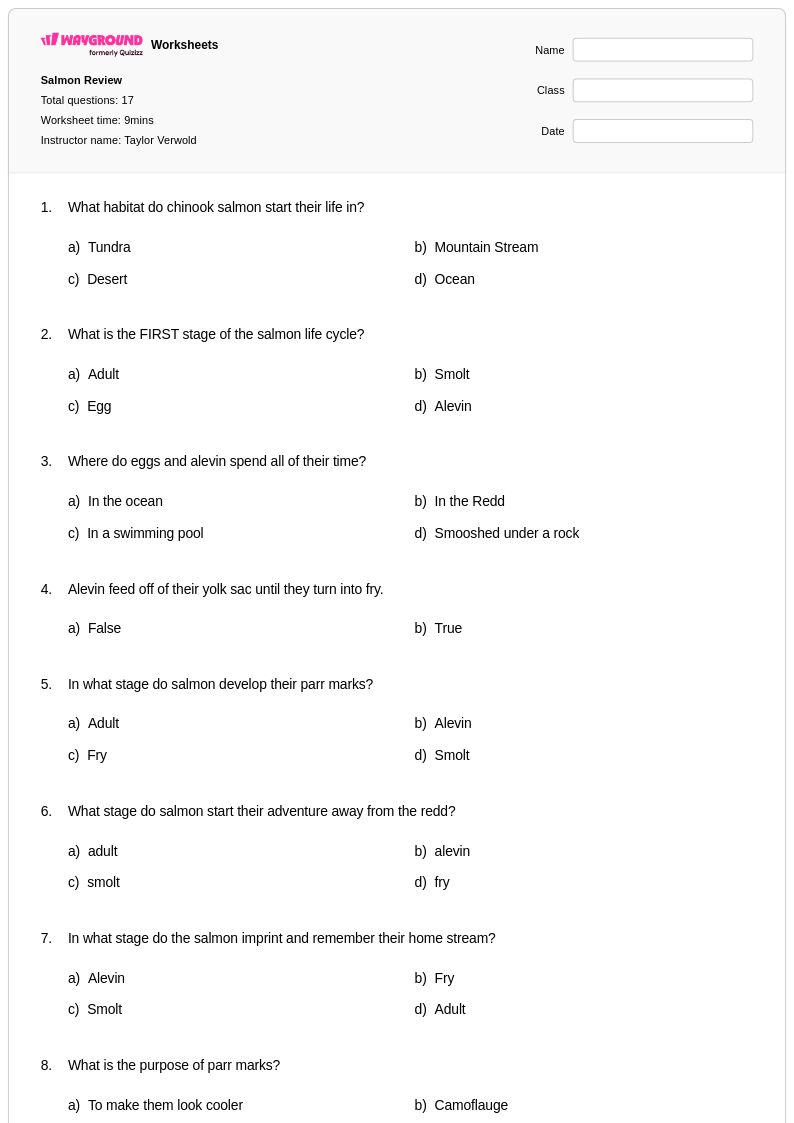
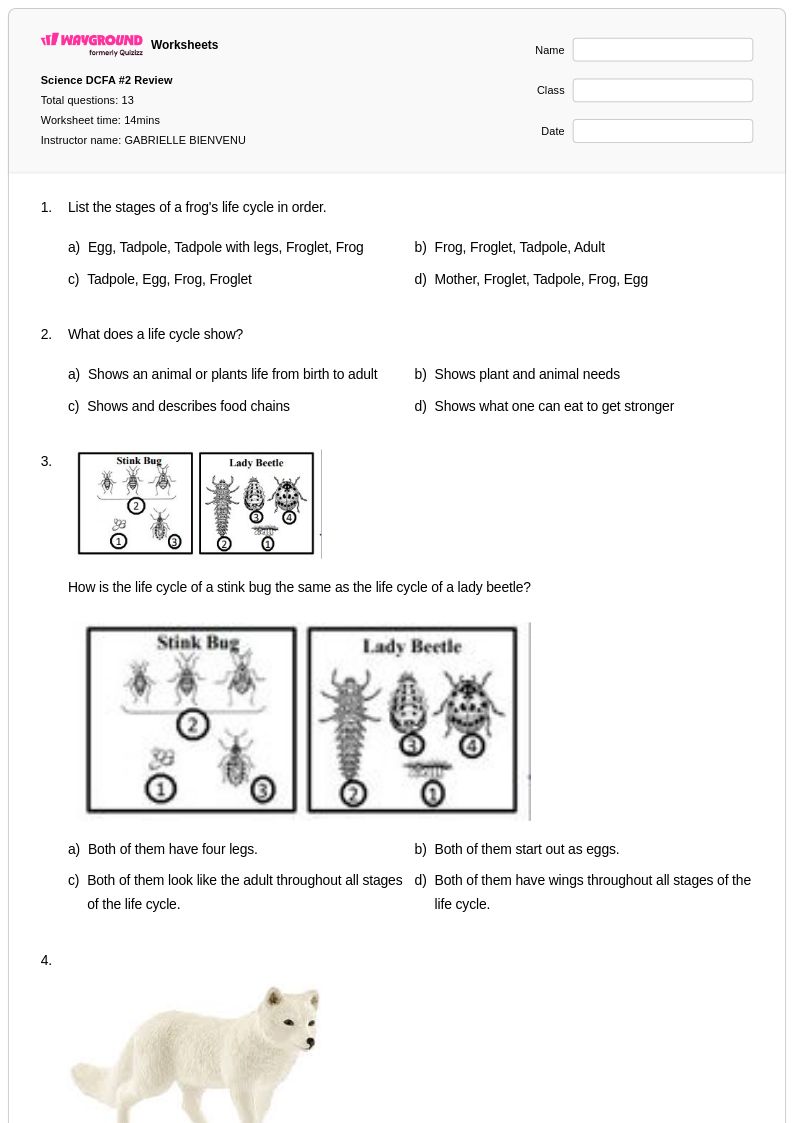
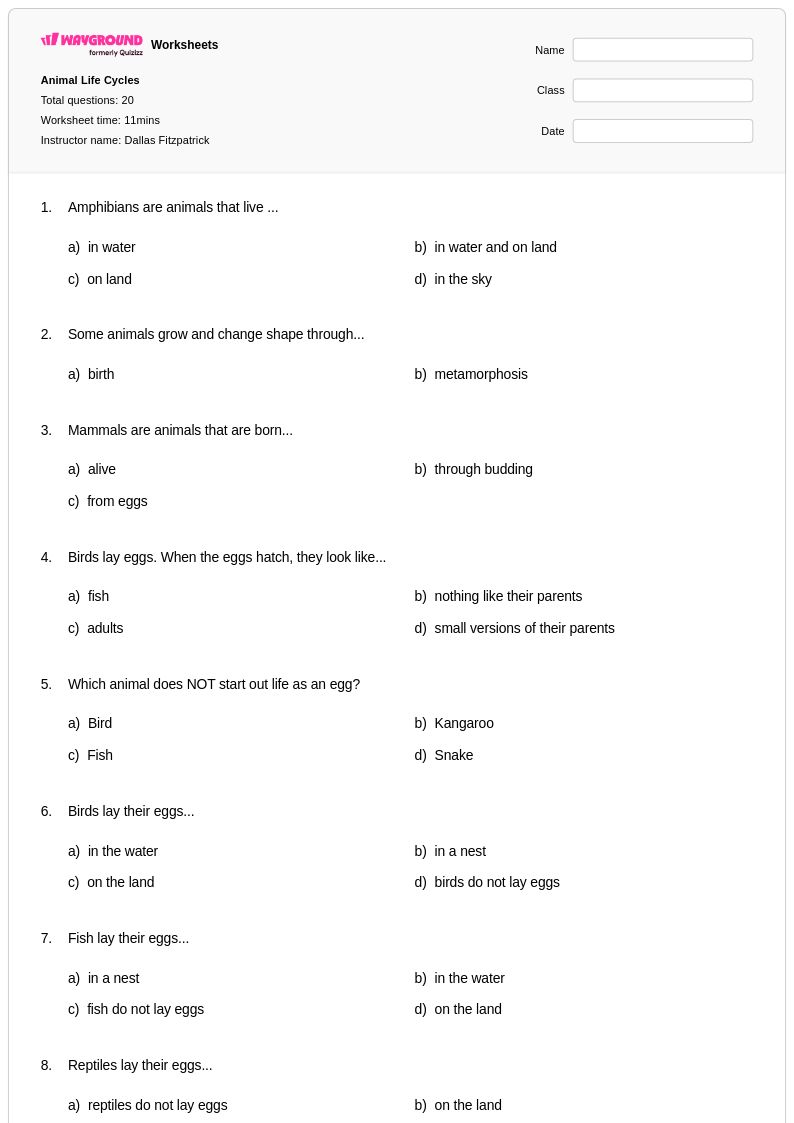
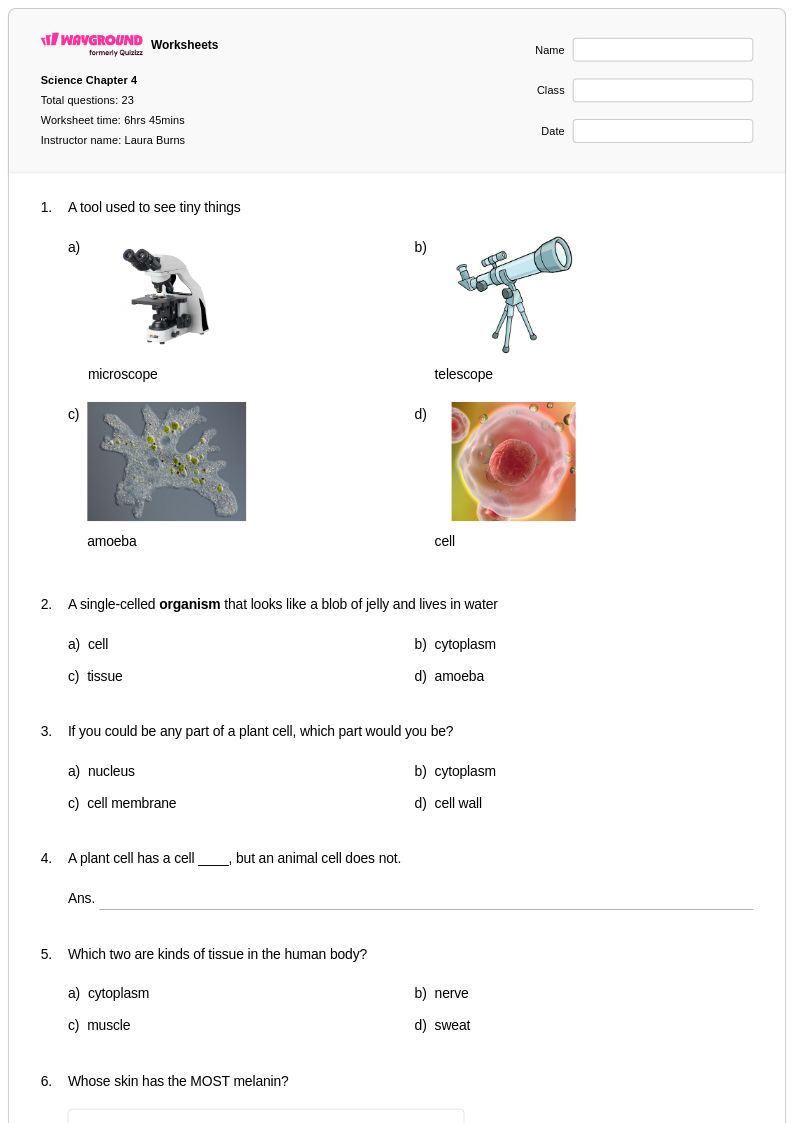
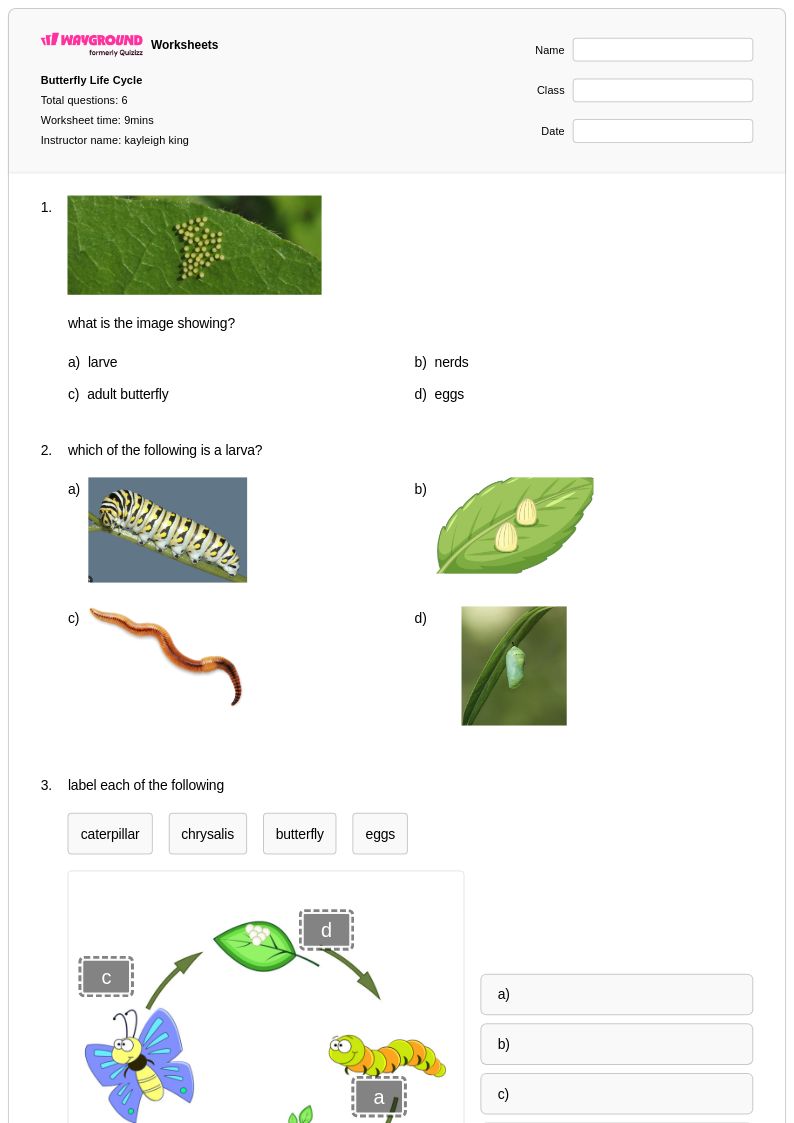
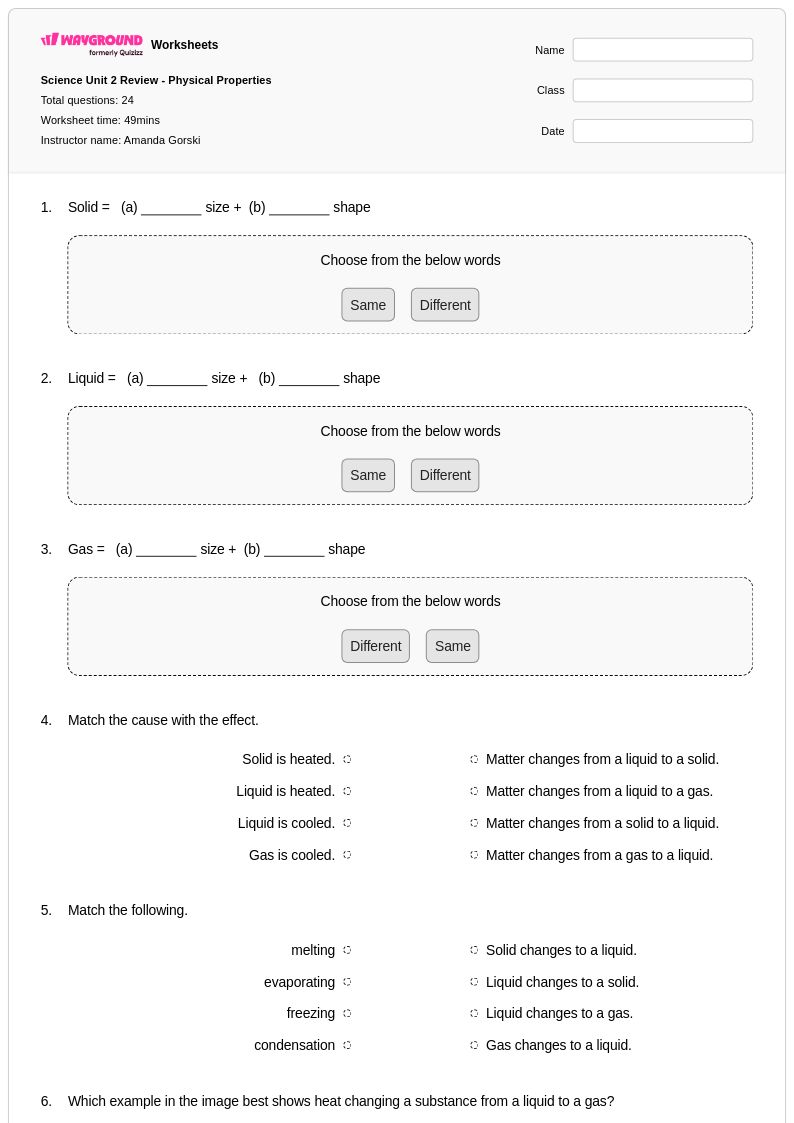
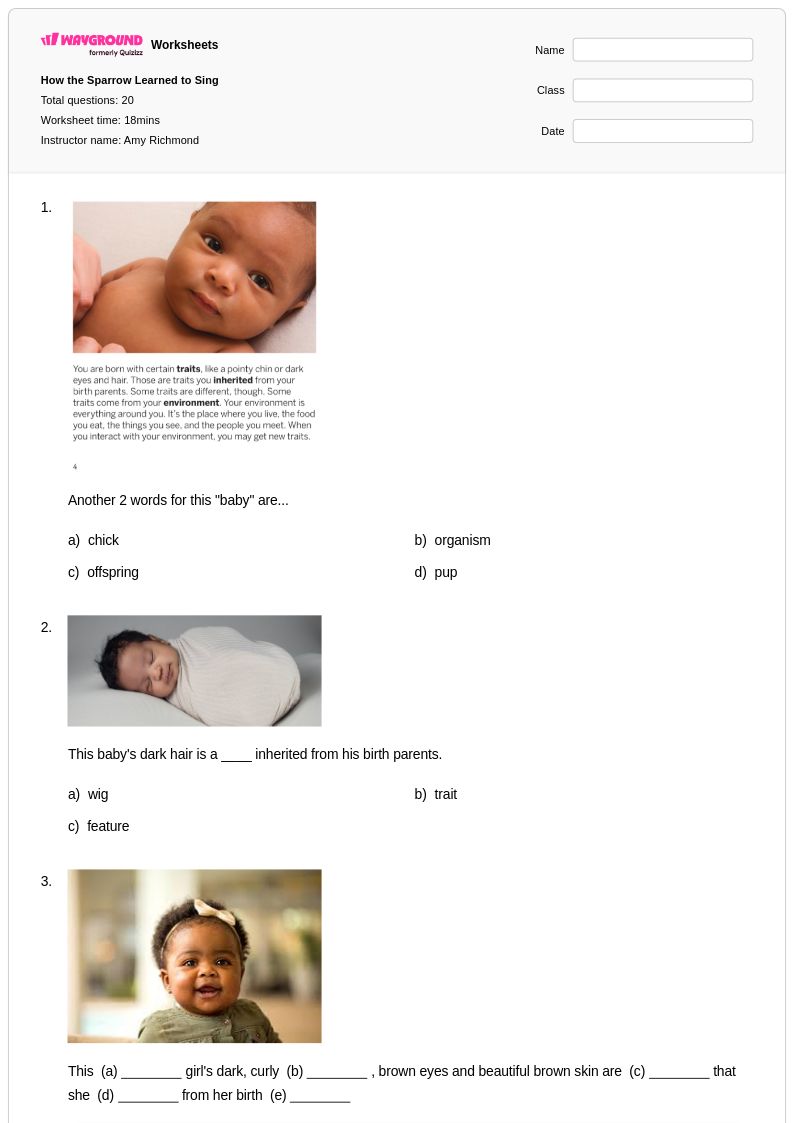
Human life stages worksheets for Class 3 students available through Wayground (formerly Quizizz) provide comprehensive coverage of the developmental journey from birth through old age. These carefully designed educational resources help young learners understand the biological and physical changes that occur as humans grow and develop, strengthening essential life science skills including observation, sequencing, and scientific vocabulary acquisition. The collection includes engaging practice problems that guide students through identifying characteristics of infancy, childhood, adolescence, adulthood, and elderly stages, while printable formats and accompanying answer keys support both independent learning and teacher-guided instruction. These free educational materials emphasize hands-on learning experiences that make abstract developmental concepts accessible to third-grade students through age-appropriate activities and clear visual representations.
Wayground (formerly Quizizz) empowers educators with millions of teacher-created human life stages resources specifically aligned with Class 3 life science standards and learning objectives. The platform's robust search and filtering capabilities allow teachers to quickly locate worksheets that match their specific curriculum needs, whether focusing on physical growth patterns, life cycle vocabulary, or developmental milestones. Advanced differentiation tools enable educators to customize content difficulty and presentation style, ensuring appropriate challenge levels for diverse learners, while the availability of both digital and printable PDF formats provides maximum classroom flexibility. These comprehensive worksheet collections support effective lesson planning, targeted skill remediation, and enrichment opportunities, allowing teachers to address individual student needs while building foundational understanding of human development concepts essential for continued success in life science education.
FAQs
How do I teach human life stages to my students?
Teaching human life stages is most effective when students can compare and contrast the physical, cognitive, and social changes that occur across each stage — infancy, childhood, adolescence, adulthood, and senior years. Using visual timelines, case studies, and structured comparison activities helps students build a clear mental framework for how humans develop over a lifespan. Connecting biological changes to real-world social and behavioral factors deepens comprehension beyond simple memorization of stage names.
What types of exercises help students practice identifying human life stages?
Effective practice exercises include labeling diagrams of developmental stages, matching physical or behavioral characteristics to the correct life stage, and sequencing milestones in chronological order. Comparing and contrasting two or more stages in a structured graphic organizer also reinforces understanding of how development progresses. These activities build both recall and analytical thinking, which are essential for life science assessments.
What mistakes do students commonly make when learning about human life stages?
A frequent misconception is that development stops at adulthood — students often overlook that significant physical, cognitive, and social changes continue through middle and late adulthood into old age. Students also tend to treat stage boundaries as fixed rather than understanding them as gradual transitions influenced by both biological and environmental factors. Explicitly addressing these points during instruction helps prevent persistent errors on assessments.
How can I differentiate human life stages instruction for students with different learning needs?
For students who need additional support, reducing the number of answer choices on practice activities lowers cognitive load while still reinforcing key concepts. Read-aloud features can assist students who struggle with reading-heavy content about developmental milestones. On Wayground, teachers can apply these accommodations individually to specific students so the rest of the class continues with standard settings, making differentiation seamless within a single assignment.
How do I use Wayground's human life stages worksheets in my classroom?
Wayground's human life stages worksheets are available as printable PDFs for traditional classroom use and in digital formats for technology-integrated environments, including the option to host them as a live quiz on the Wayground platform. Teachers can assign them for direct instruction, independent practice, or review sessions, and each worksheet includes a complete answer key to support efficient grading. The digital format also allows teachers to apply student-level accommodations such as extended time or read-aloud directly within the platform.
How do human life stages fit into a K-12 life science curriculum?
Human life stages is a foundational life science topic that typically appears in elementary and middle school curricula as part of broader units on biology, health, or human body systems. Understanding developmental stages supports later learning in genetics, reproduction, and health science by giving students a concrete framework for how organisms grow and change over time. Aligning worksheets to curriculum standards ensures this topic connects meaningfully to broader instructional goals.