Free Printable LETRS Literacy Instruction Worksheets for Class 7
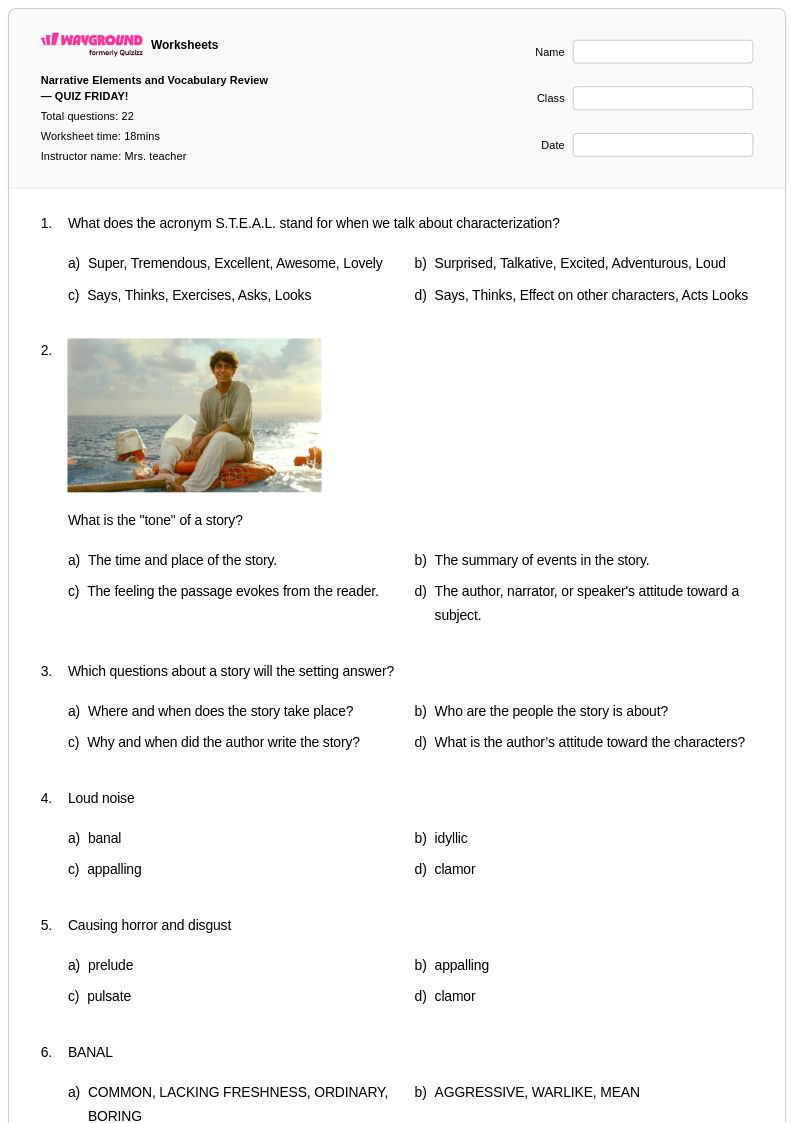
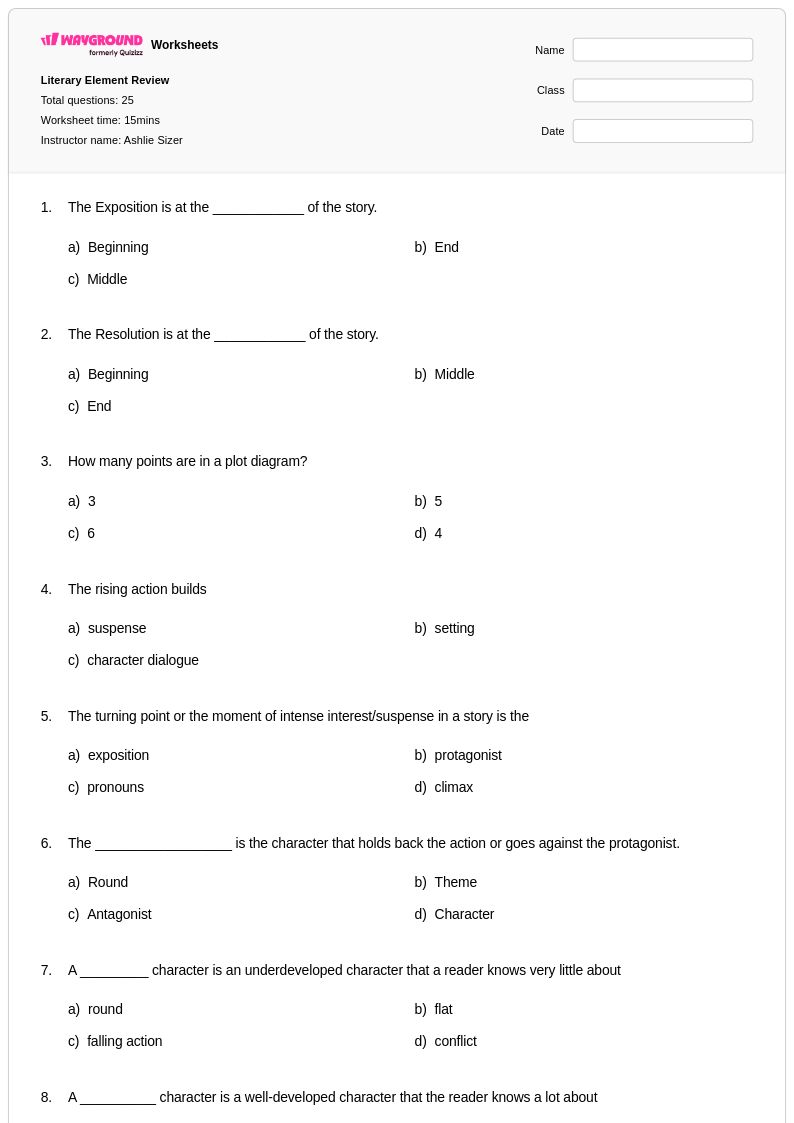
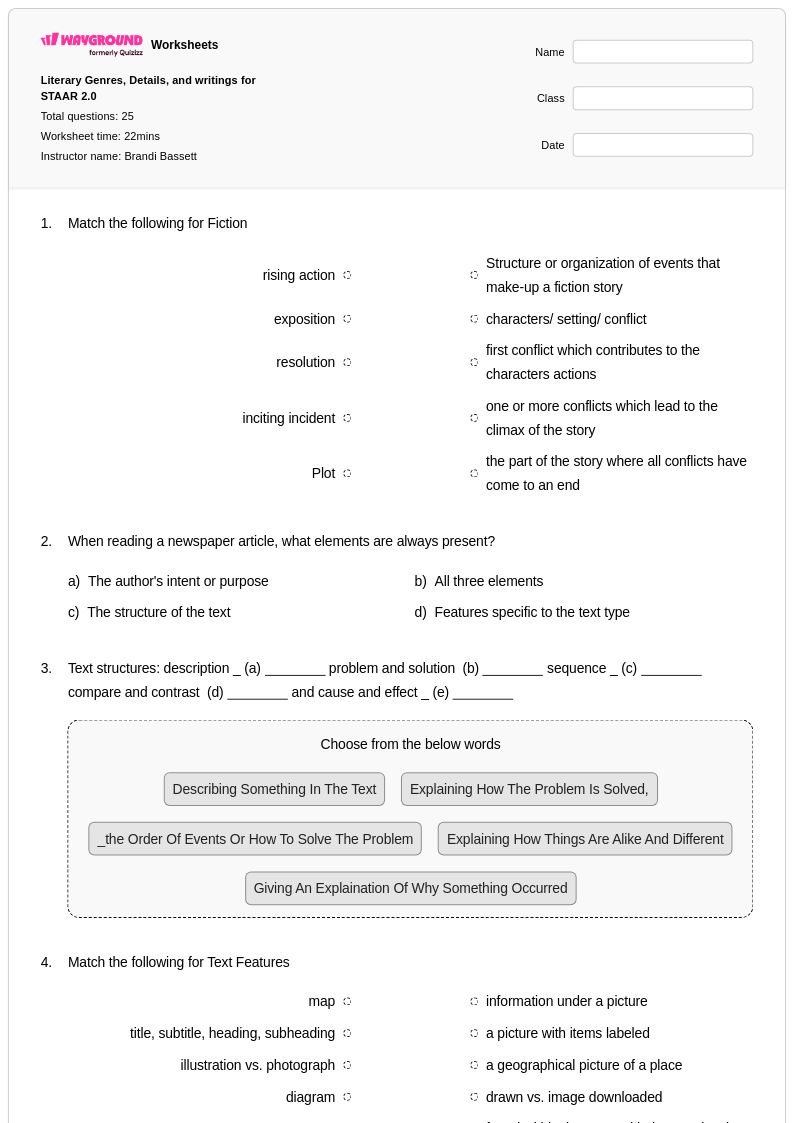
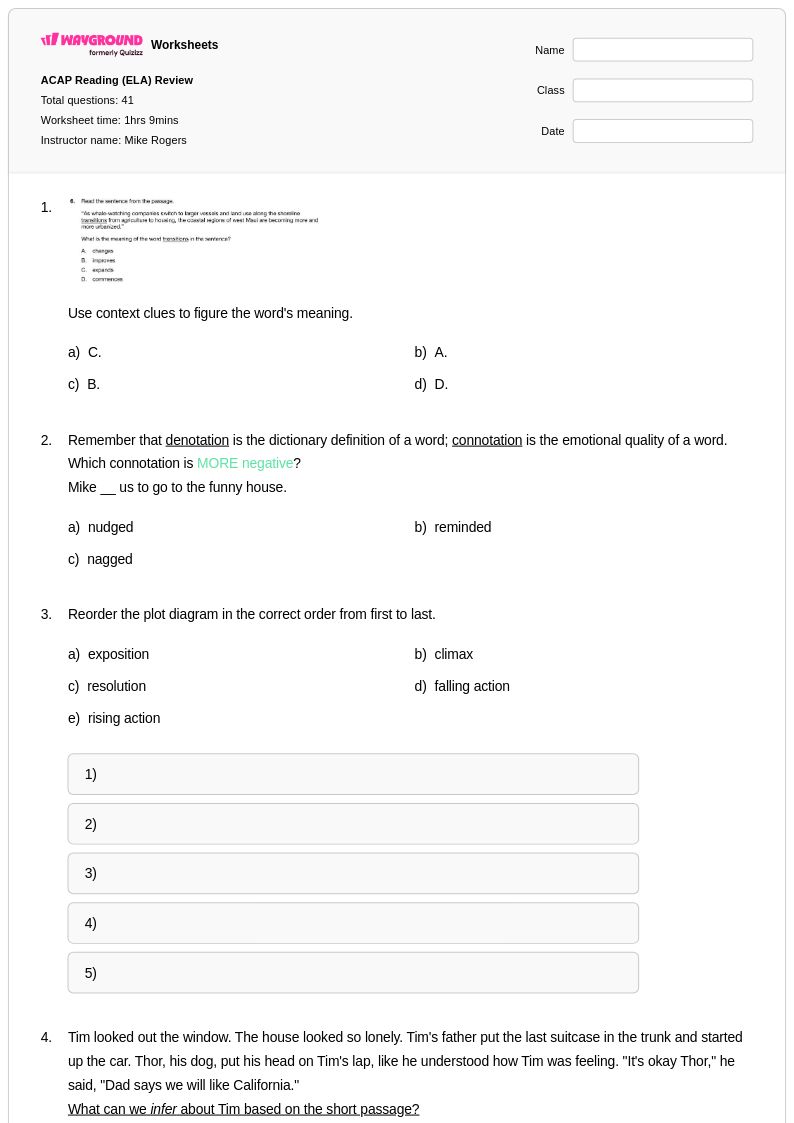
Class 7 LETRS literacy instruction worksheets from Wayground provide comprehensive printables and practice problems that help students develop evidence-based reading skills through structured phonics, comprehension, and language activities with answer keys.
Explore printable LETRS Literacy Instruction worksheets for Class 7
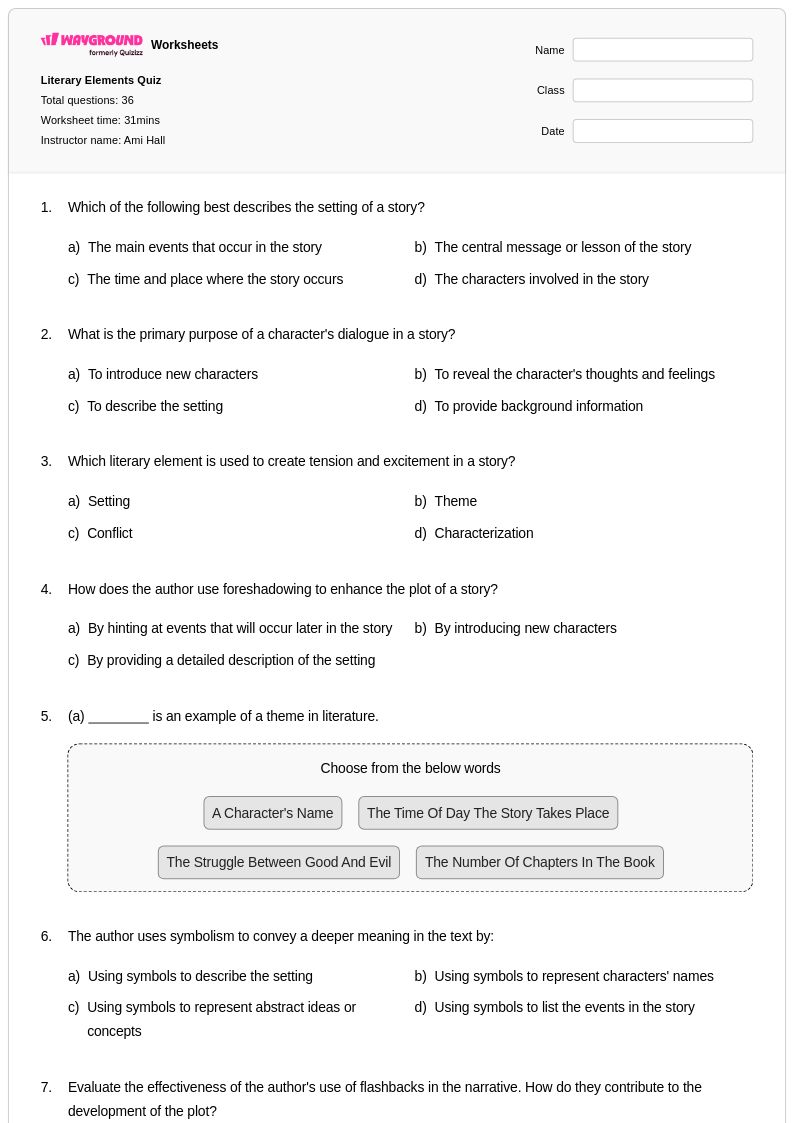
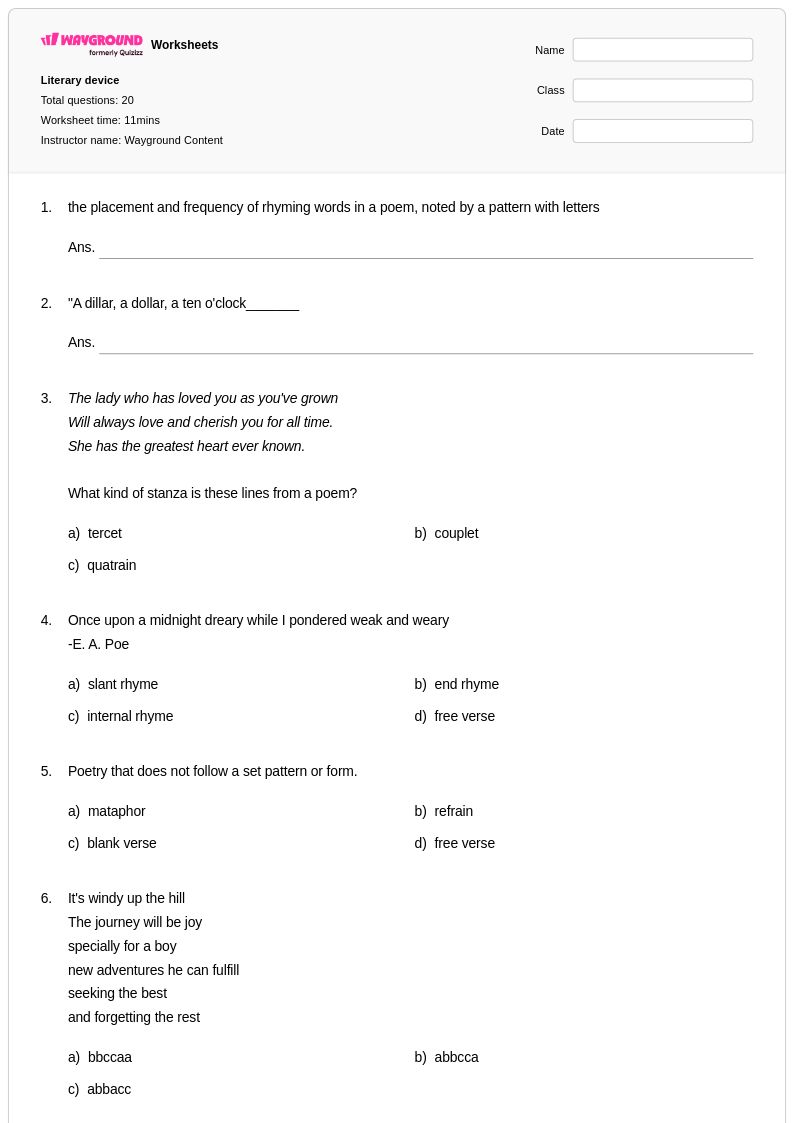
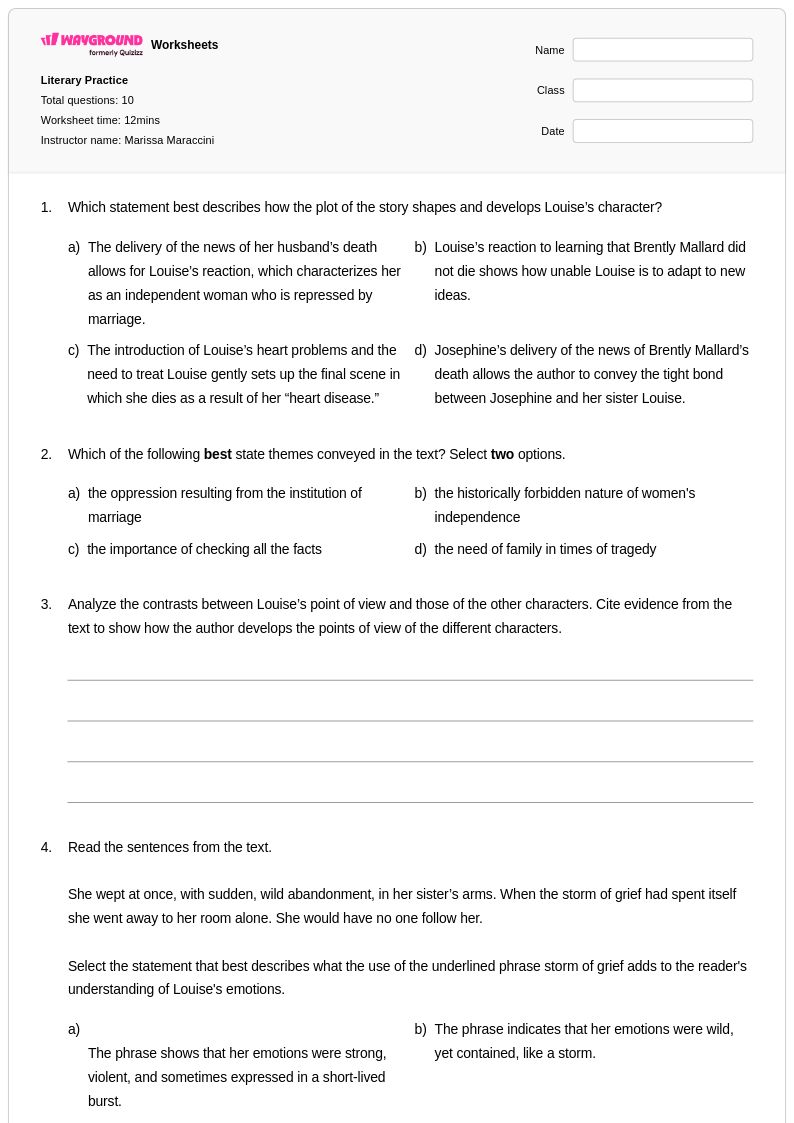
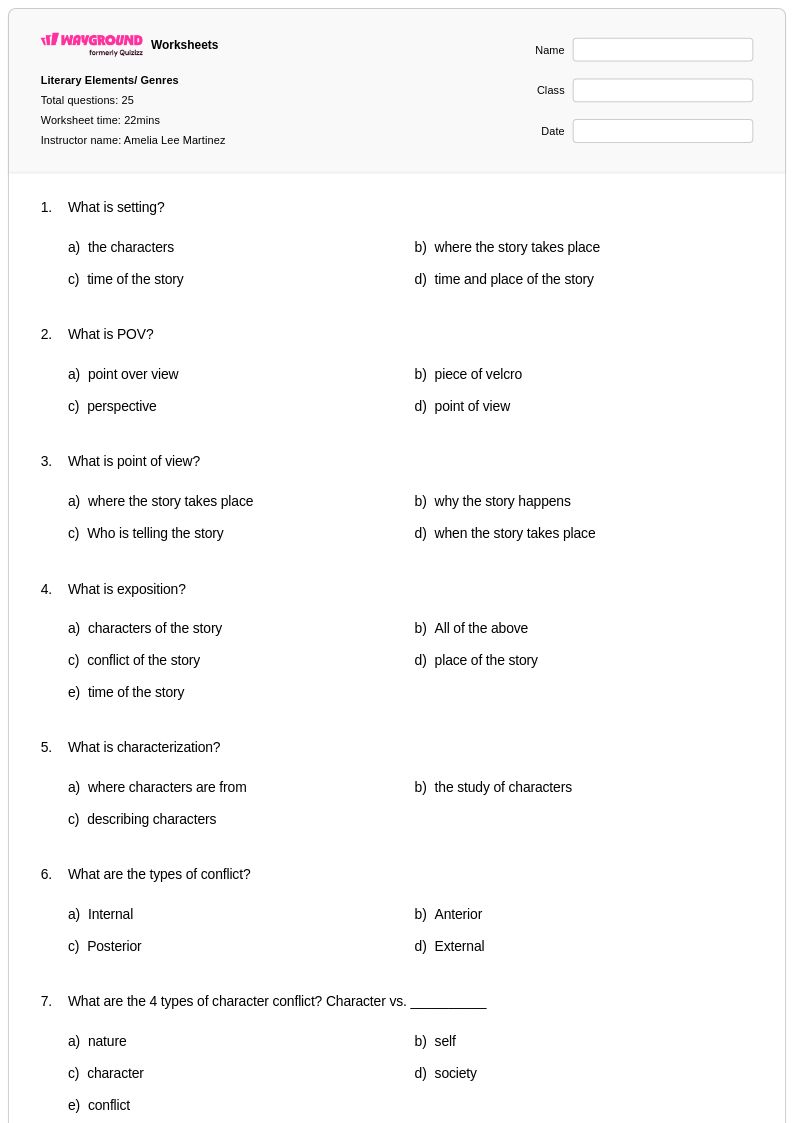
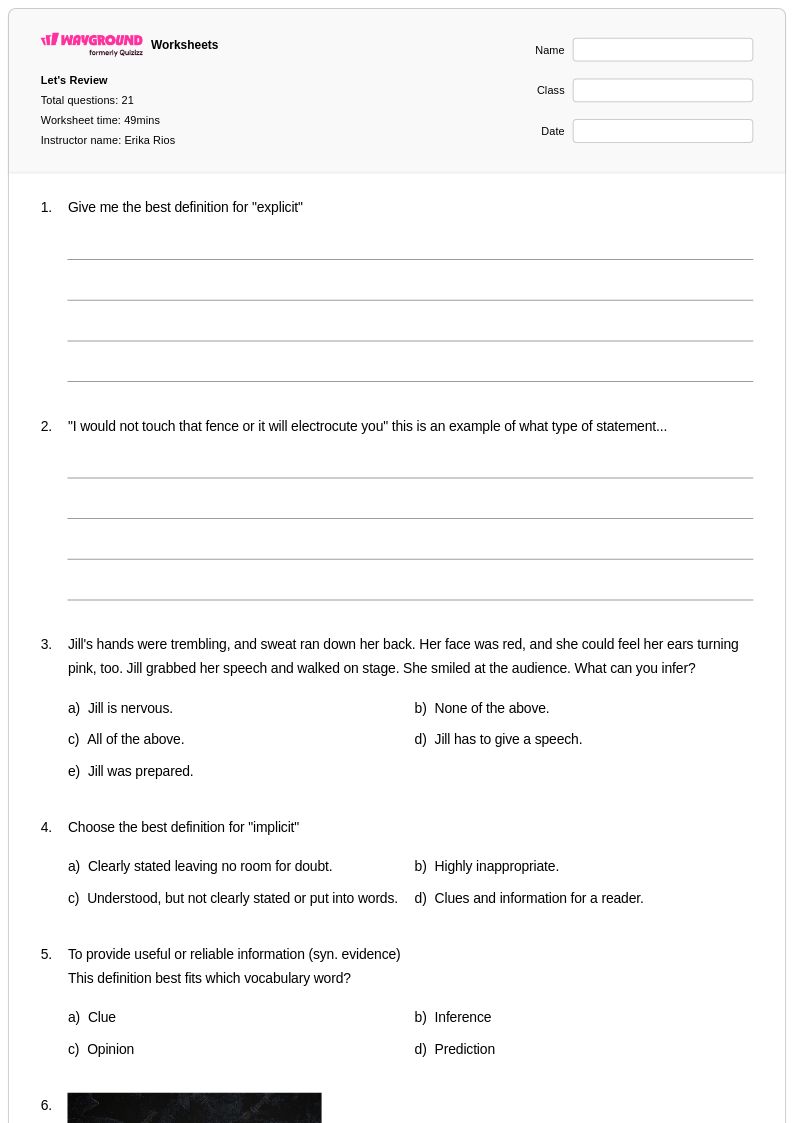
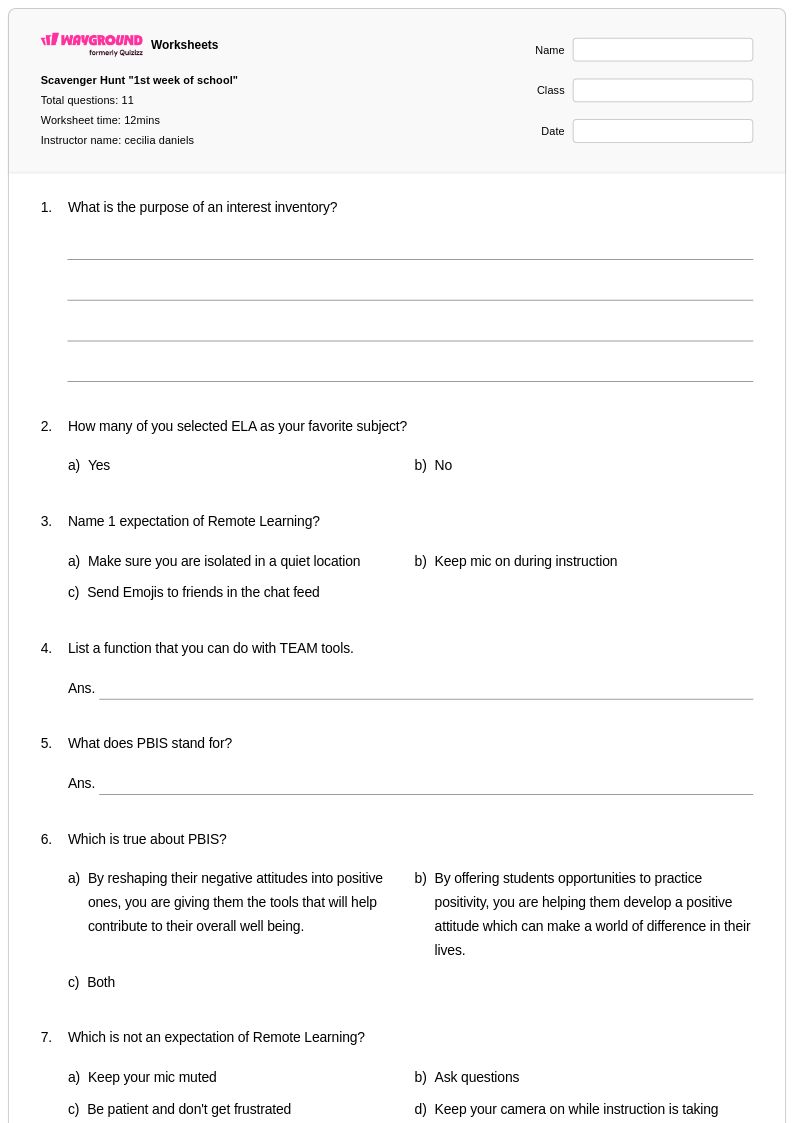
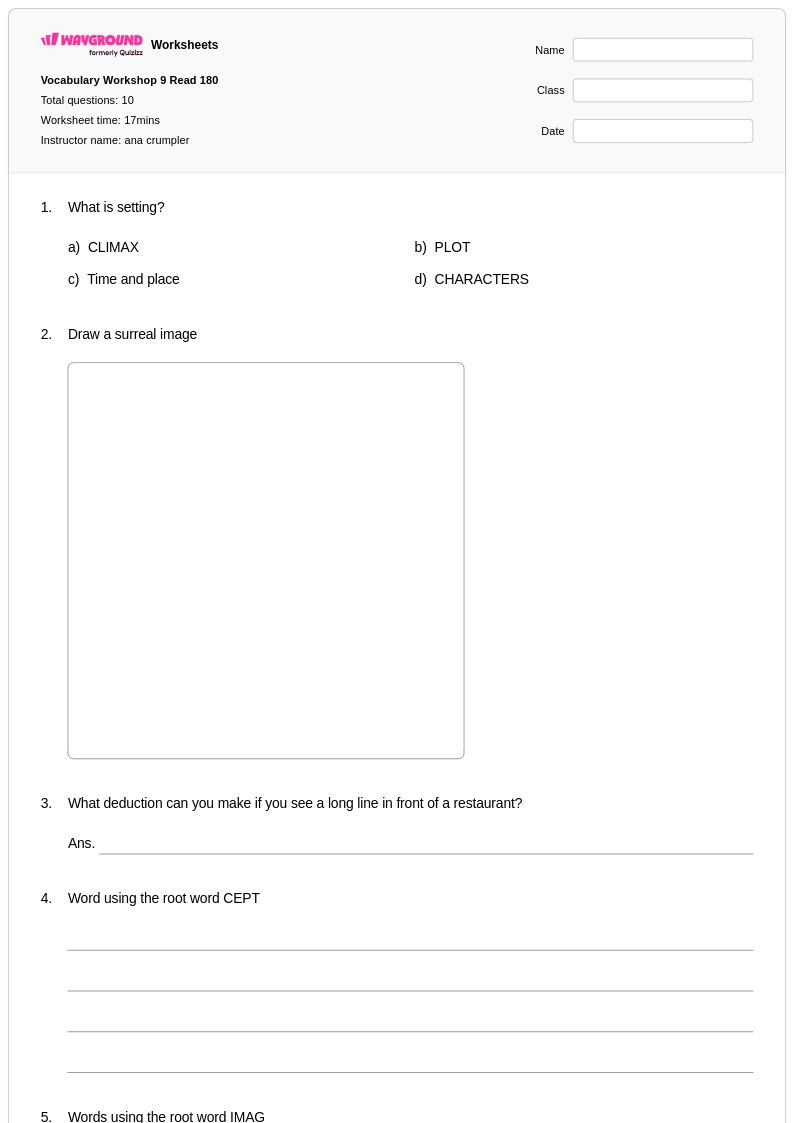
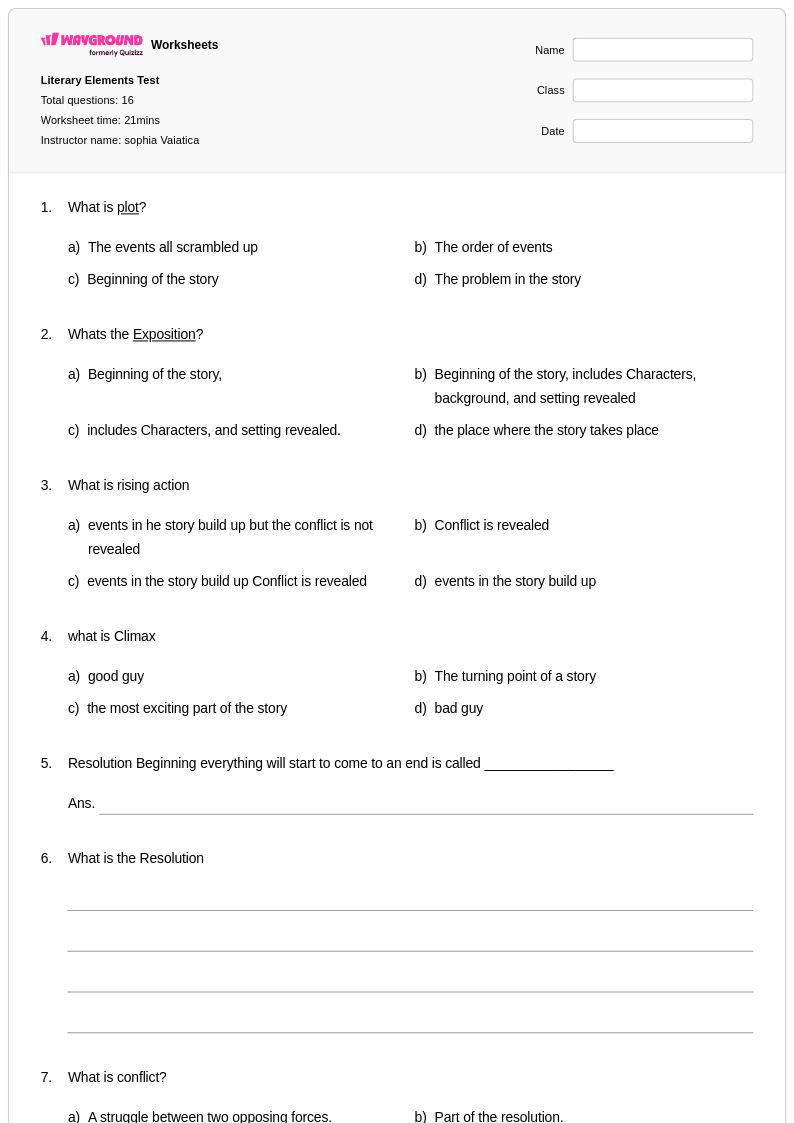
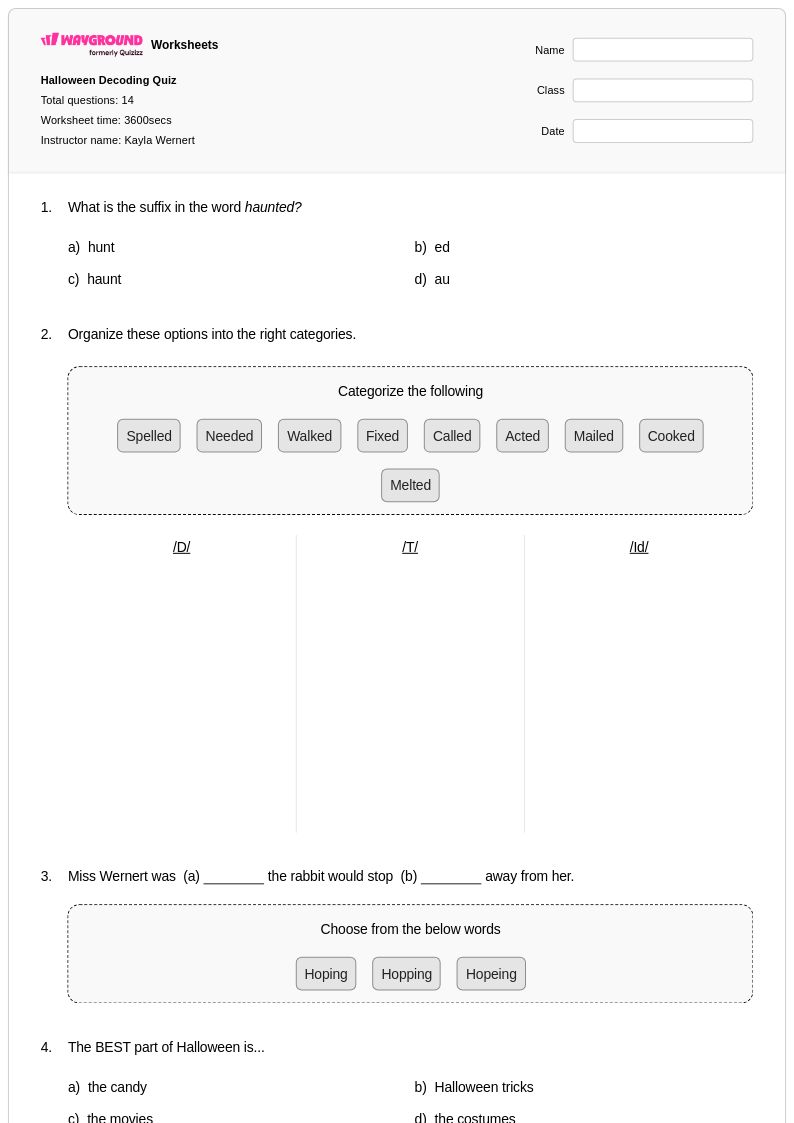
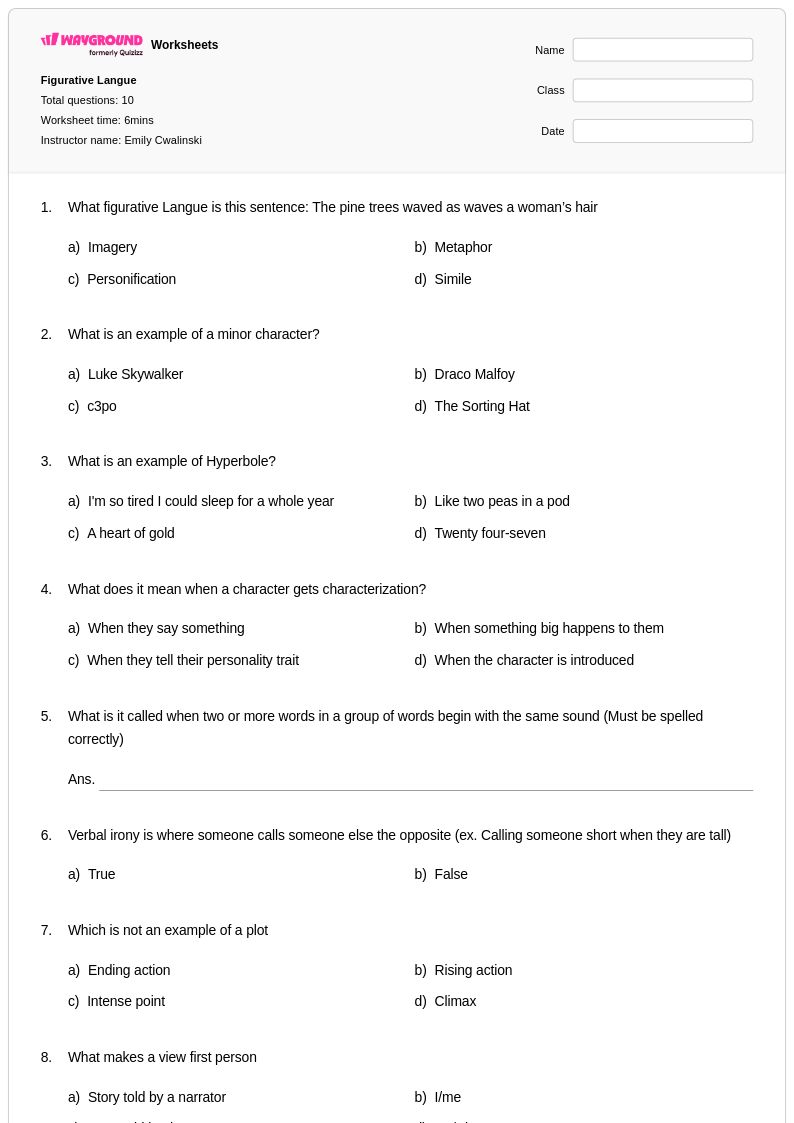
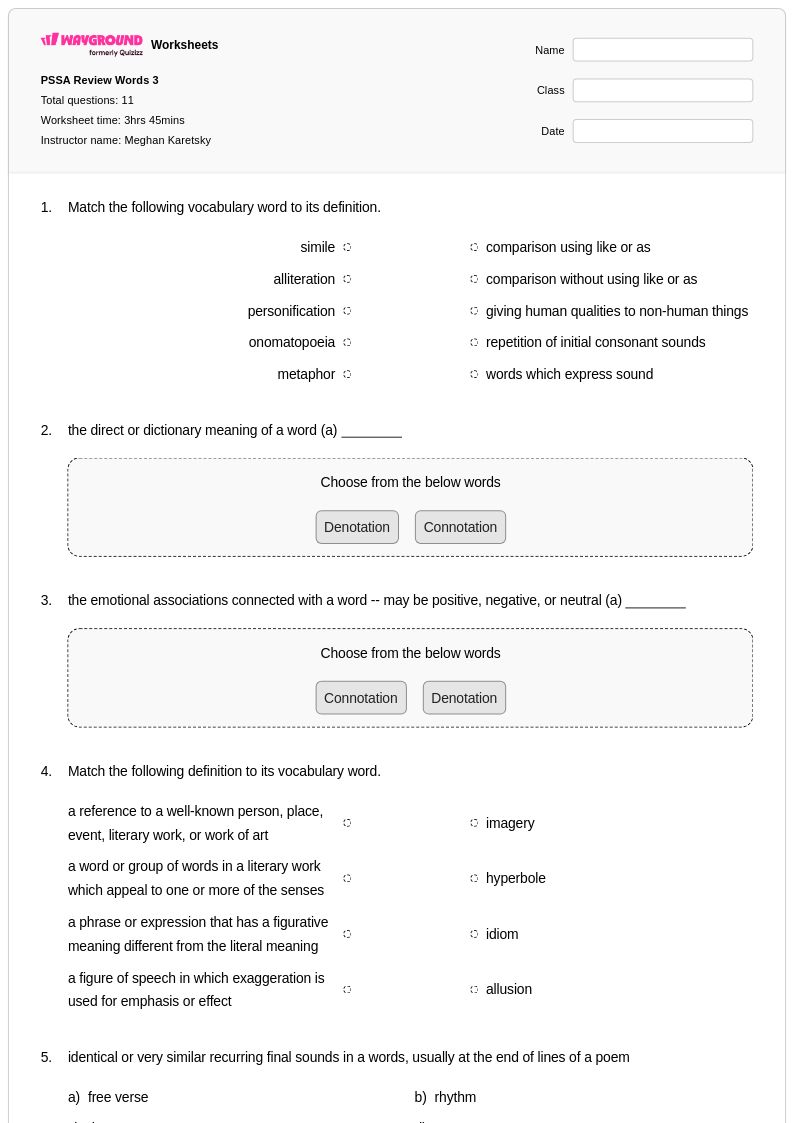
LETRS literacy instruction for Class 7 students requires comprehensive worksheets that bridge foundational reading science with advanced comprehension strategies. Wayground's extensive collection of LETRS-aligned worksheets targets the specific needs of seventh-grade learners who are transitioning from learning to read to reading to learn complex academic content. These carefully designed practice problems strengthen phonological awareness, morphological knowledge, vocabulary development, and text analysis skills that form the cornerstone of effective literacy instruction. Each worksheet includes detailed answer keys that support both independent student practice and guided instruction, while the free printable pdf format ensures accessibility for diverse classroom environments and home learning scenarios.
Wayground's platform empowers educators with millions of teacher-created LETRS literacy resources specifically curated for middle school instruction, featuring robust search and filtering capabilities that align with reading science standards and evidence-based practices. The comprehensive collection supports differentiated instruction through customizable worksheets that can be modified for remediation, on-level practice, or enrichment activities, ensuring every Class 7 student receives appropriate challenge and support. Teachers benefit from flexible formatting options that include both digital and printable pdf versions, streamlining lesson planning while maintaining the structured, systematic approach essential to LETRS methodology. This extensive resource library enables educators to implement consistent, research-backed literacy instruction that addresses the complex reading demands facing seventh-grade students across all academic disciplines.
FAQs
How do I teach the five components of literacy using LETRS-aligned materials?
LETRS (Language Essentials for Teachers of Reading and Spelling) organizes literacy instruction around five core components: phonological awareness, phonics, fluency, vocabulary, and comprehension. Effective implementation requires explicit, systematic instruction in each area, introduced in a cumulative sequence so that foundational skills like phonemic awareness and decoding are firmly established before more complex skills like morphology and syntax are layered in. LETRS-aligned worksheets provide structured practice problems that mirror this sequence, giving students repeated, targeted exposure to each component in the order the science of reading recommends.
What exercises help students practice phonemic awareness and phonics within a structured literacy framework?
Effective phonemic awareness exercises include segmenting and blending spoken sounds, identifying rhymes, and manipulating phonemes within words, all without print. Phonics practice builds directly on this by connecting those sounds to letters and patterns, progressing from simple CVC words to consonant blends, digraphs, and multisyllabic word decoding. LETRS-aligned worksheets are designed to target these skills systematically, providing structured practice that reinforces the explicit instruction students have received rather than relying on incidental or context-based learning.
What are the most common mistakes students make when learning to decode multisyllabic words?
Students frequently default to guessing from context or initial letters rather than fully decoding multisyllabic words, which stalls reading growth once texts grow more complex. They often struggle to identify syllable boundaries correctly, confuse open and closed syllable patterns, or fail to apply morphological knowledge such as prefixes, suffixes, and roots. Structured literacy worksheets that isolate these patterns and require students to explicitly mark syllable types or build words from morphemes help correct these error patterns before they become ingrained habits.
How do I differentiate LETRS literacy instruction for students reading below grade level?
Differentiation within a structured literacy framework means adjusting the starting point of the instructional sequence, not skipping steps. Students reading below grade level need to be assessed to identify exactly where their phonological awareness or phonics knowledge breaks down, then placed back in the sequence at that point with explicit re-teaching. On Wayground, teachers can apply student-level accommodations such as Read Aloud support, reduced answer choices, and extended time to LETRS-aligned worksheets, making the same rigorous content accessible without altering the evidence-based instructional design. These settings can be assigned to individual students and saved for reuse across future sessions.
How do I use LETRS literacy instruction worksheets from Wayground in my classroom?
LETRS literacy instruction worksheets on Wayground are available as printable PDFs for traditional classroom use and in digital formats for technology-integrated instruction, accommodating a range of teaching environments and student preferences. Teachers can also host the worksheets as a live or asynchronous quiz directly on Wayground, making it easy to collect student responses and monitor progress in real time. Each worksheet includes a complete answer key, so they can be used efficiently for guided practice, independent work, or targeted remediation without additional teacher preparation.
How do I align my literacy worksheets to specific LETRS modules and reading standards?
Aligning practice materials to specific LETRS modules requires knowing which phonics patterns, phonological skills, or comprehension strategies each module addresses and selecting resources that isolate those exact skills. Wayground's search and filtering tools allow educators to locate worksheets tied to specific LETRS modules, reading standards, and individual student needs, reducing the time spent hunting for materials that match the current instructional focus. Consistently using module-aligned resources reinforces the cumulative, systematic nature of LETRS instruction and prevents students from encountering skills out of sequence.