
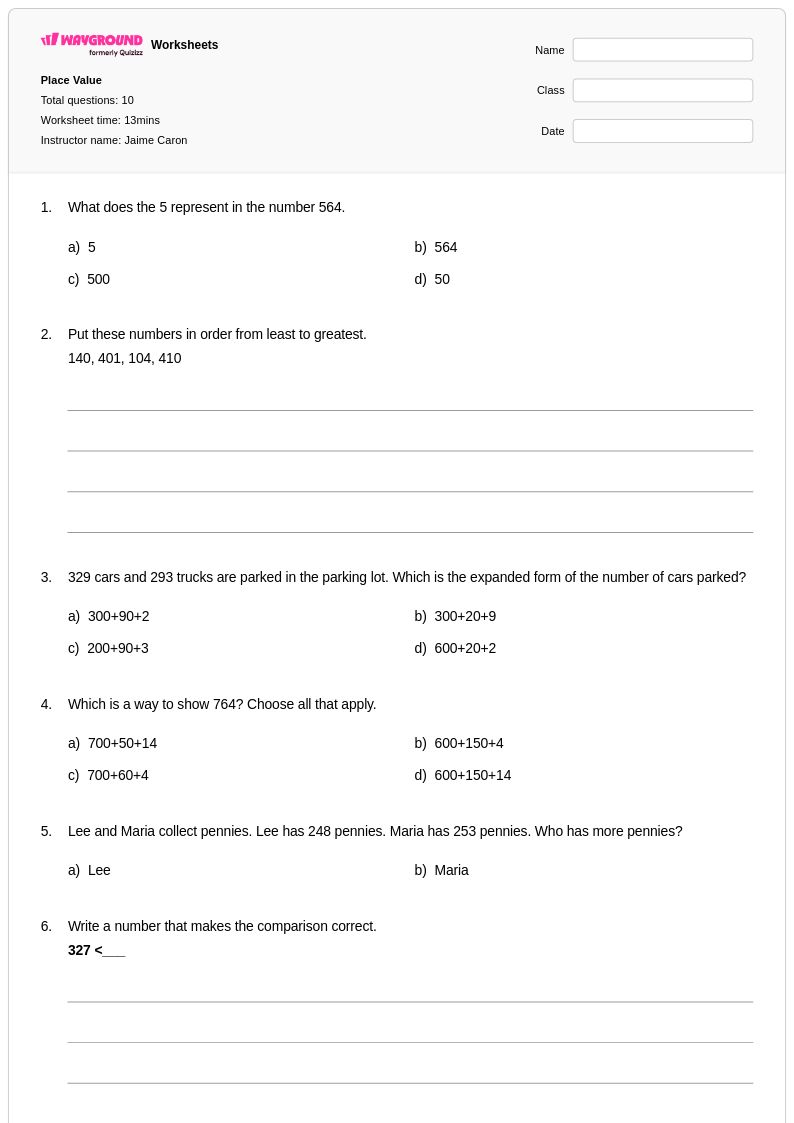
10 Q
2nd
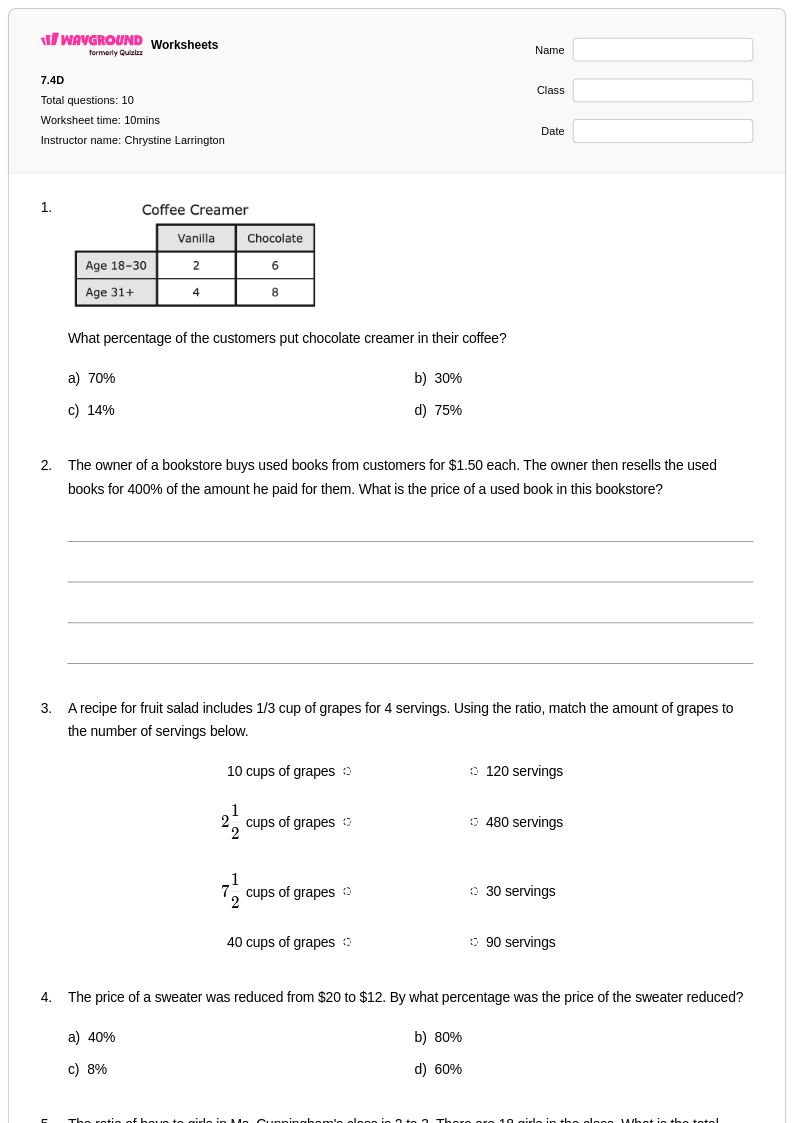
10 Q
7th
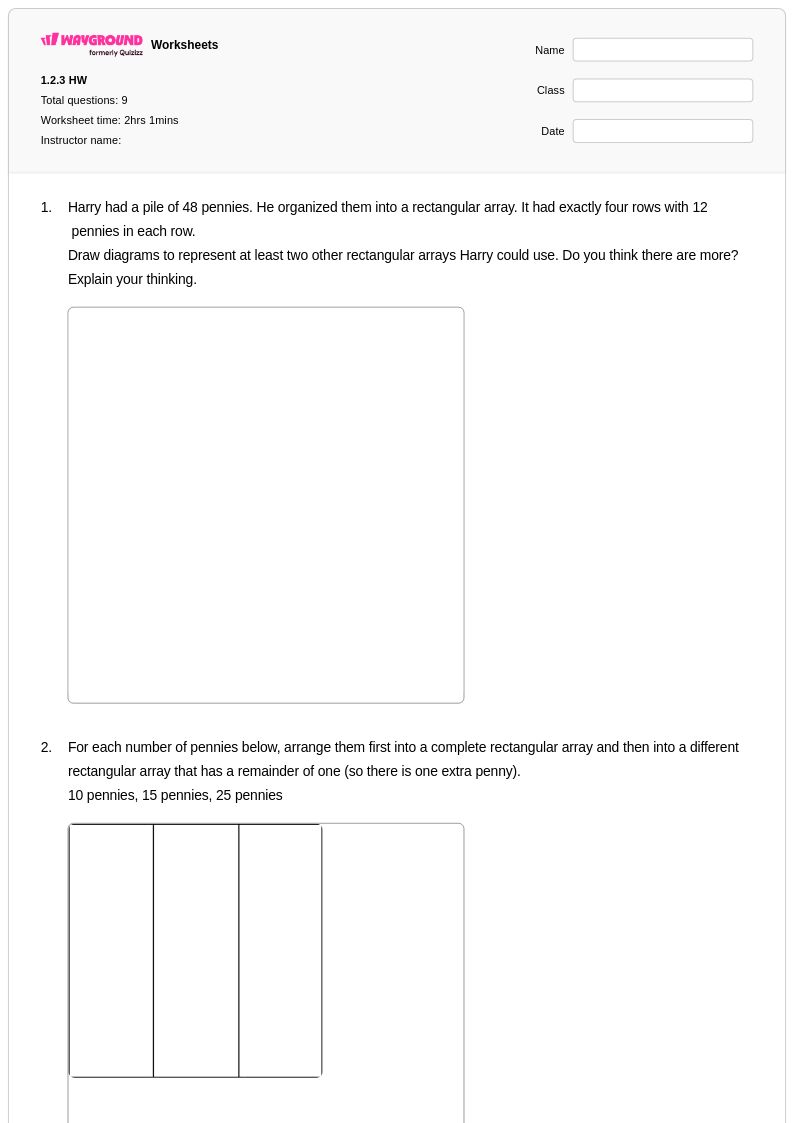
9 Q
6th
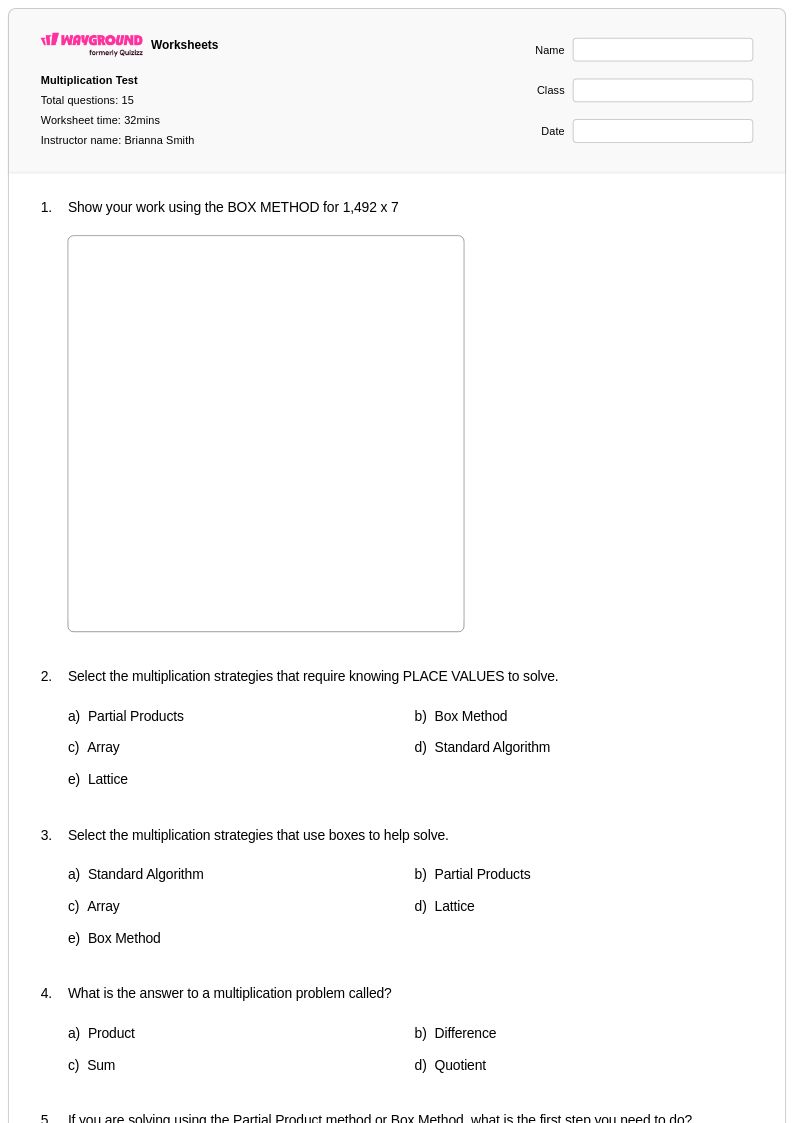
15 Q
3rd - 8th
20 Q
4th
21 Q
6th
20 Q
6th - Uni
13 Q
2nd
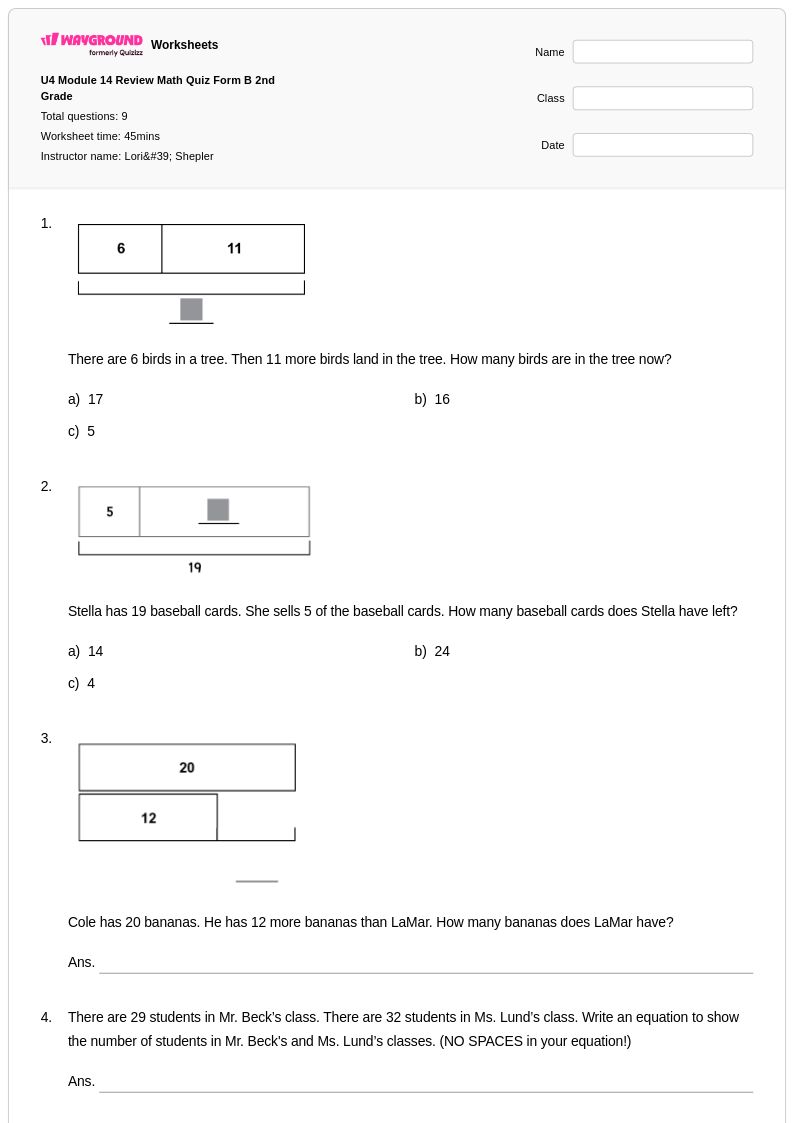
9 Q
2nd
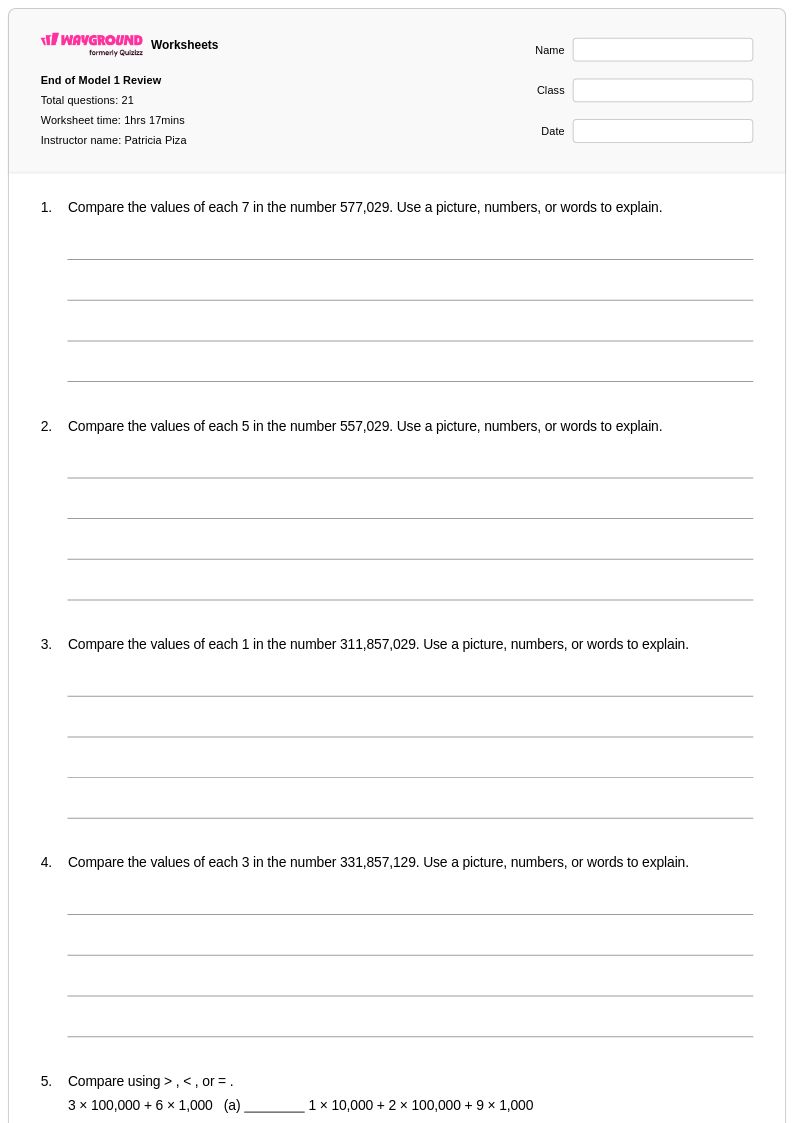
21 Q
4th
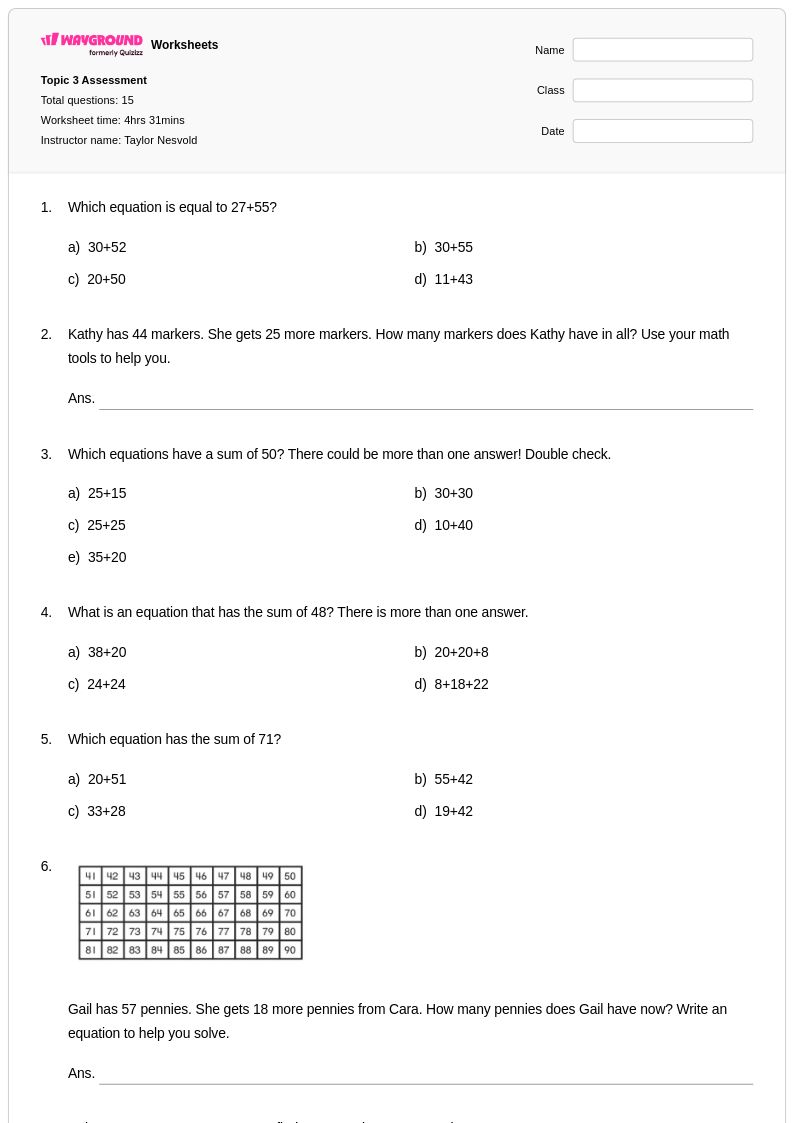
15 Q
2nd
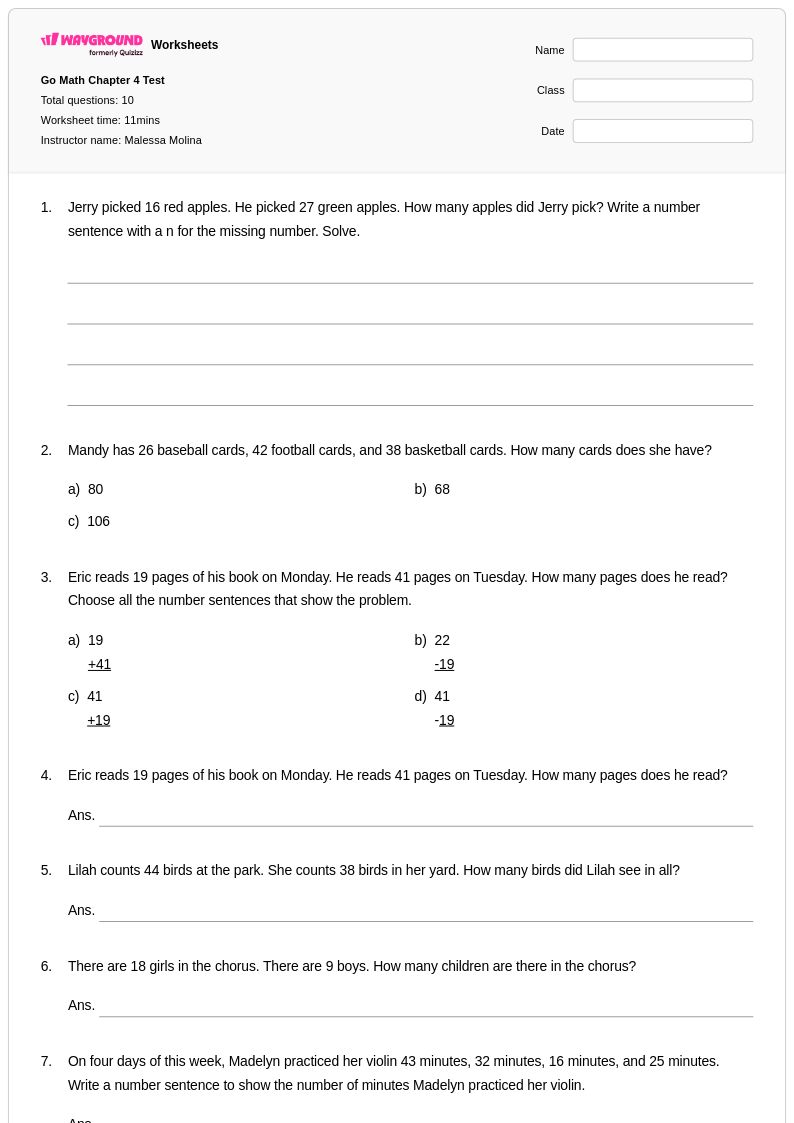
10 Q
2nd
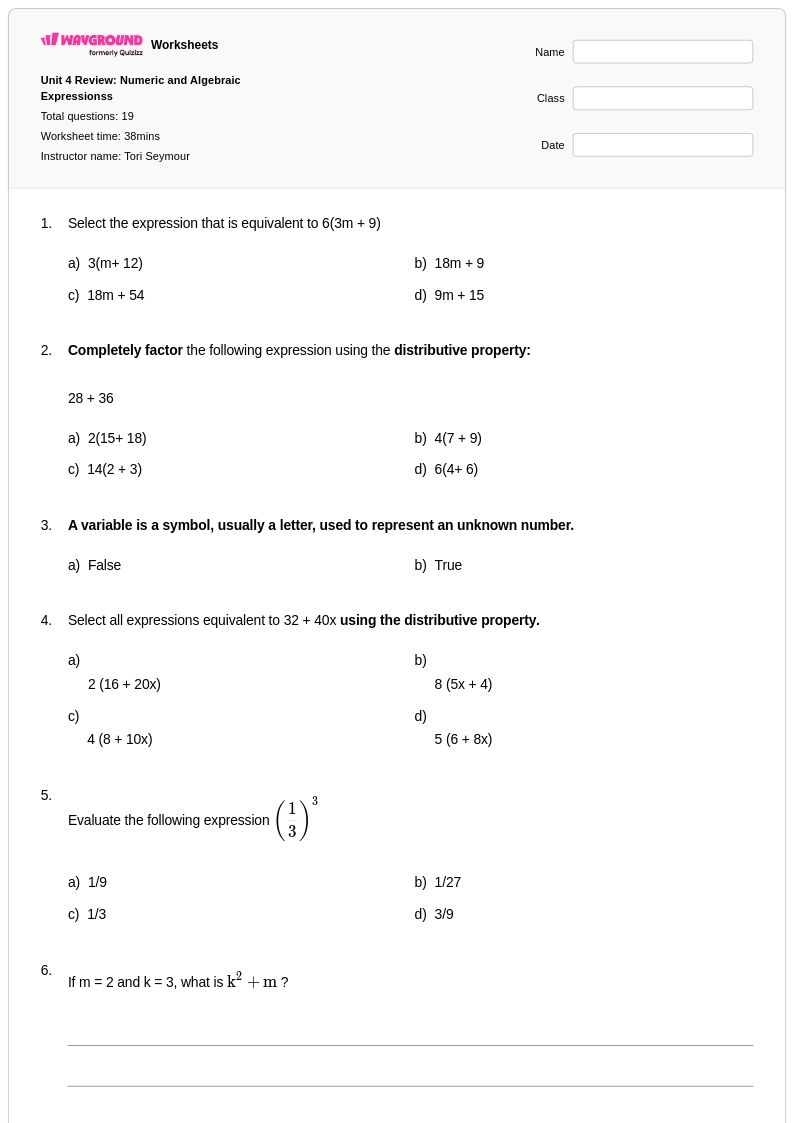
19 Q
6th
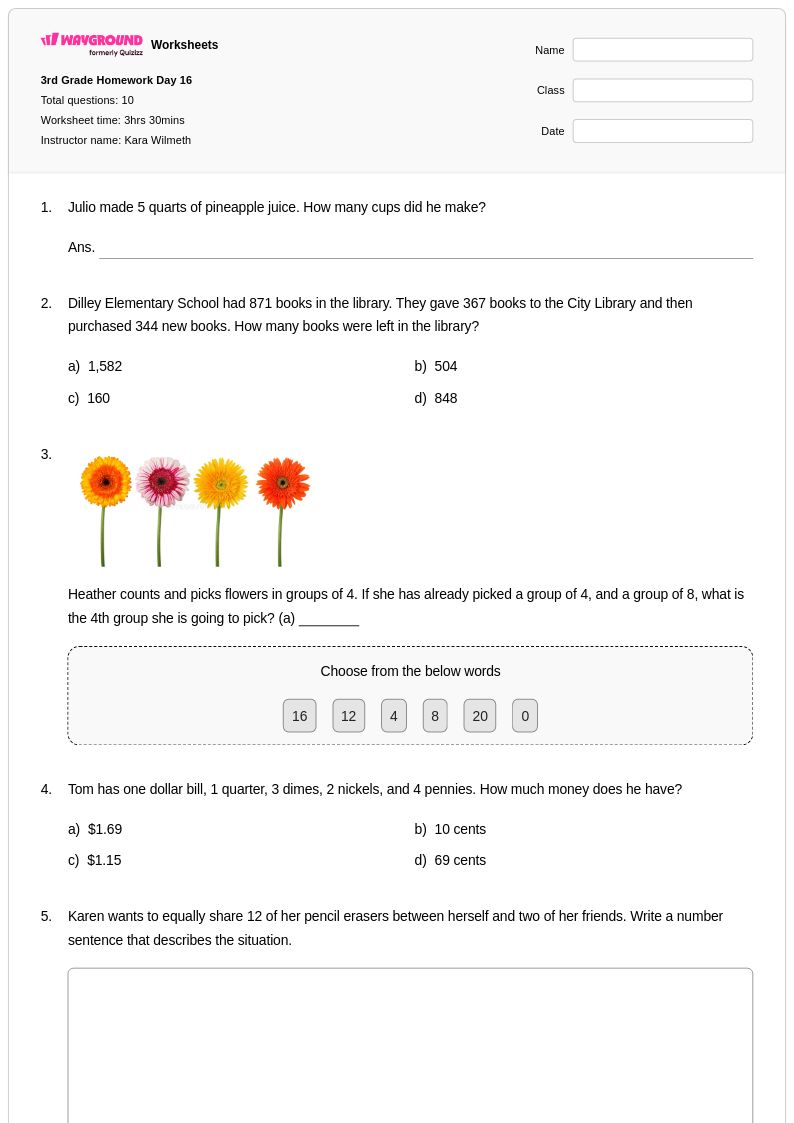
10 Q
3rd
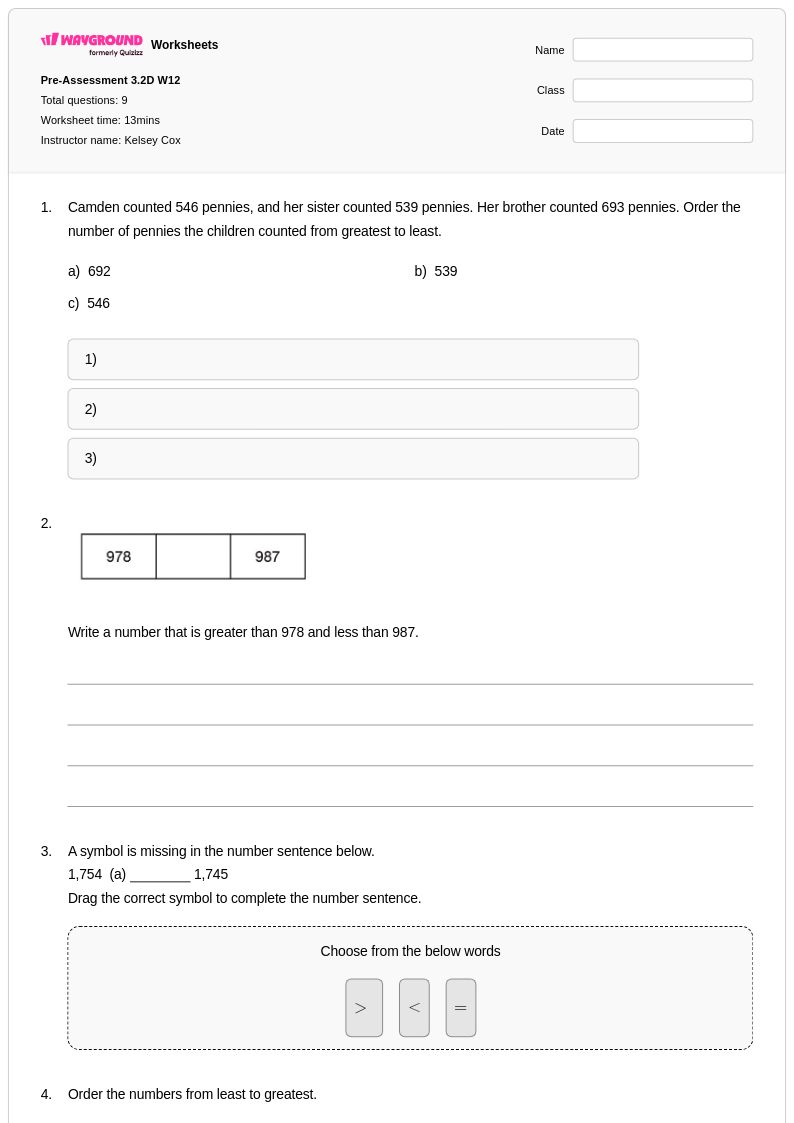
9 Q
3rd
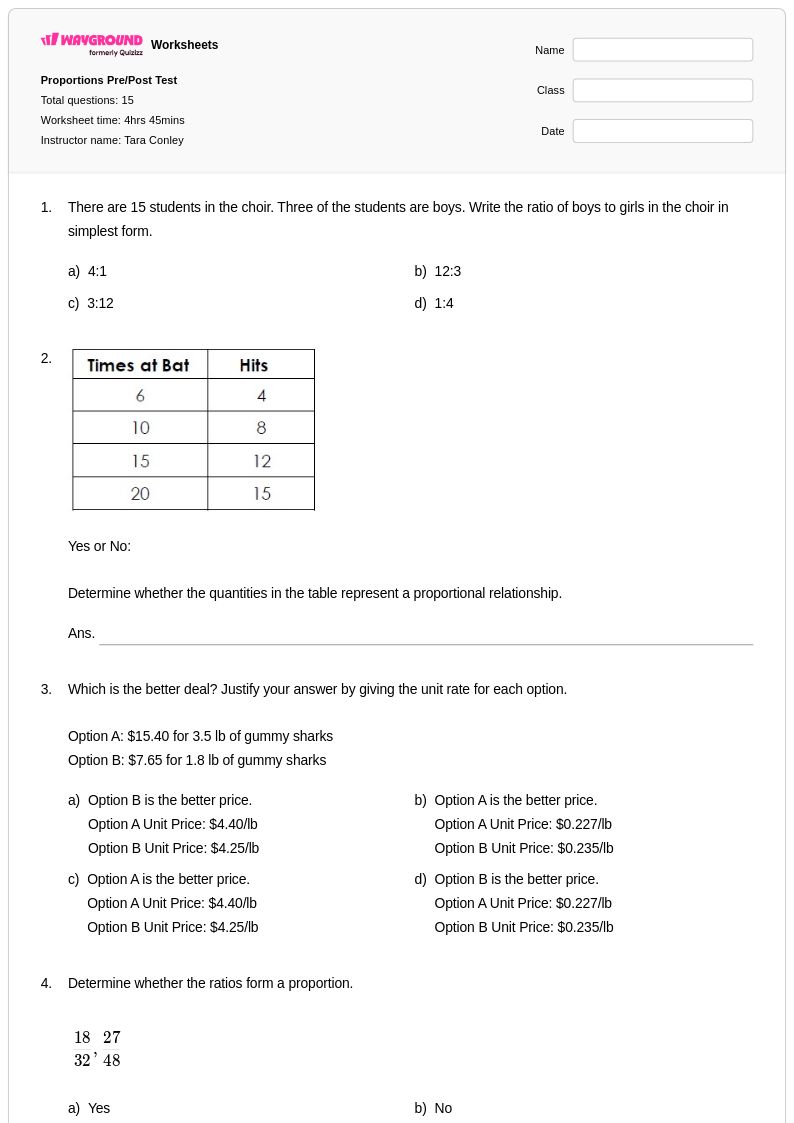
15 Q
7th
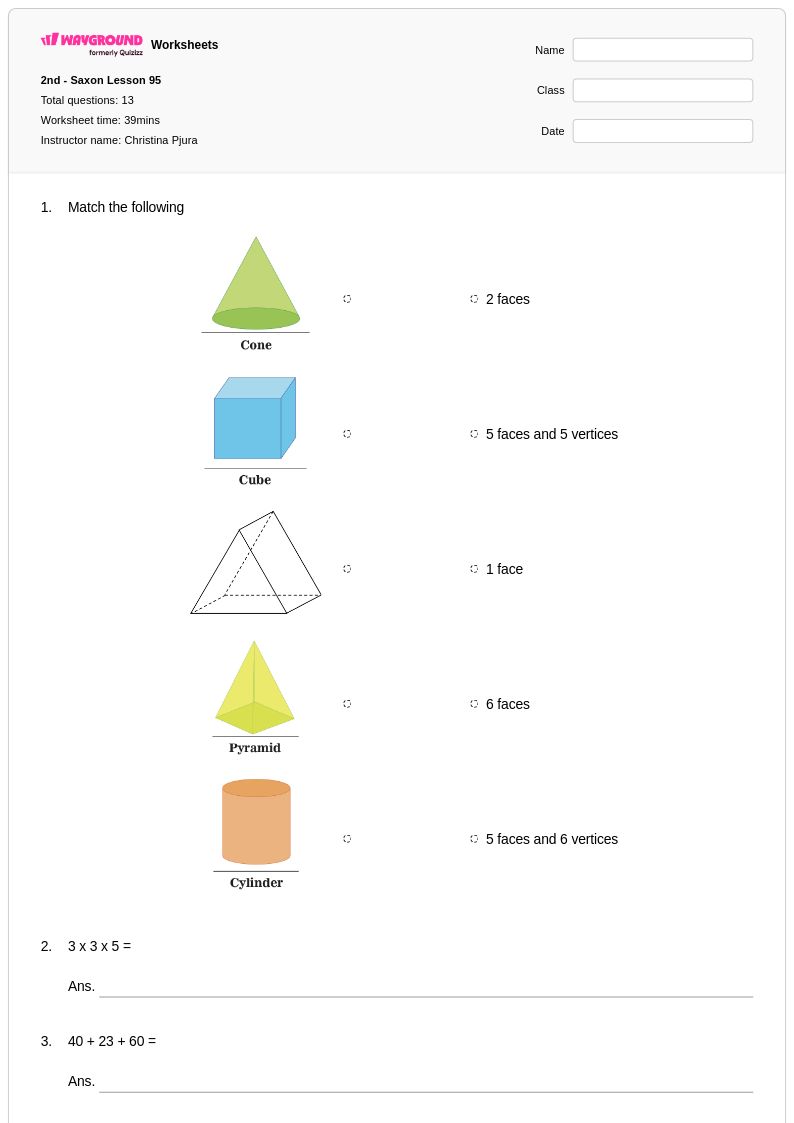
13 Q
2nd
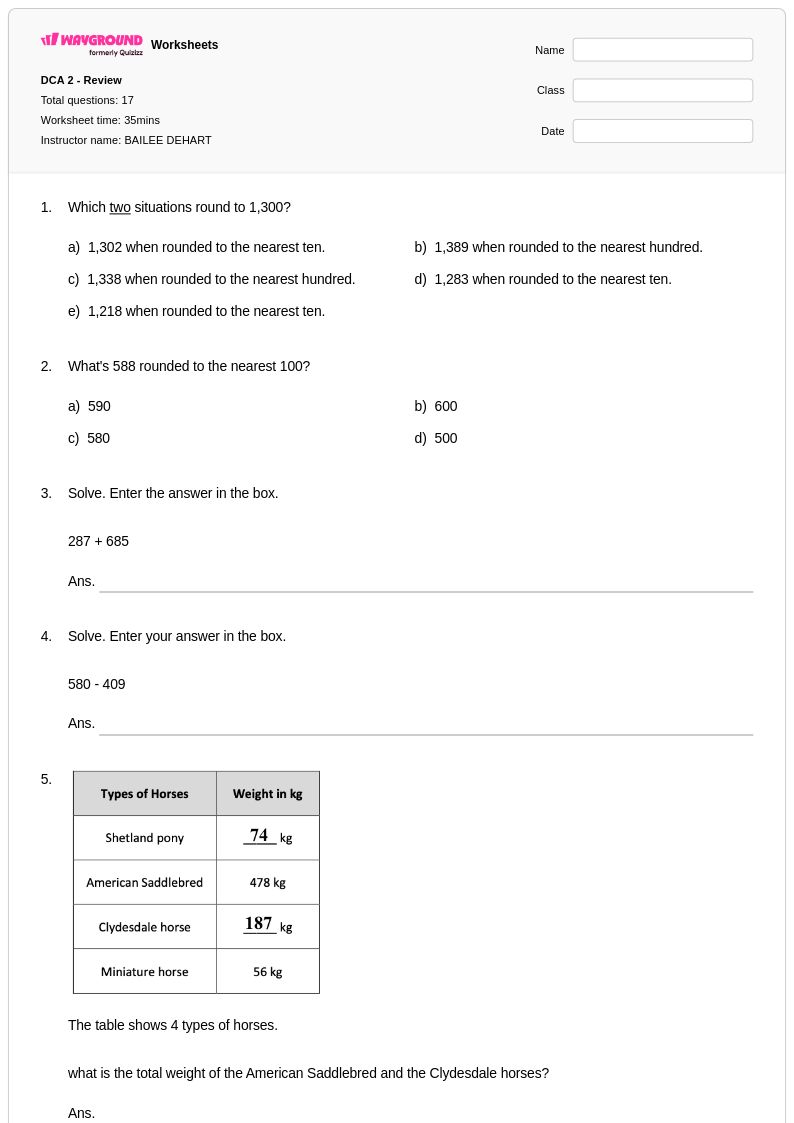
17 Q
3rd
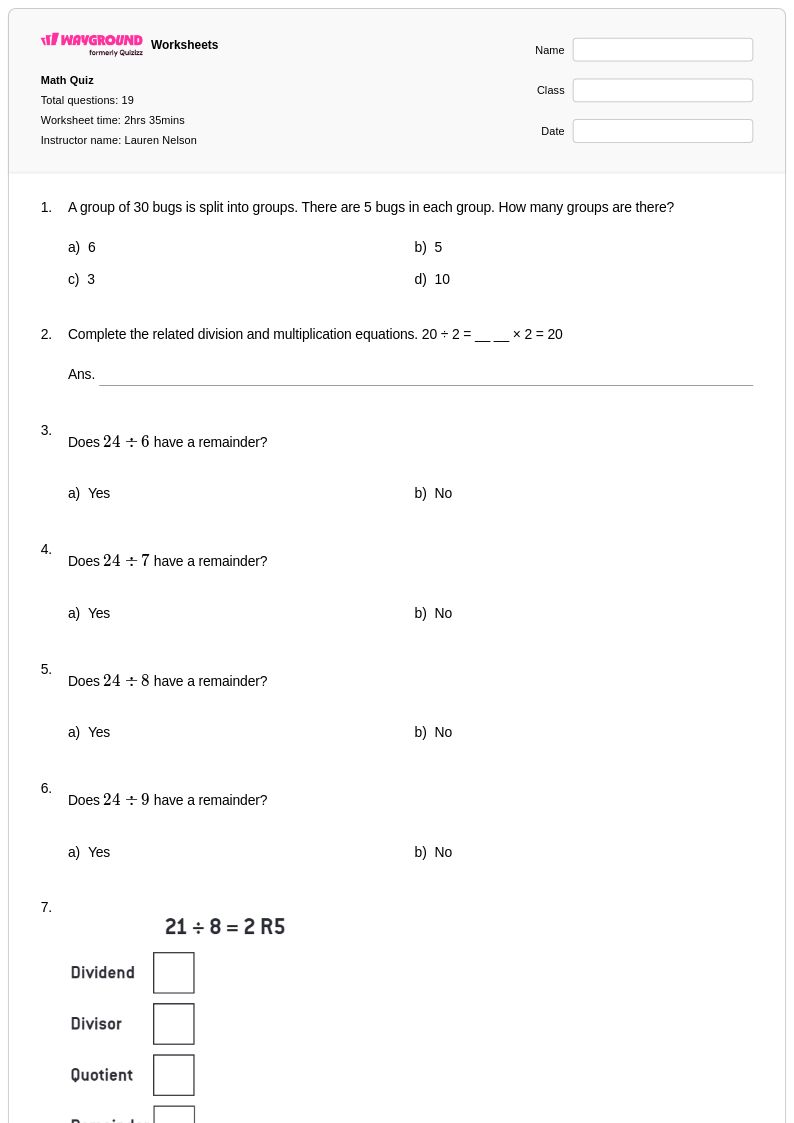
19 Q
5th - Uni
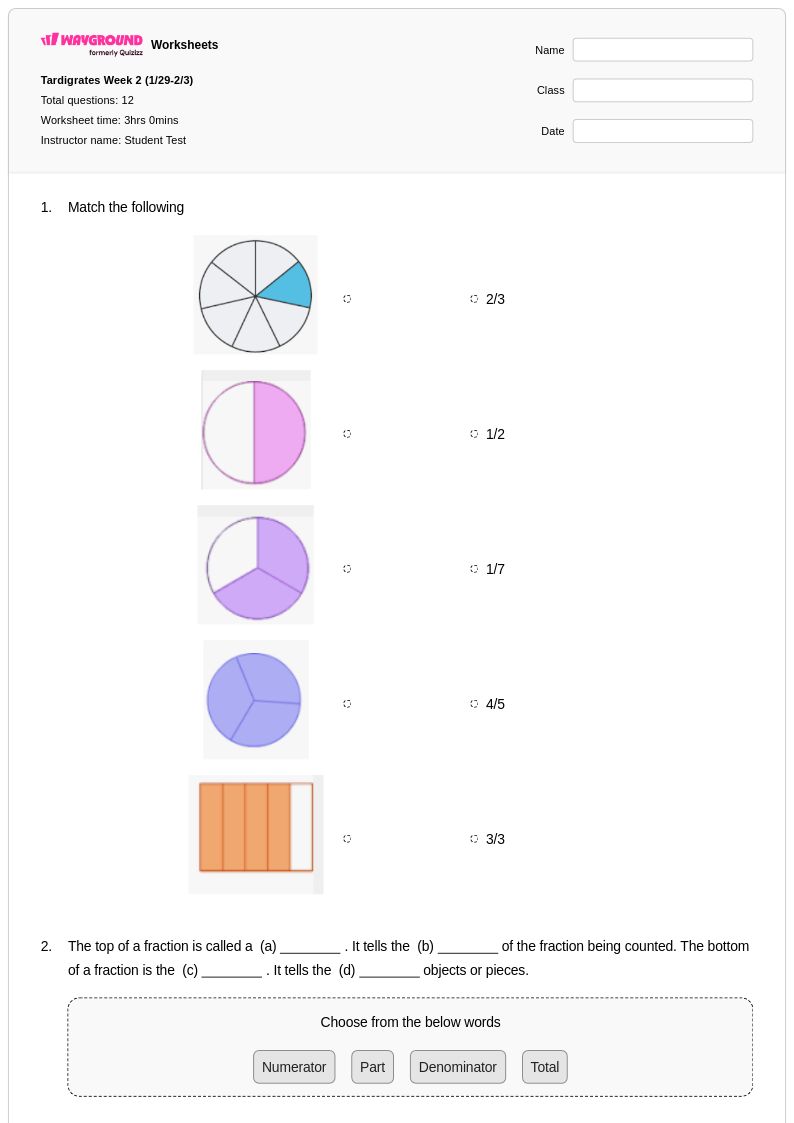
12 Q
5th
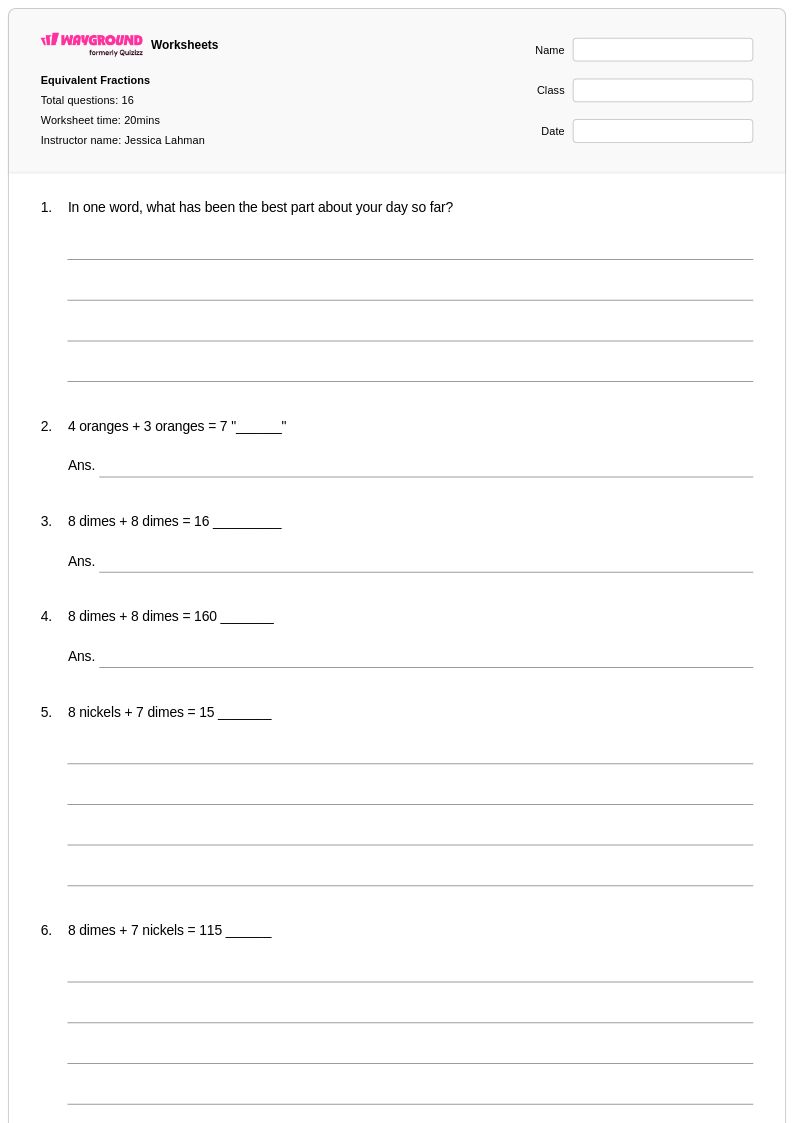
16 Q
12th
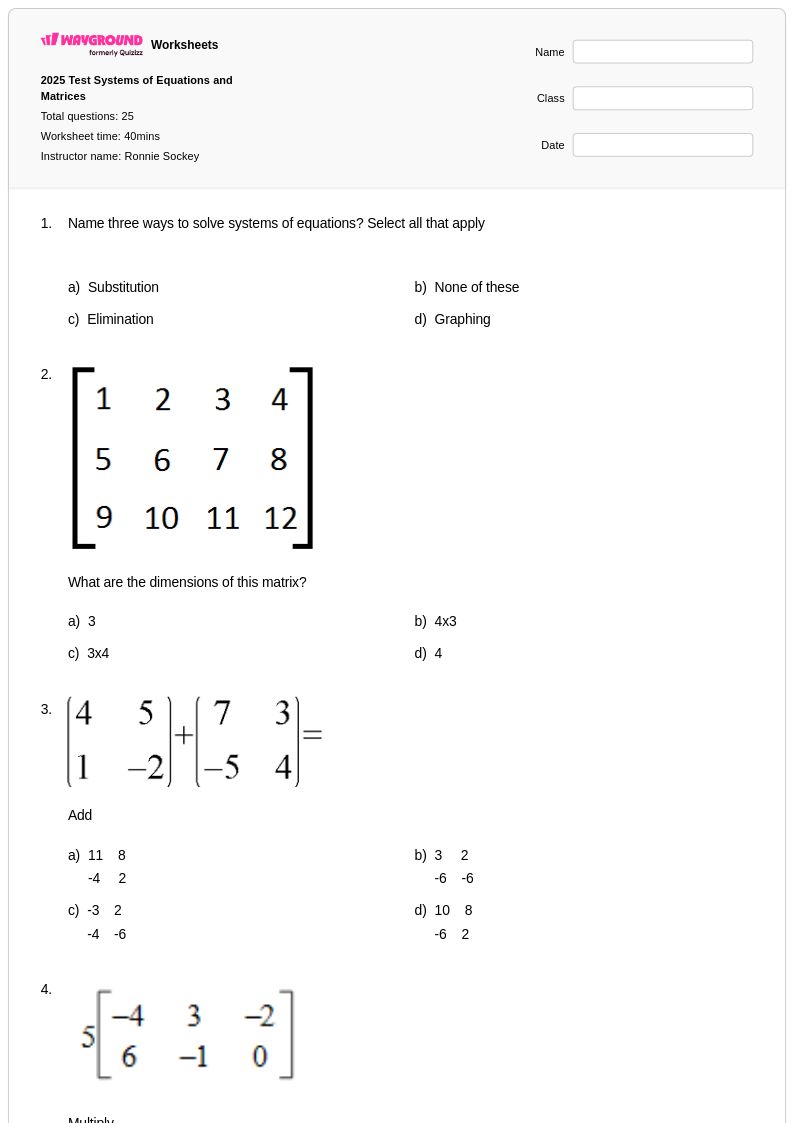
25 Q
9th - 12th
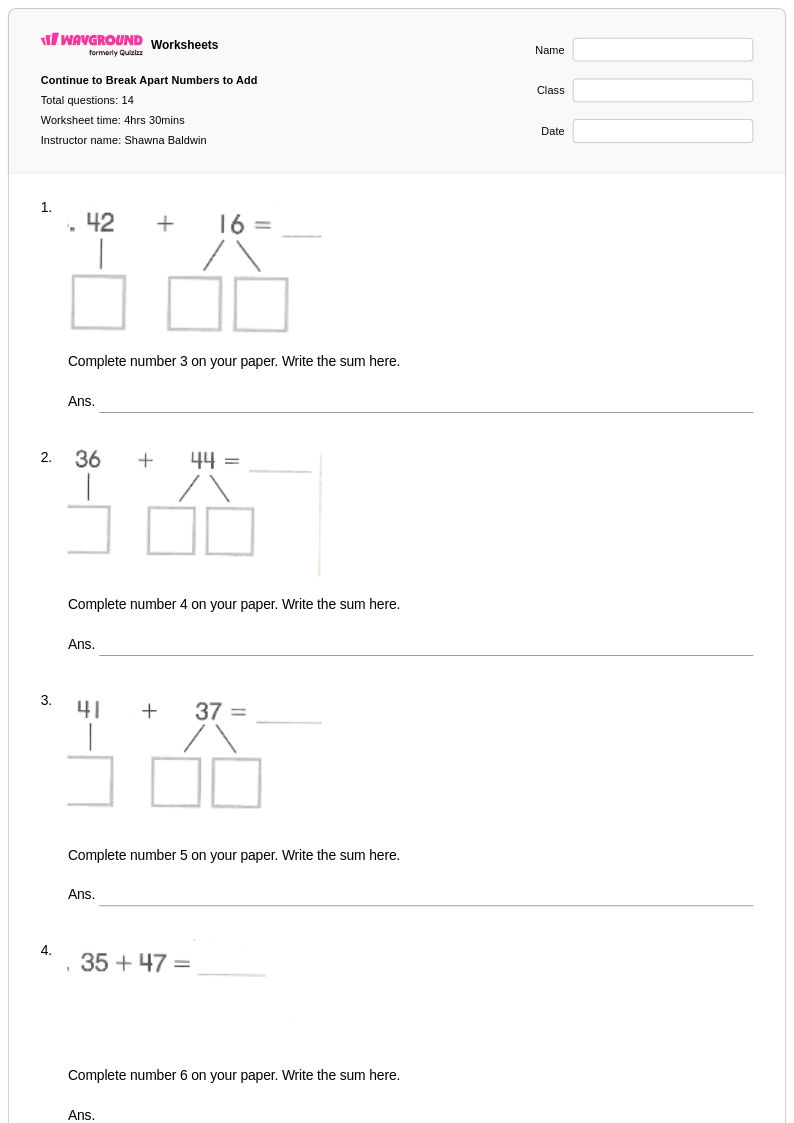
14 Q
2nd
Explore Pennies Worksheets by Grades
Explore Other Subject Worksheets for kindergarten
Explore printable Pennies worksheets for Kindergarten
Pennies worksheets for kindergarten students available through Wayground (formerly Quizizz) provide foundational practice in coin identification and early money concepts. These comprehensive printables focus specifically on helping young learners recognize the penny, understand its value, and develop essential pre-math skills through engaging visual activities. The worksheets strengthen critical abilities including visual discrimination, pattern recognition, and basic counting skills while introducing students to real-world mathematical applications. Each free resource includes carefully designed practice problems that progress from simple penny identification to more complex sorting and counting exercises, complete with answer keys that enable teachers to provide immediate feedback and assess student understanding through both digital and pdf formats.
Wayground (formerly Quizizz) empowers educators with an extensive collection of millions of teacher-created penny identification worksheets specifically designed for kindergarten mathematics instruction. The platform's robust search and filtering capabilities allow teachers to quickly locate resources that align with early childhood mathematics standards and match their students' developmental needs. These differentiation tools enable seamless customization of worksheets to support remediation for struggling learners while providing enrichment opportunities for advanced students ready to explore additional coin concepts. The flexible availability of materials in both printable and digital formats, including downloadable pdfs, streamlines lesson planning and ensures teachers can deliver consistent skill practice whether in traditional classroom settings or remote learning environments, supporting comprehensive mathematical development through systematic penny recognition activities.
FAQs
What grade do students learn to identify pennies?
How do I teach pennies to kindergarteners?
What are good penny practice activities for kindergarten?
What shows a kindergartener understands the concept of a penny?
How can I use these kindergarten penny worksheets?
How does this align with kindergarten math standards?