Free Printable Thought Restructuring Worksheets for Class 9
Class 9 thought restructuring worksheets help students develop essential cognitive skills through engaging printables and practice problems that teach healthy thinking patterns, complete with answer keys for effective social-emotional learning.
Explore printable Thought Restructuring worksheets for Class 9
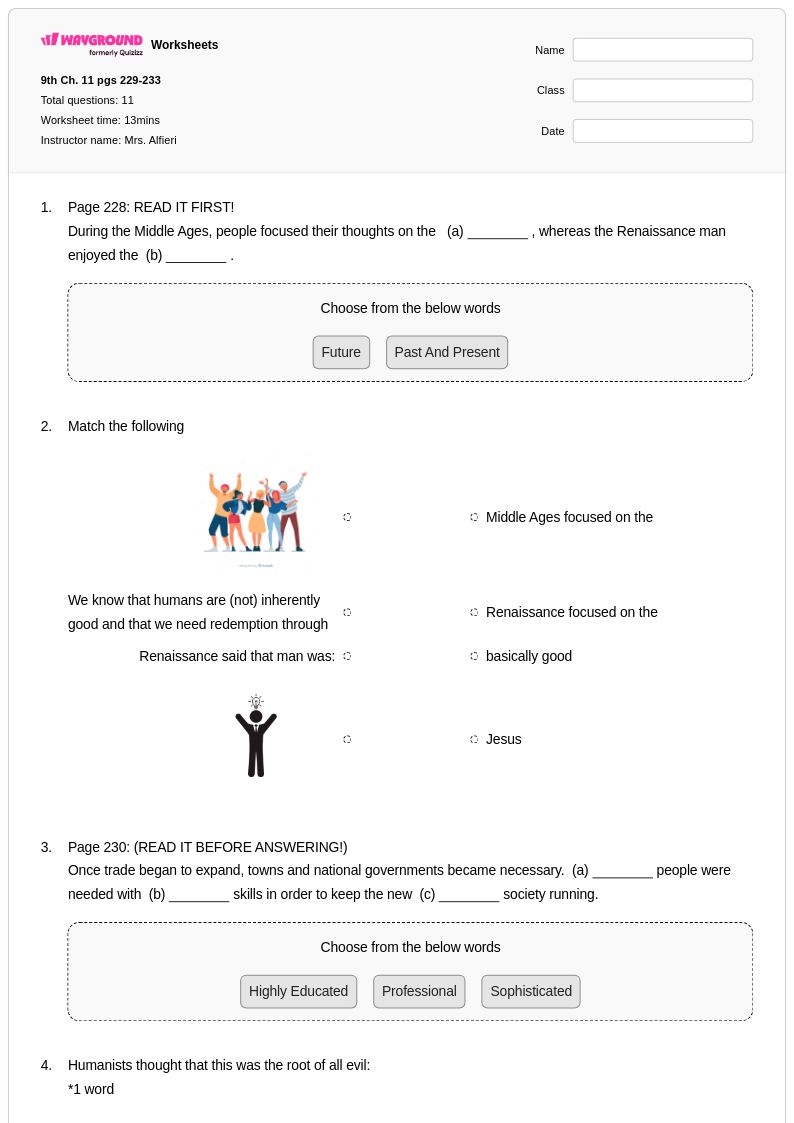
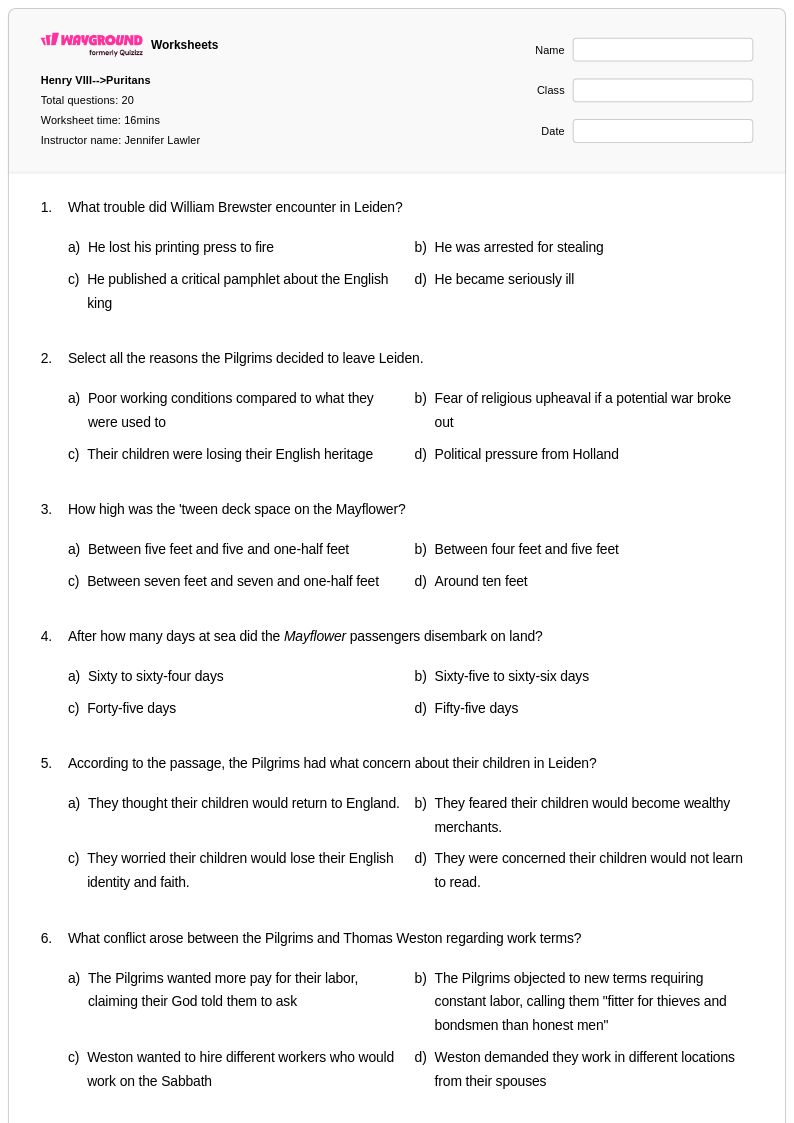
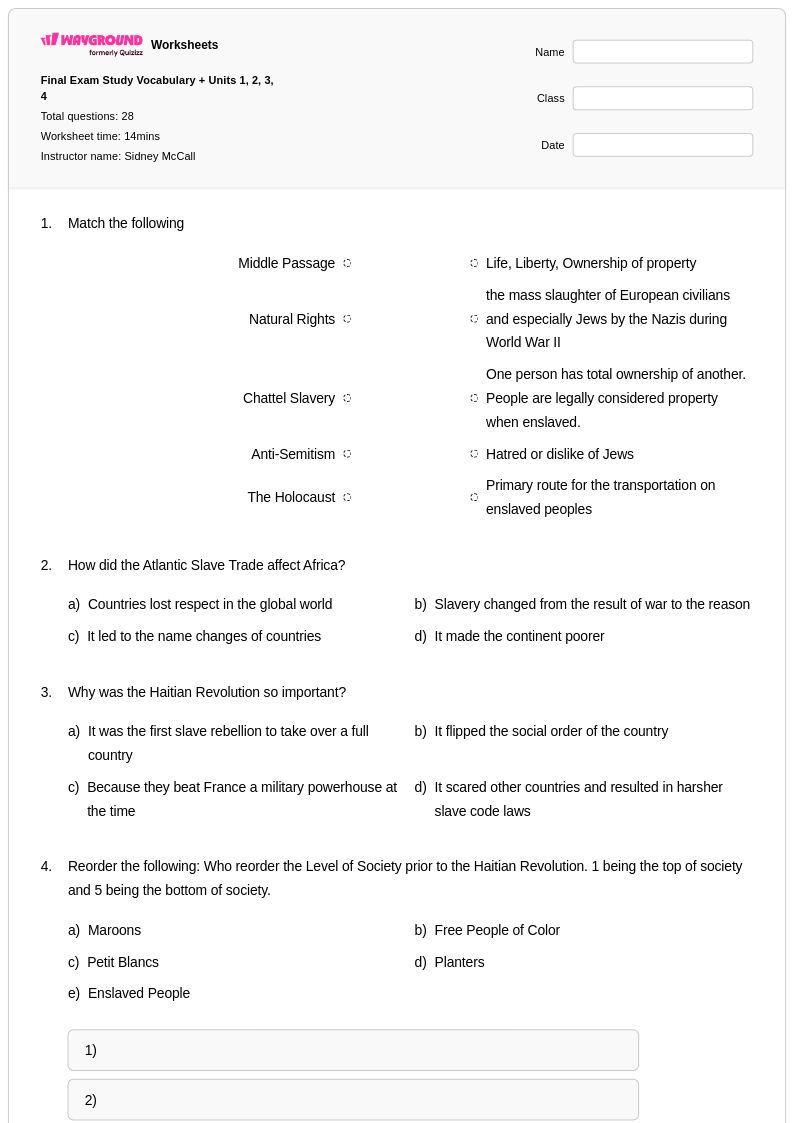
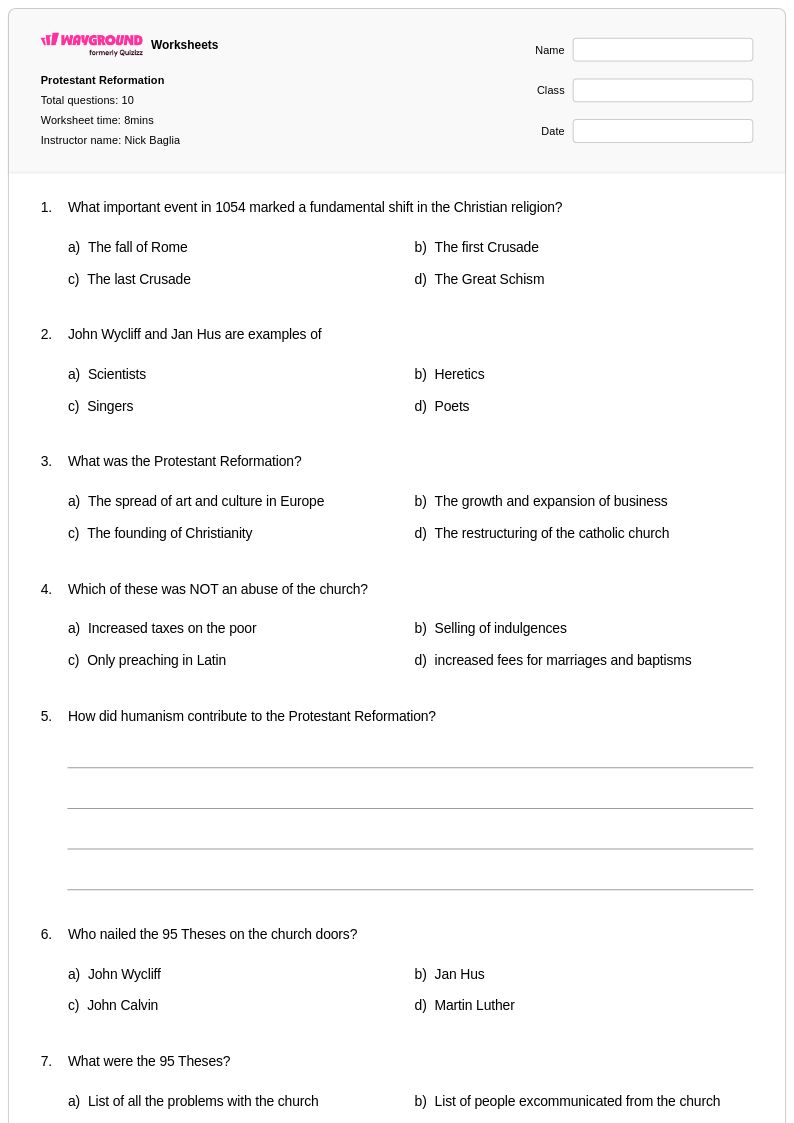
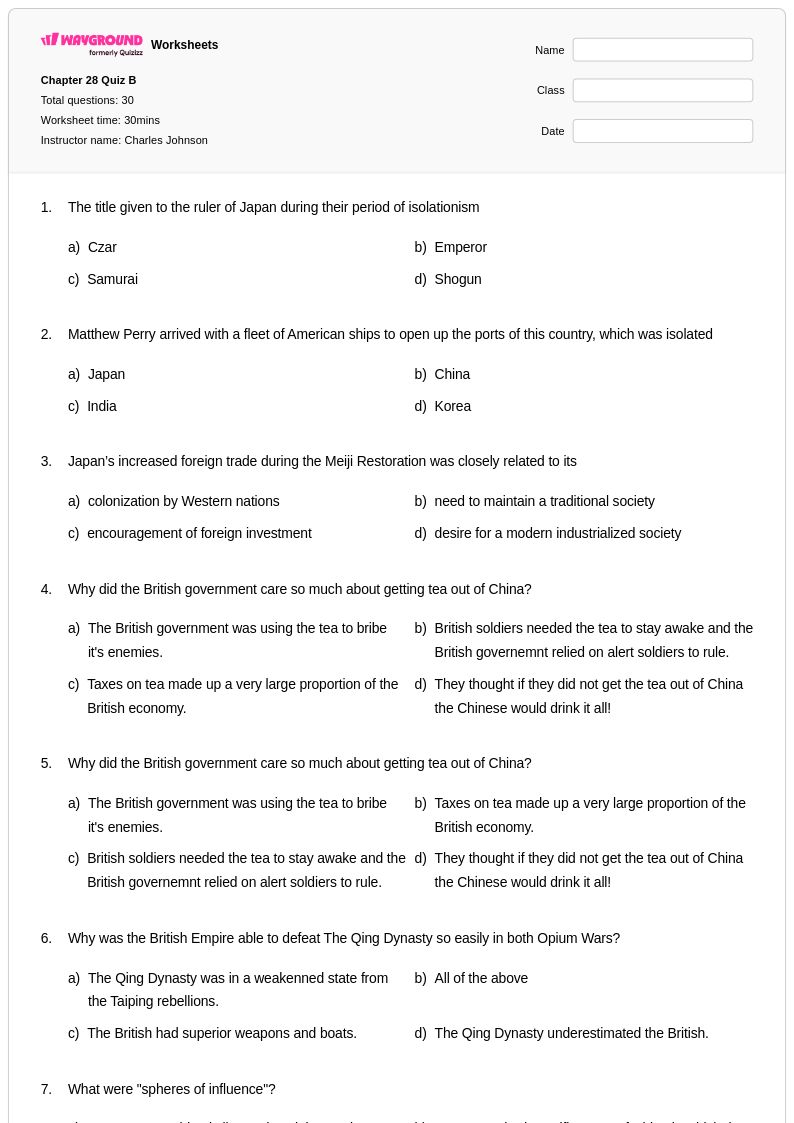
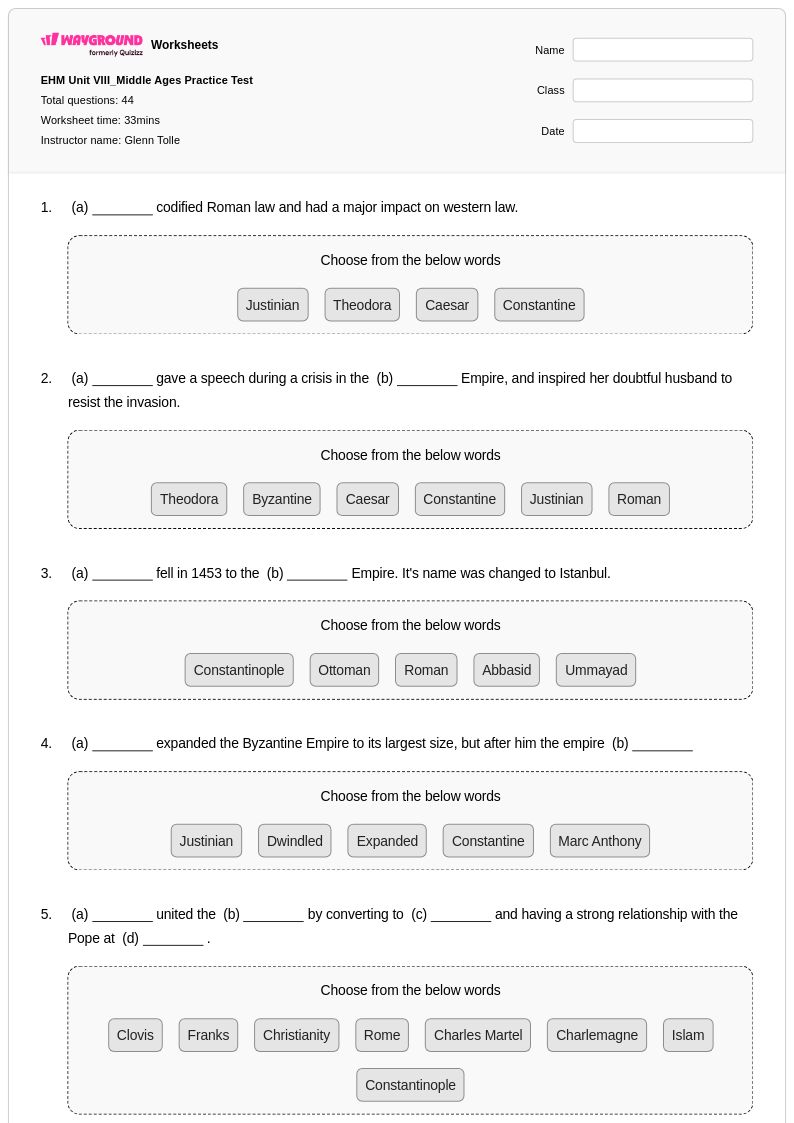
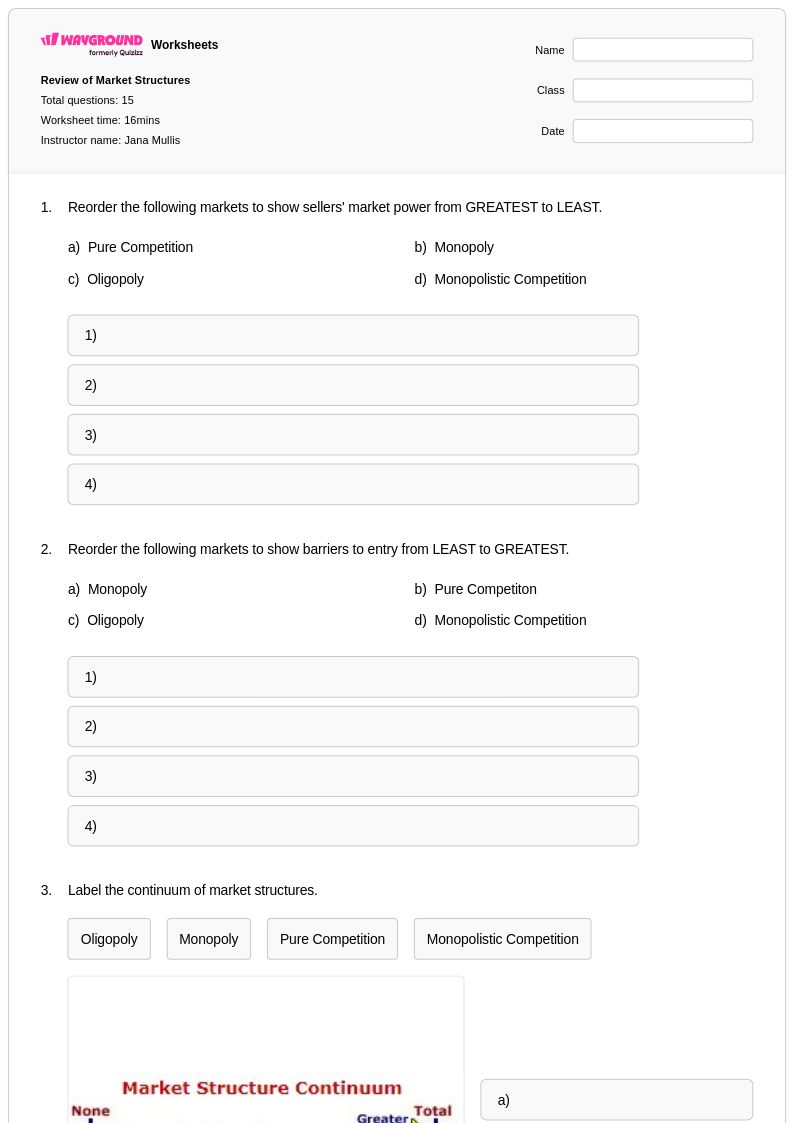
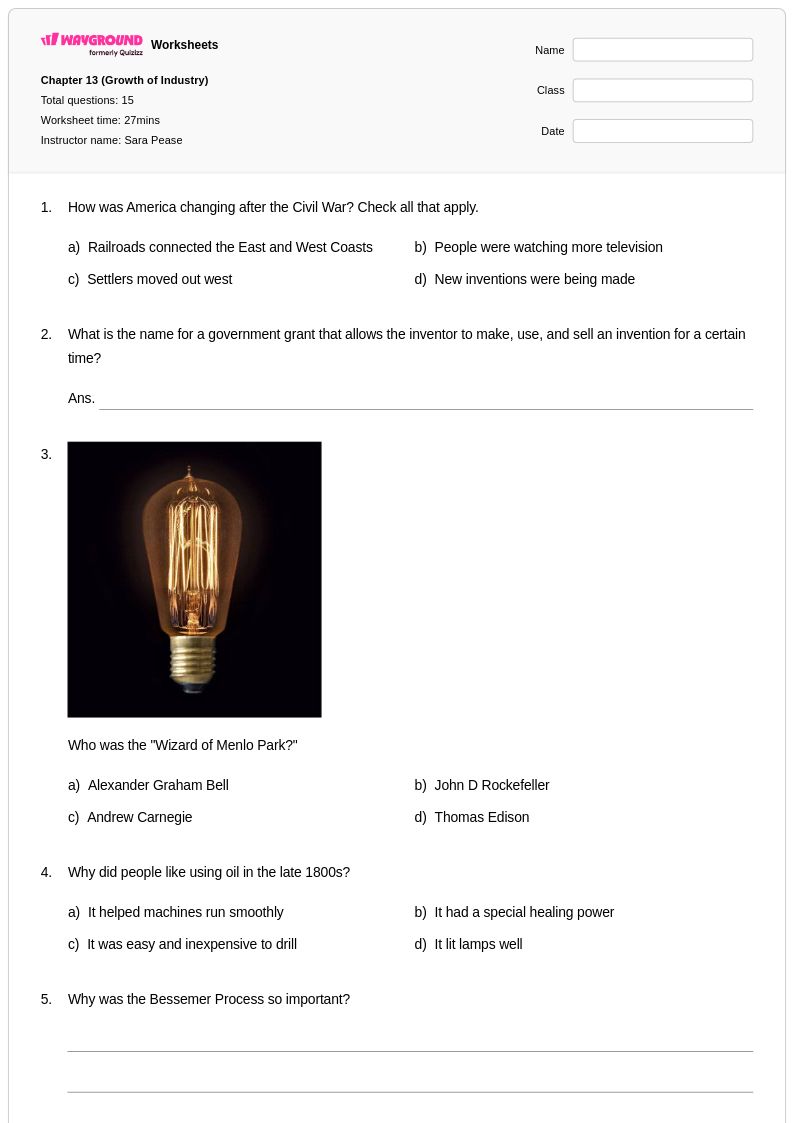
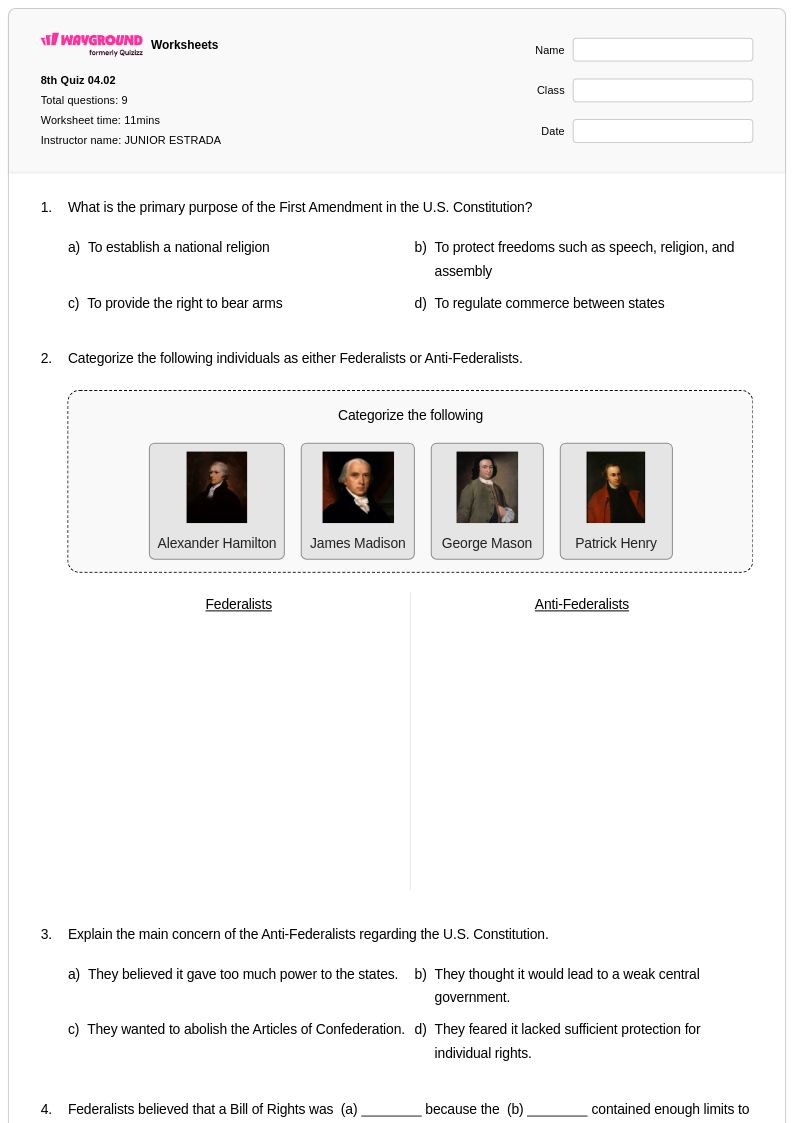
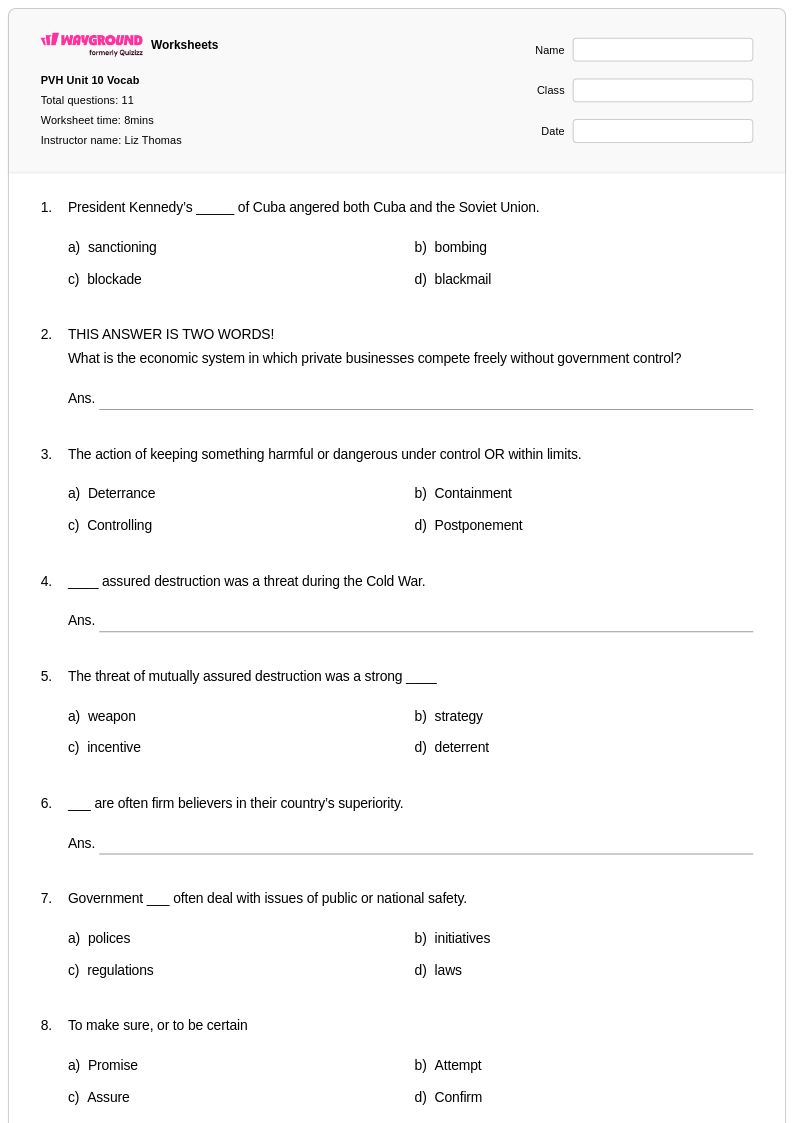
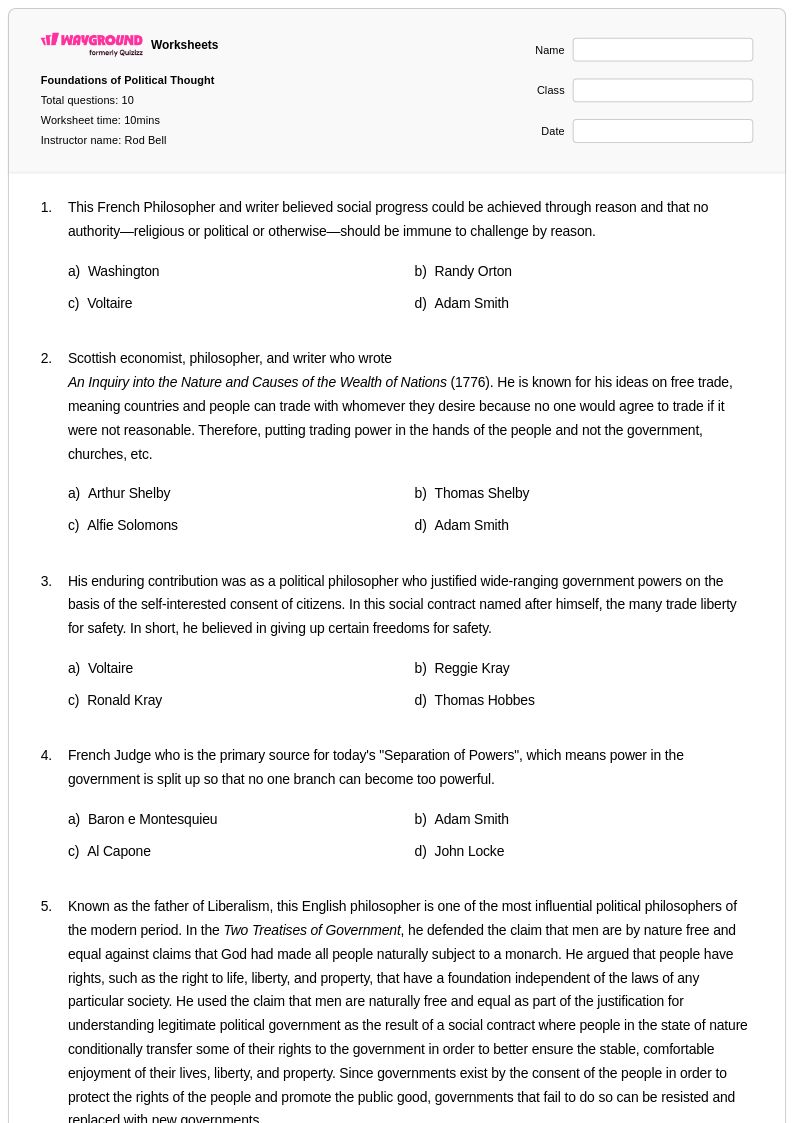
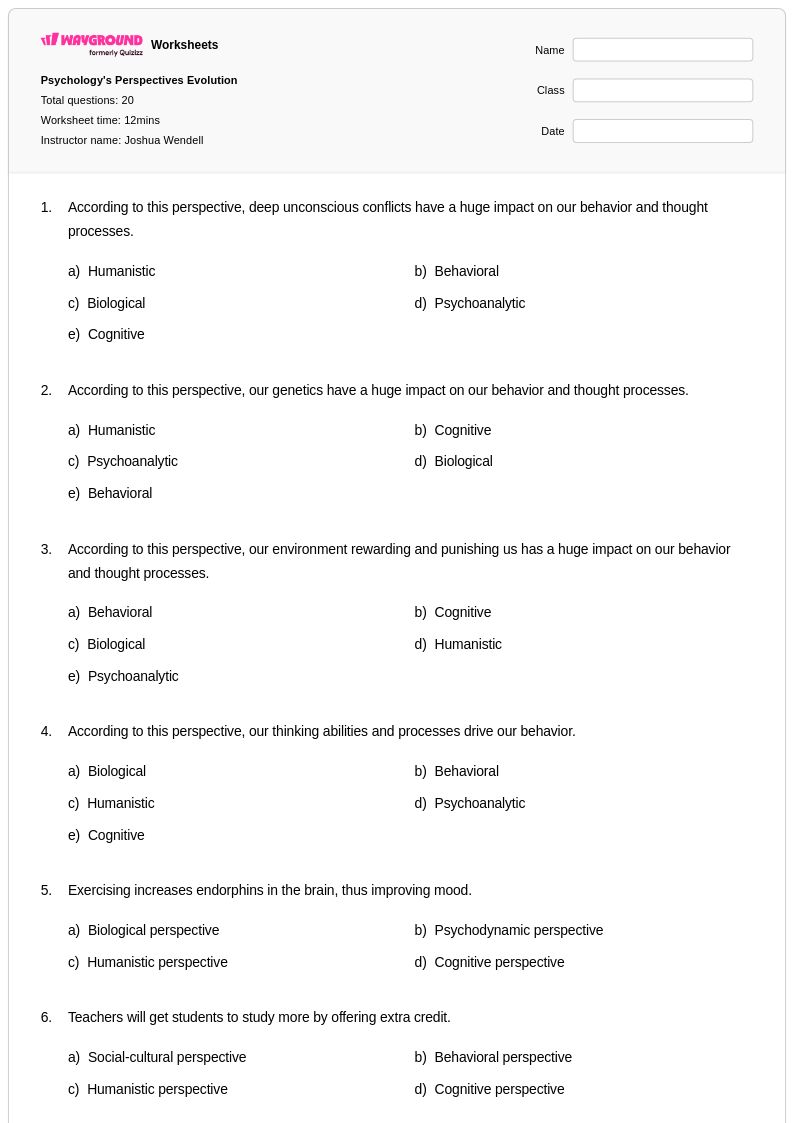
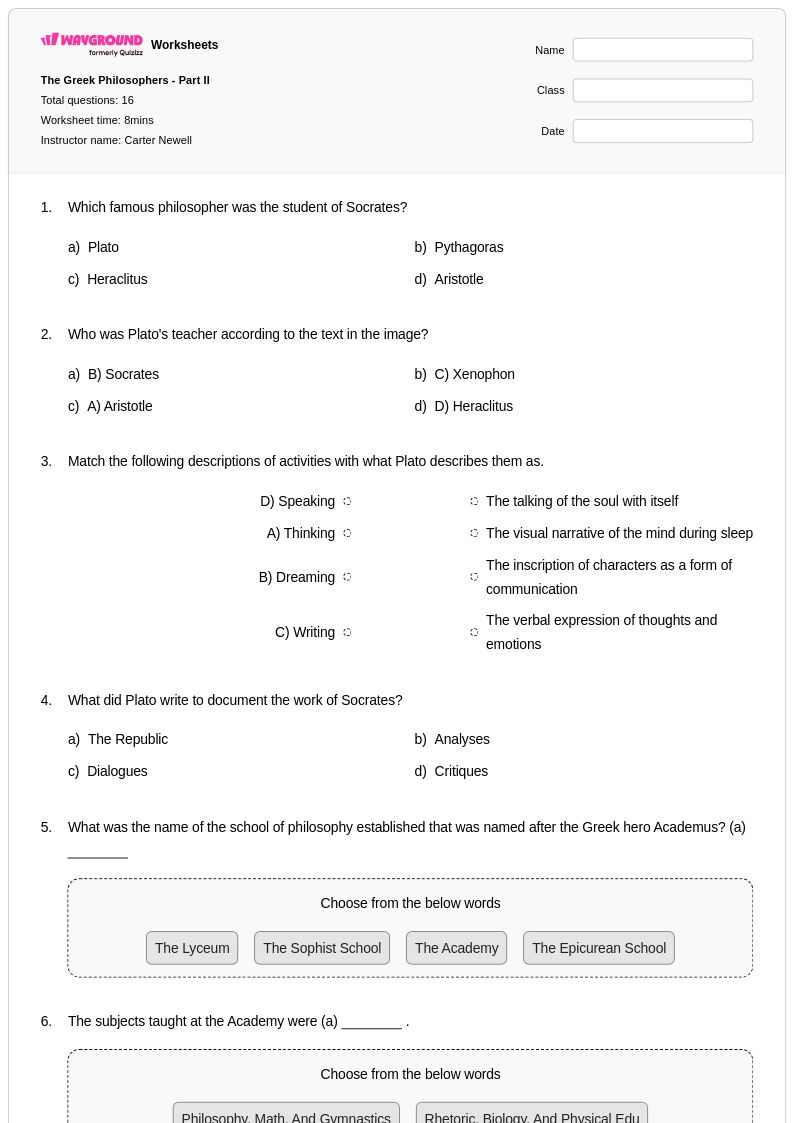
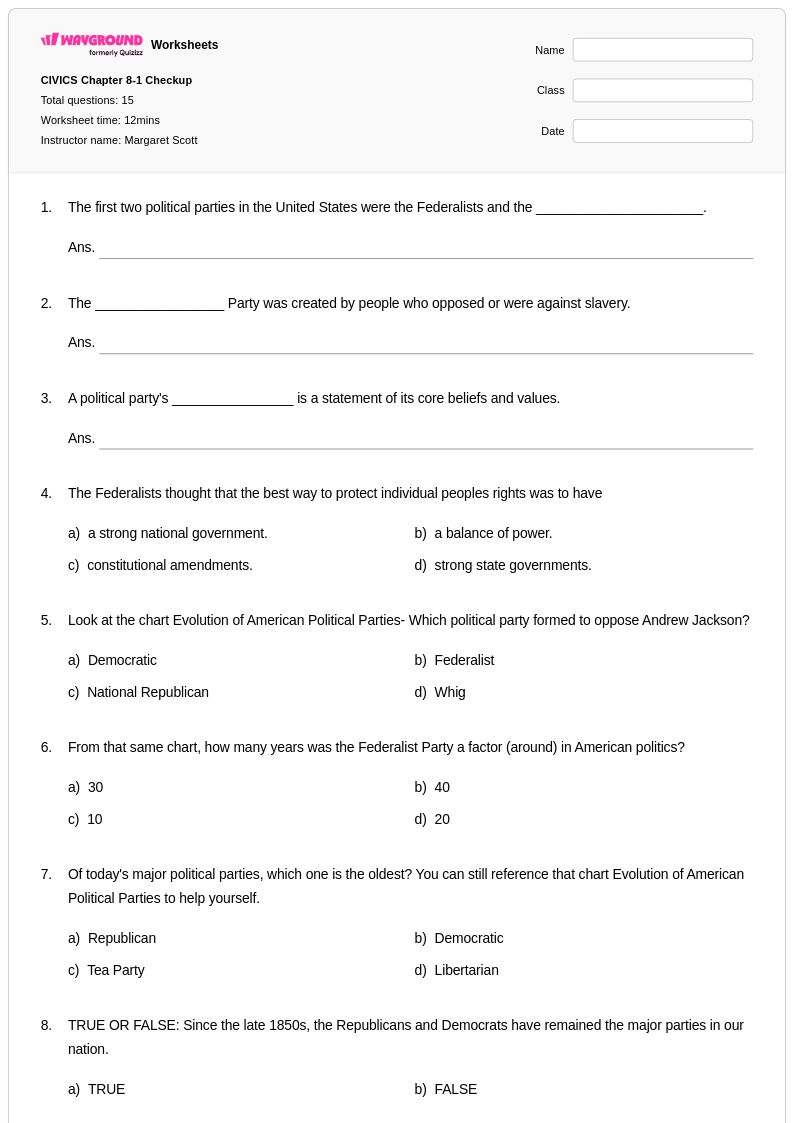
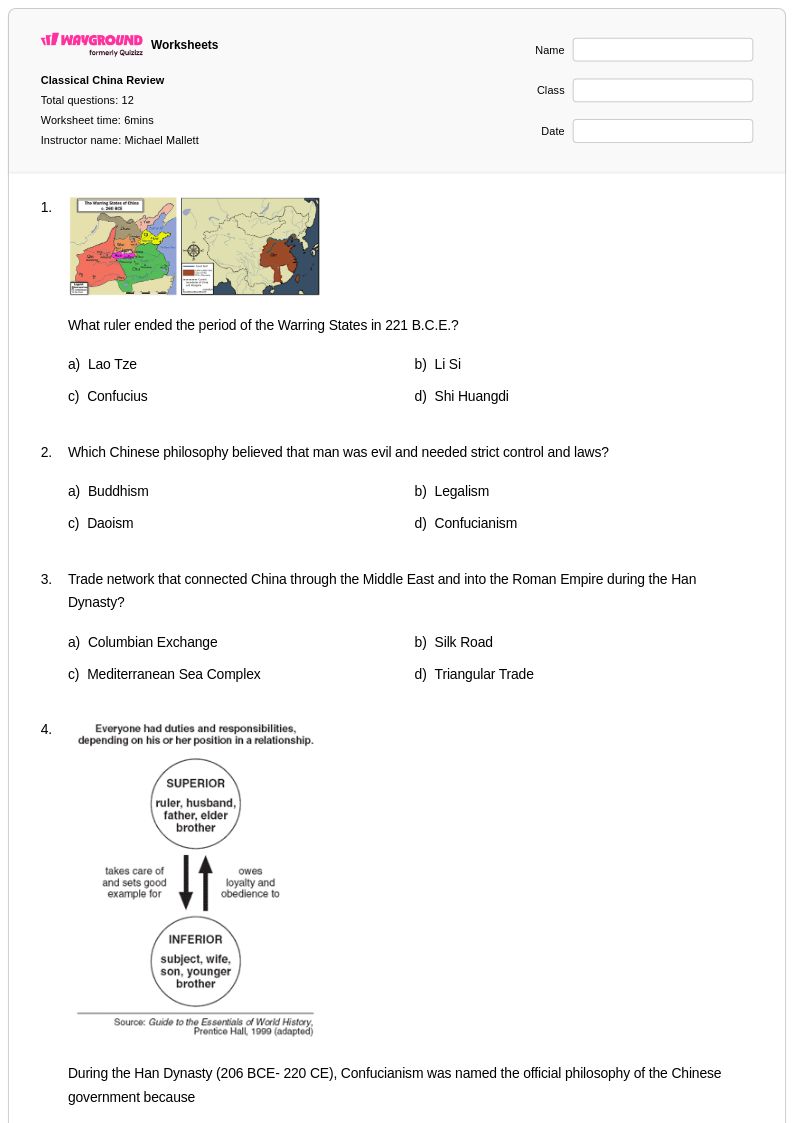
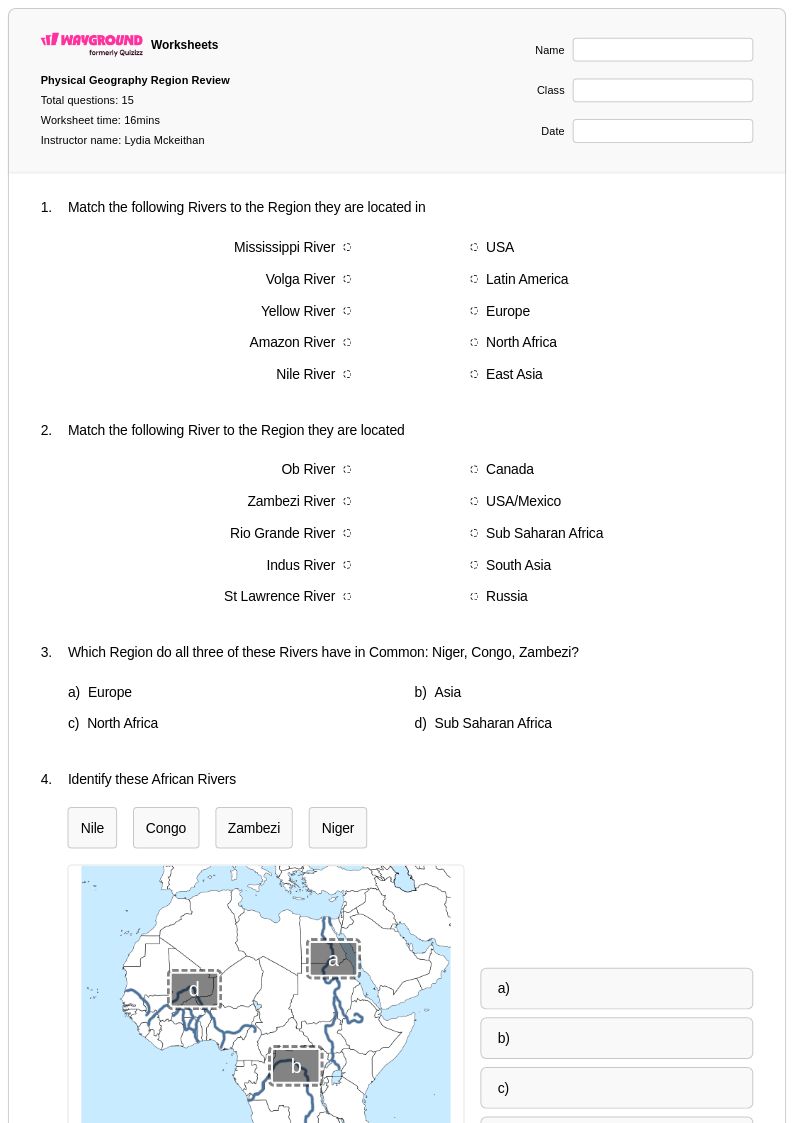
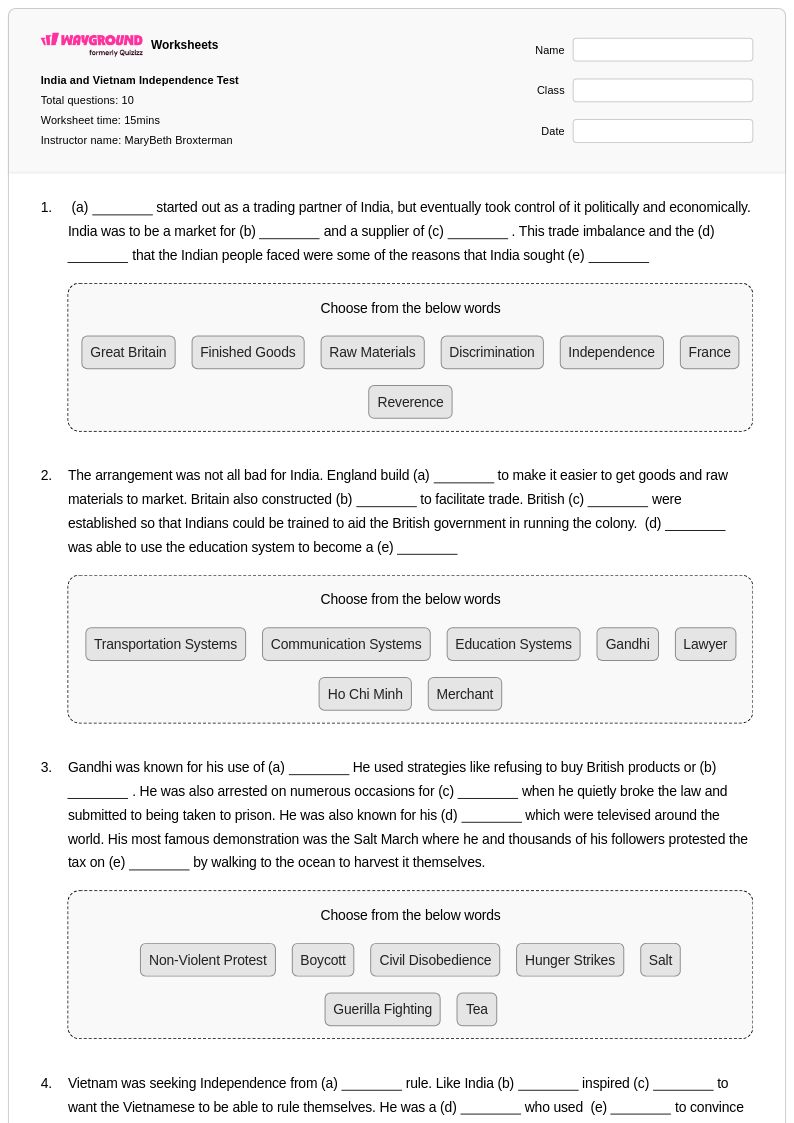
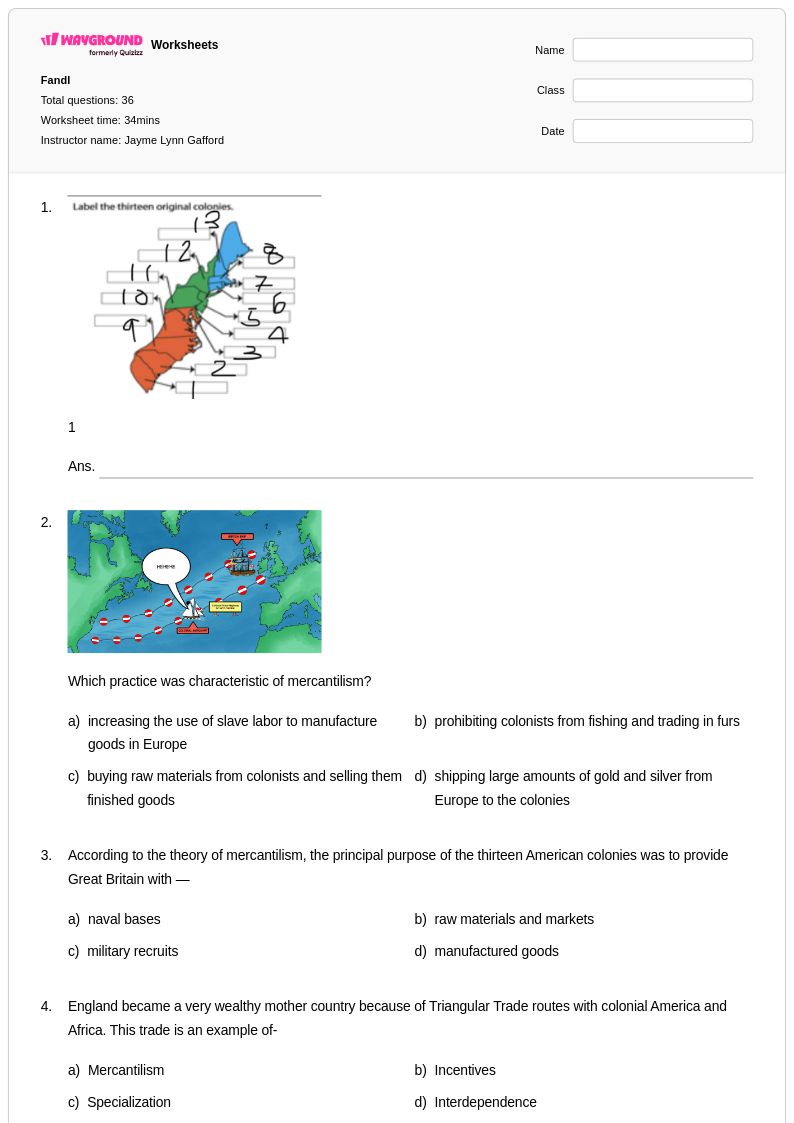
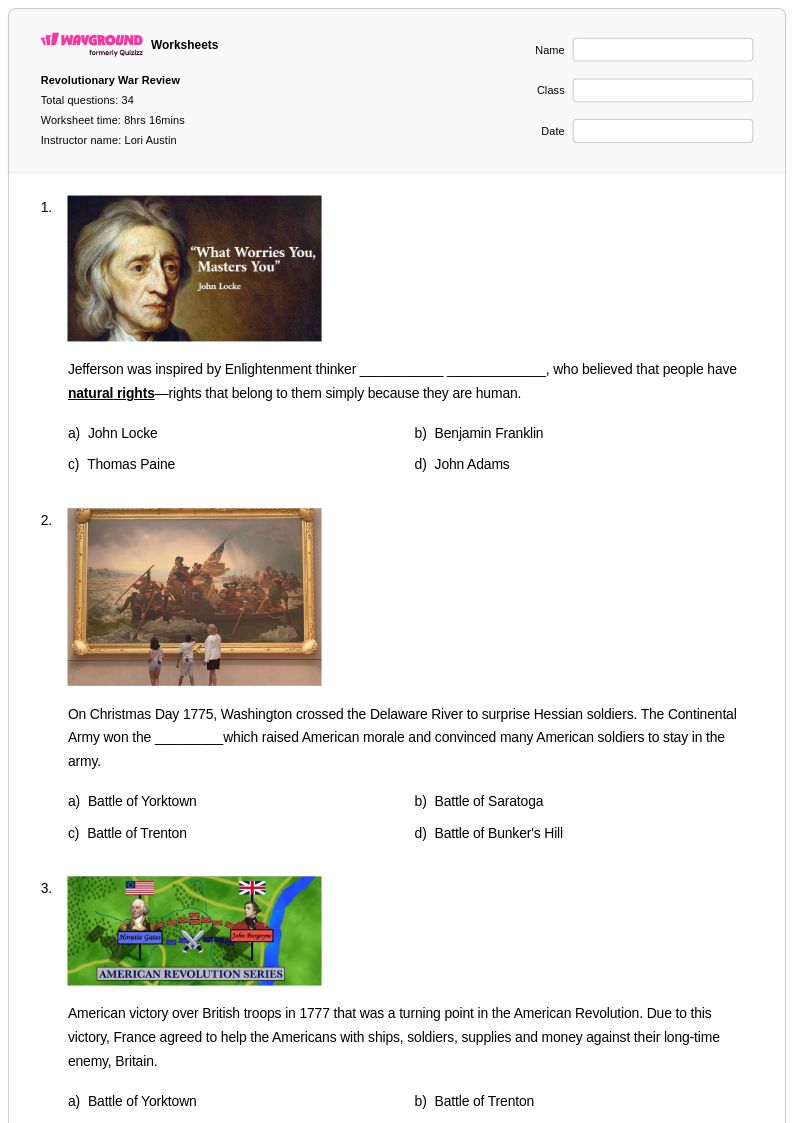
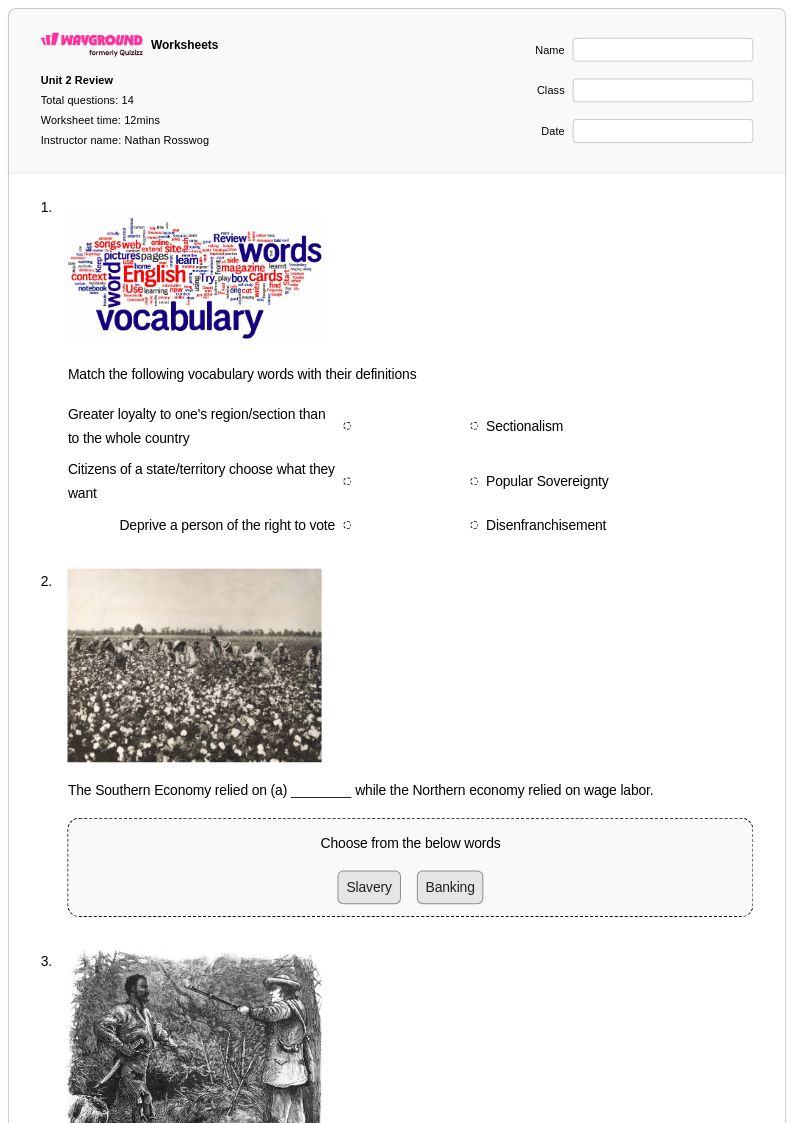
Thought restructuring worksheets for Class 9 students available through Wayground (formerly Quizizz) provide essential practice in cognitive behavioral techniques that help teenagers identify and challenge negative thinking patterns. These comprehensive resources strengthen students' ability to recognize cognitive distortions, evaluate evidence for their thoughts, and develop more balanced perspectives on challenging situations. The worksheets include structured practice problems that guide students through the process of examining their automatic thoughts, considering alternative viewpoints, and creating more realistic assessments of situations they encounter in school and social settings. Each printable resource comes with a detailed answer key that helps educators facilitate meaningful discussions about healthy thought processes, while the free pdf format ensures accessibility for diverse classroom needs.
Wayground's extensive collection of thought restructuring materials draws from millions of teacher-created resources, offering educators powerful search and filtering tools to locate worksheets that align with specific social-emotional learning standards and Class 9 developmental needs. The platform's differentiation capabilities allow teachers to customize worksheets for students at varying skill levels, supporting both remediation for those struggling with negative thinking patterns and enrichment opportunities for students ready to explore advanced cognitive strategies. These flexible resources are available in both printable and digital formats, enabling seamless integration into lesson planning whether for whole-class instruction, small group interventions, or individual skill practice sessions that help students develop crucial emotional regulation and critical thinking abilities.
FAQs
How do I teach thought restructuring to students?
Thought restructuring is best taught by first helping students recognize automatic negative thoughts, then guiding them through a structured process of questioning the evidence for those thoughts and generating more balanced alternatives. Start with low-stakes examples before applying the technique to emotionally charged content like historical injustices or social conflicts. Modeling the process aloud and using graphic organizers that walk through each step helps students internalize the framework before practicing independently.
What exercises help students practice identifying and reframing negative thought patterns?
Effective practice exercises include thought logs where students record a triggering situation, their automatic thought, the emotion it produces, and a reframed alternative. Scenario-based prompts tied to real-world or historical contexts give students concrete material to work with, making abstract cognitive skills more tangible. Structured worksheets that sequence each step of the restructuring process are particularly useful because they prevent students from skipping straight to a reframe without first examining the evidence.
What mistakes do students commonly make when learning thought restructuring?
The most common error is toxic positivity replacement, where students simply swap a negative thought for an unrealistically positive one rather than generating a genuinely balanced perspective. Students also frequently struggle to distinguish between a factual situation and their interpretation of it, which is a prerequisite skill for the process to work. Teachers should explicitly address these errors by showing examples of ineffective reframes alongside effective ones and asking students to evaluate the credibility of each.
How can thought restructuring worksheets support social studies and critical thinking instruction?
Thought restructuring worksheets help students examine assumptions they bring to historical events, cultural conflicts, and contemporary social issues, which deepens analytical thinking beyond surface-level comprehension. By applying cognitive reframing techniques to real-world content, students simultaneously build emotional intelligence and perspective-taking skills that are central to social studies learning. This dual focus makes thought restructuring practice a natural complement to units on bias, historical empathy, or civic reasoning.
How do I use thought restructuring worksheets in my classroom, and are they available digitally?
Thought restructuring worksheets on Wayground are available as printable PDFs for traditional classroom use and in digital formats for technology-integrated environments, including the option to host them as a quiz directly on Wayground. In practice, you can use them as guided in-class activities, independent practice assignments, or reflection tools following discussion-heavy lessons. Each worksheet includes a complete answer key, so students receive immediate feedback on their reframing attempts and teachers can use the keys to guide whole-class review.
How can I differentiate thought restructuring activities for students with different learning needs?
For students who struggle with reading-heavy prompts, Wayground's Read Aloud feature can narrate questions and content, reducing barriers to access without changing the cognitive demands of the task. Reducing answer choices is another option for students who find multiple competing options overwhelming during early skill-building stages. Extended time settings can be applied individually to specific students while the rest of the class works under default conditions, keeping the activity manageable for everyone without drawing attention to accommodations.