
Recommended Topics for you
- Present Simple vs Present Continuous
- Subject-Verb Agreement
- Verb Identification
- Verb Moods
- Verb Usage
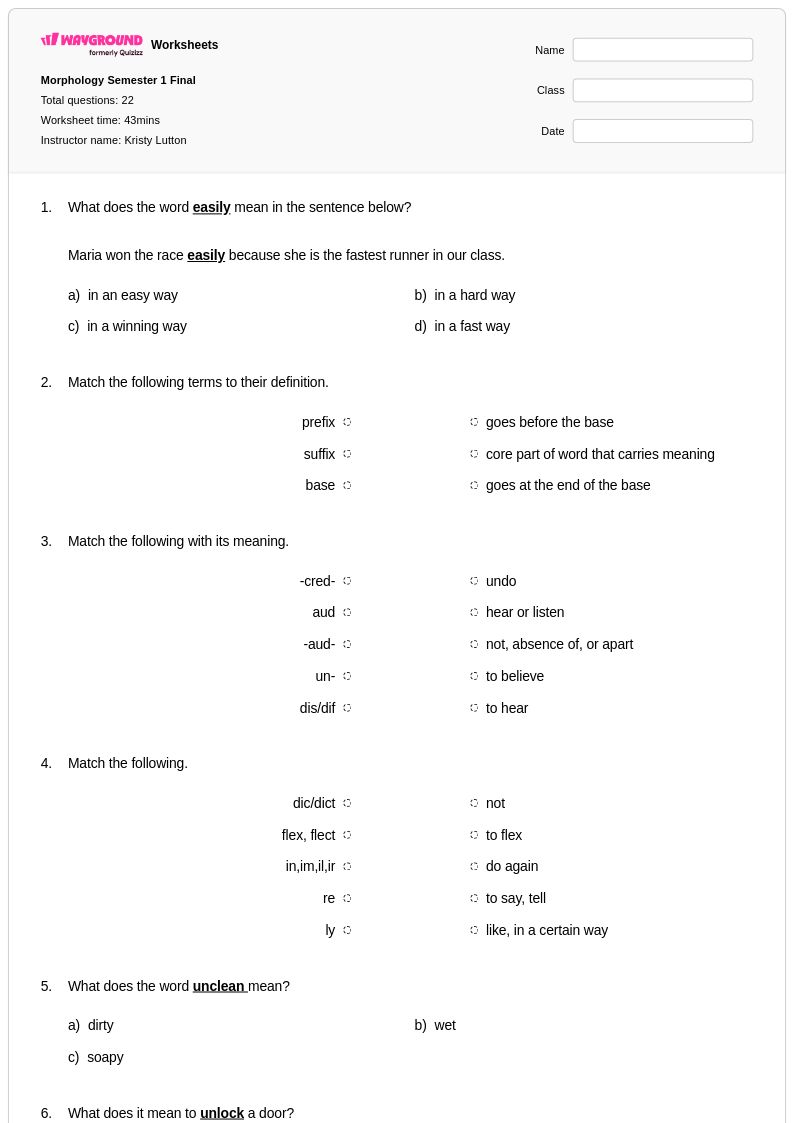
22 Q
9th - 12th
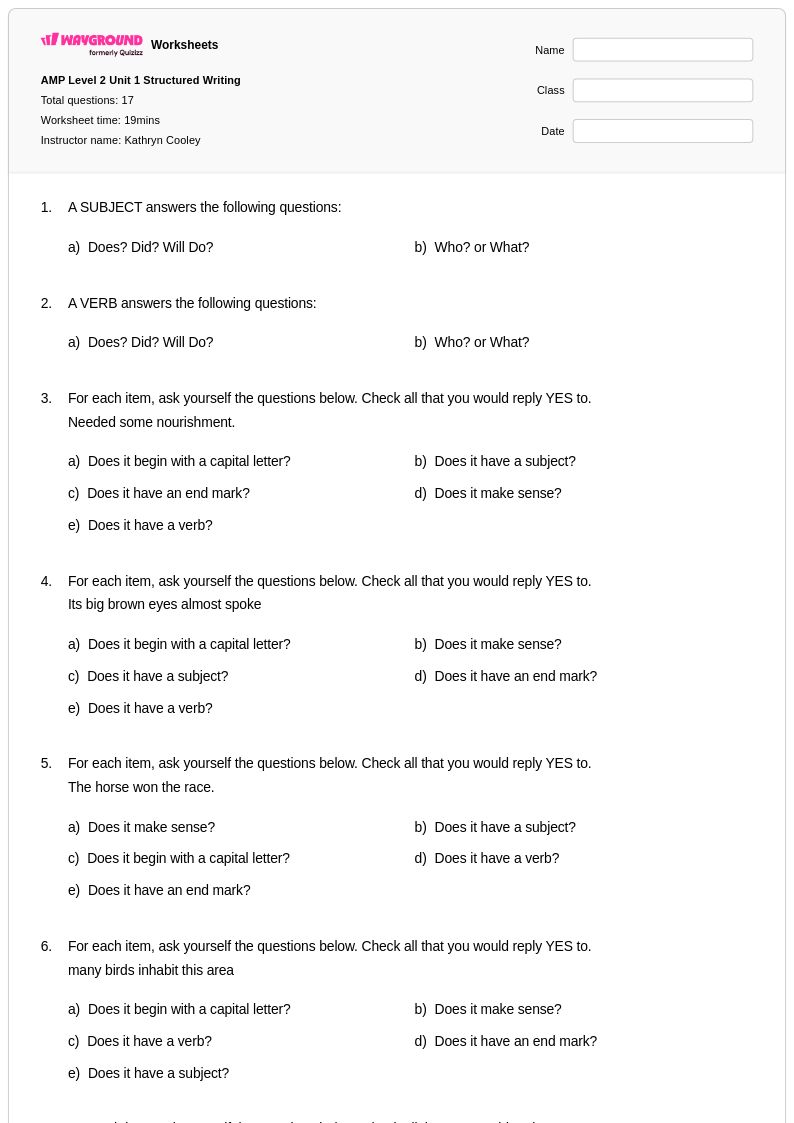
17 Q
9th - 12th
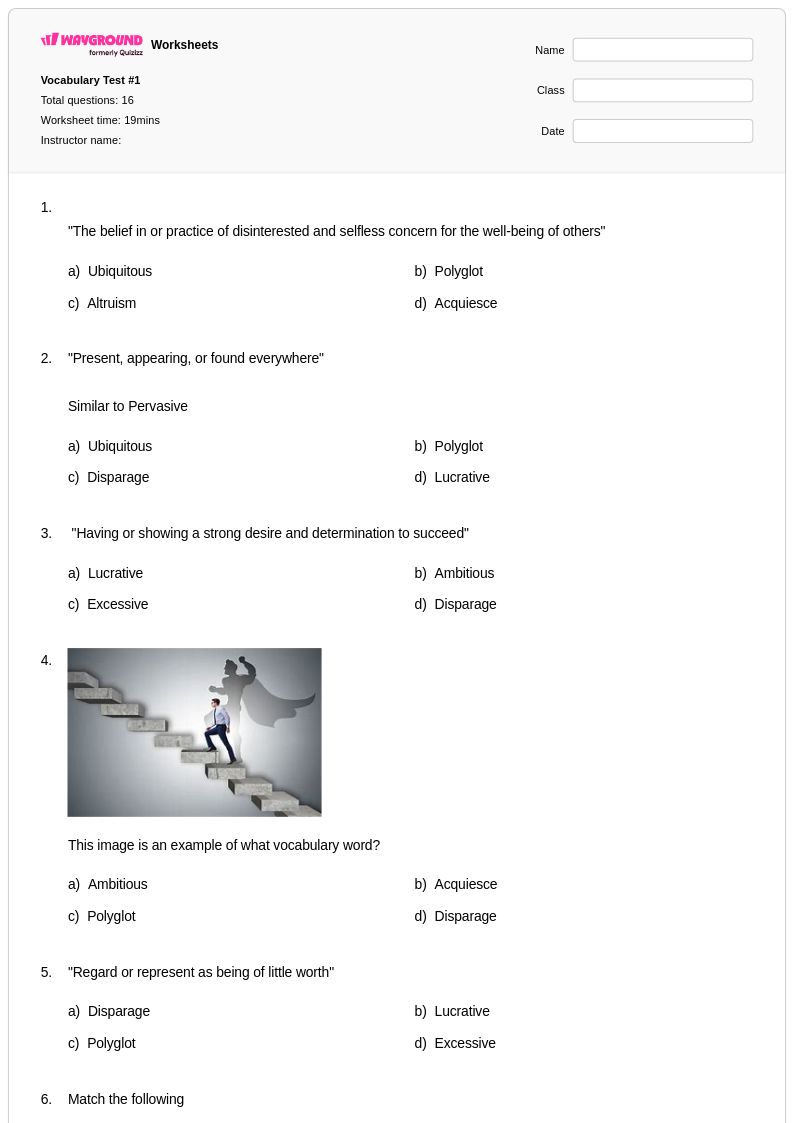
16 Q
9th - 12th
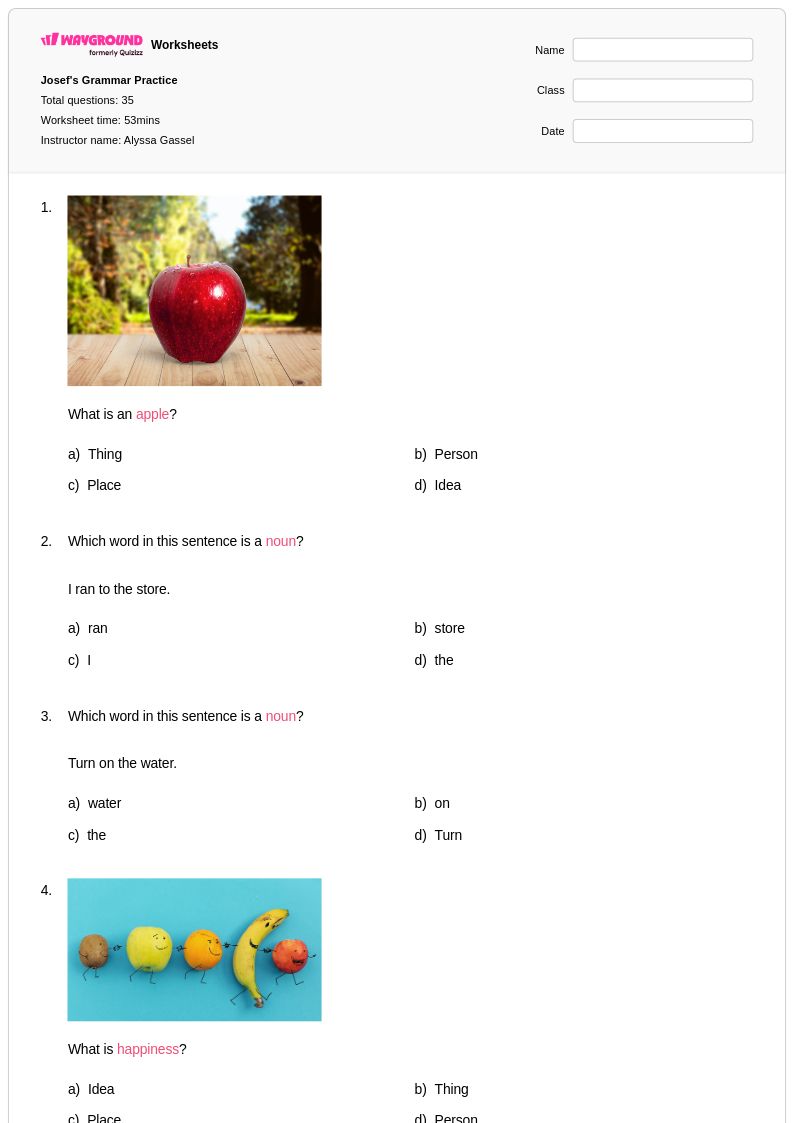
35 Q
11th
63 Q
1st - Uni
13 Q
9th - 12th
14 Q
8th - 12th
25 Q
11th
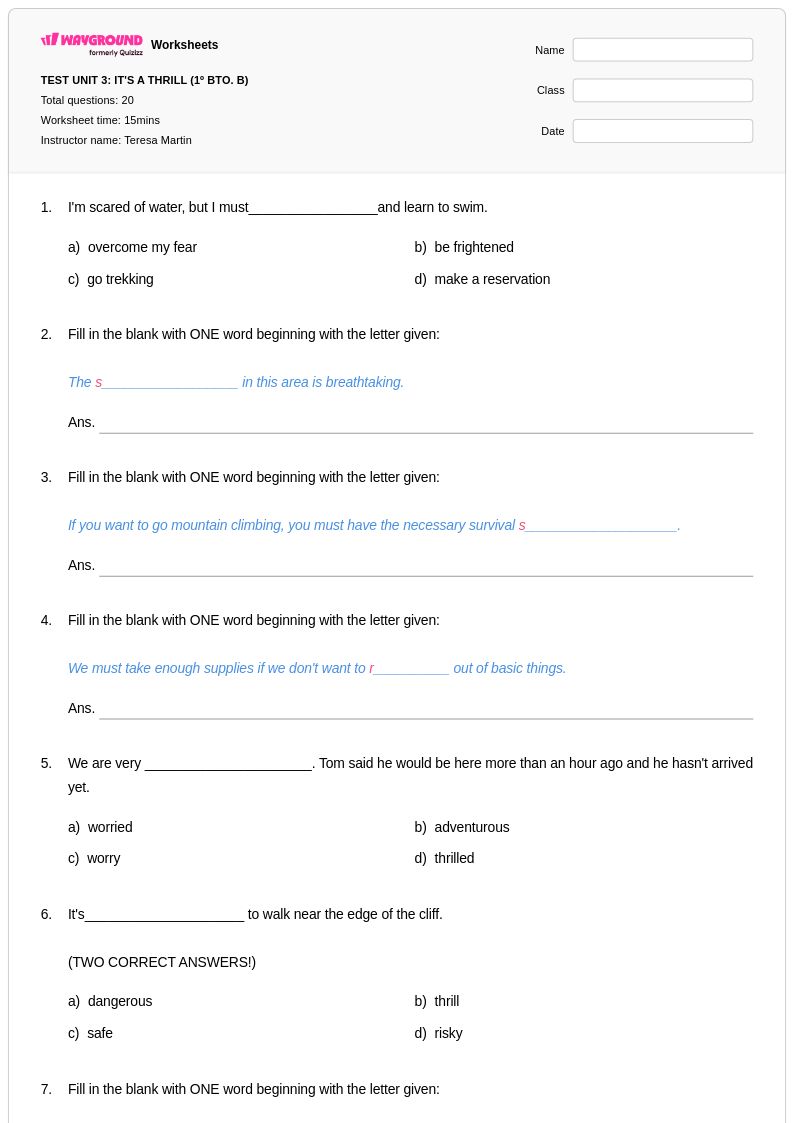
20 Q
11th
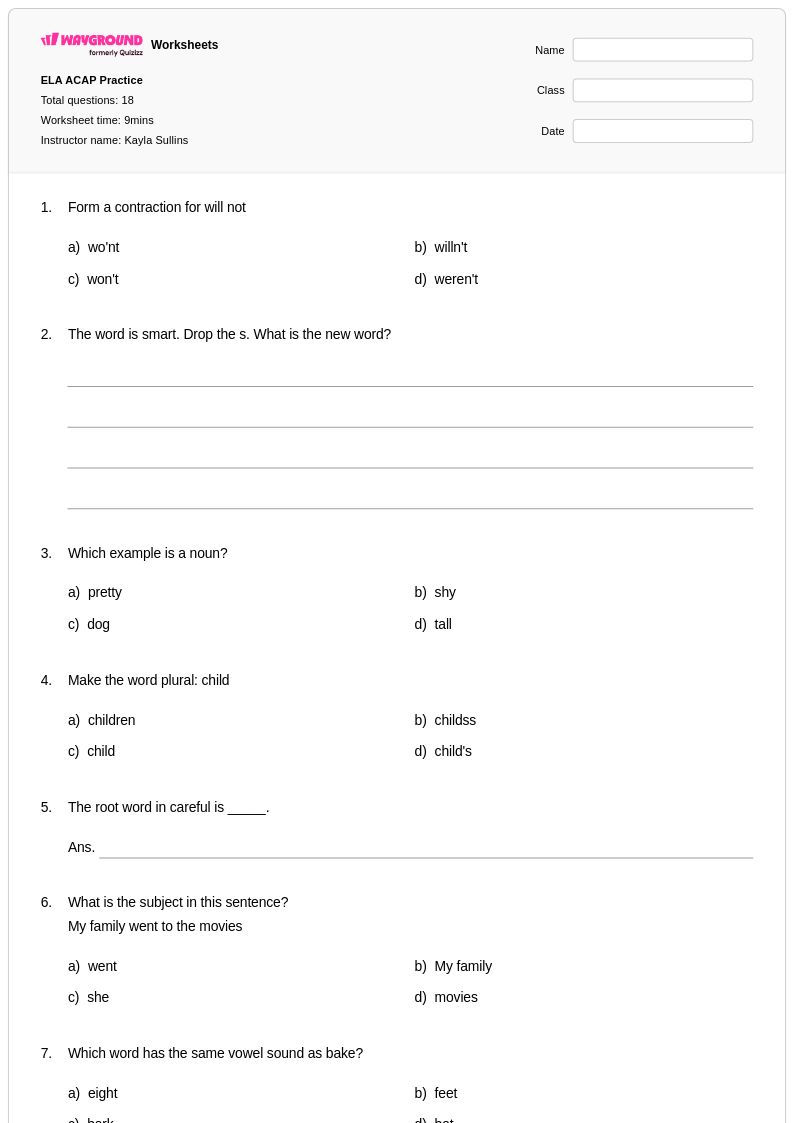
18 Q
3rd - Uni
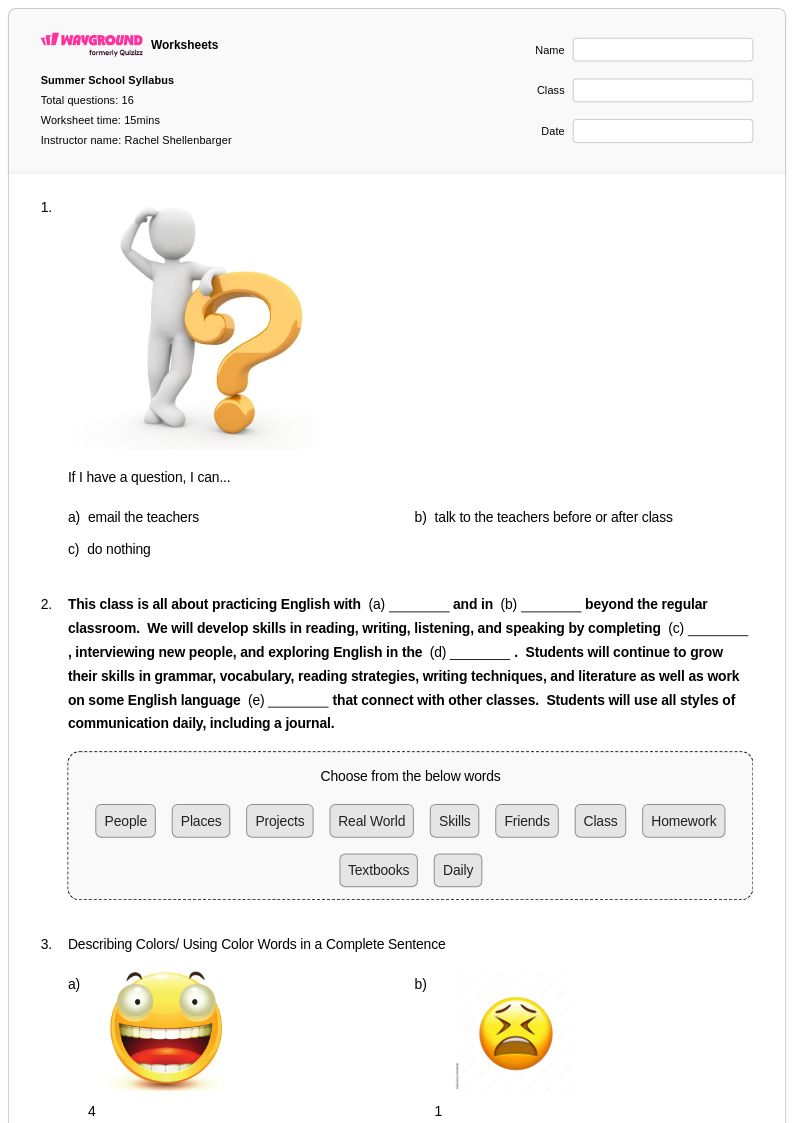
16 Q
9th - 12th
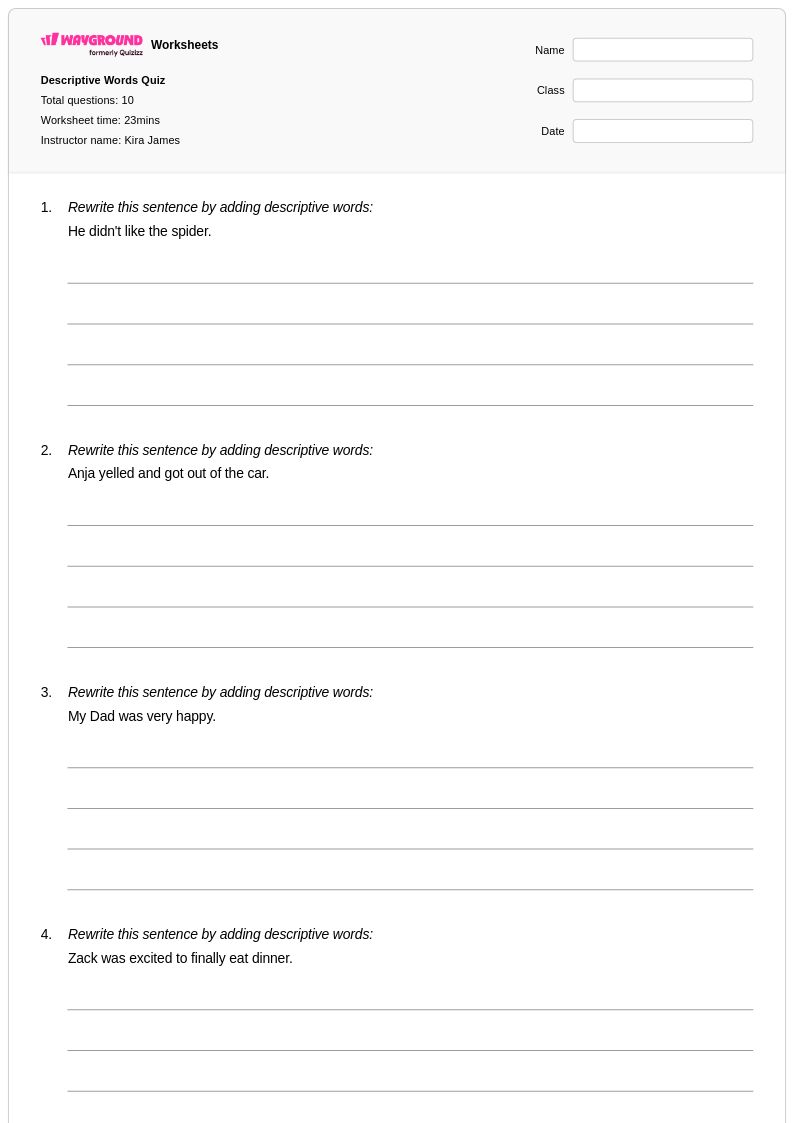
10 Q
9th - 12th
21 Q
11th
13 Q
7th - 12th
20 Q
7th - Uni
18 Q
5th - 12th

12 Q
9th - 12th
21 Q
4th - Uni
41 Q
9th - 12th
14 Q
11th
40 Q
11th
18 Q
10th - Uni
6 Q
9th - 12th
23 Q
9th - 12th
Explore Verb Skills Worksheets by Grades
Explore Verb Skills Worksheets for class 11 by Topic
Explore Other Subject Worksheets for class 11
Explore printable Verb Skills worksheets for Class 11
Class 11 verb skills worksheets available through Wayground (formerly Quizizz) provide comprehensive practice opportunities for advanced secondary students to master complex grammatical concepts and refine their command of English verb usage. These expertly designed resources target sophisticated verb applications including subjunctive mood, conditional constructions, passive voice transformations, and nuanced tense sequences that elevate academic writing and communication. Students engage with challenging practice problems that reinforce proper verb agreement in complex sentences, explore advanced modal verb functions, and develop precision in selecting appropriate verb forms for formal discourse. Each worksheet includes a detailed answer key to support independent learning and self-assessment, with free printables available in convenient pdf format for seamless classroom integration and homework assignments.
Wayground (formerly Quizizz) empowers educators with millions of teacher-created verb skills resources specifically curated for Class 11 instruction, featuring robust search and filtering capabilities that allow precise alignment with curriculum standards and learning objectives. The platform's differentiation tools enable teachers to customize worksheets based on individual student needs, offering both remediation support for struggling learners and enrichment challenges for advanced students ready to tackle collegiate-level verb applications. Available in both printable pdf formats and interactive digital versions, these comprehensive worksheet collections streamline lesson planning while providing flexible options for in-class practice, homework assignments, and targeted skill reinforcement that prepares students for standardized assessments and post-secondary academic writing demands.
FAQs
How do I teach verb skills to students who are struggling with grammar basics?
What exercises help students practice subject-verb agreement?
What are the most common mistakes students make with verb tense and how can I address them?
How do I help students understand the difference between present simple and present continuous?
How can I use Wayground's verb skills worksheets in my classroom?
How do I differentiate verb skills practice for students at different levels?