
 Worksheets
Plankton, Classification, & Invertebrates Review
Total questions: 30
Worksheet time: 3600secs
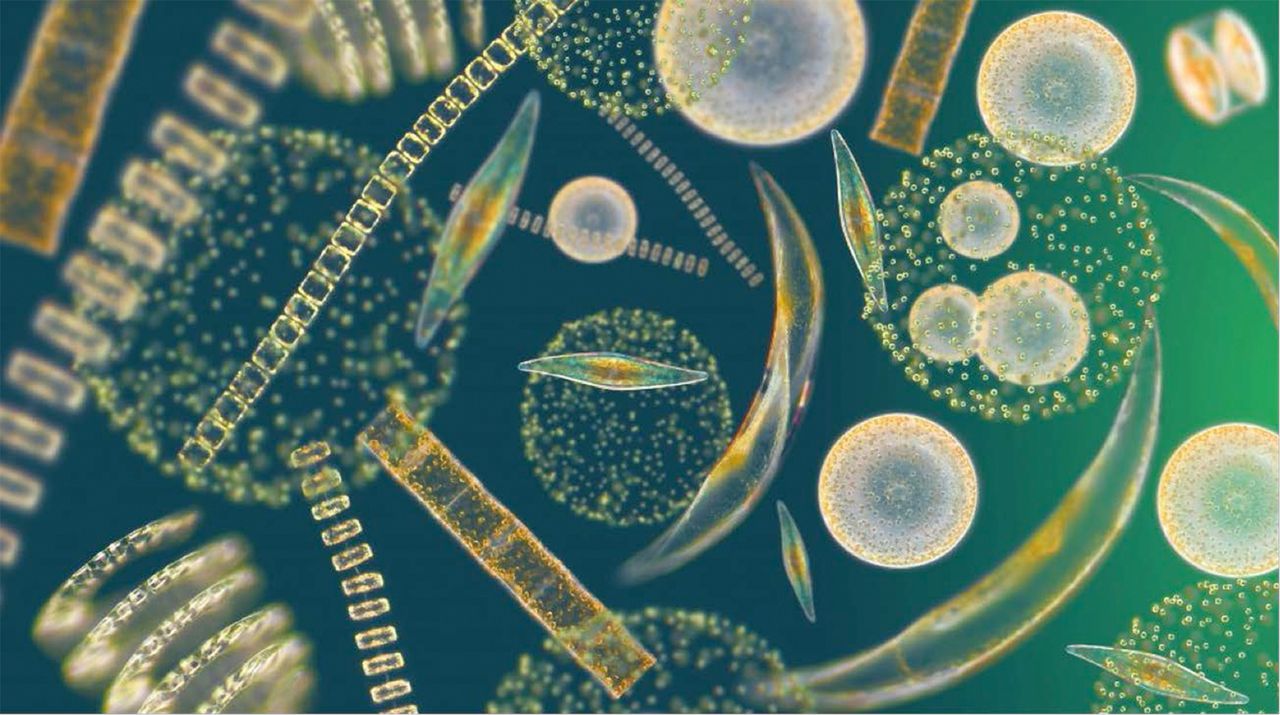

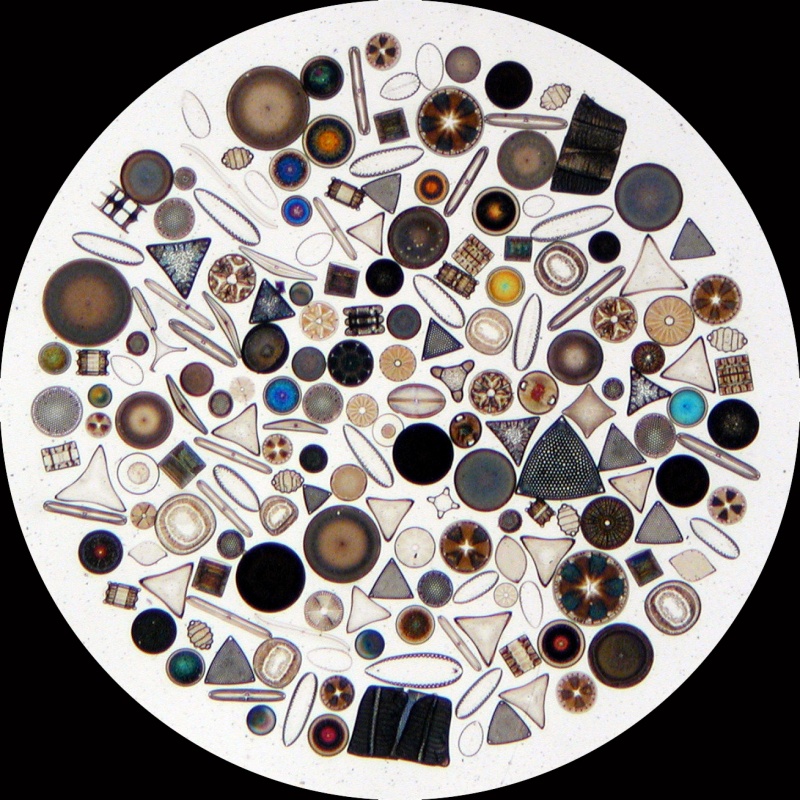
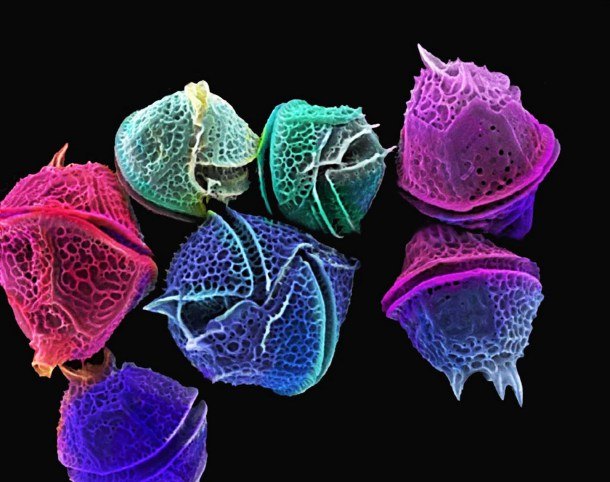


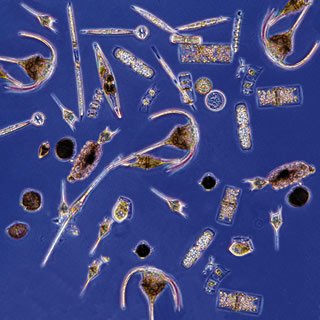
What eats phytoplankton?
Bacteria
Zooplankton
Mammals
Humans
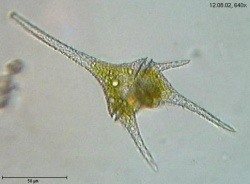
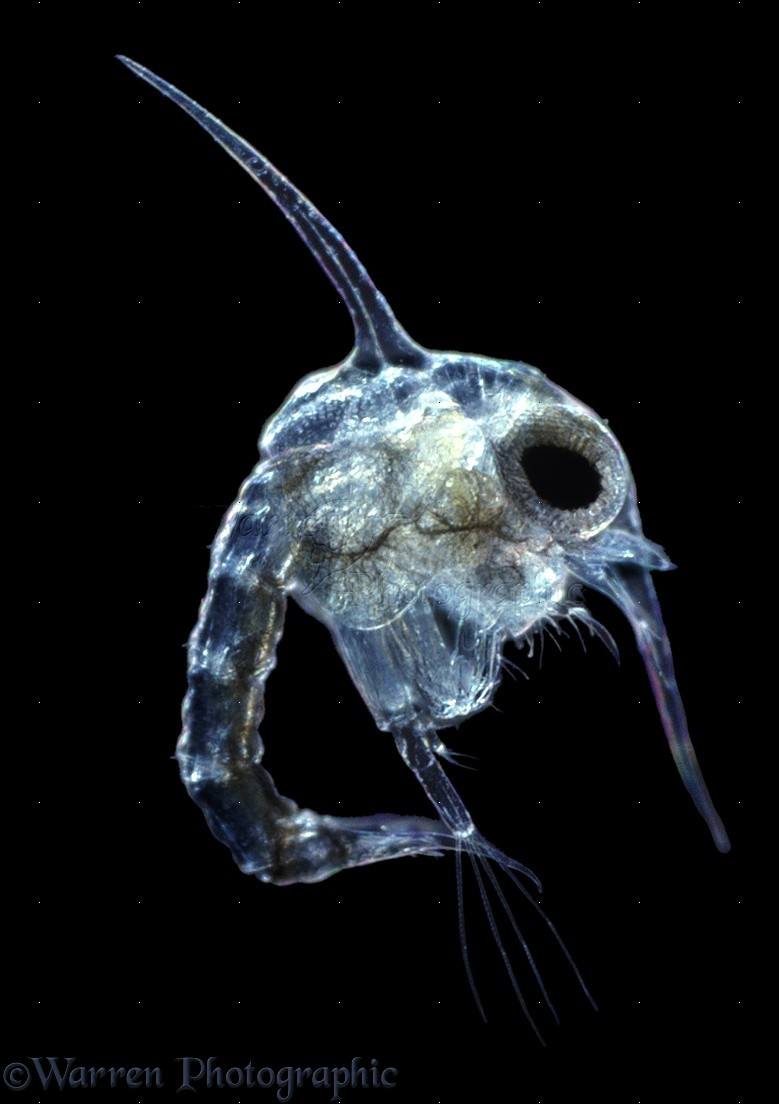


The Taxonomic Classification in order from generic to specific:
C/F/S/O/K/G/P
S/G/F/O/C/P/K
K/P/C/O/F/G/S
K/P/O/C/F/S/G

Animals that have no backbone are:
Vertebrates
Invertebrates
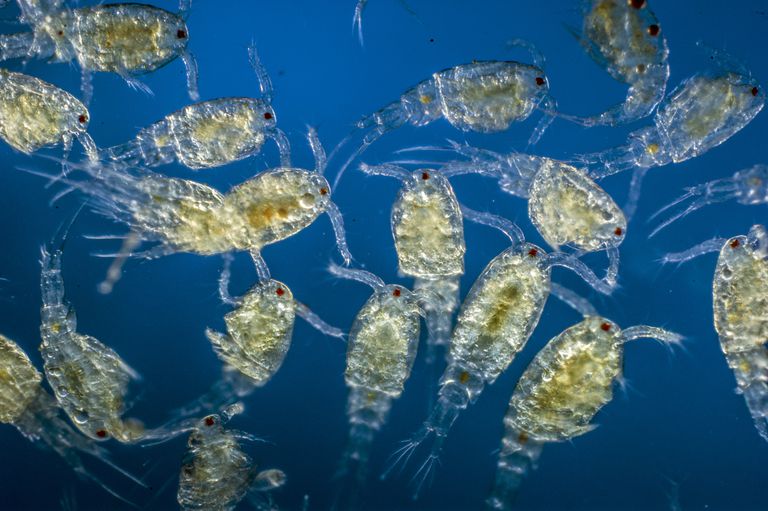
Zooplankton are all of the following except:
krill
copepods
dinoflagellates
jellies

Which group of zooplankton is plankton for its WHOLE life?
holoplankton
meroplankton

Sponges have what type of symmetry?
Asymmetry
Bilateral
Radial

Identify the cells in a sponge that create a current with their flagella:
amebocytes
epidermal cells
incurrent pores
osculum
choanocytes
The cnidarian phylum includes all of the following except:


Box Jellies belong in which cnidarian class?
Scyphozoa
Anthozoa
Cubozoa
Hydrozoa
Identify the organism that produces white sand as waste:


Which of the organisms shown represents a gastropod?


Which part of the shell is the oldest?
umbo
muscular foot
mantle
hinge
ventral margin
Identify the image that represents the madreporite:


What type of symmetry do arthropods have?
Asymmetry
Radial
Bilateral

The feathery nature of the gills of a crayfish gives them a large surface area for what process?
waste excretion
movement
eating
respiration
Which organisms filter feed? Mark all that apply.


Clams have 2 adductor Muscles.
True
False

The green glands of a crayfish function in secreting digestive enzymes to aid in digestion.
True
False
Which of the following represents a turbellarian?


What is the carbohydrate part of the arthropod exoskeleton?
calcium carbonate
silica
spicule
chitin

