
 Worksheets
APUSH Period 6 Review
Total questions: 58
Worksheet time: 1hrs 8mins
Name
Class
Date
1.
This period during the 1870s to 1900 is known for it's rise of railroads, big business, industrialization and social problems in the United States.
a)
World War I
b)
Progressive Era
c)
Gilded age
d)
Roaring Twenties
2.
in 1882, the Government passed this legislation that restricted immigration for 10 years from a certain group into the United States.
a)
Nativist Act
b)
Mexican Reparition Act
c)
Dawes Act
d)
Chinese Exclusion Act
3.
During the Gilded age, workers came together to work for better pay, working conditions, and less hours. Leaders such as Samuel Gompers help led many of this workers in....
a)
Philanthropy
b)
Labor Unions
c)
Political Bosses
d)
Credit Unions
4.
"New Immigrants" that came to the United States in the early 1900s were from which part of Europe?
a)
South Europe
b)
NE Europe
c)
SW Europe
d)
SE Europe
5.
Men such as Andrew Carnegie believed in giving money to libraries, musuems and schools to help benefit people who wanted to move up in the social ladder.
a)
geopolitical
b)
political bosses
c)
Social Darwinism
d)
Gospel of Wealth
6.
The Pendleton Act of United States in 1883 decided that government jobs should be awarded on the basis of merit (test) instead of political affiliation.
a)
direct voting
b)
civil service reform
c)
political machines
d)
civil labor unions
7.
Due to the corruption of the railroads companies, the U.S. government created this act to regulate railroad companies to be reasonable in prices.
a)
Interstate Commerece Act
b)
Dawes Act
c)
Transcontiental Act
d)
Laissez Faire Act
8.
Because of the rapid growth of Industrilization in the North people moved out of rural towns to?
a)
Rural farms
b)
Urbanzied cities
c)
Subrebs cities
d)
El rancho
9.
Many Immigrants faced issues once they arrived such as language barriers, but these group of people mostly restricted new immigrants from emtering the country.
a)
Democrats
b)
Republicans
c)
Donald Trump
d)
Nativists
10.
What New York politician ran a political machine in New York City beginning in 1869, during the Gilded Age, that was incredibly corrupt. For example, a projected cost of $250,000 for a courthouse turned in to $13,000,000 because of kickbacks and bribes.
a)
Daley
b)
Grant
c)
Tilden
d)
Tweed
11.
What was a city government marked by corruption, bribery, and Kickbacks (common during the Gilded Age) called?
a)
credit mobilier
b)
political machine
c)
corrected democracy
d)
electoral politics
12.
In 1890, during the Gilded Age, who wrote about and photographed the horrible living conditions of America's working poor in the book, How the Other Half Lives?
a)
Upton Sinclair
b)
Ida Tarbell
c)
Ida Wells
d)
Jacob Riis
13.
William Graham Sumner was a popular researcher and writer during the Gilded Age. He believed that government programs to help the poor were useless because, "...a drunkard in the gutter is just where he ought to be..." That is, Sumner believed that we all had a certain station or place that was ordained and could not be changed. This Gilded Age philosophy was called which of the following?
a)
Evolution
b)
Monetary Policy
c)
Social Darwinism
d)
Welfare Capitalism
14.
One reason nativists worried about influx of immigrants in 1880s...
a)
Feared immigrants gain control of city and state governments
b)
Believed immigrants receive preferential treatment from federal government and receive land
c)
Thought country's ports could not handle increasing numbers of immigrants and exports
d)
Considered immigrants from southern and eastern Europe a threat to traditional American cultural values
15.
How Haymarket Square affected Knights of Labor?
a)
Massive gathering of workers forced federal government to place limits on union's activities
b)
Workers lost confidence in union's leadership after union president given details of rally to police
c)
Union members grew disillusioned as newspapers blamed workers for violence
d)
Union's emphasis on recruiting immigrants angered American-born workers
16.
How did KoL differ from AFL?
a)
KoL advocated strikes as tactic
b)
KoL opened membership to women, blacks, and ethnic minorities
c)
KoL developed stronger relationships with policymakers at federal level
d)
KoL focused on working conditions and workplace safety instead wages and benefits
17.
Populists supported "free silver" because they believed:
a)
It would result in deflation
b)
It would increase bank regulations
c)
It would result in inflation
d)
None of the following - they supported continuation of the Gold Standard
18.
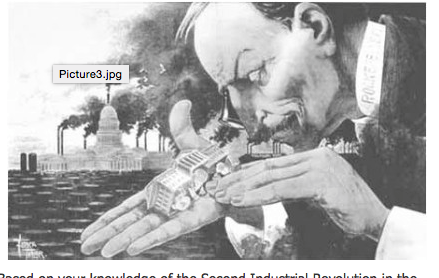
Based on your knowledge of the Industrial Revolution in the United States, what statement is this cartoon making?
a)
The federal government is ruining the oil industry by placing too many restrictions and regulations on business owners.
b)
The oil industry is thriving due to a healthy working relationship with the federal government.
c)
The owner of Standard Oil has too much power and influence over the federal government.
d)
Emissions from oil refineries are polluting the air and harming the environment.
19.
Which of following was most closely associated with the Populist Party?
a)
Jane Addams
b)
William Jennings Bryan
c)
Eugene Debs
d)
Samuel Gompers
20.
What was the main goal of most muckraking journalists?
a)
Gain fame through articles of high popular interest
b)
Expose socioeconomic problems in need of political attention
c)
Increase public awareness of America's great potential
d)
End corrupt relationships between politicians and big business
21.
John Muir and Theodore Roosevelt worked together on which movement?
a)
safe food and drug laws
b)
conservation
c)
racial equality
d)
child labor laws
22.
What does Trust-busting mean?
a)
end discrimination
b)
stop monopolies (restore competition)
c)
label ingredients on food and drugs
d)
election for political offices
23.
What did the NAACP focus on?
a)
child labor
b)
equal rights
c)
conservation
d)
protection of animals
24.
Upton Sinclair's The Jungle had which unintended effect?
a)
it showed racial discrimination
b)
it showed the harmful things that were in the nation's food
c)
it established trade guidelines
d)
it fixed drug regulations
25.
Author of the "The Jungle", which exposed the horrors of the meatpacking industry.
a)
Ida B. Wells
b)
Upton Sinclair
c)
Robert La Follette
d)
Frances Willard
26.
Social Darwinism
a)
The idea that people and businesses compete for survival
b)
Journalist who uncovered and proved the truth about the evil of big buisness and politics in America.
c)
NAACP
d)
The Jungle
27.
A law that prohibits the sale of mislabeled or contaminated food
a)
Pure Food and Drug Act
b)
Meat inspections
c)
Food and Drug Administration
d)
Occupational Safety and Health Admin
28.
To remove through a vote
a)
referendum
b)
socialism
c)
recall
d)
capitalism
29.
New laws can be proposed by voters by collecting signatures on a petition
a)
recall
b)
referendum
c)
impressionism
d)
initiative
30.
This amendment allows people to vote directly for Senators
a)
16th
b)
17th
c)
18th
d)
19th
31.
The protection of nature and its resources is known as
a)
recycling
b)
conservation
c)
communism
d)
socialism
32.
Which of the following incident originally allowed Roosevelt to become President?
a)
He was elected.
b)
McKinley was assassinated.
c)
McKinley resigned.
d)
McKinley was impeached.
33.
Because Roosevelt went after large trusts, he was known as a
a)
muckraker.
b)
trustbuster.
c)
suffragist.
d)
businessman.
34.
Because Taft and Roosevelt split the republican vote in 1912
a)
Taft won the election.
b)
Wilson won the election
c)
Roosevelt won the election
d)
No one won
35.
The "Bull Moose Party" was
a)
the name of Wilson's party
b)
the name of Roosevelt's party
c)
the name of Taft's party
36.
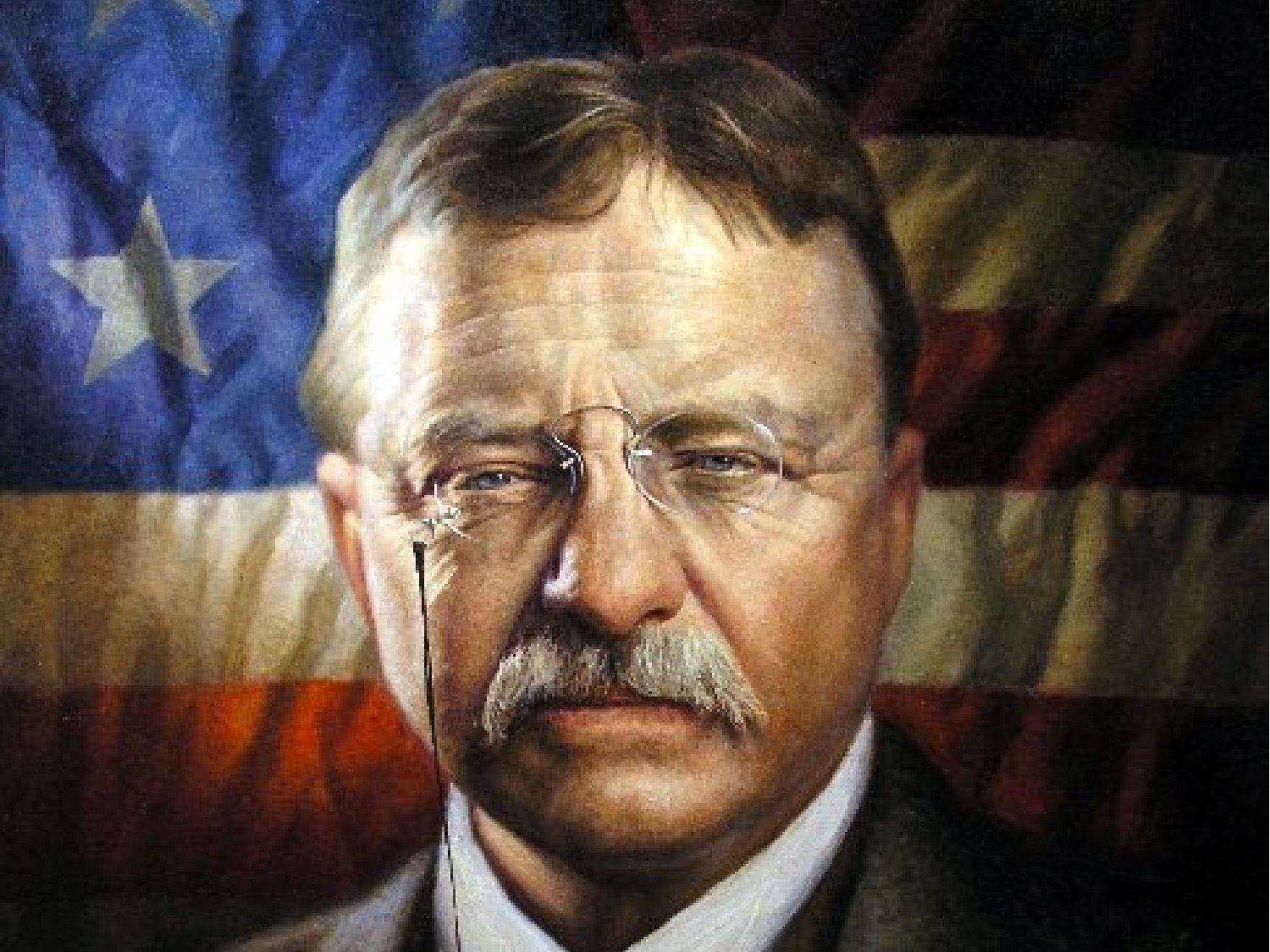
Which was NOT true of Roosevelt's presidency?
a)
Pushed government to break up bad trusts
b)
Re-ran as a candidate for the Bull Moose party in 1912
c)
Pushed for conservation
d)
Was not a very "progressive" president
37.
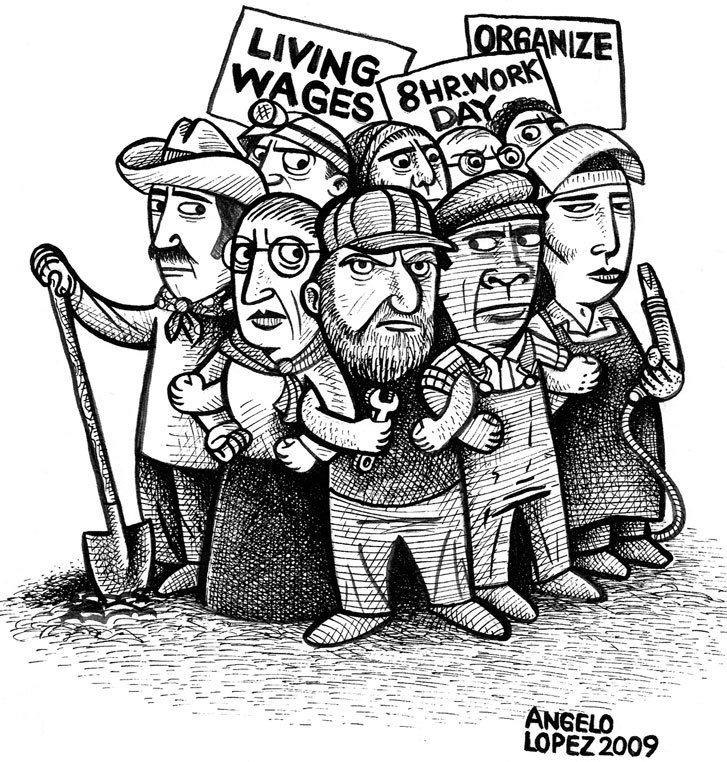
What was the major difference between the first two major unions, the Knights of Labor and the American Federation of Labor?
a)
The Knights of Labor only allowed skilled workers to join
b)
The Knights of Labor did not allow immigrants to join
c)
The AFL only allowed skilled workers to join
d)
The AFL did not allow immigrants to join
38.
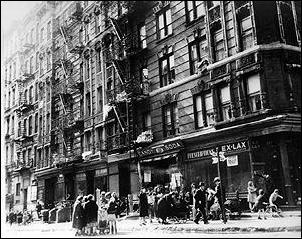
Which of these best describes life in a tenement?
a)
Very crowded
b)
Lots of sickness & disease
c)
No windows, heat, or plumbing
d)
All of these describe tenement life
39.

What continent did 90% of immigrants come to the United States from during the late 1800s?
a)
Europe
b)
Asia
c)
Latin America
d)
Africa
40.
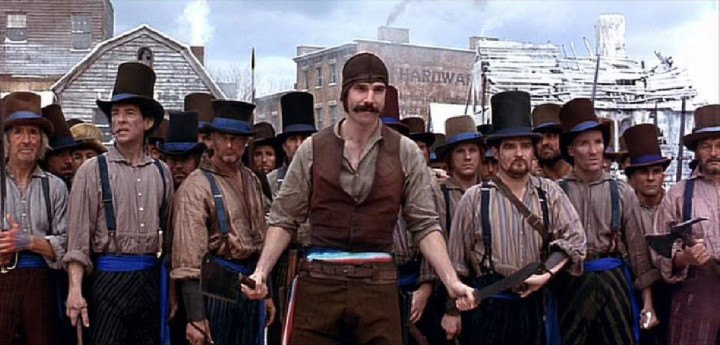
What was the name given to the group of people who thought immigrants could not assimilate, took away jobs, and promoted violence?
a)
Patriots
b)
Loyalists
c)
Nativists
d)
Radicals
41.
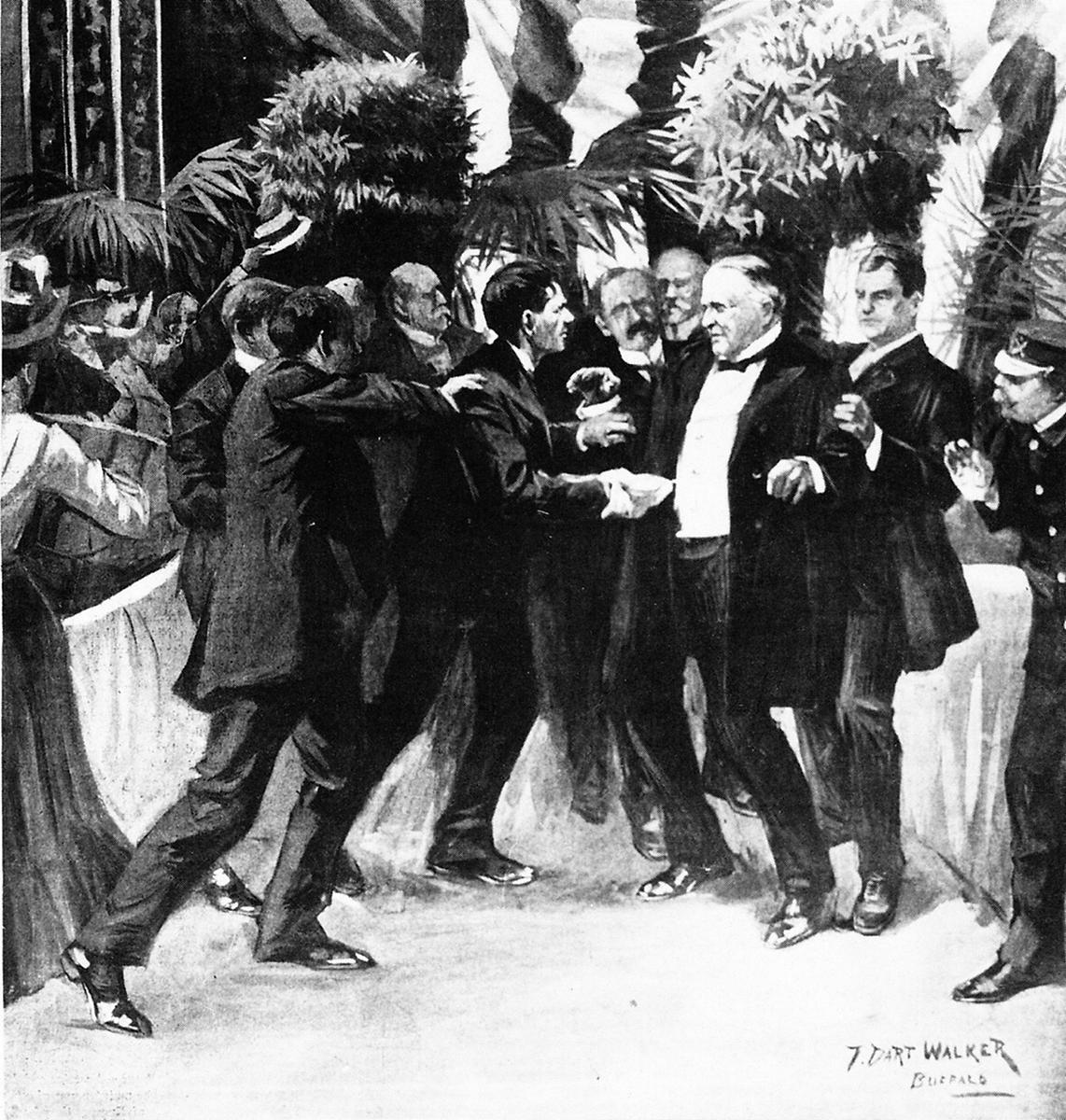
Which U.S. President was assassinated on September 6, 1901? Theodore Roosevelt took over for this man and would turn out to be one of the more influential presidents in U.S. history.
a)
William McKinley
b)
Abraham Lincoln
c)
James Garfield
d)
John F. Kennedy
42.
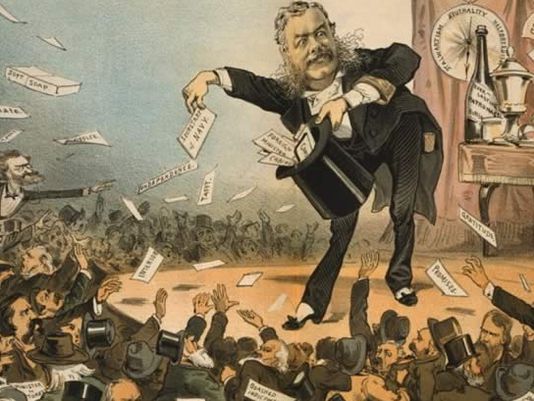
What was the time period called that suggested that the U.S. appeared to be fine, but beneath the surface there was corruption and serious problems?
a)
False America
b)
Gilded Age
c)
Teasing Times
d)
Erroneous Era
43.

What did Progressive reformers believe in?
a)
Public interest, or the good of all people
b)
Ending prohibition
c)
Bringing back slavery
d)
Changing from democracy
44.

W.E.B. Du Bois helped found the NAACP, or the National Association for the Advancement of Colored People, in 1909.
a)
True
b)
False
45.
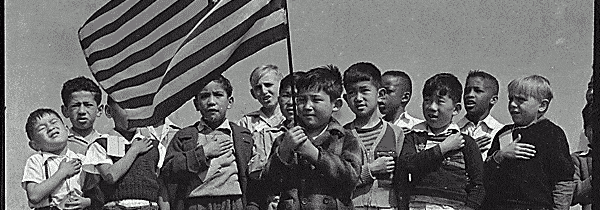
The cultural fusion and integration of different groups of people that occurred in the U.S. around the time was called ____________________.
a)
integration
b)
assimilation
c)
immigration
d)
procrastination
46.
This movement advocated for a return to traditional ways of life and challenge white dominance in society.
a)
Ghost Dance Movement
b)
Temperance Movement
c)
The Pullman Strike
d)
The People's Party
47.
Speech by William Jennings Bryan
a)
The Gettysburg Address
b)
Cross of Gold
c)
I Have a Dream
d)
Homestead Act
48.
The innovation of this transportation help open up the national market?
a)
boats
b)
railroads
c)
automobiles
d)
horse drawn carriages
49.
During the 19th and early 20th century, These men helped immigrants with jobs and housing in order to control votes during election?
a)
political parties
b)
El Chapo
c)
political bosses
d)
republican party
50.
This is the term for immigrants that is the process for adjusting to the culture and government of the United States.
a)
Assimilation
b)
Nativism
c)
Americanism
d)
MexiCAN
51.
The Farmer's Alliance and the Grange, both founded during the Gilded Age, stood for additional government regulation of trade and creating the conditions for more political power and economic well being for farmers (as compared to industrialists). What 1890s group was founded, supporting these ideas, and attacking the Gold Standard?
a)
Progressives
b)
Free Soil Party
c)
IWW
d)
Populists
52.
Congressional action taken in 1890, during the Gilded Age, that made "contracts, conspiracies, and combinations" that restrained free trade illegal. This was done to stop the abusive practices of organized trusts in oil, sugar, tobacco...
a)
Sherman Antitrust Act
b)
Celler-Kefauver Act
c)
Clayton Antitrust Act
d)
Interstate Commerce Act
53.
Congressional action taken in 1887, during the Gilded Age, to stop the unfair and abusive practices of railroad companies. That is, to stop railroad companies from giving low prices to large shippers (Corporations) and high prices to farmers who had no other shipping options.
a)
Sherman Antitrust Act
b)
Celler-Kefauver Act
c)
Clayton Antitrust Act
d)
Interstate Commerce Act
54.
In 1889, during the Gilded Age, a Settlement House called Hull House was opened in Chicago. It was designed to help working class women, many recent immigrants, move out of poverty and dependence on others. It sought to address some of the excesses of industry and business. Who founded Hull House?
a)
Margaret Sanger
b)
Jane Addams
c)
Elizabeth Cady Stanton
d)
Susan B. Anthony
55.
Investigative author who exposed social problems, hoping they would be reformed
a)
muckracker
b)
tenement
c)
subsitence
d)
industrialization
56.
Suffrage
a)
The right to work in factories
b)
The right to live in America
c)
The right to vote
d)
The right not to vote
57.

A _________________ was a journalist that sought to expose problems like the ones Upton Sinclair discovered in the meatpacking industry.
a)
carpetbagger
b)
muckraker
c)
dirt-digger
d)
jellyfisher
58.

Who was the most influential African American during this time, encouraging African Americans to GRADUALLY move up in society?
a)
Malcolm X
b)
Booker T. Washington
c)
George Washington Carver
d)
Martin Luther King Jr.
100 %

