
 Worksheets
Dyanstic China
Total questions: 80
Worksheet time: 54mins
Name
Class
Date
1.
Line of rulers from the same family is a
a)
cultural diffusion
b)
dyansty
2.

A symbol in a writing system based on pictures
a)
ideograph
b)
pictograph
c)
bureaucracy
d)
currency
3.
The Shang and Zhou kings used the Mandate of ______ to prove that God had chosen them to rule.
a)
Gods
b)
Heaven
c)
Kings
d)
Men
4.
A philosophy based on respect for elders and authority.
a)
Daoism
b)
Legalism
c)
Confucianism
d)
Qin
5.

What were oracle bones used for?
a)
Cooking
b)
Telling stories
c)
Building the Great Wall of China
d)
Asking for advice from the gods
6.
A system of beliefs based on the teachings of Confucius
a)
Buddhism
b)
Legalism
c)
Daoism
d)
Confucianism
7.
The responsibility children have to respect, obey, and care for their parents is
a)
pictograph
b)
cultural diffusion
c)
ideograph
d)
filial piety
8.
Why did Qin Shi huangdi build the Great Wall of China?
a)
For shelter
b)
For protection from invaders from the north
c)
For decoration
d)
For fun
9.
Which one of these achievements was Shi Huangdi responsible for?
a)
Standardized writing, measurement and currency
b)
Built the Great Pyramids
c)
Founded Islam
d)
Founded Christianity
10.
The belief that the Chinese king’s right to rule came from the gods
a)
Confucianism
b)
Mandate of Heaven
c)
dynasty
d)
Daoism
11.

How was Chinese civilization affected by mountains and deserts?
a)
They became wealthy.
b)
They were isolated from other civilizations.
c)
They made it easier to travel.
d)
They made China easy to be attacked.
12.
The Silk Road refers to...
a)
A giant factory where silk is made
b)
A road made of a stringy material
c)
A religious path
d)
A series of trade routes between Asia and Europe
13.
Why did fewer people settle in Outer China than in Inner China?
a)
the land was in larger estates
b)
the climate was more extreme
c)
the roads were more dangerous
d)
the invasions drove farmers away
14.
In Inner China, which natural events improved the soil?
a)
floods
b)
hurricanes
c)
sandstorms
d)
earthquakes
15.
Shang weapons were especially strong because skilled artisans made these objects from
a)
iron
b)
stone
c)
bones
d)
bronze
16.
For what purpose would a Shang leader most likely use an oracle bone made from a turtle shell?
a)
to serve as a ceremonial meal
b)
to make music for his family
c)
to send messages to the nobles
d)
to ask for advice from ancestors
17.
How did Zhou, a frontier state, most affect the Shang dynasty?
a)
rebels from Zhou overthrew the king
b)
Warriors from Zhou led the Shang royal army.
c)
jade mines in Zhou made the king wealthy
d)
travelers through Zhou promoted foreign trade
18.
In the later years of the Zhou dynasty, what condition in China led to new philosophies?
a)
wealth
b)
disorder
c)
feudalism
d)
democracy
19.
According to belief in the Mandate of Heaven, earthquakes and floods might be signs that
a)
the king did not govern well
b)
the end of the world is near
c)
the people did not obey the laws
d)
the natural world ignored humans
20.
What actions related to the areas listed below did the emperor take to help unify China? • Laws • Money • Weights and measures • Writing
a)
he set up schools here they were taught
b)
he took ideas about them from other countries
c)
he let officials adjust them to meet local needs
d)
he standardized practices so they were the same in all areas
21.
Which Chinese philosophy would be shown if the school policy on violence assigned a “big brother” or “big sister” to those accused of bullying to help be a good example and teach them the way to treat others.
a)
confucianism
b)
daoism
c)
legalism
22.
What was the purpose of building the Great Wall?
a)
to keep invaders out
b)
to provide jobs for peasants
c)
to reward loyal supports with land
d)
to punish critics of the emperor
23.
What are the names of the two major rivers in China?
a)
Tigris and Euphrates
b)
Indus and Ganges
c)
Yellow and Yangtze
d)
Nile and Yellow
24.
Put the dynasties in order from oldest to newest.
a)
Xia, Shang, Qin, Han, Zhou
b)
Shang, Xia, Han, Qin, Zhou
c)
Han, Qin, Zhou, Shang, Xia
d)
Xia, Shang, Zhou, Qin, Han
25.
Who was the leader of the Qin dynasty and used harsh rules and strict punishments?
a)
Liu Bang
b)
Wudi
c)
Confucious
d)
Shi Huangdi
26.
What was the civil war at the end of the Zhou Dynasty called?
a)
Warring States
b)
Qin
c)
Han
d)
Xia
27.
How did Shi Huangdi attempt to get rid of Confucianism and Daoism?
a)
Chopped Heads Off
b)
Took the Weapons
c)
Knocked Down the Walls
d)
Burnt Books
28.
What is the hard green gemstone found in China called?
a)
Jade
b)
Diamond
c)
Ruby
d)
Stone
29.

How was Chinese civilization affected by mountains and deserts?
a)
They became wealthy.
b)
They were isolated from other civilizations.
c)
They made it easier to travel.
d)
They made China easy to be attacked.
30.

What was the name of China's FIRST dynasty?
a)
Shang
b)
Zhou
c)
Hanfeizi
d)
Huang He
31.
Defeated the Shang dynasty; ruled longer than any other dynasty in the history of China
a)
Zhou
b)
Anyang
c)
Shang
d)
Daoism
32.
A long river in China also known as the Yangtze River
a)
Huang He
b)
Chang Jiang
c)
Dao
d)
Zhou
33.
Line of rulers from the same family
a)
Legalism
b)
long Chinese line
c)
filial piety
d)
dynasty
34.
Which of the following is the main reason for the spread of Buddhism:
a)
Conquest
b)
Trade
c)
Migration
d)
None of the above
35.
a group of people who are at a similar cultural, economic, or educational level
a)
social class
b)
filial piety
c)
civil service
d)
acupuncture
36.
a person that someone is descended from
a)
filial piety
b)
hereditary
c)
censor
d)
ancestor
37.
a member of an upper class of society, usually made up of hereditary nobility
a)
ancestor
b)
aristocrat
c)
social class
d)
tenant farmer
38.
a military commander exercising civil power by force, usually in a limited area
a)
warlord
b)
ancestor
c)
aristocrat
d)
bureaucracy
39.

What metal did the Chinese use to make art and tools?
a)
Iron
b)
Copper
c)
Bronze
d)
Tin
40.

What is the central idea of Confucianism?
a)
Duty to community and humanity
b)
Living in harmony with nature
c)
Enforcing laws with harsh punishments
d)
Humans are naturally evil
41.

What percentage of Chinese men were farmers?
a)
30%
b)
50%
c)
75%
d)
90%
42.

Who did Confucius believe granted peace and wisdom to their followers
a)
Ancestors
b)
Emperors
c)
Warlords
d)
Buddha
43.

Emperor Qin was responsible for which of the following?
a)
Building a large canal throughout the empire
b)
Creating a writing system
c)
Creating a common currency
d)
All of the above
44.
a river in china also known as the Yellow River; flows from Mongolia to the Pacific Ocean
a)
Dao
b)
Zhou
c)
Shang
d)
Huang He
45.
What dynasty did Shi Haungdi rule over?
a)
Shang
b)
Shou
c)
Qin
d)
Han
46.
What means "emperor" in Ancient Chinese language?
a)
Haung di
b)
Qin
c)
Shi
d)
Haung
47.
What was Shi Huangdi's greatest achievement?
a)
The construction of his tomb
b)
Building of the Great Wall of China
c)
The unification of China
d)
The construction of the Terra Cotta Warriors
48.
Men were buried in the Great Wall of China?
a)
True
b)
False
49.
What happened to the artisans upon complete of Qin's tomb?
a)
The were hired to complete Wudi's tomb
b)
They were fired
c)
They were sealed in to die
d)
They were hired to construct the Terra Cotta Warriors
50.
What dynasty did the Qin defeat?
a)
Xia
b)
Shang
c)
Zhou
d)
Han
51.
Who had the Terra Cotta Warriors created?
a)
Qin Shi Huangdi
b)
Wudi
c)
Laozi
d)
Wu Ding
52.
What was the purpose of the Terra Cotta Warriors?
a)
To protect the Qin Dyansty
b)
To protect the tomb of Wudi
c)
To protect the tomb of Shi Huangdi
d)
To protect the ancient city of Anyang
53.
Have all of the Terra Cotta Warriors been exhumed?
a)
Yes, I am sure of it.
b)
No, I don't think so... well maybe yes.
c)
No, there are still more in the ground
d)
No, I have a few in my back yard.
54.
Why did the Qin Dynasty end?
a)
Qin Shi Huangdi died
b)
Farmers and aristocrats revolted against the harsh rule
c)
Rebellion and war beginning to break out
d)
All of these answers are correct.
55.
Qin Shi Huangdi helped unify China by creating a ________ or type of money, that everyone had to use.
a)
grip
b)
cash
c)
currency
d)
dollars
56.
Qin used hundreds of thousands of farmers to join together, strengthen, and complete _____________.
a)
His tomb
b)
canals
c)
Great Wall of China
d)
Buddhist Temples
57.
The first Chinese historian, wrote the book Historical Records
a)
Sima Qian
b)
Wudi
c)
Qin Shi Huangdi
d)
Liu Bang
58.
Qin Shi Huangdi helped unify China by creating a single ________ or type of money, that everyone had to use.
a)
grip
b)
cash
c)
currency
d)
dollars
59.
Shi Huangdi used hundreds of thousands of farmers to join together, strengthen, and complete _____________.
a)
ziggurats
b)
canals
c)
Great Wall of China
d)
Buddhist Temples
60.
What was the army made of that Qin built to keep him from harm in the afterlife?
a)
Stone
b)
Terra Cotta
c)
Jade
d)
Copper
61.
Laozi (Lao Tzu) was the founder of—
a)
Buddhism
b)
Taoism
c)
Legalism
d)
Confucianism
62.
People who followed Legalism believed people were naturally _____
a)
Kind
b)
Selfish
c)
Stupid
d)
Awesome
63.

What's the name of this symbol?
a)
Moksha
b)
Yin-Yang
c)
Nirvana
d)
Eightfold Path
64.
The statement below refers to which of the THREE philosophies:
leaders should lead by example and inspire good behavior
leaders should lead by example and inspire good behavior
a)
Confucianism
b)
Taoism
c)
Legalism
65.
The statement below refers to which of the THREE philosophies:
the world is a balance of opposites
the world is a balance of opposites
a)
Confucianism
b)
Daoism
c)
Legalism
66.
Which Chinese philosophy ideas were written down in the Analects?
a)
Daoism
b)
Confucianism
c)
Legalism
67.
Which of the following Chinese schools of thought teaches that strict laws and harsh punishments are key to maintaining an orderly society?
a)
Confucianism
b)
Legalism
c)
Buddhism
d)
Taoism
68.
Respect for elders, good government and social order represent the basic beliefs of
a)
Hinduism
b)
Legalism
c)
Confucianism
d)
Daoism
69.
What philosophy/religion teaches to live in harmony with nature?
a)
Legalism
b)
Hinduism
c)
Confucianism
d)
Taoism
70.
Which philosophy believed that family was important?
a)
Buddhism
b)
Legalism
c)
Daoism
d)
Confucianism
71.
What is the name for the system of rise and fall of Chinese ruling families?
a)
Dynastic Cycle
b)
Mandate of Heaven
c)
Dynastic Change
d)
Mandate of Dynasties
72.
____ is fine, windblown yellow soil that gives the Yellow River its name.
a)
Loess
b)
Clan
c)
Oracle Bone
d)
Yangzi
73.
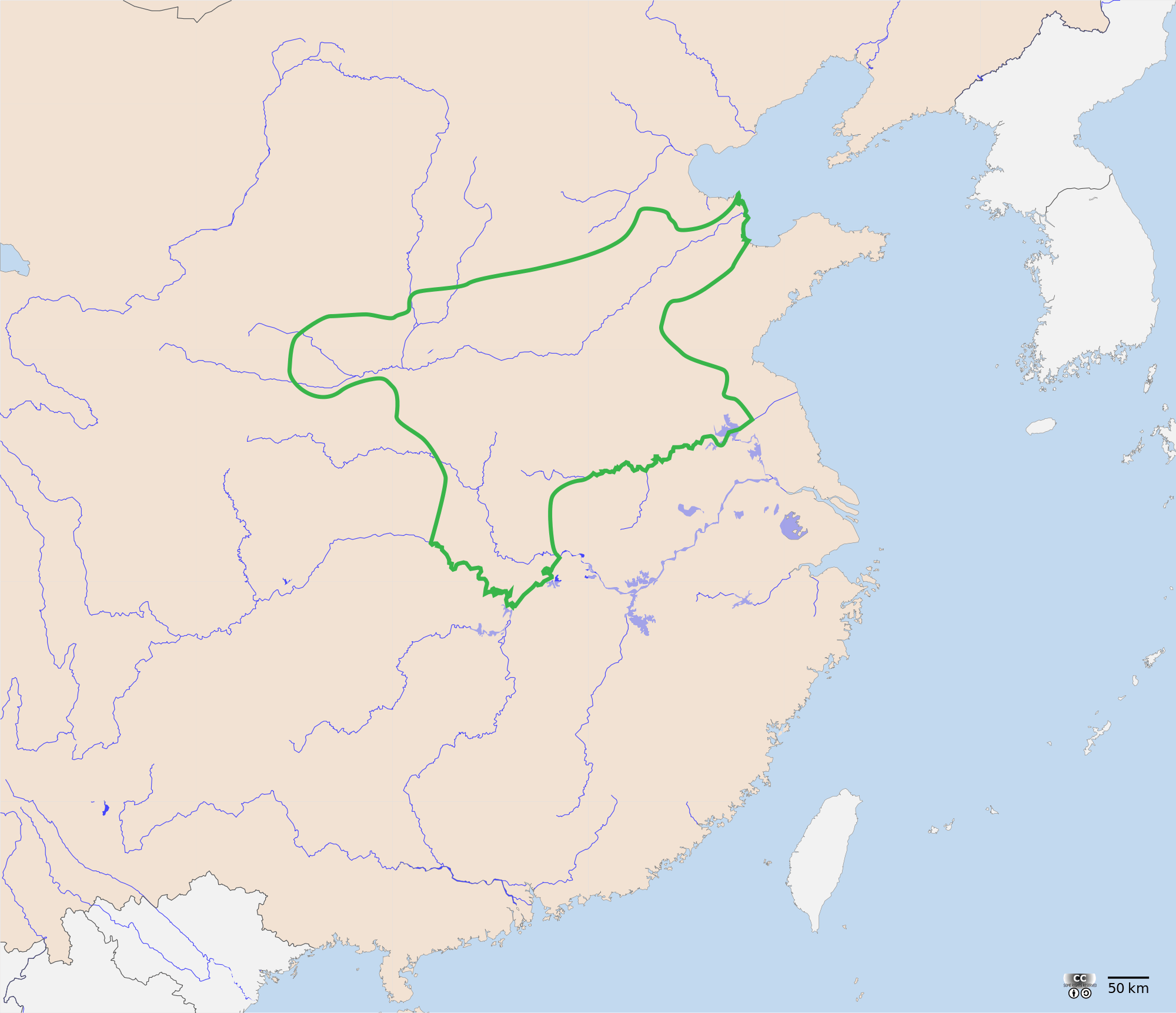
What was the name of China's FIRST dynasty?
a)
Shang
b)
Zhou
c)
Hanfeizi
d)
Huang He
74.
The belief that the Chinese king’s right to rule came from the gods
a)
Confucianism
b)
Mandate of Heaven
c)
dynasty
d)
Daoism
75.
Early civilizations like Mesopotamia, Egypt, India and China have one thing in common.....
a)
each civilization flourished despite harsh desert conditions
b)
we know little about them due to catastrophic natural disasters
c)
they were founded along river valleys
d)
their coastal locations allowed them to trade with the Roman Empire
76.
Because China's geography isolated them, this allowed the people to create a unique _______.
a)
Robe
b)
Culture
c)
Ship
d)
Hairstyle
77.
If a natural disaster occurred, such as an earthquake, what could someone in ancient China assume about their leader?
a)
The gods are happy with the ruler of the current dynasty
b)
The current dynasty will keep power through the Mandate of Heaven
c)
The current dynasty has lost the Mandate of Heaven
d)
The leader is expecting babies
78.
Some of China's major natural barriers are the
a)
Zagros Mountains, Tigris and Euphrates River
b)
Western and Eastern Desert, Cataracts
c)
Arabian Sea, Bay of Bengal, Ganges River
d)
Gobu Desert, Pacific Ocean, Yellow River, Tibetan Plateau
79.
How did geography effect trade in China?
a)
It COMPLETELY blocked trade from other places
b)
It LIMITED trade between China and other civilizations
c)
It made trade EASY
d)
It forced leaders of China to build The Great Wall of China
80.
The Yellow River is sometimes referred to as China's Sorrows. Why?
a)
It brought ONLY trouble.
b)
Due to lack of Loess.
c)
To honor lives lost in violent floods
d)
It brought many blessings.
100 %

