wayground logo

Free Printable Worksheets

Font size

S
M
L
XL
Worksheets

EOC 5TG Test

Total questions: 60

Worksheet time: 29mins

Name
Class
Date
1.
Water covers about ___% of the Earth's surface.
a)
100
b)
70
c)
50
d)
30
2.
Water in the form of a gas is ___.
a)
Water Vapor
b)
Liquid Water
c)
Ice
d)
None of these
3.
True or False- The total amount of water on the earth does not change.
a)
True
b)
False
4.
The constant motion of water is part of the ____.
a)
Water way
b)
Aquifer
c)
Water cycle
d)
Glacier
5.
During ___ water turns from a liquid to a vapor.
a)
Evaporation
b)
Condensation
c)
Collection
d)
Precipitation
6.
Water that falls from the clouds in the form of snow, rain, sleet or hail is known as ___.
a)
Evaporation
b)
Collection
c)
Precipitation
d)
Condensation
7.
When precipitation reaches the earth's surface it soaks into the ground and collects in streams, lakes and aquifers. This is part of ___.
a)
Collection
b)
Precipitation
c)
Evaporation
d)
Condensation
8.
What percent of the earth's water is fresh water?
a)
98%
b)
70%
c)
50%
d)
3%
9.
Most of the earth's fresh water is frozen in polar ice caps or ___.
a)
glaciers
b)
water vapor
c)
oceans
d)
aquifers
10.
Water that seeps through cracks and holes in the ground is called ___.
a)
water vapor
b)
groundwater
c)
salt water
d)
precipitation
11.
Underground rock layers that water flows through are called ____.
a)
aquifers
b)
evaporation 
c)
glacier
d)
fountains
12.
What percent of water on the planet is salt water?
a)
100%
b)
98%
c)
50%
d)
2%
13.
How many oceans are there on Earth?
a)
1
b)
3
c)
4
d)
5
14.
____ is the usual predictable pattern of weather in an area over a long period of time.
a)
Climate
b)
Weather
c)
Currents
d)
Storms
15.
Climate is affected by the angle at which the sun's rays hit the earth. Which climate zone is the warmest?
a)
Tropics
b)
Mid-latitude
c)
The poles
d)
All of these
16.
The sun hits the planet directly between
a)
The Tropic of Cancer and the Arctic Circle
b)
The Tropic of Cancer and the Antarctic Circle
c)
The Tropic of Cancer and Capricorn 
d)
North and  South Pole
17.
One of the main reasons for the seasons is
a)
the proximity of earth to the sun
b)
the tilt of the earth
c)
the summer solstice
d)
the equinox
18.
What happens when the area in which you live tilts away from the sun?
a)
It is summer.
b)
It is spring.
c)
It is winter.
d)
It is fall.
19.
Which season is taking place in the Southern Hemisphere in Position 1?
a)
Winter
b)
Spring
c)
Summer
d)
Fall
20.
This part of the Earth contains all of the water.
a)
atmosphere
b)
biosphere
c)
geosphere
d)
hydrosphere
21.
This part of the Earth contains all living things.
a)
atmosphere
b)
biosphere
c)
geosphere
d)
hydrosphere
22.
The lithosphere is the earth's hard outer shell or land areas. 
a)
true
b)
false
23.
A physical feature is 
a)
a characteristic of a place occurring naturally
b)
a mountain range and a city
c)
climate and towns
d)
all of the above
24.
The United States is mostly in the following climate zone
a)
Tropical climate
b)
Mid-latitude climate
c)
High latitude climate
d)
Subarctic climate
25.
Areas the lie near the Equator have a
a)
Mid-latitude climate
b)
Highland climate
c)
Dry climate
d)
Tropical climate
26.
Tall hardwood trees that form a canopy can be found in
a)
Dry climates
b)
High latitude climates
c)
Tropical climates
d)
Tundra
27.
Mid-latitude climates contain 
a)
permafrost
b)
deciduous and coniferous trees
c)
shrubs and cacti
d)
taiga
28.
Mid-latitude climates
a)
lie near the North and South Poles
b)
lie between the Tropic of Cancer and Tropic of Capricorn
c)
lie between the Tropics and the high latitudes. 
d)
receive direct sunlight year round. 
29.
High latitude climates
a)
lie near the North and South Pole
b)
lie between the Tropics
c)
contain cacti and deciduous trees
d)
are hot all year long
30.

Geography is...

a)

The study of Earth and how we, the people who live there, interact with it.

b)

The study of Earth and its atmosphere.

c)

The study of rocks, minerals, and all physical attributes of Earth

31.
Movement is ...
a)
The way people, goods and ideas travel from place to place.
b)
The way people and the environment affect each other.
c)
Where a place is on Earth.
32.

Regions are ...

a)

Areas of the world that have common physical, human or cultural characteristics.

b)

An absolute location on Earth.

c)

The physical and human characteristics of a place.

33.
Human and Environment Interactions are ...
a)
The way people and the environment affect each other.
b)
Areas of the world that have common physical, human or cultural characteristics.
c)
The way people, goods and ideas travel from place to place.
34.
Location is ...
a)
The way people, goods and ideas travel from place to place.
b)
Areas of the world that have common physical, human or cultural characteristics.
c)
Where a place is on Earth.
35.

An example of an absolute location would be.........

a)

37.02 degrees N, 93.20 degrees W

b)

United States of America

c)

The South

36.

An example of relative location would be............

a)

37.02 degrees N, 96.2 degrees W

b)

10 miles south of Springfield on HWY 65

c)

Paris, France

37.
Which characteristics would you expect to find in a physical region?
a)
Landforms and Climate
b)
Animal Life and Language
c)
Plant Life and Religion
d)
Culture and Topography
38.
What is the movement theme about?
a)
A place with unifying characteristics
b)
how people, goods, and ideas get from one place to another.
c)
Where something is
d)
A location’s physical and human features.
39.

What is the Location Theme about?

a)

How people affect their environment

b)

The relationship among places

c)

Where something is located

d)

A place with unifying characteristics, such as climate or history

40.

What is the Place theme about?

a)

A place with unifying characteristics, such as climate or history

b)

A location’s physical and human features

c)

Where something is located

d)

How people affect their environment, the physical characteristics of their natural surroundings, and how their environment affects them.

41.

What is the Region theme about?

a)

A place with unifying characteristics, such as climate or history

b)

How people affect their environment, the physical characteristics of their natural surroundings, and how their environment affects them.

c)

Where something is located

d)

How people affect their environment, the physical characteristics of their natural surroundings, and how their environment affects them.

42.
What is the human/environment interaction theme about?
a)
How people affect their environment, the physical characteristics of their natural surroundings, and how their environment affects them.
b)
A location’s physical and human features.
c)
A place with unifying characteristics, such as climate or history
d)
The relationship among places
43.

Which of the following could define a physical region?

a)

language

b)

religion

c)

mountain ranges

d)

political barriers

44.

Economics is the study of how people

a)

use resources

b)

study history

c)

worship

d)

study music

45.
Social Studies is the study of
a)
animal social groups.
b)
geography and history.
c)
gravity and force.
d)
the Earth and Moon.
46.
A person's culture is also
a)
their language and clothing.
b)
their history and religion
c)
(both of these)
d)
(neither of these)
47.
History is the study of
a)
earth science.
b)
life science.
c)
past events.
d)
philosophy.
48.
Governments exist because
a)
societies require order.
b)
presidents like to boss people around.
c)
people need rulers.
d)
my teacher said so.
49.
Economics is the study of
a)
gravity and force.
b)
how potatoes are harvested.
c)
how fruit is picked and sold.
d)
how resources are produced, distributed and consumed.
50.
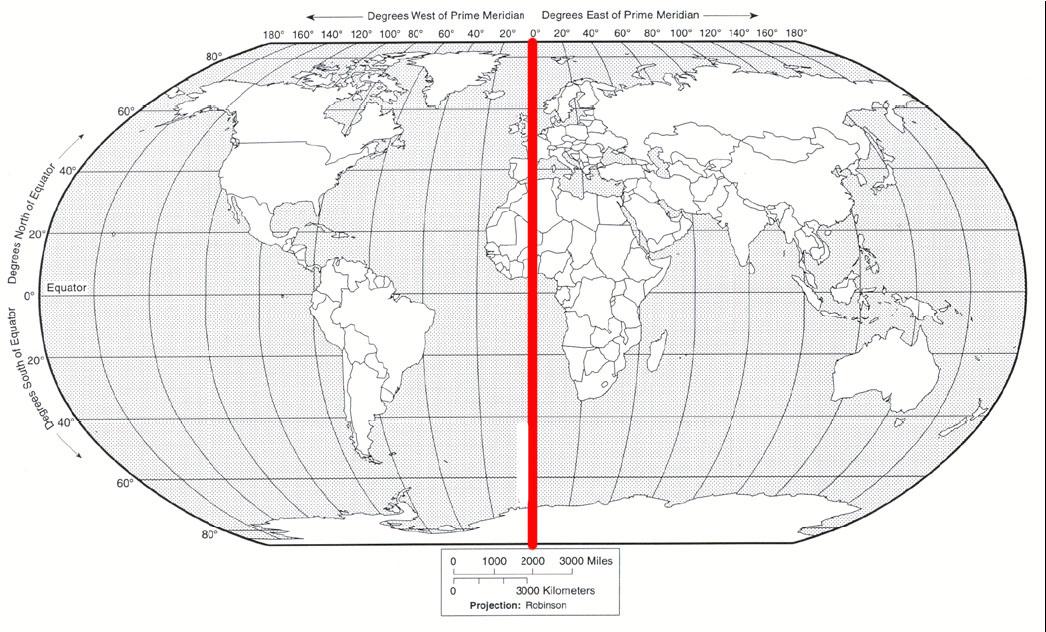
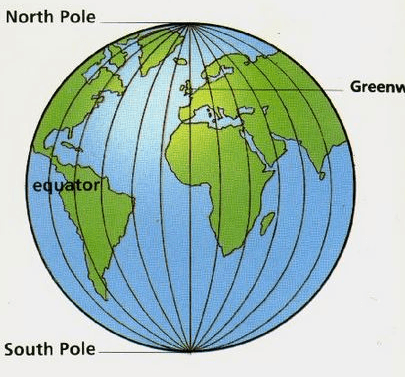
What is the name of the line at zero degrees longitude?
a)
Equator
b)
Prime Meridian
c)
North Pole
d)
South Pole
51.
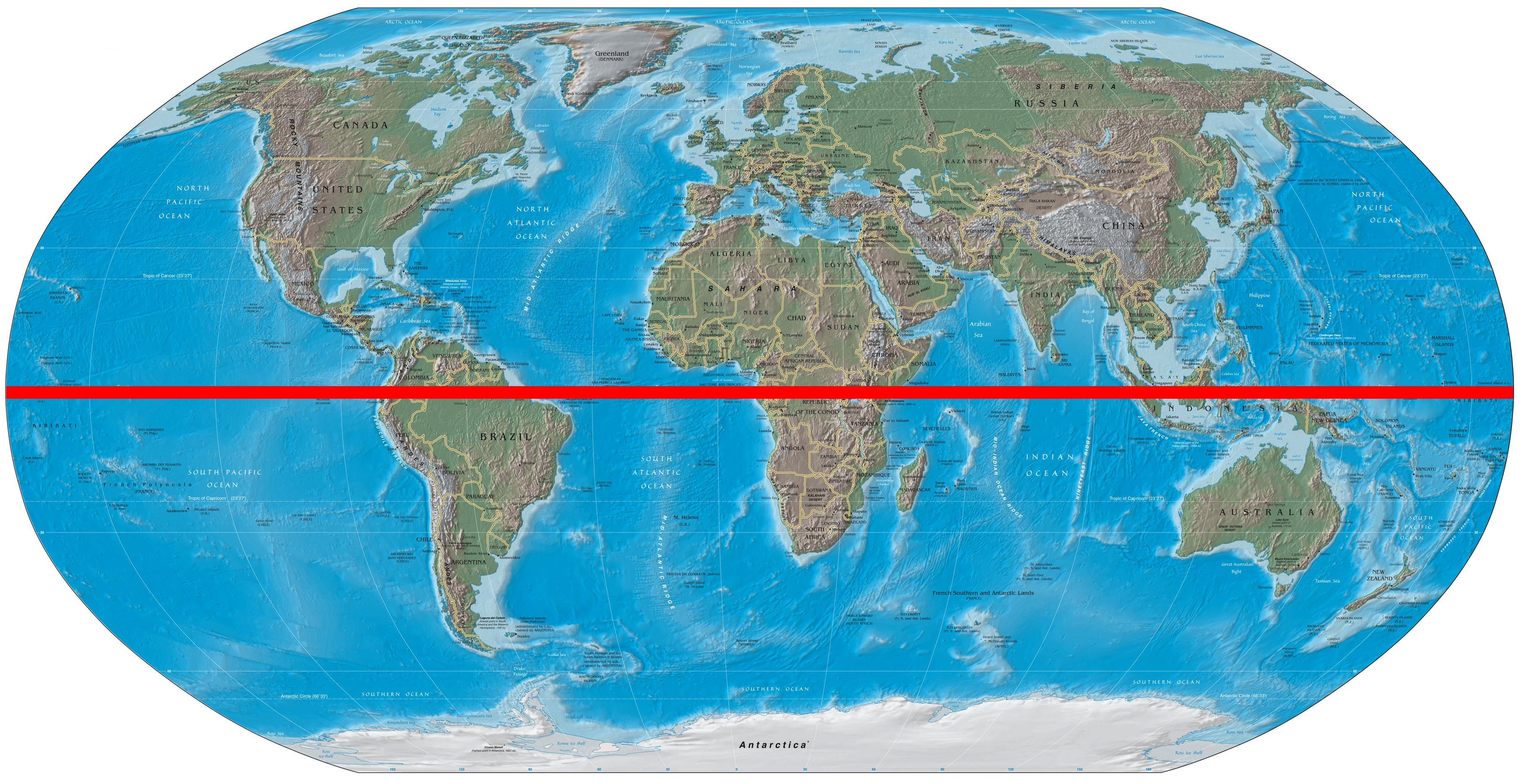
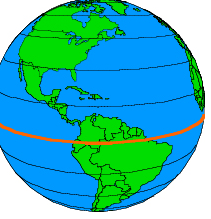
What is the name of this line at 0 degrees latitude?
a)
Prime Meridian
b)
Equator
c)
North Pole
d)
South Pole
52.
This map shows lines of
a)
longitude.
b)
latitude.
c)
climate
d)
longitude and latitude
53.
This map shows lines of
a)
longitude.
b)
latitude.
c)
climate
d)
longitude and latitude
54.
What is absolute location?
a)
Your exact location, like your address or coordinates
b)
A location that is close to or relative to another place
c)
The only place you have ever been
d)
I absolutely do not know.
55.

"Comparing Communism and Capitalism" is an example of which of the 8 Elements of Civilization?

a)

Economics

b)

Social Life

c)

Daily Life

d)

The Cold War

56.
Winters in Idaho are usually cold and snowy.
a)
Climate
b)
Weather
c)
Annoying
d)
Awesome
57.
Tomorrow is supposed to be windy and rainy.
a)
Climate
b)
Weather
c)
Region
d)
Location
58.

A mixed economy is

a)

a combination of capitalism and market systems

b)

a combination of command and socialism

c)

a combination of communism and command

d)

a combination of capitalist and command systems.

59.

Three basic economic questions:

a)

Where is it? Who made it? Who gets to use it?

b)

What to produce? How to produce? For whom to produce?

c)

What to produce? Where is it produced? How to produce?

d)

Where is it? How to produce? Who made it?

60.

The United States government is called a republic because

a)

Citizens vote

b)

Citizens vote and are represented by their elected official

c)

Citizens are Republicans and Democrats

d)

Citizens who vote have a right to complain