wayground logo

Free Printable Worksheets

NEW

Font size

S
M
L
XL
Worksheets

Biomes

Total questions: 59

Worksheet time: 24mins

Name
Class
Date
1.
A large region characterized by a specific climate and certain types of plant and animal communities is called a ______
a)
biome
b)
niche
c)
habitat
d)
ecosystem
2.
Which describes the deciduous forest biome?
a)
trees lose leaves in fall
b)
have four seasons
c)
moderate rainfall
d)
all are correct
3.
Climate or weather?  an afternoon thunderstorm, five hot days in a row, daily changes in temperature and precipitation.
a)
climate
b)
weather
4.
Biotic factors of an ecosystem are:
a)
non-living
b)
only plants
c)
living things
d)
soil
5.
Which biome is found near the equator?
a)
tropical rain forest
b)
coniferous forest
c)
desert
d)
tundra
6.
The type of soil, temperature and precipitation level determines the ________
a)
climate
b)
temperature
c)
snowfall
d)
types of plants
7.
Large leaves on rainforest trees are an adaptation because they help the plants get ________
a)
more shade
b)
more sunlight
c)
more water
d)
more soil
8.
Identify an a example of an abiotic factor?
a)
Panda
b)
Turtle
c)
Butterfly
d)
sunlight
9.
Climate or weather? Long term precipitation patterns, average daily temperature over 100 years, average weather over a lifetime
a)
climate
b)
weather
10.
What biome contains the evergreens?
a)
deciduous forest
b)
coniferous forest
c)
tropical rain forest
d)
tundra
11.

Which biome holds the greatest biodiversity (most different kinds of species)?
a)
grassland
b)
tundra
c)
rainforest
d)
desert
12.
The trees in this biome shed their leaves and grow new ones each year:
a)
temperate deciduous forest
b)
grasslands
c)
deserts
d)
tundra
13.
Tropical rainforest typically have 
a)
one type of species
b)
Many types of species
c)
plants that lose their leaves in the fall
d)
cone bearing trees
14.
Which biome features permanently frozen soil called permafrost?
a)
Coniferous Forest
b)
Deciduous Forest
c)
Desert
d)
Tundra
15.
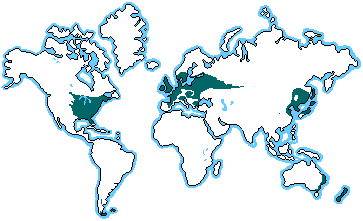
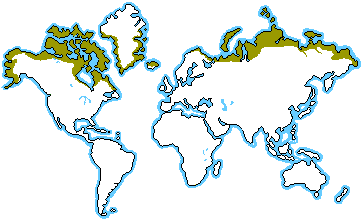
The area of the map shaded in represents which of the following terrestrial biome
a)
Coniferous Forrest
b)
Deciduous Forrest 
c)
Desert
d)
Tundra
16.
The Fennec fox is best adapted to which biome?
a)
tropical rain forest
b)
temperate deciduous forest
c)
coniferous forest
d)
desert
17.
In which biome would you most likely find this fox?
a)
tropical rain forest
b)
grassland
c)
tundra
d)
desert
18.
Which of the following are desert plant adaptations?
a)
no leaves to reduce water loss
b)
stores water in the stem
c)
long root system to absorb infrequent rains
d)
all are correct
19.
The area of the map shaded in represents which of the following terrestrial biome
a)
Coniferous Forest
b)
Deciduous Forest
c)
Desert
d)
Tundra
20.
Which of the following choices only includes abiotic factors?
a)
Sunlight, algae, and temperature
b)
Fish, crabs, oxygen
c)
Sunlight, soil, and oxygen
d)
Algae, temperature, and dog
21.
Which two biomes have the least precipitation?
a)
tropical rain forest and temperate grassland
b)
savanna and tropical dry forest
c)
tundra and desert
d)
deciduous forest and coniferous forest
22.
The coldest biome, which is found in high latitudes, is called a 
a)
tundra
b)
taiga (coniferous)_
c)
grassland
d)
tropical rainforest
23.
Freshwater or marine (salt water)?
rays, oysters, clams, sharks, squid, whales
a)
freshwater
b)
marine
24.
Which biome is MOST LIKE the "desert" in terms of precipitation?
a)
tropical rainforest
b)
temperate deciduous forest
c)
tundra
d)
coniferous forest
25.
Which biome is home to jaguars, anacondas, leopards, gorillas, and poisonous tree frogs?
a)
Grasslands
b)
Temperate Forest
c)
Rainforest
d)
Tundra
26.
Which biome do we live in?
a)
Grasslands
b)
Coniferous forest
c)
Rainforest
d)
Temperate deciduous Forest
27.
Which biome is home to lions, zebras, wildebeests, giraffes, and elephants?
a)
Grasslands
b)
Tundra
c)
Rainforest
d)
Temperate Forest
28.
Which biome has wide-open fields of grass?
a)
Coniferous forest (taiga)
b)
Grasslands
c)
Temperate Forest
d)
Rainforest
29.
Which biome has deciduous trees (which lose their leaves)?
a)
Temperate Forest
b)
Rainforest
c)
Grasslands
d)
Taiga
30.
A large geographical area with similar climate, plants, and animals is called a ______
a)
Ecosystem
b)
Habitat
c)
Biome
d)
Niche
31.
What is an adaptation?
a)
A feature that helps a plant grow.
b)
A feature that helps a living thing survive.
c)
A feature that helps a living thing walk.
d)
A feature that that helps only animals survive. 
32.
Some plants have small leaves that help them do which of these?
a)
grow tall
b)
conserve water
c)
make seeds
make seeds
d)
fall off in winter
33.
This is the only state in the United States that has tundra land.
a)
Alaska
b)
Ohio
c)
Virginia
d)
Maine
34.
The trees in this forest biome have needle like leaves that are hard for many animals to eat.
a)
Coniferous Forest
b)
Deciduous Forest
c)
Tropical Rain Forests
d)
Deserts
35.
The biome known for trees with broad leaves that fall off the trees in the winter.
a)
Coniferous Forests
b)
Deciduous Forests
c)
Deserts
d)
Tropical Rain Forests
36.
This biome has soil that is rich in nutrients, making it good for farming
a)
taiga (coniferous forest)
b)
rainforest
c)
tundra
d)
grasslands
37.
This biome gets about 250 cm (lots)of rain a year.
a)
taiga
b)
rainforest
c)
deciduous forest
d)
grasslands
38.
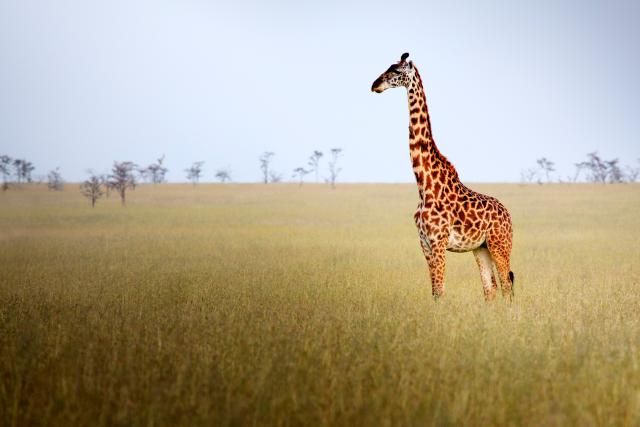
What is this biome?
a)
Coniferous Forest
b)
Desert
c)
tundra
39.
In which biome would you MOST LIKELY find this organism?
a)
savanna grassland
b)
tropical rainforest
c)
temperate grassland
d)
tundra
40.
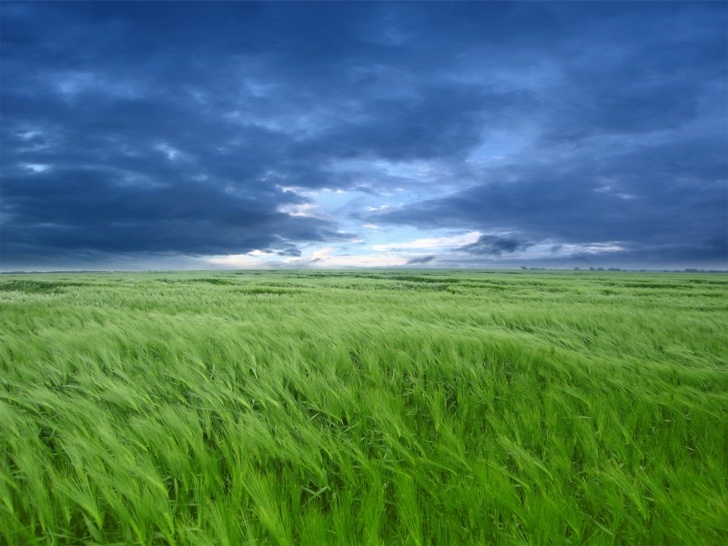
What is this biome?
a)
Grassland
b)
Desert
c)
deciduous forest
41.
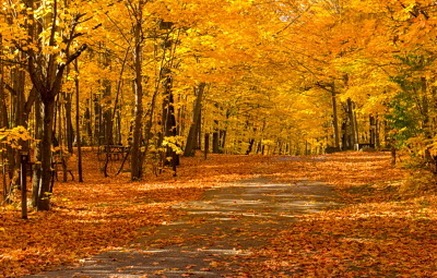
What is this biome?
a)
Deciduous Forest
b)
Tropical Rainforest
c)
coniferous forest
d)
tundra
42.
What two things determine what type of biome forms in an area? (hint: these make up climate)
a)
temperature and soil
b)
temperature and precipitation
c)
precipitation and soil
d)
air and water
43.
A community of living organisms interacting with land water and air is called ________ (hint: smaller than biome)
a)
a mini-biome
b)
a habitat
c)
an ecosystem
d)
an organism
44.
Which adaptations do mountain goats have that help them survive cold areas?
a)
strong muscular body for jumping and climbing
b)
white fur to blend in in high mountain areas
c)
horns to use as protection
d)
all of these are adaptations
45.
Which biome has many nocturnal animals to escape the heat of the day?
a)
desert
b)
tropical rain forest
c)
marine (salt water)
d)
tundra
46.
Freshwater or marine?
worms, algae, ducks, tadpoles, alligators, largemouth bass, cattails
a)
freshwater
b)
marine
47.
Based on the high level of precipitation and year round warm temperatures which biome does this climatogram graph represent?
a)
temperate deciduous forest
b)
desert
c)
tundra
d)
tropical rain forest
48.

The tundra is a cold dry biome. Which factor contributes the most to its climate?

a)

latitude

b)

type of plants

c)

type of animals

d)

elevation

49.

Receives little rainfall, low humidity and warm daytime temperatures. These are _____

a)

biotic factors

b)

abiotic factors

c)

living parts of the ecosystem

d)

characteristics of the tropical rain forest

50.

Large colorful birds, monkeys, jaguars, slots, insects, and tree frogs. These are ______

a)

biotic factors of the desert

b)

abiotic factors of the tropical rainforest

c)

biotic factors of the tropical rain forest

d)

biotic factors of the temperate deciduous forest

51.

Oak, maple, beech, poplar trees, rabbits, deer, chipmunks. These are _____

a)

abiotic factors of the temperate deciduous forest

b)

Biotic factors of the temperate deciduous forest

c)

Biotic factors of the coniferous forest

d)

Biotic factors of the tundra

52.

Many organisms in colder climates will hibernate in the winter. Why do they do this?

a)

There is no precipitation during the winter

b)

it prevents them from finding resources like food and water

c)

Hibernation increases their chances of survival

d)

If they hibernate then they need more resources like food and water

53.

When comparing a river to an ocean, which of these makes the most sense?

a)

Rivers haver larger fish

b)

Rivers cover more of the earth's surface

c)

oceans do not contain plants

d)

Oceans are marine or saltwater and rivers are fresh

54.

estuary, river, pond, lake

a)

land

b)

water

c)

sky

d)

interplanetary

55.

Lets say you do an experiment to see how a freshwater aquatic plant (like our old friend anachris or elodea that we looked at its cells) grows in salt and fresh water. What is the most reasonable hypothesis?

a)

If a freshwater plant is in salt water then it will not grow as well

b)

If a freshwater plant is in saltwater then its growth will be greater

c)

Freshwater plants and saltwater plants grow equally well in both waters

d)

Plants cant grow in water

56.

Which is an example of a structural (physical) adaptation?

a)

Humans, and other primates, have opposable thumbs

b)

Hawks have strong beaks to tear meat

c)

Whales have blow holes on top of their heads

d)

all of these are structural or physical adaptations

57.

Which of these are behavioral adaptations?

a)

Migration

b)

Hibernation

c)

Baby whitetail deer lay motionless when danger is near

d)

all of these are behavioral adaptations

58.

Ecosystems can change over time due to climate change and other shifts in the environment

a)

true

b)

false

59.

Snowshoe hares are white in the winter then they turn browner as summer approaches. How does this adaptation help them survive?

a)

Brown fur helps them run faster

b)

White fur helps them be camouflaged in the winter while brown helps them hide in summer

c)

White fur makes them taste bad to predators

d)

Brown fur makes them taste bad to predators