
NEW
Font size
S
M
L
XL
 Worksheets
Biogeochemical Cycles
Total questions: 25
Worksheet time: 23mins
Name
Class
Date
1.
Where is most water found on Earth?
a)
glaciers
b)
lakes
c)
rivers
d)
oceans
2.

What is the process of water droplets or ice crystals falling from the sky?
a)
evaporating
b)
condensing
c)
precipitating
d)
runoff
3.
On which kind of day would you expect the most evaporation from the surface of a pond?
a)
cold, rainy
b)
cold, sunny
c)
warm, rainy
d)
warm, sunny
4.
Do plants support the carbon cycle?
a)
Yes
b)
No
5.
Which of the following removes carbon from the atmosphere?
a)
Combustion
b)
Respiration
c)
Photosynthesis
d)
Death
6.
What are all living things made of?
a)
Phosphorus
b)
Oxygen
c)
Carbon
d)
Nitrogen
7.
The conversion of light energy, water and carbon dioxide into glucose and oxygen.
a)
Photosynthesis
b)
Nitrogen Fixation
c)
The Phosphorus Cycle
d)
The Water Cycle
8.
Nitrogen is a common gas.
a)
True
b)
False
9.
78% of the atmosphere is nitrogen.
a)
True
b)
False
10.
What is nitrogen fixation?
a)
A process used by plants and other organisms to convert light energy, normally from the sun, into chemical energy that can be later released to fuel the organisms activities.
b)
A process in which nitrogen in the atmosphere is converted into ammonia
c)
A process in which bacteria breakdown nitrates in the soil and nitrogen is released into the atmosphere
d)
The conversion of light energy, water and carbon dioxide into glucose and oxygen.
11.
What happens when organisms die and decay?
a)
Their bodies are lifted up
b)
Their nitrogen returns to the soil
c)
They keep their nitrogen
d)
They stay on earth forever
12.

Which of the following substances is not needed by organisms to build protein or DNA?
a)
Water
b)
Carbon
c)
Nitrogen
d)
Calcium
13.

What is it called when plants give off water vapor as a waste product?
a)
condensation
b)
evaporation
c)
sublimation
d)
transpiration
14.

What is one way that carbon enters the atmosphere?
a)
Sunlight
b)
Factory emissions
c)
Ocean uptake
d)
Rain
15.

Organisms that relies on other organisms for food; consumer
a)
herbivore
b)
decomposer
c)
heterotroph
d)
autotroph
16.
Organism that makes its own food by using sunlight or chemicals; autotroph
a)
decomposer
b)
producer
c)
consumer
d)
herbivore
17.
Nitrogen fixation is carried out primarily by
a)
humans
b)
plants
c)
bacteria
d)
consumers
18.
Carbon cycles through the biosphere in all of the following processes EXCEPT
a)
photosynthesis
b)
transpiration
c)
burning of fossil fuels
d)
decomposition of plants and animals
19.

Organisms that break down organic matter and return it to the environment are called _____.
a)
decomposer
b)
autotroph
c)
consumer
d)
heterotroph
20.
How do most primary producers make their own food?
a)
by using light energy to make carbohydrates
b)
by using chemical energy to make carbohydrates
c)
by changing water into carbon dioxide
d)
by breaking down remains to make carbon dioxide
21.

What may happen if the snowshoe hare was removed from the food web pictured?
a)
The insects in the habitat would increase.
b)
The shrew population would decrease due to being only hawk food source.
c)
The willow tree population would decrease.
d)
Foxes would dies due to no food source.
22.
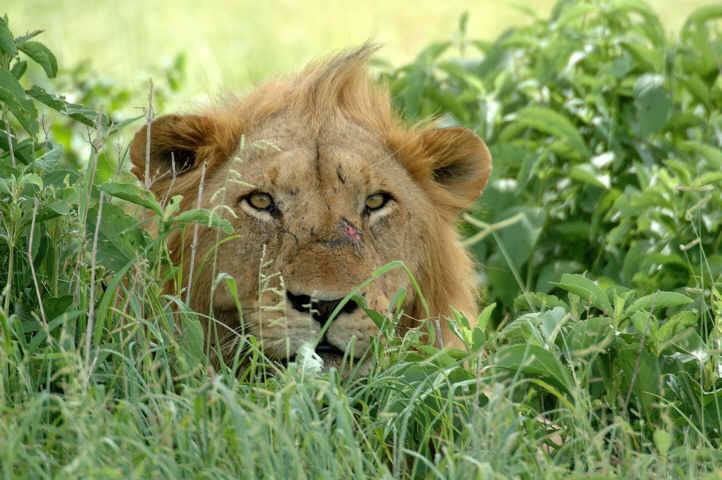
How does the carbon in grass become part of a lion?
a)
The lion eats the grass
b)
Carbon from grass doesn't end up in a lion.
c)
The carbon ends up in the lion's food chain.
d)
The lion breathes in carbon given out by the plant
23.
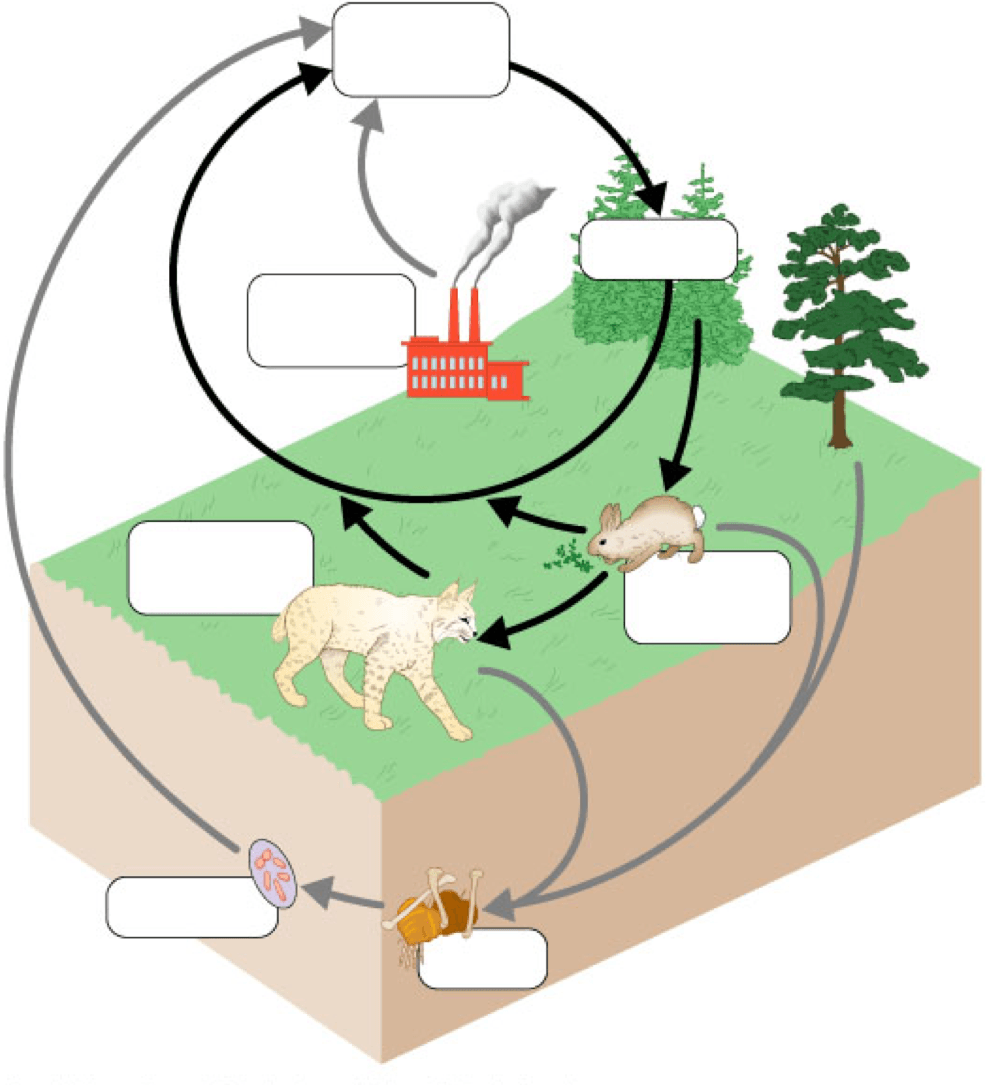
In what process is Carbon transformed into chemical energy?
a)
Photosynthesis
b)
Respiration
c)
Primary Production
d)
Secondary Production
24.
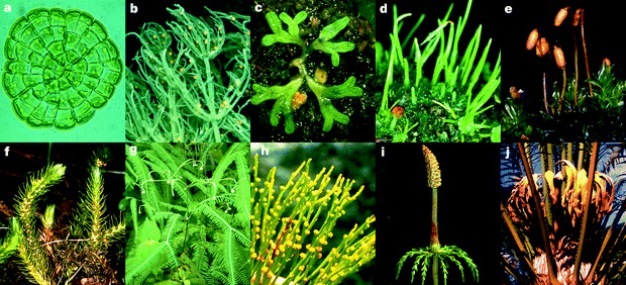
What would happen to the carbon dioxide levels on Earth if all photosynthetic organisms suddenly died?
a)
There would be an increase in the atmospheric levels of carbon dioxide
b)
There would be a decrease in the atmospheric levels of carbon dioxide
25.

If the process of evaporation was unable to occur on Earth, what would we expect to happen?
a)
An increase in ocean levels and an increase in precipitation
b)
An increase in ocean levels and an decrease in precipitation
c)
An decrease in ocean levels and an increase in precipitation
d)
An decrease in ocean levels and an decrease in precipitation
Reset

