
 Worksheets
Literary Terminology Terms
Total questions: 54
Worksheet time: 40mins

A category or type of literature.
theme
literature
genre
tone

The 3 criteria of a short story (developed by Edgar Allan Poe):
Create one emotional effect.
Short enough to be read in one sitting (30 minutes or less).
Every word, character, or incident must contribute to the emotional effect.
All of them.

What are the reasons for reading?
Pleasure
Insight
Our teacher makes us
Both pleasure and insight
Man vs. Man
Man vs. Himself
Man vs. Nature
Man vs. Fate/Destiny
Man vs. Society
Man vs. Technology
Man vs. Unknown/Supernatural
tone
plot
types of conflict
exposition
Establishes the setting, introduces characters, and sows seeds for future conflicts.
denoument
rising action
plot
exposition
A series of crises followed by epiphanies that build in intensity.
rising action
falling action
climax
tone
The moment of highest emotional intensity from which the outcome can be seen.
plot
conflict
falling action
climax
Usually the shortest part of the story; follows the climax, in which the pieces of the story begin to settle.
resolution
falling action
exposition
plot
Also called the denouement; suspense ends with the final unraveling of the conflict.
resolution
exposition
plot
climax
The sequence of events in a story; without conflict, it cannot exist.
plot
theme
tone
exposition
Author's attitude toward his subject; can be ironic, satirical, humorous, serious, etc.
theme
tone
characterization
setting
The underlying message of the story (e.g., good vs. evil; hard work pays off):
plot
foil
tone
theme
Location of the story in time and place
setting
characterization
foil
theme
The creation of imaginary persons so that they seem lifelike.
foil
dynamic character
characterization
tone
A character that changes little, if at all.
static
dynamic
A character who is changed by actions and experiences.
static
dynamic
A character used in contrast with another.
exposition
foil
theme
dynamic character
The vantage point from which the author presents a story.
setting
characterization
point of view
symbol
The narrator is a character in the story.
first-person
third-person, limited
third-person, omniscient
second-person
The narrator is outside the story but tells the thoughts and feelings of only one character.
first-person
third-person, limited
third-person, omniscient
second-person
The narrator is outside the story and tells the thoughts and feelings of all characters.
first-person
third-person, limited
third-person, omniscient
second-person
The words spoken by the characters, shown in quotations, do three things:
1. Move the plot
2. Identify conflict
3. Provide characterization
characterization
dialogue
tone
diction

Something that stands for itself and also stands for something else.
Exposition
Characterization
Dialogue
Symbol
A hint of what is to come; creates suspense.
tone
symbolism
foreshadowing
flashback
An occurrence in which a character remembers an earlier event that happened before the current point in the story.
a delorean
satire
flashback
foreshadowing
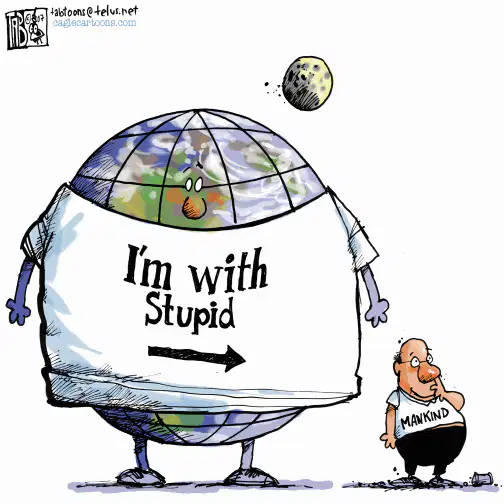
Holding up the conventions of society for ridicule or scorn; using humor to point out what is wrong with society.
irony
satire
metaphor
simile
A statement that at first seems contradictory, but actually makes complete sense.
irony
satire
metaphor
paradox
A direct comparison stating that one thing is another.
metaphor
simile
A direct comparison using "like" or "as".
metaphor
simile
The actual dictionary definition of a word.
diction
dialogue
connotation
denotation
Creating pictures with words
characterization
dialogue
imagery
setting
The feeling or atmosphere created while reading a text.
mood
oxymoron
suspense
anecdote
The anxious feeling that the events of a story produce
suspense
mood
tone
paradox
Using the character's thoughts, feelings, words, and actions to characterize the character.
Direct Characterization
Indirect Characterization
When an author directly tells the reader about a character, what is this called?
Indirect Characterization
Direct Characterization
The main character of the story.
antagonist
foil
protagonist
personification
The character who opposes and complicates things for the main character.
antagonist
protagonist
foil
anecdote
A brief story about an interesting, amusing, or strange event.
analogy
anecdote
allegory
allusion
The use of words to mean something different from what they appear to mean; saying one thing but really meaning another.
situational irony
dramatic irony
verbal irony
A figure of speech that contains words which seem to contradict each other.
hyperbole
oxymoron
paradox
allusion
A reference to a person, place, thing, event, or statement from literature, history, religion, mythology, or politics.
allusion
analogy
anecdote
allegory
If you say, "the scissors danced a thousand dances across the paper as the art student began his project," what kinds of literary devices are you using?
personification and hyperbole
personification and simile
simile and hyperbole
pun and idiom

A play on words.
idiom
pun
allusion
anecdote
idiom
a word or phrase not meant to be taken literally
giving inanimate objects human qualities
a play on words
extreme exaggeration used for effect
A character's moment of insight and understanding; the "light bulb" moment.
epiphany
foil
point of view
exposition
Universal patterns in literature found throughout the world; often an idea, symbol, pattern, or character type.
archetype
anecdote
analogy
allegory
A humorous imitation of a literary work; one that exaggerates or distorts the characteristic features of the original.
satire
parallelism
parody
anecdote
An extended comparison of relationships or the similarity or difference between two things.
archetype
anecdote
allegory
analogy
The reader knows more than the character.
Situational irony
Dramatic irony
Paradox
Soup
a repetition of grammatical structure throughout the literary work
anecdote
parody
parellisism
characterization
a story with two or more levels of meaning that represent real concepts
allegory
analogy
anecdote
archetype
an image, sound, action, or other figure that keeps repeating throughout a work and help develop the theme (Spirit of Adventure)
motif
foil
hyperbole
archetype
word choice; includes vocabulary and syntax
dicton
connotation
denotation
dialogue

