
 Worksheets
U1.2 How Does My Body Work?
Total questions: 31
Worksheet time: 33mins
Name
Class
Date
1.
Which of the following statements best describes blood flow in the human body?
a)
As the thickness of the blood decreases, the rate of
blood flow increases.
b)
As the diameter of a blood vessel decreases, the rate
of blood flow increases.
c)
As the length of a vein decreases, the resistance to
blood flow decreases.
d)
As blood pressure increases, the rate of blood flow
decreases.
2.
If an individual experiences a severe injury leading to a drop in blood volume, which of the following will occur?
a)
an increase in blood oxygen
b)
an increase in blood viscosity
c)
a decrease in blood pH
d)
a decrease in blood pressure
3.

What part of the brain is being represented by the number 2?
a)
Temporal lobe
b)
Occipital lobe
c)
Medulla
d)
Thalamus
4.

What part of the brain is being represented by the letter B?
a)
Cerebrum
b)
Thalamus
c)
Occipital lobe
d)
Cerebellum
5.

What part of the brain is being represented in this photo?
a)
Cerebrum
b)
Cerebellum
c)
Medulla
d)
Hypothalamus
6.
Through which structure do the sperm travel to exit the testes?
a)
Epididymis
b)
Seminiferous tubules
c)
Scrotum
d)
Vas Deferens
7.
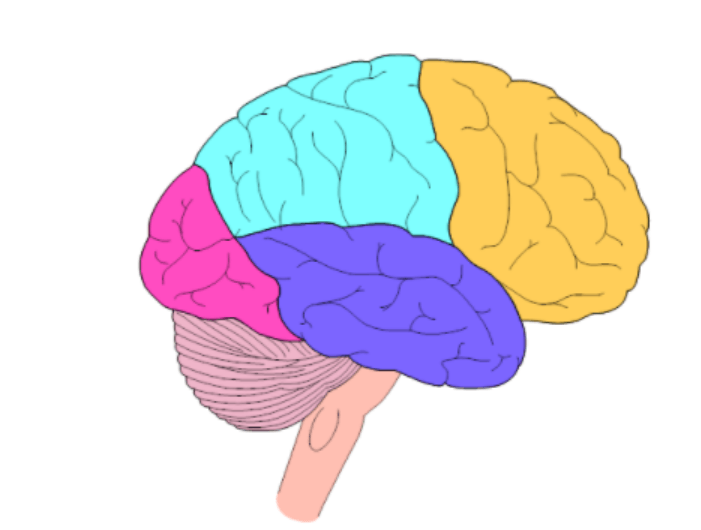
What lobe is orange in this picture?
a)
Frontal
b)
Parietal
c)
Temporal
d)
Occipital
8.
What lobe is bright pink in this picture?
a)
Frontal
b)
Parietal
c)
Temporal
d)
Occipital
9.
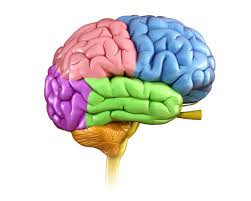
What lobe is green in this picture?
a)
Frontal
b)
Parietal
c)
Temporal
d)
Occipital
10.
What lobe is pink in this picture?
a)
Frontal
b)
Parietal
c)
Temporal
d)
Occipital
11.
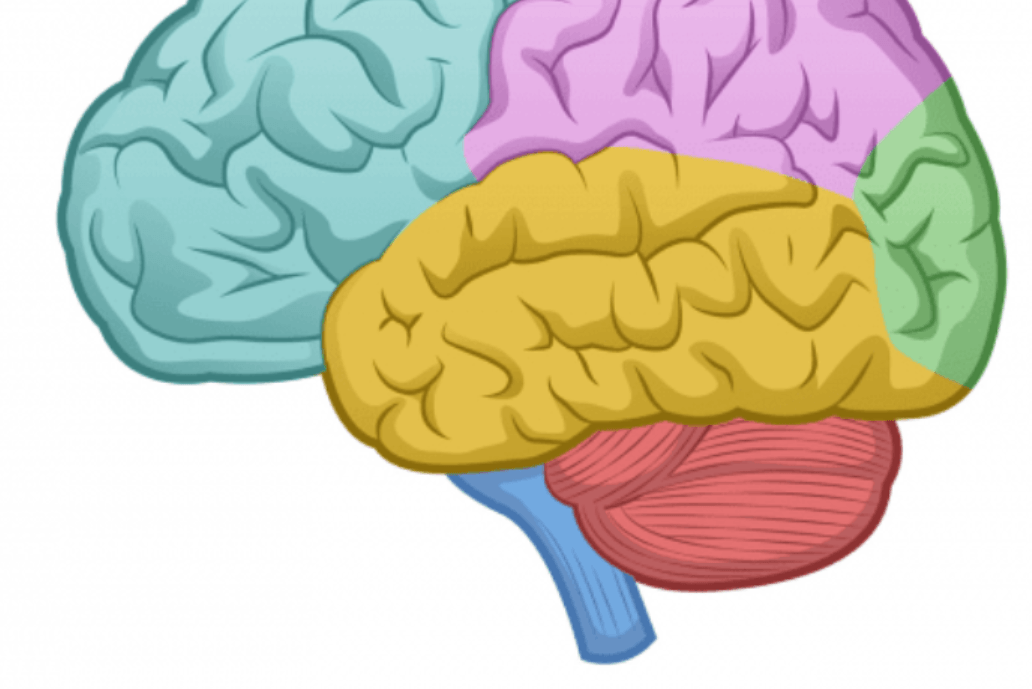
What structure is red in this picture?
a)
Cerebrum
b)
Cerebellum
c)
Brain Stem
12.
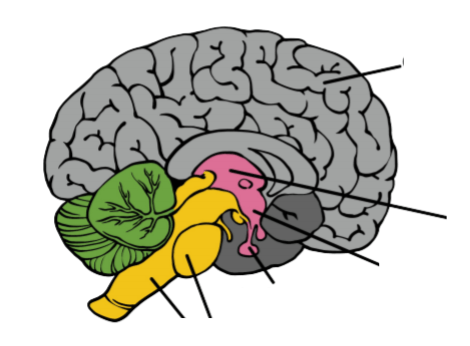
What structure is grey in this picture?
a)
Cerebrum
b)
Cerebellum
c)
Brain Stem
13.

Which produces egg cells and female hormones?
a)
cervix
b)
fallopian tube
c)
vagina
d)
ovaries
14.

Which serves as a temporary storage of sperm cells before they are released in the urethra?
a)
Testes
b)
Epididymis
c)
Prostate gland
d)
Cowper's gland
15.

Where does fertilization usually take place?
a)
ovary
b)
fallopian tube
c)
cervix
d)
vagina
16.

In which of the following structures of the female human reproductive system is the blastocyst implanted during normal human
a)
ovary
b)
uterus
c)
vagina
d)
amniotic sac
17.
Abnormalities present in the cells that line the uterus may prevent the production of offspring by directly interfering with which process?
a)
the development of the embryo
b)
the differentiation of gametes into zygotes
c)
the secretion of estrogen by the ovary
d)
the production and release of egg cells
18.
The nesting of a fertilized egg in the wall of the uterus.
a)
Implantation
b)
Fertilization
c)
Conception
d)
Menstruation
19.
Where does spermatogenesis occur?
a)
Scrotum
b)
Vas deferens
c)
Seminiferous tubules
d)
Epididymis
20.

LETTER e:
a)
Uterus
b)
Vulva
c)
Ovaries
d)
Vulva
21.
A fetus develops in the
a)
ovaries
b)
fallopian tubes
c)
uterus
d)
cervix
22.
Where sperm go to mature for 2-3 months.
a)
Seminal Vesicles
b)
Urethra
c)
Vas Deferens
d)
Epididymis
23.
Once a sperm matures, it travels through this tube
a)
Vas deferens
b)
Fallopian tube
c)
Ovaries
d)
Epididymis
24.
The male gland that adds fluid to the sperm to nourish and protect it.
a)
Prostate gland
b)
Male gland
c)
Female gland
d)
Adrenal gland
25.
When an individual has high cholesterol, certain substances, such as calcium and fats, form plaque in arteries. How is this plaque, known as arterial plaque, most likely to affect blood flow?
a)
Arterial plaque clogs the arteries, limiting or stopping blood flow.
b)
Arterial plaque changes the direction of blood flow, which forces oxygenated blood to the heart.
c)
Arterial plaque changes the size of blood cells, which prevents blood from flowing in the arteries.
d)
Arterial plaque clears the arteries, increasing blood flow.
26.
Which statement best describes blood pressure?
a)
The force applied by the heart and amount of blood pumped determine blood pressure.
b)
It’s normal and healthy to have extended periods of high blood pressure.
c)
Your blood pressure is higher when you sleep.
d)
Being nervous can decrease your blood pressure.
27.
Which of the following factors decreases blood flow?
a)
an increase in blood pressure
b)
an increase in overall blood volume
c)
a decrease in the radius of a blood vessel
d)
a decrease in blood viscosity
28.
Blood pressure will increase with an increase of what?
a)
heart rate
b)
inactivity
c)
blood volume
d)
oxygen levels
29.
Blood volume and blood pressure are related. What happens to pressure and cardiac output when volume of fluid increases?
a)
increased fluid, decreased cardiac output, and decreased pressure
b)
increased fluid, decreased cardiac output, and increased pressure
c)
increased fluid, increased cardiac output, and decreased pressure
d)
increased fluid, increased cardiac output, and increased pressure
30.
A doctor prescribes a blood thinner to a patient with high blood pressure. What impact will this medication have on blood flow and viscosity?
a)
A doctor prescribes a blood thinner to a patient with high blood pressure. What impact will this medication have on blood flow and viscosity?
b)
The blood flow will decrease and the viscosity will increase.
c)
The blood flow will increase and the viscosity will decrease
d)
The blood flow will increase and the viscosity will increase.
31.
The rate at which blood flows through the human body changes in response to many factors. Which statement describes one of these factors and its effect on blood flow?
a)
A high viscosity of blood causes an increased resistance in the blood vessels and leads to slow blood flow.
b)
A low blood pH decreases the rate of diffusion through the blood vessels and leads to slow blood flow.
c)
The changing of the shape of red blood cells to a crescent shape decreases resistance and lead to a faster blood flow.
d)
The narrowing of blood vessels increases pressure and leads to a faster blood flow.
100 %

