
 Worksheets
The Rock Cycle
Total questions: 34
Worksheet time: 19mins
The process by which sediment is moved from one place to another is called _?_. Can be caused by water, wind, ice, and gravity.
rock cycle
uplift
deposition
erosion
Earth material formed when too much heat and pressure are placed on any rock is _?_.
metamorphic rock
igneous rock
magma
sediment
Process where moving sediments finally come to rest is known as _?_.
deposition
weathering
lithification
erosion
The process by which water, wind, ice, and changes in temperature break down rock into fragments called sediments is known as _?_.
deposition
erosion
weathering
uplift
What is the main way rocks are classified?
their color and shapes
how they form
mineral bands
where they form
How is magma formed?
Sedimentary rock is melted.
Igneous Rock is melted.
Metamorphic Rock is melted.
Sedimentary, Igneous, and Metamorphic Rock are Melted.
What process is necessary to change sedimentary rock to metamorphic rock?
solidification (cooling and hardening)
metamorphism (heat and pressure)
compaction and cementation
weathering and erosion
How are sediments formed?
compaction and cementation
deposition and burial
weathering and erosion
heat and pressure
How do sediments become sedimentary rock?
weathering and erosion
deposition, burial, compaction, and cementation
metamorphism (heat and pressure)
solidification (cooling and hardening)
How does a metamorphic rock become an igneous rock?
melting and solidification (cooling and hardening)
metamorphism (heat and pressure)
weathering and erosion
compaction and cementation
How does igneous rock become metamorphic rock?
weathering and erosion
solidification (cooling and hardening)
metamorphism (heat and pressure)
compaction and cementation
How does magma become an igneous rock?
Weathering and erosion
compaction and cementation
metamorphism (heat and pressure)
solidification (cooling and hardening)
Which process cannot happen?
igneous rock -> heat and pressure - metamorphic rock
igneous rock -> weathering and erosion -> burial -> deposition -> cementation -> sedimentary rock
metamorphic rock -> melting -> solidification -> igneous rock
sedimentary rock -> melting -> solidification -> metamorphic rock
How does magma become an igneous rock?
weathering and erosion
solidification (cooling and hardening)
metamorphism (heat and pressure)
compaction and cementation

What type of rock are fossils often found in?
igneous rock
metamorphic rock
sedimentary rock
magma
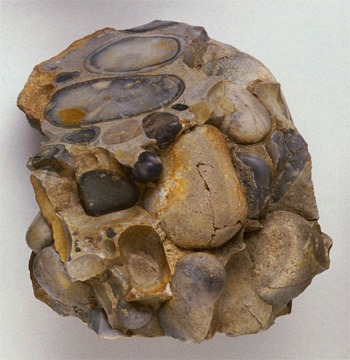
This rock was formed by smaller pieces of rock that settled at the bottom of a lake millions of years ago. What type of rock is this?
sedimentary rock
igneous rock
metamorphic rock
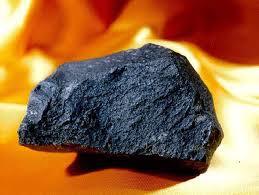
This rock was found near the mouth of a volcano. What type of rock is this?
sedimentary rock
igneous rock
metamorphic rock

The best label for arrow "A" in the diagram is?
metamorphic / melting
compaction / cementation
weathering / erosion
heat / pressure
The best label for arrow "C" in the diagram is?
metamorphic / melting
compaction / cementation
weathering / erosion
heat / pressure

This rock was another type of rock that was heated and compressed over time. What type of rock is this?
sedimentary rock
igneous rock
metamorphic rock
Marble is formed when intense heat and pressure is applied to limestone. What type of rock is marble?
metamorphic rock
sedimentary rock
igneous rock

This rock, pumice, cooled on the outside of a volcano and contained air bubbles when it was forming. What type of rock is this?
sedimentary rock
igneous rock
metamorphic rock

What will this rock turn into under high heat and pressure?


If this rock is weathered, then the cemented together through lithification, it may become a part of which rock?


If this rock is buried under ground and exposed to high heat and pressure, it will become which rock?



