
 Worksheets
Water cycle Review
Total questions: 103
Worksheet time: 1hrs 10mins
Name
Class
Date
1.
What is the water cycle?
a)
the 3 forms of water
b)
the movement of water on, above, or below the surface of the Earth
c)
when water melts
d)
when clouds form
2.
Which of these is an example of precipitation?
a)
snow
b)
air
c)
clouds
d)
vapor
3.
Which is the opposite of condensation?
a)
runoff
b)
evaporation
c)
precipitation
d)
transpiration
4.
Which best explains why runoff is important?
a)
It returns water to other locations on Earth
b)
It increases the chance of flooding
c)
It makes evaporation occur faster
d)
It increases condensation
5.
Snow, sleet, hail, and rain are all examples of ________________.
a)
evaporation
b)
condensation
c)
accumulation
d)
precipitation
6.

Does evaporation happen before or after condensation?
a)
before
b)
after
c)
during
7.

What is it called when WATER is FORMED from an LIQUID to a WATER VAPOR Oor an [GAS]?
a)
EVAPORATION
b)
PRECIPITATION
c)
TRANSPIRATION
8.

What is the next stage after EVAPORATION in the water cycle?
a)
CONDENSTATION
b)
GROUNDWATER
9.

What does groundwater do?
a)
It sends water to our buildings, houses, and water transplant places
b)
to the sky
c)
to the sun
d)
To the Earth's surfaces
10.

After the rain falls down onto Earth's surface, what most likely happens? What is it called?
a)
1. The remains of the water is soaked into the ground.
2.Groundwater
2.Groundwater
b)
1. Groundwater
2. The remains of the water is soaked into the ground.
2. The remains of the water is soaked into the ground.
c)
1. Groundwater
2. Transpiration happens to the plants.
2. Transpiration happens to the plants.
d)
1. The liquid turns into an gas or an water vapor
2. Evaporation
2. Evaporation
11.
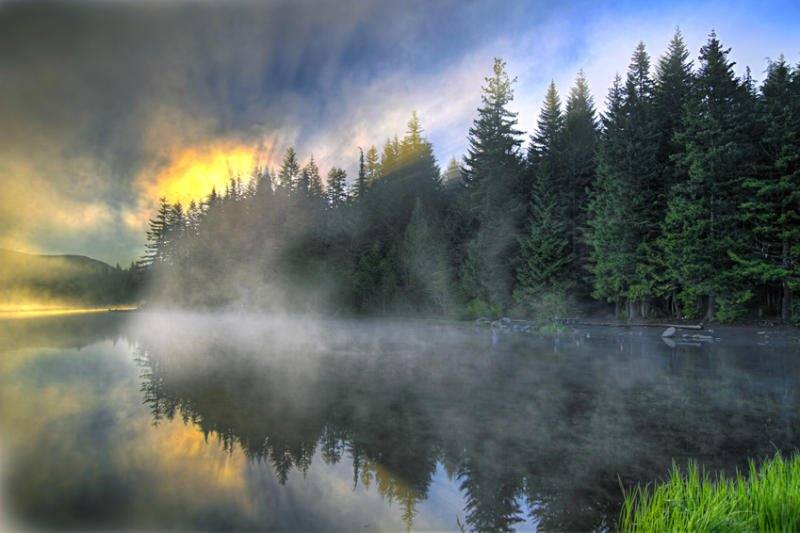
What happens after groundwater at the very end/beginning of the water cycle?
a)
Evaporation
b)
Transpiration
c)
Condensation
d)
Groundwater
12.
When water droplets get large enough to fall from the cloud's it is called
a)
Condensation
b)
Transpiration
c)
Sublimation
d)
Precipitation
13.
What follows evaporation during the water cycle? How does this occur?
a)
Water evaporates into water vapor
b)
Water vapor condenses and forms a cloud
c)
Water precipitates to the ground
d)
Water runs down into the hydrosphere
14.

What is it called when plants give off water vapor as a waste product?
a)
condensation
b)
evaporation
c)
sublimation
d)
transpiration
15.
When water turns to vapor and rises into the atmosphere its called
a)
Evaporation
b)
Transpiration
c)
Sublimation
d)
Precipitation
16.
The water cycle is driven by the
a)
Sun
b)
Moon
c)
Clouds
d)
Oceans
17.
When water evaporates from plants its called
a)
Condensation
b)
Transpiration
c)
Sublimation
d)
Precipitation
18.
95% of the earth water is stored in its
a)
Rivers
b)
Oceans
c)
Glaciers
d)
Under ground aquifers
19.
When water vapor cools into a liquid its called
a)
Condensation
b)
Transpiration
c)
Sublimation
d)
Precipitation
20.
Fresh water running underground are called
a)
Rivers
b)
Streams
c)
Creeks
d)
Aquifers
21.
When water evaporates directly from glacial ice , its called
a)
Condensation
b)
Transpiration
c)
Sublimation
d)
Precipitation
22.
We need rain forest to produce
a)
Water
b)
Oxygen
c)
Coffee
d)
Charcoal
23.
Central America is famous for
a)
large number of tropical birds
b)
the world's second longest river
c)
mangrove swamps
d)
monsoon rains
24.
Which of the following geographical areas does not have a Rain forest?
a)
Africa
b)
Central America
c)
North America
d)
Southern Asia
25.
What portion of the world's plant species are found in tropical rain forests?
a)
One third
b)
One half
c)
Two-thirds
d)
All
26.
Rainforests are often cut down to make room for farms to grow which of the following crops?
a)
sugar cane
b)
coffee
c)
corn
d)
winter wheat
27.
In which month there was a flood in U.A.E?
a)
Feb
b)
March
c)
April
d)
May
101.
Most of the earth's water can be found _____________.
a)
as freshwater, in lakes, rivers, ponds, etc.
b)
in oceans
c)
in iceburgs
d)
in pipes
102.
What is the water cycle?
a)
the 3 forms of water
b)
the movement of water on, above, or below the surface of the Earth
c)
when water melts
d)
when clouds form
103.
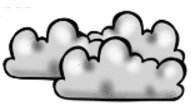
What part of the water cycle does this picture show?
a)
condensation
b)
precipitation
c)
evaporation
31.
Which of these is an example of precipitation?
a)
snow
b)
air
c)
clouds
d)
vapor
32.
Snow, sleet, hail, and rain are all examples of ________________.
a)
evaporation
b)
condensation
c)
accumulation
d)
precipitation
33.

Does evaporation happen before or after condensation?
a)
before
b)
after
c)
during
34.

What is it called when plants give off water vapor as a waste product?
a)
condensation
b)
evaporation
c)
sublimation
d)
transpiration
98.
does warm water evaporate quicker than cold water
a)
true
b)
false
99.
What is the water called that is below earth's surface?
a)
runoff
b)
ground water
c)
transpiration
d)
accumulation
100.
When water collects in a lake, pond, ocean, or other large area, we call this:
a)
evaporation
b)
runoff
c)
accumulation
d)
well water
38.
Describes how water moves in different forms around the earth
a)
water cycle
b)
hydrosphere
c)
evaporation
d)
the sun
39.
Any type of liquid or solid water that falls to earth's surface
a)
evaporation
b)
condensation
c)
precipitation
d)
runoff
40.
Process of water vapor changing into a liquid
a)
evaporation
b)
condensation
c)
precipitation
d)
transpiration
41.
Process of liquid water changing into a gas
a)
evaporation
b)
condenstaion
c)
precipitation
d)
transpiration
42.
Evaporation of water vapor from plants
a)
infiltration
b)
condenstaion
c)
precipitation
d)
transpiration
43.
Water that is beneath earth's surface
a)
groundwater
b)
infiltration
c)
runoff
d)
transpiration
44.
Rain, snow, sleet, and hail are all examples of what?
a)
evaporation
b)
condenstation
c)
precipitation
d)
infiltration
45.
Liquid precipitation that is not absorbed into the ground
a)
groundwater
b)
condenstaion
c)
infiltration
d)
runoff
46.
The energy source that allows the water cycle to occur
a)
batteries
b)
the sun
c)
solar panels
d)
gasoline
47.
The first step in the water cycle
a)
evaporation
b)
condensation
c)
precipitation
d)
there is no first step
48.
How much new water does the water cycle produce each day?
a)
1 gallon
b)
100 gallons
c)
1,000,000 lagoons
d)
none
49.

What does this illustration show?
a)
Sunrise
b)
The Water Cycle
c)
Sunset
d)
the recycling of snow
50.

In this stage of the water cycle, precipitation falls on land surfaces, as it attempts to return to rivers, lakes, and oceans.
a)
evaporation
b)
precipitation
c)
run-off
d)
condensation
51.
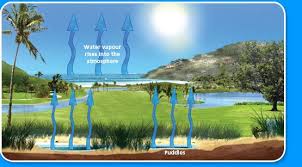
In this stage of the water cycle, water becomes a gas (water vapor).
a)
evaporation
b)
run-off
c)
condensation
d)
precipitation
52.
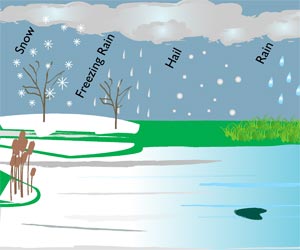
This step of the water cycle is when any form of water falls from the clouds as rain, sleet, snow, or hail.
a)
run-off
b)
precipitation
c)
condensation
d)
evaporation
53.
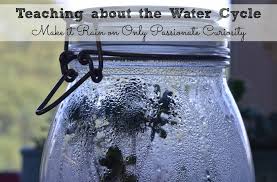
Dew also forms directly onto items, as water droplets. What part of the water cycle is this?
a)
run-off
b)
condensation
c)
evaporation
d)
precipitation
54.

This is what heats up the water to start the water cycle.
a)
sun
b)
moon
c)
stars
d)
Mars
55.
When water changes from a gas to a liquid, it goes through
a)
a. Condensation
b)
b. Evaporation
c)
c.Precipitation
56.
Which of the following is the power source for the water cycle?
a)
Photosynthesis caused by plants
b)
The energy from the sun
c)
Electrical outlets
d)
Rain from the clouds
57.
Water droplets forming on the outside of your glass
a)
Evaporation
b)
Condenstation
c)
Precipitation
58.
In the morning, your mom pours a hot glass of coffee into her coffee mug and leaves the top off to cool down. She comes back later to drink her coffee, but notices the amount of coffee has decreased. This would be an example of
a)
evaporation
b)
condensation
c)
precipitation
59.
During a blizzard, snow falls and begins to cover the ground. The would be an example of
a)
Evaporation
b)
Condensation
c)
Precipitation
60.
Precipitation becomes snow when
a)
The clouds get closer to Earth
b)
The clouds get darker
c)
Air temperature gets colder
d)
The wind blows
61.
Where is most water found on Earth?
a)
glaciers
b)
lakes
c)
rivers
d)
oceans
62.
What is water doing when it is changed to water vapor?
a)
evaporating
b)
condensing
c)
transpiring
d)
freezing
63.
On which kind of day would you expect the most evaporation from the surface of a pond?
a)
sunny and hot
b)
sunny and cold
c)
rainy and hot
d)
rainy and cold
64.
What is the source of energy that makes the water cycle work?
a)
electricity
b)
the sun
c)
wind
d)
thunder
65.
Phase changes such as evaporation and condensation are most directly related to ________________
a)
wind speed
b)
humidity
c)
temperature
d)
air pressure
66.
Snow, sleet, hail, and rain are all examples of ________________.
a)
evaporation
b)
condensation
c)
accumulation
d)
precipitation
67.
What controls whether water is a gas, liquid or solid ice?
a)
the shape or size of the cup
b)
where it has been stored
c)
if it is used for irrigation
d)
temperature
68.
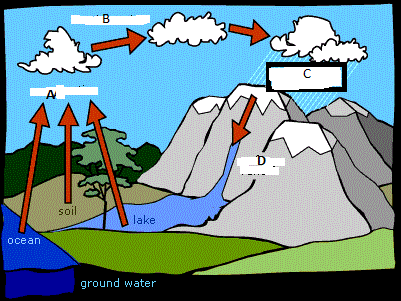
What is A?
a)
Evaporation
b)
Condensation
c)
Precipitation
d)
Runoff
69.
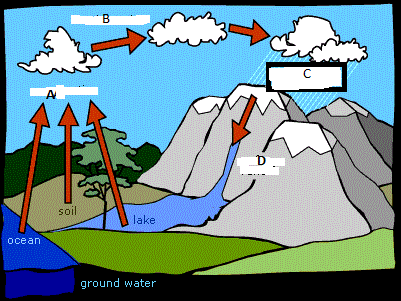
What is B?
a)
Evaporation
b)
Condensation
c)
Precipitation
d)
Runoff
70.
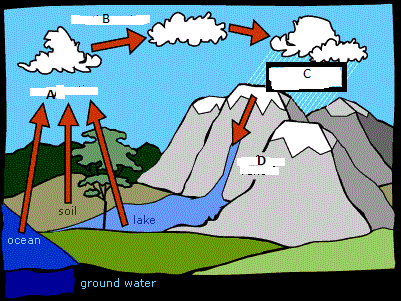
What is C?
a)
Evaporation
b)
Condensation
c)
Precipitation
d)
Runoff
71.
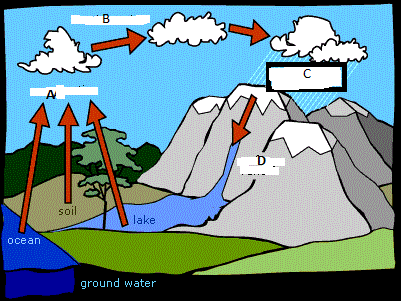
What is D?
a)
Evaporation
b)
Condensation
c)
Precipitation
d)
Runoff
72.
How much of the earth's water is freshwater?
a)
50 %
b)
3 %
c)
97 %
d)
93 %
73.
What part of the water cycle can carry pollutants from your yard to streams and rivers?
a)
evaporation
b)
runoff
c)
precipitation
d)
condensation
74.
Most of the energy that drives the water cycle comes from the
a)
Earth's core
b)
Equator
c)
Sun
d)
Earth's oceans
75.
Water that fills the cracks and spaces in underground soil and rock layers
a)
aquifer
b)
groundwater
c)
condensation
d)
ocean
76.
What do we call water that flows over the ground surface rather than soaking in?
a)
runoff
b)
discharge
c)
recharge
d)
tributary
77.
The hydrologic cycle is a conceptual model that describes the storage and movement of water between the biosphere, atmosphere, lithosphere, and the hydrosphere.
a)
True
b)
False
78.
Hydrology is the scientific study of water.
a)
True
b)
False
79.
The difference between infiltration and percolation is?
a)
Infiltration involves the movement of liquids from the Earth's surface into the soil and percolation refers to the movement of liquid further in the soil profile.
b)
Infiltration occurs in rocks, percolation occurs in soil
c)
Infiltration requires rainfall while percolation occurs at anytime.
d)
None of the above.
80.
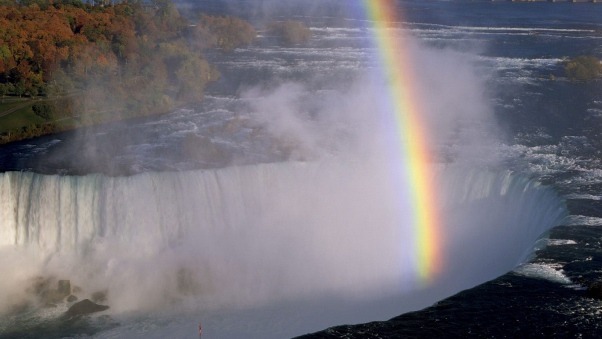
Evaporation is
a)
When a liquid changes into a vapor or gas.
b)
The process of a gas turning into a liquid.
c)
The falling of water from the sky in the form of rain, sleet, hail, or snow.
d)
A gas formed from something that is usually a liquid or solid at normal temperatures. Clouds are made of condensed vapor.
81.
Which best describes the importance of an aquifer?
a)
It holds uncontaminated ground water for human consumption
b)
It supplies all the water for lakes and rivers
c)
It provides water for oceans
82.
3% of Earth's surface water is _________ water.
a)
Fresh
b)
Salt
83.
97% of Earth's water is __________ water.
a)
Fresh
b)
Salt
84.
What is groundwater?
a)
Water in oceans
b)
Water underground
c)
Rainwater
d)
Ice
85.
In the water cycle, water moves between land, living things, bodies of water on Earth's surface, and the _____________________.
a)
School
b)
Animals
c)
Ocean
d)
Atmosphere
86.
When water falls to Earth as rain, snow, hail, or sleet
a)
Evaporation
b)
Transpiration
c)
Precipitation
87.
When water becomes water vapor and disappears
a)
Evaporation
b)
Transpiration
c)
Precipitation
88.
When water leaves a plant through its leaves, like sweating
a)
Evaporation
b)
Transpiration
c)
Precipitation
89.
The continuous process by which water moves from Earth's surface to the atmosphere and back, passing through the living and nonliving parts of the environment.
a)
water vapor
b)
water crest
c)
water chestnet
d)
water cycle
90.
Water that fills the cracks and pores in underground soil and rock layers.
a)
pond water
b)
groundwater
c)
ditch water
d)
surface water
91.
How can you conserve water while brushing your teeth?
a)
Turn off the faucet while brushing
b)
Let the faucet run while brushing
c)
I don't know
d)
Run all water in the house
92.
Which of the following is an example of water changing its phase?
a. Glacier ice melting
b. A mud puddle evaporating
c. Dew drops forming on a blade of grass in early morning
d. All of the above
a. Glacier ice melting
b. A mud puddle evaporating
c. Dew drops forming on a blade of grass in early morning
d. All of the above
a)
a
b)
b
c)
c
d)
d
93.
Rivers receive water from:
a. precipitation.
b. surface runoff.
c. lakes and streams.
d. All of the above
a. precipitation.
b. surface runoff.
c. lakes and streams.
d. All of the above
a)
a
b)
b
c)
c
d)
d
94.
Oceans receive water from:
a. precipitation.
b. surface runoff.
c. aquifers.
d. All of the above
a. precipitation.
b. surface runoff.
c. aquifers.
d. All of the above
a)
a
b)
b
c)
c
d)
d
95.
Volcanoes are part of Earth’s water cycle because:
a. they release water vapor into the atmosphere.
b. they collect water in their craters.
c. when they erupt they change the direction of surface runoff.
d. lava contains large amounts of water.
a. they release water vapor into the atmosphere.
b. they collect water in their craters.
c. when they erupt they change the direction of surface runoff.
d. lava contains large amounts of water.
a)
a
b)
b
c)
c
d)
d
96.
Which stage of the water cycle is driven by gravity?
a. Transpiration
b. Evaporation
c. Condensation
d. Precipitation
a. Transpiration
b. Evaporation
c. Condensation
d. Precipitation
a)
a
b)
b
c)
c
d)
d
97.
Which stage of the water cycle is driven by the Sun?
a. evaporation
b. condensation
c. precipitation
d. All of the above
a. evaporation
b. condensation
c. precipitation
d. All of the above
a)
a
b)
b
c)
c
d)
d
98.
does warm water evaporate quicker than cold water
a)
true
b)
false
99.
What is the water called that is below earth's surface?
a)
runoff
b)
ground water
c)
transpiration
d)
accumulation
100.
When water collects in a lake, pond, ocean, or other large area, we call this:
a)
evaporation
b)
runoff
c)
accumulation
d)
well water
101.
Most of the earth's water can be found _____________.
a)
as freshwater, in lakes, rivers, ponds, etc.
b)
in oceans
c)
in iceburgs
d)
in pipes
102.
What is the water cycle?
a)
the 3 forms of water
b)
the movement of water on, above, or below the surface of the Earth
c)
when water melts
d)
when clouds form
103.
What part of the water cycle does this picture show?
a)
condensation
b)
precipitation
c)
evaporation
100 %

