
 Worksheets
Paleo/Neolithic REVIEW
Total questions: 38
Worksheet time: 23mins

Nomadic Lifestyle
The belief in a single all-powerful god.
A type of lifestyle with no or irregular physical activity.
Someone who lives by traveling from place to place in search of food.
The watering of land to make it ready for agriculture.

Surplus
A type of lifestyle with no or irregular physical activity.
The early phase of the Stone Age.
The stage of human social development and organization that is considered most advanced.
An amount of something left over when requirements have been met. EXTRA
Farming and Domestication of Animals resulted in the beginning of the....
Paleolithic Age
Metal Age
Neolithic Age
Fire Age
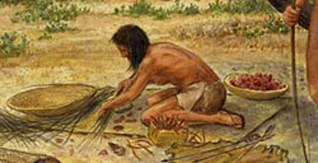
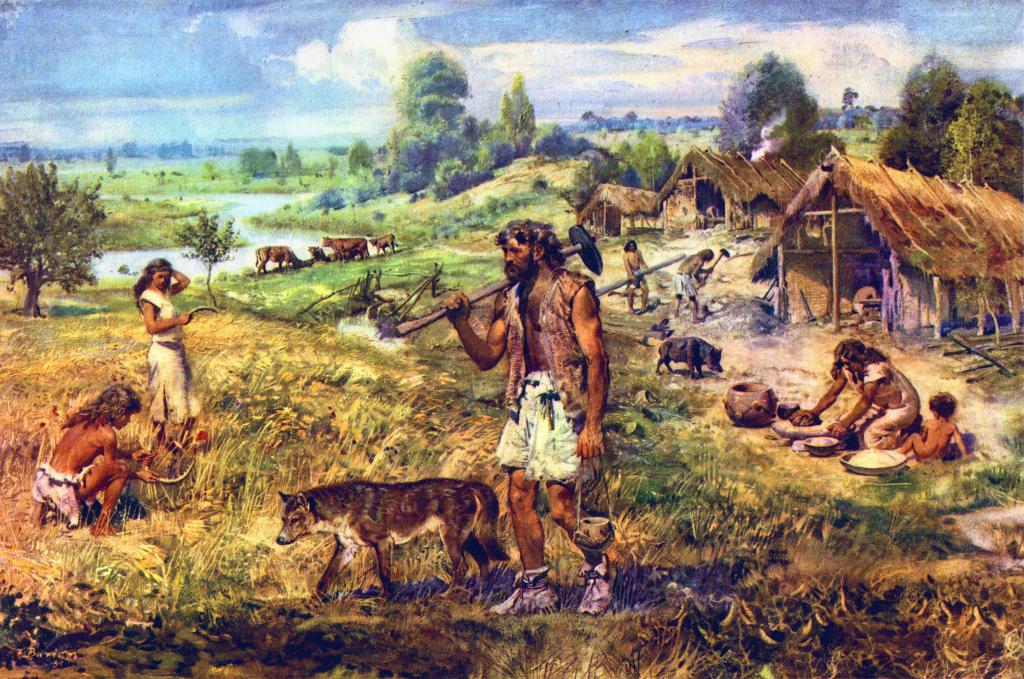
What change marked the beginning of the Neolithic Revolution?
beginning of hunting and gathering
humans learned to write
humans began farming
humans built towns and cities
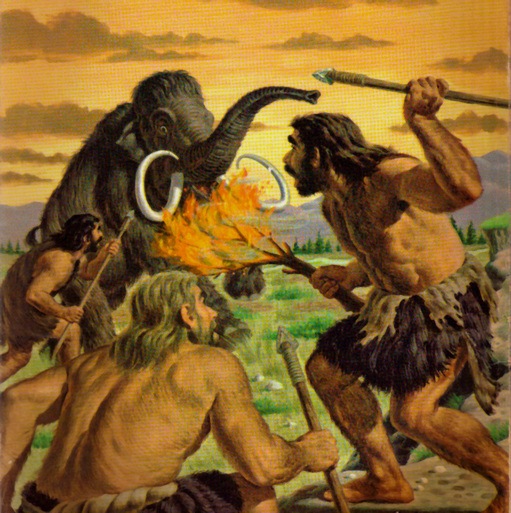
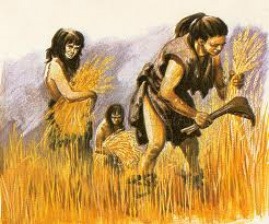
Which of the following happened when humans began to farm?
Communities formed where people could do different jobs
They had more meat in their diet
They were constantly attacked by wild animals
They had to move from place to place following crops
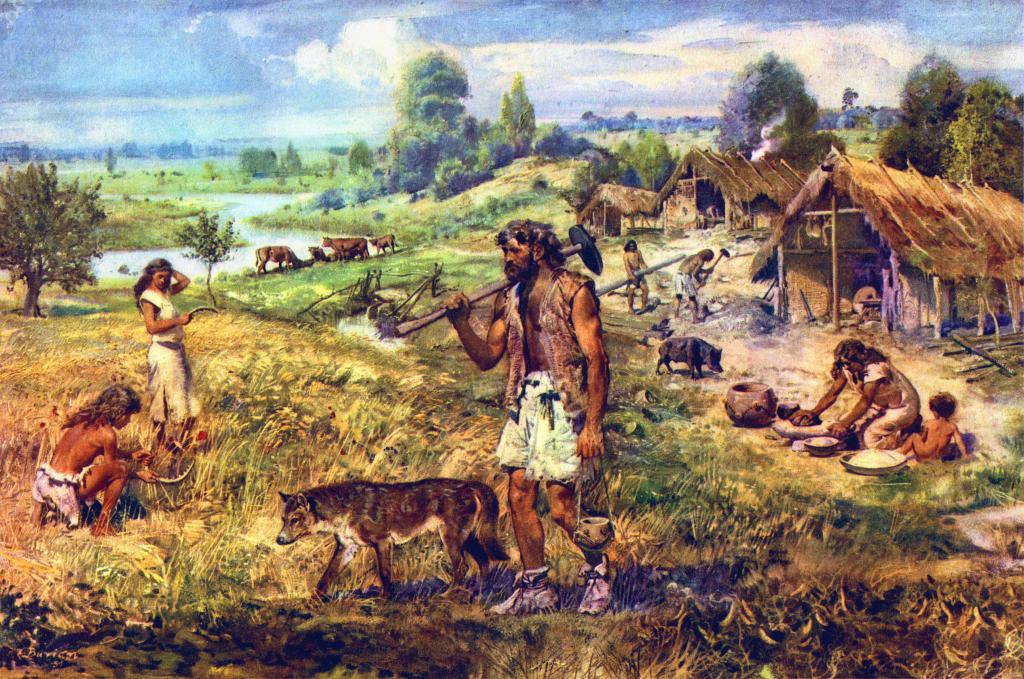
What is another word for farming and the domestication of animals?
industry
Paleolithic
agriculture
migration
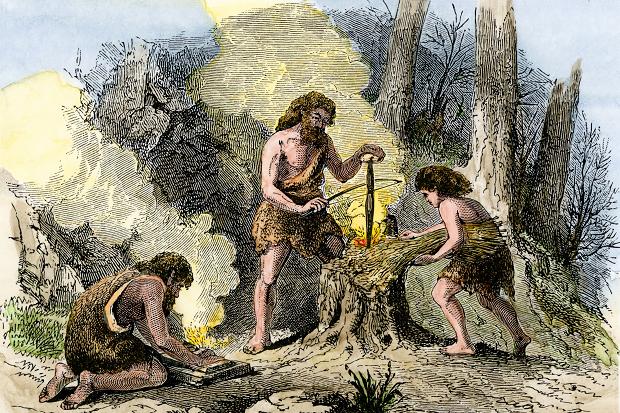

Which statement best describes hunters and gatherers?
They followed animals to hunt and gathered fruits and berries along the way.
The tools they made from metal helped them to survive.
They domesticated animals to help with daily activities.
They developed ways to bring water to their crops.
What is the greatest change between the Paleolithic and Neolithic cultures?
the shelters people used
the way people got their food
the tools people used
the clothes people wore
Which statement best describes the Neolithic people?
They lived in caves or built simple shelters.
They migrated from place to place to hunt animals for food.
They could settle in one place because they had a stable food supply.
They used simple tools made from stone.
What were the effects of the Neolithic Revolution?
Stable Food Supply
Specialization of Jobs
Permanent Settlements
They are ALL correct
People who regularly move form place to place in search of food
sedentary
obsidian
nomads

What change marked the beginning of the Neolithic Revolution?
beginning of hunting and gathering
humans learned to write
humans began farming
humans built towns and cities

What was one benefit of having a permanent home?
safety from wild animals
less disease
less children so fewer people
more space to live

8. Why did Neolithic people trade?
to learn other languages
to ride across the deserts
to get resources they didn't have
to show off their good crafts

The taming of animals for personal use.
domestication
domination
farming
petting zoo

What came after New (Specialized) Jobs in the chain reaction?
Trading
Permanent Settlements
New Jobs
New Ideas
The Agricultural Revolution
When people began to mix tin and copper.
When people lived in caves
When people drew on cave walls
When people began to farm and domesticate animals
One of the most important advances in all of history was:
Development of sewing
Permanent houses
The bow and arrow
The invention of agriculture
What is Specialization?
Being good at many jobs.
Being an expert at one job.
Doing multiple jobs at the same time.
Being ineffective at a job.
What is the last part of the chain reaction of the Neolithic Revolution?
Stable food supply
Communities form
Trading
Spreading of ideas
One way that farming changed the way people lived was____________________.
They no longer were nomads
Life expectancy was shorter
They had to move around to new farms
Fill in the missing link.
Stable Food Supply, Permanent Homes, ________________, Specialized Jobs.
Communities Form
Trading
Spreading of Ideas
Surplus of food
Fill in the missing link.
Stable Food Supply, _______?_____, Communities Form, Specialized Jobs, Trading, Spreading of Ideas
Surplus of food
Permanent Homes
Permanent Marker
Permanent Hair
Fill in the missing link.
Stable Food Supply, Permanent Homes, Communities Form, Specialized Jobs, Trading, ______?________
Surplus of food
Spreading of Peanut Butter & Jelly
Spreading of Ideas
Spreading of seeds

