
 Worksheets
Cells review
Total questions: 112
Worksheet time: 2hrs 47mins
Name
Class
Date
1.

Part 1
a)
Eyepiece
b)
Body Tube
c)
Arm
d)
Objective
2.

Part 2
a)
Objectives
b)
Body Tube
c)
Revolving Nosepiece
d)
Stage
3.

Part 3
a)
Low Objective
b)
Medium Objective
c)
High Objective
d)
Revolving Nosepiece
4.

Part 6
a)
Stage
b)
Stage Clips
c)
Diaphragm
d)
Arm
5.

Part 7
a)
Stage
b)
Stage Clips
c)
Light Source
d)
Diaphragm
6.

Part 8
a)
Illuminator
b)
Diaphragm
c)
Base
d)
Stage
7.

Part 9
a)
Body tube
b)
Eyepiece
c)
Objective
d)
Light Source
8.

Part 10
a)
Stage
b)
Arm
c)
Base
d)
Diaphragm
9.

Part 11
a)
Stage Clips
b)
Stage
c)
Diaphragm
d)
Illuminator
10.
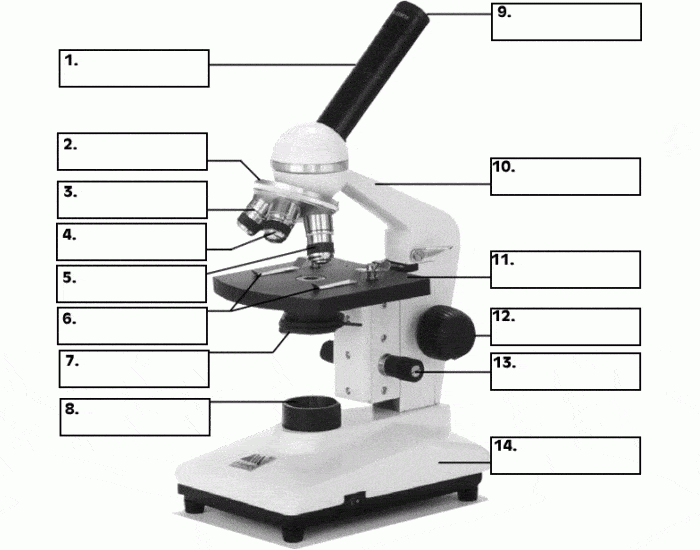
Part 12
a)
Fine Adjustment Knob
b)
Coarse Adjustment Knob
c)
Diaphragm
d)
Objective
11.

Part 13
a)
Fine Adjustment Knob
b)
Course Adjustment Knob
c)
Stage
d)
Diaphragm
12.

Part 14
a)
Stage
b)
Diaphragm
c)
Base
d)
Illuminator
13.
This bring the specimen into sharp focus
a)
Coarse Adjustment Knob
b)
Fine Adjustment Knob
c)
Eyepiece
d)
Diaphragm
14.
This holds the eye piece and connects it to the objective
a)
Arm
b)
Base
c)
Body Tube
d)
Objective
15.
Source of light usually situated at the bottom/ base of the microscope
a)
Eyepiece
b)
Diaphragm
c)
Objective
d)
Illuminator
16.
Used to control the amount of light reaching the specimen
a)
Illuminator
b)
Stage
c)
Eyepiece
d)
Diaphragm
17.
This supports the microscope to stand and provides stability
a)
Stage
b)
Stand
c)
Base
d)
Arm
18.
Part that holds two or more objectives
a)
Stage
b)
Stage Clip
c)
Revolving Nosepiece
d)
Body Tube
19.
When looking through your microscope, you move your slide to the right- It appears
a)
to move to the right
b)
to stay the same
c)
to move to the left
d)
vanish
20.
You should always carry the microscope by the
a)
arm and base
b)
arm and body tube
c)
arm only
d)
the objectives
21.
You can find total magnification by which of the following methods?
a)
ocular PLUS objective
b)
ocular TIMES objective
c)
ocular MINUS objective
d)
ocular DIVIDED BY objective
22.
What will be the total magnification if ocular lens is 10X and objective lens is 4X?
a)
4X
b)
40X
c)
10X
d)
100X
23.
What will be the total magnification if the ocular lens is 10X and the objective lens is 40X?
a)
40X
b)
10X
c)
100X
d)
400X
24.
When you viewed the letter "e" under the microscope, what did you observe?
a)
"e" was only backwards
b)
"e" was only upside down
c)
"e" was backwards and upside down
d)
"e" looked the same
25.

When would you use the diaphragm?
a)
When you wanted to move the stage
b)
When you wanted to adjust the light
c)
When you wanted to put the microscope away
d)
When you sneeze
26.
You can find total magnification by which of the following methods?
a)
eyepiece (ocular) PLUS objective
b)
eyepiece (ocular) TIMES objective
c)
eyepiece (ocular) MINUS objective
d)
eyepiece (ocular) DIVIDED BY objective
27.

What is number 14?
a)
stage clips
b)
stage
c)
diaphragm
d)
light source
28.

You should always carry the microscope by the
a)
arm and base
b)
arm and body tube
c)
arm only
d)
the objectives
29.

When looking at a specimen on your slide, you should always start with the
a)
low objective lens
b)
medium objective lens
c)
high objective lens
d)
super extra high power lens
30.

When looking through your microscope, you move your slide to the right- It appears
a)
to move to the right
b)
to stay the same
c)
to move to the left
d)
vanish
31.

The__________ sharpens the image under high magnification.
a)
the diaphragm
b)
fine adjustment knob
c)
coarse adjustment knob
d)
the ocular
32.

The ________ of the microscope would show you the MOST zoomed in image, or the SMALLEST field of view.
a)
low power objective
b)
medium power objective
c)
high power objective
d)
stage
33.

What shape is a Plant Cell?
a)
Circular
b)
Oval
c)
Triangular
d)
Rectangular
34.

What is the Cytoplasm?
a)
It is what stores information.
b)
It is the jelly-like substance.
c)
It controls what goes in and out of the cell.
d)
It is what releases stored energy.
35.

What is the Mitochondria?
a)
It is what stores information.
b)
It is the jelly-like substance.
c)
It controls what goes in and out of the cell.
d)
It is what releases stored energy.
36.

What is the jelly like substance that holds the organelles in place?
a)
Cytoplasm
b)
Mitochandria
c)
Nucleus
d)
Cell Root
37.
The green structure found in plant cells and uses energy from the sun to make food.
a)
Chloroplast
b)
Cell Membrane
c)
Cell Wall
d)
Nuclear Membrane
38.

The powerhouse of the cell is the...It converts energy from food into energy the cell can use
a)
Mitochondria
b)
Golgi body
c)
Nucleus
d)
Ribosomes
39.

This organelle is in both plants and animals. It is a barrier between the cell and the environment. It controls what goes in and out of a cell.
a)
cell wall
b)
cell membrane
c)
cell organelles
d)
mitochondria
40.
This structure is in plant cells, but not animal cells. It is outside of the cell membrane and adds more support/structure to the plant.
a)
Cell membrane
b)
Cell Nucleus
c)
Cell Wall
d)
Endoplasmic Reticulum
41.

Where is DNA stored in a cell?
a)
Lysosomes
b)
Golgi Complex
c)
Ribosomes
d)
Nucleus
42.

highway of the cell (transports proteins)
a)
cell wall
b)
cytoplasm
c)
endoplasmic reticulum
d)
mitochondria
43.
Which statement is true about bacterial cells?
a)
The cells are very large
b)
The cells have no nucleus
c)
The are eukaryotes
d)
They have organelles
44.
Which is present only in eukaryotic cells?
a)
cell membrane
b)
cytoplasm
c)
DNA
d)
nucleus
45.
Which organelle converts sugars into energy?
a)
lysosome
b)
mitochondria
c)
nucleus
d)
ribsome
46.
Some cells, such as human nerve and muscle cells, contain many more mitochondria than do other cells, such as skin cells. Why do some cells have more mitochondria than others?
a)
The cells use more energy
b)
The cells store more nutrients
c)
The cells degrade more proteins
d)
The cells divide more frequently
50.
A cell with numerous ribosomes is probably specialized for
a)
enzyme storage
b)
energy production
c)
cell division
d)
protein synthesis
48.
The main difference between prokaryotic and eukaryotic cells is that
a)
prokaryotic cells are always larger
b)
prokaryotic cells do not have a cell membrane
c)
eukaryotic cells have a smaller cell nucleus
d)
eukaryotic cells have a more advanced cellular organization
49.
All cells must have a
a)
cell wall
b)
cell membrane
c)
nucleus
d)
nucleoli
50.
A cell with numerous ribosomes is probably specialized for
a)
enzyme storage
b)
energy production
c)
cell division
d)
protein synthesis
51.
A cell stores food, water or waste products in
a)
chloroplast
b)
nuclei
c)
ribosomes
d)
vacuole
52.
What is the cellular process that takes place in the mitochondria of the cell and requires oxygen to release energy?
a)
photosynthesis
b)
osmosis
c)
respiration
d)
reproduction
53.
In what part of the plant cell does the process of photosynthesis take place?
a)
nucleus
b)
mitochondria
c)
chloroplasts
d)
vacuoles
54.
What product of photosynthesis do most living things need to survive?
a)
water
b)
oxygen
c)
chlorophyll
d)
carbon dioxide
55.
What happens during photosynthesis?
a)
The cell uses oxygen to make food.
b)
The cell uses glucose to make oxygen
c)
The cell uses the energy in sunlight to make food.
d)
The cell uses the energy in sunlight to make carbon dioxide.
56.
What is the function of a cell wall?
a)
to protect and support the cell
b)
to perform different functions in each cell
c)
to prevent water from passing through it
d)
to prevent oxygen from entering the cell
57.
How are prokaryotes and eukaryotes similar?
a)
They both contain membrane-bound organelles.
b)
They both have cell membranes.
c)
The both have nuclei.
d)
They both have chloroplasts.
58.
This cellular structure helps organisms maintain homeostasis by controlling what substances may enter or leave cells.
a)
vacuole
b)
nucleus
c)
cell membrane
d)
cell wall
59.
Which organelle is only found in a plant cell?
a)
nucleus
b)
chloroplast
c)
mitochondria
d)
cell membrane
60.

Directs all cell activities through the DNA located there.
a)
Lysosomes
b)
Nucleus
c)
ribosomes
d)
Mitochondria
61.
Which of the following is directly involved in the transportation of materials inside/within the cell?
a)
Endoplasmic Reticulum
b)
Vacuole
c)
Lysosome
d)
Mitochondria
62.
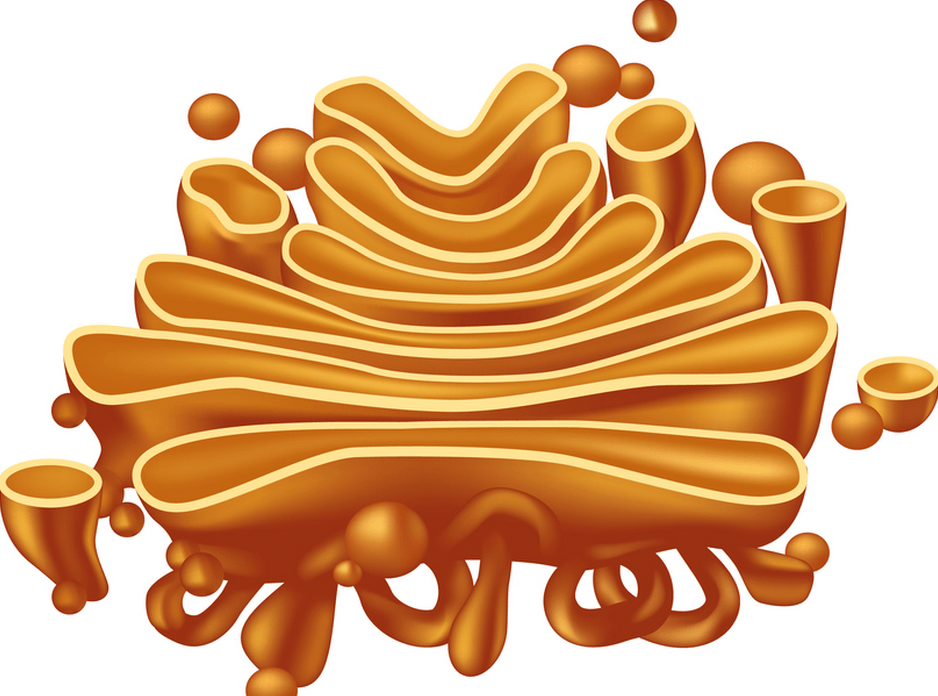
I am a protein packaging and shipping machine! Who am I?
a)
vacuole
b)
ribosome
c)
mitochondrion
d)
golgi apparatus
63.
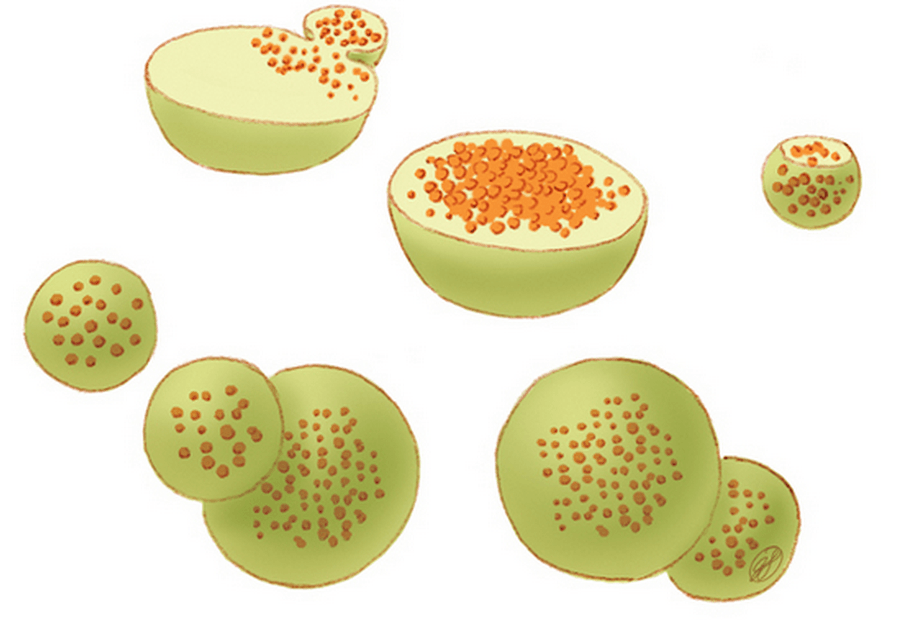
You might think of me as the trash collector, but recycler is maybe more accurate. What am I?
a)
mitochondria
b)
lysosome
c)
vacuole
d)
ribosome
64.
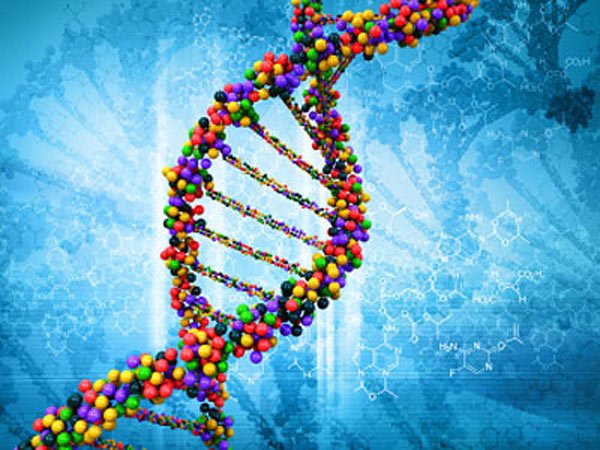
What is the name of the genetic material that is inside the nucleus?
a)
ER
b)
ATP
c)
YOLO
d)
DNA
65.

Which part of the cell is often called "the brain of the cell"?
a)
nuclear membrane
b)
endoplasmic reticulum
c)
nucleus
d)
mitochondria
66.
What is found in both plant and animal cells but is much larger in plant cells?
a)
Nucleus
b)
Mitochondria
c)
Chloroplast
d)
Vacuole
67.
Where are proteins made?
a)
Golgi body
b)
Mitoichondria
c)
Chromosomes
d)
Ribosomes
68.
This organelle takes food and turns it into ENERGY for plant and animal cells.
a)
Chloroplast
b)
Mitochondria
c)
Lysosome
d)
Ribosome
69.
The site of photosynthesis
a)
ribosome
b)
mitochondria
c)
chloroplast
d)
nucleus
70.

I am the outer most layer of an animal cell. What am I?
a)
cell wall
b)
nucleus
c)
cell membrane
d)
cell skin
71.
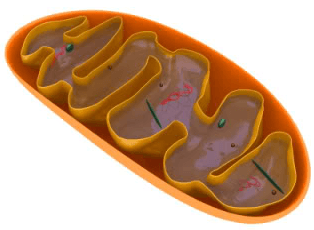
What are tiny organelles that convert glucose into ATP?
a)
Ribosomes
b)
Vesicles
c)
Cytoskeleton
d)
Mitochondria
72.
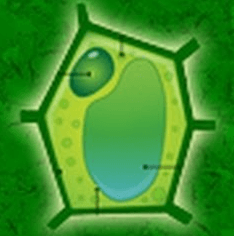
A rigid layer that lies outside the cell's membrane is...
a)
Cytoskeleton
b)
Cilia
c)
Cell Wall
d)
Flagella
73.
What organelle is called the "powerhouse" of a cell?
a)
Endoplasmic Reticulum
b)
Nucleus
c)
Mitochondria
d)
Nucleolus
74.
What organelle helps with cell digestion?
a)
Lysosomes
b)
Ribosomes
c)
Golgi Complex
d)
ER
75.
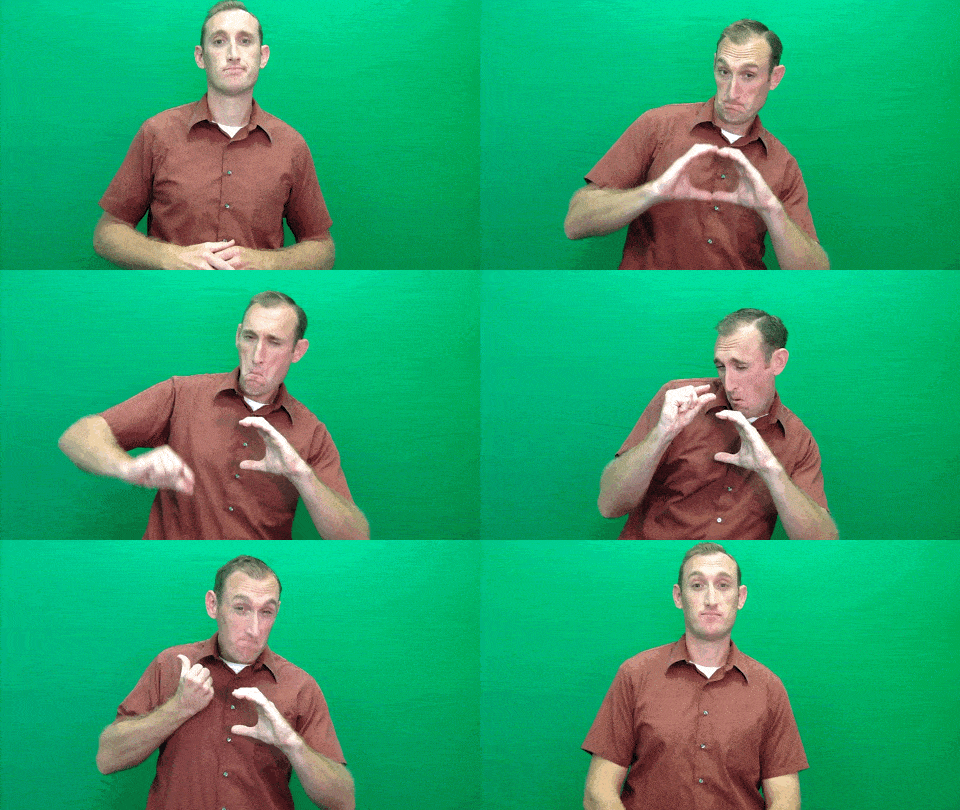
The ___________ is the basic unit of life
a)
organ
b)
cell
c)
atom
d)
tissue
76.
A group of tissues that work together to perform a similar function is called_____. (Examples include the heart, lungs or stomach)
a)
cells
b)
tissues
c)
organs
d)
organ system
77.
A group of cells that have similar functions? Examples are nervous, epithelial, muscle and connective
a)
cells
b)
tissues
c)
organs
d)
atoms
78.
Organs that work together to perform a related function is called _____________?
a)
cells
b)
tissues
c)
organ system
d)
organs
79.
When many organ systems work together it can form...
a)
organ
b)
cells
c)
organ system
d)
organism
80.

This is a example of........
a)
organ system
b)
cells
c)
organ
d)
tissue
81.

This is a example of ........
a)
cell
b)
organ system
c)
organ
d)
tissue
82.
The lungs and the kidneys are examples of
a)
cells
b)
organs
c)
tissues
d)
organ systmes
105.
who created the idea of the cell
a)
hooke
b)
leeuwenhoek
c)
virchow
d)
schwann
84.

A cell is the smallest unit that carry on all of the processes of life.
a)
True
b)
false
85.

Robert Hooke- cork cells
a)
True
b)
false
86.
The cell theory has four essencial parts.
a)
True
b)
False
87.
Cells come only from the reproduction of existing cells (cell Theory).
a)
True
b)
false
88.
What is the basic structural and functional unit of all living things?
a)
atom
b)
cell
c)
molecule
d)
human
89.
Which of the following is NOT one of the three parts of Cell Theory?
a)
All living things are made of cells.
b)
The cell is the smallest living thing that can perform all the functions of life.
c)
Cells are too small to see without a microscope.
d)
All cells must come from pre-existing cells.
90.
There are three parts to the cell theory. Which is NOT one of those parts?
a)
All organisms are composed of one or more cells.
b)
The cell is the basic unit of structure and organization in organisms.
c)
Cells spontaneously arise from carbon and nutrients carried in the bloodstream.
d)
All cells come from pre-existing cells.
91.
What is the correct order of organization
a)
tissues-cells-organs-organ systems-organism
b)
cell-tissue-organs-organ systems-organism
c)
organism-cells-tissues-organ systems-organism
d)
tissues-cells-organs-organ sytems-organism
92.
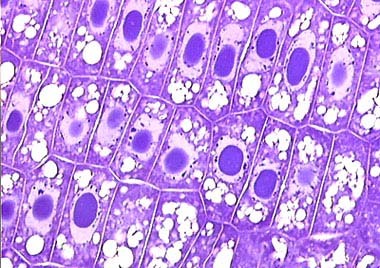
This is a example of ........
a)
cell
b)
tissue
c)
organ
d)
organ system
93.
The cell parts found in a plant cell and not in an animal cell.
a)
cell wall and chloroplast
b)
cell membrane and cell wall
c)
mitochondria and cell membrane
d)
chloroplast and mitochondria
94.
The cell organelle responsible for the process of photosynthesis, the process by which plants make their own food.
a)
cell wall
b)
chloroplast
c)
cell membrane
d)
mitochondria
95.
control, read, and direct the cell using DNA instructions
a)
nucleus
b)
nuclear membrane
c)
nucleolus
d)
chromatin
96.
Controls what enters/leaves a cell
a)
cell membrane
b)
Nuclear membrane
c)
cell wall
d)
cytoplasm
97.
stiff, protective outer layer of plant cells
a)
cell membrane
b)
nuclear membrane
c)
cell wall
d)
cytoplasm
98.
hold/store water, mainly found in plant cells
a)
nuclolus
b)
ribosomes
c)
golgi bodies
d)
vacuoles
99.
Any living thing is called an
a)
organ
b)
organization
c)
organism
100.
Which Scientist was the first to view cells in living things through a microscope?
a)
Leewenhoek
b)
Virchow
c)
Hooke
d)
Schwann
101.
A ___________ organism is made of only one cell.
a)
unicycle
b)
unicellular
c)
unicorn
d)
uni-brow
102.
An example of a unicellular organism includes
a)
Humans
b)
Lobsters
c)
Eagles
d)
Bacteria
103.
The little rooms where monks live are known as _____.
a)
chambers
b)
cells
c)
closets
d)
cupboards
104.
An example of a multicellular organism is a...
a)
amoeba
b)
bacteria
c)
crab
d)
insect
105.
who created the idea of the cell
a)
hooke
b)
leeuwenhoek
c)
virchow
d)
schwann
106.
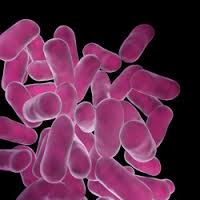
How are unicellular organisms different from multicellular organisms?
a)
There are no differences.
b)
They are made of many cells.
c)
They are only classified as prokaryotes.
d)
They are made of only one cell.
107.

Which of the following is NOT a part of cell theory?
a)
All cells come from other cells.
b)
Cells are the basic unit of life.
c)
Living things are made of cells.
d)
Atoms are the basic unit of life.
108.

These are phytoplankton. They perform photosynthesis so they must contain the organelle ________
a)
cell wall
b)
mitochondria
c)
chloroplasts
d)
none of these
109.
The cell membrane is constructed of a _______________ which has a hydrophobic and a hydrophilic end
a)
phosphorus
b)
phospholipid bi-layer
c)
lipid
d)
none of these
110.

The red oval structures in both the plant and animal cells are the
a)
mitochondria
b)
golgi apparatus
c)
lysosomes
d)
nucleolus
111.

In Eukaryotic cells, the DNA is found in the
a)
mitochondria
b)
golgi apparatus
c)
cell wall
d)
nucleus
112.

What is this organelle? It packages and ships proteins, sometimes out of the cell?
a)
endoplasmic reticulum
b)
chloroplasts
c)
lysosomes
d)
golgi apparatus/ bodies
100 %

