
 Worksheets
Midterm Review 2
Total questions: 86
Worksheet time: 2hrs 33mins
Name
Class
Date
1.
Which of the following is used in the overall reaction of photosynthesis
a)
carbon dioxide
b)
water
c)
light
d)
all of these
2.
A student collects the gas given off from a plant in bright sunlight. The gas being collected is
a)
oxygen
b)
carbon dioxide
c)
ATP
d)
vaporized water
3.
Which of the following is released during cellular respiration
a)
oxygen
b)
air
c)
energy
d)
lactic acid
4.
What are the reactants in the equation for cellular respiration
a)
oxygen and lactic acid
b)
carbon dioxide and water
c)
glucose and oxygen
d)
water and glucose
5.

Look at the diagram. Which reaction is taking place between 1 and 3?
a)
ammonification
b)
glycolysis
c)
photosynthesis
d)
respiration
6.
Which of these is a product of cellular respiration
a)
oxygen
b)
water
c)
glucose
d)
all of these
7.
The sugar produced in photosynthesis is called...
a)
ATP
b)
Cellular
c)
Glucose
d)
None of the above
8.
Where does cellular respiration take place in the cell?
a)
Cell Membrane
b)
Nucleus
c)
Mitochondria
d)
Vacuole
9.
The overall equation for cellular respiration is:
a)
C6H12O6 + energy -> 6CO2 + 6H2O + energy
b)
CH2O + O2 -> CO2 + 6H2O + energy
c)
C6H12O6 + 6O2 -> 6CO2 + 6H2O + energy
d)
C6H12O6 + 6CO2 -> 6O2 + 6H2O + energy
10.
What are the products of cellular respiration?
a)
Energy (ATP), Water, and Carbon DIoxide
b)
Water and Oxygen
c)
Oxygen and Carbon Dioxide
d)
Water and Energy (ATP)
11.
What reactants are there in cellular respiration?
a)
Water and Glucose
b)
Oxygen and Glucose
c)
Carbon Dioxide and Water
d)
Glucose and ATP
12.
Which gas is removed from the atmosphere during photosynthesis?
a)
hydrogen
b)
oxygen
c)
nitrogen
d)
carbon dioxide
13.
Which of the following is the correct equation for PHOTOSYNTHESIS?
a)
6CO2 + 6H2O --> 6O2 + C6H12O6
b)
6CO2 + C6H12O6 + 6H2O --> O2
c)
6O2 + 6H2O --> 6CO2 + C6H12O6
d)
C6H12O6 + 6O2 ---> 6H2O + 6CO2
14.
The reactants of photosynthesis are
a)
sugar and water.
b)
sugar and oxygen.
c)
carbon dioxide and water.
d)
carbon dioxide and oxygen.
15.
What are the products of photosynthesis?
a)
Carbon dioxide and water
b)
Carbon dioxide and oxygen
c)
Glucose and oxygen
d)
Glucose and water
16.
The main source of energy for all life comes from ____.
a)
the Earth
b)
the moon
c)
the sun
d)
the food we eat/make
17.
In which eukaryotic organelles does photosynthesis occur?
a)
mitochondria
b)
stomata
c)
xylem
d)
chloroplast
18.
In which way are photosynthesis and cellular respiration different?
a)
Cellular respiration stores ATP, while photosynthesis releases ATP.
b)
Cellular respiration produces oxygen, while photosynthesis uses oxygen.
c)
Photosynthesis releases energy, while cellular respiration stores energy.
d)
Photosynthesis uses carbon dioxide, while cellular respiration produces carbon dioxide.
19.

A diagram representing the relationship between photosynthesis and cellular respiration is shown.
The numbered boxes in the diagram represent which of the following?
The numbered boxes in the diagram represent which of the following?
a)
1 - water; 2 - nitrogen
b)
1 - nitrogen; 2 - oxygen
c)
1 - oxygen; 2 - carbon dioxide
d)
1 - carbon dioxide; 2 – water
20.
Which process do the animals in the food web use to convert energy from food into ATP?
a)
cellular respiration
b)
osmosis
c)
photosynthesis
d)
transcription
21.
One of the principal compounds that living things use to store energy is
a)
DNA
b)
ATP
c)
H20
d)
CO2
22.

What is the source of energy for photosynthesis?
a)
carbohydrates
b)
sunlight
c)
heat
d)
tacos
23.
Why is photosynthesis important?
a)
creates oxygen for animals to breath
b)
creates energy for heterotrophs to use
c)
creates food for plants to use
d)
all of these are correct
24.
In which eukaryotic organelles does photosynthesis occur?
a)
mitochondria
b)
stomata
c)
xylem
d)
chloroplast
25.
What is the gas we breath out that plants use for photosynthesis?
a)
sulfur
b)
carbon dioxide
c)
oxygen
d)
hydrogen
26.
Green plants reflect ________ light.
a)
Red
b)
Green
c)
All
d)
Red and Violet
27.

What is photosynthesis?
a)
The making of things
b)
The making of food
c)
The plant making glucose chicken nuggets
d)
The plant making glucose for it to eat from the sun.
28.
What are the products of photosynthesis?
a)
CO2 and H20
b)
H2O and glucose
c)
glucose and O2
d)
glucose and CO2
29.
What does the Sun provide for photosynthesis?
a)
chemical energy
b)
radiant energy
c)
nuclear energy
d)
thermal energy
30.
Which statement about photosynthesis is correct?
a)
Plants get the energy they need for photosynthesis from water.
b)
Plants get the energy they need for photosynthesis from soil.
c)
Plants get the energy they need for photosynthesis from sunlight.
d)
Plants do not require energy to perform photosynthesis.
31.

In which organelle (part of the cell) does photosynthesis take place?
a)
mitochondria
b)
chloroplast
c)
nucleus
d)
cell membrane
32.
What is one of the reactants of cellular respiration?
a)
energy
b)
glucose
c)
carbon dioxide
d)
water
33.
What is the purpose of photosynthesis?
a)
make glucose
b)
make ATP
c)
make light
d)
release carbon dioxide
34.

Which of the following structure is where cellular respiration occurs in the cell?
a)
nucleus
b)
cytoplasm
c)
mitochondria
d)
vacuoles
35.
What is the correct equation for cellular respiration?
a)
6O2 + C6H12O6 -> 6CO2 + 6H2O + Energy
b)
6O2 + C6H12O6 + Energy -> 6CO2 + 6H2O
c)
6CO2 + 6H2O -> 6O2 + C6H12O6 + Energy
d)
6CO2 + 6H2O + Energy -> 6O2 + C6H12O6
36.
Cellular Respiration's goal is to
a)
make water
b)
make ATP
c)
make glucose
d)
make oxygen
37.

What products enter and exit through the stomata?
a)
oxygen and air
b)
carbon dioxide and water
c)
oxygen and water
d)
carbon dioxide and oxygen
38.
Which organelle is only found in a plant cell?
a)
nucleus
b)
chloroplast
c)
mitochondria
d)
cell membrane
39.

Directs all cell activities through the DNA located there.
a)
Lysosomes
b)
Nucleus
c)
ribosomes
d)
Mitochondria
40.
Which of the following is directly involved in the transportation of materials inside/within the cell?
a)
Endoplasmic Reticulum
b)
Vacuole
c)
Lysosome
d)
Mitochondria
41.

Which part of the cell is often called "the brain of the cell"?
a)
nuclear membrane
b)
endoplasmic reticulum
c)
nucleus
d)
mitochondria
42.
Where are proteins made?
a)
Golgi body
b)
Mitoichondria
c)
Chromosomes
d)
Ribosomes
43.
This organelle takes food and turns it into ENERGY for plant and animal cells.
a)
Chloroplast
b)
Mitochondria
c)
Lysosome
d)
Ribosome
44.
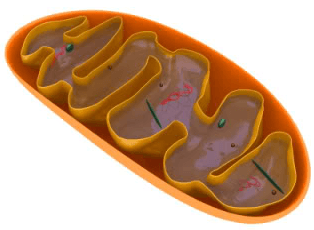
What are tiny organelles that convert glucose into ATP?
a)
Ribosomes
b)
Vesicles
c)
Cytoskeleton
d)
Mitochondria
45.
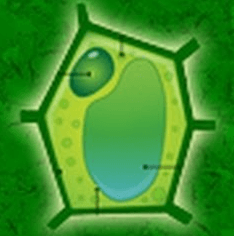
A rigid layer that lies outside the cell's membrane is...
a)
Cytoskeleton
b)
Cilia
c)
Cell Wall
d)
Flagella
46.
What organelle helps with cell digestion?
a)
Lysosomes
b)
Ribosomes
c)
Golgi Complex
d)
ER
47.
What is the gel-like substance inside of cells called?
a)
photoplasm
b)
photosynthesis
c)
cytoskeleton
d)
cytoplasm
48.
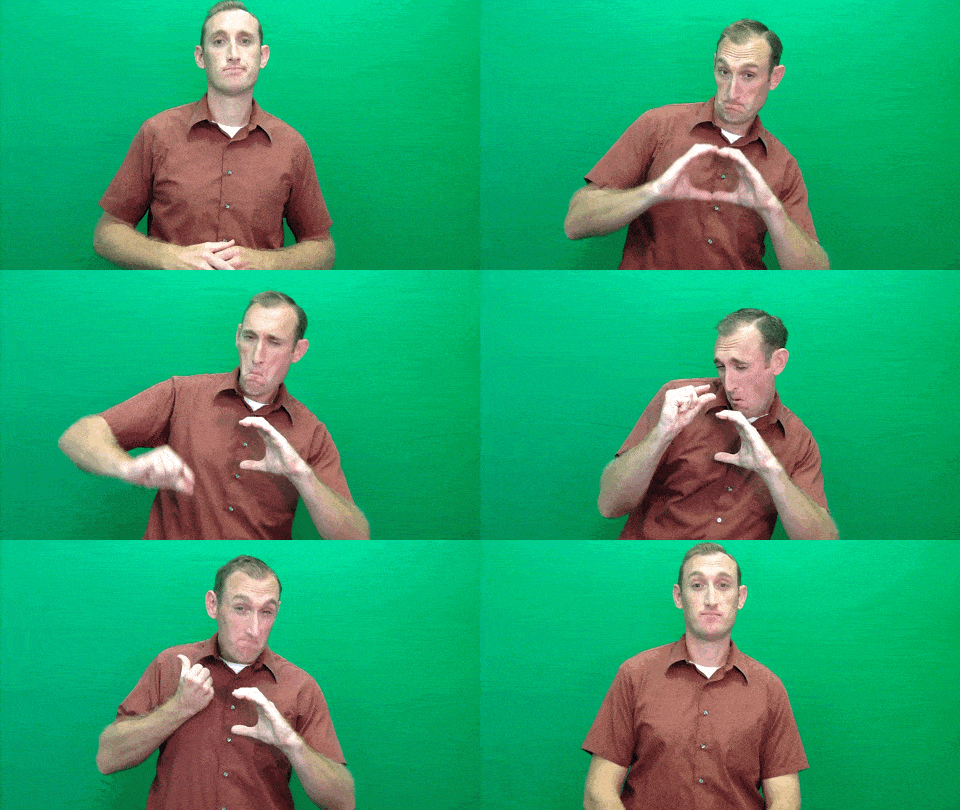
The ___________ is the basic unit of life
a)
organ
b)
cell
c)
atom
d)
tissue
49.
A group of cells that have similar functions? Examples are nervous, epithelial, muscle and connective
a)
cells
b)
tissues
c)
organs
d)
atoms
50.
Organs that work together to perform a related function is called _____________?
a)
cells
b)
tissues
c)
organ system
d)
organs
51.
When many organ systems work together it can form...
a)
organ
b)
cells
c)
organ system
d)
organism
52.
Where is all the genetic material inside a cell?
a)
nucleus
b)
vacuole
c)
cell membrane
d)
ribosome
53.
What is organized DNA called?
a)
Genes
b)
Deoxyribonucleic Acid
c)
Chromosomes
d)
Nucleus
54.
What parts of the chromosomes code for traits?
a)
Genes
b)
Deoxyribonucleic Acid
c)
Chromosomes
d)
Nucleus
55.
What does heredity mean?
a)
DNA being passed down from one generation to the next.
b)
Passing down acquired characteristics to your offspring.
c)
Leaving money in a will to your children
d)
all DNA is kept in the nucleus
56.
Which of the following lists is decreasing in complexity?
a)
DNA, gene, chromosome, nucleus
b)
nucleus, chromosome, gene, DNA
c)
Nucleus, gene, chromosome, DNA
d)
DNA, gene, nucleus, chromosome
57.

a)
budding
b)
sporulation
c)
vegetative propagation
d)
binary fission
58.

a)
budding
b)
binary fission
c)
vegetative propagation
d)
sporulation
59.

a)
budding
b)
binary fission
c)
sporulation
d)
regeneration
60.

a)
budding
b)
fragmentation
c)
sporulation
d)
binary fission
61.

a)
vegetative propagation
b)
budding
c)
binary fission
d)
regenerations
62.

What is (2) showing?
a)
binary fission
b)
budding
c)
sporulation
d)
vegetative propagation
63.

What is (3) showing?
a)
binary fission
b)
budding
c)
sporulation
d)
vegetative propagation
64.

What is (4) showing?
a)
binary fission
b)
budding
c)
sporulation
d)
vegetative propagation
65.

What is (b) showing?
a)
binary fission
b)
budding
c)
sexual reproduction
d)
self fertilization
66.

What is (a) showing?
a)
binary fission
b)
budding
c)
sexual reproduction
d)
self fertilization
67.

What is (c) showing?
a)
binary fission
b)
budding
c)
sexual reproduction
d)
self fertilization
68.

What is (d) showing?
a)
binary fission
b)
budding
c)
sexual reproduction
d)
self fertilization
69.

a)
sporulation
b)
fragmentation
c)
vegetative propagation
d)
binary fission
70.

a)
binary fission
b)
sporulation
c)
vegetative propagation
d)
regeneration
71.

a)
vegetative propagation
b)
binary fission
c)
regeneration
d)
budding
72.

a)
sporulation
b)
binary fission
c)
fragmentation
d)
buddin
73.
_____________________ is a process that produces cells with half the chromosomes.
a)
Budding
b)
Fragementation
c)
Regeneration
d)
Meiosis
74.
The result of meiosis is:
a)
two diploid cells
b)
two haploid cells
c)
four diploid cells
d)
four haploid cells
75.
How many daughter cells are produced at the end of meiosis?
a)
1
b)
2
c)
3
d)
4
76.
A male shark has 40 chromosomes in each of its sex cells. How many would be present in its body cells?
a)
20
b)
40
c)
80
d)
160
77.
What is it called when the gametes meet?
a)
meiosis
b)
fertilization
c)
cell division
d)
mitosis
78.

Which cellular process is shown?
a)
meiosis
b)
endocytosis
c)
mitosis
d)
phagocytosis
79.
How does a zygote form?
a)
When a sperm is fertalized
b)
When a chromosome is fertilized
c)
When an egg is fertilized
d)
When an embryo is fertilized
80.
how many of each chromosome is is a diploid cell
a)
1
b)
2
81.

Meiosis makes sperm and egg cells. In humans, sperm and egg cells each have _____ chromosomes. Therefore a fertilized human egg cell (sperm and egg cell combined) would create a cell with _____ chromosomes.
a)
23, 46
b)
46, 23
c)
2, 4
d)
50, 100
82.

This is when a new organism grows by cell division on the body of its parent. The bud, or offspring is identical to the parent. The bud, when large enough, can break off of the parent and live on its own. Examples of this include yeast, hydra and potatoes.
a)
Regeneration
b)
Vegetative propagation
c)
Fission
d)
Budding
83.
This produces 2 identical cells.
a)
mitosis
b)
meiosis
84.
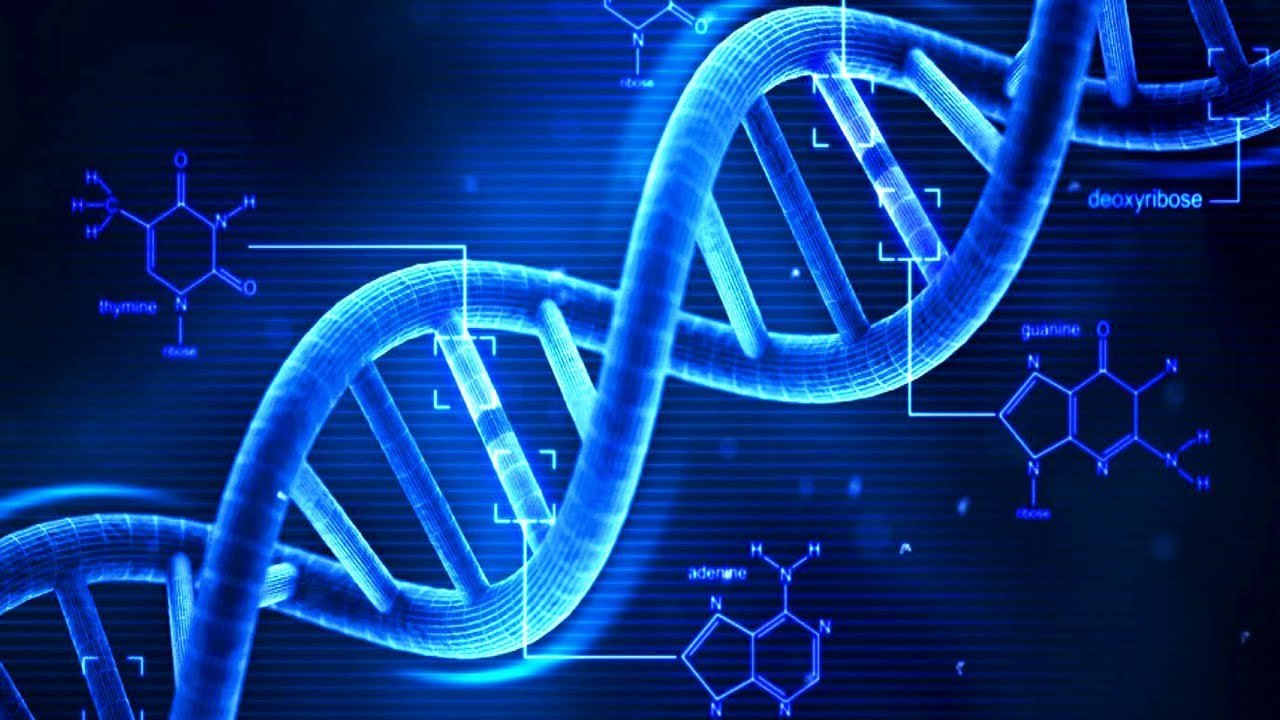
When comparing the offspring of sexually and asexually reproducing organisms, we would expect the genetic material (DNA) of the sexually reproducing organism to -
a)
contain fewer mutations
b)
be lesser in quantity
c)
be simpler overall
d)
show more variation
85.
Requires only one parent
a)
sexual
b)
asexual
86.
Requires two parents
a)
sexual
b)
asexual
100 %

