
 Worksheets
FOSS Water and Climate: Investigations 3 & 4
Total questions: 34
Worksheet time: 51mins
Name
Class
Date
1.

What part of the water cycle does this picture show?
a)
condensation
b)
precipitation
c)
evaporation
d)
sublimation
2.
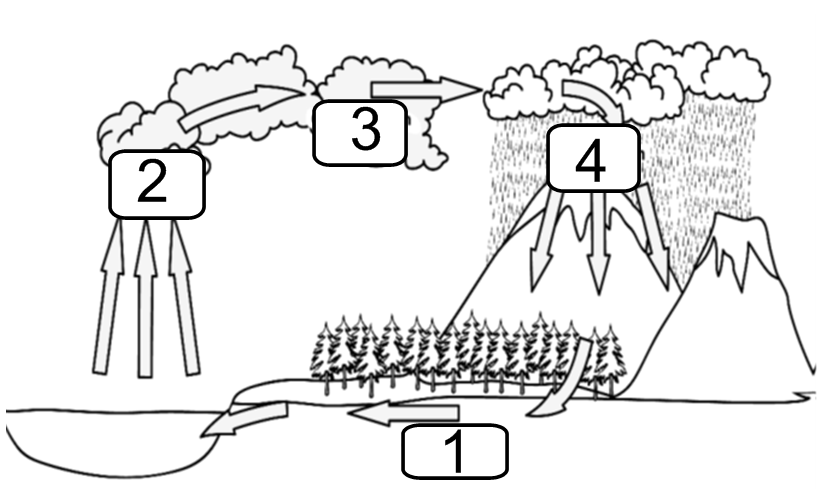
Which stage does the #2 show in the diagram?
a)
condensation
b)
evaporation
c)
precipitation
d)
run off
3.

what does the #4 show in the diagram?
a)
condensation
b)
evaporation
c)
precipitation
d)
run off
4.

what does this tool measure?
a)
wind direction
b)
wind speed
c)
air temperature
d)
humidity
5.
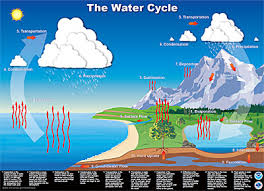
During which stage do clouds form?
a)
condensation
b)
evaporation
c)
precipitation
6.
what is it called when liquid changes into gas
a)
evaporation
b)
condensation
c)
water
d)
water vapor
7.
where does water go when it evaporates
a)
it turns into water vapor and goes high in the air.
b)
goes under ground and gives plants water
8.
What source of energy evaporates the most water from Earth’s surface?
a)
volcanoes
b)
the sun
c)
lightning
d)
wind
9.
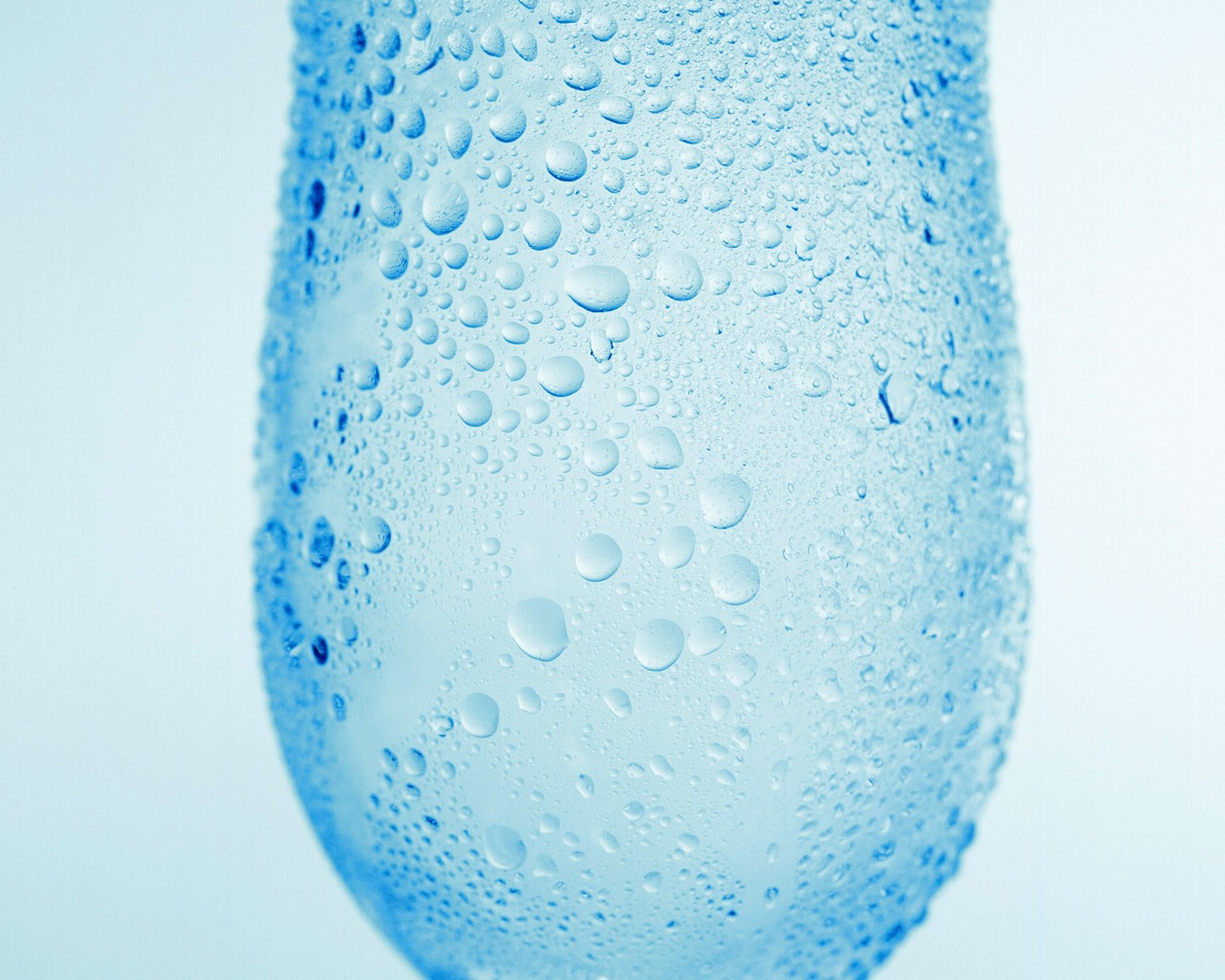
What is water vapor doing when it changes to water?
a)
evaporating
b)
condensing
c)
precipitating
d)
runoff
10.

What is the process of water droplets or ice crystals falling from the sky?
a)
evaporating
b)
condensing
c)
precipitating
d)
runoff
11.
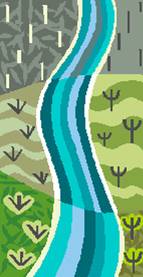
What is water that flows in rivers and streams into the oceans and lakes?
a)
evaporating
b)
condensing
c)
precipitating
d)
runoff
12.
Where does condensation occur in the water cycle?
a)
clouds forming
b)
ocean water changing to water vapor
c)
water flowing down a river
d)
underground water soaking into soil
13.
How can water vapor in the air return to Earth?
a)
evaporates and blown by the wind
b)
evaporates and forms clouds
c)
condenses then precipitates
d)
sticks to any warm surface
14.
The oceans absorb much of the sunlight reaching Earth. When water in the oceans absorb sunlight and heat up, what process can happen to the water?
a)
accumulation
b)
condensation
c)
evaporation
d)
precipitation
15.

What is this scientific tool?
a)
beaker
b)
tube
c)
graduated cylinder
d)
balance
16.

What is the name of this scientific tool?
a)
Beaker
b)
Graduated Cylinder
c)
Scale
17.
3 states of water found on earth
a)
solid, liquid & gas
b)
oceans, lakes & streams
c)
evaporation, transpiration
d)
rain, sleet & hail
18.
Evaporation occurs when water changes into
a)
transpiration
b)
snow
c)
solid
d)
vapor
19.
the change of state from a gas to a liquid
a)
water cycle
b)
evaporation
c)
precipitation
d)
condensation
20.
Which is the opposite of condensation?
a)
runoff
b)
evaporation
c)
precipitation
d)
transpiration
21.

What is D?
a)
Evaporation
b)
Condensation
c)
Precipitation
d)
Runoff
22.

What is C?
a)
Evaporation
b)
Condensation
c)
Precipitation
d)
Runoff
23.

What is A?
a)
Evaporation
b)
Condensation
c)
Precipitation
d)
Runoff
24.

What is B?
a)
Evaporation
b)
Condensation
c)
Precipitation
d)
Runoff
25.
Any type of moisture that falls to the Earth.
a)
evaporation
b)
precipitation
c)
condensation
d)
transpiration
26.
When water _________, dew forms.
a)
Melts
b)
Evaporates
c)
Condenses
d)
Precipitates
27.

The movement of water from the Earth's surface into the air and back to the surface again is called...
a)
Wind Cycle
b)
Water Cycle
c)
Weather Cycle
d)
Winter Cycle
28.

What is described as the process of a liquid changing into a gas?
a)
Evaporation
b)
Condensation
c)
Precipitation
29.

What is happening in the picture?
a)
Evaporation
b)
Condensation
c)
Precipitation
30.

What is happening in the picture?
a)
Evaporation
b)
Condensation
c)
Precipitation
31.
Which climate zone do we live in?
a)
Temperate
b)
Tropical
c)
Polar
d)
Savannas
32.
How many climate zones have we discussed in class?
a)
1
b)
7
c)
3
d)
4
33.
Where do you find the polar climate?
a)
temperate zones
b)
between the tropics
c)
at the poles
d)
in the warm areas
34.
If I wanted to live where it is warm which climate would I chose?
a)
temperate
b)
tropical
c)
polar
100 %

