
 Worksheets
Elements and Principles of Design and Color Test Review
Total questions: 79
Worksheet time: 44mins

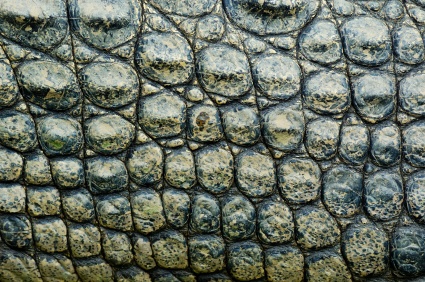
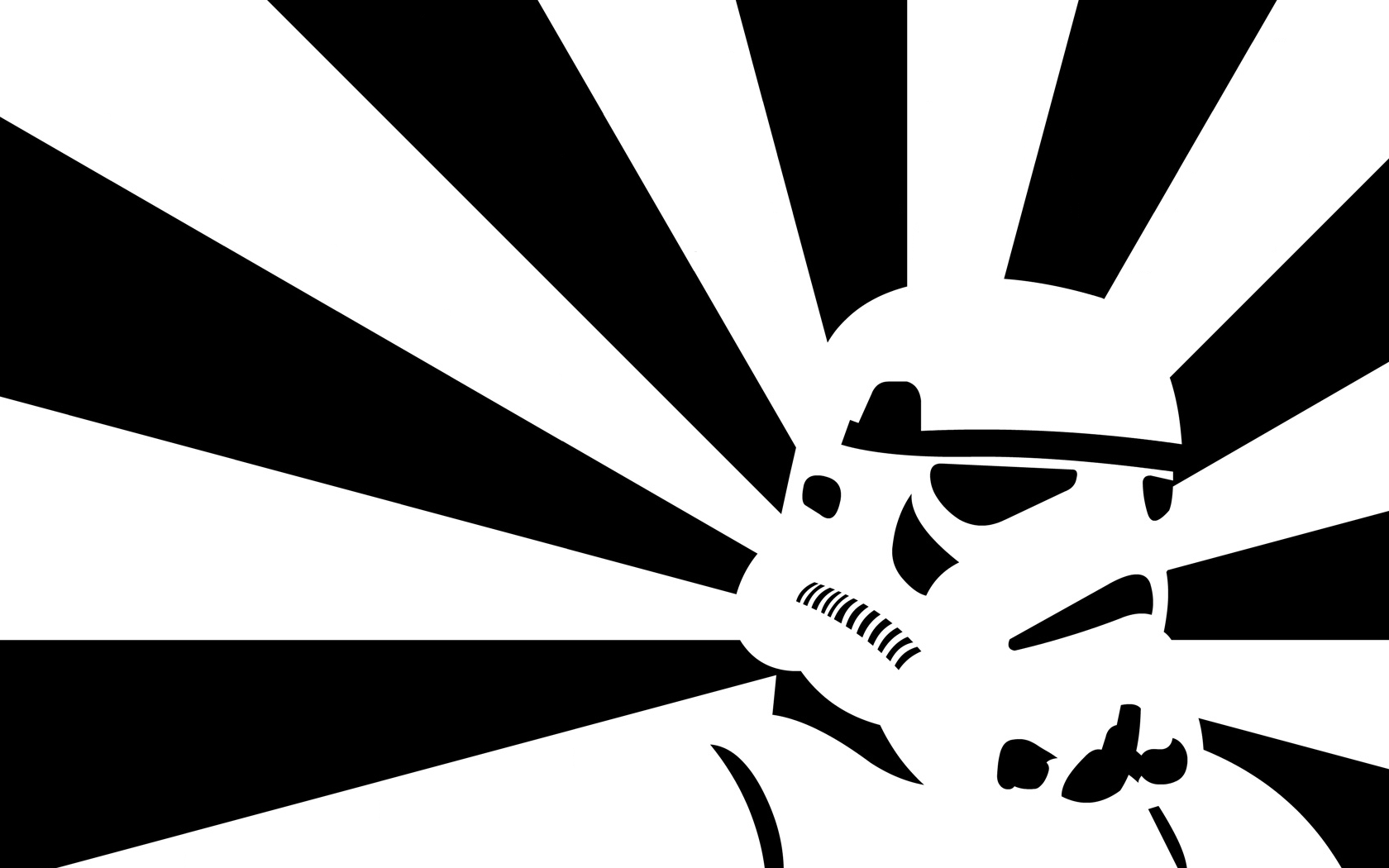
*hint- two dimensional
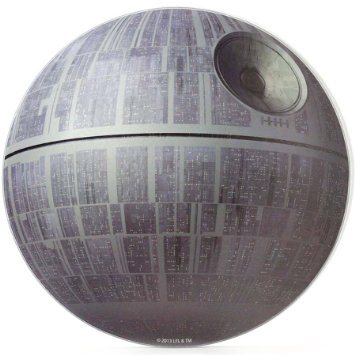
*hint- three dimensional
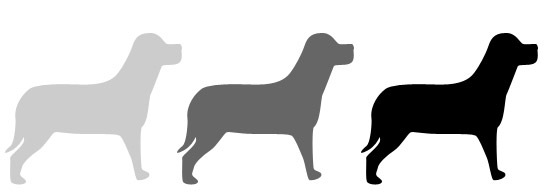

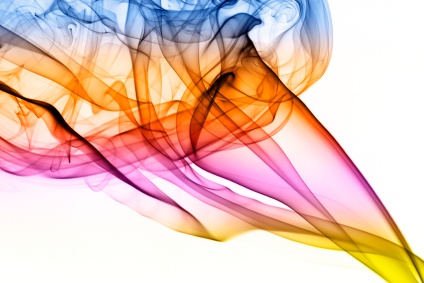
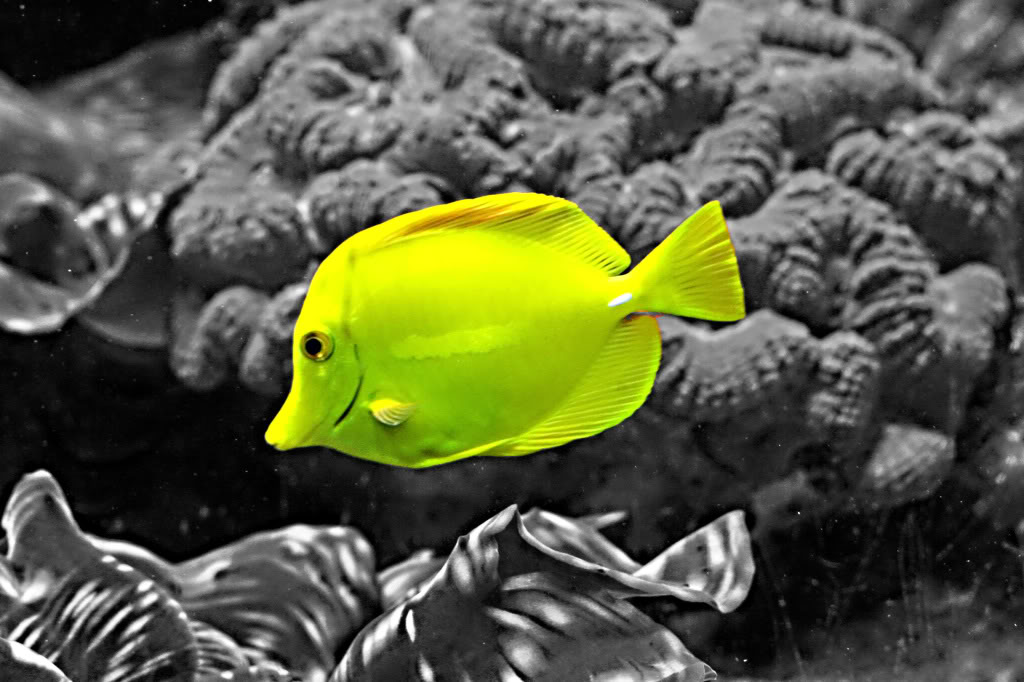


1) __________
2) asymmetrical
3) radial


What kind of balance is this?
Formal
Informal
I don't know.

__________ is a two-dimensional enclosed space. (a closed line)
Shape
Color
Line
Form
__________ is a three-dimensional object which encloses volume.
Line
Shape
Form
Value
__________ is the way something feels or looks like it would feel.
Color
Shape
Texture
Value
__________ is the area around, inside, or between shapes or forms.
Form
Value
Color
Space
__________ is the focal point of the design which captures the viewers attention
Emphasis
Balance
Repetition
Proportion
__________ is the repeating of visual elements in a piece of art.
Balance
Scale
Proportion
Repetition
__________ is the relative sizes of parts within a whole
Balance
Unity
Variety
Proportion
__________ is the size of an object in relation to another object.
Repetition
Scale
Unity
Movement
__________ is the sense of harmony between all the elements in a work of art.
Scale
Movement
Unity
Balance
__________ is the use of several elements or different types of the same element to add visual interest .
Unity
Variety
Balance
Proportion
Which element of design can be seen and felt?
space
line
form
texture
What is gradation?
rhythm created be repetition
rhythm created by color schemes
rhythm created by a gradual increase or decrease of similar elements
What is the definition of a vertical line?
lines that move left to right
lines that move up and down
lines that are slanted
lines that are part of a circle
Which line softens the stiffness from using too many straight lines?
diagonal
curved
horizontal
vertical
Rhythm, harmony, emphasis and balance are the _____ of design.
elements
principles

Which of the Principles of Design is this artwork showing?
Variety
Movement
Emphasis
Rhythm
Which work of art shows movement?


Which Principle of Design is this artwork showing?
Emphasis
Movement
unity
Proportion
Which artwork shows proportion as a principle of Design?


yes or No this artwork is symmetrical
Yes
No

Considering the size of this arrangement and where it should be placed is which design principle?
Proportion
Harmony
Focal Point
Scale
Artists use emphasis to make certain parts of their work stand out and grab your attention. The center of interest or _________________ is the place the artist draws your eye to first.
focal point
"Wake up and smell the coffee" point
compass point
pencil point
What is the most obvious elements of design?
color
shape
line
texture
What is the first and most basic element of design?
line
shape
color
size

What is the difference between a shape and a form?
depth
horizon line
value scale
sky line

What feelings are created by HORIZONTAL lines?
restful
None of the above
restful, informal
Informal

How a fabric feels or looks.
Rough
Texture
Slick
Shiny

What feelings are created by DIAGONAL lines?
Action
Action,Excitement
None of the above
Excitement

A three-dimensional object is called:
a square
a mold
a form
a circle

A type of balance in which the two sides look equally important even though they are not alike. (Look at the items above the fireplace.)
Symmetrical balance
Asymmetrical balance
Radial balance
Bilateral balance

Comparing parts of a whole is called:
Scale
Proportion
Contrast
Balance

The comparison of one thing to another in terms of size is called:
Balance
Contrast
Proportion
Scale

Using many different elements to create interest or contrast in an artwork is called:
Variety
Unity
Balance
Value


Using similar elements to create a single theme
unity
variety
emphasis
space

The focal point of an artwork is also called:
background
rhythm
emphasis
pattern

A repeated design is called a:
principle
pattern
element
shape


Repeating an element of design - such as color, line, form, or texture - creates rhythm by...
repetition
gradation
radiation
opposition

The type of rhythm created by a gradual increase or decrease of similar elements of design.
repetition
gradation
radiation
opposition

Type of rhythm that leads your eye outwards from the center.
radiation
gradation
repetition
contrast

