
 Worksheets
Classifying Rocks
Total questions: 24
Worksheet time: 12mins
Name
Class
Date
1.
True or False? Rocks can be classified solely based on their color.
a)
True
b)
False
2.

This rock was another type of rock that was heated and compressed over time. What type of rock is this?
a)
Sedimentary
b)
Igneous
c)
Metamorphic
3.

This rock was formed by smaller pieces of rock that settled at the bottom of a lake millions of years ago. What type of rock is this?
a)
Sedimentary
b)
Igneous
c)
Metamorphic
4.

This rock started as lava that cooled and then was heated and compressed over time. What type of rock is this?
a)
Sedimentar
b)
Igneous
c)
Metamorphic
5.

This rock used to be the bottom of an ocean millions of years ago. What type of rock is this?
a)
Sedimentary
b)
Igneous
c)
Metamorphic
6.

This rock was formed by lots of fossils that settled on top of each other over time. What type of rock is this?
a)
Sedimentary
b)
Igneous
c)
Metamorphic
7.

This rock started as molten magma. What type of rock is this?
a)
Sedimentary
b)
Igneous
c)
Metamorphic
8.

Wind and water have eroded this rock to show the layers of sediment that were laid down millions of years ago. What type of rock is this?
a)
Sedimentary
b)
Igneous
c)
Metamorphic
9.

After lots of time, pressure, and heat, you get this kind of rock. What type of rock is this?
a)
Sedimentary
b)
Igneous
c)
Metamorphic
10.

This rock was found near the mouth of a volcano. What type of rock is this?
a)
Sedimentary
b)
Igneous
c)
Metamorphic
11.

This rock is made from tiny pieces of other rocks that settled to the bottom of a valley millions of years ago. What type of rock is this?
a)
Sedimentary
b)
Igneous
c)
Metamorphic
12.
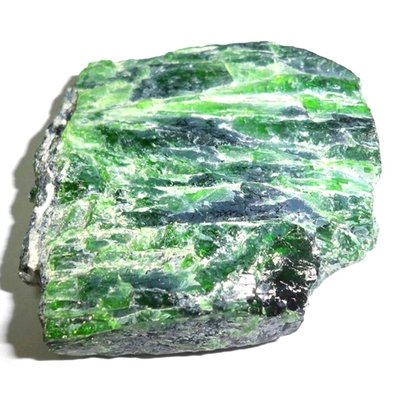
This started as a rock that was formed near a volcano. It was buried deeper in the ground, heated, and compressed over a long time. What type of rock is this?
a)
Sedimentary
b)
Igneous
c)
Metamorphic
13.

This rock cooled on the outside of a volcano and contained air bubbles when it was forming. What type of rock is this?
a)
Sedimentary
b)
Igneous
c)
Metamorphic
14.
Igneous rock forms in regions where--
a)
A rock is heated to melting point then cooled to a solid.
b)
Metallic minerals are put under extreme pressure.
c)
A river deposits sand and mud over a long time.
d)
Evidence of organisms is becoming fossilized.
15.
Sedimentary rocks will most likely form an environment where--
a)
Two land masses are colliding.
b)
Liquid rock is hardening into a solid.
c)
Minerals are being created under pressure.
d)
Particles of rocks are accumulating.
16.
Scientists classify igneous, metamorphic, and sedimentary rocks based on their--
a)
shape
b)
color
c)
formation
d)
usefulness
17.
True or False? Rocks must contain at least two minerals in order to form.
a)
True
b)
False
18.
How many rock forming minerals are responsible for most of the rocks of Earth's crust?
a)
10
b)
20
c)
100
d)
too many to count
19.
Select the fact that is true about granite.
a)
Granite is generally a light-colored rock.
b)
Granite is generally a dark-colored rock.
c)
Granite is generally low in silica content.
d)
Granite has no silica content,
20.

This picture shows a rock with what type of grain shape?
a)
rounded grains
b)
jagged grains
21.

This picture shows a rock with what type of grain shape?
a)
rounded grain
b)
jagged grain
22.

What type of grain pattern is illustrated in this picture?
a)
nonbanded
b)
banded
23.

What type of grain pattern is illustrated in this picture?
a)
nonbanded
b)
banded
24.
Which of the following descriptions is used for grain size?
a)
large grain
b)
tiny grain
c)
jagged grain
d)
fine grain
100 %

