
 Worksheets
Another test of pure grandeur
Total questions: 70
Worksheet time: 2hrs 1mins

A homogeneous mixture is sometimes called a _______________.
solution
mechanical mixture
solute
pure substance

Which of these common substances is a homogeneous mixture?
12 grain bread
granola bar
orange juice with pulp
maple syrup
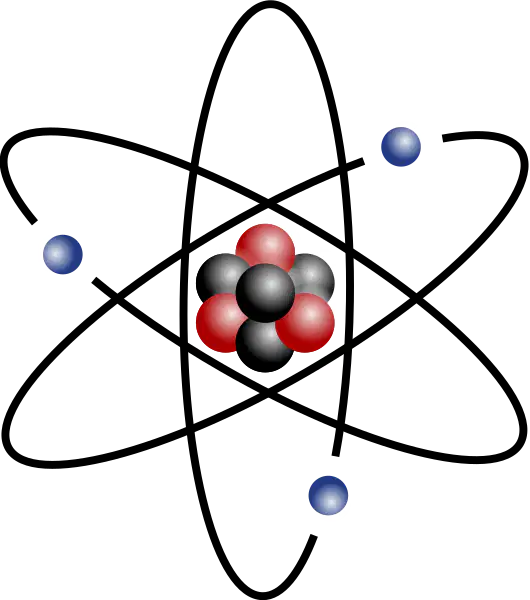
mixture
atom
element
substance

Alex goes into the garden and digs up a shovel full of dirt. This is a _____________ mixture.
homogeneous
heterogeneous
microgeneous
hydrogeneous


A substance, usually a liquid, that can dissolve another substance is a ___________________.
solute
solvent
solution
gas

A substance that can be dissolved by substance is called a _____________.
solute
solvent
solution
mixture


What is happening when the water in my water bottle in the freezer goes from a liquid state to a solid state?
boiling







evaporated

How many known states of matter are there?
3
over 3
under 3

The air around you is a mixture of gases.
True
False

Is blood a mixture?
No
Yes

Chicken noodle soup is an example of a
homogeneous mixture
heterogeneous mixture
pure substance
solution

A seventh grade class has collected empty cans for recycling. They have several large bins with aluminum and steel cans, all mixed together. The two types of cans must be separated. Which of the following techniques could the students use to separate the two types of cans?
Place the cans in water, and the aluminum cans will float
Crush the cans to make them easier to carry
Test the cans for their ability to conduct electricity
Use a magnet to find and remove the steel cans


When a substance begins to melt its molecules....
Speed up and spread out
Slow down and come together
Speed up and come together
Remain the same

When we put a substance in water and stir it to see if it dissolves we are testing for_______________________.
relative density
solubility
mass
temperature

As particles are exposed to colder temperatures they _____
speed up and move further apart
slow down and move closer together
speed up and move closer together
slow down and move farther apart

What is MATTER?
Anything that has MASS
Anything that takes up SPACE
Anything that has MASS and takes up SPACE
Anything that DOES NOT have mass or take up space

Floating, settling, sorting, sieving and filtering are all ways that one could_______.
separate mechanical mixtures
separate pure substances
dilute fluids
create alloys

Which separation method is not normally used in sewage treatment?
settling
sieving
using magnets
floating

True or False: Water is considered a universal solvent.
True
False

When you are making a Kool-aid solution, which one of the ingredients is considered the solute and why?
The wooden spoon because it does the mixing.
The water because it is dissolving the powder.
The kool-aid powder because it is being dissolved.
The kool-aid powder because it is in the largest volume.

Matter can be categorized as __________.
an element or compound
homogeneous or heterogeneous mixture
a pure substance or mixture
a compound or mixture

a magnet
a steel sieve
evaporation
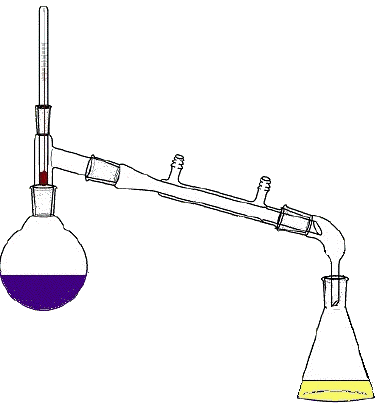
Which of the following pairs of substances may best be separated through distillation?

What is the concentration of the sugar and water solution?
6g/200ml
3g/100ml
100ml/3g
200ml/6g

What is the concentration of the baking soda and water solution?
4.5g/50ml
4.5g/100ml
9g/100ml
9g/50ml
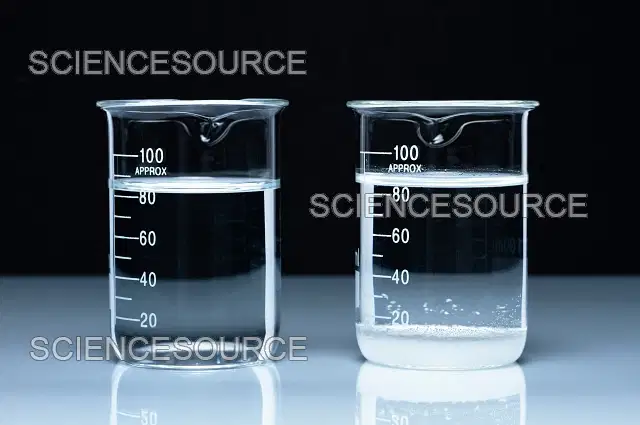
A solution where no more solute can be dissolved is called a ___________________?
saturated solution
unsaturated solution
supersaturated solution
nonsaturated solution
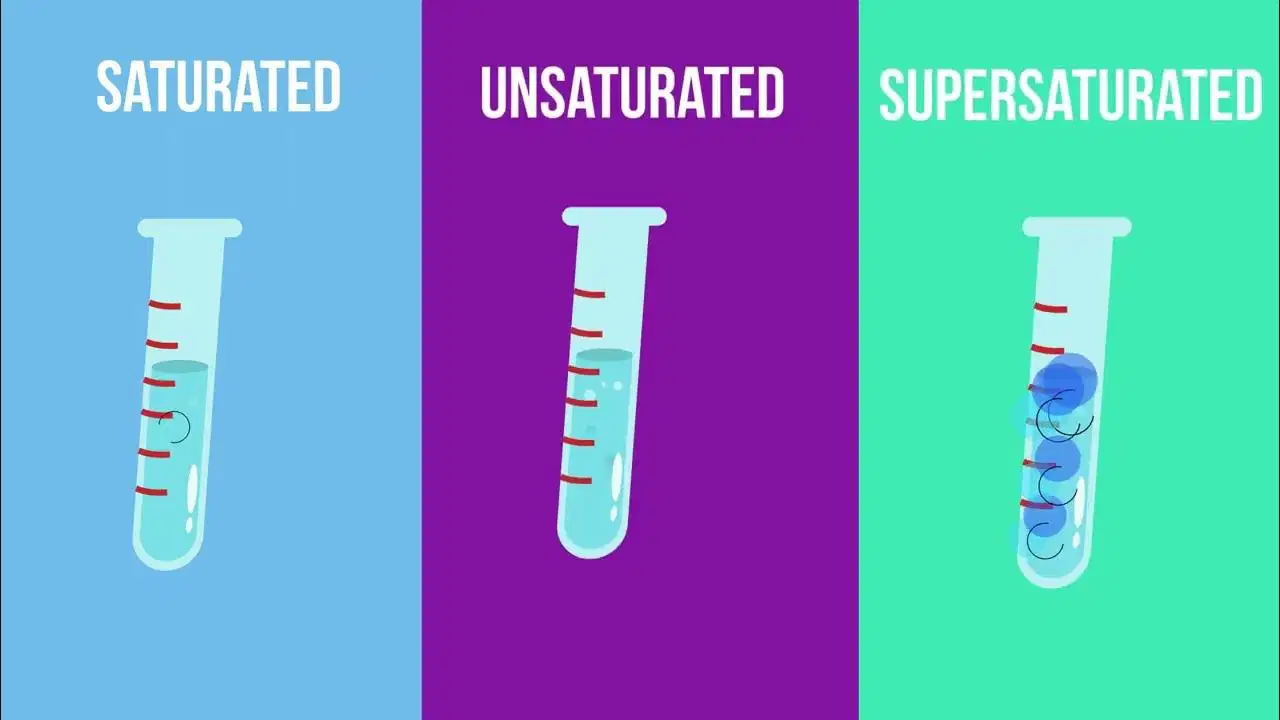
A solution in which more solute can be dissolved is called a ___________________?
saturated solution
unsaturated solution
supersaturated solution
nonsaturated solution

Which of the following are examples of air pollution?
Littering, putting garbage in a landfill
Spilling oil in the oceans
Burning fossil fuels, campfire smoke
Filtered air blowing out of a clean air filter.
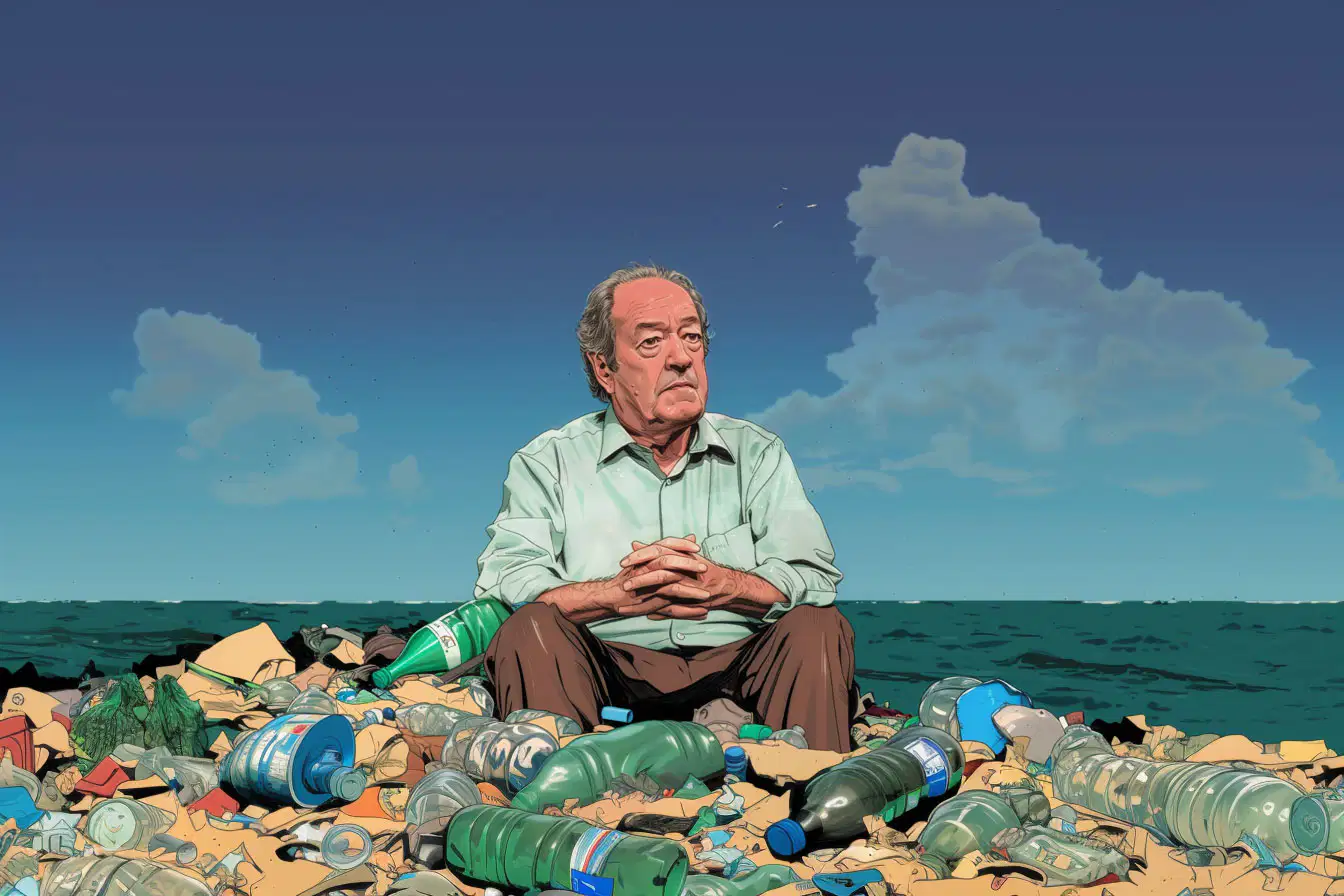
Which of the following is an example of water pollution?
Littering, putting garbage in a landfill
The Great Pacific Garbage Patch
Burning fossil fuels, campfire smoke
Filtered air blowing out of a clean air filter.

Which of the following is an example of land pollution?
Littering, putting garbage in a landfill
Spilling oil in the oceans
Burning fossil fuels, campfire smoke
Filtered air blowing out of a clean air filter.

What are natural resources?
Natural resources are materials or substances that are man made.
Natural resources are materials or substances found in nature that can be used for daily life.
Natural resources are materials or substances found in only the ocean.
Natural resources are materials or substances that are used by only scientists.

Why is it important to repeat experiments several times?
If you repeat experiments several times, you can get the least accurate results.
If you repeat experiments several times, you can get the most accurate results.
If you repeat experiments several times, you can get better at doing it.
If you repeat experiments several times, you don't know what you are doing.

What is a harmful substance in soil, water, or atmosphere?
environment
engineer
technology
pollution

Sand and gravel may be separated from each other through using a __________.
a filter funnel
a sieve
an evaporating basin
a distillation

The best way to separate trail mix would be:
filter
by hand
sieve
evaporation

What tool is this?
sieve
filter
spoon
sifter
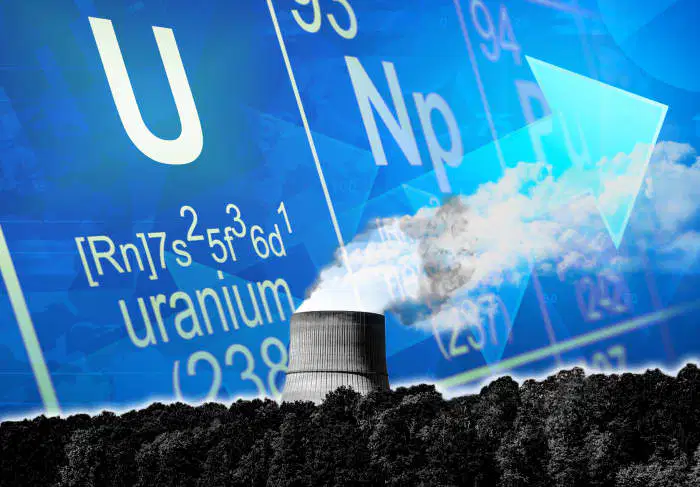
This type of energy is released when a pure substance, like uranium, splits apart.
electric energy
nuclear energy
hydroelectric energy
geothermal energy
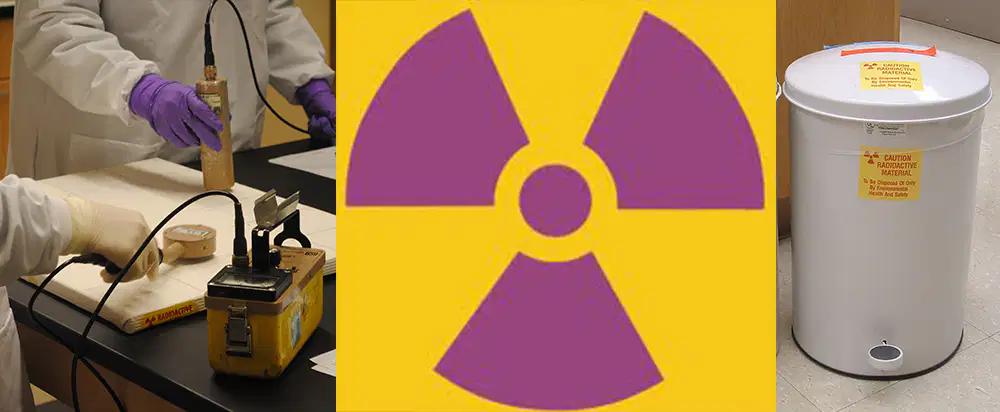
A term used to describe pure substances whose particles naturally split into smaller particles, releasing energy as they break apart.
iron
radioactive
magnetic
heavy metal
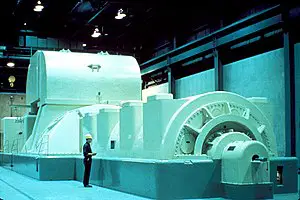
An electric generator is a _____________.
machine used to produce electricity
machine used to separate sewage
machine used to generate light
machine that uses uranium to create energy
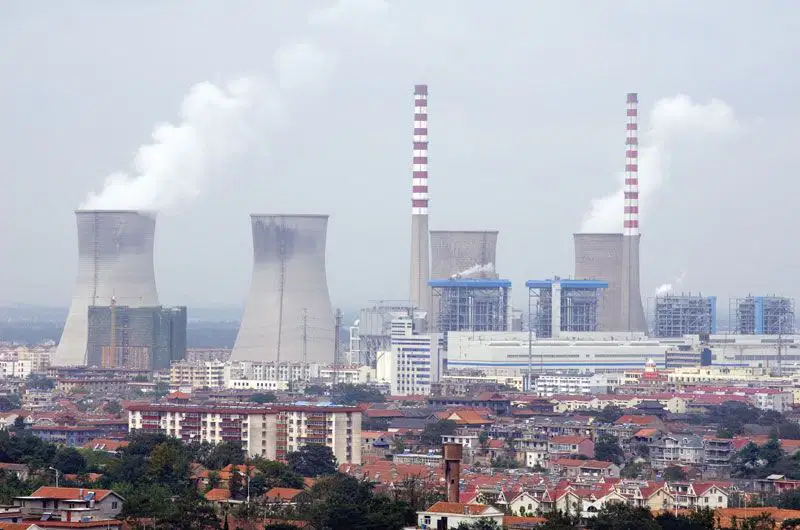
What are two risks of nuclear power?

What are two benefits of nuclear power?
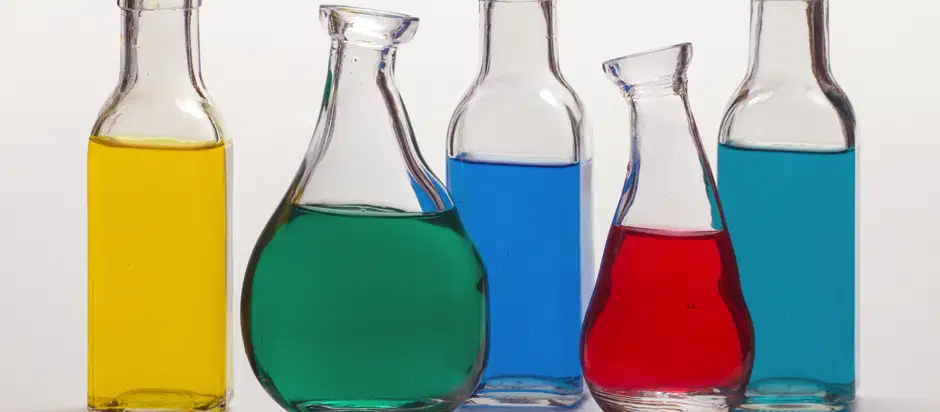
Give an example of a solid solution.
Granola Bar
Concrete
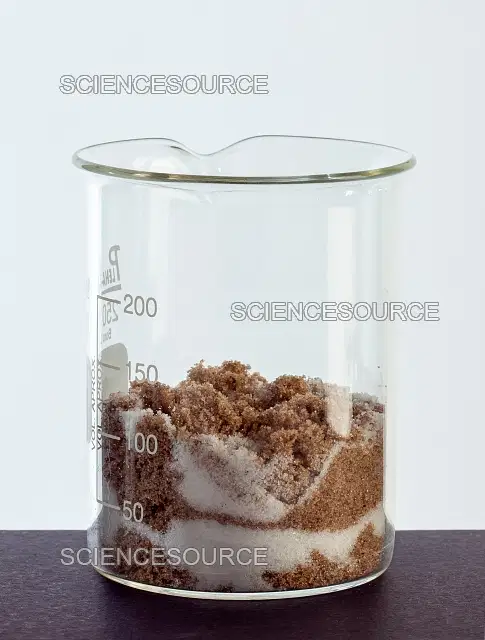
Which method would best separate a mixture of sand and salt?
Use a magnet
Freeze the mixture
Evaporate the water after dissolving the salt
Use a sieve
Identify which images are PURE SUBSTANCES! (Check all that apply) : )


Identify which images are HETEROGENEOUS MIXTURES! (Check all that apply)


Which of the following is classified as a pure substance?
Lemonade
Fruit punch
ketchup
Helium
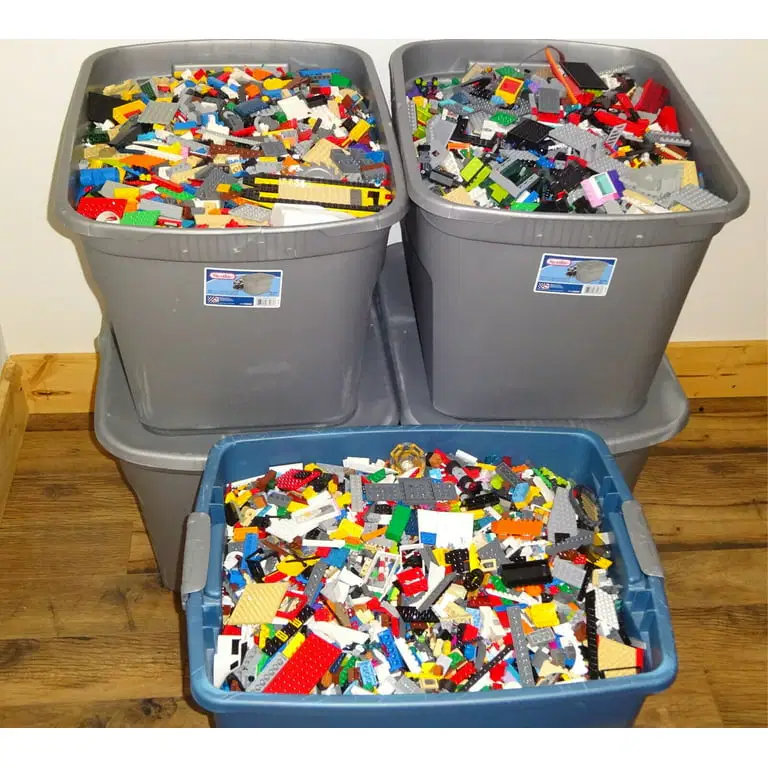
Which substances, when mixed together, maintain their original physical properties?
gravel and water
wood chips, water and sand
sand and water
all of the above

What type of mixture does this diagram represent?
Homogeneous
Heterogeneous

Bronze is an alloy of copper and _____.
Steel
Iron
Tin
Carbon

What is fractional distillation?
a process used to separate crude oil
a process used to burn up fuels
a way to make different products
how oil is extracted from the ground
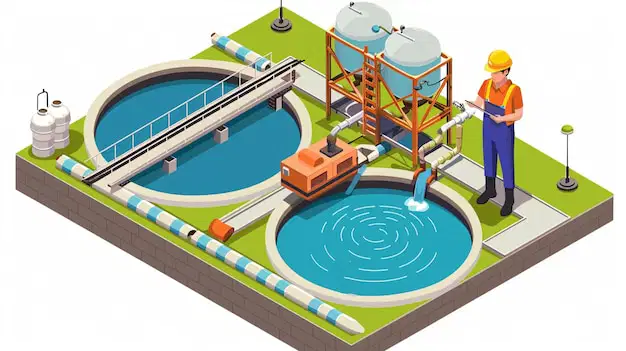
What is a sewage treatment plant?
The place where water is cleaned, filtered and tested before re-entering the water cycle.
The place where water is cleaned, filtered and tested before going to our houses.
The network of pipes that carry sewage (dirty water) from our houses.
The place where water is bottled for drinking.

What type of living things eat the organic matter in the sewage?
Plants
Animals
Bacteria
Fungi
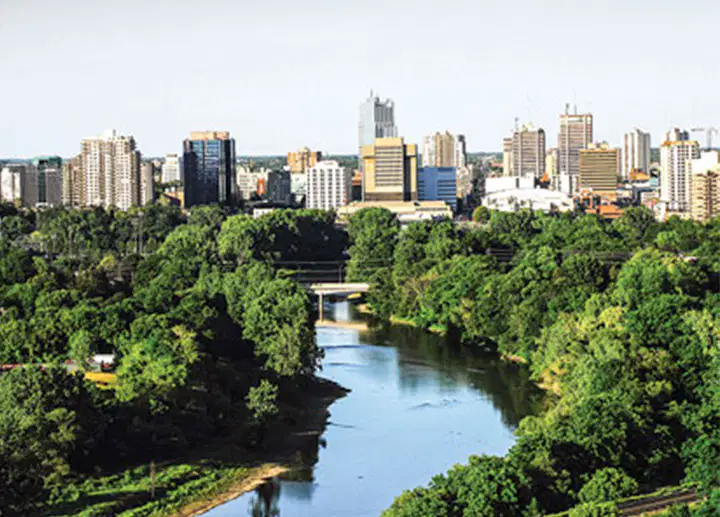
In London, the water that is clean returns to ______________.
Our taps.
The sea.
The Thames River.
The reservoir.

What is the first step of sewage treatment?
Clarification
Sieving
Settling
Aeration


