
 Worksheets
Final Exam-3rd
Total questions: 59
Worksheet time: 5hrs 38mins
Name
Class
Date
1.
This organelle takes food and turns it into ENERGY for plant and animal cells.
a)
Chloroplast
b)
Mitochondria
c)
Lysosome
d)
Ribosome
2.
The site of photosynthesis
a)
ribosome
b)
mitochondria
c)
chloroplast
d)
nucleus
3.
When many organ systems work together it can form...
a)
organ
b)
cells
c)
organ system
d)
organism
4.

This is a example of........
a)
organ system
b)
cells
c)
organ
d)
tissue
5.

This is a example of ........
a)
cell
b)
organ system
c)
organ
d)
tissue
6.
Which organelle is only found in a plant cell?
a)
nucleus
b)
chloroplast
c)
mitochondria
d)
cell membrane
7.
Which of the following is directly involved in the transportation of materials inside/within the cell?
a)
Endoplasmic Reticulum
b)
Vacuole
c)
Lysosome
d)
Mitochondria
8.
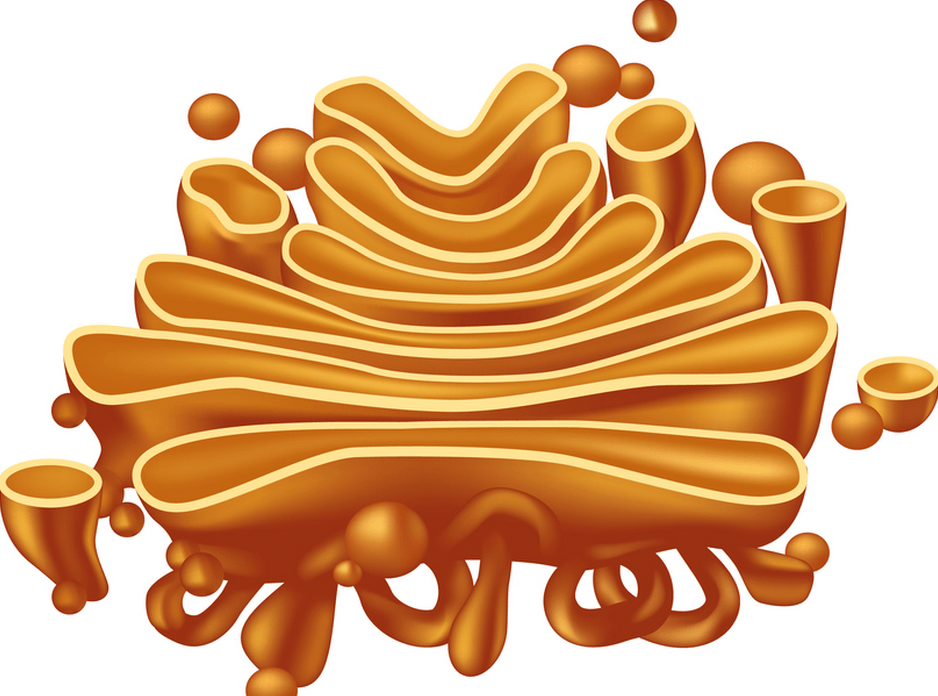
I am a protein packaging and shipping machine! Who am I?
a)
vacuole
b)
ribosome
c)
mitochondrion
d)
golgi apparatus
9.
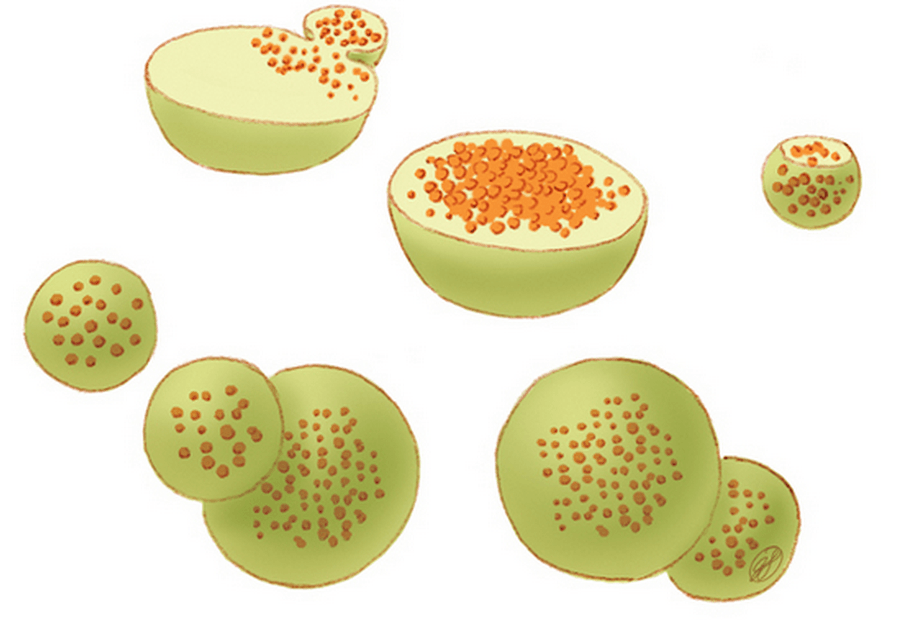
You might think of me as the trash collector, but recycler is maybe more accurate. What am I?
a)
mitochondria
b)
lysosome
c)
vacuole
d)
ribosome
10.
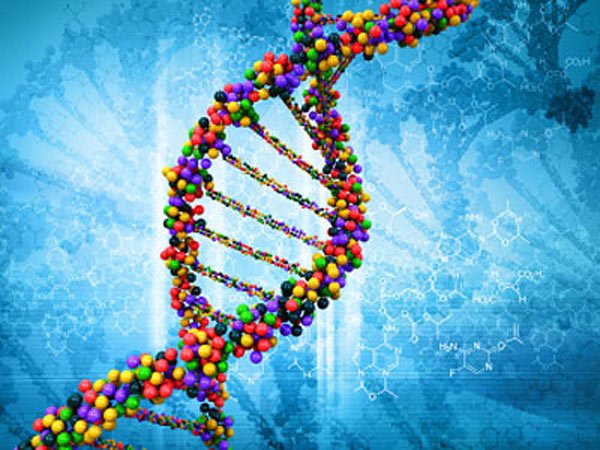
What is the name of the genetic material that is inside the nucleus?
a)
ER
b)
ATP
c)
YOLO
d)
DNA
11.

Which part of the cell is often called "the brain of the cell"?
a)
nuclear membrane
b)
endoplasmic reticulum
c)
nucleus
d)
mitochondria
12.
What is found in both plant and animal cells but is much larger in plant cells?
a)
Nucleus
b)
Mitochondria
c)
Chloroplast
d)
Vacuole
13.

I am the outer most layer of an animal cell. What am I?
a)
cell wall
b)
nucleus
c)
cell membrane
d)
cell skin
14.
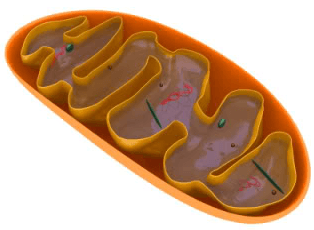
What are tiny organelles that convert glucose into ATP?
a)
Ribosomes
b)
Vesicles
c)
Cytoskeleton
d)
Mitochondria
15.
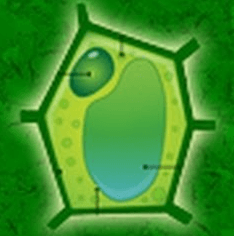
A rigid layer that lies outside the cell's membrane is...
a)
Cytoskeleton
b)
Cilia
c)
Cell Wall
d)
Flagella
16.
What organelle is called the "powerhouse" of a cell?
a)
Endoplasmic Reticulum
b)
Nucleus
c)
Mitochondria
d)
Nucleolus
17.
What is the gel-like substance inside of cells called?
a)
photoplasm
b)
photosynthesis
c)
cytoskeleton
d)
cytoplasm
18.
A group of tissues that work together to perform a similar function is called_____. (Examples include the heart, lungs or stomach)
a)
cells
b)
tissues
c)
organs
d)
organ system
19.
A group of cells that have similar functions? Examples are nervous, epithelial, muscle and connective
a)
cells
b)
tissues
c)
organs
d)
atoms
20.
Organs that work together to perform a related function is called _____________?
a)
cells
b)
tissues
c)
organ system
d)
organs
21.
What is osmosis?
a)
Diffusion of water through a membrane.
b)
Movement of particles from low to high concentration.
c)
Conversion of glucose to ATP.
d)
Conversion of sunlight to glucose.
22.
Which BEST describes cellular respiration
a)
Conversion of sunlight to glucose.
b)
Process of moving oxygen into the cell.
c)
Process of moving carbon dioxide into the cell.
d)
Conversion of glucose to ATP.
23.
Which BEST describes photosynthesis?
a)
Conversion of radiant energy to glucose.
b)
Conversion of glucose to ATP.
c)
Maintaining cell homeostasis.
d)
The movement of particles from high to low concentration.
24.
Before mitosis begins, which happens before the nucleus starts dividing?
a)
The cytoplasm separates.
b)
The DNA replicates.
c)
The sister chromatids separate.
d)
The homologous chromosomes cross over.
25.
During diffusion
a)
substances (things) moves from high to low concentration
b)
water moves when energy is used
c)
large or oddly shaped molecules move across a cell membrane
d)
water moves from high to low concentration
26.

_______ regulates what enters and leaves a cell.
a)
Cell Membrane
b)
Nucleus
c)
Mitochondria
d)
Cytoplasm
27.
When many organ systems work together it can form...
a)
organ
b)
cells
c)
organ system
d)
organism
28.
A group of cells that have similar functions? Examples are nervous, epithelial, muscle and connective
a)
cells
b)
tissues
c)
organs
d)
atoms
29.

Genotype refers to the ...
a)
physical expression of the genes
b)
the possible combination of alleles in a gene
c)
whether an allele is dominant or recessive
d)
how an organism will appear
30.

An offspring will receive how many alleles from each parent to determine a specific trait?
a)
one
b)
two
c)
three
d)
five
31.
Two brown eyed parents (Bb) have a baby. What is the chance the baby is blue eyed?
a)
0 %
b)
25%
c)
50%
d)
75%
32.
G = green, g = yellow
The genotype for a yellow plant is...
The genotype for a yellow plant is...
a)
GG
b)
Gg
c)
gg
d)
all of the choices result in yellow
33.
Two heterozygous (Tt) tall pea plants are crossed. Which describes their offspring?
a)
50% tall and 50% short
b)
75%tall and 25% short
c)
100%short
34.
B - black, b - brown. Two black mice mate and have some black and some brown mice. What is the genotype of the parents?
a)
BB x Bb
b)
BB x bb
c)
Bb x Bb
d)
Bb x bb
35.
Dominant alleles are-
a)
capital
b)
lowercase
c)
both
d)
neither
36.
Recessive alleles are-
a)
capital
b)
lowercase
c)
both
d)
neither
37.
Tt is-
a)
homozygous dominant
b)
homozygous recessive
c)
heterozygous
d)
none of these
38.
Purple is dominant to white. A heterozygous purple flower is crossed with a white flower. What are the genotypes and phenotypes of the offspring?
a)
100% Pp (purple)
b)
50% Pp (purple); 50% pp (white)
c)
75% Pp (purple); 25% pp (white)
d)
25% PP, 50% Pp, 25% pp
75% purple, 25% white
75% purple, 25% white
39.
Which describes a Prokaryotic cell?
a)
Has a nucleus
b)
Doesn't have a nucleus
40.

Is this an Autotroph or a Heterotroph?
a)
Autotroph
b)
Heterotroph
c)
Neither
41.

What do scientists mean when they classify an organism as unicellular?
a)
They are made of many cells
b)
They are made from the cells of a unicorn
c)
Having only one gigabyte of cellular data
d)
They have only one cell
42.

Choose the BEST (yes one of these questions) answer for the following question:
Is this a Eukaryotic Cell?
Is this a Eukaryotic Cell?
a)
Yes, because it looks cool
b)
No, because it has a nucleus
c)
Yes, because it has a nucleus
d)
No, because it looks weird
43.
What does a scientist mean when they classify an organism as multicellular?
a)
Having many cells
b)
Having one cell
44.
How many Domains are there?
Name them:
Name them:
a)
3; Archaea, Bacteria, Eukarya
b)
2; Bacteria, Eukarya
c)
1; Eukarya
d)
3; Bacteria, Eukarya, Protists
45.
How many Kingdoms are there?
a)
3
b)
6
c)
5
d)
4
46.
Earth formed 4.5 billion years ago, but life did not show until...
a)
3.5 billion years ago
b)
1 million years ago
c)
200,000 years ago
d)
4.5 billion years ago
47.
Which of the following is a fossil?
a)
a plant that has recently died
b)
a group of organisms that can reproduce
c)
a structure or organ that no longer functions
d)
a trace of an organisms that existed in the past
48.
Which type of cell came first?
a)
Eukaryotic
b)
Prokaryotic
c)
Protists
d)
Both Eukaryotic and Prokaryotic were about the same
49.

According to this cladogram, sharks are MOST closely related to which organism?
a)
Amphibians
b)
Ray finned fish
c)
Crocodiles
d)
Birds
50.

Which two orgainsms have hair?
a)
Sharks & Ray Finned Fish
b)
Primates & Rodents
c)
Birds & Crocodiles
d)
Rabbits & Birds
51.

A dichotomous key for trees is provided. Hikers found a tree that has large brown cones and single sharp needles. What species of tree have the hikers found?
a)
Juniper
b)
Pine
c)
Spruce
d)
Fir
52.
What are the three domains?
a)
Green, Blue, Red
b)
Autotrophic, Heterotrophic, Both
c)
Archea, Eukarya, Bacteria
d)
Marine Organism, Land Organism, or Both
53.
What is the most specific level of classification?
a)
Family
b)
Domain
c)
Species
d)
Carolus Linnaeus
54.
What is an organism called when it is unable to produce its own food and must find an external source?
a)
Heterotroph
b)
Autotroph
c)
Eukaryote
d)
Prokaryote
55.
What is an organism called when it is able to produce its own food using light energy?
a)
Heterotroph
b)
Autotroph
c)
Eukaryote
d)
Prokaryote
56.
This kingdom is eukaryotic, uni and multicellular, heterotrophic, and has a cell wall made of chitin.
a)
Plant
b)
Fungi
c)
Animal
d)
Eubacteria
57.
This kingdom is multicellular, autotrophic, and has a cell wall made of cellulose.
a)
Fungi
b)
Plant
c)
Animals
d)
Eubacteria
58.
Escherichia coli is the scientific name of a bacterium. What category of classification is Escherichia?
a)
Species
b)
Order
c)
Phylum
d)
Genus
59.

What species is bird C?
a)
Dunliin
b)
Osprey
c)
Bald Eagle
d)
Baird's Sparrow
100 %

