
 Worksheets
Energy (P, K, Heat)
Total questions: 92
Worksheet time: 3hrs 44mins
Name
Class
Date
1.
__________ is stored energy.
a)
Potential
b)
Kinetic
c)
None of the above
d)
All of the above
2.
Gravitational potential energy depends on the ________ and ________ of the object.
a)
Height and mass
b)
Friction and movement
c)
Mass and Movement
d)
Height and Friction
3.
Food has _________ energy.
a)
Potential
b)
Kinetic
c)
None of the above
d)
All of the above
4.
Energy due to motion is ____________ energy.
a)
Potential
b)
Energy
c)
Kinetic
d)
Friction
5.

What kind of energy is in a moving skateboard?
a)
Potential
b)
Kinetic
c)
Chemical
d)
Heat
6.

What kind of energy is in a rock at the edge of a cliff?
a)
Potential
b)
Kinetic
c)
Nuclear
d)
Electrical
7.

What kind of energy is in flowerpot sitting on a windowsill?
a)
Mechanical
b)
Kinetic
c)
Gravitational Potential Energy
d)
Sound
8.
What are the potential energies?
a)
Radiant, Electrical, Mechanical, Sound, Thermal
b)
Chemical, Nuclear, Gravitational
9.
What are the kinetic energies?
a)
Radiant, Electrical, Mechanical, Sound, Thermal
b)
Chemical, Nuclear, Gravitational
10.
When plants convert the sun's energy into food, which type of energy is it?
a)
kinetic
b)
chemical
c)
thermal
d)
radiant
11.

What kind of energy is in a battery?
a)
Potential
b)
Kinetic
12.

What kind of energy?
a)
Thermal
b)
Electrical
c)
Mechanical
d)
Radiant
13.

A battery converts what type of energy to another?
a)
sound to kinetic
b)
light to heat
c)
mechanical to electrical
d)
chemical to electrical
14.

What kind of energy does this device use?
a)
Chemical
b)
Electrical
c)
Thermal
d)
Chemical
15.

The glow sticks produce light for a short amount of time. The light from the glow stick is a conversion from what to what?
a)
thermal to light
b)
gravitational to potential
c)
radiant to electrical
d)
chemical to light
16.

What type of energy transformation happens in this object?
a)
Radiant to Electric
b)
Electric to Thermal
c)
Potential to Kinetic
d)
Kinetic to Potential
17.
Energy delivered by tiny charged particles called electrons is called_________ energy.
a)
Electrical
b)
Light
c)
Heat
d)
Sound
18.
Energy stored in the height of an object is called ___________ potential energy.
a)
Elastic
b)
Chemical
c)
Gravitational
d)
Nuclear
19.
Electromagnetic energy (such as visible waves, X-rays, gamma rays and radio waves) is called _______ energy.
a)
Heat
b)
Radiant (Light)
c)
Sound
d)
Electrical
20.
Which is the best example that something has kinetic energy?
a)
a. a car parked on a steep hill
b)
b. a tennis ball rolling across the court
c)
c. a picture hanging on the wall
d)
d. a piece of coal before it's burned
21.

At which point is kinetic energy greatest?
a)
W
b)
X
c)
Y
d)
Z
22.
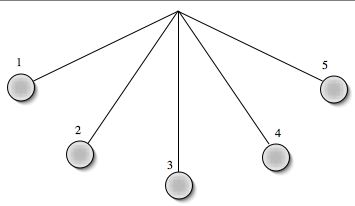
When a pendulum swings, at which point is potential energy at its greatest?
a)
1
b)
2
c)
3
d)
4
23.
Which of the following is an example of the conversion of kinetic energy into gravitational potential energy?
a)
A person parachuting out of an airplane
b)
A car racing around an oval track
c)
A person walking up a hill
d)
A person skiing down a hill
24.

Where is Potential Energy the greatest?
a)
A
b)
F
c)
D
d)
G
25.

Where is kinetic energy converting to potential energy
a)
A-G
b)
A-B
c)
A-D
d)
D-G
26.

The diagram shows two bowling balls of equal mass. Ball A is resting near the edge of a shelf. Ball B is resting on the ground below. Which of these statements best describes the diagram above?
a)
Ball A has more kinetic energy than Ball B.
b)
Ball B has more kinetic energy than Ball A
c)
Ball A has more potential energy than Ball B
d)
Ball B has more potential energy than Ball A
27.
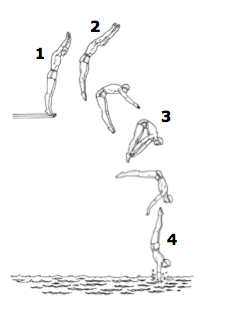
The diagram to the right represents a diver’s motion from the top of a high diving board into a pool of water. At what point does the diver have the greatest kinetic energy and the least potential energy?
a)
1
b)
2
c)
3
d)
4
28.

A skateboarder travels from location 1 to location 4 as shown. At which location does the skateboarder have the most kinetic energy and the least potential energy?
a)
1
b)
2
c)
3
d)
4
29.

The picture shows the path of a basketball when a player takes a shot at the basket. At which point does the ball have the greatest potential energy?
a)
1
b)
2
c)
3
d)
4
30.

A ball is released from rest at position 1. The diagram shows the ball in four positions as it rolls along a track from left to right. In which position does the ball have its minimum gravitational potential energy and maximum kinetic energy?
a)
1
b)
2
c)
3
d)
4
31.
Which object has the MOST kinetic energy?
a)
a car traveling 25 km/h
b)
a car traveling at 10 km/h
c)
a person running at 10 km/h
d)
a person on a bicycle traveling at 20 km/h
32.

At which point is potential energy greatest?
a)
W
b)
X
c)
Y
d)
Z
33.
At which point is kinetic energy greatest?
a)
W
b)
X
c)
Y
d)
Z
34.

The diagram above shows a side elevation view of the Sabine River and Toledo Bend Reservoir. At which point on the diagram does water have the greatest potential energy?
a)
W
b)
X
c)
Y
d)
Z
35.

The figure below shows a wagon that moves from point X to point Y. Which of the following best describes the wagon’s change in energy as it travels from point X to point Y?
a)
The wagon has the same kinetic energy at point Y and at point X
b)
The wagon has more kinetic energy at point Y than at point X
c)
The wagon has the same gravitational potential energy at point Y and at point X
d)
The wagon has more gravitational potential energy at point Y than at point X
36.
What is energy?
a)
rate of work
b)
Motion of an object
c)
ability to do work
d)
force over time
37.
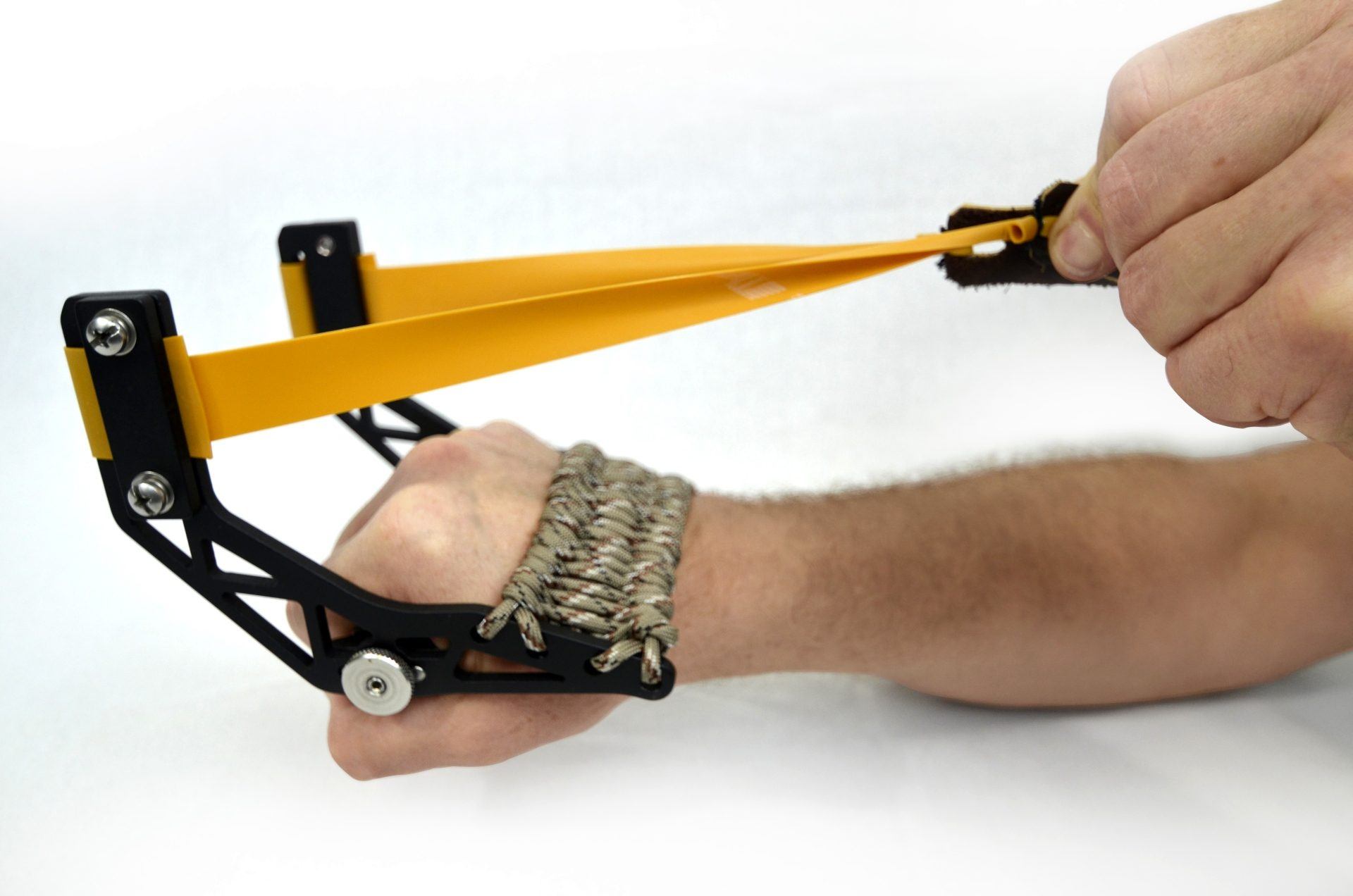
What type of energy is in this picture?
a)
Kinetic
b)
Potential
c)
Chemical
d)
Sound
38.

What kind of energy is represented in this picture?
a)
Thermal
b)
Electrical
c)
Nuclear
d)
Mechanical
39.
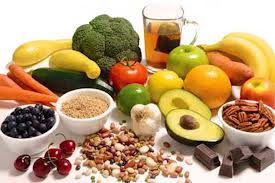
What kind of energy is represented in the picture?
a)
Thermal
b)
Chemical
c)
Sound
d)
Nuclear
40.
Wind turbines and windmills convert what energy to another?
a)
Mechanical to electric
b)
Gravitational potential to Electric to potential
c)
Sound to potential
d)
Thermal to sound
41.
You and your family are sitting around a campfire. You can feel the heat on your face, even when you back your seat away from the fire. The heat energy from the fire warms your face through:
a)
light energy from the fire
b)
conduction
c)
chemical reactions in the fire
d)
radiation
42.
The light from the sun gets to the Earth through...
a)
Radiation
b)
Convection
c)
Conduction
43.
Warm air rises and cool air sinks due to...
a)
Radiation
b)
Convection
c)
Conduction
44.
When your feet touch the hot pavement, heat is transferred to your feet through...
a)
Radiation
b)
Convection
c)
Conduction
45.

Energy stored in the nucleus of an atom is called
a)
electromagnetic energy
b)
nuclear energy
c)
mechanical energy
d)
chemical energy
46.

Visible light is an example of
a)
chemical energy
b)
electrical energy
c)
Radiant energy
d)
nuclear energy
47.

While rubbing your hands together on a cold day, you use friction to trasnform
a)
thermal energy into nuclear energy
b)
nuclear energy into electrical energy
c)
mechanical energy into thermal energy
d)
mechanical energy into electrical
48.

Movement of thermal energy from a warmer object to a cooler object is called
a)
heat
b)
temperature
c)
friction
d)
momentum
49.
According to which law of energy, energy can't be created or destroyed?
a)
First law of motion
b)
The law of tacos
c)
Laws of Energy
d)
law of conservation of energy
50.

Coal is a __________ energy resource.
a)
Renewable
b)
Nonrenewable
51.

Hyrdo Power is a __________ energy resource.
a)
Renewable
b)
Nonrenewable
52.

Bro A bench presses 145-lbs five times in 20 seconds.
Bro B bench presses 145-lbs five times in 10 seconds.
Bro B bench presses 145-lbs five times in 10 seconds.
a)
Bro A did more work.
b)
Bro B did more work.
c)
Both Bros did the same amount of work.
d)
Bro
53.

At what position is there more kinetic than potential energy?
a)
C
b)
D
c)
C & D
d)
B, C & D
54.

This is an example of-
a)
Conduction
b)
Convection
c)
Radiation
55.

This is an example of-
a)
Conduction
b)
Convection
c)
Radiation
56.
What evidence demonstrates that convection currents are at work?
a)
Food coloring spreads throughout a glass when the water in the glass is stirred
b)
Smoke rises from a lighted candle wick
c)
The handle of a pan on a stove gets hot
d)
Your face feels warm sitting beside a fire
57.
Convection could occur in which of the materials below?
a)
A block of wood
b)
The ocean
c)
A bowl of ice cream
d)
In space
58.
As you touch a hot stove the heat transfers -
a)
from your hand to the stove
b)
from the stove to your hand
c)
It doesn't transfer
59.
Which example below is an example of convection?
a)
Standing on a hot metal bridge
b)
The attic is warmer than the basement
c)
The Sun heating the Earth
d)
Touching hot sand with your feet
60.
Which example below is an example of conduction?
a)
Boiling macaroni
b)
The attic is warmer than the basement
c)
The Sun heating the Earth
d)
Touching hot sand with your feet
61.
What type of heat transfer takes place through open space?
a)
Conduction
b)
Convection
c)
Radiation
62.
Chemical-> Electrical -> Mechanical
a)
A triple beam balance measuring an object’s mass
b)
A battery operated pencil sharpener
c)
A projector displaying a diagram on the screen
d)
A battery operated flashlight
63.

The picture shows a microwave oven. As a microwave oven is operated, electrical energy is transformed into all of the following types of energy EXCEPT —
a)
electrical
b)
radiant
c)
thermal
d)
nuclear
64.
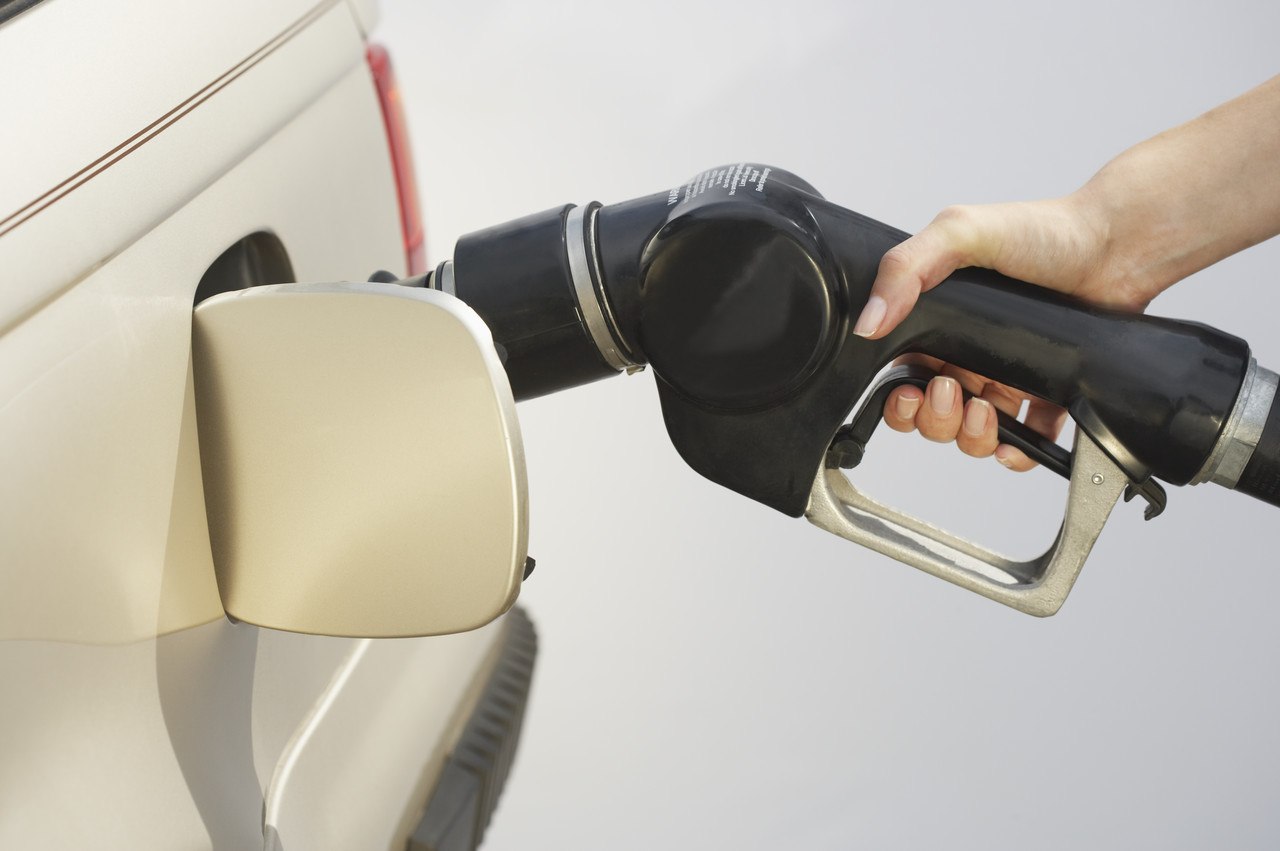
Which energy conversion is taking place when you put gasoline in a car?
a)
thermal -> electrical
b)
mechanical -> electrical
c)
chemical -> mechanical
d)
mechanical -> electromagnetic
65.
According to the Law of Conservation of Energy, energy cannot be _________ or ____________.
a)
destroyed, destroyed
b)
created, saved
c)
created, destroyed
d)
lost, found
66.
Which of the following statements could cause you to get a burn through the process of convection?
a)
Being out in the sun to long
b)
Holding your hand over a hot fire
c)
Touching a hot stove
d)
Cooking something in a microwave
67.
When a soccer ball is on a field, the energy it has just before being kicked is called
a)
kinetic energy
b)
potential energy
c)
mechanical energy
d)
chemical energy
68.

The picture shows a pan of water being heated, which statement best describes how the water is heated to the same temperature
a)
Conduction because the water is in direct contact with the flames
b)
Convection currents in the water distribute the heat
c)
Radiation from the fire heats the outside of the pan
d)
Convection currents carry the evaporated water
69.
The suns energy travels through space in a process known as what?
a)
Solar Flares
b)
Convection
c)
Conduction
d)
Radiation
70.
Heat always moves from what to what?
a)
Hot to Hot
b)
Hot to cold
c)
Cold to hot
d)
Cold to Cold to Hot
71.
Heat moves from warmer objects to cooler objects until what?
a)
They both stay the same temperature
b)
The warmer one becomes warmer
c)
The cooler one becomes warmer than the warmer one
d)
The object become the same temperature
72.
A fire heats a room through what process?
a)
Electromagnetic conduction
b)
Convection
c)
Radiation
d)
Conduction
73.
You play your electric piano, what kind of energy transfer is taking place when you play?
a)
Electrical energy is changed into sound energy
b)
Electrical energy is changed into Thermal energy
c)
Sound energy is changed into electrical energy
d)
You hand energy is changed into sound energy
74.
You are playing a video game that is plugged into the wall, how is the energy going from where it is plugged in to the game?
a)
Electrical energy into thermal and potential energy
b)
Potential energy into electrical and thermal energy
c)
Electrical energy changed into sound energy and light energy
d)
Electrical energy into static electricity
75.
Warm air ________________ and cold air ______________
a)
sinks and rises
b)
sinks and sinks
c)
rises and rises
d)
rises and sinks
76.

This is a lava lamp. When the light bulb heats the wax, the wax rises. When the wax cools, it falls. This cycle of rising/falling is an example of:
a)
Conduction.
b)
Convection.
c)
Radiation.
77.

The Gulf Stream is a current that brings warm ocean water from the south to the north. What type of heat transfer is this?
a)
conduction
b)
convection
c)
radiation
d)
Insolation
78.
Ironing a shirt is an example of...
a)
condensation
b)
conduction
c)
convection
d)
radiation
79.
You get sunburned due to __________ from the sun.
a)
conduction
b)
convection
c)
radiation
80.
You're holding hands with your mother. Your mother's hands are REALLY warm and yours are really cold. After a few minutes, this has changed. How might you explain what happened?
a)
The cold energy from your hand transferred to your friend's hand through conduction.
b)
The heat energy from your friend's hand transferred to your hand through conduction.
c)
The cold energy from your hand transferred to your friend's hand through convection.
d)
The heat energy from your friend's hand transferred to your hand through convection.
81.
Which describes what can happen as a result of radiation?
a)
A piece of wood burns in a fire.
b)
A shirt is hot after having been ironed.
c)
A can of soup is heated in a pot on a stove.
d)
A car’s inside temperature rises to over 100 degrees on a sunny day.
82.
Which best explains why a hot air balloon floats?
a)
The heated air expands to fill the balloon. The air in the balloon is now lighter than the surrounding air, causing the balloon to rise.
b)
The heated air expands to fill the balloon. The air in the balloon is now heavier than the surrounding air, causing the balloon to rise.
c)
The heated air contracts to fill the balloon. The air in the balloon is now denser than the surrounding air, causing the balloon to rise.
d)
The heated air contracts to fill the balloon. The air in the balloon is now lighter than the surrounding air, causing the balloon to rise.
83.
Which is the best example of heat transfer by convection?
a)
frying bacon in a pan
b)
sea breeze at the beach
c)
melting ice in your hand
d)
burning your finger on the stove
84.
A student places a cup of cold water on a counter in a hot room. After a short time, the student notices that the water in the cup is no longer cold. Which best explains why the water in the cup is no longer cold?
a)
The coldness of the water transferred to the air, making the water in the cup warmer.
b)
The coldness of the water was conducted to the cup, making the water in the cup warmer.
c)
The heat from the air transferred to the water in the cup, making the water in the cup warmer.
d)
The heat from the air caused the cold water in the cup to condense, making the water warmer.
85.
On a hot summer day, a student dropped an ice cube onto a park bench. Within minutes, the ice cube melted. Which bestdescribes the process the student observed?
a)
radiation
b)
combustion
c)
conduction
d)
convection
86.
Molecules in cold things move more _________
than in hot things.
than in hot things.
a)
quickly
b)
slowly
c)
happily
d)
merrily
87.
If you put a metal spoon and a wooden spoon into a pot of boiling water, one will become too hot to touch. Why?
a)
Metals conduct heat better than wood.
b)
Wood conducts heat better than metals.
c)
Metals pull in heat because heat is attracted to metals.
d)
Wood isn't as strong as metals.
88.
The three types of heat transfer are...
a)
spilling hot soup in your lap
b)
hot, hotter, and hottest
c)
conduction, convection and radiation
d)
conduction, convection and tickling
89.
Convection=
a)
physical contact
b)
warm air rising
c)
heat moving through empty space
d)
say what?
90.
Radiation=
a)
physical contact
b)
warm air rising
c)
heat moving through empty space
d)
say what?
91.
Conduction=
a)
physical contact
b)
warm air rising
c)
heat moving through empty space
d)
say what?
92.
Heat moves by ______ when it travels from one solid to another solid.
a)
radiation
b)
convection
c)
thermal energy
d)
conduction
100 %

